What Are Wedding Readings For Ceremony And Why Do They Matter
The Role Of A Wedding Reading In Setting The Emotional Tone
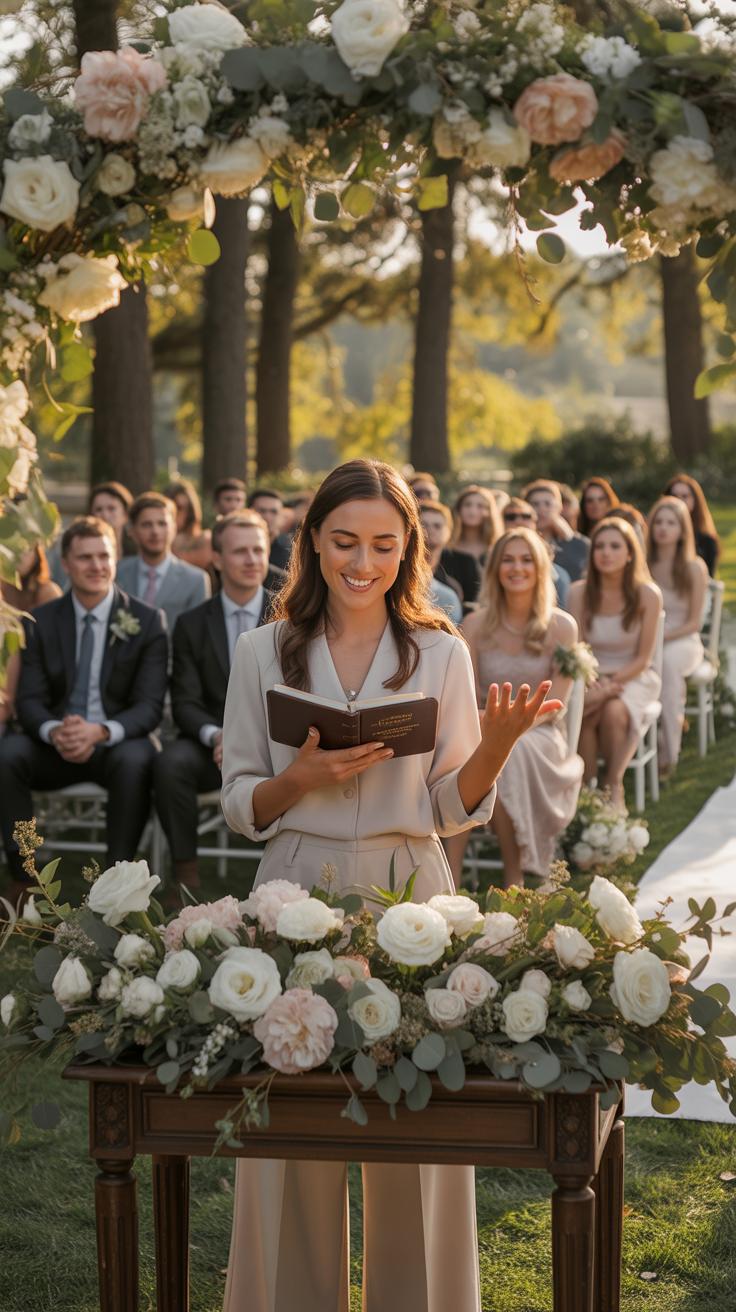
Wedding readings are spoken passages that bridge the transition between the processional and the exchange of vows. They serve as a strategic tool to anchor the audience and focus their attention on the specific values of the couple. By selecting a text that resonates, you establish a clear atmosphere. This choice dictates whether the ceremony feels formal, lighthearted, or deeply contemplative for every person present.
A reading provides a necessary pause in the logistical flow of the event. It allows the couple and their guests to process the gravity of the legal or spiritual commitment. Without these readings, ceremonies often feel mechanical or overly brief. Effective readings humanize the ritual. They use external voices from literature, law, or poetry to validate the bond. This structural element ensures the ceremony carries sufficient weight.
How Wedding Readings Reflect The Couples Personality And Love Story
Readings act as a public declaration of a couple’s shared philosophy and cultural identity. Choosing a specific text signals what the couple prioritizes in their partnership. A passage from a secular legal ruling emphasizes equality and civil rights. A classic poem suggests a respect for tradition and historical continuity. These selections tell the guests who the couple is without requiring them to write long personal vows.
Customizing the readings prevents the ceremony from becoming a generic template. The chosen words highlight specific experiences or milestones in the relationship. When a friend or family member performs the reading, it adds a layer of communal support to the union. This tactical choice integrates the social circle into the official record of the day. It transforms a standard service into a personalized narrative that feels authentic.
Classic Wedding Readings That Have Stood The Test Of Time
Timeless Literary Passages Used As Wedding Readings Across Generations
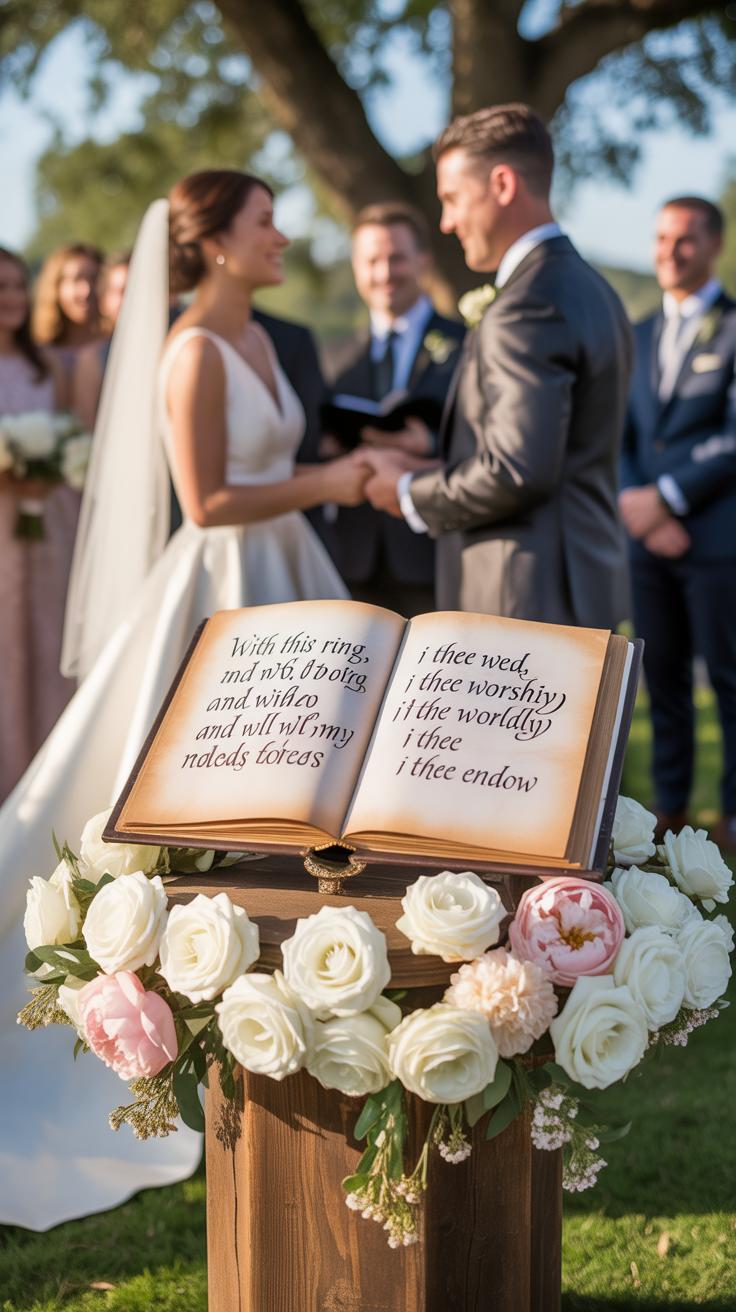
Shakespeare and Victor Hugo provide the foundation for many secular ceremonies. These texts focus on the permanence of character and the stability of a legal union. Couples often select Sonnet 116 because it defines love as an unchanging landmark. This tactical choice clarifies the legal and emotional intent of the contract. It removes modern ambiguity and replaces it with established historical definitions.
Extracted passages from Les Misérables and Captain Corelli’s Mandolin serve as popular modern classics. These readings move beyond simple romance to discuss the practical merging of two lives. They describe love as a deliberate action rather than a fleeting feeling. Using these specific texts links the modern ceremony to centuries of intellectual thought. It provides a formal structure that guests recognize and respect immediately.
Why Classic Wedding Ceremony Readings Continue To Resonate With Couples Today
Classic readings endure because they offer high levels of clarity. Modern language often feels temporary or overly casual. Older texts use strong, declarative sentences that signal the gravity of the event. Guests understand the stakes when they hear established prose. This tradition creates a bridge between the past and the future. It gives the ceremony a necessary sense of historical weight.
Strategic selection of classic texts also solves the problem of diverse audiences. These readings appeal to multiple generations of guests simultaneously. Older family members appreciate the tradition, while younger guests value the proven wisdom. Using a classic text reduces the risk of the ceremony feeling dated in five years. It ensures that the core message remains relevant through changing social trends and cultural shifts.
Wedding Poems Reading Using Poetry To Elevate Your Ceremony
Celebrated Poets And Their Works Commonly Chosen As Wedding Poems
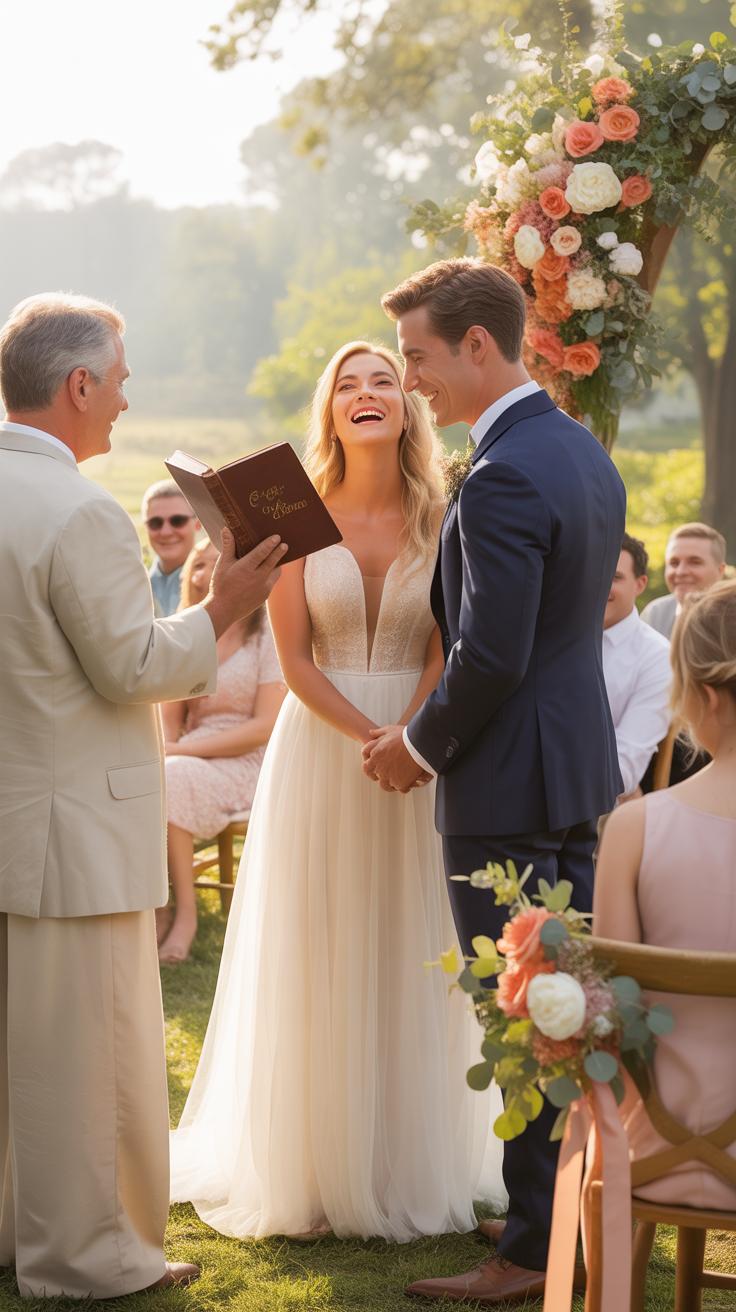
Couples select specific poets to ground their ceremony in historical literary traditions. Pablo Neruda remains a top choice for his direct and physical language regarding commitment. Modern ceremonies often feature Maya Angelou or Mary Oliver. These writers provide clear structures that guests can follow easily. Their works focus on the reality of partnership rather than abstract ideas. High quality poetry creates a distinct shift in the ceremony rhythm.
The era of the poem dictates the tone of the wedding. Renaissance era sonnets by William Shakespeare offer a formal and traditional atmosphere. Victorian poets like Elizabeth Barrett Browning provide structured emotional depth. Twentieth century works move toward free verse and accessible themes. Selection must match the overall style of the event. A classic venue suits formal meters while outdoor spaces often pair well with contemporary nature based poems.
How To Deliver A Wedding Poems Reading With Confidence And Emotion
Effective delivery requires technical preparation and physical control. The reader must print the text in a large and clear font. Small scripts cause squinting and break eye contact with the audience. Standing with both feet firmly planted stabilizes the breath. Hold the paper at chest height to keep the airway open. This position allows the voice to project without straining the vocal cords or obscuring the face.
Pacing is the most critical factor in a poetry reading. Most readers speak too fast due to nervous energy. Pause at the end of each stanza to let the meaning settle. Use silence as a tool to emphasize important lines. Maintain eye contact with the couple during key passages to ground the performance. Consistent practice out loud ensures the reader masters difficult phrasing before the live event begins.
Romantic Wedding Readings For Traditional And Religious Ceremonies
Scripture And Sacred Texts Commonly Selected As A Reading For Wedding Ceremony
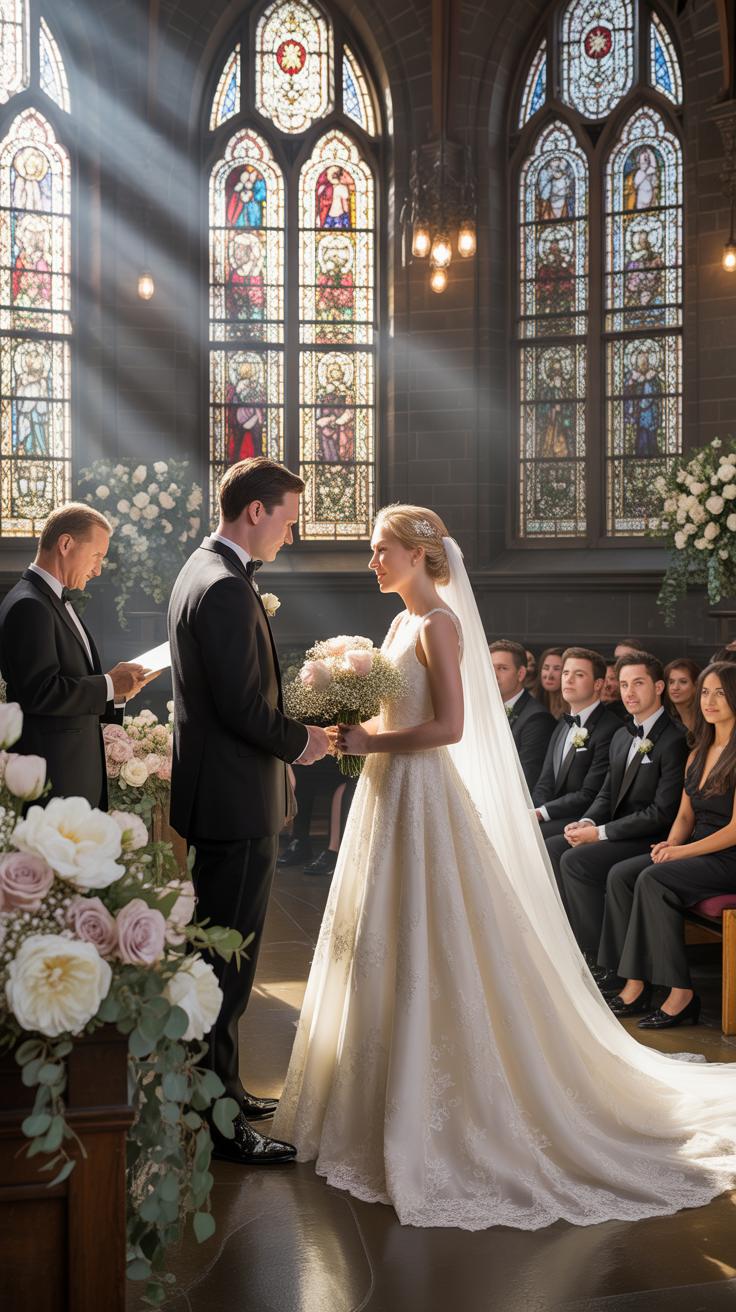
Traditional ceremonies rely on established religious texts to anchor the marriage contract. Most Christian weddings favor 1 Corinthians 13 for its clear definition of patient and kind behavior. Jewish ceremonies often include readings from the Song of Solomon to emphasize mutual desire and commitment. These selections provide a historical foundation for the couple. They connect the modern union to centuries of established faith traditions.
Clergy and officiants suggest these texts because they define love as an action rather than a feeling. This shift in perspective is vital for a long-term legal and spiritual commitment. Secular couples sometimes use these passages for their cultural weight and recognizable structure. Selecting these texts ensures the ceremony feels formal and significant. It aligns the event with the gravity of the legal vows being made.
How Religious Wedding Ceremony Readings Add Spiritual Depth To The Vows
Religious readings elevate the ceremony from a legal transaction to a sacred rite. These texts provide a framework that explains the purpose of the union beyond the two individuals. They introduce the concept of a higher power or a communal witness to the proceedings. This adds a layer of accountability to the promises made. It transforms the atmosphere of the room and signals a shift into a serious ritual.
Formal readings also assist in the pacing of the service. They offer moments of reflection between the entrance and the exchange of rings. This structure helps the audience focus on the specific values the couple intends to uphold. Using sacred texts validates the bond within a specific cultural or religious community. It ensures the ceremony feels rooted in a legacy that extends past the present moment.
Modern And Non Religious Wedding Readings For Contemporary Couples
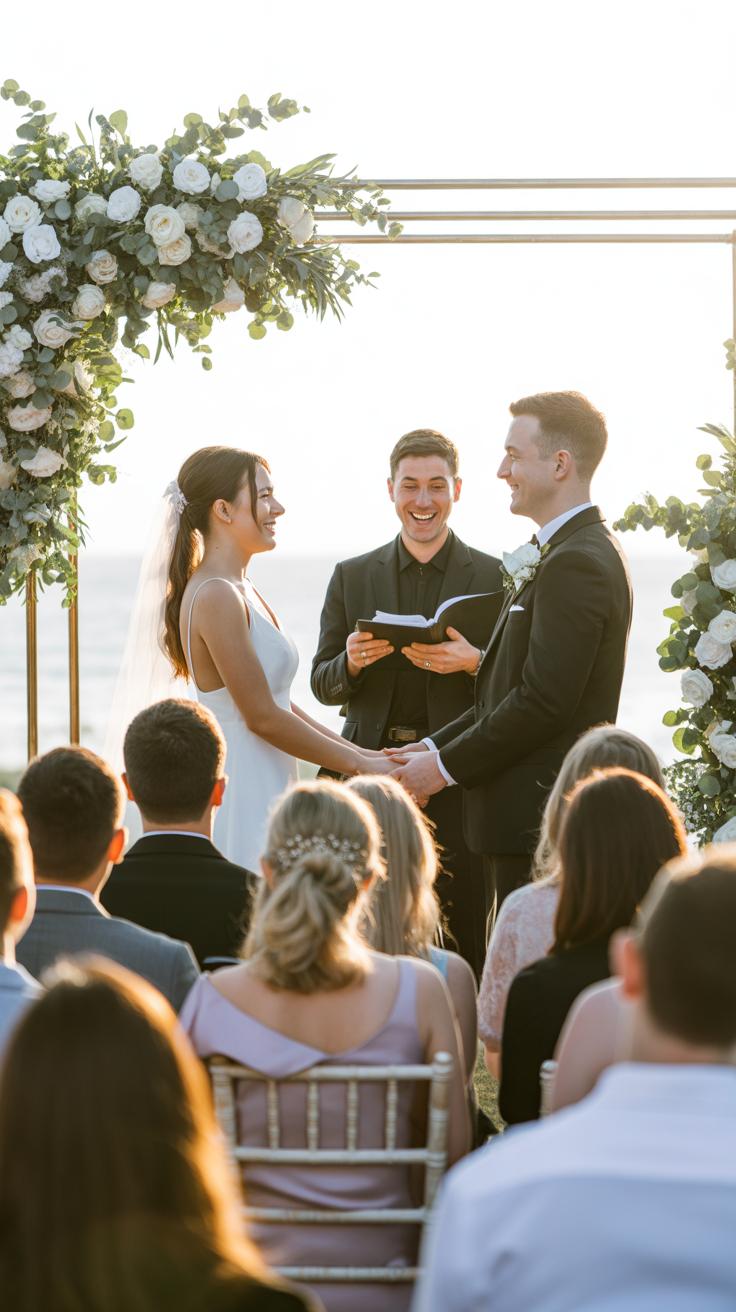
Popular Non Religious Sources For A Meaningful Wedding Reading Today
Couples now select texts from secular literature and legal documents to ground their ceremony in reality. Popular sources include legal rulings like Justice Anthony Kennedy’s majority opinion on marriage equality. Modern prose from authors like Dolly Alderton and Cheryl Strayed offers a grounded view of partnership. These sources focus on the civil and social contracts of marriage rather than spiritual symbolism or ancient traditions.
Scientific texts provide another valid source for modern ceremonies. Passages regarding the laws of thermodynamics or the biological nature of connection offer a factual basis for commitment. These readings appeal to couples who prioritize logic and evidence over mysticism. You should choose excerpts from contemporary novels or essays that reflect modern communication styles. This ensures the reading feels authentic to the lifestyle and values of the couple.
How Modern Wedding Readings Capture Everyday Love In Honest, Relatable Language
Modern wedding readings strip away abstract metaphors to focus on the tangible reality of daily life. They describe love as a series of choices and actions rather than an uncontrollable feeling. Practical language highlights the importance of teamwork and mundane rituals. This shift makes the ceremony feel relevant to the actual lived experience of the couple. Guests connect better with themes of shared chores and mutual support.

Honest language validates the difficulty and effort required in a long-term relationship. It avoids the perfectionism found in traditional poetry. Instead, these readings celebrate the resilience needed to navigate conflict and change. By using direct and clear sentences, the speaker delivers a message that everyone understands immediately. This tactical approach ensures the reading serves as a functional foundation for the couple’s new legal and social status.
Inspiration For Wedding Readings Where To Find The Right Words
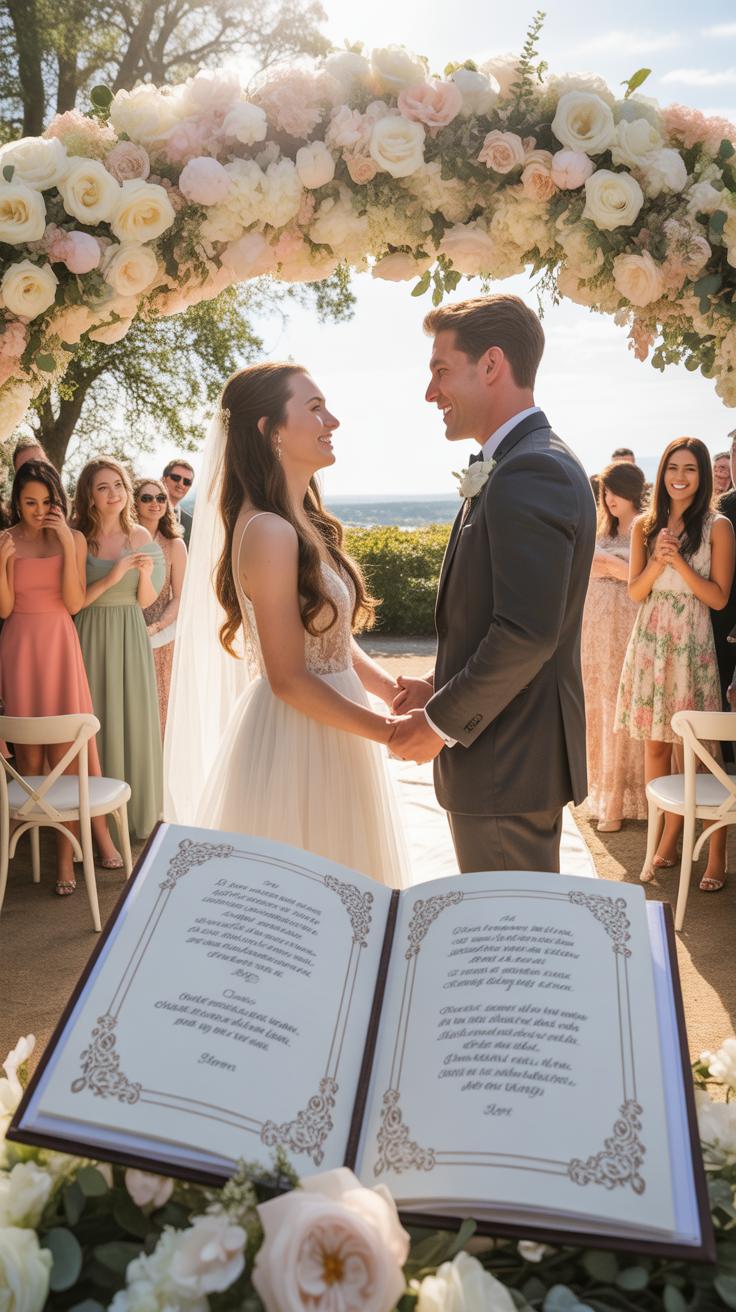
Trusted Books, Authors, And Resources That Offer Inspiration For Wedding Readings
Reliable wedding readings come from established literary canons. Look to the Romantic poets like John Keats or Percy Bysshe Shelley for classic themes. Modern prose offers diverse perspectives through authors like Maya Angelou or Dolly Alderton. Legal archives also provide secular options. The 2015 Supreme Court ruling on marriage equality contains impactful language often used in non-religious ceremonies. These sources offer grounded and historically significant text.
Digital databases like the Poetry Foundation or poets.org allow for specific keyword searches. Use these tools to filter by theme or era. Avoid general search engines to skip poor translations and misattributed quotes. Check physical anthologies for curated selections. Great writers provide structure and rhythm that amateur blogs lack. Focus on texts that have survived decades of public scrutiny. This ensures the material carries weight during the ceremony.
Tips For Narrowing Down Your Choices When Searching For Reading For Wedding Inspiration
The selection process requires strict parameters to avoid choice paralysis. Begin by defining the tone of your ceremony. A formal black-tie event demands different language than a casual outdoor gathering. Read every prospective text out loud to test the cadence. Some poems look good on paper but sound clunky when spoken. Efficiency is your goal. Eliminate any passage that exceeds two minutes in length.
- Assess The Reading Level: Choose a text that is easy to understand on first hearing. Guests cannot rewind a live performance. Avoid archaic language or dense metaphors that require a dictionary. Stick to clear and direct sentence structures.
- Check For Authenticity: Only select words that reflect your actual shared values. Do not use a religious text if you are secular. Avoid cynical or dark themes even if the author is famous. Ensure the message aligns with your lifestyle.
- Review The Speaker’s Ability: Match the complexity of the text to your chosen reader. A nervous friend should not read technical Victorian era poetry. Give them a modern prose piece with simple punctuation. This prevents mistakes and reduces their stress during your ceremony.
- Time The Delivery: Keep your chosen reading between thirty and ninety seconds. Long readings cause the audience to lose focus. Use a stopwatch to get an accurate count. Cut unnecessary stanzas to reach the core message faster.
- Verify The Source: Always confirm the author and context of the quote. Many popular wedding verses are misattributed or taken from tragic scenes. Research the full work to ensure it is actually romantic. Accuracy prevents embarrassment in front of your guests.
Finalize your choice by printing the text in a large font. Provide this physical copy to your reader weeks in advance. Do not rely on digital screens during the event. Paper is more reliable and looks better in professional photography. Ensure the reader understands your preferred emphasis on specific lines. Clear communication now prevents technical errors later. This tactical approach secures a professional result for your wedding.
How To Choose The Perfect Reading For Wedding Ceremony Style
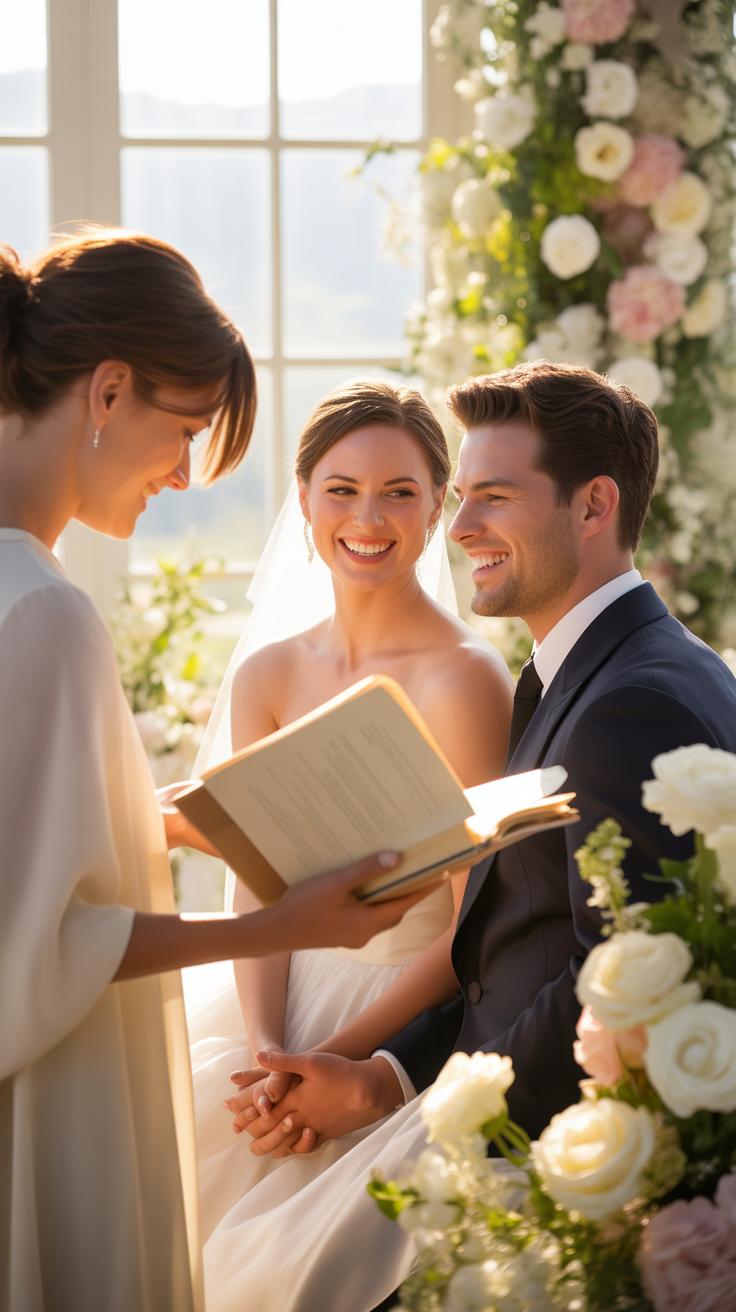
Matching The Tone Of Your Wedding Reading To Your Ceremony Atmosphere
The atmosphere of the venue dictates the appropriate text style. A formal religious setting requires traditional scripture or historical liturgical excerpts. These texts establish a sense of gravity and continuity with the past. Using modern pop culture references in a cathedral creates a jarring disconnect for the audience. Match the weight of the words to the physical height and scale of your location.
Outdoor or contemporary settings provide more flexibility for secular literature and modern prose. These environments allow for conversational language and direct emotional expression. The goal is to align the literary rhythm with the pace of the event. A quick civil ceremony benefits from short and punchy stanzas. A long evening service allows for slower and more complex narrative arcs that build tension and resolution.
Key Factors To Consider When Selecting A Reading For Wedding Ceremony
Successful selection depends on logistics and the profile of the person delivering the message. You must evaluate the intellectual accessibility of the text for the gathered crowd. A reading fails if the audience cannot follow the logic or the vocabulary. Prioritize clarity over cleverness. Ensure the chosen passage supports the core theme of the union without distracting from the couple’s central focus.
- Reader Ability: Assess the public speaking skills of your chosen representative. Long and complex sentences cause stumbles for inexperienced speakers. Select shorter and more rhythmic passages for readers who lack professional training. This ensures they deliver the message with confidence.
- Text Duration: Control the timing to maintain the flow of the program. Most effective readings last between sixty and ninety seconds. Passages exceeding three minutes often lead to guest fatigue and loss of focus. Keep the ceremony moving by editing long texts down.
- Thematic Alignment: Verify that the content matches the values of the couple. Secular ceremonies should avoid religious texts that conflict with the couple’s worldview. Conversely, religious ceremonies may have strict rules about what sources are permitted. Check with the officiant before finalizing any non-religious text.
- Cultural Relevance: Incorporate heritage through specific linguistic or historical choices. This adds depth and authenticity to the ceremony. Ensure the reading provides context that guests from different backgrounds can understand and appreciate. Research the historical meaning of the words to avoid accidental offense.
- Visual Impact: Consider how the physical script appears during the moment. Handing a reader a crumpled piece of paper looks unprofessional. Print the text in a large font on heavy cardstock. This tactical detail ensures the reader can see the words and maintains the aesthetic quality.
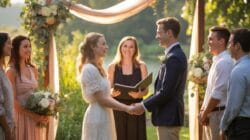
Evaluate the physical acoustics of the space before making a final choice. High ceilings and echoes make complex poetry difficult to hear. In such spaces, utilize prose with simple sentence structures. This tactical approach ensures every guest hears and understands the message clearly. Always test the reading aloud in the venue if possible to confirm the flow and timing match the physical environment.
Who Should Deliver The Wedding Reading And How To Prepare Them
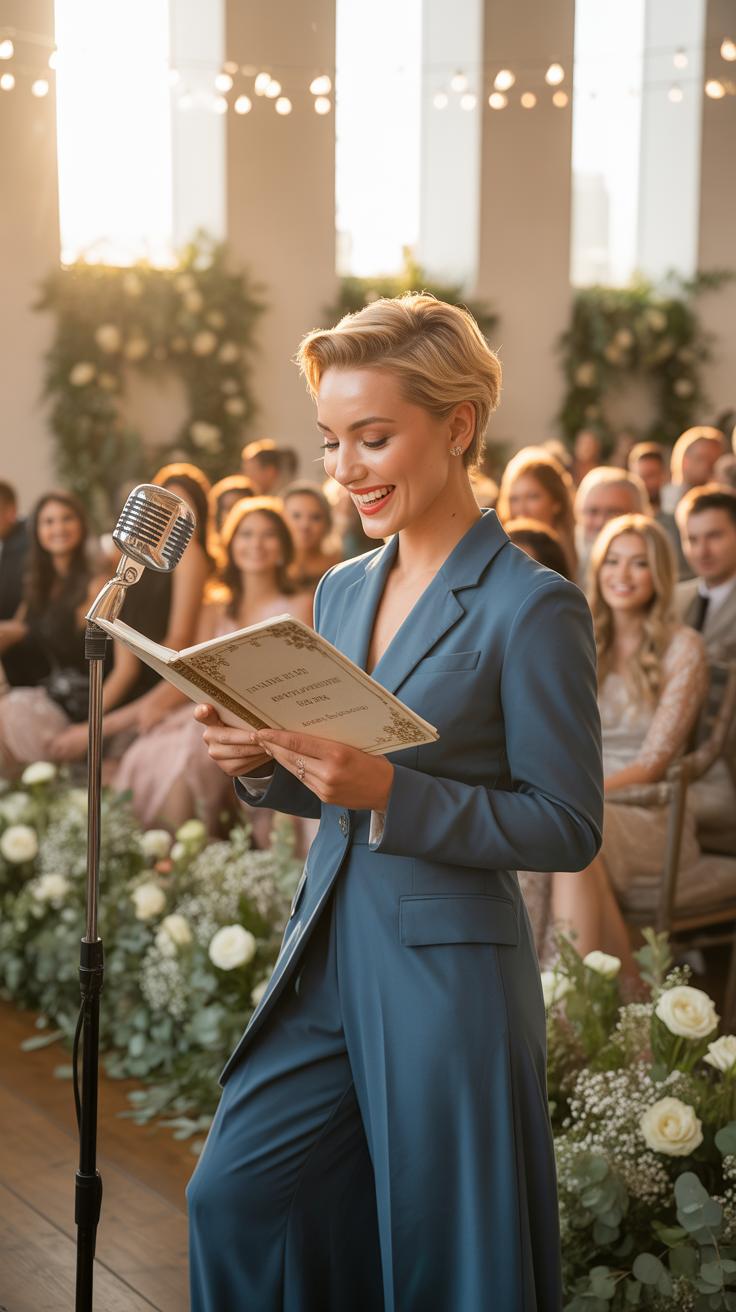
Choosing The Right Person To Deliver Your Wedding Reading With Care
Select readers who possess strong public speaking skills and a clear voice. Avoid choosing someone based only on your social obligation or family rank. The reader must command the room and handle the emotional weight of the text. Look for individuals who stay calm under pressure. These people ensure the words reach the back of the room without fading away or trembling.
Match the personality of the reader to the tone of the text. A humorous person should deliver a lighthearted poem. A serious or authoritative person should handle a classic literature excerpt or religious scripture. Consider the reader’s relationship to your story. Their connection to you adds weight to the performance. Verify their availability for the rehearsal to ensure they understand the ceremony flow.
Love does not consist in gazing at each other, but in looking outward together in the same direction.
How To Help Your Reader Prepare So The Moment Feels Natural And Heartfelt
Provide the final text to your reader at least four weeks before the ceremony. Use a large font size and double spacing to make the paper easy to read. Explicitly mark where the reader should pause for emphasis. This preparation prevents stumbles and ensures the message lands with the audience. Clear instructions remove the guesswork and help the reader feel confident.
Instruct the reader to speak slowly and project toward the back row. They must practice breathing through the nose to maintain a steady pace. Tell them to make eye contact with the guests and the couple. Provide a physical copy of the reading on heavy cardstock. Do not rely on digital devices as screens can fail or dim. Proper tools guarantee a professional delivery.
Wedding Poems And Short Readings That Work For Any Ceremony Length
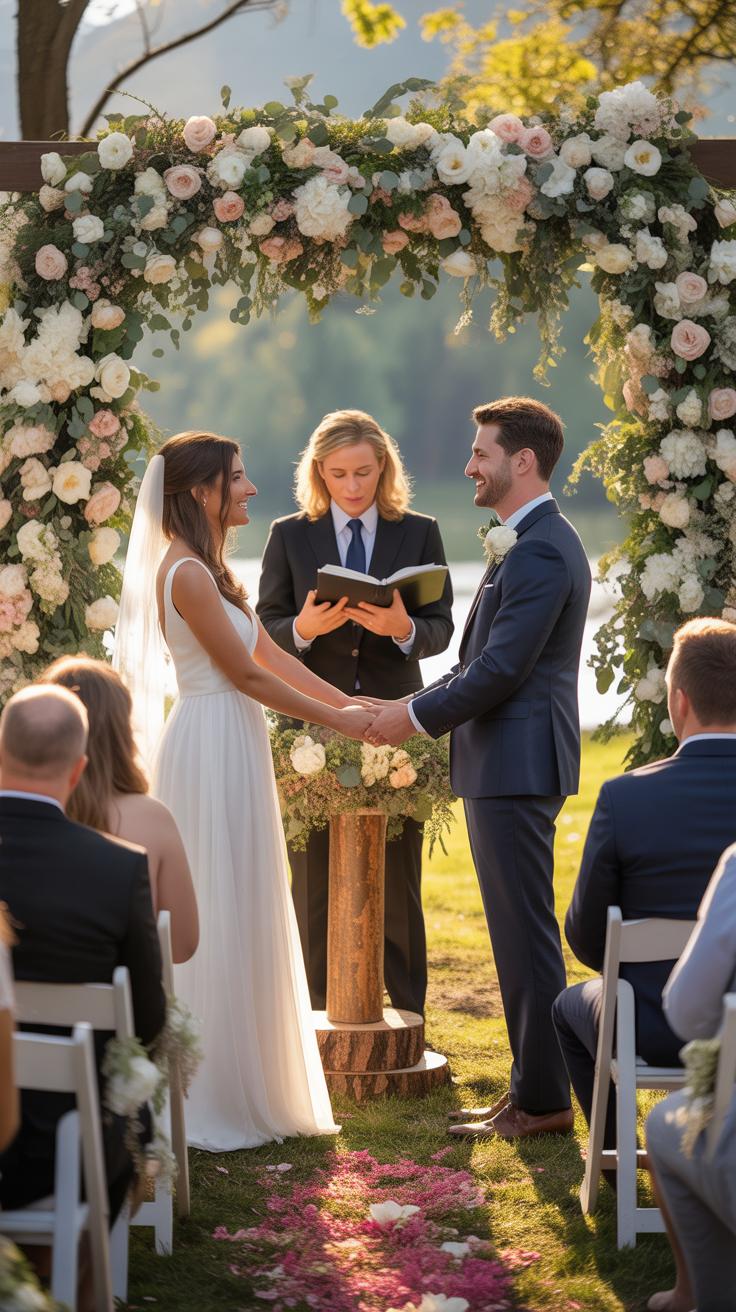
Short And Sweet Wedding Poems That Make A Powerful Impact In Under Two Minutes
Short poems focus the audience on a single clear message. These readings typically last between sixty and ninety seconds. This length prevents the audience from losing focus during the ceremony. Use verses by writers like Lang Leav or Seamus Heaney for modern clarity. These authors use direct language that avoids complex metaphors. Plain language ensures every guest understands the sentiment immediately without needing deep literary analysis.
Select a reading that matches the couple’s specific vocabulary. Avoid long Victorian stanzas that contain archaic words. Modern ceremonies require pace and momentum to stay engaging. Short readings act as a transition between the processional and the vows. They provide a moment of reflection without stalling the event timeline. Choose a poem with a strong final line to provide a natural cue for the next ceremony segment.
How To Incorporate Multiple Wedding Readings Without Overwhelming The Ceremony Flow
Balance is the primary goal when using multiple readings. Limit the total number of readings to two or three. Place them at distinct intervals to break up the legal or religious requirements. For example, insert one reading after the opening remarks and another after the ring exchange. This strategy creates a rhythmic structure. It prevents the ceremony from feeling like a long lecture or a rigid performance.
Assign different reading styles to different speakers to maintain variety. Pair a short prose piece with a classic poem to change the vocal cadence. Ensure each reader practices their timing to avoid dragging the schedule. The officiant must introduce each reader briefly to maintain a professional flow. Clear transitions prevent confusion about who is speaking. Proper spacing of these elements keeps the guests engaged from the start until the final recessional.
Frequently Asked Questions

What are wedding readings and why are they included in the ceremony?
Wedding readings are selected passages from literature, poetry, religious texts, or even song lyrics read aloud during the nuptials. They serve as a beautiful way to personalize your celebration and express your unique perspective on love. Selecting meaningful wedding readings for ceremony proceedings allows you to set a specific tone, whether you prefer something traditional and solemn or lighthearted and modern, while highlighting the values that define your partnership.
How do we choose the right person to perform a reading?
When selecting a reader, look for a close friend or family member who is comfortable speaking in front of crowds. Provide them with your chosen wedding readings for ceremony rehearsals well in advance so they can practice their pacing and tone. It is often helpful to choose someone whose personality matches the vibe of the passage, ensuring the delivery feels authentic and heartfelt as they share these special words with your guests.
Where can we find beautiful readings if we are planning on a small budget?
Finding the perfect passage doesn’t have to cost anything at all. You can discover incredible inspiration for free by visiting your local library, browsing public domain poetry archives online, or revisiting favorite passages from books you already own. Many couples also find meaningful excerpts in classic film scripts or song lyrics. The most impactful readings are those that resonate with your heart, regardless of whether they come from an expensive anthology or a simple handwritten note.