
Introduction
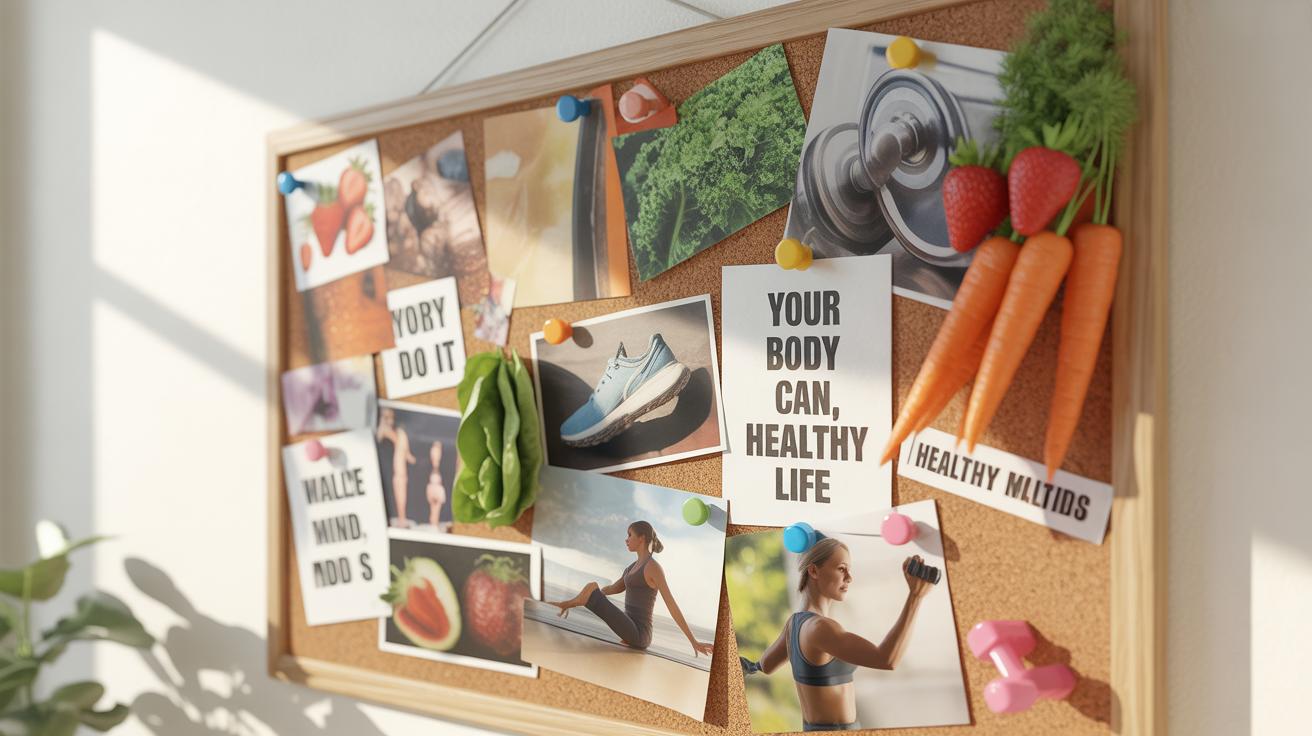
Vision boards are visual tools that showcase your goals through images and words. Using them for health and fitness can boost your motivation. They remind you daily of your ambitions like losing weight, building muscle, or eating better.
A vision board for health and fitness keeps you focused. It helps you break down goals into clear steps. By seeing your targets often, you increase the chances of sticking to your plans and reaching your fitness milestones.
Vision Board Goals
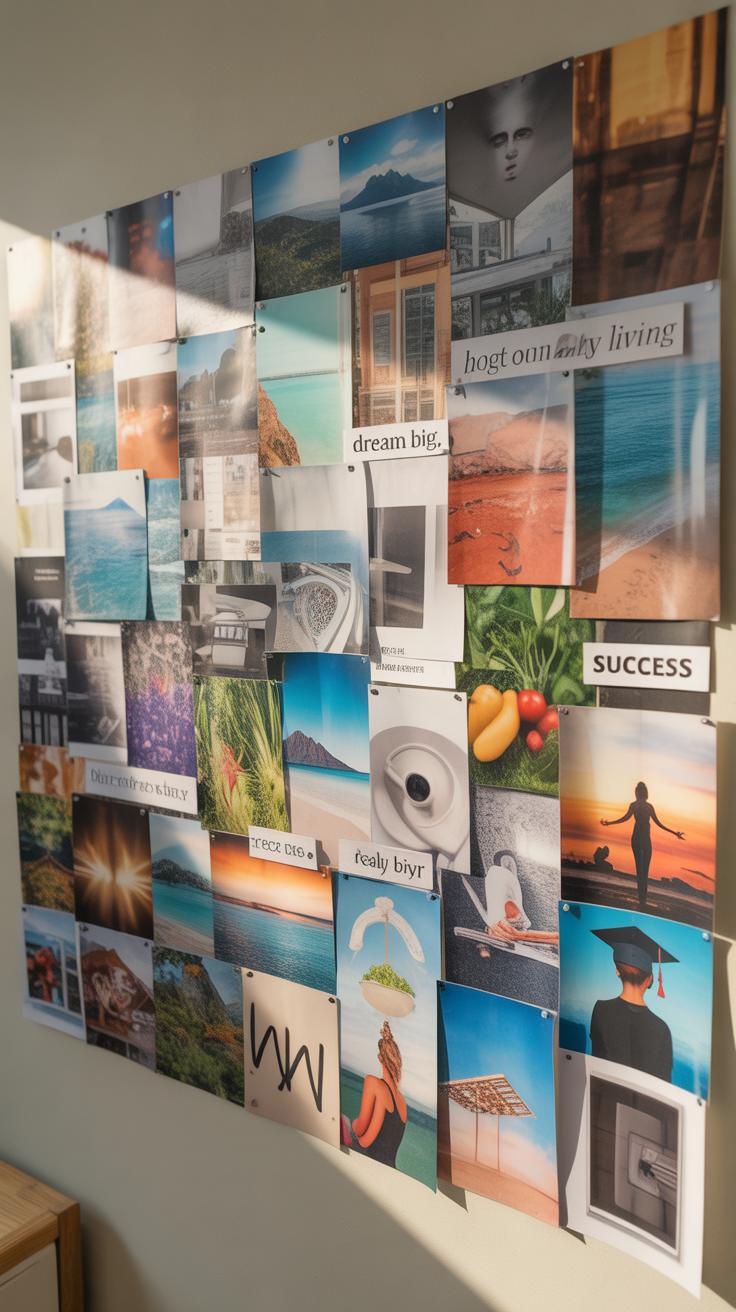
Vision boards serve as a visual reminder of your health and fitness aspirations, but their true power unfolds when grounded in well-defined goals. Without clear targets, a vision board risks becoming a vague collage that doesn’t steer your efforts effectively. Setting precise health goals first, you ensure every image and phrase on the board supports specific outcomes, making motivation less prone to distraction or dilution.

When your goals are concrete, the vision board can act like a daily checkpoint, keeping you anchored in what you want to achieve. It’s like giving your brain a clear map instead of a blurry sketch. This clarity helps maintain focus on areas that really matter to you, like weight loss, muscle gain, or improved flexibility, and encourages consistent action rather than occasional inspiration.
Choosing the right fitness objectives means picking targets that balance challenge with realism. You might set goals such as increasing stamina by running a 5k in under 30 minutes or reaching a sustainable target weight. The key lies in making them measurable and tailored to fit your lifestyle—something that fits your daily routine and preferences so you feel motivated rather than overwhelmed.
The benefits of having specific, trackable health goals are tangible: improved motivation keeps you going through plateaus, measurable milestones help you monitor progress, and success feels more attainable. Studies suggest that people who define clear goals tend to follow through better. On a personal note, I found tracking my daily step count more encouraging than just “being more active,” because each day’s number showed real improvement or flagged the need to try harder.
Creating Your Vision Board
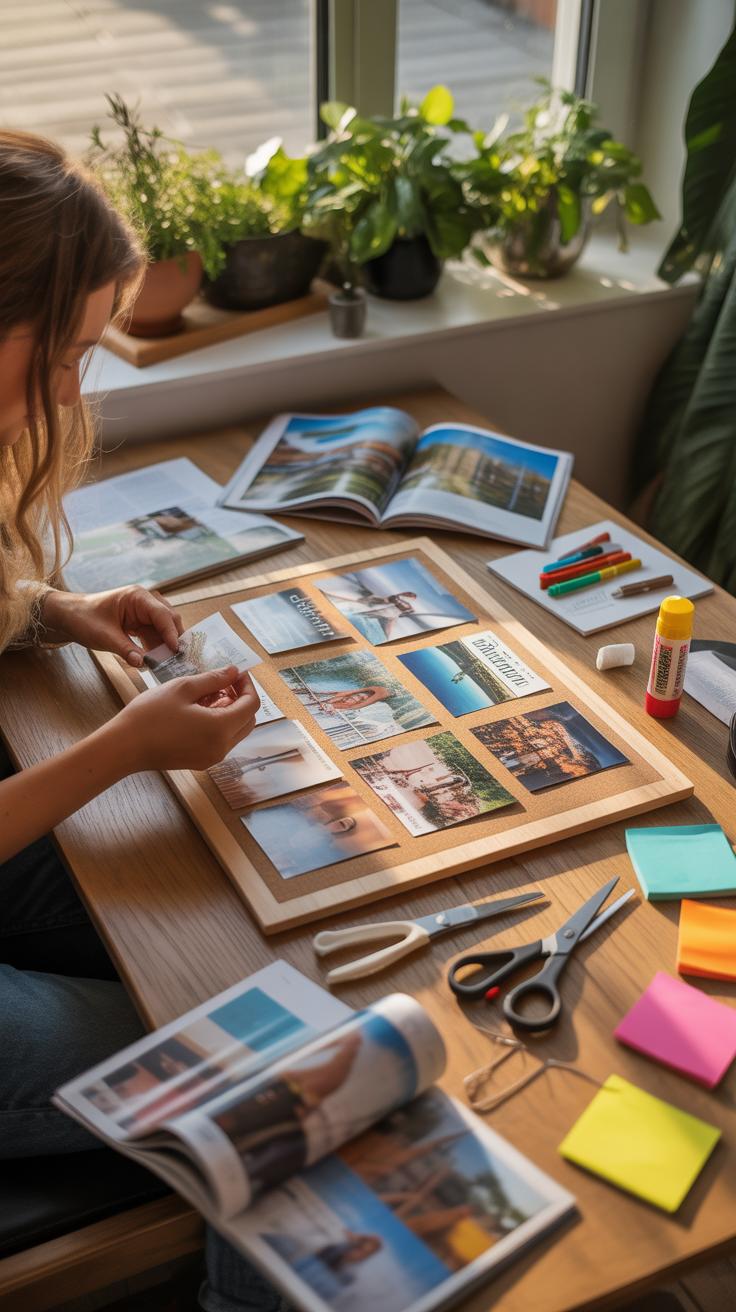
Building a vision board focused on health and fitness means picking visuals and words that really speak to your personal goals. You want images that feel like a glimpse of your future self—maybe photos of nutritious meals you want to try or snapshots of workouts you aspire to do regularly. Words and affirmations matter, too; pick phrases that boost your confidence or remind you why you want to stay committed, like “Strength grows every day” or “I choose energy.”
Necessary Materials And Layout Tips

You can make your vision board with simple things—magazines, scissors, glue, and a sturdy board if you prefer something physical. For a digital version, apps like Canva work well and let you edit easily as goals shift. When arranging, try grouping related items: exercise goals in one corner, nutrition in another. Keep it tidy to avoid overwhelm but leave some space for new ideas or changing priorities—it doesn’t have to be perfect or fixed.
Examples Of Powerful Visuals And Words
Consider pictures of colorful, balanced meals, or dynamic shots of people jogging or doing yoga. Visuals showing progress, like gradual weight loss or strength gains, can motivate silently but strongly. Words to include might be simple yet meaningful: “Consistency,” “Balance,” or “Wellness every day.” Mixing these with personal affirmations, such as “I am strong,” can turn a vision board from a decoration into a daily motivator that nudges you forward—even on tough days.
Tracking Progress With Vision Boards
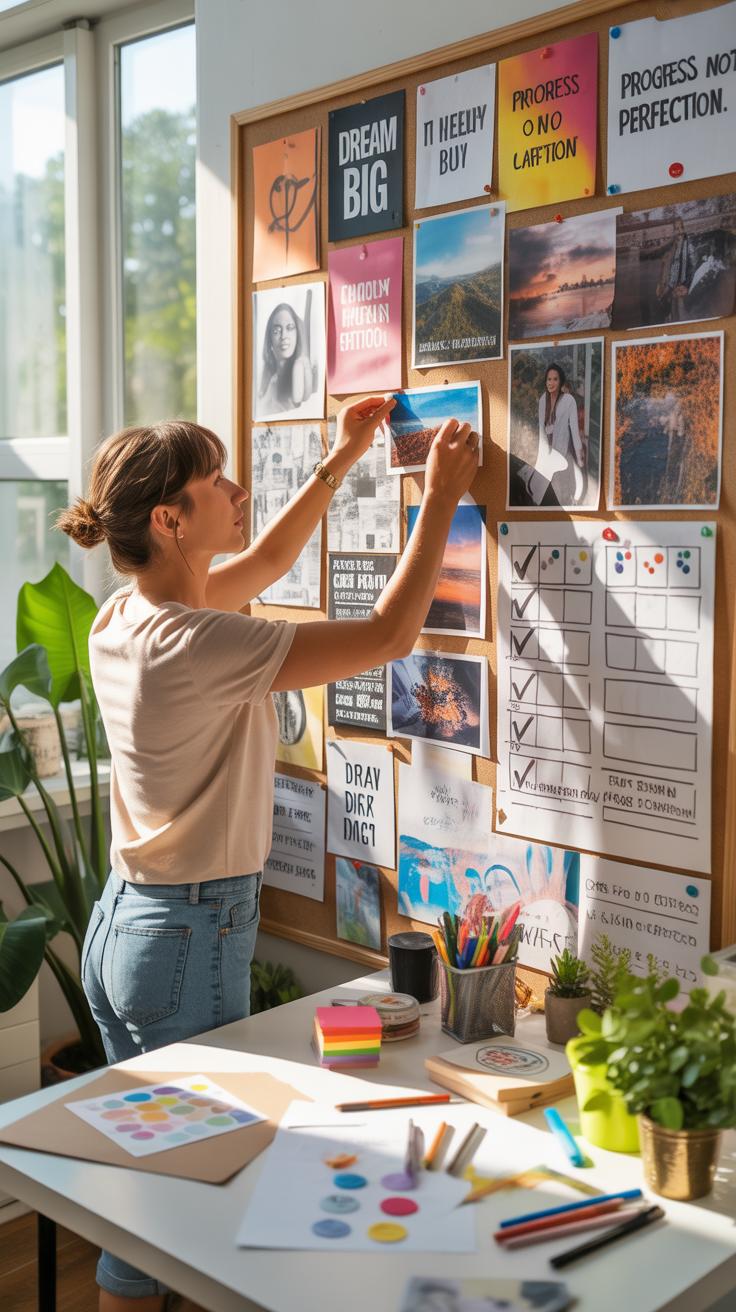
Vision boards aren’t static — quite the opposite. You can update them regularly to keep reflecting where you stand. Maybe you pinned a picture of your ideal healthy meal or a fitness achievement you aimed for. Once you hit a goal, swap that out with a new image that represents the next step. It’s a visual way to honor progress and spark new motivation.
Tracking improvements can be simple. You could add notes to your board or keep a journal nearby. For instance, jot down your weekly workout length or how your endurance feels. Seeing tangible progress through small updates helps you stay connected to your goals.
Goals should shift as you do—adjust them if something feels unrealistic or if your progress slows. Maybe you aimed to run 5 miles, but you hit a plateau. Instead of scrapping the goal, add pictures or affirmations focusing on consistency and small wins to keep momentum.
Checklist For Weekly Goal Review
Each week, pause and ask yourself a few questions. Here’s a checklist that might help:
- Did you stick to your planned workouts?
- Have you maintained or improved your energy levels?
- Any challenges that made your progress stall?
- What’s one small win from this week?
- Is your vision board still inspiring you or does it feel stale?
- Should you swap or add something to better match your current goals?
This kind of reflection keeps you honest without harsh judgment and nudges you to stay flexible with your strategy.
Examples Of Adjusting Vision Boards
When you reach a goal—say, losing 10 pounds—remove the old image symbolizing that target and replace it with something representing your new focus, like strength training or a fresh nutrition habit.
If progress feels slow and fringes on discouraging, try mixing in images that emphasize effort over outcomes: a sweaty runner, a motivational quote about perseverance. It can help remind you that progress isn’t always linear.

Sometimes, adding a tiny tracker box where you mark off days of success can reignite your drive. It subtly changes the board into a tool that blends inspiration with clear progress markers.
Comparing Vision Boards Versus Action Boards
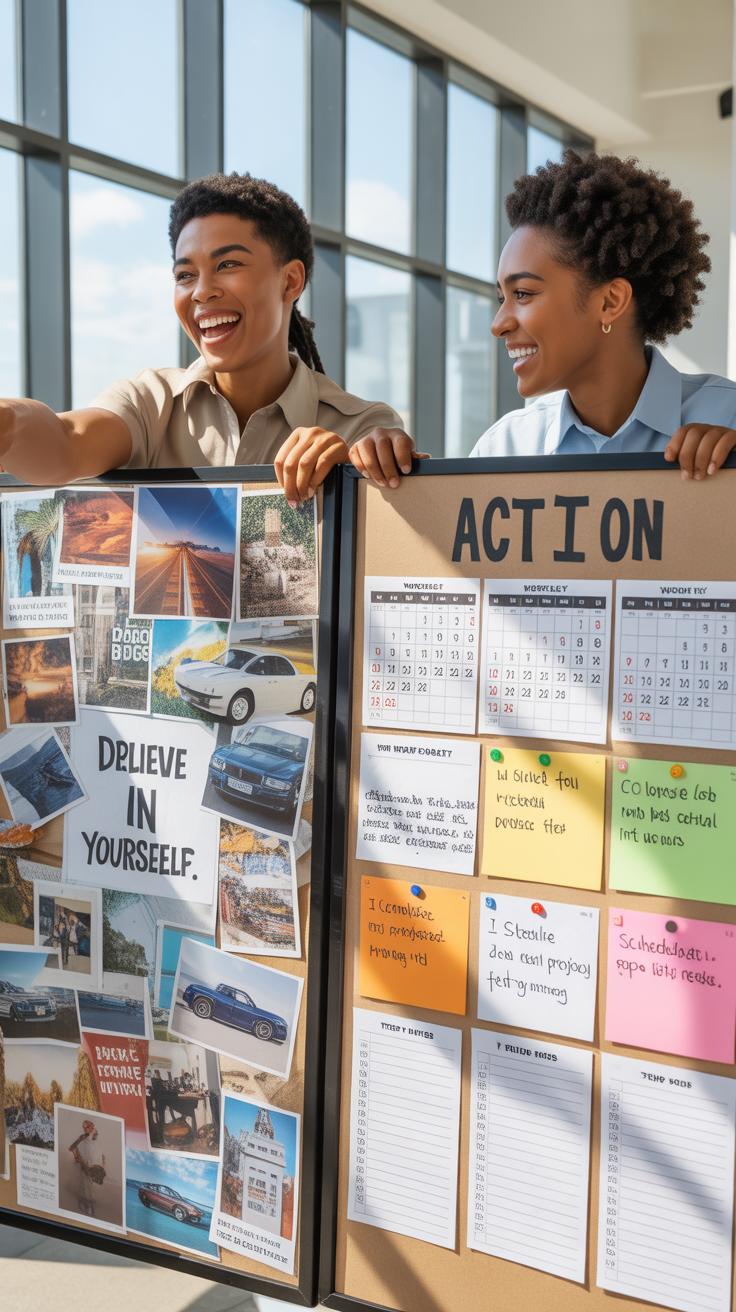
Vision boards and action boards often get lumped together, but they serve distinct purposes in health and fitness. Vision boards tend to focus on what you want to become or achieve—they’re about inspiration, feelings, and the big picture. Pictures of fit people, healthy meals, or serene yoga poses create a sense of motivation rooted in aspiration. But they don’t usually specify the steps you need to take.
Action boards, on the other hand, lay out the concrete steps: workouts, meal plans, measurement tracking, and deadlines. They’re more practical and task-oriented. While great for structure and accountability, they can sometimes feel rigid or overwhelming without the emotional connection a vision board offers. Both have their strengths but also clear limitations.
Which Board Fits Your Motivation Style
Choosing between a vision board and an action board really depends on how you stay motivated. If you respond well to emotional triggers and imagery that stirs a desire to change, a vision board might resonate more with you. It’s easier to stay connected through feelings, even if the exact path isn’t clear yet.

Conversely, if you prefer tick-box progress and detailed plans, an action board may suit you better. You might find satisfaction in seeing each completed workout or healthy meal checked off. Still, this can sometimes feel less inspiring and more like a chore, especially when motivation dips.
- Vision Board Pros: Inspires, connects emotionally, keeps the big dream alive.
- Vision Board Cons: Vague on specifics, may lack direction in tough moments.
- Action Board Pros: Clear steps, measurable progress, motivates by achievements.
- Action Board Cons: Can be rigid, may feel uninspiring or stressful.
Combining Both For Best Results
Using both types of boards together often works best, oddly enough. The vision board offers the emotional fuel—the ‘why’ behind your efforts—while the action board maps out the ‘how.’ When you put them side by side, you get both inspiration and clear steps.
For example, your vision board might remind you why you want to run a marathon, and your action board lays out weekly mileage targets and rest days. The vision keeps you connected on tough days; the action keeps you on track. Together, they balance dreaming and doing, which is probably the most practical way to stick with health and fitness goals.
Common Pitfalls to Avoid

Vision boards can energize your health and fitness journey, but they come with some traps. One frequent mistake is focusing too much on idealized images without connecting them to realistic actions. It’s tempting to plaster your board with striking, aspirational photos, yet those can feel unreachable, which chips away at motivation. Instead, blend inspiring visuals with practical reminders—like a checklist or specific milestones—to keep your goals actionable.

Another pitfall is losing sight of why you made a vision board in the first place. Over time, it can become background noise, ignored and forgotten. Refreshing the board now and then injects novelty and keeps your focus sharp. Swap out old pictures or add new ones that reflect your progress or evolving goals. This habit stops vision boards from turning stale and boring.
Lastly, be sure your goals don’t stretch too far too fast. Ambition is great, but unrealistic targets invite disappointment. Start with smaller, manageable steps to build confidence and momentum. This way, your vision board stays a motivational tool rather than becoming a source of stress or guilt.
Tools To Support Your Vision Board
When it comes to crafting a vision board for your health and fitness goals, the right tools can make a big difference. You might wonder which digital platforms actually help you track and visualize progress beyond just pasting pictures.
Digital Apps For Vision Boards
Apps designed specifically for vision boards often include features like goal tracking, reminders, and motivational quotes. Some popular options let you upload progress photos or sync data from fitness trackers. For example, platforms that combine inspiration with measurable metrics—like steps taken or calories burned—can keep motivation more concrete. You could use apps with drag-and-drop image tools and customizable layouts, so your board looks exactly how you want it.

There’s no one-size-fits-all here. Some might prefer a straightforward collage-maker, while others want fitness-specific stats displayed alongside affirmations. Still, it’s worth testing an app that balances inspiration with practical tracking to see if it keeps you engaged over time.
Physical Supplies For Handmade Boards
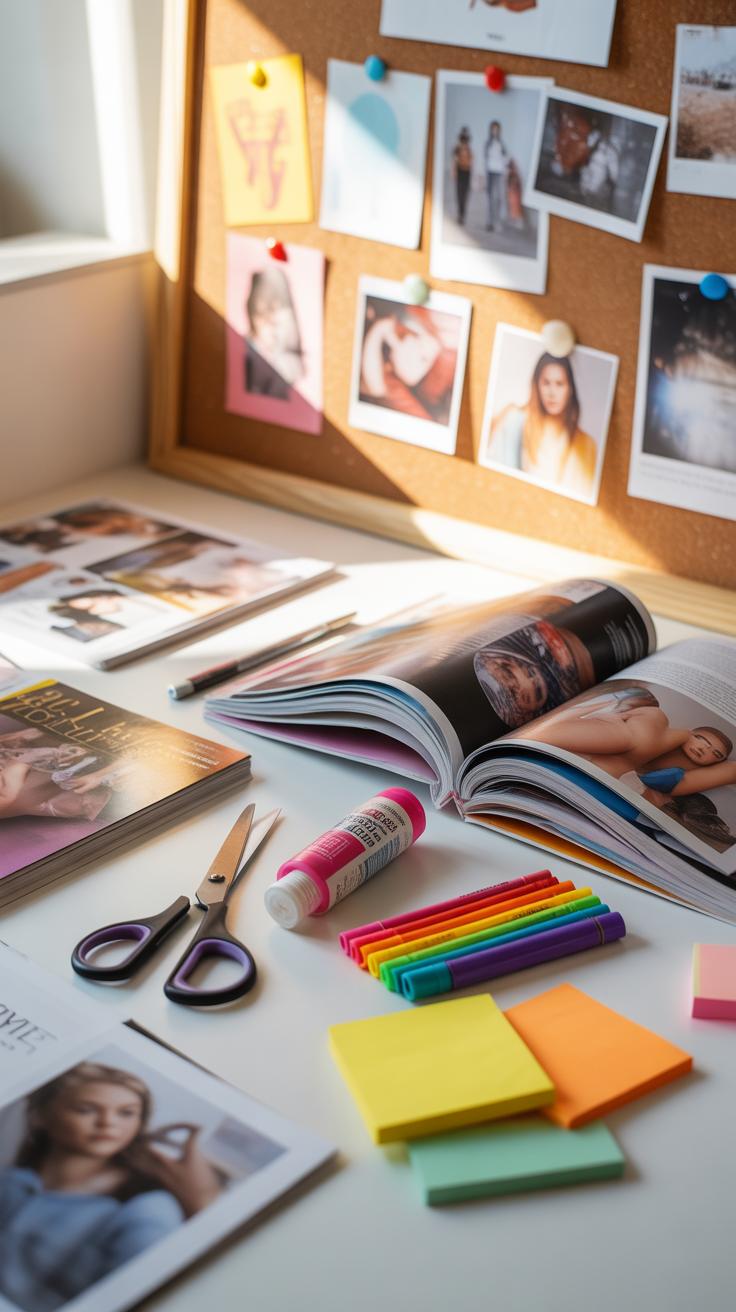
Not keen on digital? That’s fine. Hands-on vision boards can be just as powerful. Gather these basic supplies: a large poster board or corkboard, scissors, glue or push pins, and magazines or printed images related to fitness and health. You might add markers to write motivational quotes or your target achievements.
Organizing your board can be a bit tricky. Try grouping images by theme—nutrition, workout types, milestones—to keep it visually clear. Some people find it helpful to allocate sections for short-term vs. long-term goals. Over time, updating your board by removing achieved goals or adding new ones keeps it fresh and relevant.
Whether digital or physical, the tool you choose should feel natural to you. It’s about nudging yourself daily—just small reminders that don’t overwhelm but gently push you ahead.
Real Life Success Stories

Case Study Of Weight Loss Motivation
Lisa’s journey with weight loss started on a somewhat hesitant note. She wasn’t sure if a vision board could genuinely help, but she gave it a try. Every morning, the first thing she did was glance at her board, filled with images of healthy meals, active routines, and the number she aimed to reach on the scale. Over time, this simple act seemed to anchor her decisions – choosing a salad over fast food or squeezing in a walk after work. It wasn’t just about the pictures; it kept her goals tangible, almost like a quiet reminder whispering, “You’ve got this.” Lisa lost thirty pounds in six months, attributing much of her steady progress to keeping her vision visible daily.
Fitness Improvement Through Visual Reminders

James, a recreational runner, struggled with staying consistent in his training. When he crafted a vision board featuring marathon medals, running shoes, and inspirational quotes, it changed how he approached his workouts. The board was placed right above his treadmill – impossible to ignore. On tough days, seeing that visual representation sparked a little push to keep going, to improve pace or endurance. His performance saw a steady uptick, showing how visual cues can do more than motivate; they can maintain focus and drive. It’s as if the board made his fitness goals feel immediate and achievable, rather than distant dreams.
Maintaining Long Term Motivation
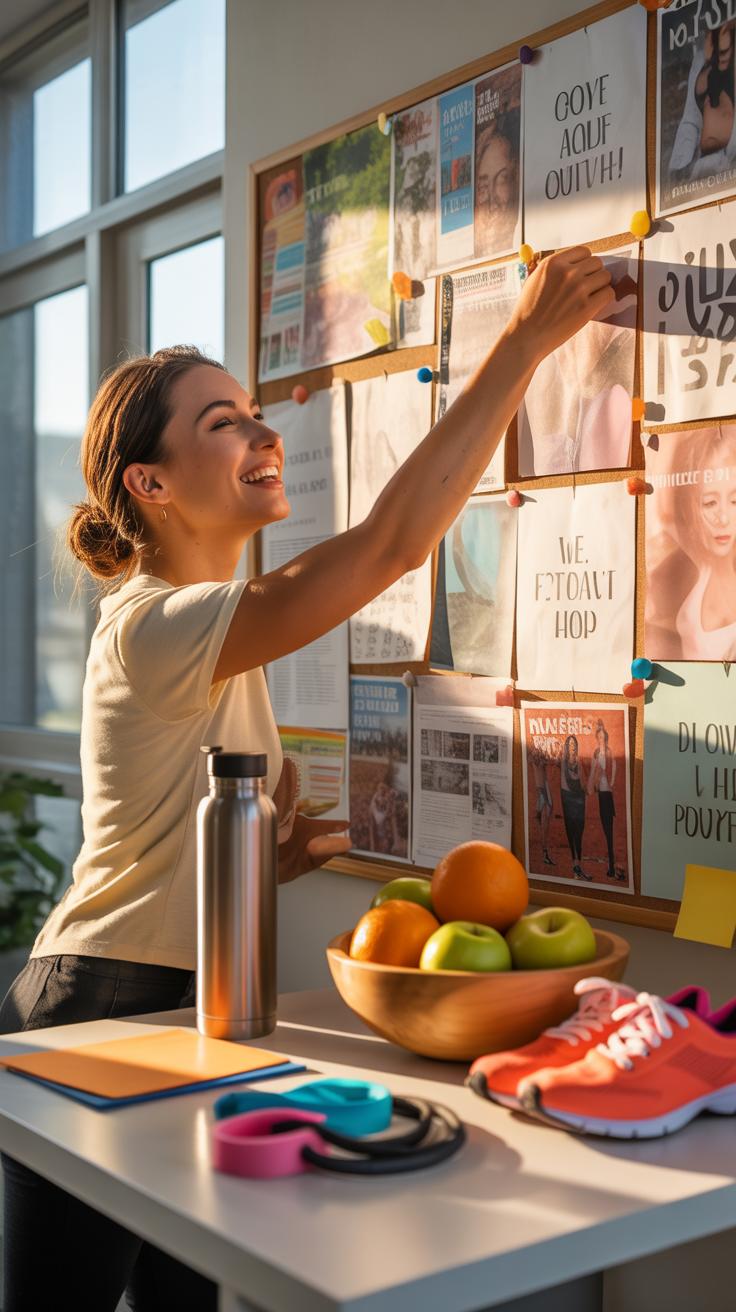
Sticking with a vision board over the long haul can feel challenging. At first, the images and words spark energy—then, well, they can start to blend into background noise. One way to keep that board alive in your mind is to interact with it regularly. Don’t just glance at it while rushing out the door. Take a moment daily or weekly to reflect on what you see. Are these goals still meaningful to you? Are some slipping by unnoticed?
Another strategy is to connect your vision board to real moments of progress. For example, after a workout that felt tough but rewarding, revisit the board and imagine how your efforts feed into those images. This creates a loop between vision and action, making the goals feel less like distant dreams and more like evolving parts of your reality.
Daily Habits To Reinforce Goals
It might sound a bit basic, but small daily habits really do pile up. Maybe it’s a five-minute stretch while sipping morning coffee or a quick mindfulness check-in to focus your intentions. Consistency beats intensity in the long run. Some find journaling about how their vision board goals influence their daily routines helps cement motivation, though that won’t work for everyone.
- Review your vision board every morning to set a positive tone for the day.
- Pair physical activity with a visual reminder—like keeping workout clothes where you can see them.
- Track small victories; acknowledging even tiny improvements fuels ongoing effort.
- Create a ritual—perhaps a weekly update of your goals, keeping the vision fresh.
Refreshing Vision Boards Periodically
There’s a natural risk that after a while, your vision board can start to feel stale or even irrelevant. That doesn’t mean failure in any way—it just means you’ve grown, or your priorities have shifted. Refreshing the board can be as simple as swapping out a few pictures or adding new phrases that better reflect your current aspirations.
Changing the layout or incorporating different materials can also reignite your interest. Some people find that changing the board’s location in their living space makes a surprising difference—removing it from a shelf to a more prominent wall spot can bring a renewed sense of purpose.
What parts of your vision board still spark a strong feeling? Which ones feel disconnected? Being honest about these questions helps you avoid burnout and keep moving forward without losing sight of what truly matters to you.
Conclusions
Vision boards connect your goals with visual reminders. They help focus your mind on specific health and fitness aims. Regularly viewing your board encourages daily progress towards these goals.
Use vision boards alongside plans and actions. Setting clear objectives and tracking progress turns motivation into results. Keeping your health goals visible supports you in staying committed and reaching them successfully.