Why A Restaurant Reception Wedding Is A Smart Choice For Couples On A Budget

The Built In Cost Advantages Of Hosting Your Reception At A Restaurant
Restaurants offer a high baseline of logistical readiness. Most venues already own tables, high-quality chairs, professional glassware, and heavy silverware. You avoid the high fees associated with renting these items from external vendors. Traditional venues often charge for every fork and plate brought onto the property. A restaurant includes these essential assets in the base price. This efficiency keeps your budget focused on food quality rather than equipment logistics.
Labor costs also drop significantly in a restaurant setting. These businesses employ full-time kitchen and service staff as part of their daily operations. You do not need to hire third-party caterers or staffing agencies to serve your guests. The existing kitchen infrastructure eliminates the need for portable ovens or temporary prep stations. Centralized labor ensures a smoother service flow and reduces the overhead costs normally passed on to the wedding couple.
How Restaurants Compare To Traditional Banquet Halls In Overall Spend
Traditional banquet halls operate on a fee-for-service model that inflates final invoices. These spaces usually require separate payments for site fees, corkage, and cleanup. Many restaurants use a food and beverage minimum instead of a flat rental fee. You spend your money on actual consumption rather than just the right to use the room. This shift in spending power allows you to serve premium meals without increasing your total financial commitment.
Design expenses are another major differentiator between these venue types. Banquet halls are blank boxes that demand a high floral and decor budget to look professional. Restaurants feature intentional interior design, professional lighting, and curated furniture. Designers often spend millions on restaurant aesthetics to create a specific mood. You benefit from this pre-existing decor for free. Relying on the natural atmosphere of the venue slashes your decoration budget by half or more.

How To Choose The Right Venue For Your Restaurant Wedding Reception
Key Questions To Ask A Restaurant Before Booking Your Reception
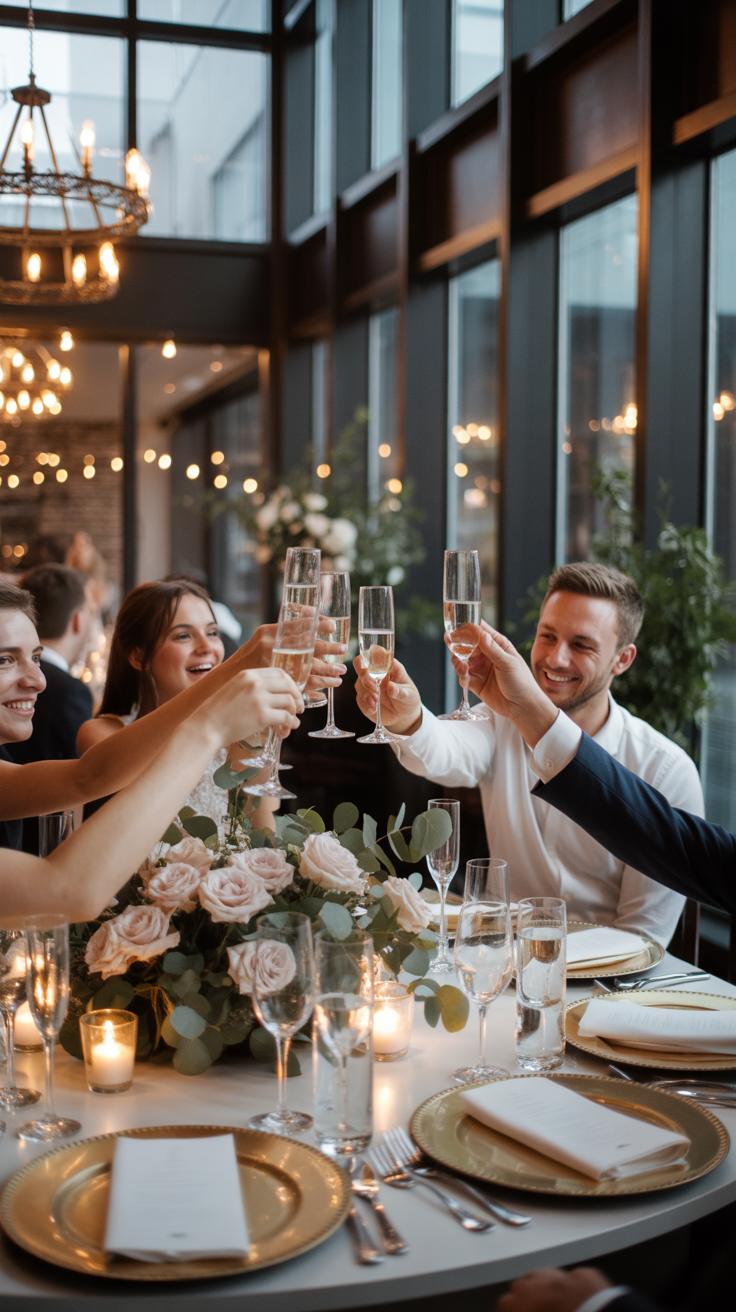
Secure firm answers on logistics before signing any contract. Restaurants operate on tight margins and strict turnover schedules. You must understand how the venue manages private events alongside standard service. Hidden costs often reside in labor fees, cake cutting charges, or corkage fees. Clear communication prevents budget overruns. Ask about setup times and noise ordinances to ensure your event runs without technical interruptions.
- Food and Beverage Minimums: Ask if the venue requires a guaranteed spend rather than a rental fee. This figure usually excludes tax and gratuity. Knowing this number helps you scale your guest list to meet the financial requirement without overpaying for empty seats.
- Gratuity and Service Charges: Verify if the restaurant adds an automatic service fee or gratuity to the final bill. These charges typically range from eighteen to twenty-five percent. Distinguish between a service fee that goes to the house and a tip that goes to the staff.
- Equipment and Rental Inclusion: Confirm which items the restaurant provides as part of the package. Most venues include standard tables, chairs, glassware, and basic linens. If you need specific audiovisual gear or specialty furniture, you must determine if the venue provides these or if you must hire outside vendors.
- Cake Cutting and Corkage Fees: Inquire about specific surcharges for bringing in outside items. Many restaurants charge a per-head fee to slice and serve a wedding cake from an external bakery. Similarly, corkage fees apply if you bring your own wine. These small costs add up quickly.
- Accessibility and Vendor Load-in: Check the proximity of the loading zone to the dining area. Vendors like florists or musicians need efficient access to set up their equipment. Ensure the space meets all ADA requirements so every guest can enter and exit the building safely and comfortably.
Review the cancellation policy and deposit schedule. Most restaurants require a non-refundable deposit to hold the date. Standard contracts outline specific deadlines for final headcounts and meal selections. Get every verbal promise in writing. Use the contract to define exactly what happens if the guest count drops below the minimum. This protects your budget and ensures the staff remains prepared for your arrival.
What To Look For In A Private Dining Room Or Buyout Option
Evaluate the floor plan for flow and functionality. A private dining room works best for intimate groups but may feel cramped if the furniture is static. Check the acoustics of the space. High ceilings and hard surfaces like tile or glass create echoes that make conversation difficult. Look for heavy curtains or upholstered seating to absorb sound. This ensures your guests can hear toasts without shouting.

Full buyouts offer total control but carry higher costs. This option eliminates noise from the general public and allows for more flexible decor. Consider the natural lighting for photography purposes. Evening events need dimmable lights to set the mood. Inspect the restroom facilities and coat check areas. These high-traffic spots must handle your entire guest list without long lines or congestion. Strategic venue selection minimizes the need for extra decorations.
Planning A Wedding Reception At Restaurant Timelines Minimums And Contracts
Understanding Food And Beverage Minimums At Restaurant Venues
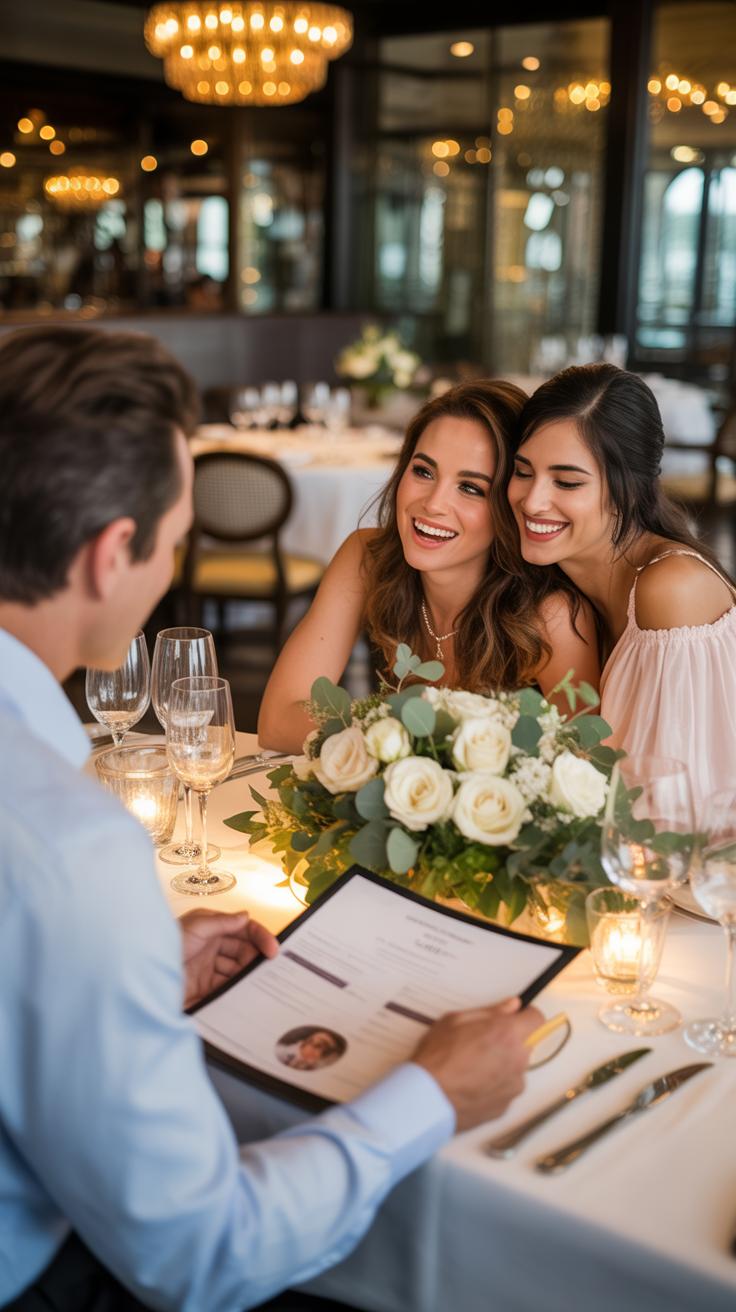
Restaurants charge a food and beverage minimum instead of a traditional site fee. This number represents the lowest amount you must spend on catering and drinks to secure the space. If your guest count is low, you still pay this set price. This total usually excludes tax and gratuity. You must calculate these extra costs early to avoid exceeding your total budget.
Minimums change based on the day of the week and the time of day. Saturday nights carry the highest costs because the restaurant loses regular dining revenue to host your event. To save money, book a lunch reception or a Monday evening. These off-peak times have lower minimums. Always ask if the minimum includes passed appetizers or just the main seated meal service.
How To Negotiate Your Contract To Protect Your Budget
Read the cancellation clause before signing anything. High-demand restaurants often require non-refundable deposits. Ensure the contract defines exactly what happens if guest counts drop. Ask the manager to cap the service charge. Standard gratuity is twenty percent, but some venues add extra administrative fees. You can negotiate to remove these hidden charges if you bring your own decor or flowers.

Check the contract for corkage and cake cutting fees. These small costs add up quickly for fifty or more guests. Ask for a flat fee instead of a per-bottle charge to keep costs predictable. Demand a written guarantee that the restaurant will not book another party in your private space. Clear language prevents double-booking and ensures your group receives the full attention of the staff.
Elopement Dinner Ideas Celebrating Intimately At Your Favorite Restaurant
What Makes An Elopement Dinner Different From A Full Reception
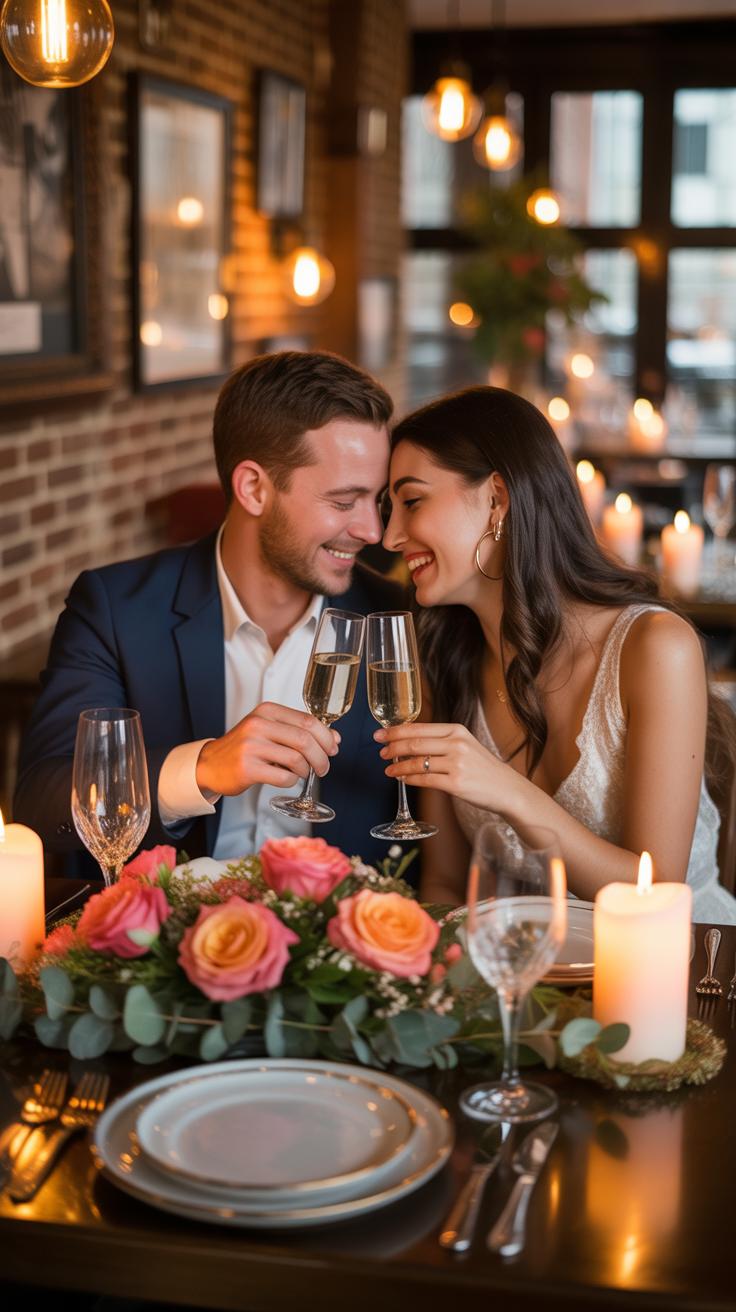
An elopement dinner prioritizes high quality over high volume. Traditional receptions involve large guest counts and complex logistics. You must manage seating charts and audiovisual needs. Elopement dinners focus on a single table. You treat this as a high end dinner party rather than a staged event. The restaurant handles the primary service flow. This removes the need for external catering staff and equipment rentals.
Cost structures differ significantly between these two formats. Full receptions often require buyouts or hefty venue fees. Elopement dinners usually operate on a per person food and drink minimum. You pay for what you consume. This allows you to allocate more budget toward premium menu items or vintage wines. The timeline remains flexible. You avoid the rigid scheduling of speeches and dances that define larger wedding events.
How To Make A Small Elopement Dinner Feel Special And Memorable
Personalization creates the atmosphere for a small group. You should bring custom printed menus and high quality place cards. These tactile items signal that the meal is an official event. Use the restaurant’s existing aesthetic to your advantage. Renting a private dining room offers seclusion while maintaining the engine of a professional kitchen. This ensures your guests receive hot food and attentive service without the noise of a public floor.

Coordinate with the sommelier to select specific pairings for each course. A curated beverage program elevates the experience from a standard meal to a culinary event. Choose a restaurant with deep historical roots or architectural significance to add gravity to the night. Ask the staff to present a special toast or a custom dessert. These small gestures emphasize the occasion. They provide a sense of ceremony without the stress of a traditional wedding.
Intimate Restaurant Wedding Tips For Guest Lists Under 30 People
Why Smaller Guest Lists Work Perfectly In A Restaurant Setting
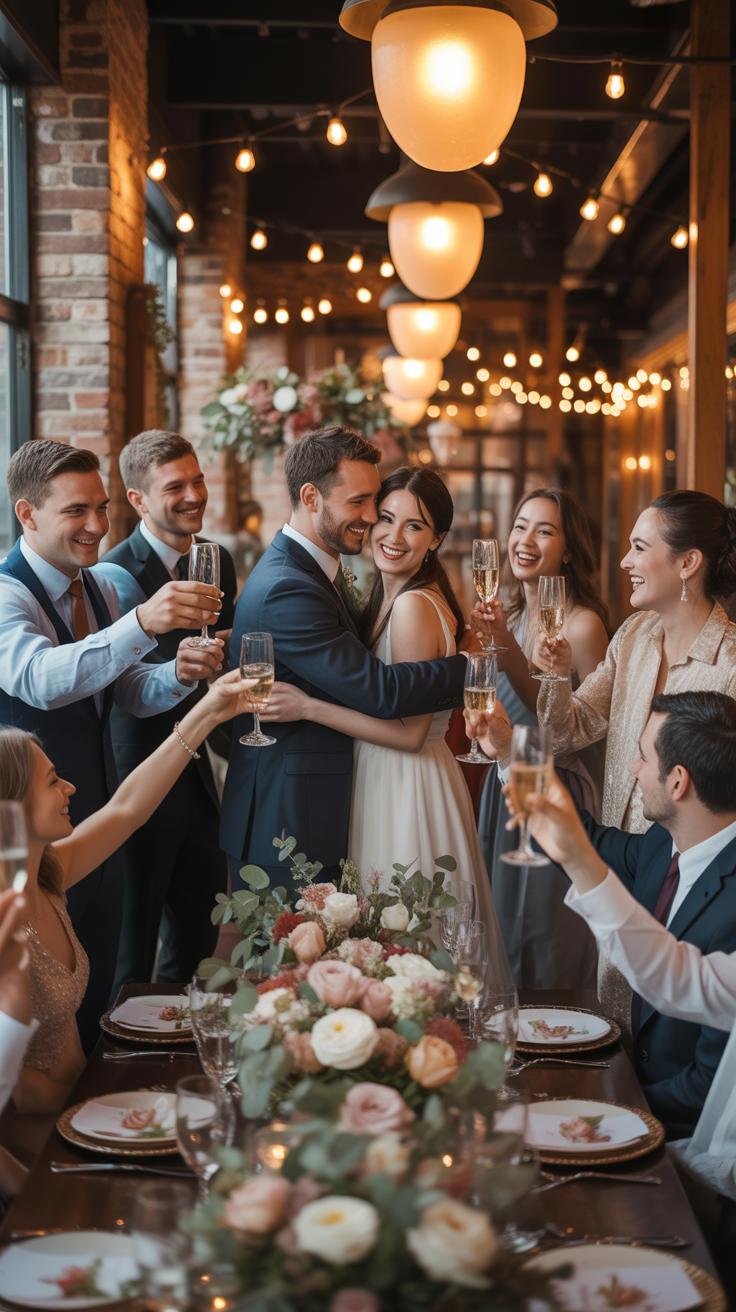
Smaller groups allow couples to bypass the high costs of traditional ballroom rentals. Most restaurants feature private dining rooms designed for groups of twenty to thirty people. These spaces come with built-in decor and high-end furniture. You save money because you do not need to rent chairs or linens. The smaller headcount ensures every guest receives high-quality food and attentive service.
Limiting the guest list to under thirty people unlocks premium menu options at lower prices. Restaurants can execute complex dishes for small groups that are impossible for large banquet halls. This setting fosters direct conversation and a relaxed atmosphere. You avoid the need for expensive sound systems or large dance floors. This approach prioritizes the quality of the meal and the comfort of your guests.
How To Structure The Evening Flow For An Intimate Sit Down Celebration
Start the evening with a short cocktail period near the bar or in the private suite. This thirty minute window allows guests to arrive and settle without a formal transition. Keep the move to the dinner table quick and efficient. Since the group is small you do not need a complex seating chart. Use simple place cards to guide guests to their designated spots.

Serve the meal in distinct courses to pace the event naturally. Use the time between the main course and dessert for short toasts. A smaller group makes these speeches feel personal rather than performative. Conclude the evening with coffee and dessert served at the table. This structure keeps the focus on the culinary experience. It eliminates the logistical stress of a traditional wedding timeline.
Creative Restaurant Wedding Ideas That Feel Elevated Without The High Price Tag
Menu Customization And Signature Cocktails That Reflect Your Story
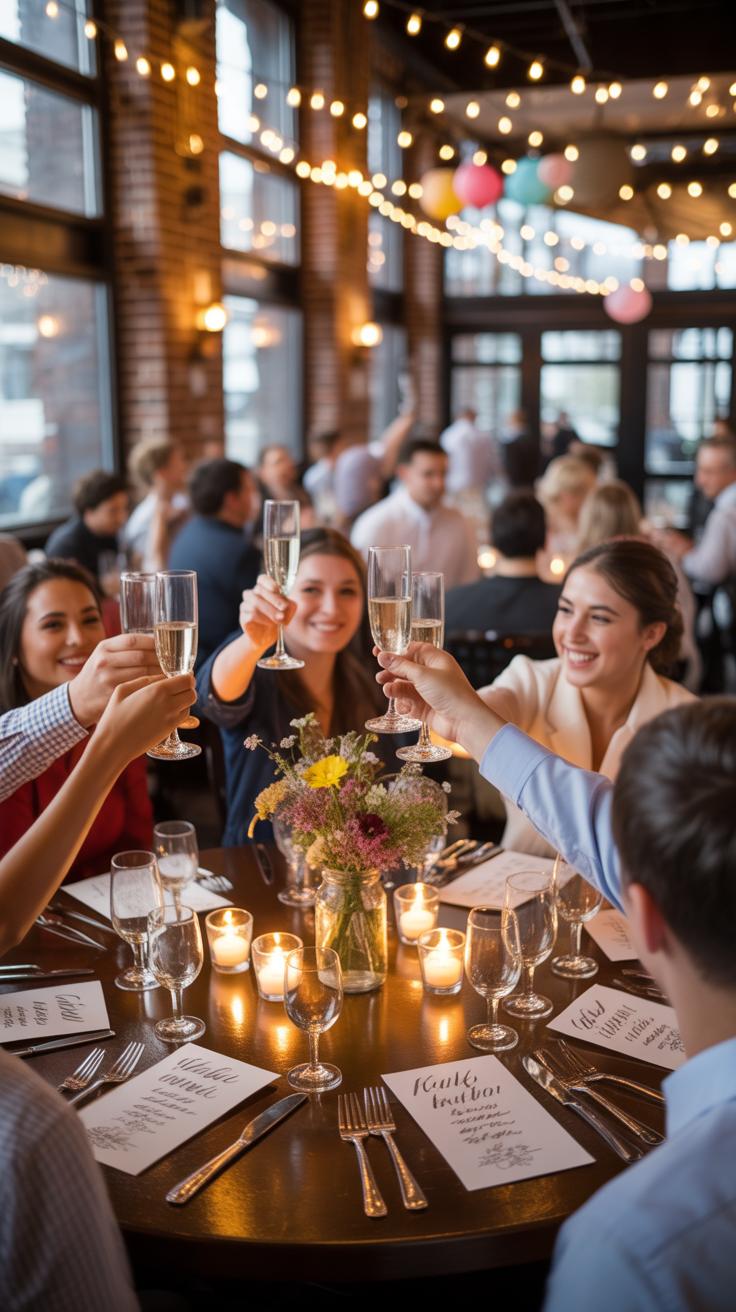
Most restaurants allow limited menu edits for a restaurant wedding reception. Focus on three high quality courses instead of a massive buffet. This reduces food waste and controls the per head cost. Ask the chef to highlight seasonal ingredients to lower logistics fees. Prioritize family style serving to encourage guest interaction. This method mimics a traditional European dinner party and saves on individual plating labor.
Strategic cocktail choices cut your bar tab significantly. Select two signature drinks linked to your personal history. Choose base spirits like gin or vodka for better price margins than whiskey. Limit the open bar to these two options along with beer and wine. This prevents guests from ordering expensive top shelf liquors. A curated drink list makes the beverage service feel intentional rather than restricted by a budget.
The most beautiful weddings are not defined by a grand budget, but by the love shared around a table of good food and dear friends. A simple restaurant gathering can hold more heart than the most lavish ballroom.
Budget Friendly Entertainment And Personal Touches For Your Restaurant Wedding
Skip the expensive live band for an intimate restaurant wedding. Restaurants already have integrated sound systems and acoustic treatments. Create a custom playlist on a high quality streaming platform. Focus on jazz or soul to match the existing dining room ambiance. You only need a simple microphone for speeches. This avoids the cost of renting bulky speakers or hiring a professional sound engineer for the night.
Personalize the space with functional items rather than extra decor. Use custom printed menus that serve as place cards for every guest. High quality paper stock adds a tactile luxury feel for a low price. Small botanicals or herbs from a local market make effective centerpieces. These items blend into the restaurant design without clashing with the existing furniture. Every element should serve a purpose to keep the room uncluttered and sophisticated.
Restaurant Wedding Reception Decorations That Are Simple Elegant And Affordable
How To Work With The Restaurant’S Existing Ambiance Instead Of Against It
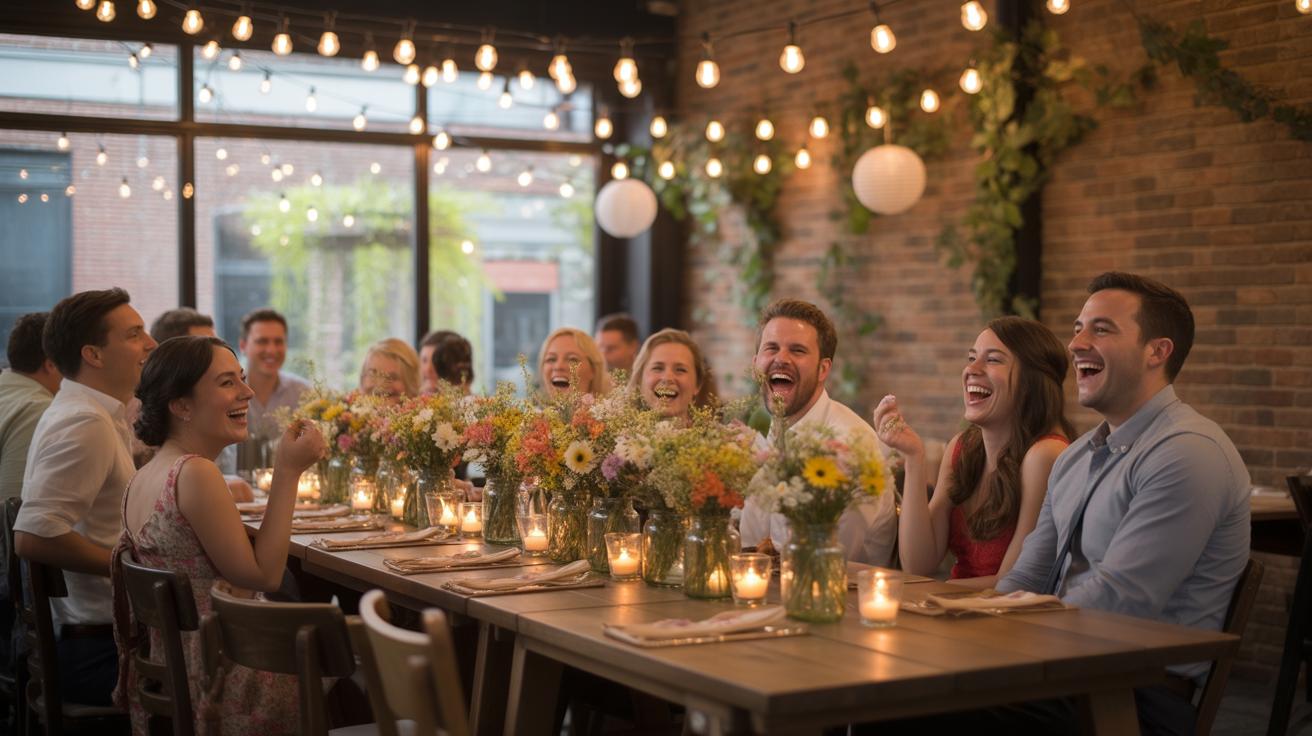
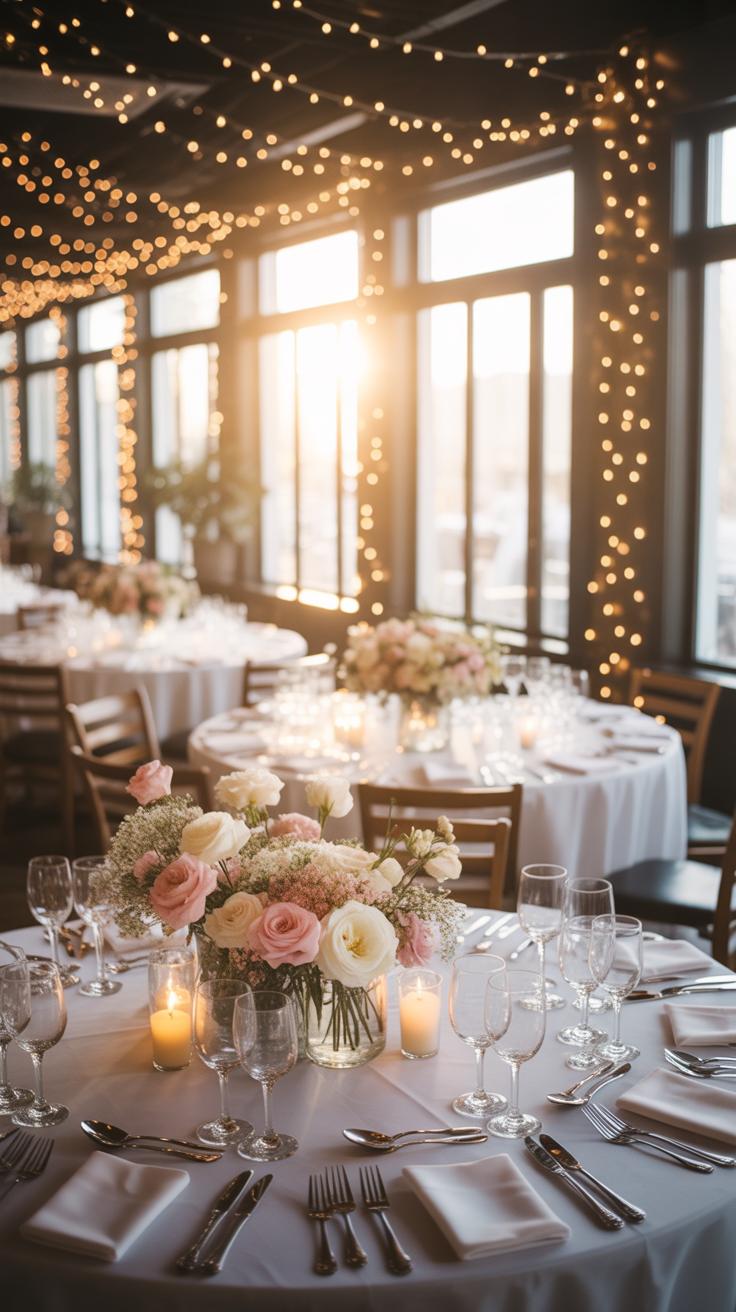
Choose a venue that already matches your desired aesthetic. This strategy eliminates the need for heavy decor spending. Restaurants invest heavily in interior design, lighting, and furniture. Inspect the wall textures and floor materials during your site visit. Industrial spaces offer raw brick and steel. Upscale bistros provide polished wood and linen. Use these fixed elements as your primary visual foundation.
Align your color palette with the permanent fixtures of the room. Do not try to mask the existing carpet or wall colors with fabric drapes. This approach creates visual clutter and increases costs. Instead, select linens and florals that complement the wood tones or metal finishes already present. You save money by enhancing the space rather than attempting to transform it into something else.
Low Cost Decoration Ideas That Still Create A Romantic Atmosphere
Focus your budget on high-impact zones like the dining tables. Small, strategic additions create a cohesive look without traditional floral costs. Use light and greenery to build depth. Restaurants often have strict fire codes, so always verify if open flames are legal. Look for items that provide texture and height. These choices ensure the guest experience feels premium despite the low price tag.
- Votive Candles: Small glass tea light holders provide immediate warmth. Scatter these across tables to reflect light off glassware. They are the most cost-effective way to create an intimate mood. Buy them in bulk to save on the unit price.
- Potted Herbs: Use rosemary or lavender instead of cut flowers. These plants provide a pleasant scent and serve as living decor. Guests can take them home as favors at the end of the night. This serves two purposes for one price.
- Table Runners: A single strip of cheesecloth or velvet adds color and texture. It defines the center of the table without requiring expensive full-length linens. Choose a fabric that contrasts with the table surface to make the settings pop visually.
- Menu Cards: High-quality paper menus act as personal decor at every seat. Use clean typography and heavy cardstock for a professional feel. This adds a layer of sophistication to the place setting. It also informs guests of their meal options clearly.
- Bud Vases: Single stems in small glass bottles occupy less space than large centerpieces. This technique allows for conversation across the table. Use seasonal blooms to keep costs low. Group three vases of varying heights for a structured, balanced look.

Avoid over-decorating every corner of the restaurant. High-traffic areas should remain clear for server safety and guest movement. Concentrate your efforts on the entrance and the tables. These locations are where guests spend the most time and take the most photos. Simple elements like clean lines and consistent lighting yield the best results for a small budget.
Real World Restaurant Wedding Budgeting Where To Spend And Where To Save

Breaking Down A Realistic Restaurant Reception Budget For Small Weddings
Food and beverage costs will consume fifty to seventy percent of your total spend. This includes the base menu price, alcohol, and mandatory service charges. Restaurants charge a food and beverage minimum instead of a traditional venue fee. If your guest count is low, you must buy higher-quality wine or appetizers to meet this floor. Budget for taxes and gratuity early to avoid twenty-five percent price jumps later.
Allocate twenty percent of your funds to photography and attire. Since the restaurant provides tables, chairs, and linens, you save on rentals. Use those savings for a professional photographer who understands low-light indoor environments. Small budgets work best when you skip large floral installations. Use the built-in decor of the restaurant to minimize styling costs. Focus your remaining cash on a high-quality cake or small guest favors.
Common Budget Mistakes Couples Make When Planning A Restaurant Wedding
Couples often forget to calculate the impact of service fees and local sales tax. These add-ons frequently total thirty percent above the initial quote. A one hundred dollar per person menu actually costs one hundred thirty dollars after fees. Failing to account for these numbers breaks small budgets instantly. You must ask for a bottom-line estimate that includes every fee before signing any contract or paying a deposit.

Another major error is overspending on outside decor. Restaurants offer specific aesthetics like industrial brick or mid-century modern wood. Bringing in massive floral arrangements or custom lighting creates logistical friction and wasted money. The space usually has limited setup time between lunch and dinner service. Spend your money on the guest experience through better food or drink. Do not fight the existing interior design of the room.
Frequently Asked Questions

Why should couples consider a restaurant wedding reception for a smaller guest list?
Choosing a restaurant wedding reception is a brilliant move for couples seeking an intimate atmosphere without the stress of DIY logistics. Most venues already provide high-quality tables, linens, and professional service staff, meaning you don’t have to rent every single fork or glass. This streamlined approach allows you to focus on the celebration itself, benefiting from a space that is already expertly decorated and designed for guest comfort.
How can I personalize a restaurant space without spending a lot on decor?
To enhance your restaurant wedding reception on a budget, lean into the venue’s existing aesthetic. Use small, thoughtful touches like custom place cards, flickering tea lights, or bud vases with seasonal greenery to elevate the tables. Since these spaces often feature beautiful lighting and unique architecture, you only need minimal accents to make the room feel like yours. Focus on your tabletop design to create a high-end feel without requiring major structural changes.
What is the best way to save money on food and drinks at a restaurant?
The most effective way to manage your budget is by opting for a limited prix-fixe menu rather than a full open order. You can also save significantly by hosting a brunch or lunch reception, as daytime menus are typically more affordable than dinner service. Additionally, consider serving a signature cocktail along with beer and wine instead of a full premium bar to keep costs predictable while still offering your guests a sophisticated experience.