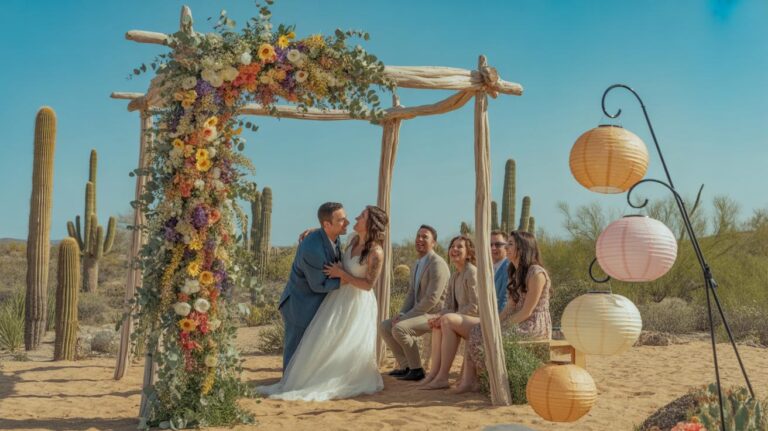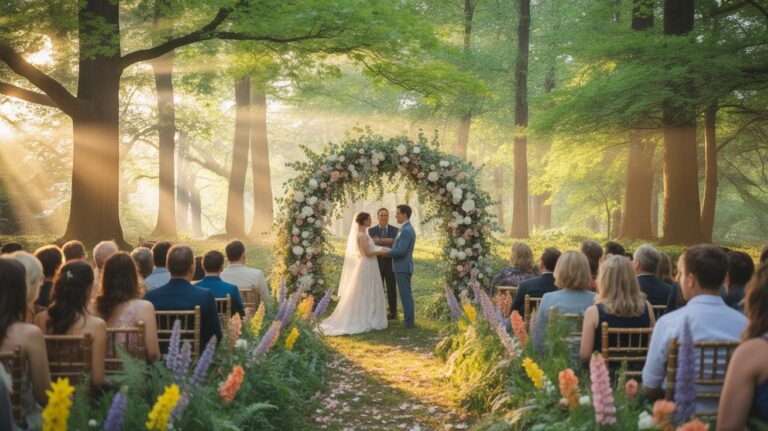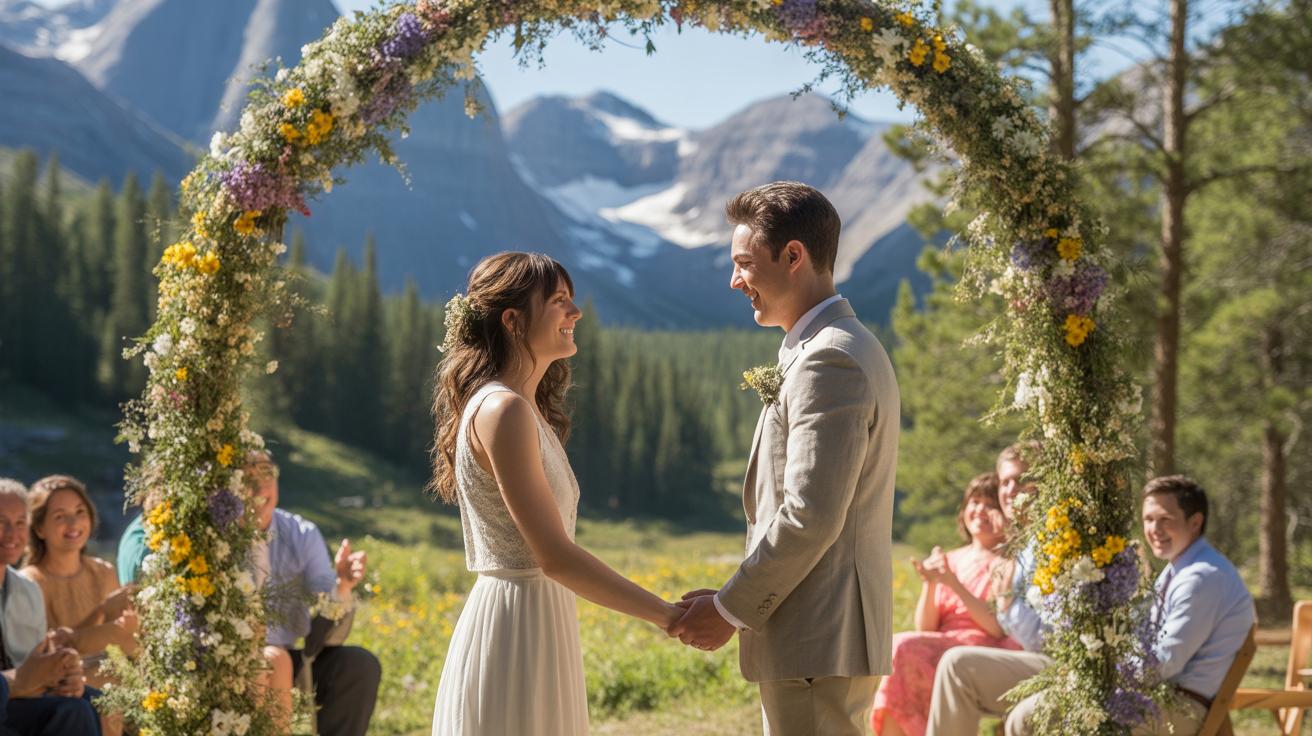
What Is A National Park Wedding Permit And Why Do You Need One
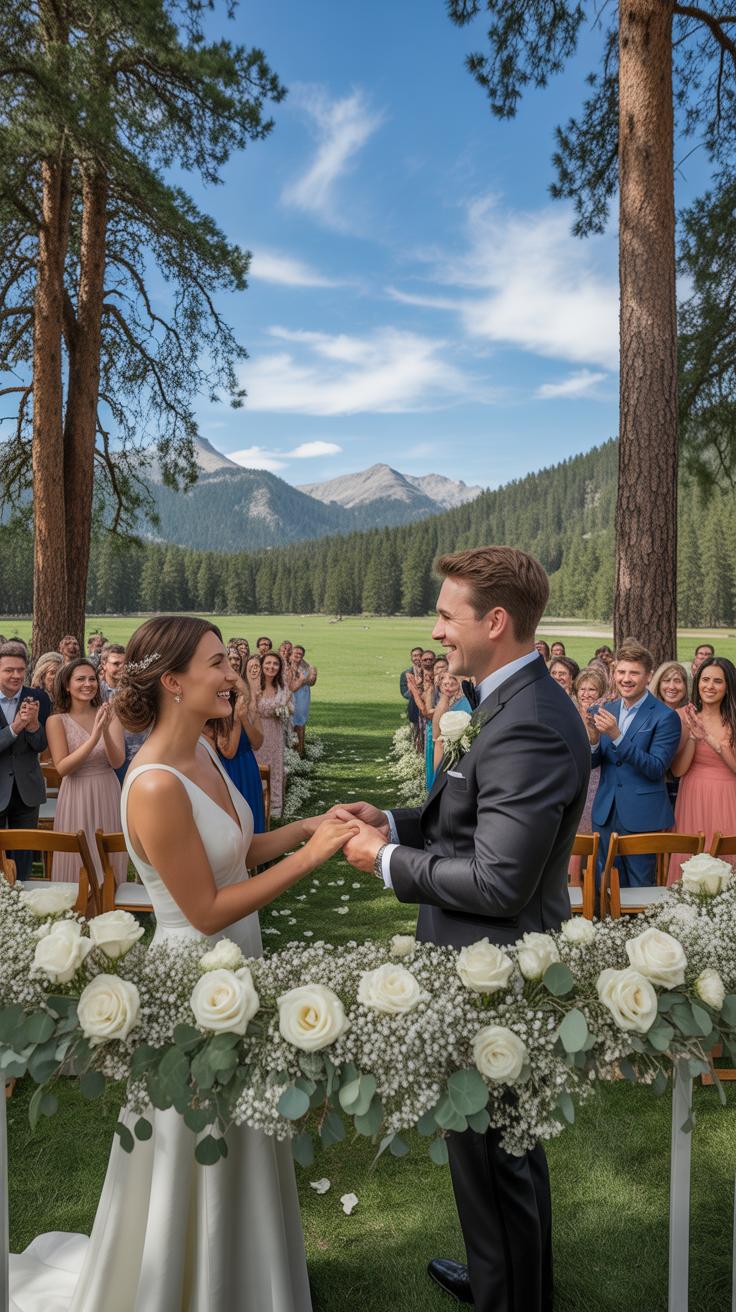
Understanding The Legal Requirement For A National Parks Wedding Ceremony
A national park wedding permit is a Special Use Permit. Federal law requires this document for almost all organized events on protected land. The National Park Service issues these permits to manage human impact on the environment. You must secure one to reserve a specific ceremony location. This process ensures your event does not conflict with park operations or damage sensitive natural resources.
The permit functions as a legal contract between you and the federal government. It outlines exactly where and when you can stand. It also lists what items you can bring. Most parks like Yosemite or Glacier require these for any group size. Without this document, your wedding is an unauthorized activity. You must pay the application fee to start the formal review process.
What Happens If You Skip The Permit Process At Your Ceremony Location
Skipping the permit process leads to immediate legal consequences. Park rangers have the authority to stop your ceremony mid-sentence. They will ask you and your guests to leave the site immediately. You will likely receive a federal citation and a heavy fine. This fine often costs more than the original permit fee. Your wedding photos will capture a law enforcement intervention instead of a celebration.
The government monitors popular spots for unauthorized commercial activity. Rangers check for professional photographers and wedding attire. If you lack the proper paperwork, you face potential bans from the park. Your photographer might also lose their right to work on federal land. Unpermitted weddings risk damaging the land and disrupting other visitors. Always follow the rules to protect your investment and the park ecosystem.
How Much Does A National Park Wedding Permit Actually Cost
Breaking Down The Standard Location And Administrative Permit Fees
Every national park wedding permit starts with a Special Use Permit application. Most parks charge a non-refundable administrative fee ranging from 50 to 300 dollars. This fee covers the staff time required to review your application and check site availability. Popular parks like Yosemite or Glacier National Park maintain strict price Tiers based on their specific administrative overhead and site demand.
The second part of the cost is the location fee or cost recovery charge. This fee pays for the actual use of the ceremony location and any necessary site monitoring by rangers. High-traffic areas often have fixed rates while remote spots might require hourly monitoring fees. You must pay these costs upfront to secure your date and time against other applicants and park events.
Hidden Costs To Budget For Beyond The Basic Permit Fee
Permit fees represent only the baseline cost for a National Parks wedding. You must also account for individual vehicle entrance fees for every guest and vendor entering the park. These fees usually run between 30 and 35 dollars per car unless attendees hold an annual pass. Forgetting this cost creates a major bottleneck at the park gate on your wedding day and strains your budget.

Liability insurance is another mandatory expense often overlooked by couples planning an elopement. Many parks require a Certificate of Insurance that names the federal government as additionally insured. You will also pay separate fees if you plan to use professional photographers or commercial transportation services within park boundaries. These logistical expenses can easily double your initial permit cost if you do not plan for them early.
Step By Step Guide To Applying For Your National Park Wedding Permit
How To Contact The Right Park Office And Submit Your Application
Locate the Special Park Uses Coordinator for your chosen park. Visit the official National Park Service website and navigate to the specific park page. Look under the management or fees and reservations section. This office handles all wedding requests. Contact them directly via email or phone before you file. They will provide the most current ceremony site availability and any recent local rule changes.
Download the Special Use Permit application form, typically Form 10-930. Fill out every field accurately to avoid processing delays. Attach the non-refundable application fee as instructed by the park office. Most parks now use Pay.gov for electronic payments. Submit your completed packet via the method the coordinator prefers. Some parks require digital copies while others still demand physical mail for original signatures and formal processing.
Key Documents And Lead Times Required To Secure Your Permit
Each park manages its own calendar and documentation requirements. You must submit your application well in advance to secure a specific date and location. Competition for popular spots like Glacier or Yosemite is high. Rangers review applications in the order they arrive. Missing documents or unpaid fees will result in an immediate rejection. Have your logistics, guest count, and site preferences ready.
- Special Use Permit Application Form: Use Form 10-930 for small weddings or 10-930S for simpler ceremonies. This document captures your contact details, event timing, and requested location. Accuracy here prevents back-and-forth emails.
- Application Fee Payment Receipt: Pay the non-refundable processing fee through Pay.gov or by check. This fee usually ranges from 50 to 300 dollars. The park will not review your application until they confirm this payment.
- Site Map or Location Request: Identify specific GPS coordinates or named overlooks for your ceremony. Some parks limit weddings to pre-approved zones. Providing a clear map ensures the coordinator understands exactly where you intend to stand.
- Liability Insurance Certificate: Large groups or complex setups may require a certificate of commercial general liability insurance. The park must be named as an additional insured party. This protects the government from damages caused during your event.
- Photographer and Vendor Permits: Most parks require professional photographers to hold their own separate commercial filming permit. Verify that your vendors have the correct paperwork. If they do not, your wedding permit might be revoked on-site.

Submit your paperwork at least six to twelve months before your wedding date. Parks like Yosemite accept applications up to one year in advance. Do not wait until the last minute. The National Park Service needs time to assess environmental impacts and staff availability. Once approved, you will receive a permit to sign and return. Keep a hard copy on your person during the event.
Choosing The Best Elopement Locations Inside National Parks For Your Budget
Free And Low Cost Ceremony Location Options Within Popular National Parks
Most national parks charge a flat fee for a special use permit. This fee usually covers the administrative costs of processing your application. Budget friendly options exist at sites like Yosemite or Glacier. You must choose designated areas to keep costs low. Some parks offer simple roadside turnouts or quiet meadows for small groups. These spots do not require extra site impact fees.
Researching specific park compendiums saves money immediately. Look for locations that do not require specialized ranger monitoring. Parks often categorize sites by group size. Small groups of under ten people have more flexibility. You can avoid expensive amphitheater rentals by picking undeveloped overlooks. Focus on natural backdrops that require zero decoration. This strategy keeps your total investment limited to the basic permit fee.
How Crowd Levels And Accessibility Affect Your Elopement Location Choice
High traffic areas create logistical hurdles for elopements. Popular spots like Taft Point or Logan Pass draw massive crowds during peak hours. Tourists will often walk through your ceremony space. You cannot legally cordoned off public land. Choosing a remote location reduces these interruptions. It also ensures your photos do not feature strangers. Privacy is a valuable asset that costs nothing but time.

Accessibility impacts your total budget and guest experience. Easy to reach spots often require permits booked months in advance. Remote hike-in locations have less competition and lower demand. You must consider the physical limits of your party. Rugged trails require specific footwear and gear. Choosing a spot near a parking lot saves time but increases noise. Balance your need for seclusion with the reality of park traffic.
Planning A Yosemite Wedding Or Yosemite Elopement On A Tight Budget
What The Yosemite National Park Permit Process Looks Like For Couples
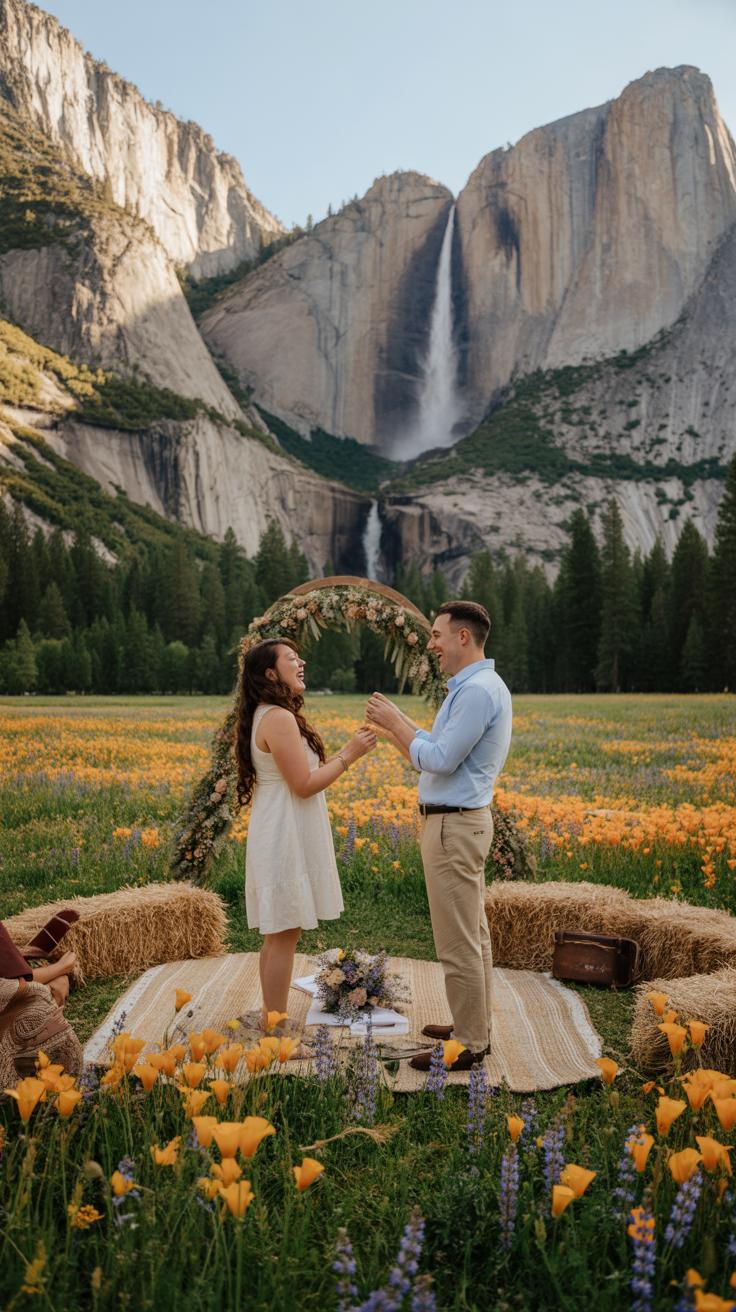
Yosemite National Park requires a Special Use Permit for all weddings and elopements. You must apply if your group has more than ten people. Even small groups of fewer than eleven people need this permit to secure a specific location. You should submit your application at least one year in advance. This ensures you get your preferred date and ceremony spot before others.
The park staff processes peak season applications in the order they arrive. You must pay a non-refundable application fee when you submit the form. This fee covers the administrative costs of reviewing your request. Once the park approves your event, they send a permit for you to sign and return. Keep a printed copy of this document with you during the ceremony.
Budget Friendly Ceremony Spots And Off Peak Timing For A Yosemite Elopement
Choose a site within the designated ceremony locations list to save money. These spots have fixed low costs compared to private venues outside park boundaries. Locations like Lower Yosemite Fall or Bridalveil Fall work well for small groups. Most sites limit the number of guests and vehicles allowed. Selecting a less popular spot reduces the risk of crowds and extra site monitoring fees.

Timing is the most critical factor for a low-cost elopement. Plan your event between November and April to avoid peak season crowds. Weekdays are cheaper and less busy than weekends. Avoid holiday weeks when traffic congestion is high. Early morning ceremonies offer the best light and the most privacy. Choosing these off-peak times ensures you spend less on travel and lodging while avoiding extra park fees.
How To Plan A Glacier National Park Elopement Without Overspending
Permit Rules And Seasonal Considerations For A Glacier National Park Elopement
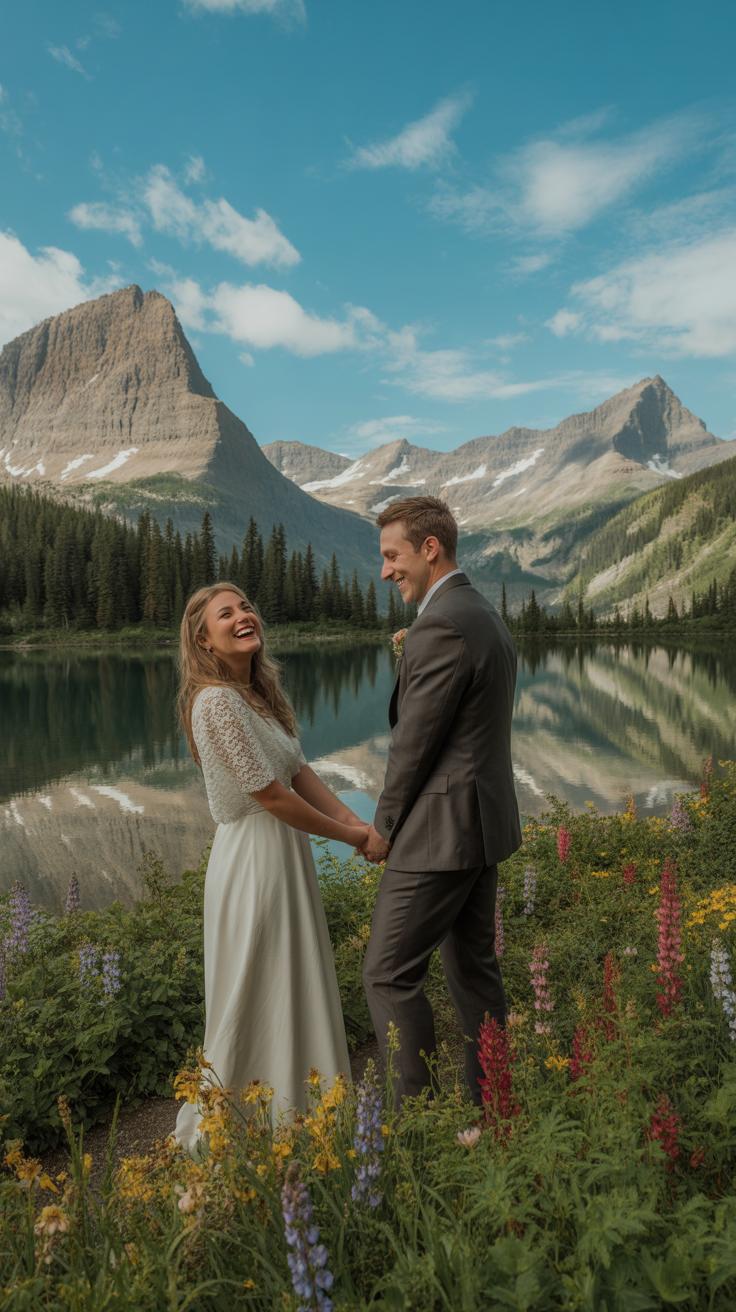
You must submit a Special Use Permit application at least four weeks before your ceremony. The park charges a non-refundable one hundred dollar fee for this application. Glacier National Park monitors site usage strictly to prevent resource damage. You cannot bring chairs, arches, or floral arrangements that contain invasive species. Stick to the simple permit fee to keep your baseline costs as low as possible.
Seasonality dictates your access and your budget. Most high-elevation roads like Going-to-the-Sun Road do not fully open until late June or early July. Planning an elopement in May or October saves money on local lodging but limits your site options. Early autumn offers stable weather and fewer crowds than the peak summer months. Choose these shoulder seasons to avoid the stress and high costs of the tourist rush.
Scenic And Accessible Ceremony Locations Within Glacier National Park
The Apgar Village area provides the best accessibility on the west side of the park. Lake McDonald offers expansive views with paved paths that require no hiking equipment. This location allows you to use standard vehicles instead of expensive 4×4 rentals. Selecting a site near the park entrance also reduces fuel costs and travel time. These shorelines provide a dramatic mountain backdrop for the cost of a permit.
On the east side, Two Medicine and Many Glacier offer rugged scenery with less traffic than the central corridor. These areas often have smaller crowds, which allows for a more private ceremony without paying for exclusive venue rentals. Use the existing amphitheaters or designated shoreline spots to keep your group footprint small. Focus on these established sites to ensure you follow park regulations while capturing the best natural light.
Top Budget Tips For Planning A National Parks Wedding From Start To Finish
How To Save Money On Photography, Attire, And Travel For Your Elopement
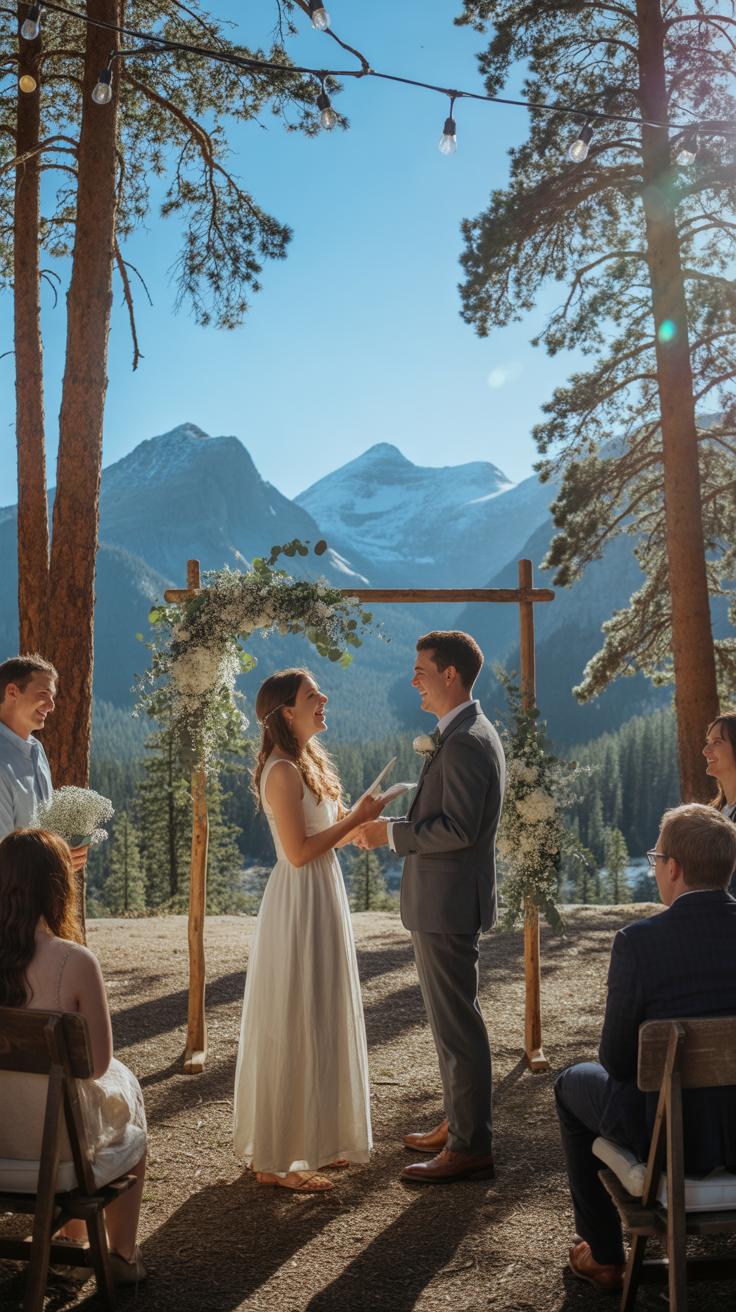
Strategic spending ensures your national park wedding permit remains your primary logistics cost. High-end photography dominates elopement budgets. You can reduce these fees by booking local talent near the park to avoid paying travel stipends and lodging for out-of-town vendors. Lowering costs on attire involves selecting durable fabrics that withstand trails and wind without requiring professional cleaning or expensive repairs.
- Local Photographer Sourcing: Hire photographers based inside the park gateway towns. This eliminates high travel fees and ensures the professional knows the exact lighting conditions for your specific ceremony location without requiring a scouting day.
- Off-Peak Travel Booking: Schedule your elopement for midweek dates from Tuesday to Thursday. Airfare and rental car prices drop significantly during these windows compared to weekends. Most parks also offer better permit availability during these slower periods.
- Rugged Dress Materials: Choose polyester lace or crepe fabrics over delicate silk or tulle. These materials resist snagging on brush and do not show dirt easily. Practical attire allows you to skip expensive specialty dry cleaning services after the ceremony.
- Bundled Equipment Rentals: Rent camping gear or formal wear from shops located in major hub cities like Las Vegas or Denver. Rental prices inside park boundaries or in small mountain towns are often double the rate of urban outfitters.
- Standard Vehicle Selection: Book a standard SUV rather than a specialized off-road vehicle unless your permit specifies a 4×4 road. Most designated ceremony sites are accessible via paved roads. This choice saves hundreds of dollars in daily rental surcharges and fuel.
Logistics management requires a lean approach to transportation. Sharing one vehicle between the couple and the photographer reduces parking fees and entrance costs. Research regional airports instead of flying into the nearest small terminal. Larger hubs often have more competitive rental markets and cheaper direct flights. These small adjustments prevent your travel and gear expenses from exceeding your actual wedding permit fees.
The wonders of the Grand Canyon cannot be measured in dollars, for the greatest experiences in our parks are often the simplest ones.
Why An Intimate Elopement Often Costs Less Than A Traditional Park Wedding
Traditional weddings involve high guest counts that trigger expensive permit requirements. Most national parks have strict capacity limits for specific scenic overlooks. Exceeding these limits forces you to rent private venues outside park boundaries. An intimate elopement keeps you under the threshold for lower-tier permit fees and removes the need for shuttle rentals or organized group transportation which adds thousands to the budget.

A smaller group also eliminates the need for professional event coordination and large-scale catering. You do not have to pay for chair rentals, sound systems, or floral installations that parks often prohibit anyway. By focusing on just the couple and a few witnesses, you bypass the infrastructure costs associated with a standard wedding. The natural landscape serves as your decor, making the permit your most valuable and affordable asset.
What To Expect On Your National Park Wedding Day As A Permitted Couple
Park Rules, Guest Limits, And Conduct Guidelines During Your Ceremony
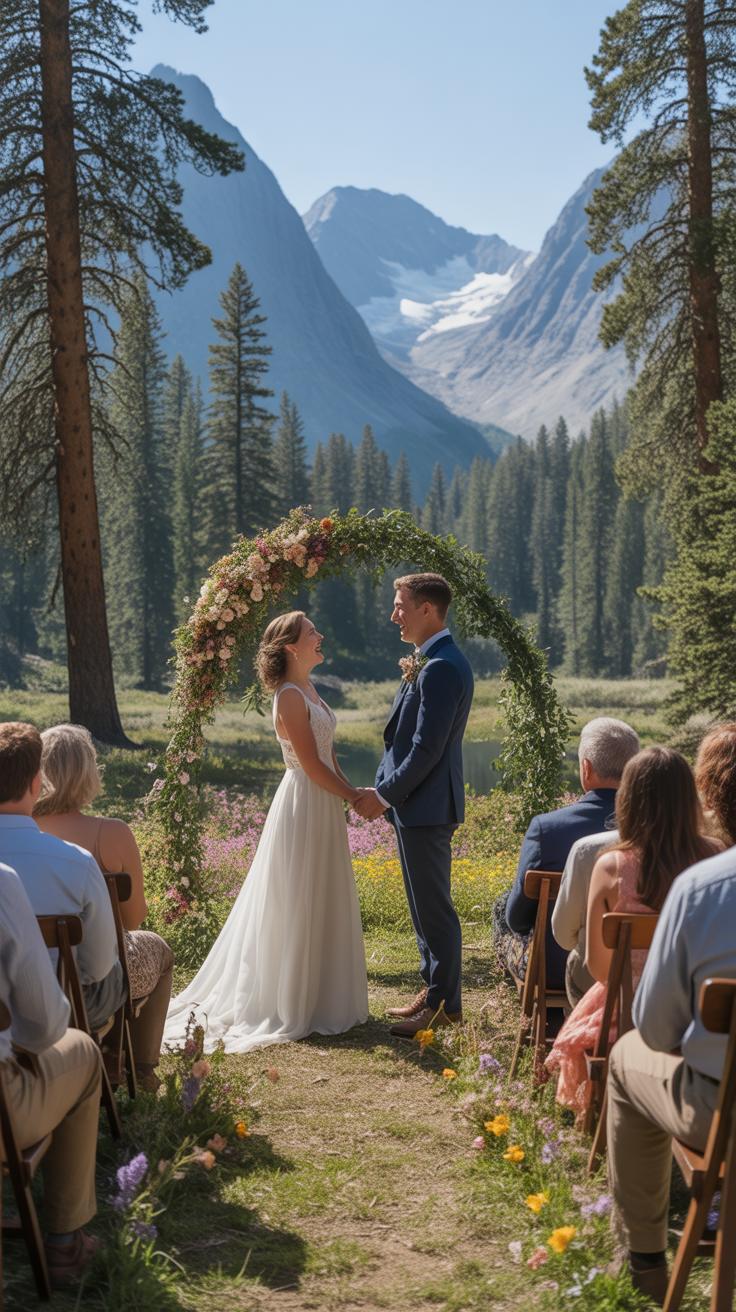
A permit does not grant you exclusive use of public land. You must share the space with other visitors at all times. Park rangers enforce strict guest count limits based on your specific location choice. Most parks prohibit traditional wedding decor like arches, chairs, and tossed rice or petals. These items damage the ecosystem and violate federal Leave No Trace principles.
You must follow all noise ordinances during your ceremony. Amplified sound or loud music is generally banned to protect the natural soundscape. Rangers will intervene if your group blocks trails or overlooks. Failure to comply with permit terms results in immediate ceremony termination or heavy fines. Carry a physical copy of your permit to prove your legal right to be there if staff asks.
How Weather, Wildlife, And Park Traffic Can Impact Your Wedding Day
National parks are unpredictable natural environments. Sudden road closures or extreme weather can block access to your chosen site without notice. High traffic and limited parking often cause significant delays for you and your guests. Plan for extra travel time and consider using park shuttle systems to avoid missing your window. Always have a backup plan for heavy rain, snow, or high wind events.
Wildlife encounters are common and require strict adherence to safety protocols. You must maintain a legal distance from all animals and never use food to attract them. Improper food storage can lead to permit revocation or dangerous situations. Your permit does not allow you to disturb local fauna for photos. Respect the habitat and expect the unexpected when dealing with wild terrain and shifting environmental conditions.
Hiring Vendors And Officiants For Your National Park Wedding On A Budget
Why Some National Parks Require Commercially Permitted Vendors And Photographers
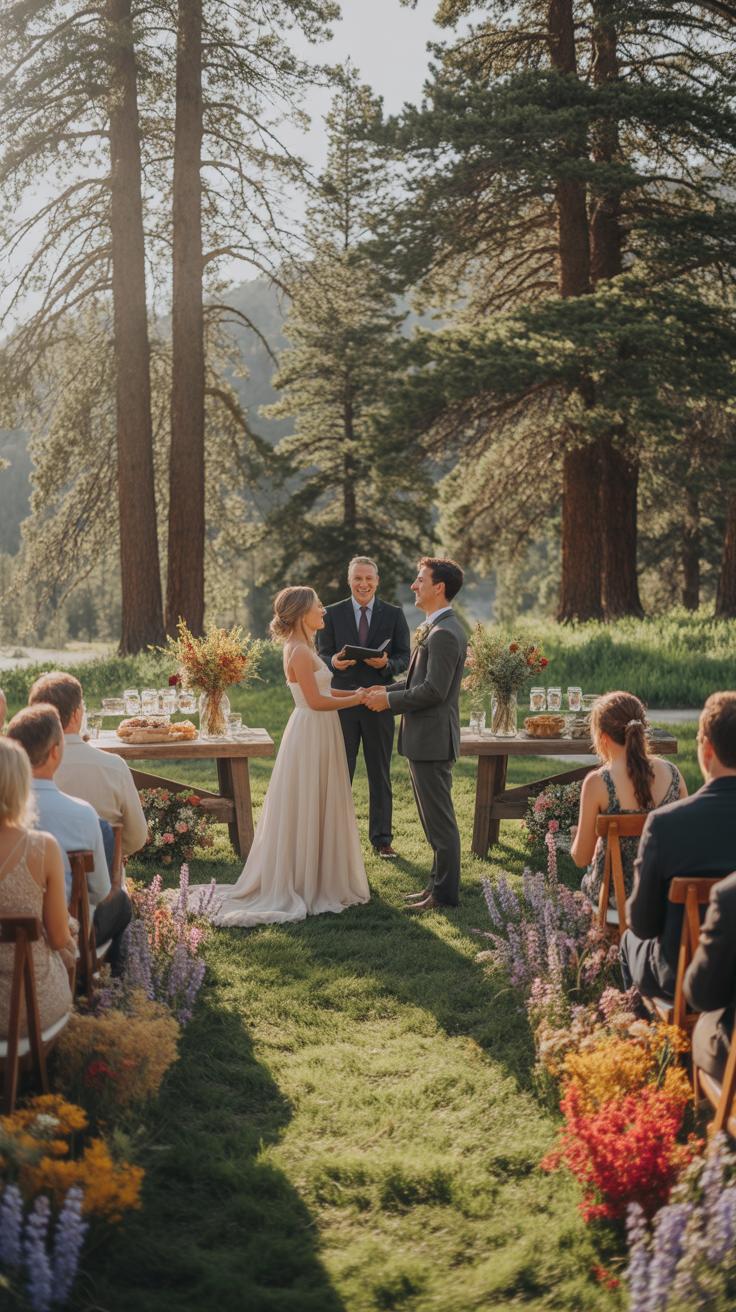
National Parks mandate Commercial Use Authorizations (CUA) for wedding vendors to protect federal land. These permits ensure that businesses carry proper liability insurance and follow strict resource protection rules. The government uses these fees to offset the impact of commercial activity on the environment. You cannot hire an uninsured vendor because the park holds the permit holder responsible for any damage to the ecosystem.
A national park wedding permit often requires you to list your professional vendors. If a photographer lacks a CUA, the park ranger can stop your ceremony immediately. This rule prevents overcrowding and ensures that professionals understand the Leave No Trace principles. Using permitted vendors reduces your legal risk. It also guarantees that the people you hire already understand the specific boundary and noise restrictions.
How To Find Affordable Officiants And Photographers Familiar With Park Regulations
Local vendors living near the park gates typically offer the best value. These professionals do not charge high travel fees or lodging costs. They already possess the required annual commercial permits for the specific park. Search for photographers who specialize in a Yosemite elopement or a Glacier National Park elopement. They know the best lighting and the most private spots to avoid the crowds.
Check the park official website for a list of authorized commercial providers to save time. Using a local officiant ensures your marriage license filing meets state and county requirements. Many local photographers act as your guide and witness for free. This strategy eliminates the need for extra guests or staff. Stick with vendors who have a proven track record with the National Park Service to avoid permit delays.
Other Stunning National Parks Worth Considering For Your Elopement
Lesser Known National Parks That Offer Affordable And Breathtaking Ceremony Locations
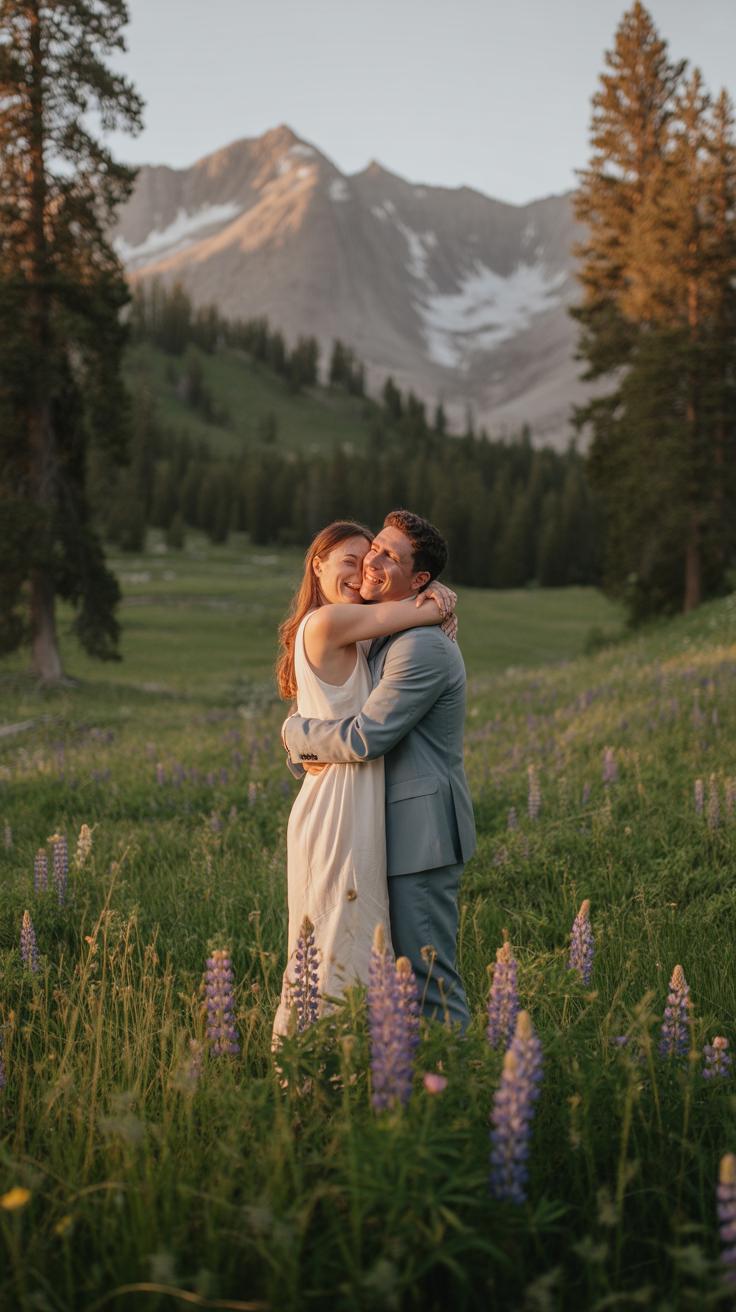
Popular parks like Yosemite and Zion often face heavy crowds and strict site limits. Lesser known parks offer more privacy and lower logistical hurdles. North Cascades National Park provides rugged alpine scenery without the massive visitor numbers found elsewhere. Black Canyon of the Gunnison offers deep canyon views and easy access to rim sites. These smaller parks often process permits faster because they handle fewer daily wedding requests from couples.
Choosing a less famous park reduces your overall costs. You spend less on specialized venting fees and site monitors. Big Bend National Park offers vast desert landscapes with very low permit fees compared to coastal parks. Olympic National Park provides diverse ecosystems from rainforests to beaches. These locations provide high visual impact for a fraction of the cost. You get a unique backdrop while avoiding the competitive booking windows found at major hubs.
How To Compare Permit Costs And Logistics Across Different National Parks Wedding Destinations
Permit costs vary wildly across the federal system. Each park sets its own fee structure based on administrative hours and site recovery needs. Most parks charge a nonrefundable application fee ranging from fifty to two hundred dollars. Some parks also require a separate location fee or a per hour monitoring fee. You must review the specific Compendium of Orders for each park. This document lists exact rules for photography and group sizes.
Logistics depend on the specific zone you choose within a park. High altitude spots in Glacier National Park have short seasonal windows due to snow. Desert parks like Joshua Tree are best in winter to avoid extreme heat. Check if your desired ceremony spot allows guests or just the couple. Some parks limit certain overlooks to ten people total. Always ask the permit coordinator about vehicle limits and parking passes to avoid unexpected costs on your day.
Frequently Asked Questions

What exactly is a national park wedding permit and why do I need one?
A Special Use Permit is a mandatory legal document required for any organized marriage ceremony held within park boundaries. Even for a tiny elopement with just two witnesses, you must secure a national park wedding permit to ensure your event complies with federal regulations. This document grants you permission to use a specific location at a set time while helping rangers protect the delicate local ecosystem and manage visitor traffic.
How do I apply for a national park wedding permit without spending a fortune?
To keep costs low, start by visiting the official National Park Service website for your desired location and downloading the application form. You will typically pay a non-refundable application fee, ranging from $50 to $200. To save money, choose a “pre-approved” site listed by the park, which often streamlines the process and avoids additional administrative fees or the need for expensive site monitors that larger groups require.
Are there ways to reduce additional costs when booking a permit for a scenic park wedding?
Absolutely. The best way to save is by choosing a weekday or an “off-peak” season, as some parks offer lower rates or more flexible location options during these times. Additionally, check if your national park wedding permit allows for a simple standing ceremony. Avoiding heavy decor, chairs, or floral arches not only keeps your permit category in a lower price bracket but also eliminates extra hauling and setup expenses.