Introduction
Luxury travel has evolved significantly over the years. Today, new lifestyle trends influence how travelers choose their luxury travel experiences. These trends often reflect changes in society, technology, and personal values.
This article looks at future lifestyle trends that impact luxury travel choices. We will cover how shifts in technology, preferences, and sustainability shape what travelers expect from luxury vacations.
Changing Preferences In Luxury Travel
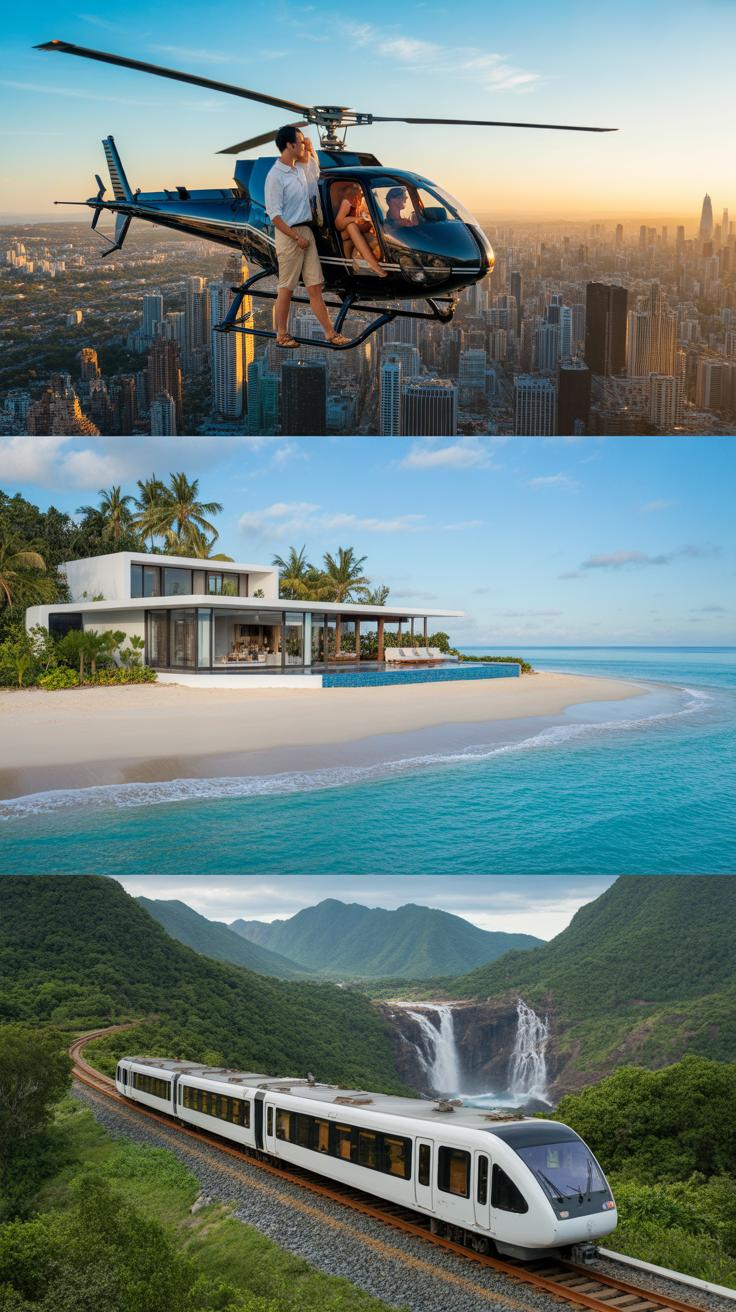
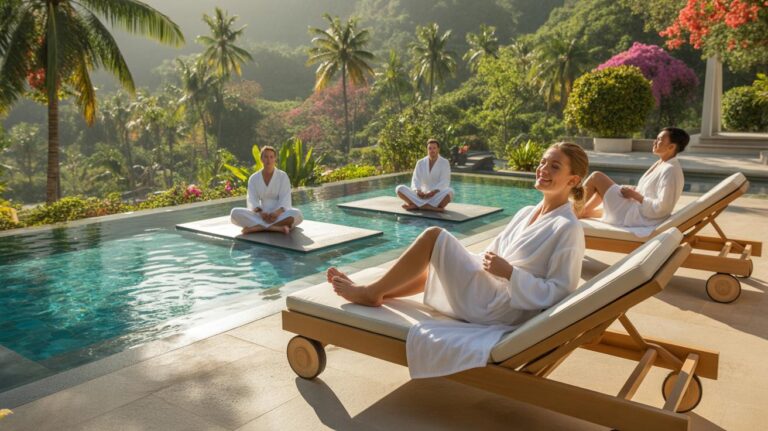
Traveler tastes in luxury travel seem to be shifting—though not always in straightforward ways. Many are moving beyond traditional opulence and seeking experiences tailored just for them. Personalized trips that speak to individual interests are becoming more common. People want to feel like their vacations are designed uniquely for their desires rather than one-size-fits-all packages. There’s also a rising focus on wellness during luxury travels. Spa visits and serene retreats that help people disconnect and recharge are in demand. But that’s not all—there’s this curiosity about places that offer something rare or off the beaten path. Unique destinations hold a special allure, making travel more than just a status symbol or an escape, but a meaningful journey. For those planning luxury trips, these changes matter—they shape how you choose where to go, what to do, and how to feel during your time away.
Top Trends Changing Travel Choices
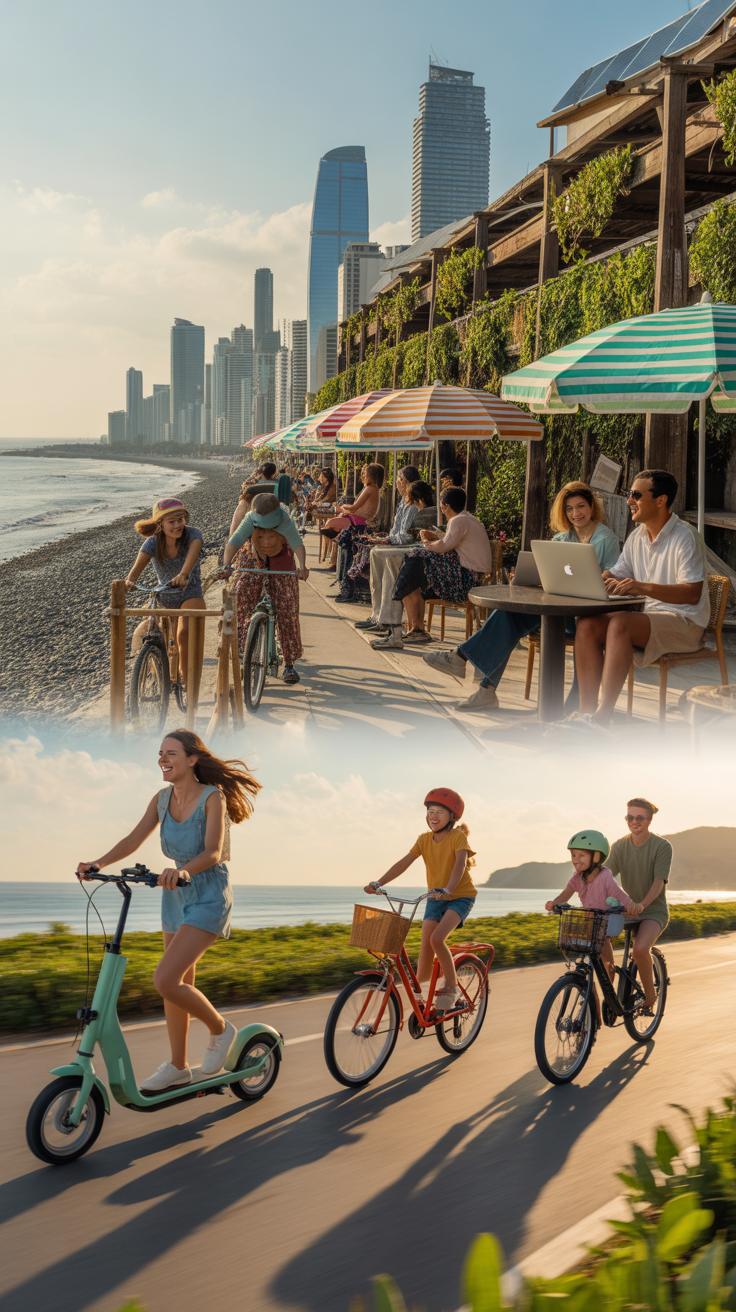

Several lifestyle trends have a clear impact on luxury travel today:
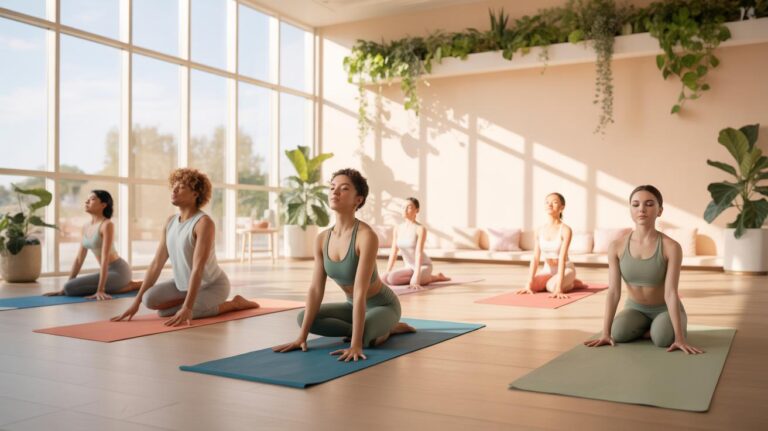
- Health consciousness: Travelers often prioritize healthy eating, fitness, and mental wellness. For example, a luxury resort might offer farm-to-table organic meals, yoga sessions, or meditation classes.
- Cultural experiences: There’s growing interest in immersing oneself in local customs rather than just sightseeing. A luxury trip might include private cooking lessons with local chefs or guided visits to indigenous communities.
- Eco-awareness: More travelers prefer eco-friendly accommodations and tours that minimize environmental impact.
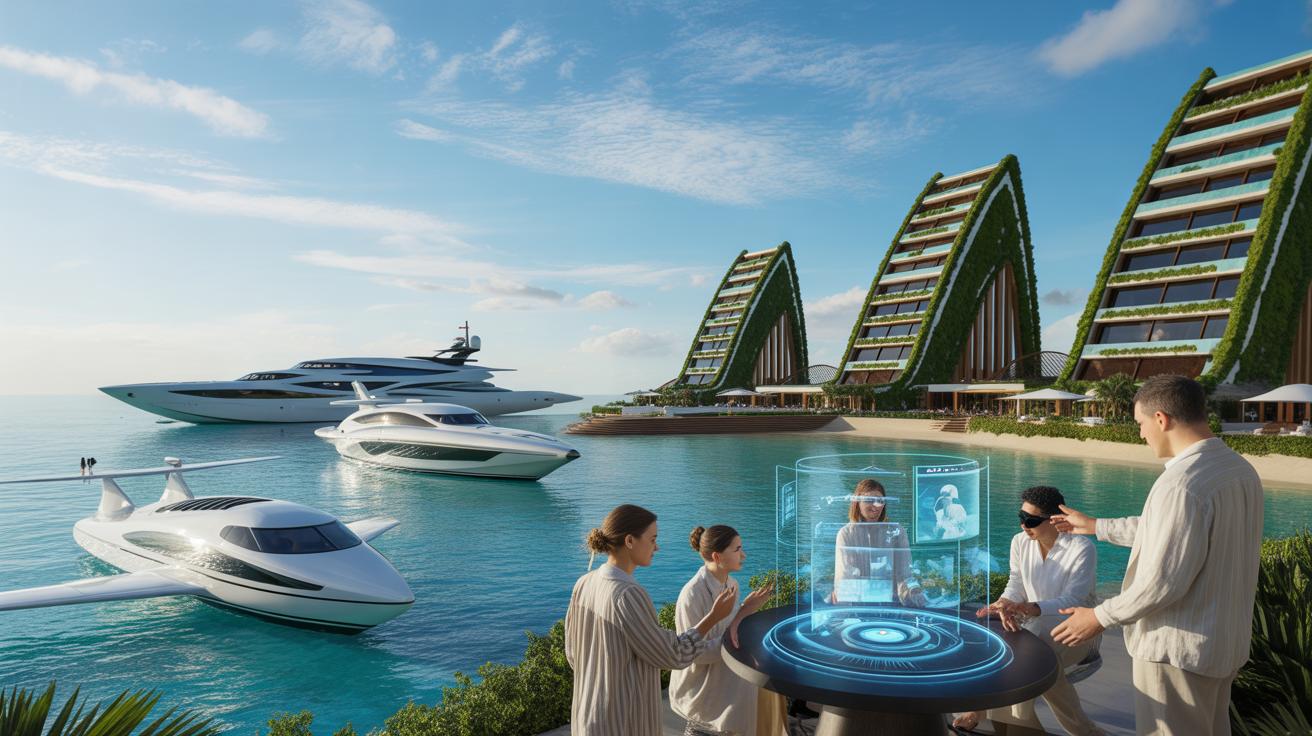
- Technology integration: Smart rooms and seamless digital services enhance comfort and convenience without sacrificing hospitality.
Each of these trends nudges travelers toward choices that reflect their values and lifestyle, not just luxury for luxury’s sake.
Why Personalization Matters

Why do people seek personalized luxury travel? The answer might be simple: it feels more satisfying. When a trip matches your tastes, interests, and pace, it can be genuinely rewarding. For example, if you’re a history buff, a tailored itinerary focusing on private tours of historic sites offers something generic packages can’t. A traveler interested in wellness might appreciate a schedule built around spa treatments, fitness classes, and healthy meals. Customization lets travelers tap into what makes them happy or curious. It’s about making the experience yours, which, in a sense, turns a trip into a deeper, more memorable adventure. So, personalization isn’t just a luxury add-on; it’s often the key to true travel satisfaction.
How Technology Is Shaping Luxury Travel
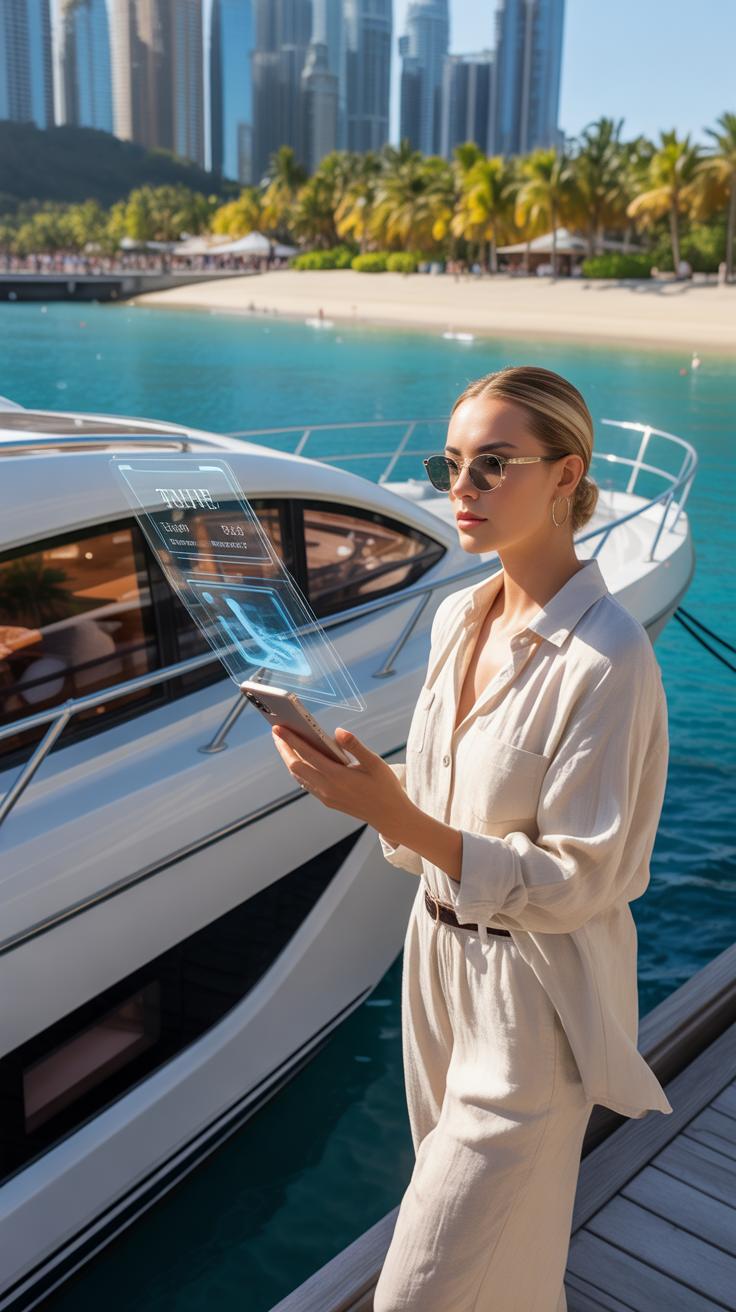
Technology has become a major factor in how people choose luxury travel experiences. One obvious way is mobile booking, which puts a world of options right in your hand. Apps and websites make it possible to browse exclusive resorts, book private jets, or reserve a table at a Michelin-starred restaurant with just a few taps. This convenience, though, sometimes nudges travelers to prioritize instant accessibility over the traditional sense of anticipation luxury once demanded.
Another shift comes with smart hotel rooms. Imagine walking into your suite where lighting, temperature, and even the window shades adjust automatically to your preferences. Voice assistants can order room service or book spa treatments without calling reception. While this automation impresses many, some guests say it can feel a bit impersonal if not balanced carefully with genuine human interaction.
Virtual reality (VR) previews are slowly changing the planning stage. Instead of sifting through photos, you can don a headset and “walk” through a luxury villa in the Maldives or explore the decks of a cruise ship before deciding. This immersive preview helps reduce uncertainty and often boosts confidence in booking high-cost trips. Yet, it also raises questions about how much virtual experience can replace the thrill of real travel anticipation.
Smart Hotels And Travel Apps
Smart hotels now offer automated check-ins with facial recognition, digital keys on your phone, and even AI concierges available 24/7. These features speed up what used to be slow processes, making travel smoother. Some apps provide personalized suggestions by learning your likes—whether a quiet dinner spot or the least crowded beach on the island. It’s like having a personal assistant but with technical precision and instant access.
However, technology can feel invasive too—tracking your habits or preferences might cross a privacy line, and the charm of a human concierge’s local tips is sometimes missing. Some travelers still prefer hearing recommendations from a knowledgeable person who knows the hidden gems beyond the algorithm.
Virtual Reality Tours For Planning
VR tours offer a new way to explore destinations on your own terms, eliminating guesswork. Luxury travelers appreciate this because they are making significant investments and want to ensure every detail aligns with their expectations. Experiencing the rooms, amenities, and even local scenery beforehand builds trust in unfamiliar luxury brands and locations.
On the other hand, while VR can showcase the beauty and vibe of a place, it can never fully capture the atmosphere, smells, sounds, or surprises of being there physically. So, while it’s a helpful tool, many travelers still rely on a mix of virtual previews and traditional reviews, sometimes leaving them wondering if the technology exaggerates the reality a bit.
Sustainability Versus Tradition In Luxury Travel
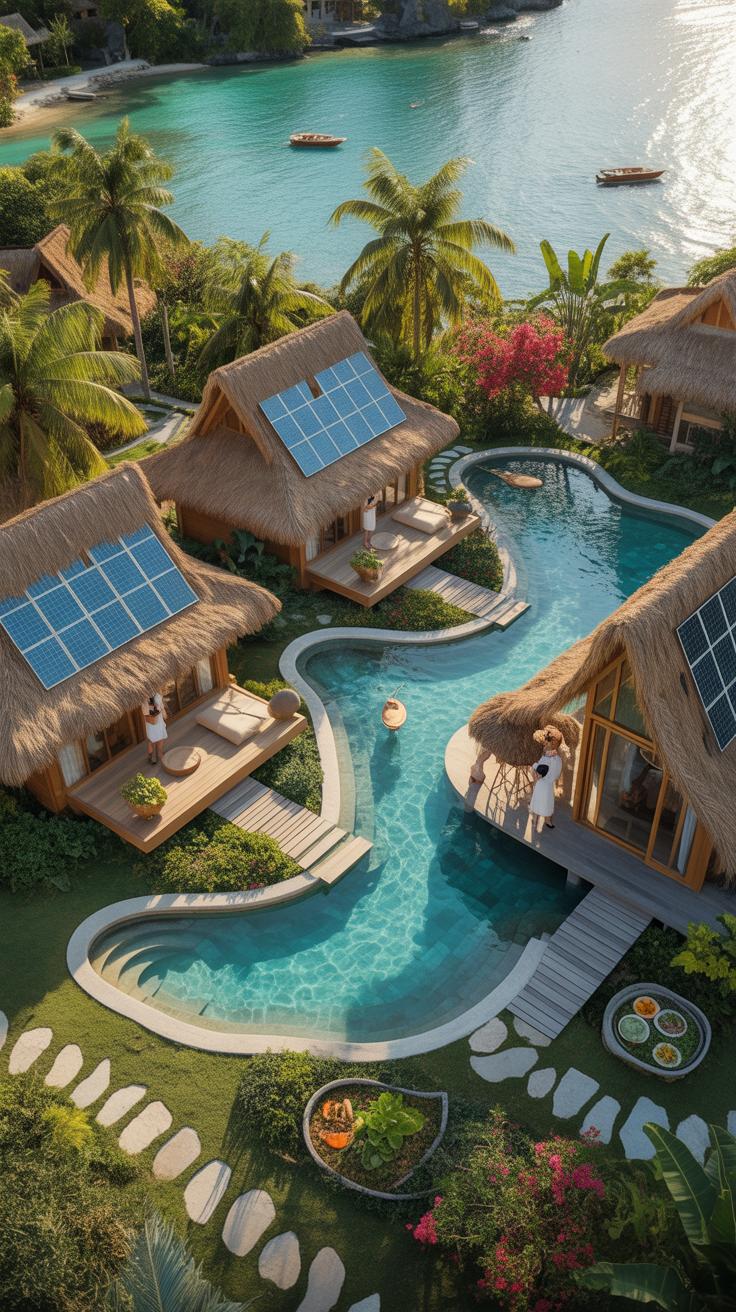
The concept of luxury travel traditionally conjures images of opulence—lavish hotels, gourmet dining, private jets. This picture hasn’t changed much over decades. Yet, a shift is quietly unfolding as sustainability sinks into the luxury fold. Can something eco-friendly still count as luxury? It seems so. The idea that an experience loses value without excessive extravagance is being questioned.
Luxury travel is now quietly aligning itself with responsible choices. For example, estates once solely prized for architectural grandeur now pride themselves on organic gardens and water conservation. Luxury is becoming about elegance with empathy. This isn’t just tokenism; it’s a response to travelers who want their indulgence to feel guilt-free, even meaningful. But the old and new ideas sometimes clash, leaving an interesting tension in how luxury is defined.
Eco-Friendly Luxury Options
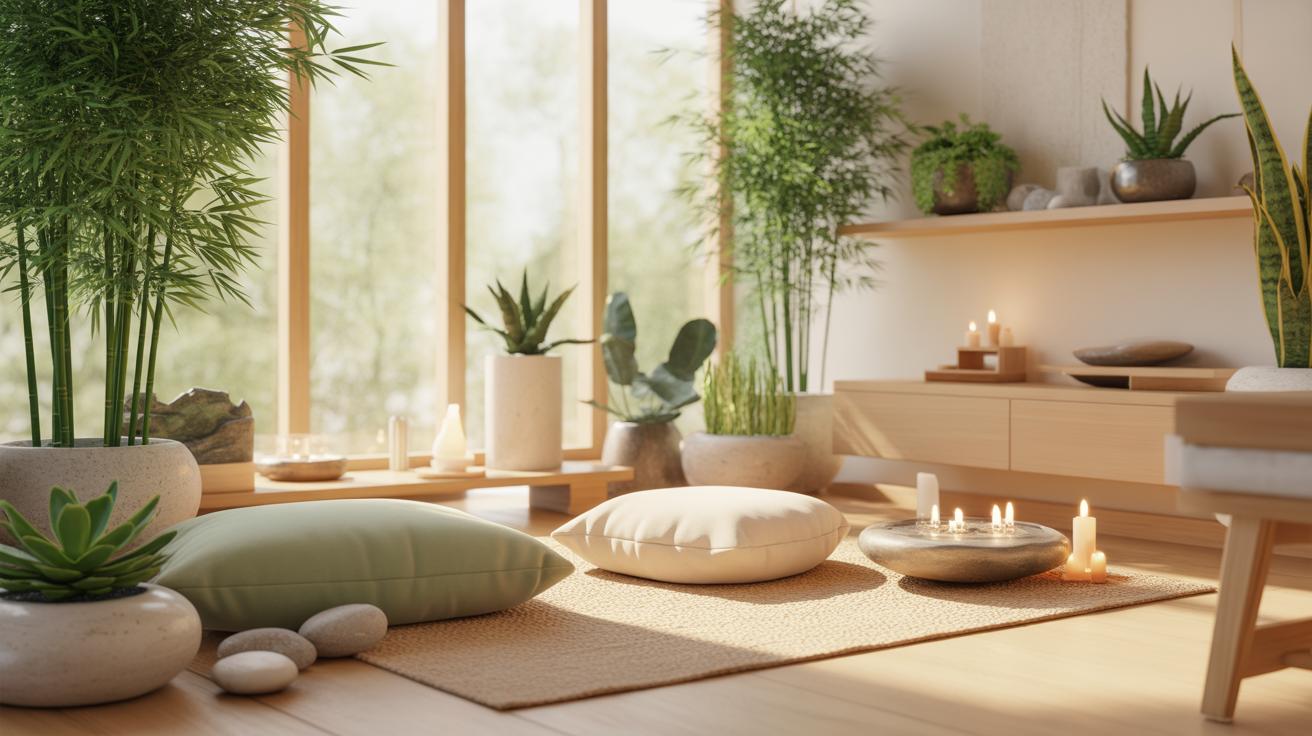
Travelers have more options that combine elegance with sustainability than ever before. Consider green hotels; many boast LEED certification or zero-waste policies without sacrificing comfort. Some resorts use solar energy and recycle water while offering spa treatments and fine dining.
Electric transport is growing as a luxury choice too. Electric yachts and Tesla transfers offer swift, silent travel without the typical environmental guilt. Responsible tours, such as guided wildlife safaris that emphasize conservation or cultural experiences supporting local communities, are also appealing.
- Green hotels with organic bedding and renewable power
- Electric vehicles for airport transfers and local excursions
- Nature-focused tours with low ecological impact
- Culinary tours focusing on local, sustainably sourced ingredients
Balancing Comfort With Care
You might wonder if choosing sustainability means giving up luxury comforts. Not entirely. There are compromises: perhaps fewer endless buffet spreads, less flamboyant decor, or more natural materials. But these changes often enhance the experience, provoking a more authentic connection to place.
Many travelers report feeling better knowing their choices contribute to conservation. Comfort isn’t lost but redefined. There’s a curious benefit in this shift—a pleasure that comes from caring as much about impact as experience. Choices feel more deliberate. While you might miss some traditional extravagances, the trade can lead to unique joys and memories.
Choosing Experiences Over Things

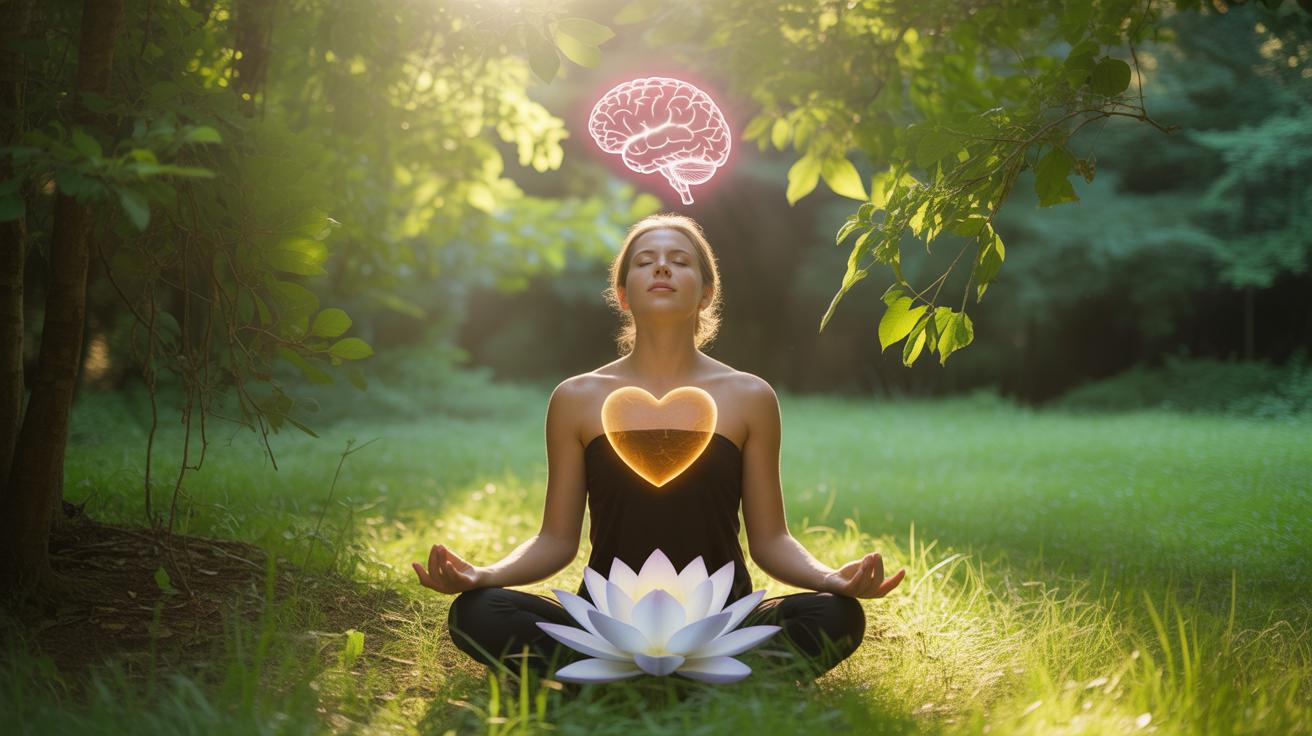
When it comes to luxury travel, there’s a noticeable shift away from simply acquiring material items—think fancy watches or designer bags—toward collecting experiences instead. You might wonder, why this change? It’s partly because experiences tend to create lasting memories, while physical objects can lose their charm or become clutter. People traveling in luxury seem to value moments that engage their senses or emotions, something beyond what money can buy or a shelf can hold.
Travelers often seek out unique cultural activities—like private tours of an artist’s studio in Florence or intimate cooking classes featuring traditional recipes. These opportunities connect you directly with a place’s local heritage and creativity, making the trip feel more personal and genuine.
Luxury travel also embraces adventure and wellness more than ever. Whether it’s hiking remote mountain trails, diving in clear waters, or indulging in holistic spa treatments, these choices reflect a desire to balance thrill with self-care. Activities such as guided safaris or yoga retreats are popular because they offer both excitement and mental peace, an appealing mix for someone wanting to escape routine.
So, why do experiences top possessions today? Maybe it’s about story-telling, about having something unique to share and remember. Or possibly it’s because physical things just don’t provide the same sense of growth or connection as experiences do. What’s clear is that luxury is evolving—focusing less on what you own and more on what you live through when you travel.
Checklist For Planning Luxury Trips
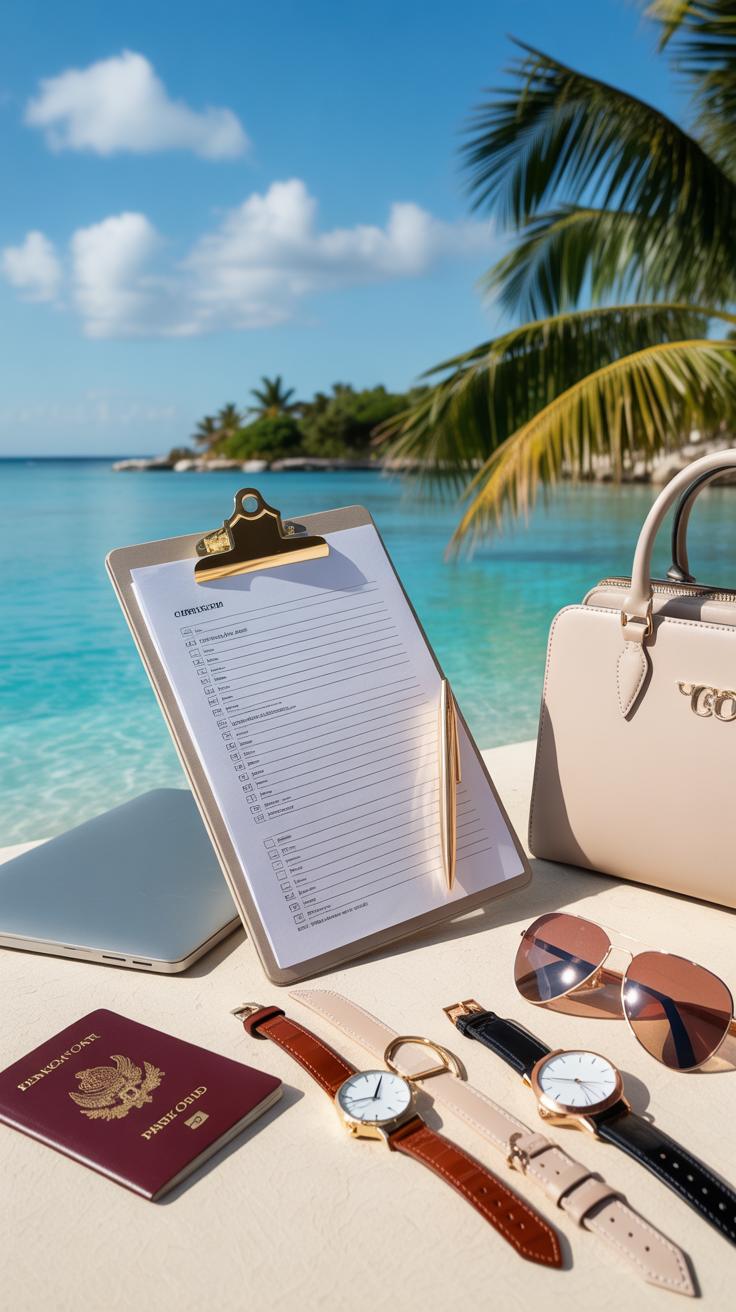

When planning a luxury trip, there are a few key points you’ll want to keep in mind. For starters, budgeting doesn’t mean just setting a number and calling it a day. Think about the experiences most important to you. Would you rather spend more on a unique cultural event or a high-end spa? This helps you prioritize where your money goes without feeling like you’re overpaying for elements that don’t matter as much.
Look into sustainable options, too. It’s not only about comfort but also about how your choices impact the planet. Research accommodations with eco-friendly practices or travel operators who support local communities. Sometimes, you might find that these choices add a richer layer to the luxury experience rather than detract from it.
Technology is surprisingly helpful here. Use apps and websites that aggregate reviews, offer real-time booking adjustments, and allow you to customize itineraries easily. These tools can save hours and even point out hidden gems you might miss on your own. A bit of patience with the tech can reward you handsomely.
Ultimately, keep a flexible mindset. You might start with a plan, but as you gather information and options, things can shift. That’s part of what makes luxury travel exciting — the ability to tweak things until it feels just right for you.
Examples Of Future Luxury Travel
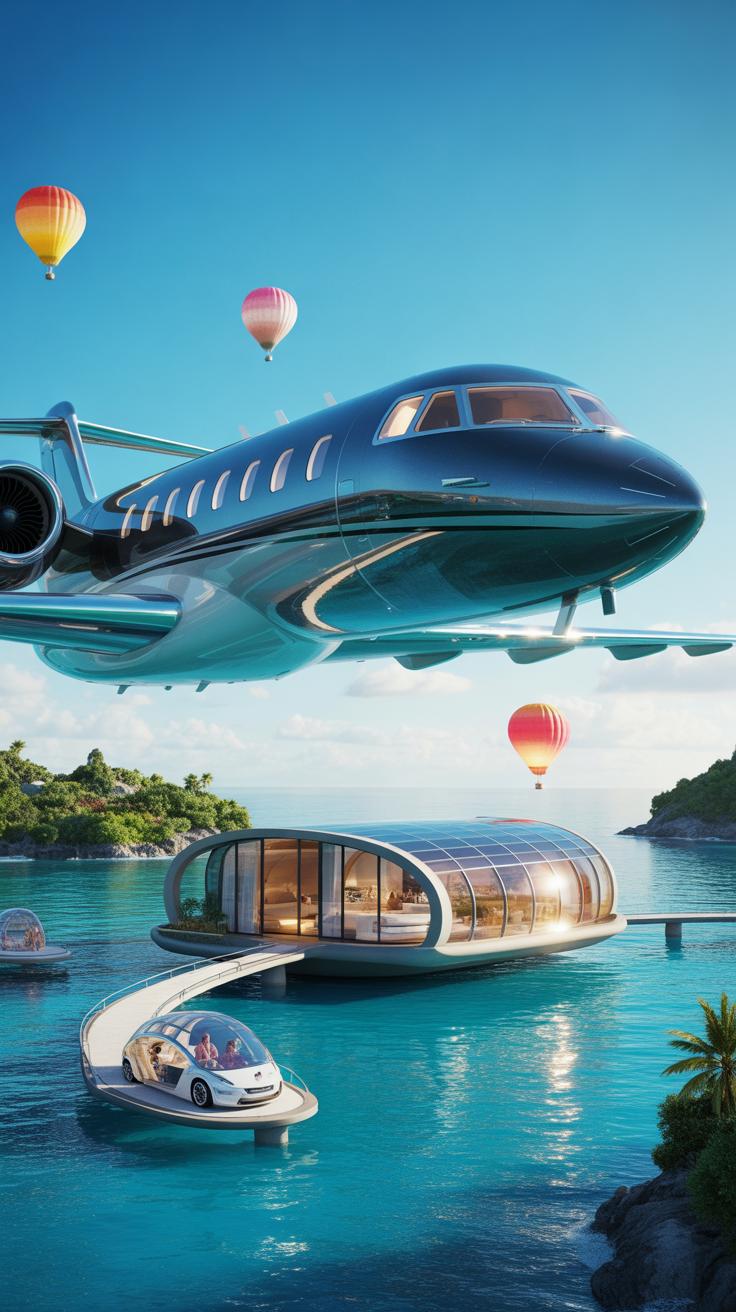
Sustainable Resort Experiences

One resort that stands out in sustainable luxury travel is Turtle Island Resort in Fiji. Nestled on a private island, it focuses on preserving nature while offering an exclusive getaway. They use solar power, support local communities, and maintain strict waste management. This isn’t just about looking green on paper—guests feel the connection to nature through organic gardens and coral reef conservation programs.
Then there’s the Parkroyal Collection Marina Bay in Singapore, which integrates urban farming and biophilic design into its architecture. Staying here, you experience luxury that’s intertwined with sustainability—living walls, natural light, and eco-conscious amenities create a unique ambiance. It’s curious; you wonder if this trend subtly shifts people’s expectations from mere indulgence to mindful enjoyment.
High-Tech Travel Adventures
Tech is reshaping how we experience luxury trips. Imagine booking a virtual reality tour before even leaving home, previewing resorts or exploring cultural sites in 3D immersive detail. This tech is no longer a gimmick but a gateway for tailored travel. For example, some high-end operators use VR pre-trips to customize experiences based on your reactions and preferences.
Smart hotels also elevate travel with AI-driven services. Picture rooms that adapt lighting, temperature, and entertainment just by recognizing your preferences. This is more common at some Pan Pacific Hotels and Resorts properties, where tech subtly enhances comfort without overwhelming.
Though tech enhances convenience and personalization, it also nudges us to question – does it ever risk distancing us from authentic experiences? The balance between innovation and genuine connection remains a delicate dance in luxury travel’s future.
Common Mistakes In Luxury Travel Planning

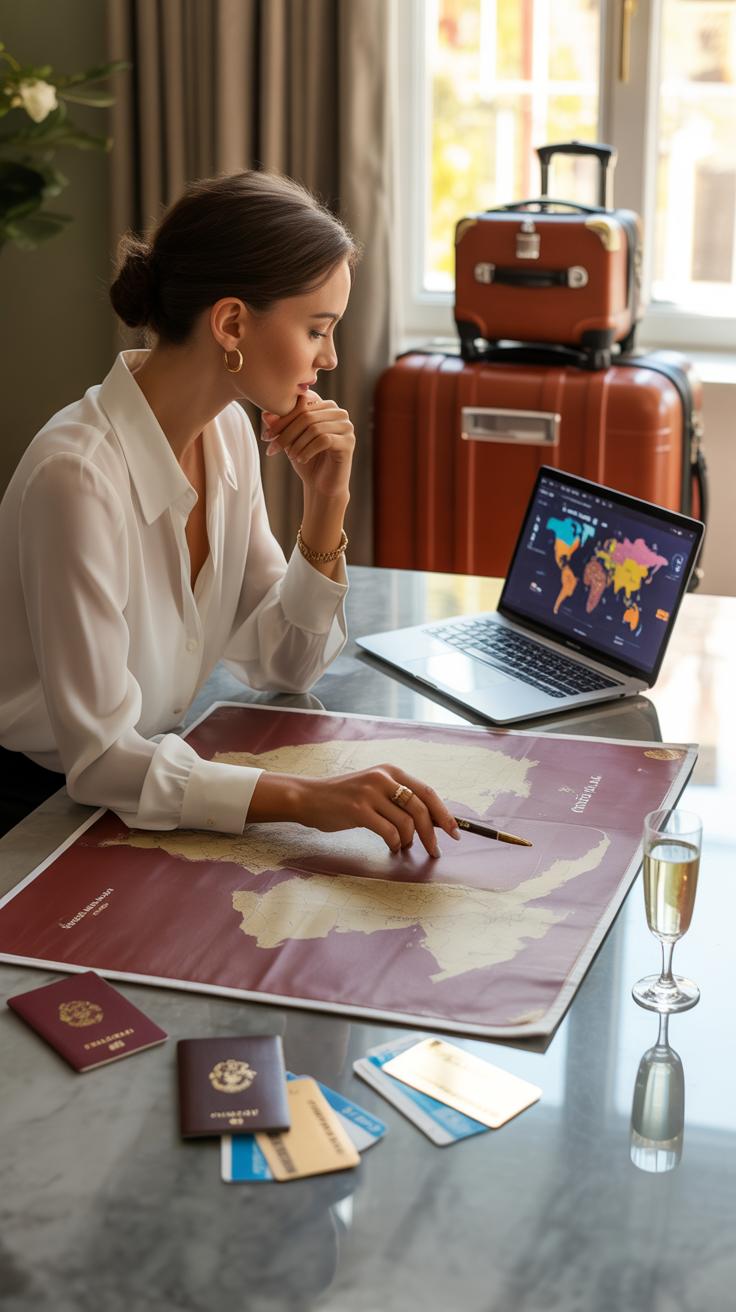
When planning luxury trips, travelers often make some recurring errors, especially when they don’t take new lifestyle trends into account. One frequent misstep is ignoring sustainability factors. You might think that luxury and eco-conscious choices don’t always mix well, but overlooking sustainability can not only harm the planet but also diminish the quality and ethics of your travel experience. Traveling responsibly means engaging with destinations in ways that respect local culture and environment, which can enrich your journey in unexpected ways.
Another mistake is failing to personalize the trip. Not tailoring travel plans to your own preferences often leads to bland, unsatisfying experiences. Luxury travel should feel uniquely yours — from the food you enjoy to the activities that spark your interest. Without this personalization, you risk missing out on what truly makes a trip memorable and fulfilling.
To avoid these pitfalls, start by researching sustainable luxury options and inquire about eco-friendly services before booking. Also, reflect on what aspects of travel bring you joy and look for providers who offer customization. This dual focus can elevate your luxury travel from standard to exceptional, even if it takes a bit more effort to plan.
Future Trends To Watch In Luxury Travel
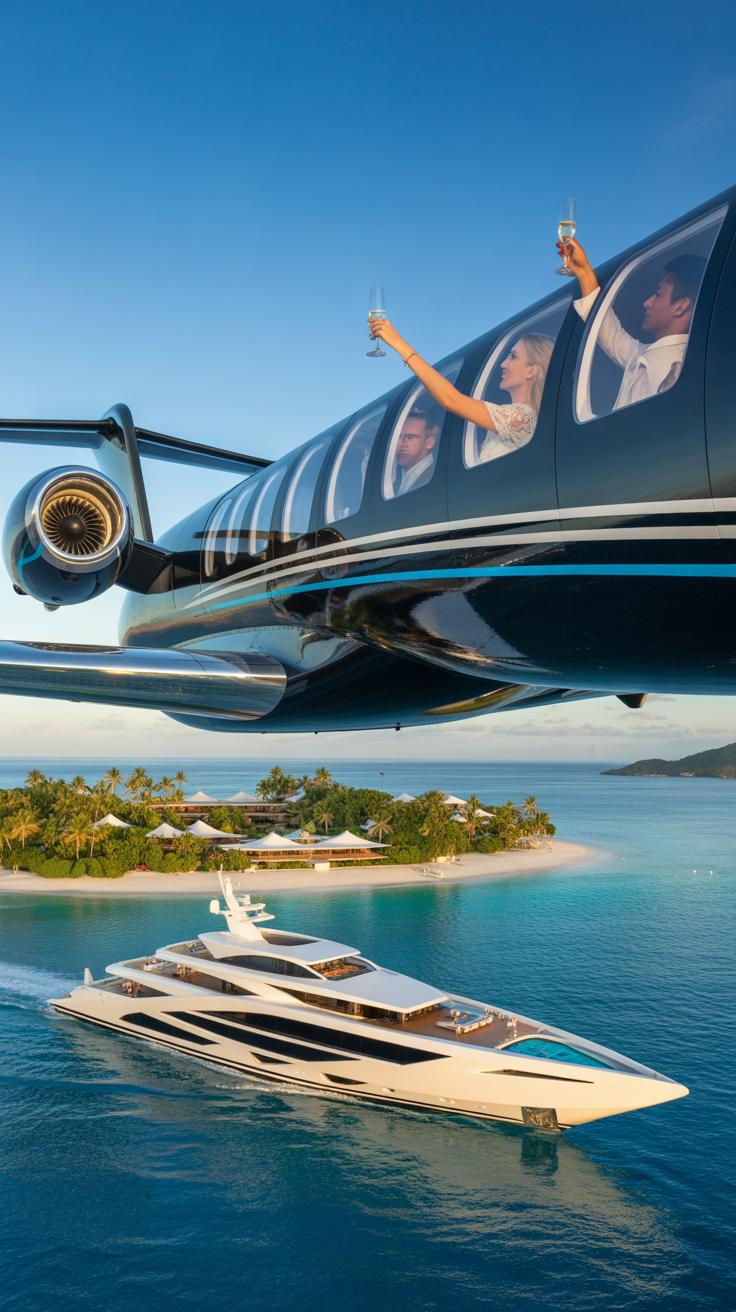
Role Of AI In Travel
Artificial intelligence is already beginning to reshape luxury travel, but its full impact over the next decade could be quite something. Imagine personalized travel itineraries crafted in moments through AI algorithms that analyze your preferences, past trips, and even your mood. AI-driven concierge services aren’t just limited to chatbots—they are evolving to anticipate needs in real time, adjusting plans seamlessly as new opportunities or delays arise.
This might mean smarter recommendations for exclusive local experiences or optimizing travel routes to avoid crowds and maximize comfort. But, on the other hand, there’s some unpredictability too—AI can sometimes misjudge subtle human desires or produce suggestions that feel a bit off, requiring human oversight. Still, overall, AI promises a travel experience that feels uniquely tailored, almost as if the trip itself is an intuitive extension of you.
Luxury Travel And Climate Change
Climate change is already nudging luxury travelers to reconsider their destinations and modes of travel. Over the next 5-10 years, I think we’ll see more demand for eco-conscious options that don’t sacrifice comfort or exclusivity. Some luxury resorts and travel companies are beginning to offer carbon-neutral packages, using renewable energy and supporting conservation efforts—though the pace feels slow, perhaps because balancing luxury with sustainability isn’t straightforward.
Travelers may prefer locations less vulnerable to climate disruptions or seasons when destinations are less affected by extreme weather. Yacht charters with low-impact technologies or private jets running on sustainable fuels might become more frequent choices. Yet, there’s a contradiction here: the very essence of luxury travel involves freedom and indulgence, which can conflict with climate goals. It raises questions about how far travelers are willing to adjust their expectations for the sake of the planet.
Conclusions
Luxury travel will continue to change as people’s lifestyles evolve. Travelers will prefer experiences that offer comfort and align with their values, such as sustainability and technology integration.
By understanding emerging trends, you can make smarter choices. Future luxury travel will focus on personalized, tech-savvy, and responsible experiences that reflect your unique preferences and the changing world.