Introduction
Creating a healing room at home means making a space where your mind and body can relax and recover. This article offers clear tips on how to design a healing room that feels peaceful and inviting. You will learn about simple ways to choose colors, furniture, and decorations that help calm your senses.
This guide breaks down the basics of making a healing room into easy steps. It covers important elements like lighting and layout to support your well-being. Whether you want a quiet place to meditate or a restful room after a busy day, these tips can help you build your perfect zen space at home.
Healing Room Color Choices

Colors play a surprisingly subtle role in shaping your mood and sense of calm in a healing room. Maybe it’s not just about what looks nice—certain hues can actually help quiet your mind or, on the contrary, rattle your nerves.
Colors That Create Peace
Soft blues and greens often come up as favorites for healing spaces. They tend to ease tension and encourage relaxation. Think about a gentle ocean blue or a muted sage green—these shades mimic nature in ways that can slow your heartbeat and calm your thoughts.

Rooms painted in pale blues or light greens often feel cooler, more spacious, even refreshing. Ever notice how hospitals or therapy centers lean on these colors? It’s no accident. Those environments rely on minimizing stress to aid healing.
Colors To Avoid In Healing Spaces
On the flip side, bright reds, intense yellows, or very dark shades can provoke restlessness or overwhelm your senses. Red might boost energy, but in a healing room, it risks stirring up feelings of agitation.
Harsh yellows can feel too stimulating, almost irritating in excess. Dark colors, though sometimes grounding, may feel heavy or confining, detracting from the peaceful vibe you want to cultivate.
If you desire some brightness, try soft neutrals or warm pastels instead. They can lift the mood gently without causing distraction or stress. After all, a healing room is about letting your mind settle while your body recovers, so color choices should support that delicate balance.
Furniture Setup For Comfort
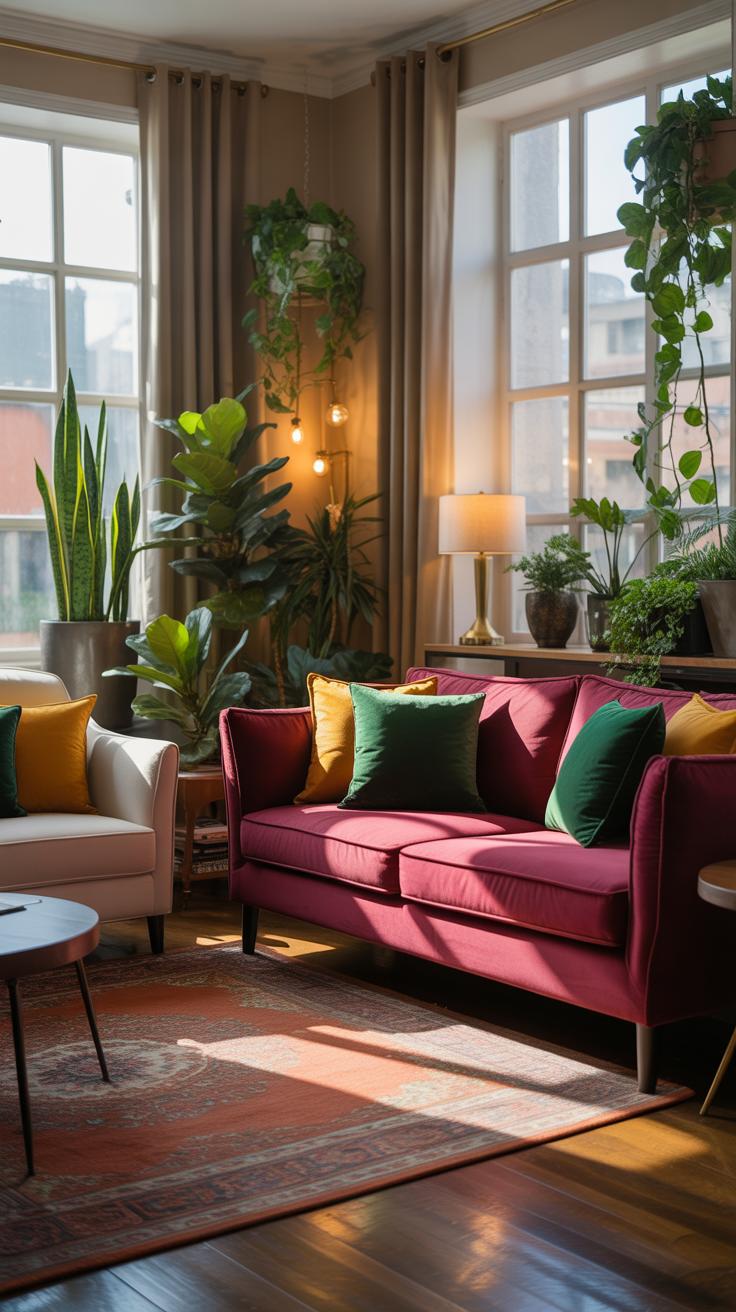

Choosing furniture for your healing room means picking pieces that genuinely help you relax and feel at ease. It’s not about grandeur or style that shouts, but rather about items that invite you to pause and breathe. Soft, supportive seating is key — think plush armchairs that cradle your body or floor cushions that encourage grounded stillness. I once swapped out a stiff sofa for a wide lounge chair with gentle curves, and the difference in my relaxation was undeniable. Materials matter too; natural fibers like cotton or linen often feel calmer than shiny synthetics. Wood, especially if it’s lightly finished, adds warmth without overwhelming the senses.
When arranging furniture, consider how you’ll move through the space. Clutter kills calm, so don’t pack the room full of stuff just because it fits. Keep pathways open and furniture spaced to avoid a cramped feeling. The less furniture you use, the fewer distractions you have, making it easier to focus on simply being. Sometimes less really is more when it comes to creating openness and peace. But hey, if you find yourself wanting a little nook or specific seating arrangement that feels comforting, go with your gut — this isn’t about strict rules.
In short: choose cozy, supportive seats, embrace natural materials, and resist the impulse to fill up every inch of the space. Give yourself room to move, breathe, and relax. It’s the setup that matters — not stressing over perfect style or too much furniture. What kind of seating do you find truly relaxing? Maybe try some options before committing; comfort is subjective after all.
Lighting Tips For Healing Rooms
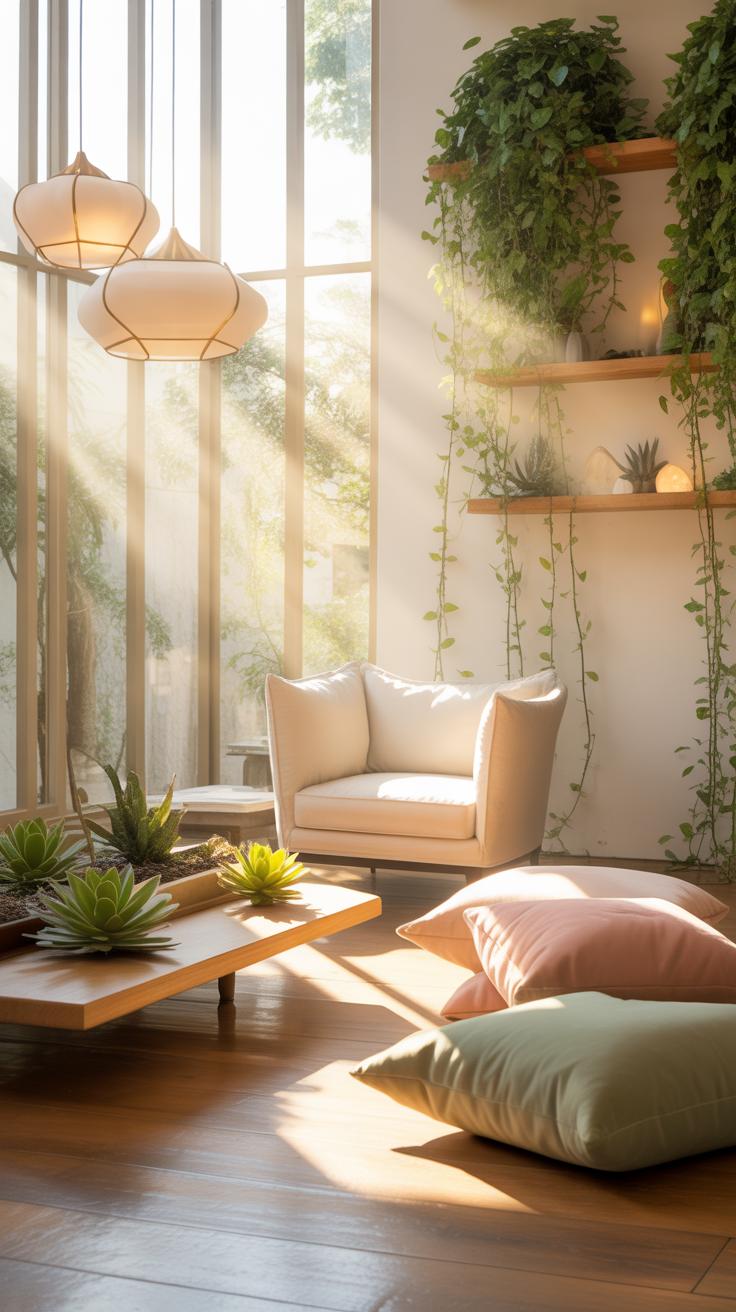
Light doesn’t just brighten a healing room—it sets the entire tone and nudges your mood, more than you might realize. Too harsh, and the space feels tense. Too dim, and it drags your energy down. You want just enough light to feel calm but awake.

Natural light plays a huge role here. It’s linked to better sleep cycles and less stress. You can position your windows or light fabric curtains to let daylight in but avoid glare that jars your eyes. That balance is tricky but worth striving for.
On the artificial side, soft white bulbs are usually best. They cast a gentle, warm glow that soothes rather than overwhelms. Dimmers become kind of magical—adjusting brightness lets you tune the atmosphere depending on time of day or your mood.
Think about lamp styles, too. Floor lamps with shaded bulbs can spread light evenly without being harsh. Table lamps offer cozy pools of light where you want to focus—maybe near a favorite chair or meditation spot. Sometimes fewer, well-placed lights work better than a lot buzzing overhead.
When setting up lighting, ask yourself: Does this make me feel relaxed? Invigorated? Balanced? The goal isn’t perfection but a space that gently supports whatever healing you’re seeking.
Sound Control In Healing Rooms


Sound is a powerful element when creating a peaceful healing room. Managing it right can make your space feel much calmer. But it’s not just about blocking noise entirely — it’s about balancing quiet with gentle, soothing sounds that support relaxation.
Minimizing External Noise
External noise can sneak in unexpectedly and disrupt your calm. You can take a few practical steps to reduce this:
- Use thick rugs to absorb footfall and dampen sound traveling through floors.
- Heavy curtains help block noises coming through windows, while also softening echoes inside the room.
- Sealing gaps around doors with weatherstripping or draft stoppers is surprisingly effective in keeping out street sounds or household noises.
Personally, I found that a slightly worn, dense rug combined with good curtains made a noticeable difference in muting outside traffic sounds. It’s not about perfection—just enough reduction to help your mind rest.
Adding Calming Sounds Inside
Sometimes complete silence can feel… stark. That’s when gentle background sounds come in handy. Mild music, like soft instrumental or ambient tunes, can reduce mental chatter and deepen relaxation.
- Nature sounds, such as birdsong or flowing water, often create a gentle connection to outdoors, calming the nervous system.
- White noise machines work by masking sudden or jarring sounds, producing a consistent sound environment that can soothe an unsettled mind.
One curious thing—what sounds help one person relax might not work for another. Some swear by ocean waves, while others prefer silence—or even the faint hum of a fan. Experiment a bit.
Decor Items That Enhance Calm
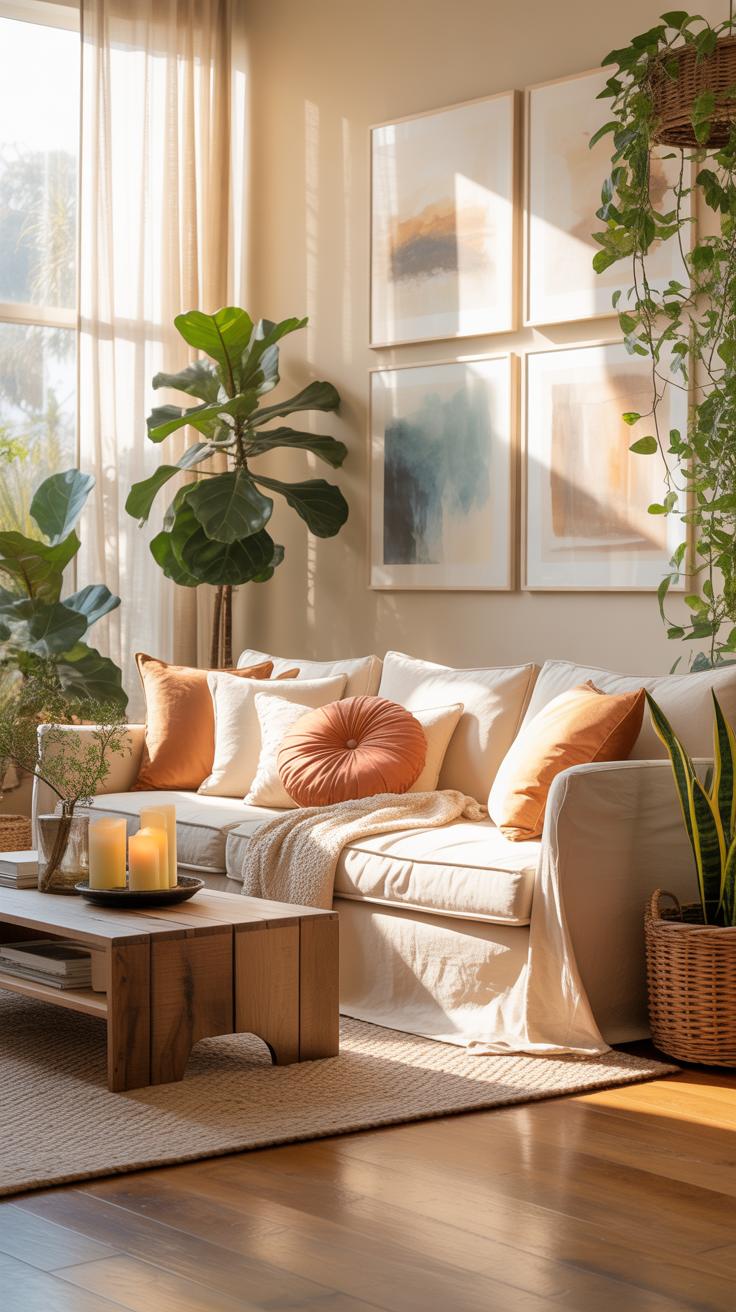

When creating a healing room, the decor should gently foster a sense of calm without overwhelming the senses. It’s tempting to fill every corner with meaningful objects, but restraint matters. Instead, focus on a few well-chosen items that emphasize peace and simplicity.
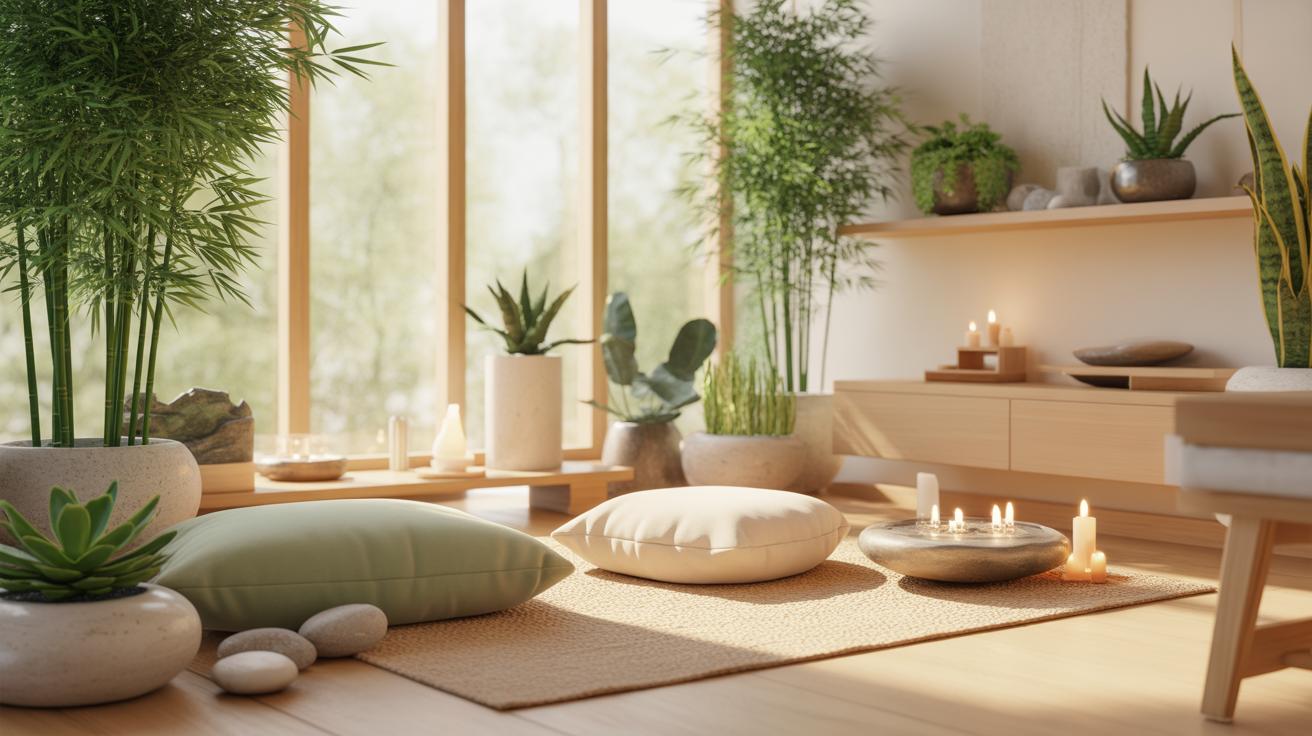
Start with plants—choose easy-care types like snake plants or pothos that purify the air and bring a touch of nature indoors. The presence of living greenery can subtly shift the room’s energy, making it feel less sterile and more restful.
Incorporate natural elements such as smooth stones, weathered wood, or even a small water feature if space allows. These materials carry tactile and visual qualities that can be surprisingly soothing over time.
When selecting art, opt for pieces that evoke tranquility without loud colors or chaotic patterns. Think soft landscapes, gentle abstracts, or minimalist designs. Fabrics play a role here too—soft blankets, plush rugs, or gentle curtains add warmth and tactile comfort. But be cautious not to clutter. Too many textures or images may distract rather than relax.
Ask yourself: does this item add to the feeling of restfulness? Or does it compete for attention? Healing rooms work best when the decor feels intentional yet effortless, inviting you to slow down and breathe.
Maintaining Your Healing Room

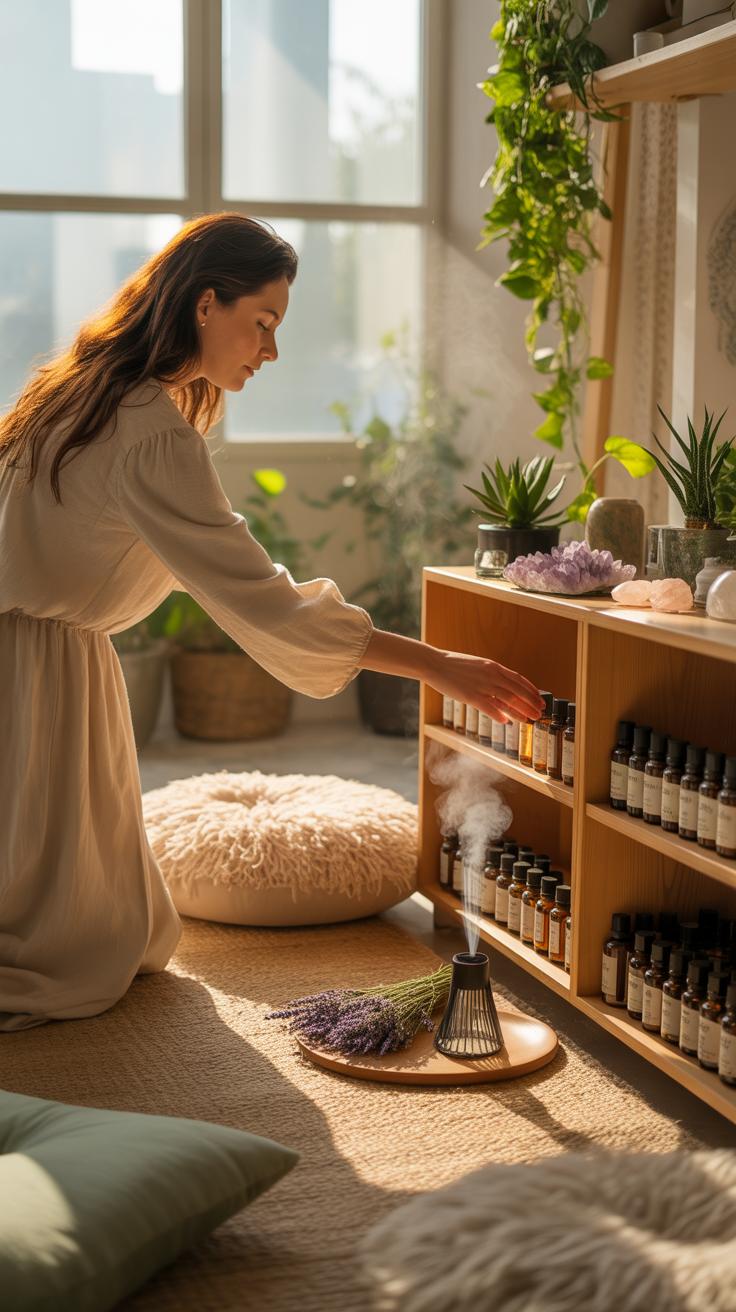
Keeping your healing room tidy and fresh is more than just about cleanliness. It’s a way to honor the space you’ve created—a sanctuary that supports your well-being. Maybe you already have a sense that clutter dulls the energy here. So, what if you established simple routines for cleaning and airing out? Just a few minutes each day can make a difference.
Consider opening windows daily to let fresh air in. Stale air can weigh on the peaceful vibe, even if the room looks neat. It’s not just about removing dust; it’s about refreshing the atmosphere itself. Try wiping down surfaces weekly—your altar, shelves, or seating areas—using cloths that feel soft to you. Sometimes, it’s those small tactile rituals that connect you deeper to the space.
Daily And Weekly Cleaning Checklist
A checklist can be a helpful guide. For daily tasks, think simple:
- Quickly tidy any items out of place.
- Open a window for a short burst of air.
- Lightly dust surfaces if you notice buildup.
Weekly, you might aim for deeper care:
- Vacuum or sweep the floor, especially if you use natural fiber rugs.
- Refresh cushions or throws by fluffing or airing them.
- Clean any windows or mirrors, as clarity here can affect your mindset.

This gentle routine isn’t about perfection. You’ll see some days are easier than others. The idea is to keep the room feeling intentional rather than neglected.
Refreshing The Room Atmosphere
Changing the room’s energy slightly now and then can keep it inviting and alive. Have you tried rotating decor pieces? Even moving a plant for better light or switching artwork can subtly shift how the space feels. Sometimes, rearranging furniture—not too often, just enough—can create a fresh flow.
Scent plays a powerful role too. You might enjoy experimenting with different natural aromas, like lavender or eucalyptus. Changing your incense or essential oil diffuser blends gives the room a new personality, just without the need to redecorate.
In my experience, these small refreshes spark a renewed connection to the healing space. Do you feel that too? When something is slightly different, it invites you to look, breathe, and be in the space more consciously.
Healing Room Setup Checklist
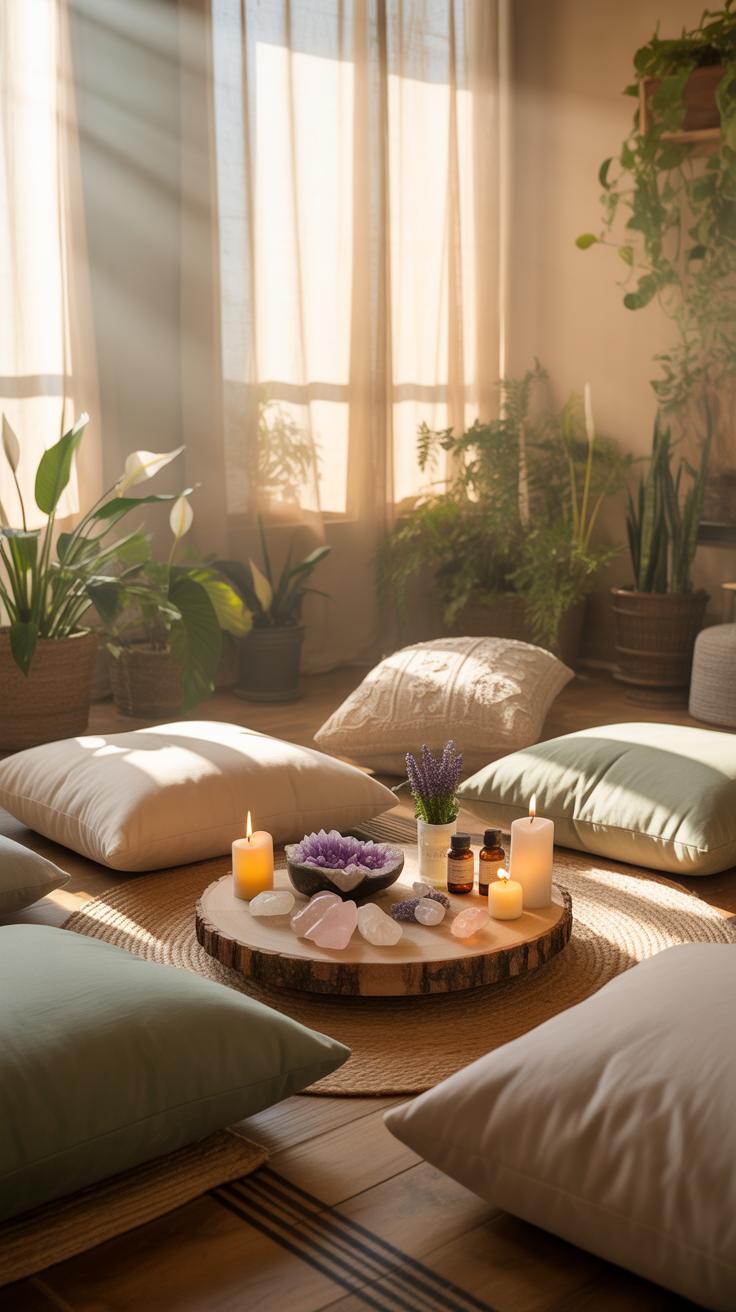

Starting your healing room requires a few clear steps that can help you avoid second-guessing later on. Begin by choosing a quiet space with minimal distractions—natural light is great, but if that’s not possible, plan for soft, adjustable lighting.
Next, clear out clutter completely. The space needs room to breathe. After that, focus on selecting calming items. This usually means soft textiles, comfortable seating like a meditation cushion or a small armchair, and some natural elements such as plants or crystals.
Don’t rush to fill every corner. Sometimes less really is more. Then, arrange your items to create a flow that feels right for you—a spot for relaxation, a small altar or shelf for meaningful objects, and perhaps a place for journaling or gentle stretches. At the last stage, test your setup. Spend a few moments there and see if it feels soothing or if something irritates you, then tweak accordingly.
Some common missteps? Overcrowding the room with too many things is a big one. It’s tempting to include all your favorite items, but this can overwhelm the space. Also, ignoring lighting can make the room feel cold or harsh. And don’t underestimate how furniture choice affects comfort—a hard chair when you want rest won’t work well. Aim for simple, calming, and purposeful.
Healing Room Versus Meditation Space
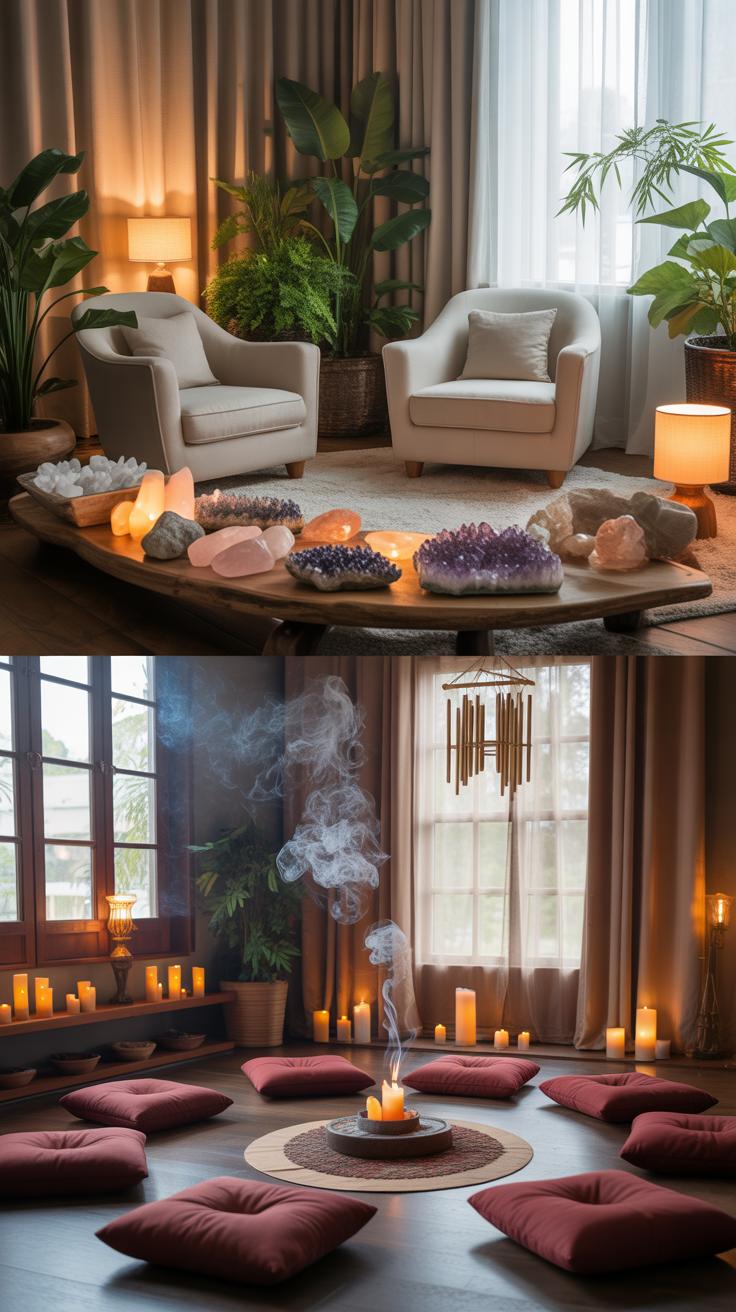
Purpose And Features Of Healing Rooms
A healing room aims primarily at rest, recovery, and stress relief. These rooms are designed to support physical and emotional healing, often offering a safe, calm atmosphere to help people unwind deeply. You’d typically find soft lighting, comfortable seating or recliners, calming aromas, and sometimes gentle music or nature sounds. The goal is fostering relaxation so the body and mind can begin to heal, not just in a way you sit quietly but by creating a supportive environment for recovery. It might surprise you how subtle differences, like the choice of colors or textures, play into this healing process.
Meditation Space Goals And Setup
Unlike a healing room, a meditation space centers on mindfulness and cultivating silence. The setup usually prioritizes minimal distractions — simple cushions or mats on the floor, maybe a small altar or symbolic objects. It’s about finding inner stillness, focusing the mind on breath or thoughts, and practicing presence. Mediation spaces often avoid plush furniture or strong scents, aiming for sterility in stimuli. They serve as a mental retraining zone, while healing rooms function more as restorative retreats. So, even if these spaces overlap, their intents and arrangements highlight their unique roles.
Conclusions
A well-designed healing room uses thoughtful choices in colors, furniture, and lighting to create calm and comfort. Following these design tips lets you shape a space that helps you relax and recharge daily. Small changes can have a big impact on how peaceful your room feels.
By planning out your healing room carefully, you make a personal retreat that supports your health and stress relief. Keep things simple and focused on what makes you feel good. Your healing room can become a go-to space for peace in your home.