

Introduction
Spending quality time with your family creates lasting memories and strengthens your connections. Engaging in activities together helps build trust, understanding, and communication among family members. It also provides an opportunity to disconnect from daily stress and focus on each other. Whether you have young children or adult family members, finding enjoyable ways to spend time together can enhance your relationships and create a supportive family environment.
Choosing the right activities can make a big difference in how your family bonds and enjoys each other’s company. You might consider activities that encourage teamwork, creativity, physical activity, or learning new skills. These experiences can boost everyone’s mood and help resolve conflicts more easily. What kind of activities does your family enjoy? How can you make time for these moments regularly? This article offers practical ideas and insights to help you plan memorable family activities that promote fun and togetherness.
Understanding The Importance Of Family Activities

Family activities play a vital role in building strong bonds and emotional connections among family members. When you spend regular time together, you create opportunities for open communication. These shared moments allow everyone to express thoughts and feelings comfortably.
Engaging in activities as a family helps you form memories that last a lifetime. For example, playing board games or cooking a meal together can become traditions that everyone looks forward to. These rituals bring stability and a sense of belonging to your family.

How often do you set aside time to enjoy activities with your family? Making a habit of shared experiences improves trust and helps family members understand each other better. These connections are the foundation for a healthy family life.
The Role Of Shared Experiences
Participating in activities together creates shared experiences that strengthen family unity. When you face challenges or enjoy successes as a group, trust grows naturally. For instance, working on a home project or playing a team sport encourages cooperation and mutual support.
Shared moments become common ground, bringing family members closer. They can talk about these experiences later, deepening their relationship. Children often feel more secure knowing their family supports them during these activities.
Have you thought about how your family’s experiences shape your relationship? Making time to build these moments can turn everyday events into meaningful bonds.
Benefits Beyond Fun
Family activities offer more than just enjoyment. They provide emotional support by creating a safe space where members can share feelings. This openness helps resolve conflicts before they grow bigger.
Spending time together also contributes to the overall well-being of your family. Physical activities promote health, and relaxing moments lower stress. For example, a simple walk or picnic can calm tension and improve moods.
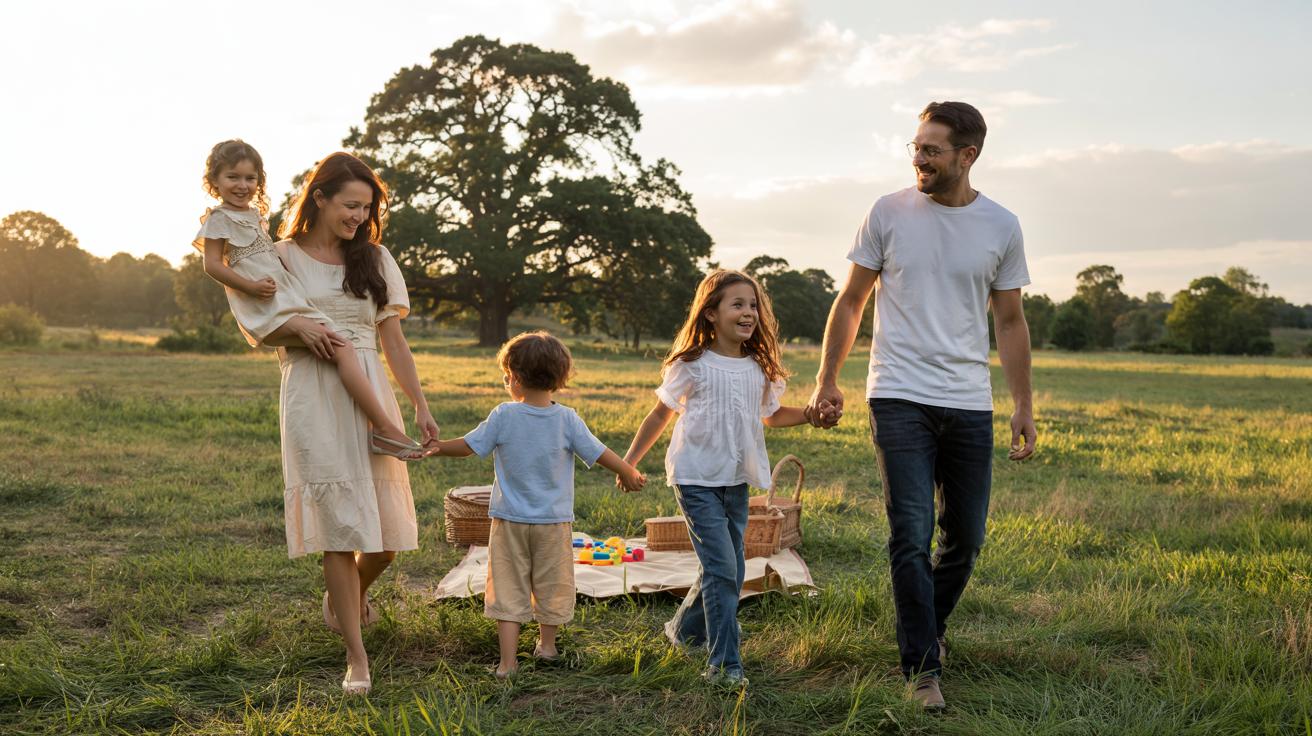
What kind of activities could your family try to support each other better? When you engage regularly, you lay a foundation for strong emotional health that lasts.
Choosing The Right Activities For Your Family

Choosing activities that fit your family’s unique makeup is key to making every moment count. Think about everyone’s interests before planning. What hobbies or pastimes do your family members enjoy? Asking questions like, “What sounds fun to you?” or “What did you like doing last time?” can bring out great ideas.
Also, consider ages and abilities. Activities that excite teens might bore young kids, while those designed for little ones could seem simple to adults. How can you adjust the plans so no one feels left out? Simple changes like shortening game rounds or adding easier steps make a big difference.
Don’t hesitate to mix different types of activities. You might combine something creative with something active to balance energy levels. How would your family react to alternating between board games and short walks? This approach helps everyone stay engaged and enjoy the time together.
Considering Interests And Preferences

Involving everyone in choosing activities helps ensure more fun and less resistance. You could hold a family chat or use a suggestion box. When you gather input from all members, you show respect for their enjoyment.
Include activities across varied interests. For example, if one member loves reading and another prefers sports, plan both a story night and a backyard game. How does your family react when everyone’s voice gets heard? Trying diverse activities often uncovers new favorites for the group.
You can also rotate activities weekly to cover different tastes. This variety keeps routine from setting in and offers something to look forward to. How often do you check in with your family about what activities they want next?
Adapting Activities To Different Age Groups
Tailoring activities to suit all ages prevents frustration and boosts participation. If you plan a cooking session, assign simpler tasks to younger kids, like mixing ingredients, while older ones handle chopping or measuring. Have you noticed excitement rise when everyone has a “job” that matches their skills?
In group games, adjust rules to balance fairness. For example, younger children can get extra turns or lower point goals. For crafts, use age-appropriate materials or offer templates that younger kids can follow easily. How might you alter a common family game to fit all players’ abilities?

Sometimes splitting into smaller groups works, too. While adults and teens play a strategy game, younger kids can enjoy a puzzle nearby. Coming back together afterward to share experiences helps maintain family unity. What strategies have you tried to keep activities fun for everyone?
Outdoor Activities That Bring Families Closer

Spending time outside encourages your family to move, work together, and connect. Activities like team sports promote cooperation through shared goals. For example, playing volleyball or soccer requires everyone to communicate and support one another. Group hikes offer chances to talk and enjoy nature while staying active. You could also organize scavenger hunts where everyone looks for items around the park. These require problem-solving as a team and create fun memories.
Outdoor chores like washing the car or setting up a garden bed provide moments to bond while working toward a common project. When you focus on tasks together, it builds trust and teamwork. Ask yourself: How often does your family spend quality time outdoors? Could a simple walk or backyard game become the highlight of your day? Physical activity outside brings fresh energy and helps break routines, making family time more meaningful.
Physical Activities For All Ages
Choose activities everyone can enjoy, no matter their age. Hiking offers different paths, from easy trails for young kids to challenging routes for older family members. Biking lets each person set their pace while still sharing the experience. Pack a picnic to relax and chat after the ride or walk. Toss a frisbee, play tag, or try hopscotch to keep little ones active while adults join in.
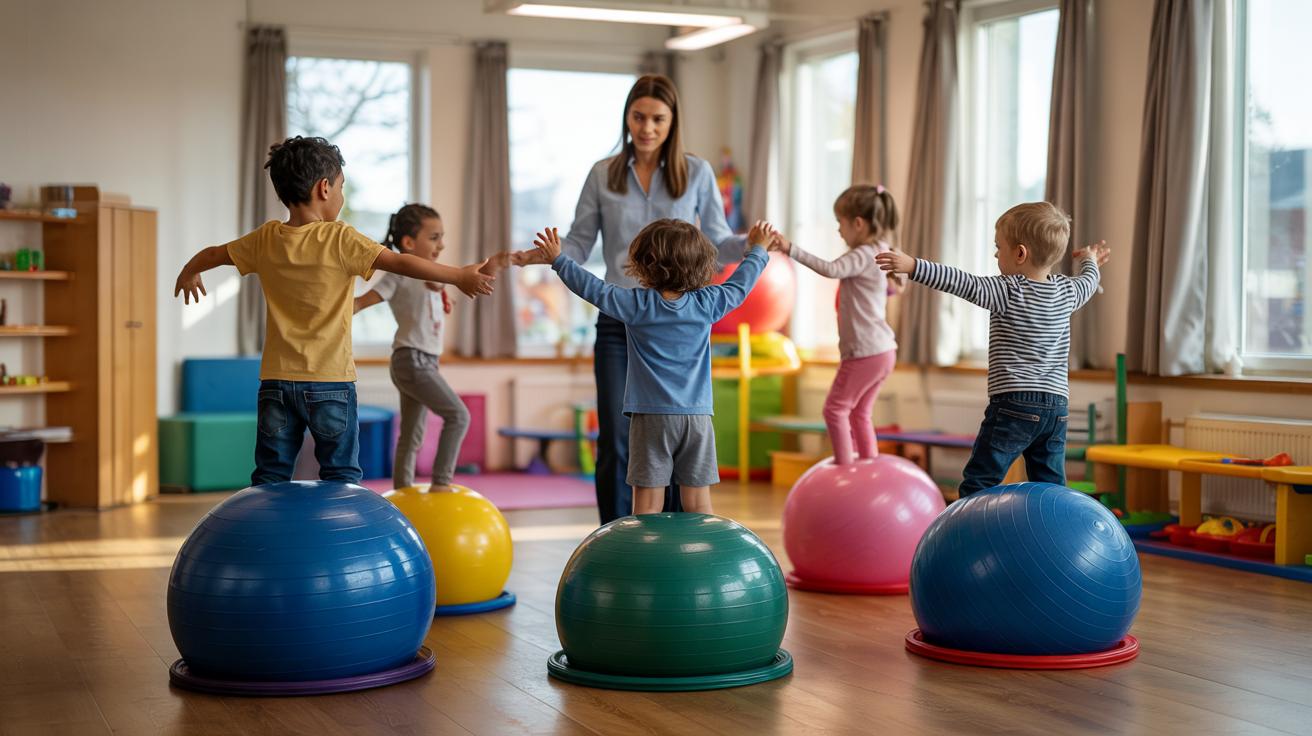
Simple games break barriers and encourage laughter. These activities help families stay healthy and strengthen bonds without pressure. You might ask, what physical activities does your family feel excited about? Mixing gentle and active options lets everyone participate comfortably. This variety keeps the whole family engaged and happy.
Nature Based Learning Experiences
Exploring nature together grows appreciation and knowledge about the environment. Planting a garden teaches patience and responsibility while watching something grow. Bird watching invites your family to notice colors, sounds, and behaviors of wildlife in your area. Nature trails serve as open classrooms where you can point out insects, plants, or animal tracks.
These hands-on experiences stimulate curiosity and conversation. They create moments to ask questions like, “Why do birds sing?” or “How does this plant help the soil?” Learning aligns with fun and builds shared memories connected to the natural world. When was the last time you and your family learned something new outdoors? Such activities turn a simple walk into a powerful bonding opportunity.
Creative Activities To Inspire Family Fun

Creative activities challenge your family to think differently and work together. These experiences can spark imagination, improve problem-solving skills, and build stronger relationships. When family members share ideas and contribute unique strengths, they learn how to communicate more effectively. A project that requires teamwork often leads to laughter and memories that last.
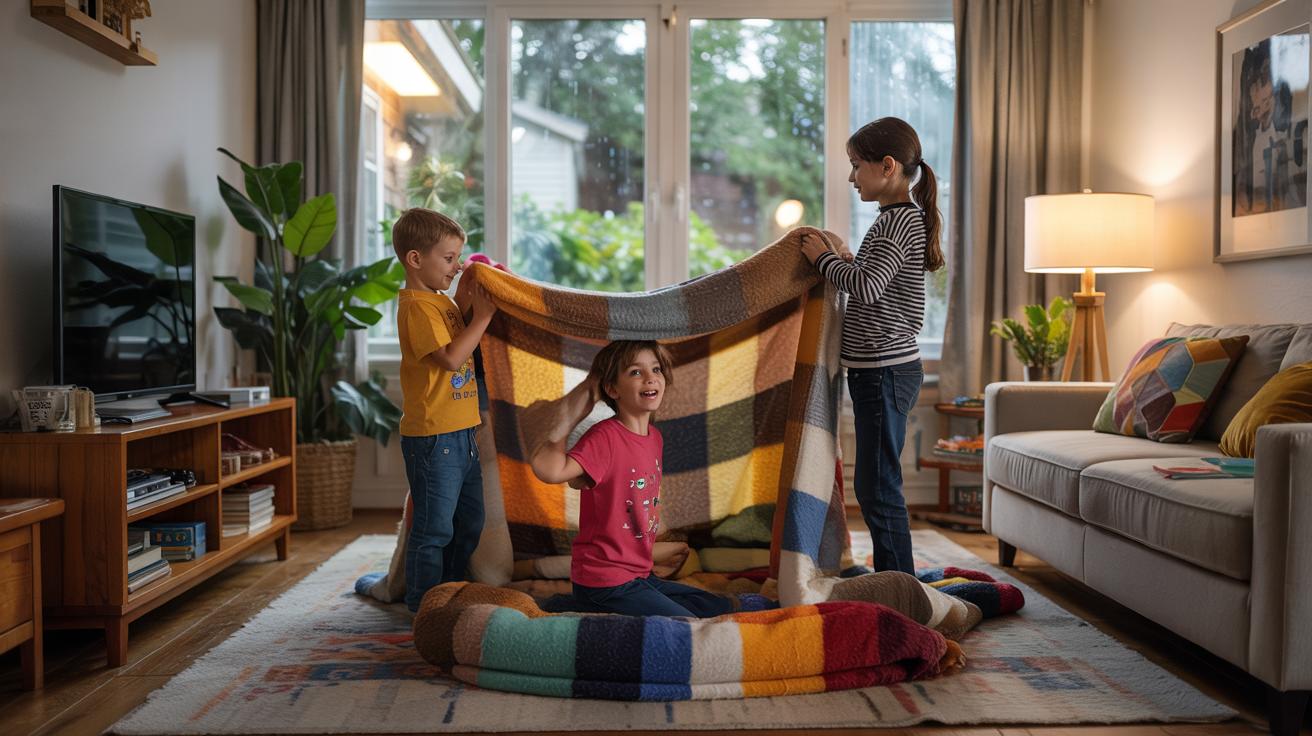
For instance, building a simple cardboard city or designing a family board game requires input from everyone. Such tasks encourage collaboration and offer a break from screens and daily routines. Have you tried setting aside time each week to explore an artistic project or a creative challenge with your family? This habit can transform ordinary days into special moments filled with connection and fun.
Arts And Crafts Projects
Choose craft projects that need minimal supplies yet offer plenty of fun. Making paper masks, friendship bracelets, or homemade greeting cards are simple ways for the whole family to participate. These crafts develop fine motor skills and encourage children and adults to experiment with colors and shapes.
Gather materials like colored paper, scissors, glue, and markers. Each person can personalize their creation, and you can decide on themes, such as holidays or favorite animals. Group activities such as painting a mural on a large sheet of paper promote teamwork and help family members express themselves visually.
Family Storytelling And Writing
Creating stories together invites everyone to use their imagination and practice verbal and written communication. You can sit in a circle and take turns adding sentences to a story or write a family journal where each member contributes a page.
Try prompts like “What if our pet could talk?” or “Describe the best adventure you imagine.” Sharing these stories aloud boosts listening skills and creates a platform for meaningful discussions. Writing and storytelling help your family understand each other’s thoughts and feelings in a playful way.
Cooking And Baking As A Family Bonding Activity


Cooking or baking together brings family members closer by encouraging teamwork and learning practical skills. When you prepare food as a group, everyone takes on a role, from chopping vegetables to stirring batter. This cooperation helps build communication and trust, turning ordinary tasks into moments of connection.
Sharing the kitchen also offers chances to teach valuable life skills. Kids learn about measuring ingredients, following steps, and kitchen safety. Parents can pass down family recipes, creating a sense of tradition. The process is fun, creating memories that last longer than just the meal itself.
Have you noticed how laughter often fills a busy kitchen? Mistakes and successes become shared stories. Cooking together makes everyday routines meaningful and enjoyable for everyone involved.
Planning And Preparing Meals Together
Invite everyone to help plan the menu each week. Ask family members what foods they want to try and choose recipes that balance tastes and nutrition. Giving each person a task during preparation makes them feel responsible and valued.
Assign simple duties to younger kids, like washing vegetables or setting the table, while older kids can help with chopping or timing. This creates a smooth flow and shows how teamwork leads to a great meal.

Try holding a weekly cooking meeting. Discuss what worked well and what can be improved. This encourages communication beyond cooking and helps you learn more about each other’s preferences and skills.
Trying New Recipes And Food Exploration
Trying recipes from different cultures opens up chances to learn and share. Cooking international dishes encourages curiosity about new ingredients, flavors, and traditions. This can inspire conversations about the origins of the dish and the cultures behind them.
Pick a theme night where you prepare foods from a particular country. Invite family members to research recipes or watch videos together. This shared discovery turns dinner into an adventure.
How open is your family to tasting new foods? Trying something unfamiliar encourages openness and adaptability. It builds a sense of excitement about meals and allows you to create unique memories while expanding your family’s taste horizons.
Game Nights That Foster Connection And Laughter
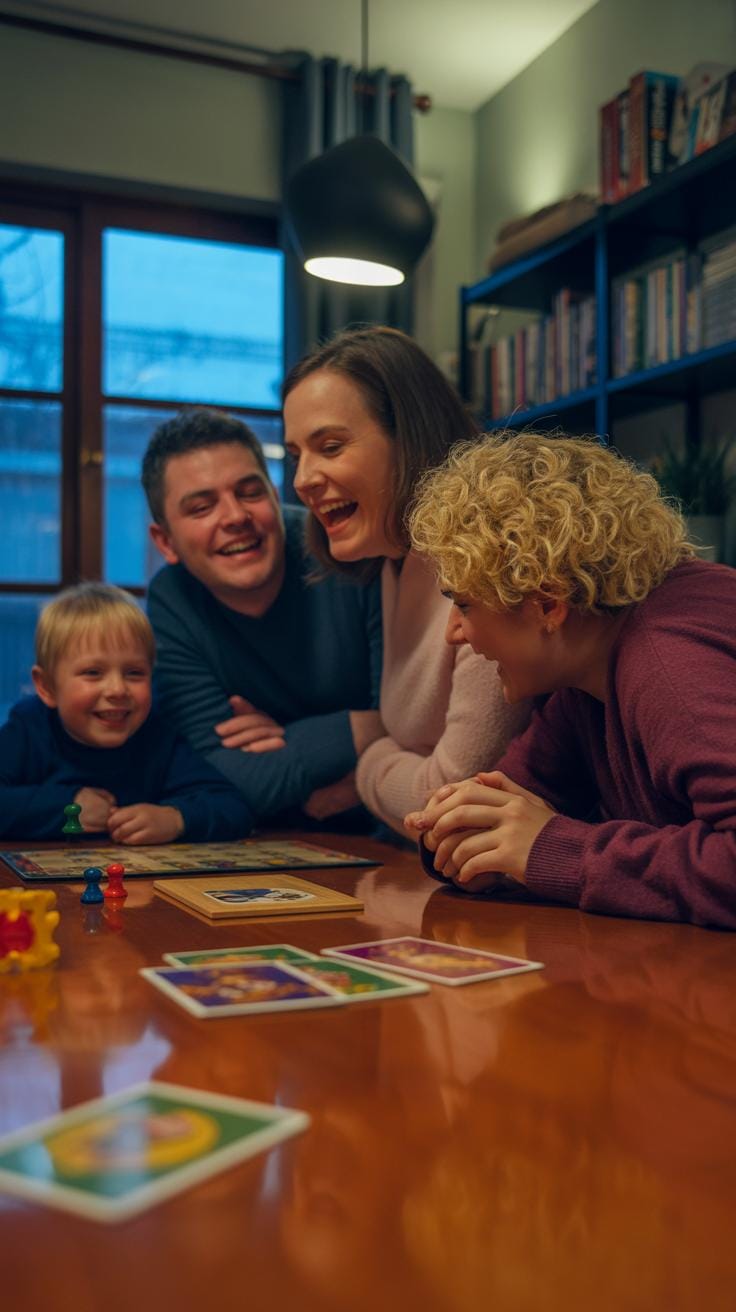
Regular game nights bring family members together in a relaxed setting where everyone shares fun and laughter. Playing board games, card games, or working on puzzles encourages conversations and teamwork. These activities break down daily distractions and create moments where family members focus on each other. Have you noticed how simple games can turn an ordinary night into an event filled with smiles and jokes? Games challenge everyone’s thinking and spark friendly competition, but they also promote cooperation and patience. Game nights offer a chance to build positive memories while strengthening relationships. Finding time each week to unplug and play can improve communication skills and bring joy to your family’s routine.
Selecting Inclusive Games
Choosing games that suit mixed ages and skill levels makes sure no one feels left out. Games like Candy Land, Uno, or cooperative puzzles work well for young children and adults alike. You might want to try simple card games or trivia that can be adapted with different difficulty levels. Asking each family member about their favorite games can help you find options everyone enjoys. Have you tried games that encourage teamwork instead of just winning? These games create space for everyone to shine and practice patience. Aim to select games with easy-to-learn rules so new players join in quickly.
Creating Traditions Around Games
Setting a weekly or monthly game night can turn playing into a family tradition. When the whole family knows to expect game night, it builds excitement and something to look forward to. You could add themed nights, special snacks, or small prizes to make it even more memorable. Traditions create a sense of consistency and belonging. Over time, your family might develop favorite games or inside jokes about past matches. How might your family benefit from having a shared activity to count on regularly? These traditions strengthen bonds and add a cheerful rhythm to your family life.
Educational Activities To Learn And Grow Together
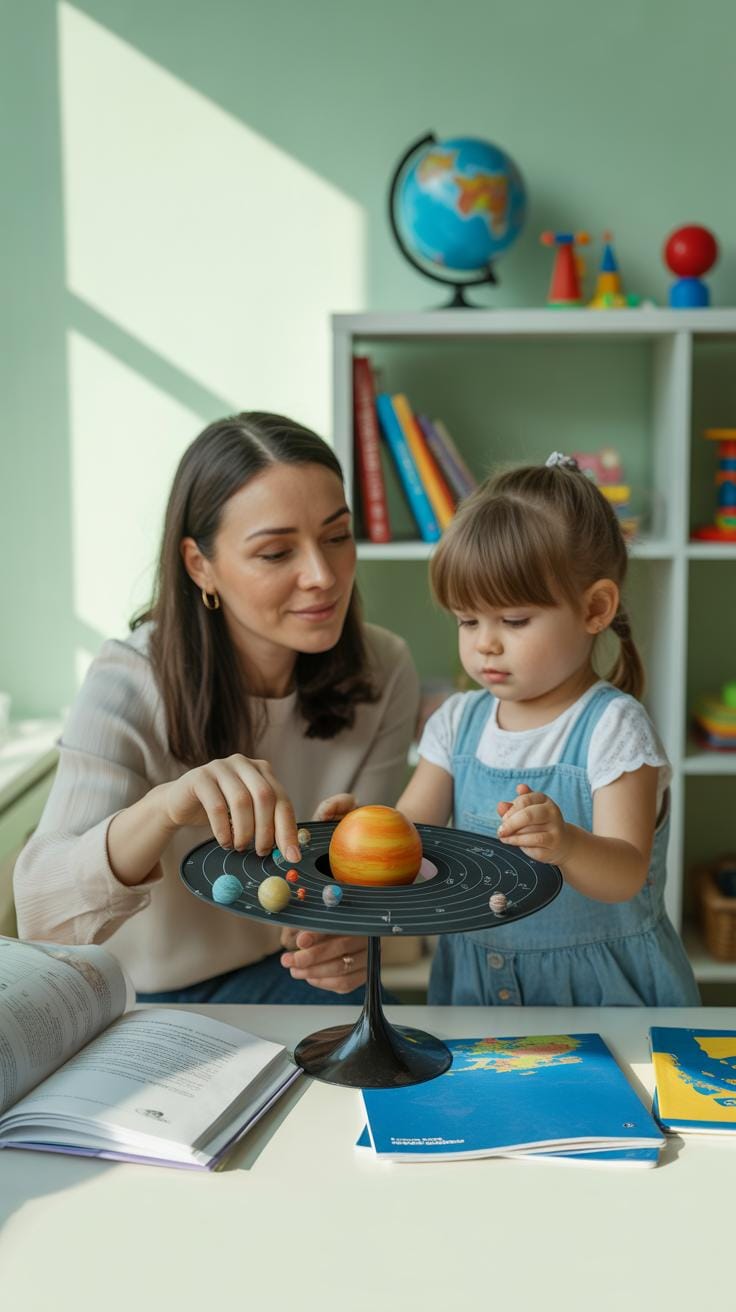
Family activities that teach new skills or values help everyone grow and connect at the same time. When you choose activities that promote cooperation and curiosity, you create moments where learning becomes a shared experience. These activities don’t have to be complicated to offer valuable lessons. They encourage you to work as a team, ask questions, and solve problems together.
One way to encourage learning is through projects that require planning and creativity. For example, building a simple birdhouse or planting a garden teaches patience, responsibility, and respect for nature. These tasks invite family members to share ideas and assign roles, making each person’s contribution important. You might notice that these moments of shared challenge develop communication and trust.
Other activities can focus on values like honesty, kindness, or gratitude. Discussing what these mean during a family walk or while cooking can turn everyday moments into lessons. How do your family members show kindness or fairness? Which small actions lead to trust and cooperation in your home? Such questions help the family connect beyond fun, building a foundation of shared beliefs.
Science Experiments And Projects
Simple science experiments at home offer hands-on learning and chances to work together. For instance, making a volcano with baking soda and vinegar shows chemical reactions in a fun way. Another project could be growing crystals from salt or sugar to learn about evaporation and saturation. These types of experiments bring curiosity to the surface and invite questions like, “What happens if we change this part?”
Carrying out these projects as a family means dividing tasks and sharing discoveries. Kids can measure ingredients while adults handle safety or explain concepts. You might find that questions from younger family members spark your own interest and deepen the experience. This teamwork rewards everyone with an exciting sense of accomplishment.
Volunteering And Community Service
Working together to help others builds deeper connections and social responsibility in your family. Volunteering at a local food bank or cleaning up a park shows children the importance of giving back. These activities teach empathy by exposing your family to different needs and situations.
Sharing this time creates strong bonds based on shared purpose and action. After volunteering, a family conversation can focus on what you learned and how those experiences affect your feelings about the community. What changes did you notice in yourselves after helping others? Does this encourage your family to act kindly inside and outside the home?
Giving your time as a family helps you see each other through new eyes. It encourages respect for different people and builds a habit of compassion that lasts.
Digital Activities To Connect In Modern Families

Technology offers many ways for families to bond when used with care and balance. Digital tools can help you share moments and stay close even when life feels busy. When families agree on screen time and choose activities that invite interaction, the experience becomes meaningful instead of isolating.
Choosing activities where everyone participates keeps the focus on connection. Digital activities should not replace face-to-face time but serve as additional options for fun and collaboration. You might ask yourself, how can screens bring us closer? Finding answers in interactive games or shared projects can unlock new ways to build your family’s relationship.
Playing Online Games Together
Multiplayer online games create chances for families to laugh and strategize as a team. Games like Minecraft or Mario Kart allow players of all ages to join in and support each other. Playing together invites conversations, shared goals, and friendly competition. Have you found that a quick game attempt sparks more talks at the dinner table afterwards?
Choosing games that require cooperation helps teach valuable lessons about teamwork and communication. Setting time limits ensures the fun stays healthy and does not turn into isolation. Enjoying online games as a family might surprise you with how much it strengthens your bond.
Using Technology For Collaboration
Apps and platforms make collaborating easier for families working on creative or learning projects. Tools like Google Docs enable you to write stories together, while drawing apps let everyone contribute to one picture in real time. Digital platforms for building music or coding also encourage family members to support each other’s skills.
Working on shared projects online helps each person feel valued and part of the group. Have you tried creating a family scrapbook or planning trips using digital tools? These tasks boost cooperation and allow everyone’s voice to be heard. Technology gives your family new ways to create memories beyond just watching or playing.
Making Time For Family Activities In Busy Schedules
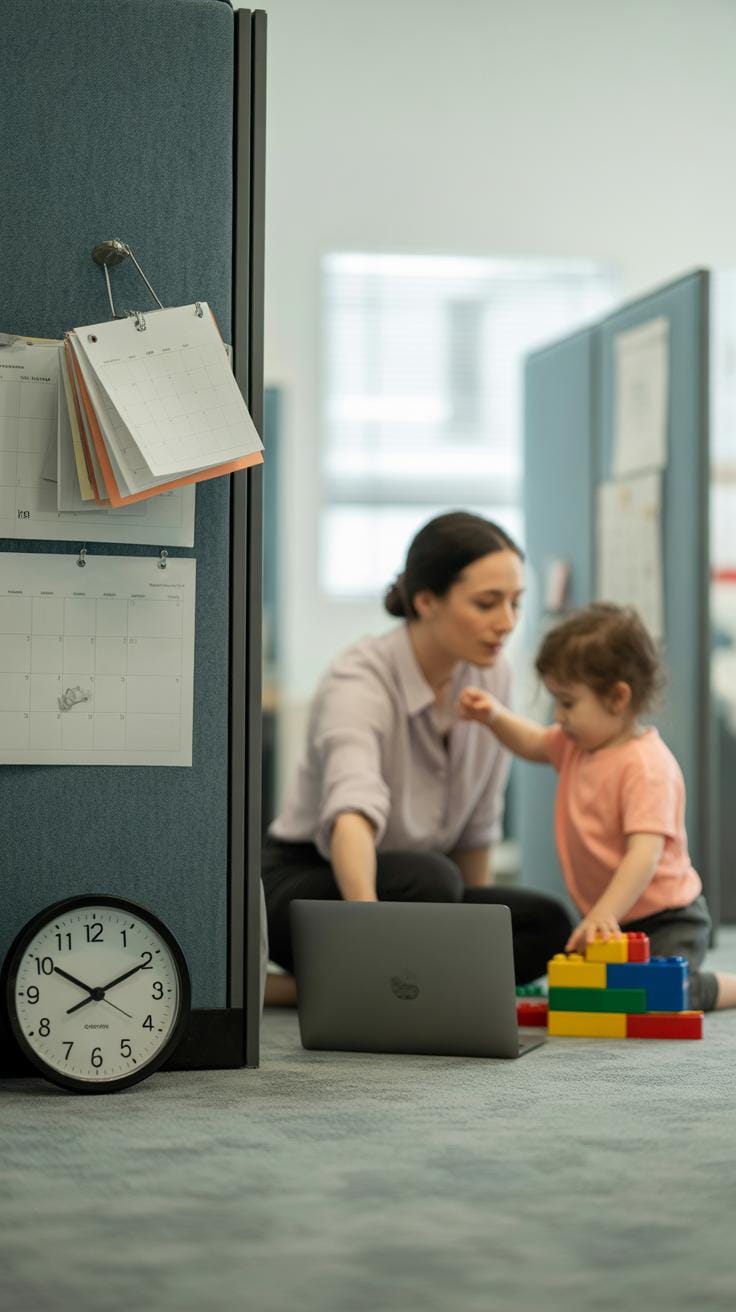
Balancing work, school, and other duties can make it hard to set aside time for family activities. You need clear choices to make family time a priority rather than an afterthought. Ask yourself what holds the most value each day. A strong family connection often depends on consistent attention.
Start by treating family activities as non-negotiable appointments. You can set boundaries on work hours and limit distractions during agreed times. What small changes in your daily routine can free up moments for your family? Sometimes shifting one evening meeting or turning off screens helps create space for shared moments. Consistency matters more than length. Showing up regularly, even if briefly, builds bonds steadily.
Commit to making those moments count. Choosing activities that everyone enjoys increases enthusiasm and keeps the habit alive. How will your family respond when you set time aside for them this week? Reflect on that and plan accordingly.
Scheduling And Planning
Creating a family calendar helps everyone know what to expect and helps avoid scheduling conflicts. Use a physical calendar in a common space or a shared digital calendar everyone can access. Mark activity dates visibly to remind all family members.
Set regular times, like Sunday afternoons or Friday dinners, for family fun. Turning these into routine events makes them easier to remember and respect. Involve your family in choosing activities and timing so they feel ownership and excitement.
Are there small weekly or monthly blocks of time where your family can gather without interruptions? Planning ahead reduces stress and increases chances that the time will be used well. A simple plan can make time together predictable and valued.
Maximizing Short Periods Together
Not every family moment requires hours of time. Even 10 or 15 minutes can deepen your connection when used with intention. Consider sharing a quick meal, telling stories, or playing a short game.
Short, focused activities help maintain closeness when days feel rushed. For example, spend five minutes each morning sharing one thing you are grateful for or do a quick walk after dinner to talk about your day. These moments show your family they matter despite busy schedules.
How might brief but meaningful experiences change daily patterns in your home? Finding ways to use small windows wisely keeps bonds active. Focus on presence rather than duration to make time together effective.
Keeping Family Activities Fun And StressFree

Creating an enjoyable space for family activities means removing pressure and focusing on fun. When everyone feels relaxed, the experience naturally builds stronger bonds. Try setting clear but flexible plans so no one feels rushed or overly committed.
Use simple activities that don’t need perfect results, like a casual board game or a walk in the park. When the goal is shared laughter or conversation, you’ll avoid stress over winning or finishing first.
Ask yourself how you can make each activity feel welcoming and open. Could you let kids choose games sometimes? Can adults put away work or phones to be fully present? Your attitude sets the tone. When you approach family time with calm and playfulness, others will too.
Focusing On Connection, Not Perfection
It helps to remind your family that connections matter more than doing things perfectly. If a craft project isn’t neat or a recipe is messy, what counts is the time spent together. You don’t need flawless outcomes to grow closer.
Try praising effort and teamwork instead of the end result. Say, “I love how we all helped set up,” rather than, “This looks great.” Such comments encourage everyone to enjoy the moment without fear of failure.
Imagine your family’s favorite memory from an activity—was it perfect? Likely not. It was meaningful because you shared joy, conversation, or silly mistakes. Which part of an activity matters most to you?
Encouraging Participation Without Pressure
Invite everyone to join family activities without making them feel forced. Watch for signs of interest and let people opt out if they want. Sometimes, simply being near during the activity counts as involvement.
Ask questions like, “Would you like to play this game or just watch today?” Give space for quiet members to participate in their own way. Some may prefer helping with snacks or storytelling instead of active play. Every role is valuable.
How often do you check in with family members about what they enjoy? Listening to their preferences can help keep activities positive. When participation feels natural, everyone looks forward to the next time you gather.
Conclusions
Creating memorable family moments requires effort and intention. You can use activities that foster cooperation, creativity, and open communication to build strong relationships. When you spend time doing meaningful things together, it deepens your understanding of each other and strengthens your bond. Remember, the goal is not perfection but connection. Simple activities done regularly can make a big difference in how your family interacts and supports one another.
Think about the activities that brought your family joy in the past and explore new ideas that fit everyone’s interests and needs. Scheduling time for family activities ensures they become a priority in your busy life. What is one activity you can try this week to bring your family closer? Consistent effort and shared enjoyment will help you create treasured memories and a stronger family unit.