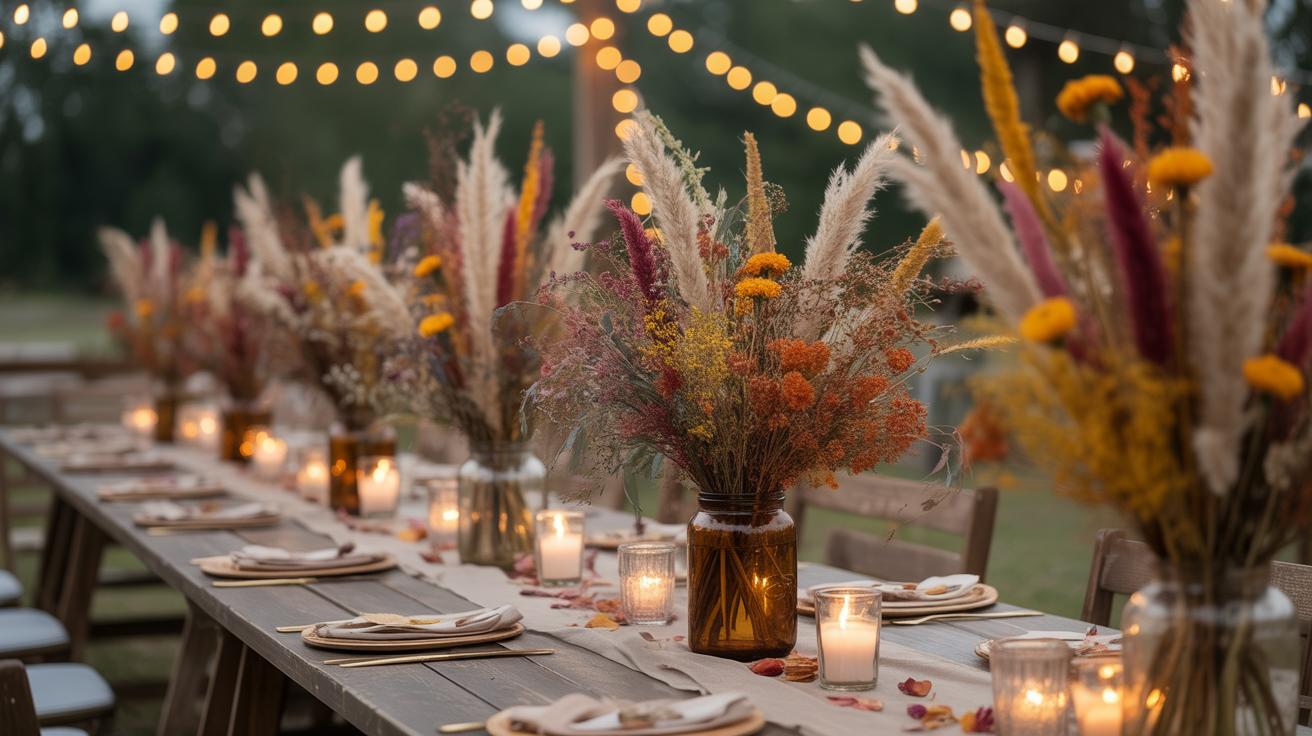
What Is Wedding Dried Flowers Decor And Why Is It Trending
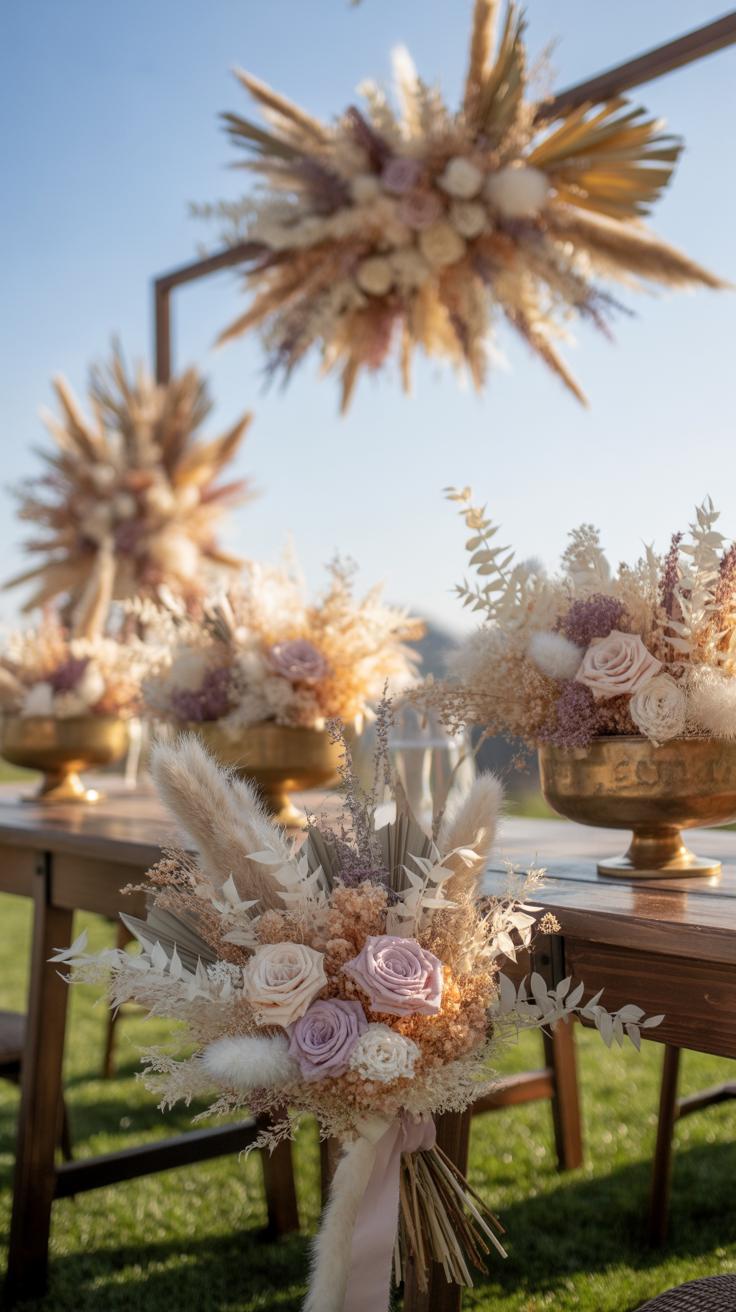
The Rise Of Dried Florals In Modern Wedding Styling
Dried flowers represent a shift toward sustainable and reusable wedding design. Designers now use techniques like air-drying and silica gel preservation to maintain plant structure. This movement gained traction as couples moved away from high-maintenance imports. Modern styling focuses on texture rather than just color. Professionals use bleached ruscus and pampas grass to create architectural shapes. These materials offer a neutral palette that fits many themes.
The trend grew from the need for logistical simplicity in event planning. Unlike fresh blooms, dried stems do not require water or refrigeration. This allows for early setup and reduces labor costs on the wedding day. Major design houses now prioritize these elements for outdoor and remote destination events. The aesthetic mirrors the minimalism seen in current interior design. It provides a rugged yet refined look that stays consistent throughout the day.
How Dried Flowers Compare To Fresh Flowers In Cost And Longevity
Cost efficiency is the main driver for choosing dried florals over fresh ones. Fresh flowers have a high price due to cold-chain shipping and short shelf lives. They perish within days of the event. Dried options eliminate the risk of wilting in heat or transport. You can buy these materials months in advance when prices are low. This strategy avoids the price spikes common during peak seasons or holidays.
Longevity provides the best return on investment for any wedding budget. Fresh arrangements end up in the trash after the reception. Dried flowers serve as long-term home decor or gifts for guests. They retain their form for years if kept away from direct sunlight and moisture. This durability makes them ideal for complex structures like arches and wall backdrops. You pay for a product that lasts well beyond the single day event.
Best Dried Flowers Wedding Varieties To Use On A Budget
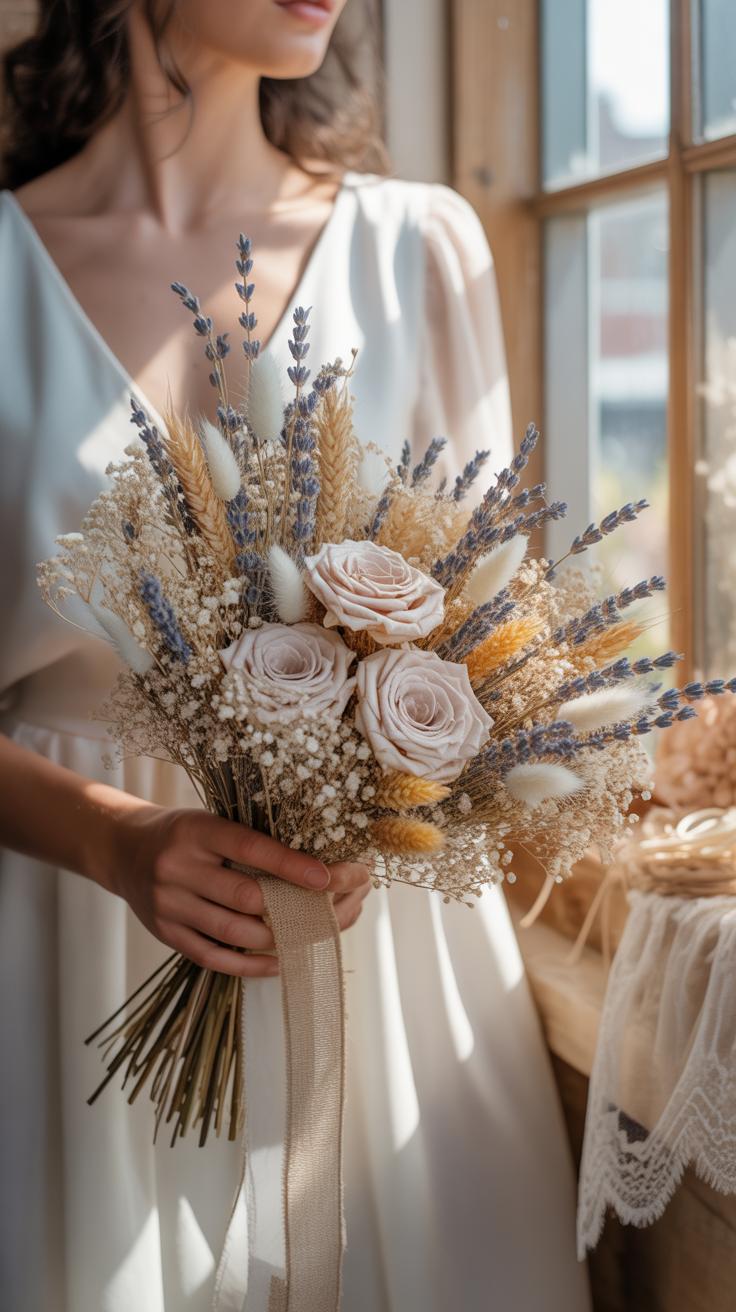
Popular Dried Flower Types That Are Widely Available And Affordable
Strategic flower selection dictates your total spend. You must prioritize high-volume filler crops and hardy varieties that survive transport without shattering. These specific plants grow quickly and dry easily in large batches. This high supply keeps market prices low for couples. Focus on textures that maintain structural integrity. Choosing these varieties ensures your arrangements look Full without requiring expensive premium stems.
- Baby’s Breath (Gypsophilia): This is the most cost-effective filler for bulk installations. It dries into a sturdy white or tinted cloud. It fills large gaps in arches and backdrops for pennies per stem.
- Lavender: These stems provide color and scent at a low price point. They work best in bundles or bud vases. Lavender maintains its purple hue well over time and resists wilting in heat.
- Pampas Grass: Large feathery plumes create immediate visual impact with very few stems. One stalk occupies the same space as ten smaller flowers. Use these for floor arrangements to reduce your total stem count.
- Strawflower: These blooms have a naturally papery texture that holds shape perfectly after drying. They offer vibrant yellows, oranges, and reds. Use them as focal points in bouquets to replace expensive fresh peonies.
- Eucalyptus: Dried silver dollar or panicled eucalyptus provides a neutral green base. It is cheaper than fresh greenery because it lasts forever. Use it to add movemement and length to hanging floral installations.
Avoid rare or delicate imports that drive up costs. You want stalks that provide density and height. Bunny tails and wheat stalks are excellent for adding vertical lines without breaking the budget. They are widely harvested in temperate climates. Buying these in bulk packs reduces the cost per arrangement. Use these reliable varieties to build a professional look while spending significantly less than fresh alternatives.
Where To Source Dried Wedding Flowers Without Overspending
Direct sourcing eliminates the retail markup. Buy from wholesalers or flower farms to get the best prices. Many farms sell dried bundles at a fraction of florist rates. Look for local growers during the late summer harvest. You can often buy “seconds” or “short stems” for even less. These work perfectly for bud vases or confetti where long stems are unnecessary.

Utilize your own garden or local foraging where legal. Gather wildflowers and grasses during their peak bloom. Hang them upside down in a dark, dry room with good airflow. This DIY approach costs nothing but your time. Check online marketplaces for former brides selling their decor. These second-hand items often look new but cost half the price. Buying bulk reduces shipping costs and unit prices.
How To Style Dried Floral Bud Vases For Table Centerpieces
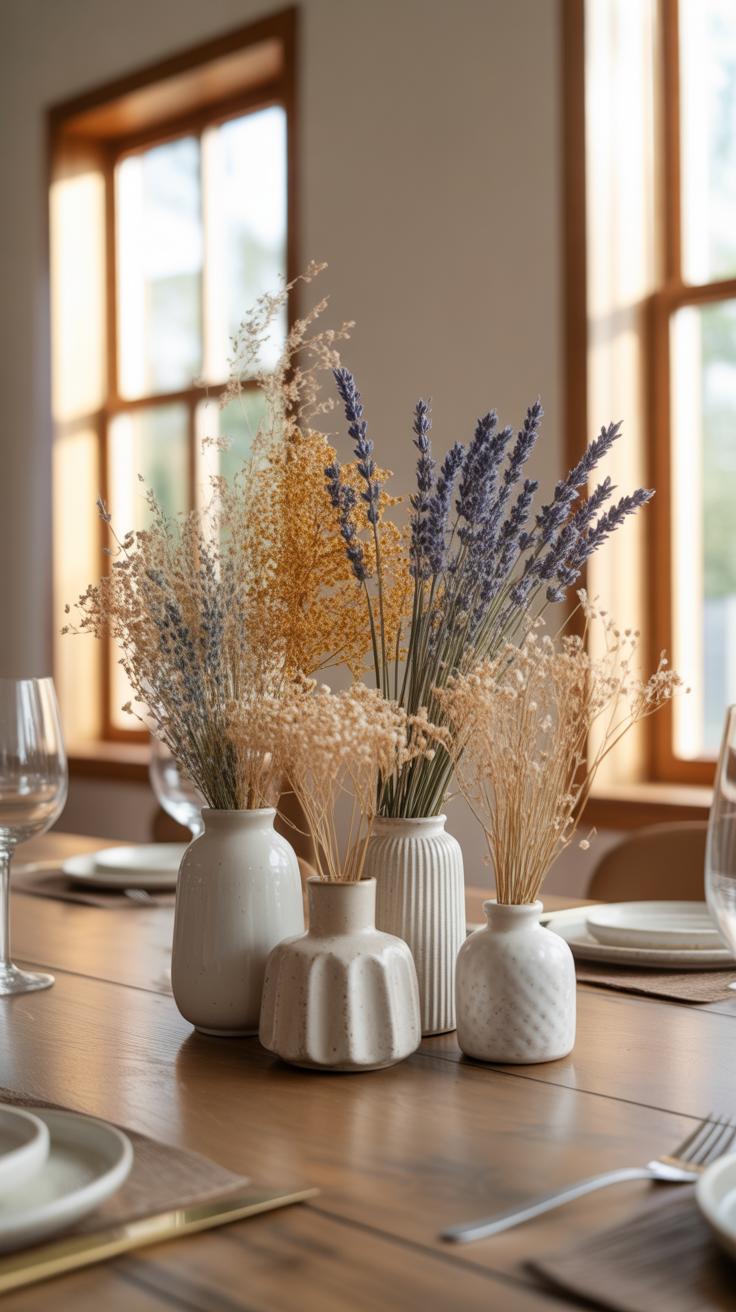
Choosing The Right Bud Vases To Complement Your Dried Arrangements
Select vessels based on the structural needs of dried stems. Dried plants lack the weight of water-filled greenery. Light glass vases often tip over under the weight of heavy dried blooms. Choose heavy ceramic or stone vessels to provide a solid base. Narrow neck openings are essential. They hold brittle stems upright without the need for floral foam or wire.
Amber glass and terracotta finishes enhance the natural tones of preserved flora. These materials hide the unsightly bottoms of dried stems that often look brown or messy. Avoid clear glass if the stem ends appear ragged or dusty. Match the vase material to the wedding theme. Modern settings require matte ceramic. Rustic themes work well with vintage stoneware or tinted glass bottles.
Mixing Heights And Textures When Grouping Dried Floral Bud Vases
Create visual impact by grouping vases in odd numbers. Three or five vessels per cluster work best. Vary the height of each vase to keep the eye moving across the table. Place the tallest stem in the thinnest vase to create a vertical focal point. Use shorter, wider pots for dense dried elements like banksia or protea. This layering technique prevents the display from looking flat.
Contrast the textures of your floral elements for a professional finish. Pair soft pampas grass with sharp eucalyptus or rigid seed pods. Place smooth glass next to rough unglazed clay. These physical differences create depth without adding expensive bulk. Use shorter vases to ground the arrangement. Ensure the tallest stem does not block the guest line of sight across the reception table.
Creative Ways To Use Hanging Dried Flowers At Your Wedding
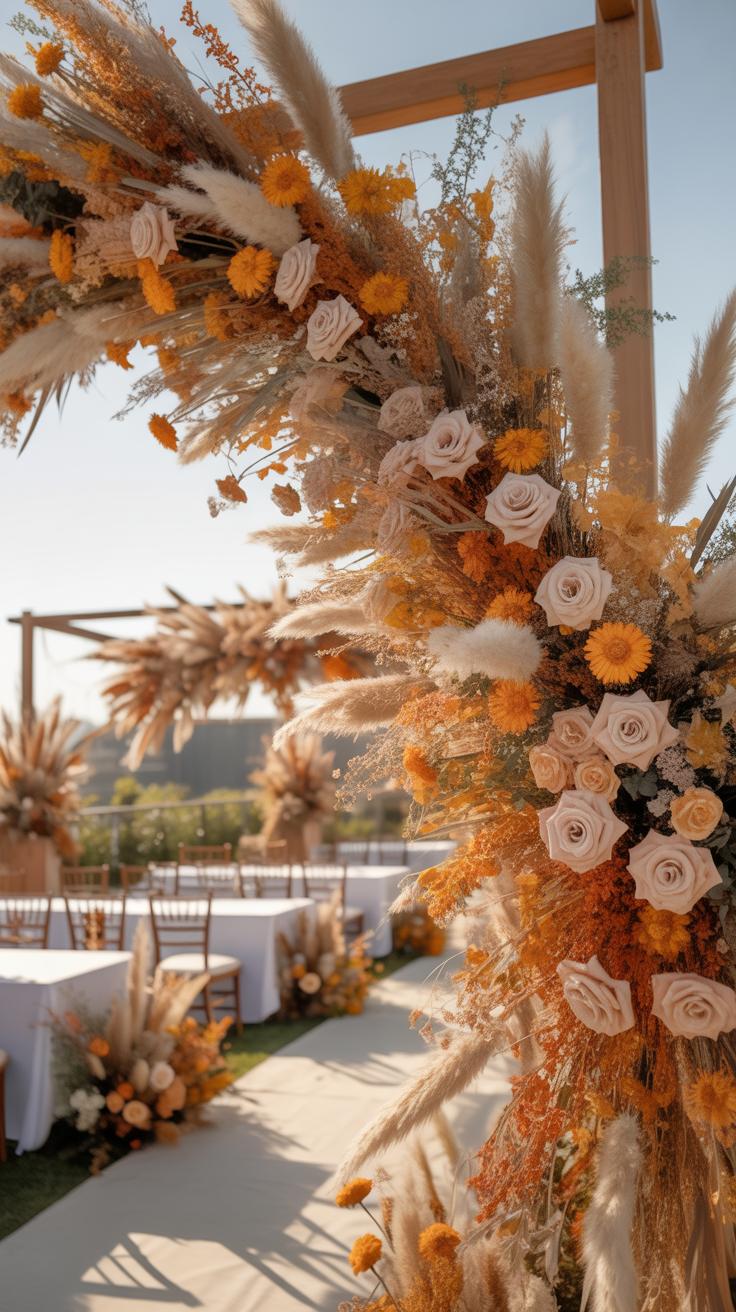
Ceiling Installations With Hanging Dried Flowers For Ceremony Spaces
Ceiling installations maximize vertical space and create a focal point without cluttering the floor. Use structural grids made of wire mesh or wooden frames to secure the stems. Attach the grid to existing ceiling beams using high-strength aircraft cable or clear monofilament line. This technique ensures the floral mass stays stable during the ceremony. Strategic placement above the altar or the central aisle draws the eye upward immediately.
Select sturdy varieties like Ruscus, Eucalyptus, and Statice for these overhead structures. These species maintain their shape and color under warm indoor lighting. Avoid fragile blooms that shed petals easily when disturbed by air currents. Use floral wire to bind small bunches to the frame. Space the bundles evenly to hide the hardware. This method provides a high-impact visual result while using fewer raw materials than traditional floor arrangements.
DIY Hanging Dried Flower Bundles For Reception Chairs And Arches
Individual dried flower bundles offer a fast way to decorate seating and entryways. Tie small groups of Lavender, Strawflower, and Yarrow with twine or silk ribbon. Secure these clusters to the inner corner of reception chairs using a simple loop knot. Use a consistent stem length of six inches for a uniform look. This adds texture to the room layout without requiring expensive glassware or heavy water-filled containers.

For ceremony arches, use s-hooks to hang bundles at varying heights. This tiered approach mimics the natural growth patterns found in Victorian-era botanical displays. Focus the highest density of flowers at the top corners of the arch. Use thin wire to reinforce the attachment points against wind if the wedding is outdoors. This tactical setup allows for quick assembly and easy removal after the event ends.
How To Make A Stunning Dried Flower Wall Backdrop For Your Wedding
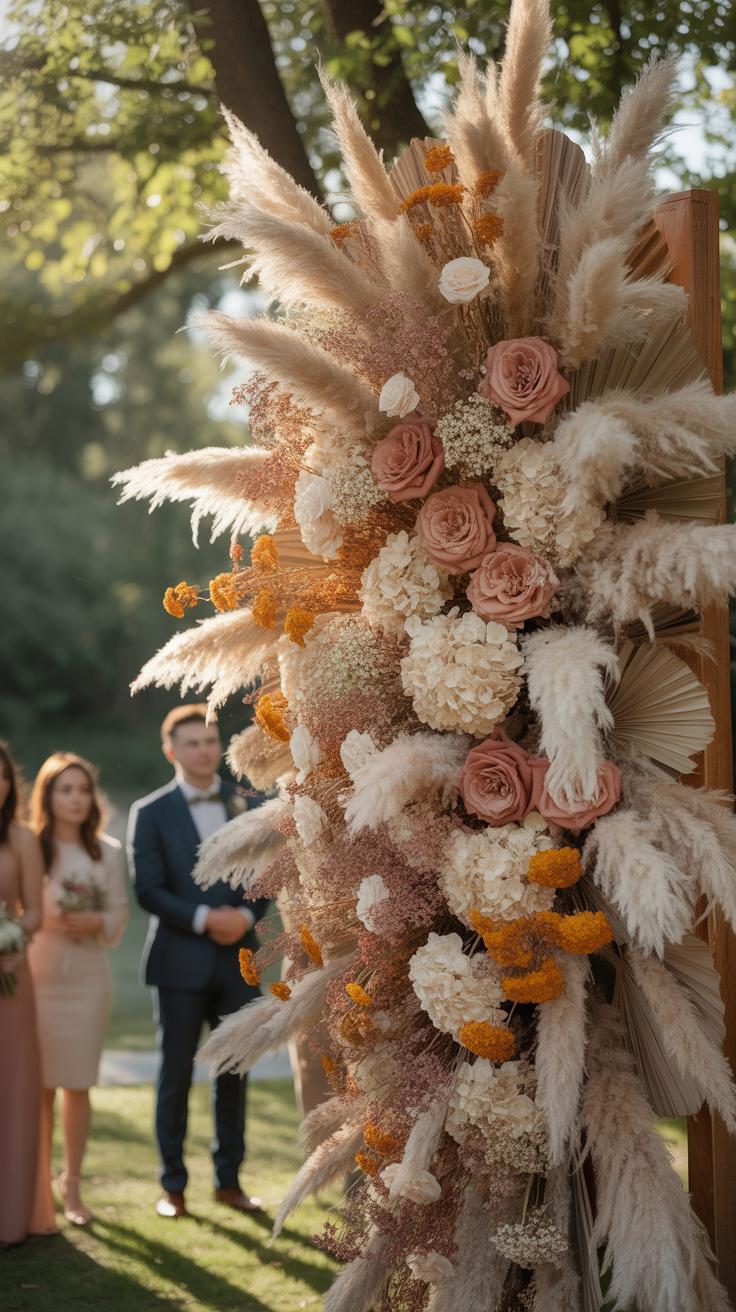
Selecting The Right Dried Blooms For A Full Dried Flower Wall Backdrop Wedding Display
Successful backdrops require structural integrity and visual density. Select focal flowers with sturdy stems like Protea or banksia to anchor the design. These species hold their shape and resist shedding during transport. Use pampas grass or bunny tails to fill large gaps quickly. These grasses provide volume without adding significant weight to the frame. Avoid delicate petals that crumble upon contact. Stick to robust, air-dried varieties for maximum durability.
Color consistency is vital for a professional look. Choose bleached or dyed elements to maintain a specific palette under harsh wedding lights. Naturally dried greens often turn brown or grey over time. Use preserved eucalyptus if you need lasting green tones. Mix textures like flat palm spears with soft fillers to create depth. This contrast ensures the wall looks three dimensional in photographs. High density prevents the underlying structure from showing through the gaps.
Step By Step Tips For Building A Budget Friendly Floral Backdrop At Home
Start with a lightweight frame made of copper pipe or wood. Attach a layer of chicken wire or plastic floral netting to the frame using cable ties. This grid provides multiple attachment points for your stems. Begin at the bottom and work upward in overlapping layers. This shingle technique hides the mechanical parts of the wall. Secure every stem with florist wire to prevent shifts during the event.
Manage your costs by using inexpensive bulk fillers for the base layer. Reserve expensive statement blooms for eye level areas where guests will take photos. Focus your density in the center and let the edges taper off to save on materials. Apply a light coating of unscented hairspray to fragile pieces to reduce shedding. Test the stability of the structure by gently shaking it before transport. A solid foundation ensures the wall stays intact.
Designing A Dried Flower Wall Arch That Wows Your Guests
Frame Styles And Materials That Work Best For A Dried Flower Wall Arch
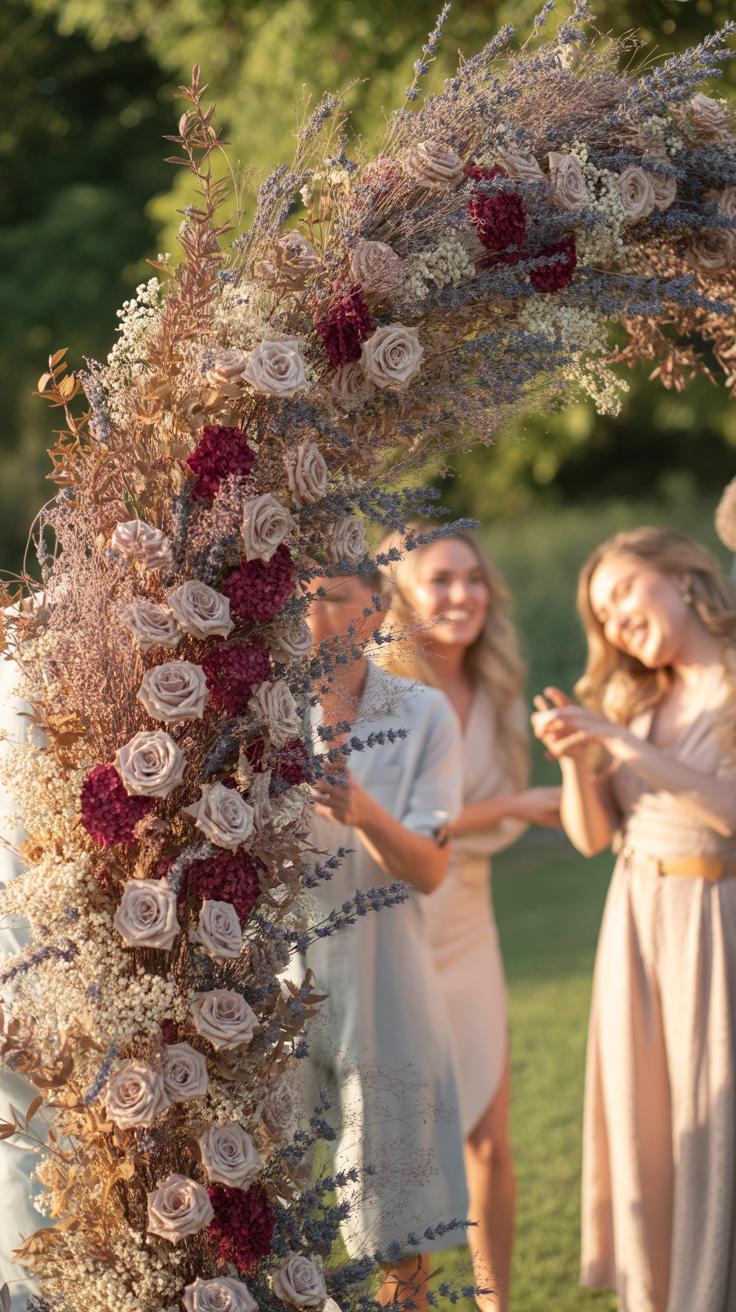
Select a rigid frame to support the weight of dried materials. Metal moon gates and copper piping offer the best stability for heavy installations. Wooden hexagonal frames work well for rustic themes. Ensure the base is weighted with sandbags or heavy plates. This prevents tipping during the ceremony. Avoid flimsy plastic structures that flex. Dried stems are brittle and will snap if the frame shifts.
Use chicken wire or floral mesh to create an attachment grid. Secure the mesh to the frame with industrial zip ties. This provides a deep foundation for inserting stems. Apply wood glue or hot glue to heavy woody stalks. This ensures they stay in place throughout the event. For large scale arches, build in sections. Transporting a fully assembled arch often leads to significant petal loss and breakage.
Colour Palette Ideas For A Romantic Or Boho Dried Arch Display
A romantic palette relies on muted tones and desaturated hues. Use bleached ruscus and white hydrangeas to build a clean base. Add preserved roses in mauve or dusty pink for focal points. These colors mimic the aesthetics of the Victorian era. Avoid bright primary colors as they look artificial. Natural earth tones like sage green and cream provide a timeless look. Stick to three primary shades for visual impact.

The boho aesthetic utilizes high contrast and heavy textures. Focus on warm neutrals like terracotta, ochre, and sand. Incorporate pampas grass and palm spears to create architectural volume. These materials reflect the Mid-Century Modern revival seen in current weddings. Use chocolate cosmos or dark burgundy foliage to add depth. This prevents the arch from looking flat in photographs. Balance light and dark elements across the entire curve of the frame.
Planning A Show Stopping Dried Floral Installation On Any Budget
What Counts As A Dried Floral Installation And How To Scale It To Your Venue
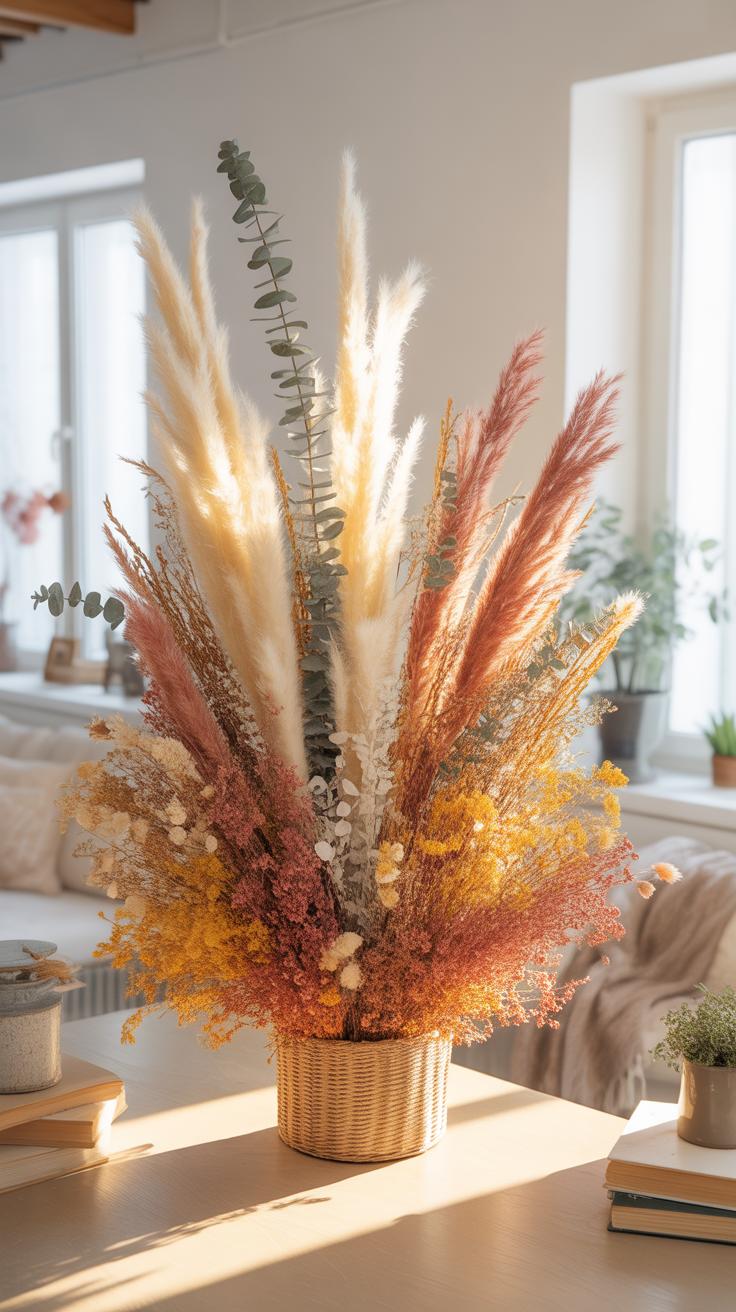
A dried floral installation is a fixed structural arrangement designed to define a focal point. Unlike portable bouquets, these structures anchor to walls, ceilings, or floor frames. Modern designers use chicken wire or metal grids as the base skeleton. You can scale these by adjusting the density of the floral fill. Use large dried palm spears or pampas grass to cover surface area quickly and cheaply.
Venue volume dictates the scale of your installation. High ceilings require hanging elements to bridge the vertical gap. Low-ceiling rooms benefit from ground-based arches or corner wall pieces. Use lightweight materials like dried ruscus and bleached ferns to ensure structural safety. Tactical placement at the ceremony altar or behind the head table maximizes visual impact. Focus your budget on these high-traffic areas to get the best return.
Repurposing Your Dried Floral Installation After The Wedding Day
Dried floral installations offer a distinct advantage over fresh flowers because they do not wilt. You can disassemble the structure and harvest the materials for home use. The lack of a water source means the stems remain intact and manageable. Many couples move these pieces from the ceremony site to the reception to save money. This mobility turns one investment into two separate decor moments.
Post-wedding utility is a primary driver for choosing dried materials. You can divide large installations into smaller bundles for gifting or home decor. The stems remain viable for years if kept away from direct sunlight and high moisture. This eliminates the waste associated with traditional wedding florals. You should carefully dismantle the chicken wire or foam base to preserve the stem integrity. Store the flowers in a cool dry place to maintain color.
Using Dried Flowers Confetti Wedding Exits For A Magical Send Off
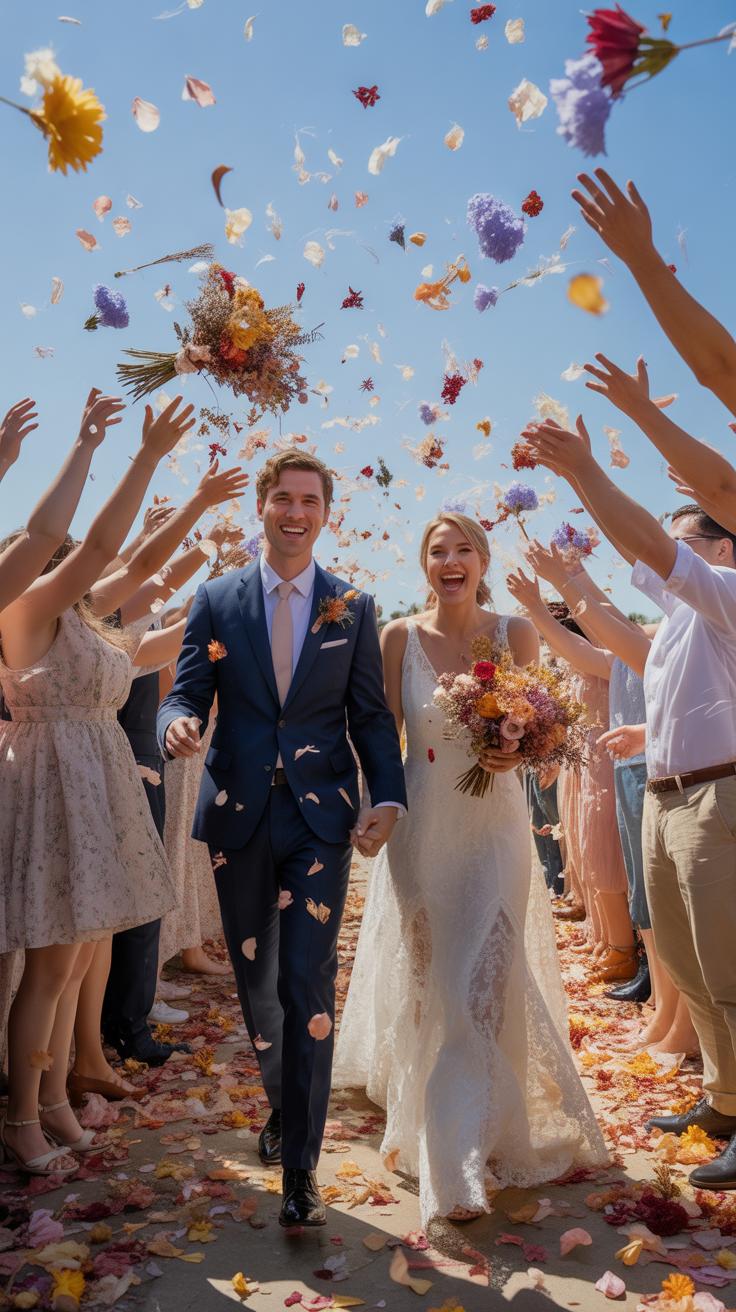
Why Dried Flower Petal Confetti Is A Biodegradable And Elegant Choice
Most modern wedding venues ban plastic or paper confetti because of litter laws. Dried flower petals solve this problem immediately. They are organic matter that breaks down naturally after the event. This allows couples to avoid cleaning fees or environmental fines. You can use rose petals, lavender, or delphiniums to achieve a natural look. These materials stay aloft longer than heavy paper, creating better photo opportunities.
Dried flowers offer a superior scent compared to synthetic alternatives. Lavender and rose buds release oils when crushed, adding a sensory layer to the ceremony exit. These materials do not bleed dye onto white wedding attire when wet, unlike cheap tissue paper. They represent a return to Victorian era traditions where herbs symbolized luck. Using dried flora ensures your wedding follows both local ecological rules and high design standards.
How To Package And Present Dried Flowers Confetti For Wedding Guests
Efficiency in distribution prevents chaos during the transition from ceremony to reception. You must choose containers that allow guests to grab and throw quickly. Small paper cones or glassine bags keep the petals dry and contained until the exit. Proper sizing ensures guests have enough material for a three-second throw. Clear labeling helps guests understand when to use the contents. Proper presentation reduces waste and speeds up the process.
- Pre-filled Paper Cones: Roll kraft paper into cones and fill them half-way with petals. Stand them in a wooden crate or basket at the end of the aisle. This allows guests to grab a single unit quickly without stalling the foot traffic.
- Glassine Envelopes: Use translucent paper bags to showcase the colors of the dried buds. Seal them with a sticker to prevent spills before the exit happens. These envelopes fit easily into coat pockets or small purses during the ceremony service.
- Bulk Wicker Baskets: Place large baskets at the exit door with a metal scoop. Assign an usher to hand out handfuls to guests as they step outside. This method works best for informal outdoor settings and reduces the cost of individual packaging materials.
- Custom Sachet Bags: Fill small muslin or organza bags with aromatic herbs like dried lavender. Guests can squeeze the bags to release the scent before tossing the contents. These bags serve as a functional favor and a tactical tool for the grand send-off.
- Self-Serve Confetti Bar: Set up a table with separate containers of different dried flower types. Let guests mix their own blend into a small cup. This creates engagement and ensures the petal mix matches your specific wedding color palette and texture requirements.
Organization determines the success of the wedding exit photo. Station your bridal party at the exit to direct guests into two parallel lines. Tell guests to throw the petals high into the air rather than directly at your faces. This creates a falling curtain effect that cameras capture better. Using dried flowers ensures the cleanup is handled by nature, leaving the venue in perfect condition for the next event.
Top Tips For Keeping Wedding Flowers Cheap Without Sacrificing Style
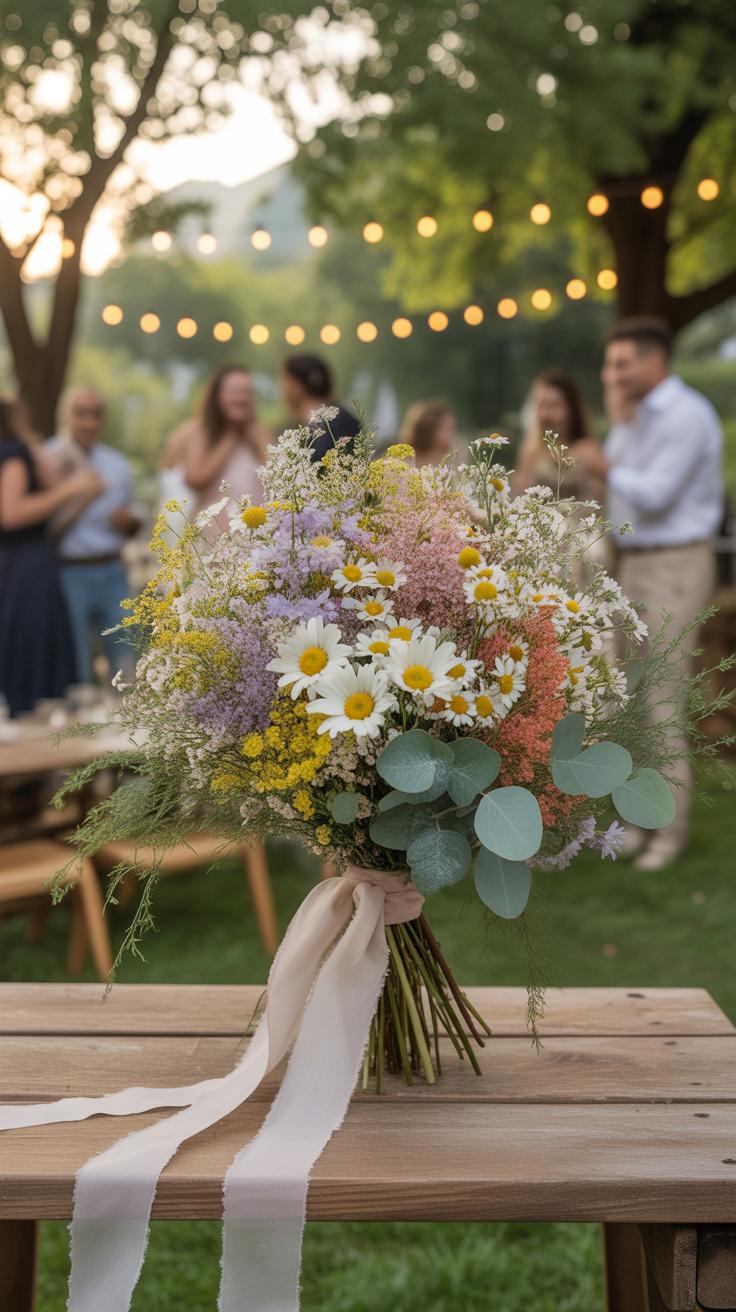
Pairing Dried Stems With Greenery And Fillers To Stretch Your Floral Budget
Bulk greenery reduces the total cost of your floral order. Eucalyptus and ruscus provide structural mass for a low price point. These fillers take up significant space in arrangements. This allows you to use fewer expensive dried blooms like protea or preserved roses. You create a lush look without buying high volumes of focal flowers. This strategy works well for large tables and floor installations.
Strategic layering hides structural foam and wire. Use inexpensive moss or dried grasses to cover mechanics. Position premium dried stems at the top and front of the design. This trick draws the eye to the high quality materials. You achieve a high end look while using seventy percent budget fillers. This technique mimics the Dutch Still Life style. It emphasizes texture over expensive flower counts to save money.
Dried flowers are a beautiful way to preserve the memory of your wedding day without overspending on temporary blooms. Like a love that lasts, their beauty only deepens as they weather the passage of time.
Timing Your Dried Flower Purchases To Get The Best Deals
Dried flowers do not wilt or die. This allows you to buy during off peak seasons. Prices often drop after major floral holidays like Valentine’s Day or Mother’s Day. Suppliers clear out inventory to make room for new harvests. Buy your wedding flowers six months in advance. Store them in a cool and dry place away from direct sunlight. This avoids the price hikes of the wedding season.
Watch the harvest cycles for specific plants. Lavender and grains are cheapest right after the summer harvest. Buying direct from farms during these windows cuts out the middleman markup. Bulk retailers offer deeper discounts when they have overstock. You lock in lower shipping rates by ordering everything at once. This approach prevents last minute rush fees. Planning ahead is the most effective way to lower your total floral spend.
DIY Dried Flower Wedding Decor Projects You Can Start Today
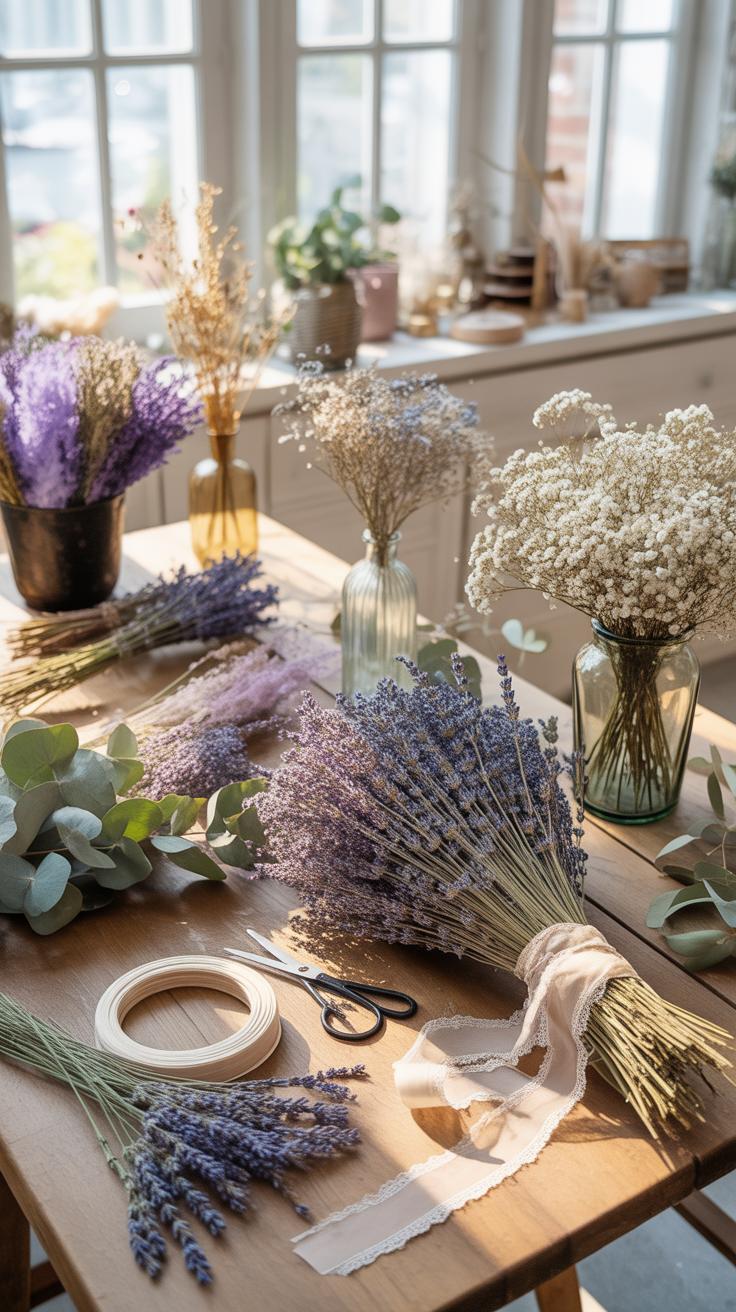
Simple Dried Flower Projects That Require No Florist Experience
Most couples waste money on professional labor for basic tasks. You can assemble dried floral bud vases months before the ceremony. Select glass vessels with narrow necks to support thin stems. Place three to five stalks of varying heights in each bottle. This method creates a minimalist look without complex foam or wire. It lowers costs and allows for early transport to the venue.
Confetti preparation is another high impact task for beginners. Use dried rose petals or lavender buds for a biodegradable alternative to plastic. Fill small paper cones or sachets with these natural materials. Store them in a cool and dry container to prevent molding. This project eliminates the need for expensive fresh petal orders on the wedding morning. It ensures your exit photos look professional and intentional.
How To Properly Dry And Preserve Flowers At Home For Wedding Use
Air drying is the traditional technique for structural integrity. Use rubber bands to tie flower bunches together by the stems. Hang them upside down in a dark and well ventilated space. Darkness prevents the UV rays from bleaching the natural pigments. Avoid humid areas like kitchens or bathrooms to prevent rot. This process takes two to three weeks depending on the local air moisture levels.
Silica gel provides a faster alternative for delicate blooms like peonies or ranunculus. Submerge the flower heads in a container filled with desiccant crystals. Seal the lid tightly to lock out all atmospheric moisture. This chemical method preserves the original shape and vibrant color of the petals better than air drying. Remove the flowers carefully after four days using soft brushes. This helps you maintain a high end aesthetic for less.
Frequently Asked Questions

Why should I choose dried flowers for my wedding instead of fresh ones?
Choosing dried flower wedding decor offers a unique, vintage aesthetic that fresh blooms simply cannot replicate. Beyond the beautiful textures and muted color palettes, dried arrangements are incredibly durable and won’t wilt in the summer heat. They are also eco-friendly and serve as a wonderful keepsake, allowing you to repurpose your bouquets and centerpieces as home decor long after your special day has come to an end.
How can I safely store my dried wedding flowers before the big day?
To keep your dried flower wedding decor looking its best, store your arrangements in a cool, dry, and dark place away from direct sunlight, which can cause colors to fade. Avoid humid areas like basements or bathrooms, as moisture can make the stems limp or moldy. Keep them in a sturdy box with plenty of tissue paper to prevent the delicate petals from crushing or snapping before the ceremony begins.
Is it actually cheaper to use dried flowers for wedding decorations?
Yes, dried flowers are often more budget-friendly because they aren’t subject to the same seasonal price hikes or expensive overnight shipping requirements as fresh stems. You can save money by purchasing blooms in bulk months in advance or even drying your own wildflowers at home. Because they don’t require water or professional on-site setup, you can also significantly reduce labor costs by opting for a DIY approach.