

Introduction
Creating a cozy patio lounge is a great way to enhance your outdoor space for stylish entertaining. Whether you want a quiet spot to relax or a welcoming area for guests, your patio can be transformed into a comfortable, inviting place. In this article, you will find practical ideas and tips to design a patio that suits your style and needs.
We’ll cover everything from selecting the right furniture and lighting to arranging your patio for social gatherings. These ideas will help you make the most of your outdoor area, turning it into a cozy retreat that reflects your personality and hospitality.
Design Tips For A Cozy Patio
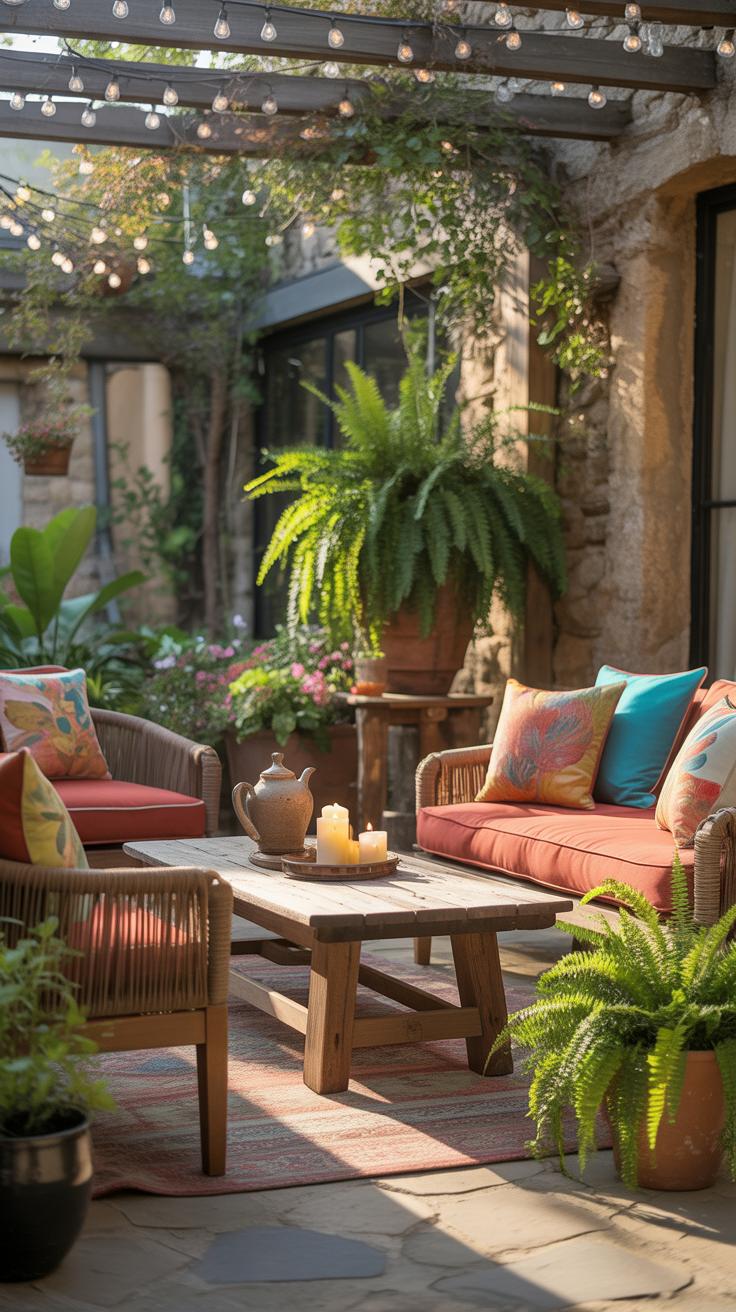
Creating a cozy patio isn’t just about looks—it’s about how it feels the moment you step onto it. Comfort leads the way in making your patio a go-to hangout spot. Consider layering the space with soft cushions, plush throws, and rugs meant for outdoor use; these simple touches soften the hardscape and immediately invite relaxation.

When it comes to furniture, think beyond mere appearance. The right pieces should match the outdoor environment and support comfort for everyone lounging or dining. Incorporate shapes and sizes that encourage lingering conversations or quiet moments alone. The layout plays a quiet but critical role as well—arranging seating into intimate clusters helps create warmth and encourages social interaction without feeling crowded.
Colors should feel grounded and welcoming. Earth tones can work beautifully, but don’t be afraid of muted blues or greens that echo natural surroundings. Your choices in textiles and paint can reinforce this calm, cohesive vibe. A cozy patio is part comfort zone, part style statement. Isn’t it worth taking the time to get it just right?
Choosing Comfortable Furniture For Your Patio
Selecting the perfect patio furniture balances comfort, durability, and style—which isn’t always obvious at first glance. For outdoor use, materials like treated wood, powder-coated metal, and synthetic wicker tend to stand up well against weather elements. You could be tempted by cheap options, but investing a bit more in quality pays off in longevity and comfort.
Consider deep-seated lounge chairs or sofas with thick cushions for ultimate relaxation. Classic Adirondack chairs bring a rustic charm and surprisingly good comfort. Don’t shy away from mixing styles—a weathered wood bench with plush cushions next to a sleek metal chair can add inviting character without losing cohesion.
Remember, size matters too. Oversized pieces might look dramatic, but they can overwhelm smaller spaces and reduce usable area. Pick furniture that fits naturally into your patio’s footprint and still leaves room to move around freely. After all, a cozy setting shouldn’t feel restricting.
Setting The Right Lighting For Evenings

Lighting shapes the mood of your patio when the sun goes down. The right glow can turn an ordinary space into an inviting retreat. Think soft and adjustable rather than harsh or glaring—it’s about creating shadows and highlights that invite calm and conversation.
String lights are a perennial favorite. They’re simple to install and add a gentle shimmer that’s both festive and soothing. Lanterns—whether hanging or tabletop—cast warm pools of light and double as attractive decor when unlit. Solar lamps are an eco-friendly choice, harvesting sunlight by day to illuminate your patio after dark without unsightly cords.
You might experiment with combinations, layering different light sources to suit your evenings, whether quiet reading nights or lively gatherings. And why stick with white? Colored bulbs or candles can introduce playful or romantic undertones just as easily as traditional lighting can.
How To Arrange Patio Furniture For Gatherings

When it comes to arranging patio furniture for gatherings, the first step is to think about the size of your space and the kind of event you’re hosting. Small, intimate chats need a different setup from larger, lively parties. So, you might start by clearing the path—make sure there’s enough room for people to move without feeling cramped. Then, group pieces to foster natural interaction, but be careful not to crowd them; comfort can quickly dissolve if elbows are knocking cups over.
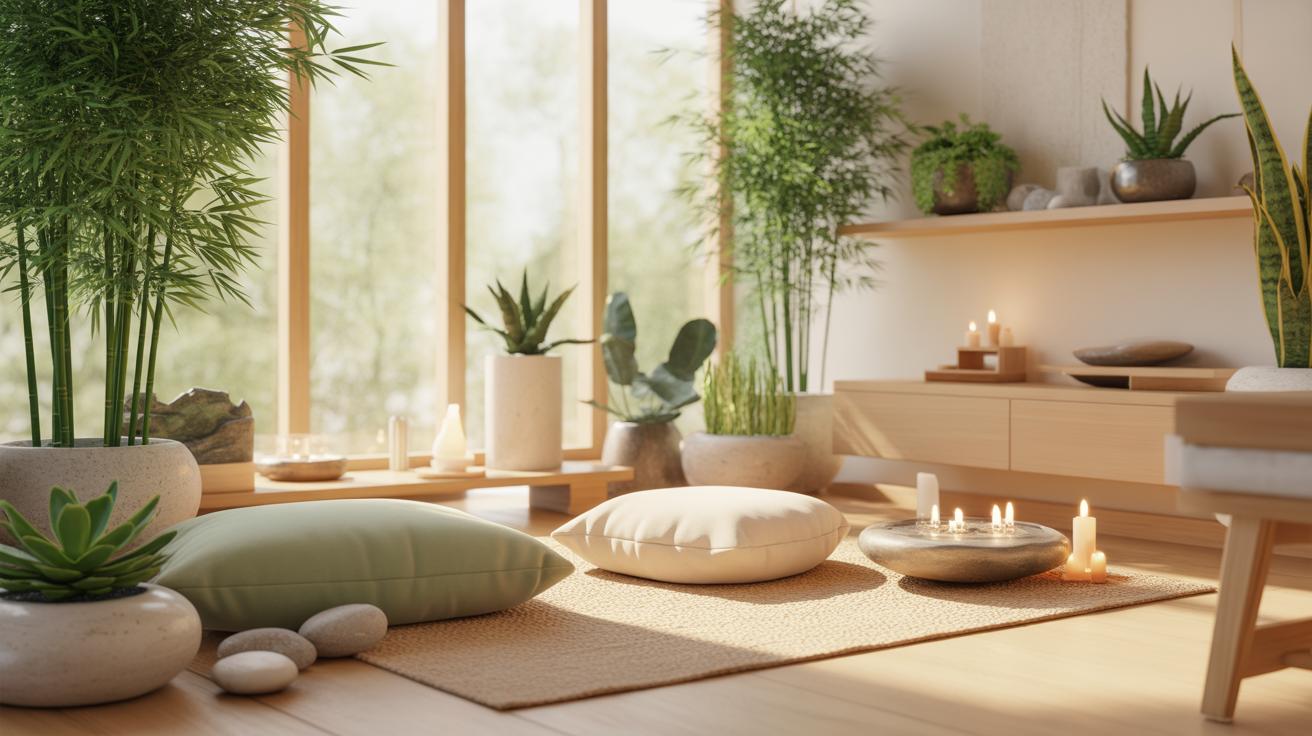
Think about how guests will circulate. Are you aiming for fluid movement or defined spaces? If it’s a cocktail-style affair, leave open space for mingling with scattered seating nooks. For a sit-down dinner, ensure chairs are close enough to invite conversation but not so tight that people feel pinned in.
Do you want your arrangement to feel cozy or more formal? Sometimes, mixing different seating styles adds both interest and comfort. I recall at a friend’s gathering, placing a couple of lounge chairs near a dining table gave people options to shift from dining to casual lounging without leaving the vibe.
Creating Conversation Areas With Seating
If getting people talking is your goal, arranging seating in circles or semi-circles often works best. This naturally faces guests towards each other, making it easier to engage. And don’t overlook corner spaces. They can become surprisingly inviting when softened with cushions or small side tables.
One trick I’ve found handy is pulling a couple of chairs slightly inwards toward a sofa, creating a more intimate setting without losing the overall flow of the patio. Oddly enough, this can sometimes encourage quieter, deeper conversations amidst the more animated crowd.
Incorporating Dining And Lounging Zones
Separating dining and lounging zones can be tricky, but it helps if you use your furniture as subtle dividers. For example, positioning a low sofa between a dining table and lounge chairs creates an easy boundary without shutting off either space.

Try to keep pathways clear so guests can navigate without stepping on toes or disturbing seated groups. I’ve noticed that different furniture heights—like taller dining chairs versus lower loungers—help signal the zone differences too.
Sometimes, it’s less about rigid zoning and more about intuitive flow. Does your patio naturally lend itself to two distinct zones, or does it feel better as one versatile space? Let your furniture placement evolve with your preferences and the way your guests interact. It’s a bit of trial and error, but that’s part of the charm, don’t you think?
Outdoor Heating Options For Cozy Patios
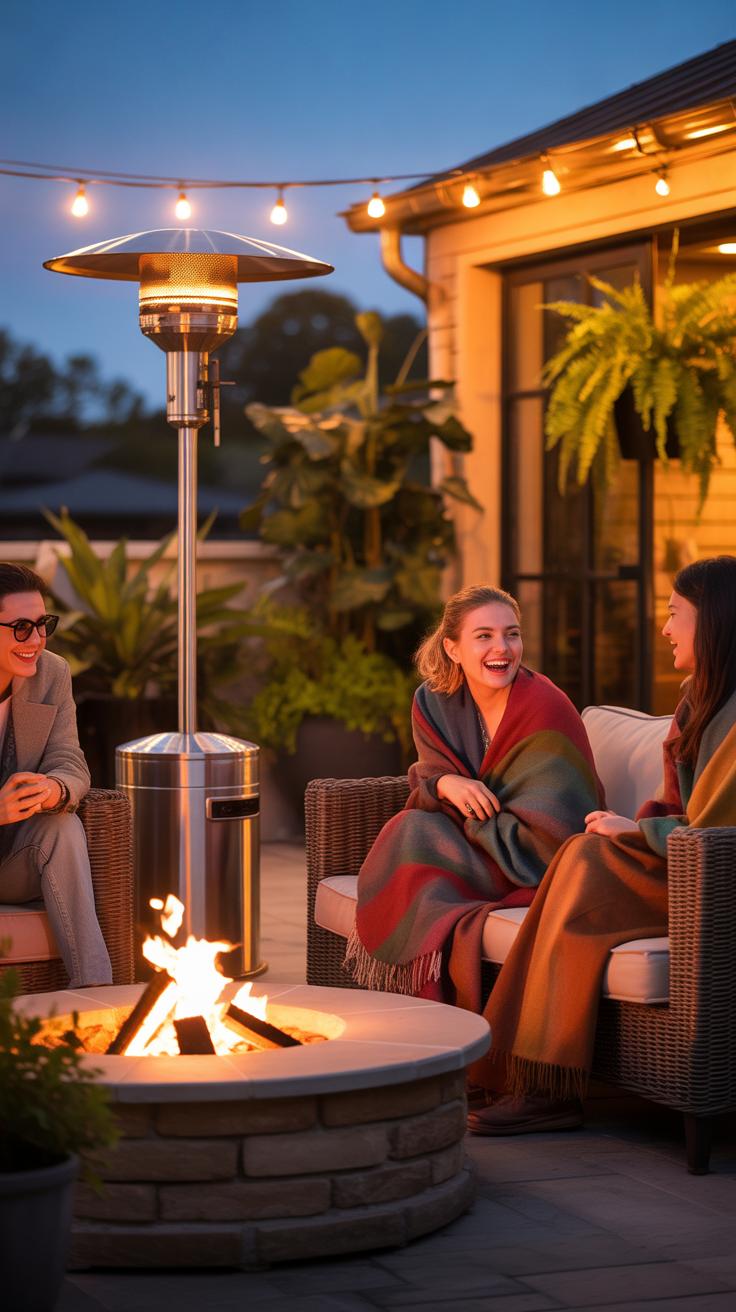
When cooler weather arrives, you might wonder how to keep your patio inviting without turning your home into a sauna. Several practical outdoor heating solutions can help extend the season, each with its quirks and trade-offs.
Fire pits offer a traditional warmth source and a natural ambiance. They often burn wood or gas, creating a cozy focal point. They do need some care—regular cleaning and abiding by safety clearances—and can be a bit more costly initially.
Electric heaters, on the other hand, are more straightforward to use and require less upkeep. They don’t produce flames but offer steady, adjustable heat. Safety-wise, they are generally considered lower risk but might lack the charm of an open flame.

Then there are warm accessories like thick blankets, outdoor cushions, and rugs. They’re not heating devices per se, but layering these elements can make a noticeable difference in comfort and style. They’re inexpensive, easy to incorporate, and let you personalize your space while keeping you snug.
Choosing the right option really depends on your priorities. Are you after ambiance, convenience, cost, or a mix? Often, a combination works best—a fire pit for gathering warmth and atmosphere, supplemented by blankets and cushions for individual coziness. Have you tried layering these together on your patio? It might surprise you how much the small touches matter.
Fire Pits Vs Electric Heaters
Comparing fire pits and electric heaters comes down to a few practical points. Fire pits create a captivating centerpiece with their dancing flames, adding character to your evening. They can warm a larger area but demand responsible maintenance, like managing ash and ensuring proper ventilation.
Electric heaters are simpler to switch on and off, and they don’t involve managing fuel or firewood. They’re generally safer around kids and pets, with fewer open flame risks. Yet, they might lack that cozy flicker that many associate with outdoor charm.
Cost-wise, fire pits can have higher upfront costs and ongoing expenses depending on fuel use. Electric heaters might be more affordable initially but increase your energy bills. So, it’s not a clear-cut choice — each has its benefits and compromises.
Using Warm Accessories To Boost Comfort

Adding warm textiles is an easy way to make your patio snug without relying solely on heat sources. Think of plush cushions that invite you to linger longer and heavy blankets ready for wrapping up as the temperature drops. Layering a soft rug underfoot can transform cold stone or wood floors into a welcoming haven.
Choose colors and textures that complement your décor to keep things stylish. Faux fur or wool materials often look luxurious and feel comfortably warm. These items can be switched out seasonally, giving you flexibility in your patio’s personality.
It might seem simple, but these accessories change the feel of the whole space. And, you can never have too many blankets on hand for those spontaneous chilly nights. How do you usually stay cozy outdoors? Maybe adding a rug or a throw could be just the upgrade your patio needs.
Plant Ideas To Enhance Patio Ambiance
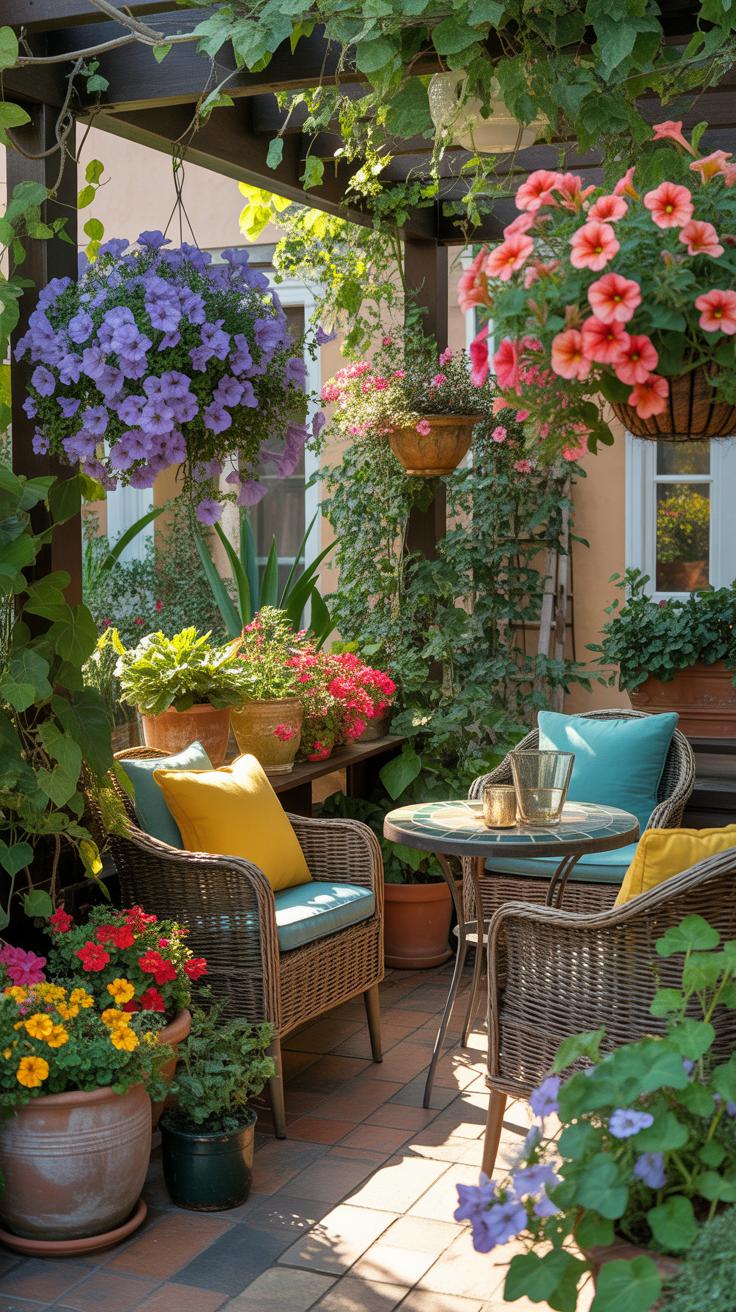
Plants shape the whole feel of a patio—they can soften hard edges and bring warmth to outdoor spaces. A well-chosen plant can create small sanctuaries of shade or privacy, making your patio feel like a private retreat even in busier neighborhoods.

For cozy patios, consider plants that balance beauty and function. Taller options like bamboo or fragrant jasmine can act as natural screens, while lower plants such as ornamental grasses or succulents fill in gaps with texture. Climbing vines on trellises or pergolas add that enveloping, intimate vibe, transforming open air into a more sheltered nook. Placement matters a lot—cluster plants in pots around seating or near pathways to invite you to linger longer.
The benefits go beyond looks. Shade from leafy plants cools down the space in warmer months, while the same greenery muffles noise and lifts the mood by connecting you to nature. It’s interesting how a simple fern or flowering shrub can shift a patio from stark to inviting.
Choosing Low Maintenance Patio Plants
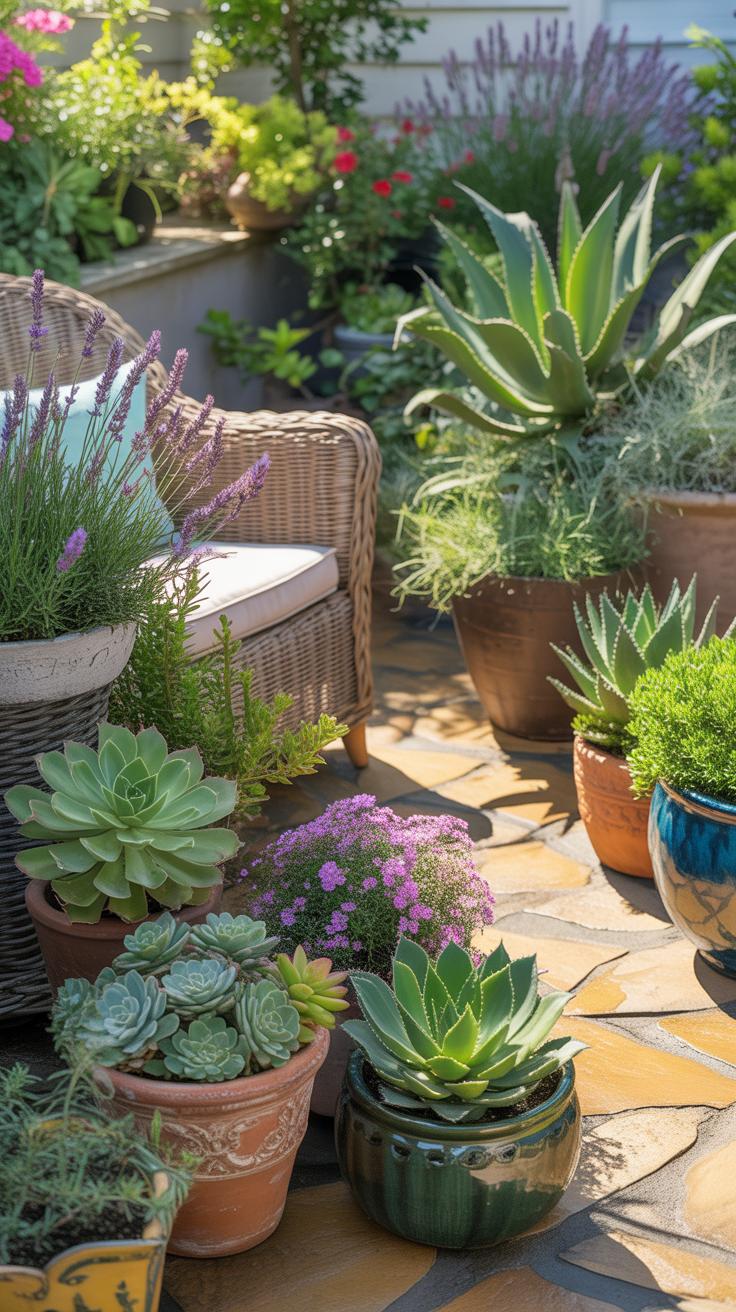
Busy homeowners often need plants that hold up well with minimal fuss. Think drought-tolerant species like lavender, sedum, or yucca. These choices generally thrive with occasional watering and can tolerate heat and light without much attention.
Such low-maintenance plants are great because you don’t have to worry about them when life gets hectic, yet they still bring steady greenery and seasonal interest. For example, succulents store water, so they withstand dry spells, while ornamental grasses can handle wind and variable light.

Beyond convenience, these plants help keep a patio looking fresh year-round without demanding much effort. They also tend to be resilient against pests and diseases, which reduces additional care.
Using Pots And Planters Effectively
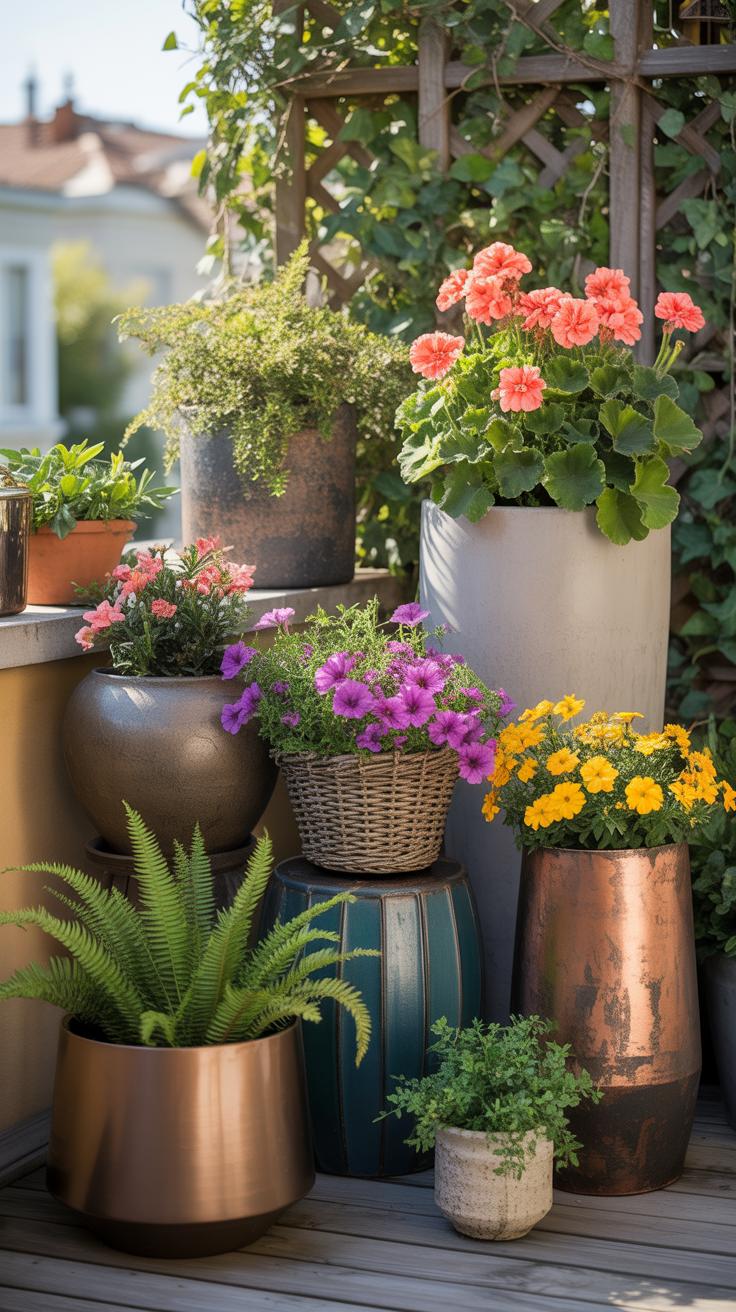
Pots and planters deserve some thought—they’re more than just containers; they’re part of the patio’s décor. Choose materials that suit your style, climate, and the plants’ needs. Terracotta is classic but dries out quicker; ceramic pots retain moisture but can be heavier.
Mixing sizes and shapes adds visual interest. Tall, narrow planters can emphasize vertical elements, while wide, shallow pots are ideal for spreading plants. Grouping planters creates mini garden areas and a layered look.
Don’t forget drainage—plants won’t thrive in soggy soil. Make sure your pots have holes or use layered soil and gravel to avoid waterlogging. Also, think about mobility. If you like switching things up with seasons or sunlight changes, lightweight pots on wheels can be a smart choice.
Creating Shade Solutions For Comfortable Patios

Finding the perfect shade for your patio can be tricky—it really depends on your space, budget, and style preferences. There are several options to consider, each with their own strengths and drawbacks.
Umbrellas are probably the easiest to install and move around. They’re great if you want some flexibility on where to sit. But, they can be unstable on windy days and often don’t cover large areas.
Pergolas add a bit more permanence and style. They create a defined space and can support climbing plants, which add natural shade. Still, they might not provide full protection from harsh sun or rain unless you add extra coverings.
Awnings, especially retractable ones, are a solid middle ground. They offer good sun protection and can be extended or retracted depending on your needs. Motorized versions provide convenience, though installation is a bigger task and cost may jump.
Each has a place. Think about your needs: Do you want something permanent or flexible? Full coverage or filtered light? It’s worth trying out different solutions or even combining them for layers of comfort.
Using Pergolas And Canopies
Pergolas and canopies aren’t just about shade—they also shape your outdoor atmosphere. A pergola’s framework invites vines and fairy lights, creating a charming nook. Canopies, often fabric draped over frames, add softness and movement.
Installation-wise, pergolas can be a commitment—they need a stable base and sometimes permits. Canopies are easier but need to be sturdy to withstand wind. A clever idea I’ve seen is using retractable fabric covers on pergolas, giving you control over how much sun you want.
Decorations range from hanging plants to string lights or outdoor curtains—these elements enhance privacy and coziness. But be mindful: too much fabric can trap heat instead of cooling.
Portable Shade Solutions
Portable options like umbrellas and shade sails are perfect if you want versatility. Umbrellas can be tilted and adjusted with ease, and come in various sizes. Shade sails are fabric panels anchored to posts or walls, offering stylish, modern appeal.
They’re excellent for renters or those who enjoy changing their setup seasonally. However, they demand regular upkeep—wind can damage sails, and umbrellas need to be secured to prevent tipping.
Deciding when to use these depends on your lifestyle. If you host events occasionally or want quick shade, portable solutions shine. For everyday comfort, a more permanent option might serve better.
Checklist For Setting Up A Cozy Patio
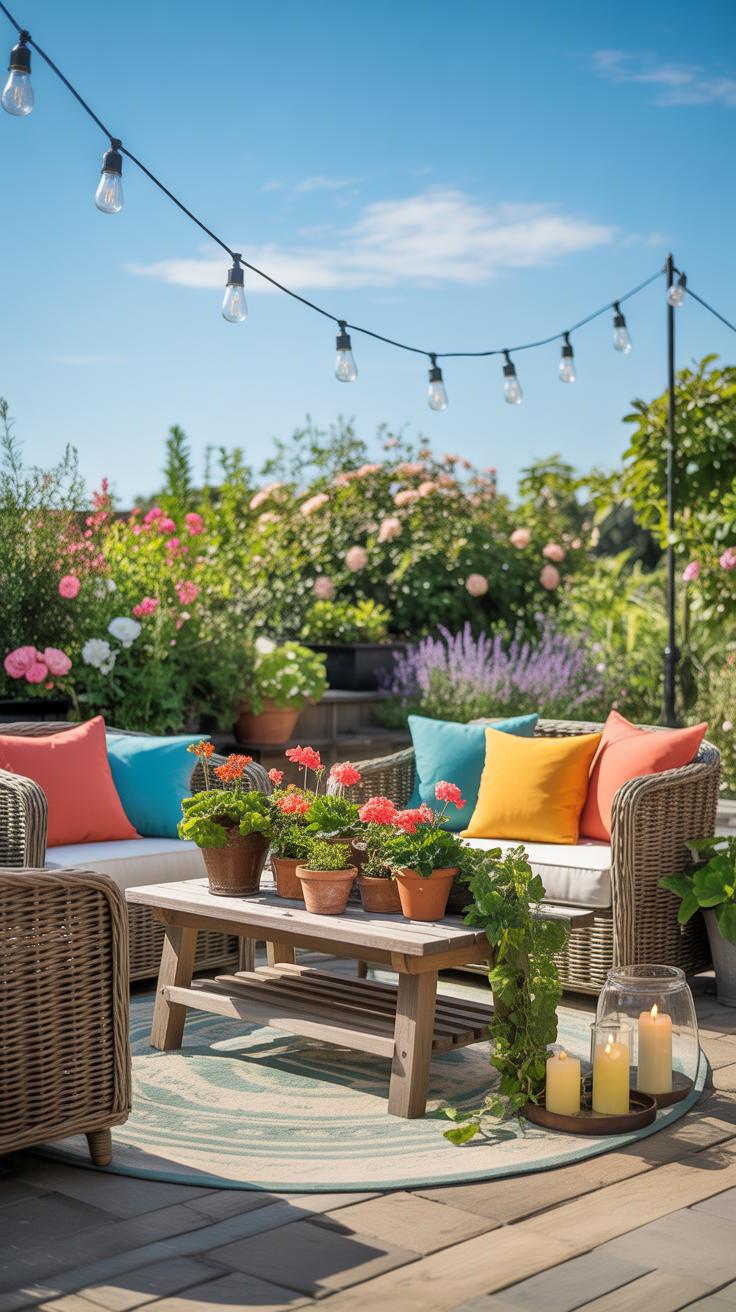
Creating a cozy patio begins with a clear plan. Start by thinking about the space available and how you want to use it. Will it be mainly for relaxing, dining, or entertaining friends? This will guide your furniture choices and layout.
When selecting furniture, don’t rush. Pick pieces comfortable enough to sit on for hours, but also weather-resistant. A mix of seating options like cushioned chairs, a bench, or even a hammock can add variety and comfort.
Lighting is a trickier element—think layered. Combine string lights, lanterns, and perhaps a solar path light. This combo creates warmth and visibility without harshness.
Plants bring life to a patio, but opt for species suited to your climate. Potted herbs can double as decor and something to cook with.
Heating is often overlooked but crucial for extending use into cooler nights. Consider a fire pit, patio heater, or even cozy blankets stored nearby.
Last, add personal touches like outdoor rugs, candles, or small sculptures. These make the space feel curated and inviting, not just functional.
Essential Items For A Cozy Outdoor Space
A well-curated patio has a few must-haves. Start with comfy seating—deep chairs or a low sofa with weatherproof cushions are great. A sturdy table for drinks or snacks is a practical necessity.
Lighting should never be underestimated. Soft, adjustable lighting options like dimmable string lights let you create mood. Solar or battery-operated lanterns offer convenience and ambiance.
Don’t skip on accessories that invite relaxation. Throw blankets, outdoor pillows, and side tables ensure guests feel at ease. A small herb garden or flowering plants can brighten the space and provide subtle scents.
Lastly, heating elements like a small fire pit or outdoor heater extend your patio’s usability year-round, which makes a big difference for cozy nights.
Steps To Maintain Your Patio Ambiance
Keeping a patio cozy over time requires simple, regular upkeep. Clean furniture cushions and sweep the floor often—debris quickly spoils the vibe.
Check lighting fixtures for burnt-out bulbs or battery changes to maintain consistent warmth. If your area uses real candles or lanterns, replace them as needed.
Plants need routine watering and occasional trimming to avoid looking unruly. Seasonal changes might prompt swapping out some plants for fresh ones.
Protect wooden furniture with sealants; this can feel tedious but preserves comfort and style. For metal pieces, look for rust spots to address early.
Lastly, revisit the layout every now and then. Sometimes tweaking furniture positioning or adding a new cushion set keeps things feeling fresh and inviting.
Common Mistakes To Avoid With Patio Design
Ignoring Weather Conditions
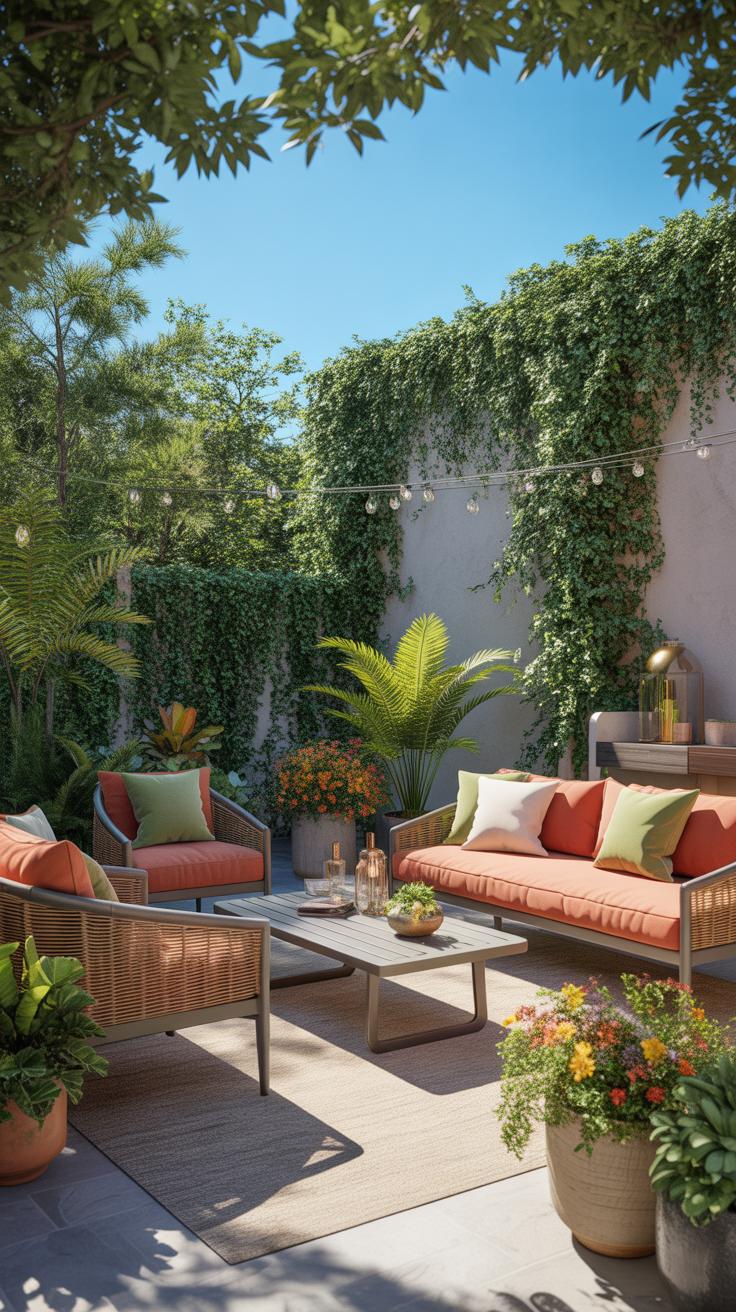
One of the biggest mistakes when designing a patio is overlooking how the local climate affects your outdoor space. You might think a nice seating area is enough, but what about the sun beating down in summer or those chilly winds that pop up unexpectedly? Ignoring these can make your patio less inviting. For example, people sometimes choose materials that fade quickly under strong sun or don’t drain well after rain, making the space uncomfortable or even unsafe. It pays to match your choices with the seasonal changes—like opting for shade solutions such as umbrellas, pergolas, or retractable awnings for hot months, or windbreaks and cozy heaters for cooler times. Thinking about weather isn’t just practical; it makes your patio usable all year round.
Overcrowding The Space
It’s tempting to fill your patio with all sorts of furniture, lanterns, and plants to give it a lush feel, but too much can backfire. Overcrowding limits movement, making the area feel cramped and less relaxing. I’ve seen patios where you can barely walk without bumping into a chair or crowding a table, which defeats the purpose of an open, calming spot. Less really is more here. Keeping furniture scaled to the size of your patio and choosing fewer, but well-placed pieces helps preserve open areas and enhances flow. Also, think about the purpose of your patio—do you want a lively hangout or a quiet nook? That helps prevent filling your space with unnecessary extras. It’s a fine balance—decorate thoughtfully but leave room to breathe.
Examples Of Stylish Cozy Patios
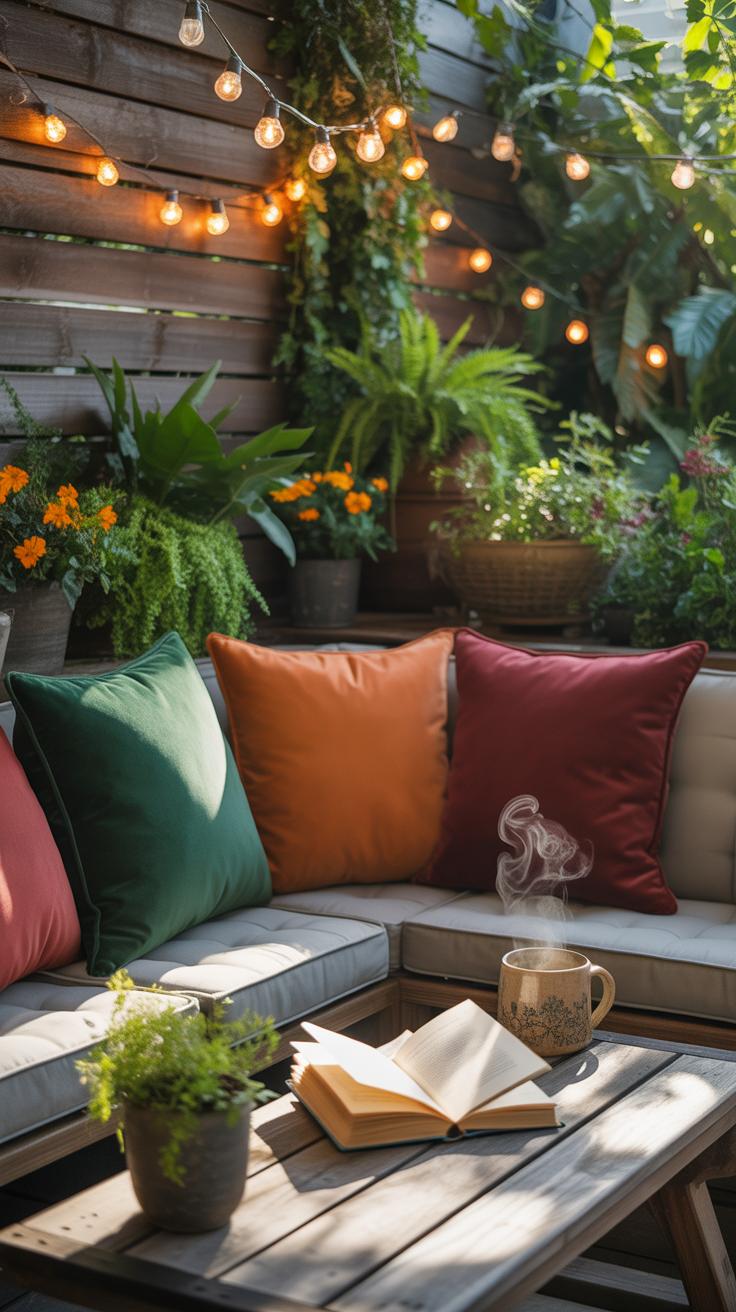
Real-life patios show how different choices create inviting outdoor lounges. Take a small city balcony transformed into a snug nook with a loveseat, throw pillows, and warm fairy lights. The key is simplicity—limited pieces that fit perfectly and feel welcoming. A well-placed rug and low table give it a complete look without clutter, almost like an extension of your living room.
Then, picture a larger backyard patio divided into zones: a dining area with a sturdy wooden table, a fire pit surrounded by cushioned chairs, and a quiet corner with a hammock. Each area serves a purpose, making the space feel thoughtful and lived-in. Mixing materials like wood, metal, and fabric adds texture. What works well here is the natural flow between zones that lets guests move easily, though boundaries are clear enough to create intimacy.
Small Patio Cozy Lounge Setup
Imagine a compact patio that feels roomy despite tight square footage. Key elements include a foldable bistro table and chairs that can be tucked away. Layered textiles—think plush cushions, a throw blanket—make the space feel soft without overwhelming it. A vertical garden or hanging plants add life without using floor space. Lighting comes from a mix of solar lanterns and string lights hung overhead, casting gentle warmth.
The clever use of compact furniture that can be multi-functional or stored means comfort isn’t sacrificed for style. Each piece chosen is purposeful, creating a balanced feel. You might hesitate if such a small spot could really be a lounge, but it can be charming and surprisingly functional.
Large Patio With Multiple Zones
With a sprawling patio, you gain the chance to create specialty zones: one for dining, one for lounging, even a gaming or reading nook. Imagine a cozy dining set on one side with an umbrella for shade, while another side hosts a layered seating area with a sectional sofa and ottomans around a fire pit. The visual separation can be done simply with rugs, planters, or low partitions.
Furniture is substantial but comfortable—think deep cushions, textural fabrics, and durable frames. Bring in elements like an outdoor bar or grill to extend usability. This space is about versatility and accommodating different guests or moods. Despite its size, it shouldn’t feel empty or overwhelming, and each zone should invite use in a relaxed way, though it sometimes risks becoming disconnected if zones are too far apart.
Conclusions
Your cozy patio lounge can become the heart of your outdoor living. By focusing on comfort, lighting, and layout, you create a space that feels inviting and functional. Thoughtful furniture choices and thoughtful decoration make a big difference in setting the mood for your entertaining.
Remember, the best patio is one that fits your lifestyle and preferences. Use the ideas shared here to start your outdoor makeover and enjoy many memorable moments in your stylish patio lounge.