What Is Cottagecore And Why It Makes The Perfect Dream Wedding Decorations Aesthetic
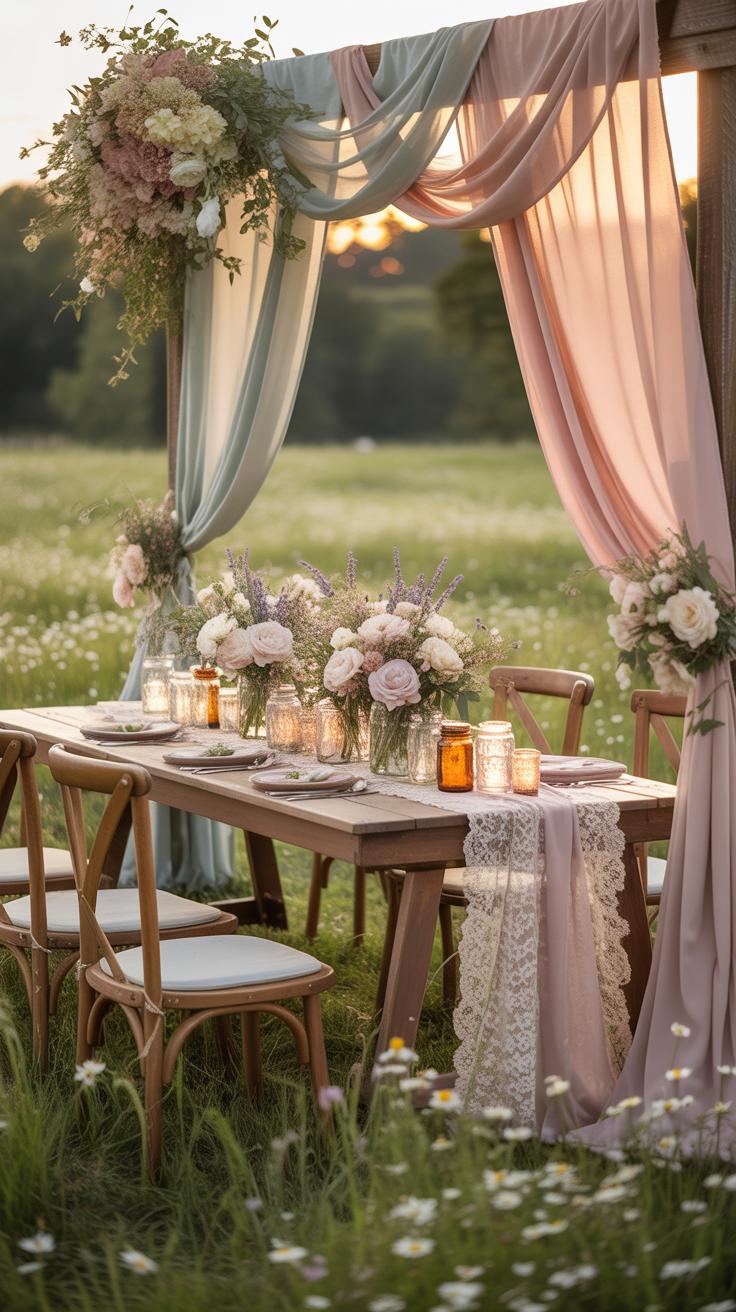
The Origins And Core Values Of The Cottagecore Aesthetic
Cottagecore is an internet design movement that gained massive popularity in the late 2010s. It idealizes a simple life based on rural European tradition. The aesthetic focuses on harmony with nature and self sufficiency. Key influences include English countryside living and 19th century folk art. Its core values center on sustainability and a rejection of modern stress. It uses natural materials like cotton, linen, and wood.
The movement draws heavily from the Arts and Crafts era. This historical period valued handmade quality over mass production. Cottagecore applies these principles to modern visual styling. It emphasizes foraging and botanical knowledge. Modern practitioners use these elements to create a slow living environment. This focus on domestic craftsmanship makes the aesthetic highly adaptable for events. It prioritizes authentic textures and earthy color palettes over synthetic trends.
Why Romantic Brides Are Embracing Cottagecore For Their Wedding Day
Modern brides choose this aesthetic to create an intimate atmosphere. The style moves away from rigid high fashion weddings. It allows for a relaxed and approachable environment. This trend fits perfectly with outdoor venues like gardens and forests. Brides utilize the aesthetic to blend their ceremony into the natural landscape. It offers a practical way to manage costs by using seasonal resources.
The aesthetic supports a highly personalized event. Couples can incorporate family heirlooms and vintage items easily. This creates a unique look that feels grounded and real. The focus on wildflowers and natural light reduces the need for expensive stage lighting. Tactical use of simple fabrics and local greenery keeps the budget low. It transforms a standard party into a cozy gathering. This strategy prioritizes comfort and timeless visual appeal.
Choosing The Ideal Venue For A Forest Theme Wedding Rooted In Cottagecore Charm
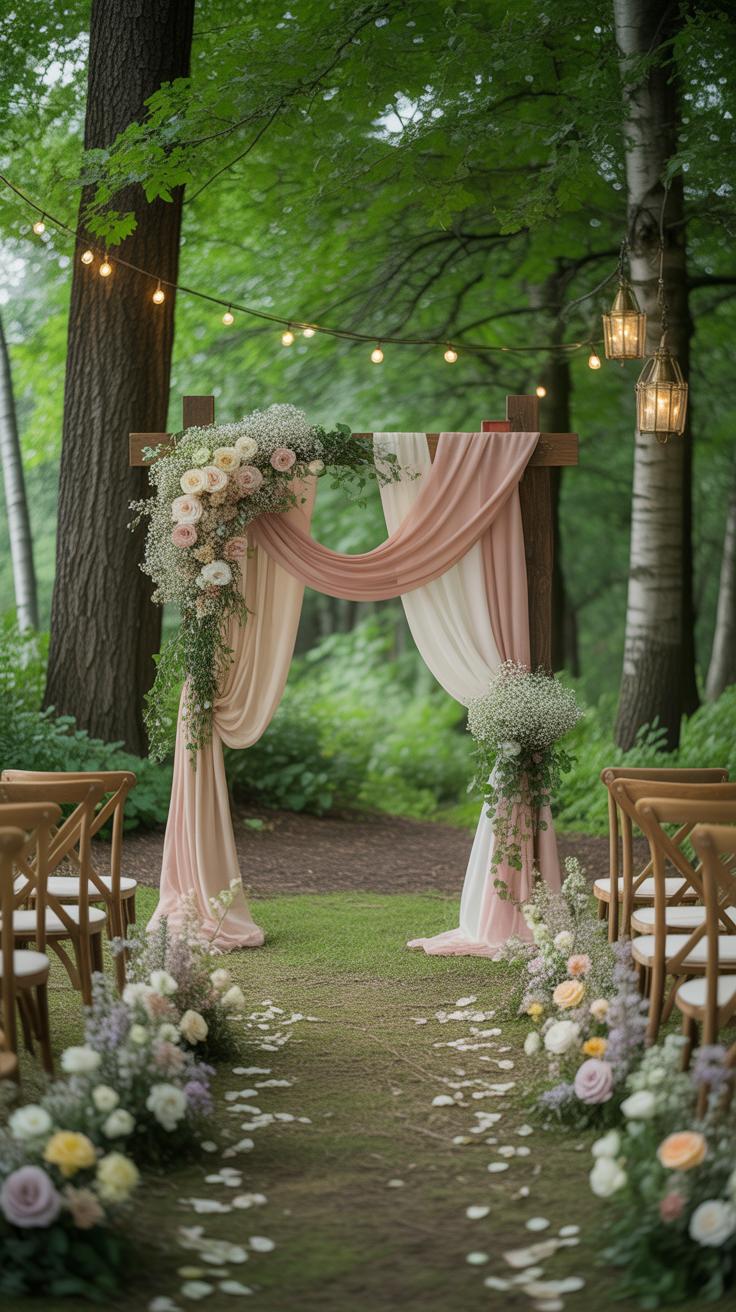
Barns, Meadows, And Woodland Clearings As Cottagecore Venue Options
Select venues that prioritize raw landscape over modern architecture. Historic timber-frame barns provide structural integrity and natural textures like aged oak or cedar. These buildings serve as shelter while maintaining a rural aesthetic. Meadows offer wide sightlines and natural light for daytime events. Woodland clearings provide a tight perimeter of trees. This creates an immediate enclosure for a ceremony. Focus on sites with existing historical character or functional farm history.
Avoid spaces with artificial finishes or modern flooring. True cottagecore relies on the English pastoral tradition of land utility. A working farm or a protected forest grove offers the necessary authenticity. Seek out locations with established footpaths and native flora. This reduces the need for heavy landscaping or imported floral arrangements. The goal is to find a space that exists independently of the event. Choose a site that feels permanent and lived-in.
What To Look For When Scouting A Natural Outdoor Wedding Location
Evaluate the terrain for stability and drainage. Soft earth or uneven meadows present hazards for guests and equipment. Ensure the site has a solid ground cover like crushed stone or short grass. Check for natural windbreaks created by tree lines or low hills. These features protect your setup and improve sound quality. Natural light is your primary tool. Document how the sun moves across the clearing to avoid harsh shadows during the ceremony.
Inquire about power and water access in remote areas. A forest clearing often lacks infrastructure. You must plan for portable generators and water tanks. Look for natural backdrops like rock walls or ancient trees. These elements define the space without requiring additional construction. Check local regulations on open flames and noise. Some forest sites have strict rules to prevent fires or wildlife disruption. Identify clear entry and exit points for logistics.
Celebrating Love Under The Open Sky With Matrimonio AllAperto Inspired Styling
How Open Air Settings Elevate The Cottagecore Atmosphere Naturally
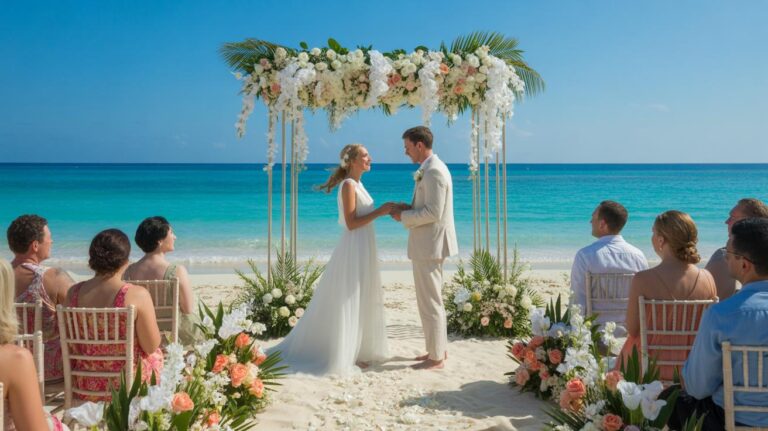
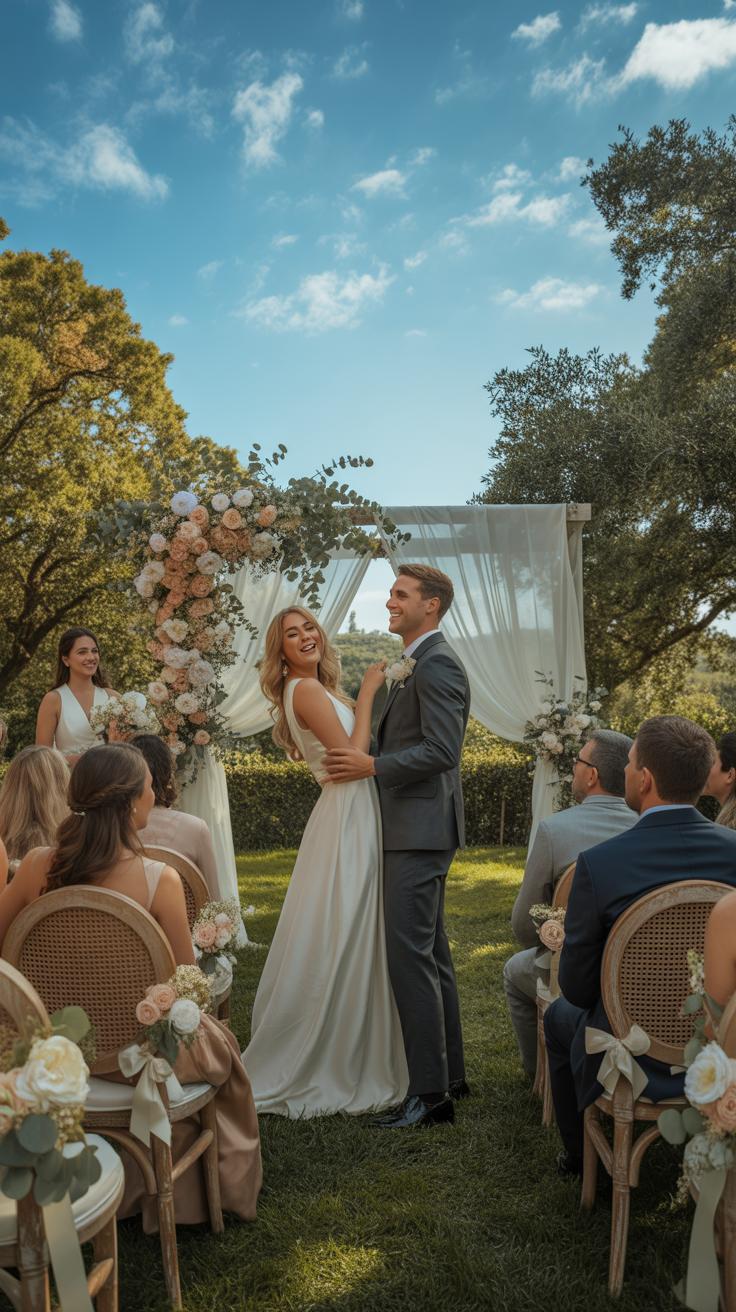
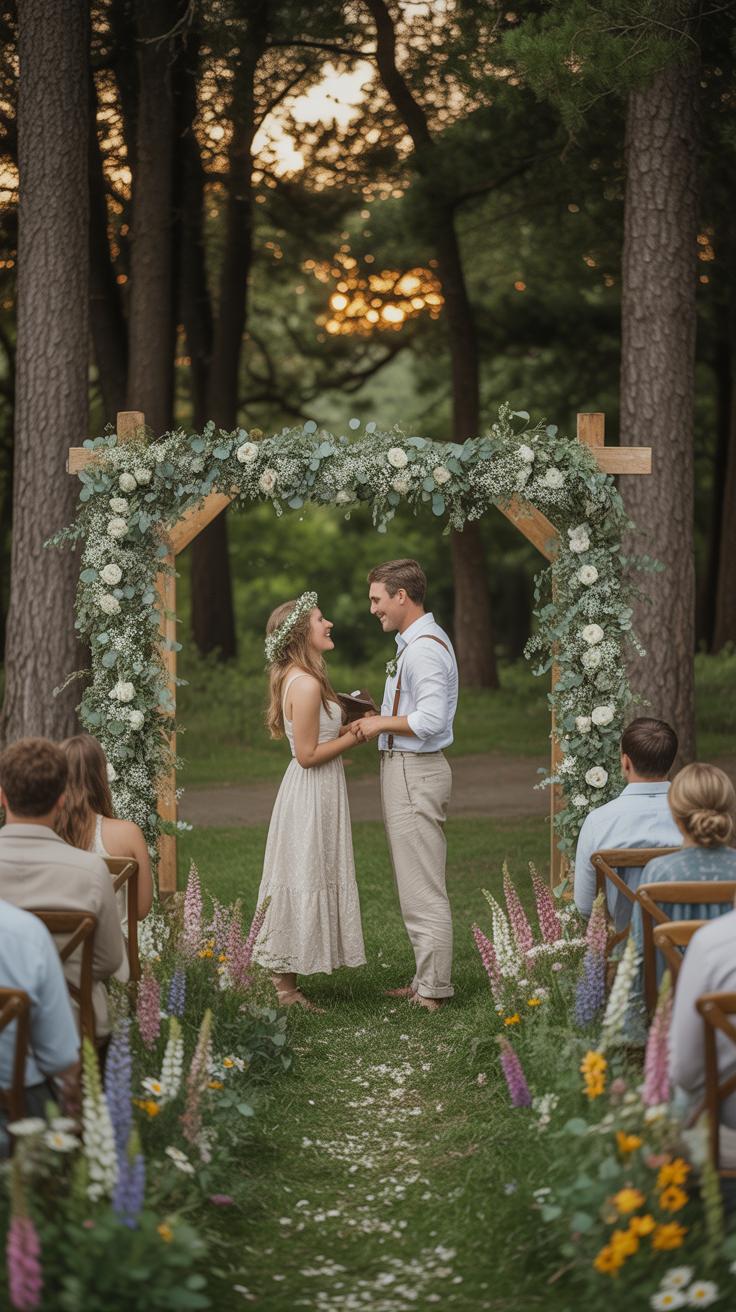
Open-air settings provide the structural foundation for cottagecore aesthetics. The Matrimonio All’aperto concept uses existing landscapes to minimize the need for synthetic decor. Natural light highlights the raw textures of wood, stone, and linen. This environment connects the event to rural traditions. It creates a seamless transition between the ceremony and the surrounding flora. High ceilings of tree canopies offer a grand scale without construction.
Strategic placement of furniture defines the space in a forest or field. Use low-profile wooden chairs to maintain sightlines. Ground the design with vintage carpets on grass to create zones for guests. Natural boundaries like hedgerows or rock walls act as organic walls. This approach reduces waste and relies on the biodiversity of the site. Authenticity comes from working with the land rather than against it.
Seasonal Considerations For Planning An Outdoor Cottagecore Ceremony
Timing dictates the availability of specific botanical elements. A spring ceremony utilizes early blooms like bluebells and hawthorn. Summer offers full foliage but requires shade management for guest comfort. Autumn provides a palette of earth tones and dried grasses suitable for a rustic look. Each season changes the light quality and soil stability. Planners must assess ground moisture levels for heavy furniture and foot traffic.

Practical logistics must account for weather shifts. Use canvas tents or wooden pavilions as backup for rain. These materials align with the historical aesthetic of rural life. Avoid plastic tarps or modern metal structures that break the visual theme. Consider the sunset time to ensure visibility during the vows. Proper lighting ensures safety while maintaining a soft glow. Tactical planning prevents weather from disrupting the core event experience.
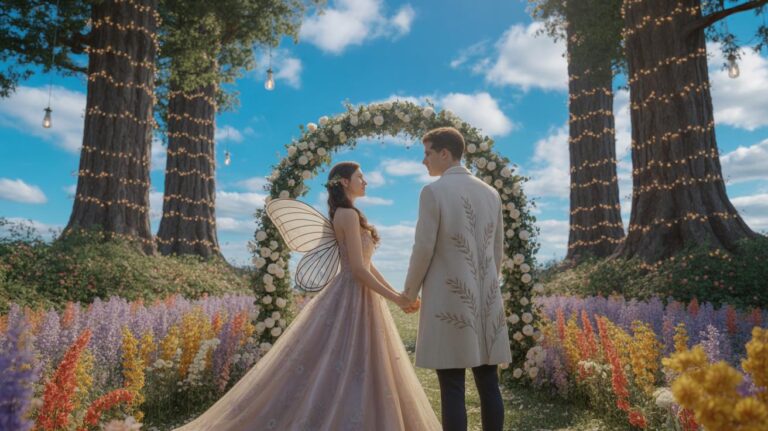
Enchanted Forest Wedding Decor Ideas That Bring Fairy Tale Magic To Your Celebration
Moss, Ferns, And Twisting Branches As Natural Decor Elements
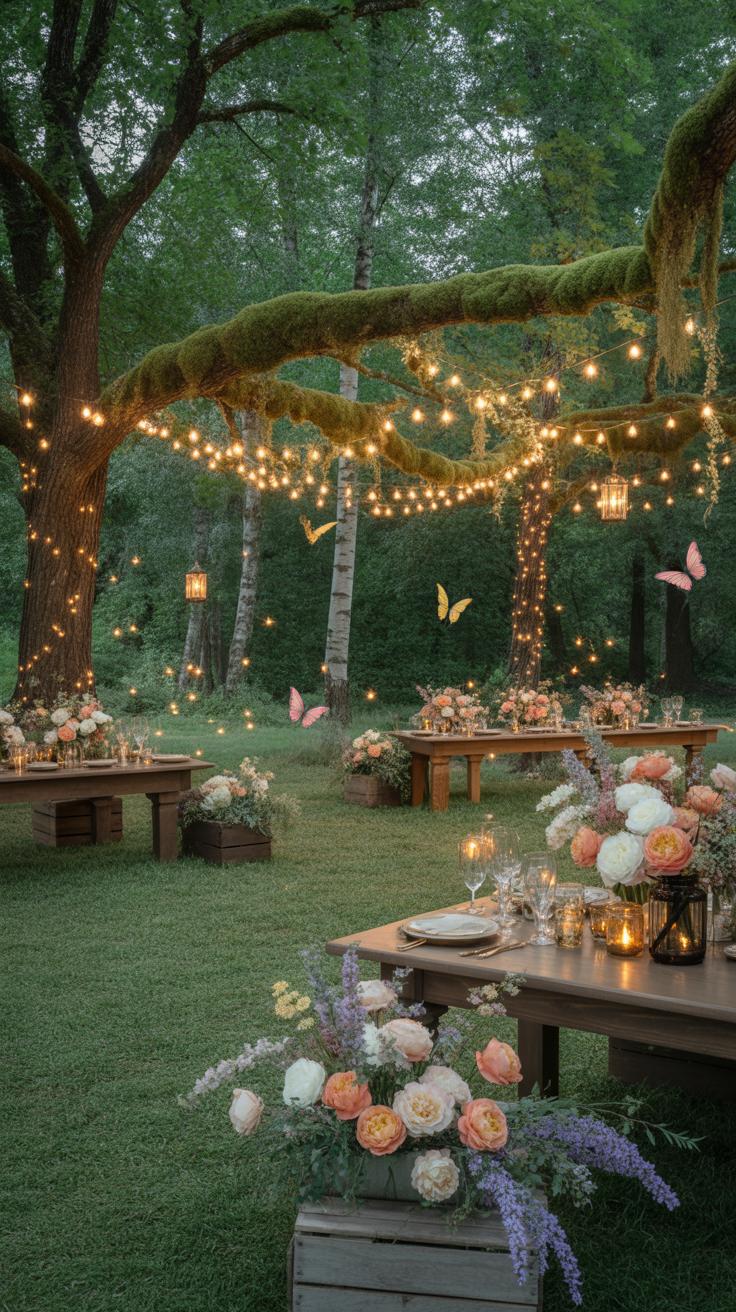
Natural botanical elements define the structure of a forest wedding. Live moss provides a high-moisture ground cover that softens hard edges on tables and altars. Ferns offer architectural depth and heat resistance in shaded areas. Use local wood varieties like birch or oak for authentic texture. These organic materials ground the design in reality. They move the aesthetic away from artificial plastic decorations toward genuine environmental immersion.
Designers use twisting willow or grapevine branches to create height without heavy metal frames. Secure moss to surfaces using floral wire or biodegradable adhesive to ensure stability during the event. Select mature ferns for full foliage density. Place these elements at varying eye levels to mimic a natural forest floor. This approach creates a cohesive visual field. It makes the ceremony space feel like an established woodland grove rather than a temporary set.
Lighting Techniques That Create An Enchanted Atmosphere After Sunset
Effective forest lighting requires a layered strategy to ensure safety and mood. Warm-toned LED strings replicate fireflies when draped through high branches. Position low-voltage uplights at the base of large trees to highlight bark textures and canopy height. Avoid harsh white bulbs that flatten the environment. Use amber or soft yellow tones to maintain a natural glow. This technical choice keeps the focus on the surrounding landscape after dark.
Battery-powered lanterns provide portable light for pathways and seating areas. Solar-powered stakes offer a hands-off solution for remote locations without electrical access. Hide all visible cables under mulch or thick moss to maintain the visual illusion. Place lanterns at different heights to create depth in photography. Proper illumination guides guest movement while preserving the intimate feeling of the woods. Strategic shadows are just as important as the light sources themselves.
Building A Fantasy Wedding Tablescape With Cottagecore Textures And Natural Materials
Essential Materials And Elements For A Cottagecore Fantasy Table Setting
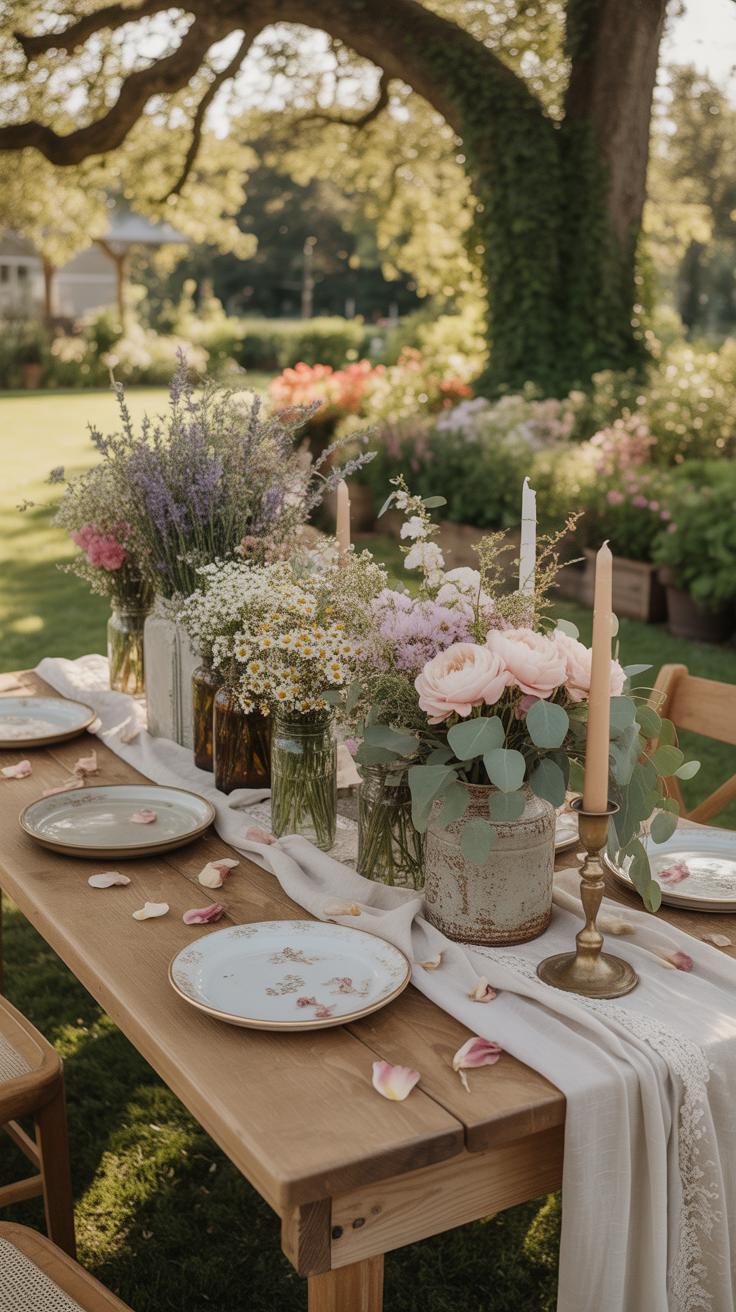
Cottagecore design relies on tactile authenticity. Select materials that suggest a rural, pre-industrial lifestyle. Avoid high-gloss finishes or synthetic fabrics. Use raw wood, tarnished metals, and matte ceramics. These elements ground the fantasy theme in reality. Natural textures provide a sensory experience for guests. Prioritize durability and weight when choosing table components. This creates a solid foundation for the visual theme.
- Reclaimed Wood Tables: Uncovered farm tables provide the most accurate base for this style. The visible grain and physical imperfections eliminate the need for full floor-length tablecloths.
- Antique Brass Candlesticks: Metal accents should show age through a natural patina. Avoid polished gold finishes which look contemporary. Staggered heights create the visual depth needed for a forest-inspired aesthetic.
- Pressed Glassware: Patterns like thumbprint or botanical etchings mimic vintage heirlooms. These catch light differently than plain glass and add a layer of historical detail to each seat.
- Stoneware Plates: Hand-thrown ceramic plates with irregular edges support the handmade ethos. Matte glazes in cream or moss green tones prevent the table from appearing too formal or rigid.
- Dried Florals: Incorporate preserved elements like wheat, lavender, or seed pods. These materials provide a architectural structure that fresh flowers often lack and survive long outdoor receptions without wilting.
Incorporate organic shapes to break up hard lines. Use mushrooms, moss, or stones as functional decor. These items act as transition pieces between structured dinnerware and the natural environment. Keep the color palette rooted in earth tones like ochre, brown, and sage. This ensures the table feels like part of the landscape. Consistency in material quality is essential for a high-end fantasy look.
Deep in their roots, all flowers keep the light. Let your love grow wild and free like a secret garden in the sun.
How To Layer Linen, Ceramic, And Wood For An Organic Reception Table
Start with a wood base to establish the structural tone. Lay a linen runner across the center rather than covering the whole surface. This exposes the wood grain while adding soft texture. Linen is a historically accurate textile that drapes naturally. Place large stoneware chargers directly on the fabric. This layering method builds height and visual interest without adding unnecessary bulk.
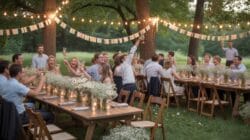
Add personal touches through thoughtful placements. Wrap napkins in twine or velvet ribbon to secure them. Place a single wildflower or herb sprig on top of each ceramic stack. This links the meal to the surrounding nature. Use wooden boards for shared food items like bread or fruit. This encourages a communal atmosphere typical of rural gatherings. Proper layering ensures the table looks curated rather than cluttered.
Wildflower Wedding Theme Florals And Botanical Details For A Cottagecore Bride
Best Wildflowers To Use In Cottagecore Bridal Bouquets And Arrangements
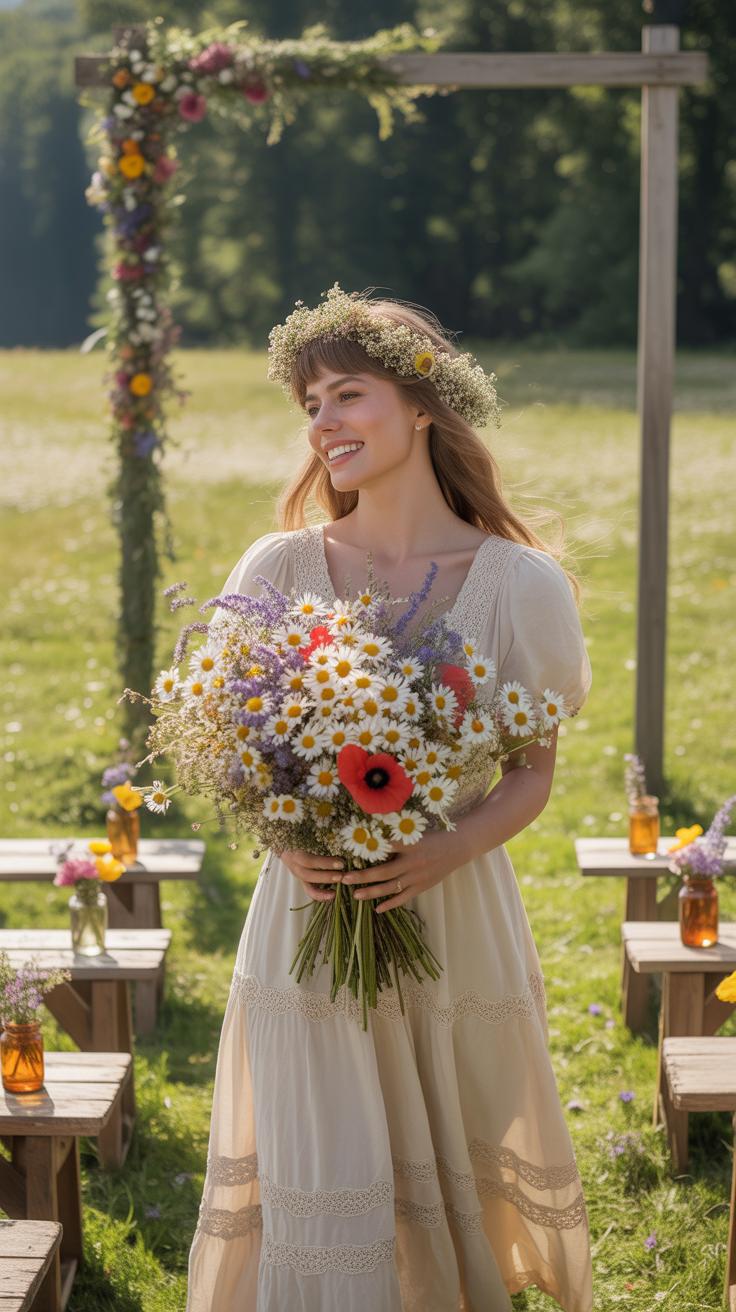
Cottagecore aesthetics rely on seasonal authenticity and regional flora. Wildflowers provide the textures required for an effortless, meadow-inspired look. You must select species that withstand wilting while maintaining a delicate profile. Focus on varieties that offer structural height and organic movement. Use colors found in nature to maintain the fantasy wedding theme. These choices ensure your botanical details feel grounded and historically accurate.
- Cosmos: These annuals offer airy foliage and thin, delicate stems. They provide a sense of movement and come in white, pink, and chocolate hues. They are essential for creating the whimsical, unrefined shape typical of a garden-gathered cottagecore bouquet.
- Queen Anne’s Lace: This wild member of the carrot family features flat, lacy white clusters. It acts as a primary filler. Its intricate pattern mimics antique lace and adds immediate botanical depth to any forest theme wedding arrangement.
- Scabiosa: Also known as pincushion flowers, these blooms have prominent centers and ruffled petals. They provide a distinct texture that breaks up traditional floral shapes. They work well for an enchanted forest wedding due to their unusual, almost magical appearance.
- Nigella: Frequently called Love-in-a-Mist, this flower features fine, needle-like bracts. It produces interesting seed pods after the petals drop. These pods add a rustic, tactical element. They fit perfectly within a wildflower wedding theme that emphasizes the entire plant lifecycle.
- Chamomile: These small, daisy-like blossoms represent the core of the cottagecore aesthetic. They signify simplicity and resilience. Their yellow centers and white petals offer a classic, outside simple wedding look. Use them as accents to fill gaps and add a friendly, rustic charm.
Incorporate local greenery to anchor these specific blooms. Ferns and grasses add weight and bridge the gap between structured flowers and wild elements. Avoid stems that are too stiff or perfectly straight. You want the bouquet to look like you walked through a field and gathered it yourself. Proper hydration is vital for these thinner stems to ensure they stay fresh throughout the ceremony.
How To Work With A Florist To Achieve A Loose Garden Gathered Look
Inform your florist that you prioritize shape over symmetry. Demand a “deconstructed” style that ignores traditional round bouquet rules. Ask for varying stem lengths to create a three-dimensional effect. This technique allows individual flowers to stand out rather than being packed tightly together. Ensure they use organic binding materials like twine or silk ribbons instead of plastic wraps or stiff wires.
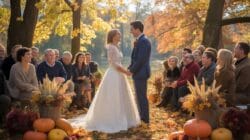
Request that the florist sources seasonal and local stems to ensure peak freshness. Ask for the inclusion of non-traditional elements like berries, herbs, or dried seed heads. These details add a realistic, forage-based quality to the work. Avoid perfectly bloomed, uniform roses. Instead, ask for garden roses in various stages of opening. Clear communication regarding a “no-grid” arrangement method will result in a natural, fluid botanical display.
Dressing The Fairy Wedding Bridal Gowns Accessories And Attire For A Cottagecore Look
Cottagecore Bridal Gown Silhouettes, Fabrics, And Embellishments To Consider
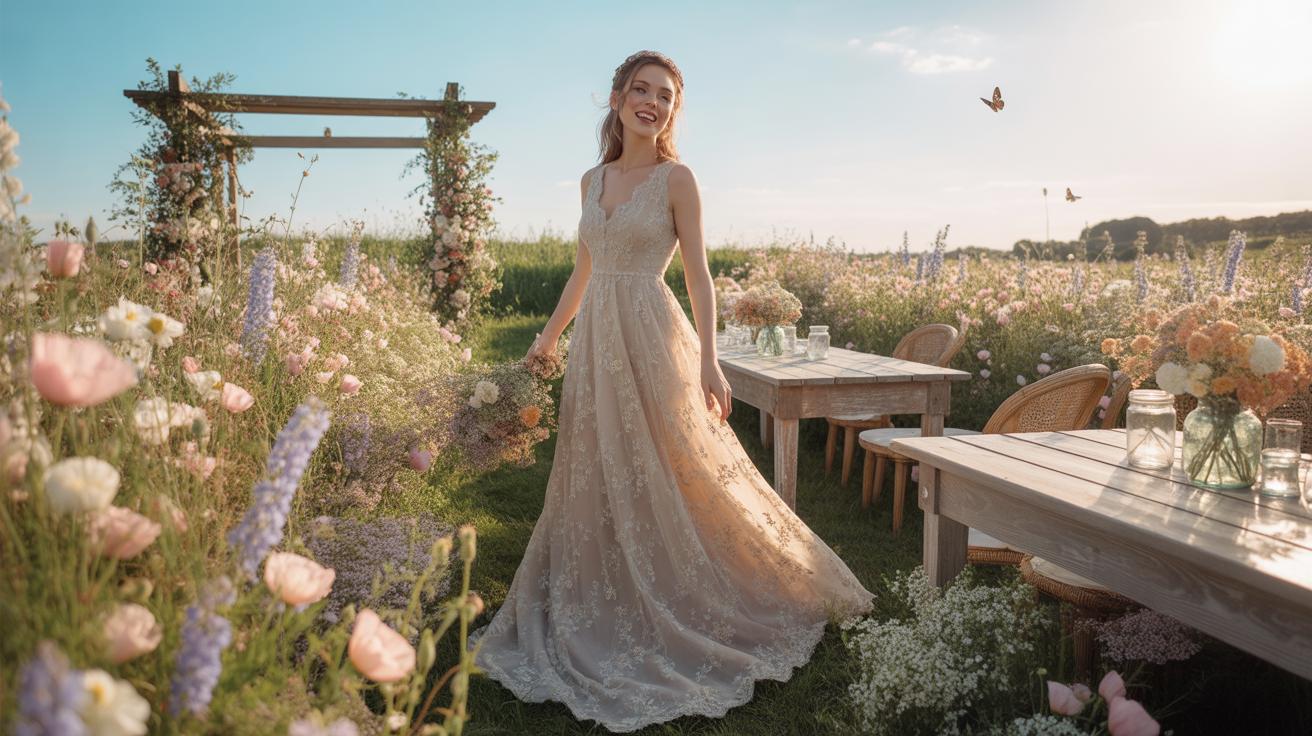
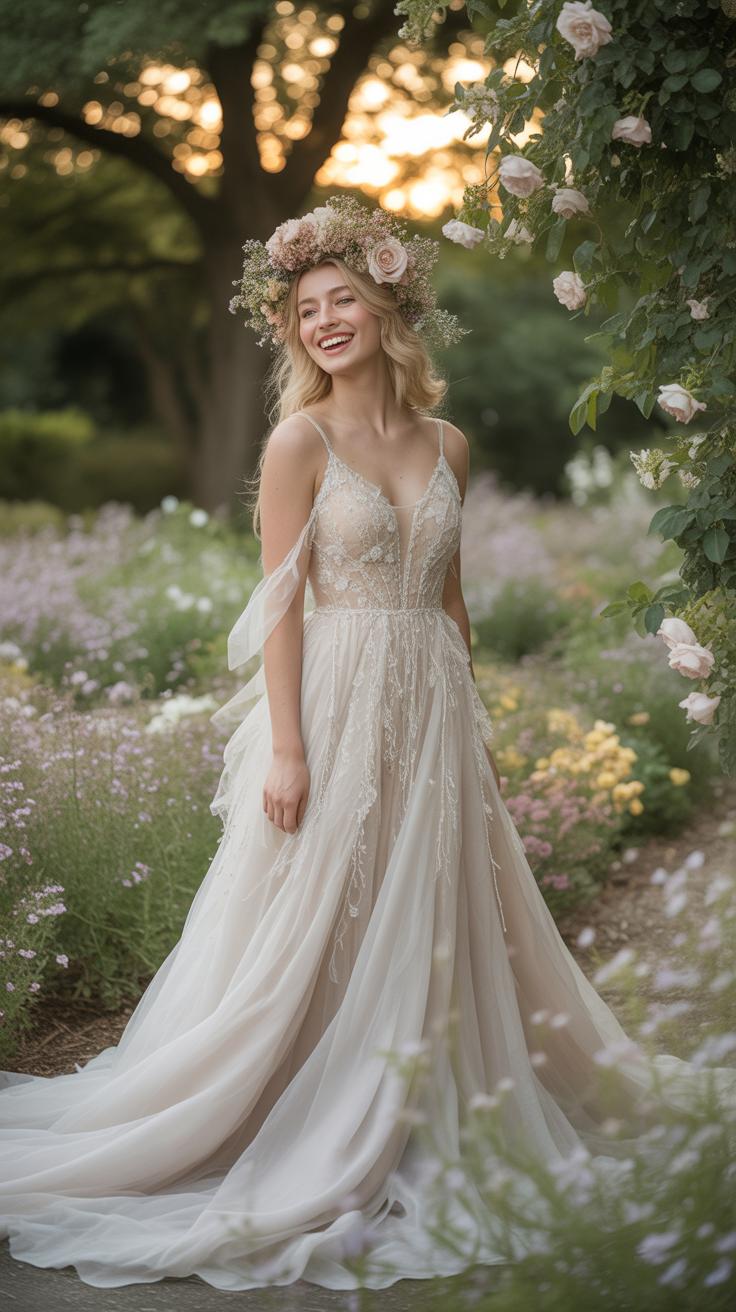
Select silhouettes that prioritize comfort and movement. Empire waists and A-line cuts provide a relaxed fit. These styles draw from Regency and Victorian eras. Avoid structured corsetry or heavy boning. Use lightweight fabrics like breathable cotton lace, linen, and silk organza. These materials handle outdoor environments well. Choose soft cream or ivory tones instead of stark white to maintain a grounded aesthetic.
Focus on texture through specific embellishments. Use Swiss dots, eyelet embroidery, and crochet overlays. These techniques add visual interest without adding bulk. Bishop sleeves and tiered skirts create a vintage feel. Keep the hemline practical for grass or forest floor settings. Ensure the dress allows for full range of motion. This practicality ensures the bride transitions easily from the ceremony to an outdoor reception.
Floral Crowns, Ribbon Sashes, And Nature Inspired Accessories That Complete The Look
Accessories must reinforce the natural theme. Use real botanical elements like waxflowers or dried herbs for headpieces. Metal crowns with leaf motifs offer a durable alternative. Incorporate silk or velvet ribbon sashes in muted earth tones like sage or dusty rose. These define the waist while adding a pop of color. Avoid high heels to prevent sinking into soft soil during outdoor ceremonies.
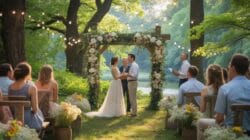
Jewelry should feature organic shapes and motifs. Select pieces with pearls, raw stones, or leaf engravings. Gold and copper metals complement the warm tones of a forest setting. Incorporate heirlooms to add historical depth. Footwear choices include flat leather sandals or lace-up boots for stability. These practical choices ground the look in reality. Simple hair arrangements like loose braids or soft waves hold these accessories best.
Outside Simple Wedding Ideas Planning A Relaxed Forrest Wedding Ceremony On Any Budget
Budget Friendly Cottagecore DIY Details That Feel Intentional And Heartfelt
Source materials from thrift stores to reduce costs. Focus on mismatching vintage plates and embroidered linens. These items reference the English Arts and Crafts movement. Use wooden crates and glass jars for decor. These materials appear authentic in a natural setting. Avoid plastic or mass produced items. Natural wood and cotton fabric look better in a forest. They fit the cottagecore style without requiring a large budget.
Forage for local greenery to build your floral arrangements. Use ferns and branches found on the forest floor. Select wildflowers that grow in the current season. This ensures the decor matches the surroundings perfectly. Hand write place cards on heavy cardstock or dried leaves. This small touch adds personalization. It shows careful planning without high costs. Simple DIY projects create a cohesive look. They make the space feel lived in and warm.
How To Keep The Day Intimate And Unhurried While Still Feeling Beautifully Curated
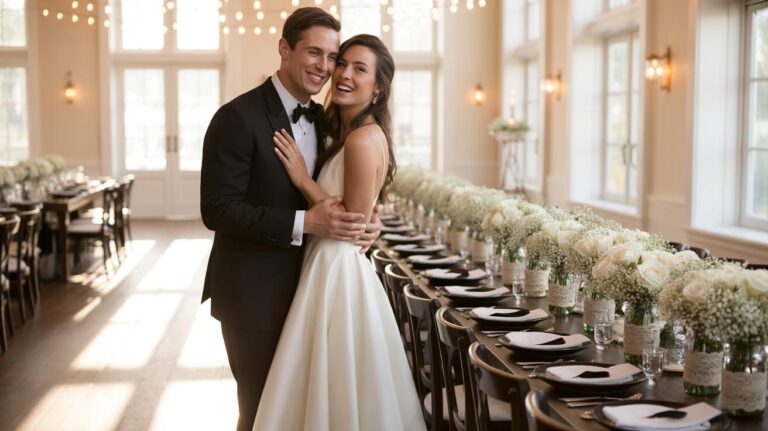
Limit the guest count to ensure a quiet atmosphere. Small groups allow for deeper conversations. Choose a single location for both the ceremony and the meal. This eliminates travel stress for everyone. Use long communal tables to encourage fellowship. Family style dining reduces the need for formal service. It creates a relaxed pace for the evening. An unhurried schedule lets people enjoy the natural environment.
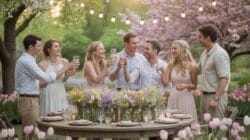
Designate specific areas for rest and reflection. Place vintage rugs and floor cushions on the ground. This setup creates a cozy lounge area under the trees. Use soft lighting like candles or string lights to define the space. Avoid loud music or complex electronics. Stick to acoustic sounds for a true forest feel. Curate the day by focusing on quality over quantity. A few well placed items make a bigger impact.
Frequently Asked Questions

What exactly defines a cottagecore wedding style for a modern bride?
At its heart, cottagecore is an aesthetic that celebrates a simple, romanticized life in harmony with nature. For a bride, this means prioritizing nostalgia and whimsy over modern formality. Popular cottagecore wedding ideas include utilizing lush garden settings, wearing ethereal lace dresses with puff sleeves, and incorporating wild, unstructured floral arrangements. It is all about creating a cozy, fairytale atmosphere that feels intimate, effortless, and deeply connected to the natural world.
How can I incorporate cottagecore wedding ideas into my venue and decor?
To achieve this look, focus on organic textures and vintage charm. Start by choosing an outdoor location like a meadow, orchard, or botanical garden. Decorate your tables with mismatched antique china, wildflower centerpieces, and linen runners. You can further enhance the theme by hanging string lights or lanterns from low tree branches. These practical cottagecore wedding ideas help transform any basic outdoor space into a magical, storybook setting that feels both rustic and refined.
Can I achieve a beautiful cottagecore wedding on a limited budget?
Absolutely! This aesthetic thrives on a “found and gathered” feel, making it perfect for budget-conscious couples. Instead of expensive rentals, source decor from thrift stores or your own garden. Foraging for greenery, using dried petals for confetti, and hosting a “potluck” style dessert table with homemade pies are excellent ways to save. By leaning into DIY elements and vintage charm, you can execute stunning cottagecore wedding ideas without overspending on professional vendors.