The Trojan Horse Topper: Hiding Your True Intentions
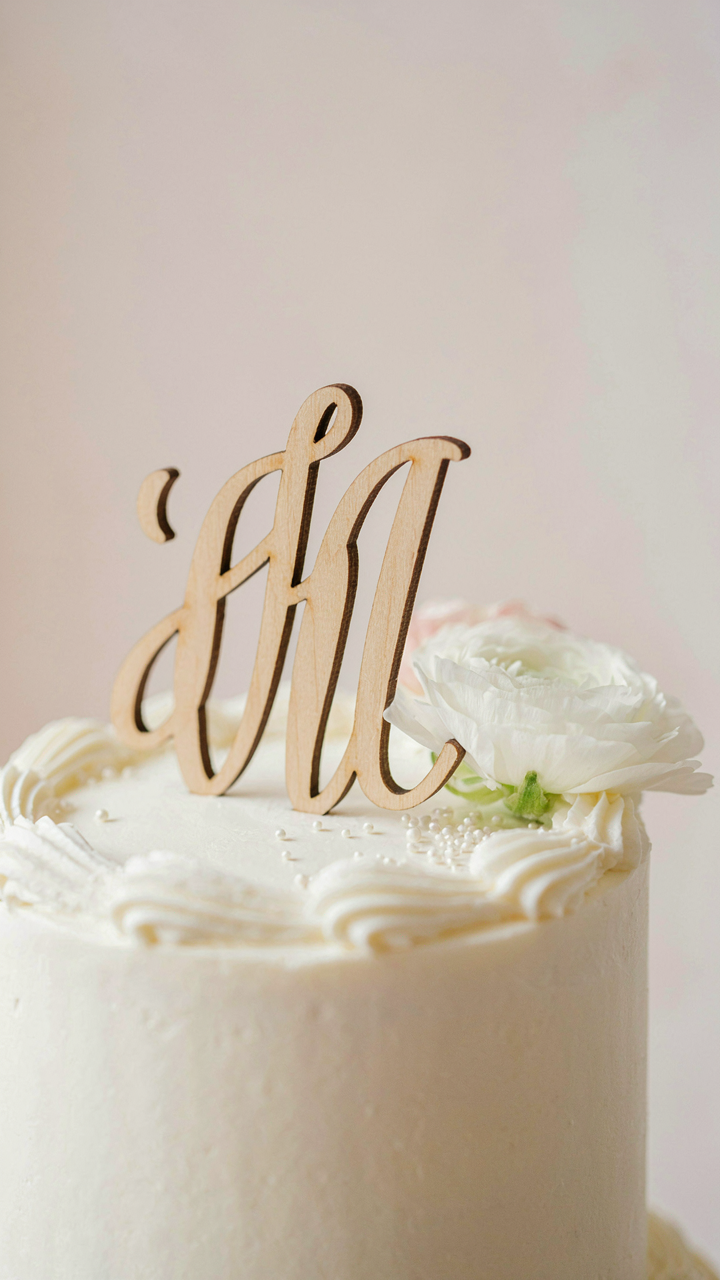
The Real Reason You’re Reading This
You want to look resourceful without admitting you’re uncomfortable spending money on decorative objects. Here’s the actual mechanism: DIY wedding cake toppers work because they function as conspicuous restraint. In consumer economics, this is called signaling through refusal. You’re not just making something cheaper—you’re broadcasting that you value intention over transaction. Mass-produced toppers scream “I outsourced the meaningful part.” A handmade one whispers “I chose what matters.”
The wedding industry exists to monetize a single day by convincing you that buying solves the problem of significance. A DIY topper breaks that formula because it rejects the premise. You stop asking “where do I buy authenticity” and start asking “what do I actually want to communicate about us.” That shift changes everything about how you approach the cake, the wedding, and what you think the day requires.
The Consensus Play Fails Here
Everyone tells you to buy toppers because it’s easy to photograph and sell. But easy and meaningful operate in opposite directions. An off-the-shelf topper comes pre-loaded with someone else’s assumption about what love looks like—usually saccharine, often generic. You unbox it and it looks like ten thousand other weddings because the factory designed it that way. The moment you assemble it, it becomes invisible to anyone actually paying attention.
A DIY topper forces you to make decisions that reflect actual choices: materials you touch, proportions you debate, details you defend. These micro-decisions create friction. Friction creates memory. When guests see it, they don’t see a cute cake decoration—they see evidence that you constructed meaning instead of purchasing it. That’s the real product you’re selling them on your cake.
Deconstructing The Pinterest Perfect Illusion
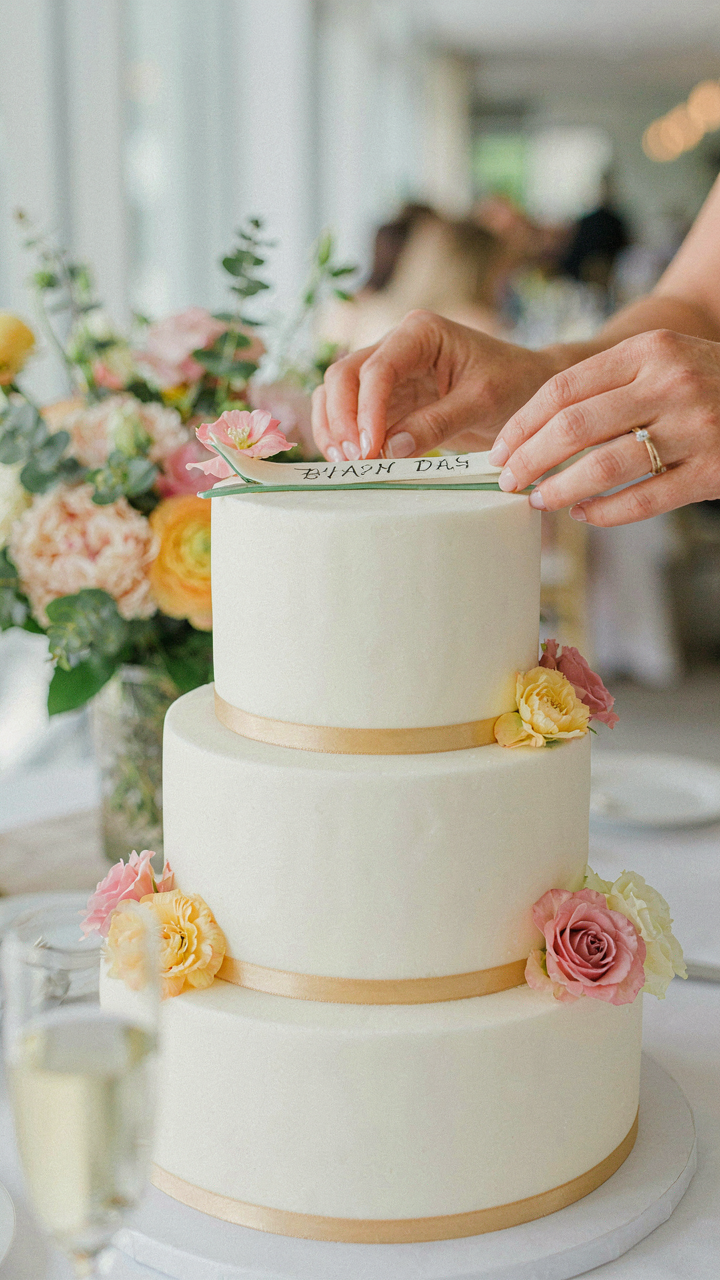
The Cost Of Curated Phoniness
You’re scrolling through wedding cake toppers because you want people to think you have taste without doing the work to develop it. That’s the real mechanism at play. Pinterest operates on a signal amplification system borrowed from marketing: the most visually extreme content rises, not the most practical or authentic. A hand-painted wooden topper with intentional imperfection never gets the same engagement as a flawless acrylic monogram. The algorithm rewards polish over personality. You see those polished toppers everywhere, assume that’s the standard, then spend money replicating a curated fiction instead of building something that actually matches your wedding.

The financial trap is straightforward. A “Pinterest-worthy” topper from a boutique seller runs 80 to 150 dollars. You pay for the curation tax, not the materials. Someone else already did the emotional labor of choosing the right shade of blush or the exact font pairing. You’re buying their aesthetic decision-making, not a superior product. A DIY topper built from materials you source yourself costs 15 to 40 dollars and requires only a few hours. The difference isn’t quality. It’s whether you’re paying for someone else’s taste or building your own.
Authenticity As Your Competitive Advantage
Real marriages don’t look like Pinterest boards. Neither should your topper. In design history, the Arts and Crafts movement rejected industrial uniformity by celebrating the visible hand of the maker. Your DIY topper has the same advantage: it shows intentionality, not just spending power. A slightly uneven wood-burned initial or a hand-lettered name tells the actual story of your wedding. It’s proof you cared enough to build something instead of ordering it. That matters to the people who matter. Generic mass-produced toppers signal no preference at all.
Your competitive advantage here is simplicity of execution paired with genuine personalization. You’re not competing for the most visually complex topper. You’re making something that only your wedding could have. A basic wooden shape with your initials burned in, a simple paper banner with your names, or flowers from your bouquet pressed into a holder. These work because they’re honest. Stop trying to replicate the curated aesthetic. Start asking what a topper looks like when it reflects your actual wedding instead of someone else’s brand.
The Memento Mori Method For Diy Cake Topper Wedding
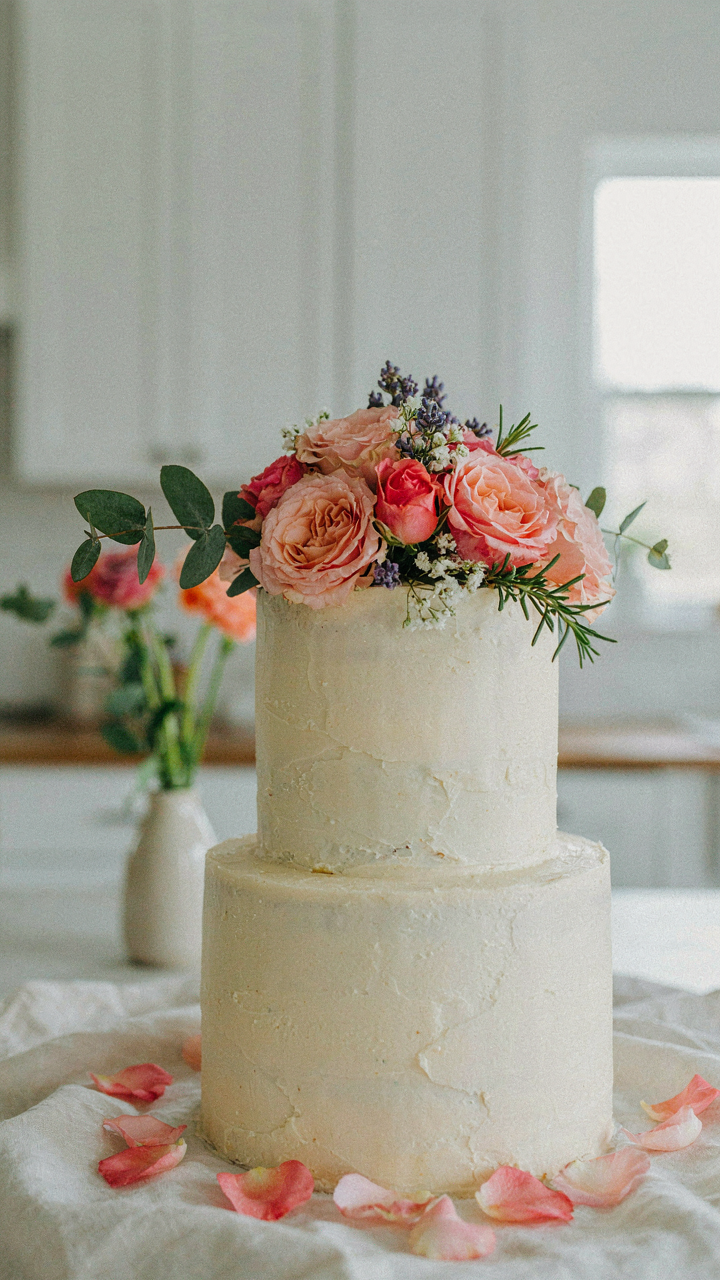
What Actually Dies On Your Cake
You want your cake topper to last forever. That fear drives most DIY decisions toward plastic, resin, and acrylic. But here’s the mechanism biology teaches us: systems designed to persist often calcify and lose meaning. A topper built to survive the decade becomes invisible the moment you keep it. The alternative is to design for impermanence instead.

A cake topper engineered to fade, wilt, or dissolve within hours forces intentionality into every element you choose. You’re not building an heirloom. You’re building a moment. This reframes what materials matter. Dried flowers, fresh herbs, hand-cut paper, delicate sugar work, and even real fruit become viable because their limitation is the point. The topper dies with the celebration.
Living Materials That Work
Fresh florals and edible elements don’t belong in the “budget hack” category. They’re the premium choice disguised as economy. Florists charge hundreds because fresh stems demand precision timing, water systems, and replacement logistics. Your DIY version skips that complexity by accepting the topper won’t outlast the event.
Use what you have access to: garden roses from a friend’s yard, herbs from your kitchen, seasonal berries, or even vegetables if your cake’s aesthetic supports it. Paper toppers hold up for two to four hours before humidity warps them. Wooden picks, untreated and thin, splinter and eventually compost. The material’s weakness becomes its asset. You craft knowing these pieces will return to nothing, which means you pick what’s honest instead of what photographs well for social proof.
Beyond Figures: The Diy Wedding Topper As Narrative Device
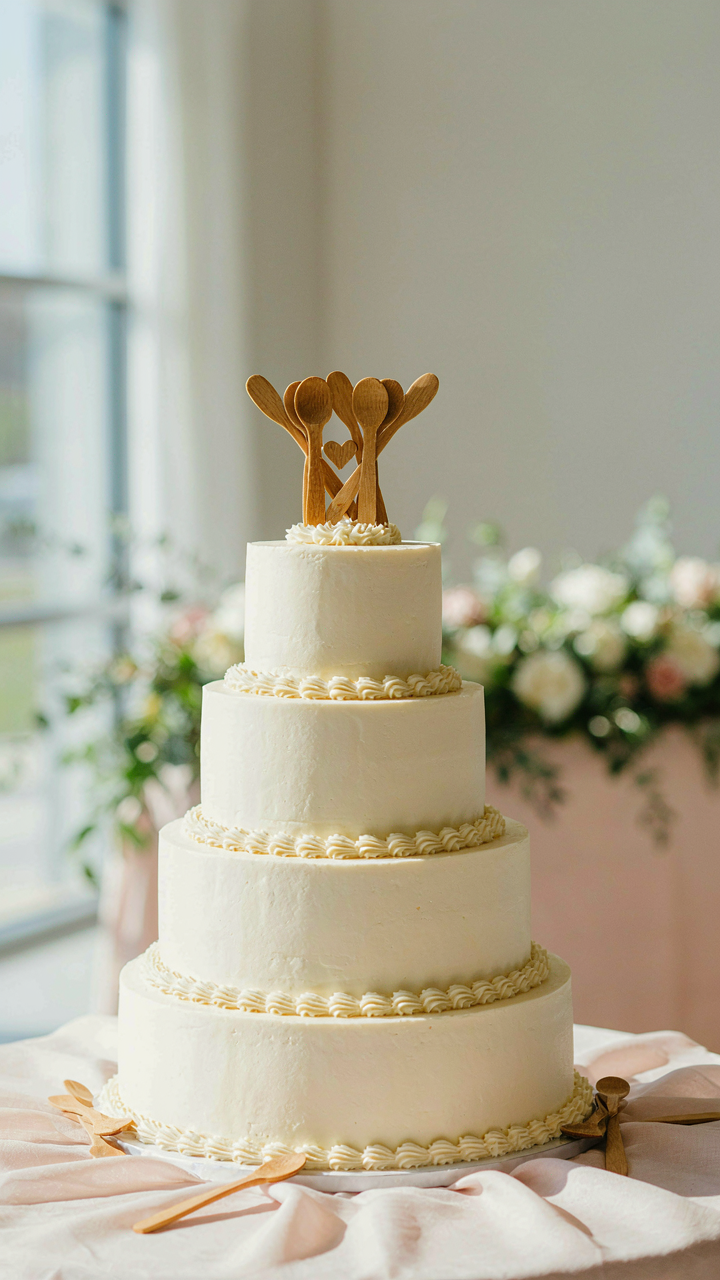
What Your Cake Actually Says About You
You want people to remember your wedding for a reason beyond attendance. The topper is where that happens. Most couples waste this real estate on generic figurines because they think decoration and meaning are separate things. They’re not. Semiotics, the study of signs and symbols, teaches us that every object communicates. Your topper functions as a sign. The mechanism is simple: a topper doesn’t just sit on cake—it anchors a story about who you are as a unit, and guests read it before they taste a single bite.

The real work isn’t finding something cute. It’s choosing something that does the labor of explanation without needing you to point at it and narrate. When you pick materials, shapes, or objects that reference something true about your relationship, you’re not being sentimental. You’re being efficient. You’re replacing small talk with visual proof. A topper that reflects a shared hobby, origin story, or inside joke transfers meaning instantly. Guests see it. They understand something real about the marriage before the reception begins.
Objects Over Ornament
Forget the advice that says to match your topper to your theme or color palette. That’s decoration thinking, not communication thinking. The most effective toppers aren’t pretty—they’re specific. They use objects that already carry weight in your relationship or culture. A ceramic piece shaped like your dog works because the dog is real. A vintage key works because keys mean something. A custom figurine of you two in your actual wedding clothes works because accuracy matters more than idealization.
The constraint of the DIY approach actually forces better choices. You can’t afford a five-figure custom sculptor, so you adapt. You use what exists. You combine materials. You repurpose. A wooden spoon you both used in your first apartment. Photos printed and sealed under resin. Objects from your hometowns. Your topper becomes an artifact instead of a decoration. Guests don’t just see a cake accent. They see evidence. That’s the mechanism: specificity creates credibility, and credibility creates memory.
Cricut Wedding Cake Topper Diy: Precision Vs. Personality
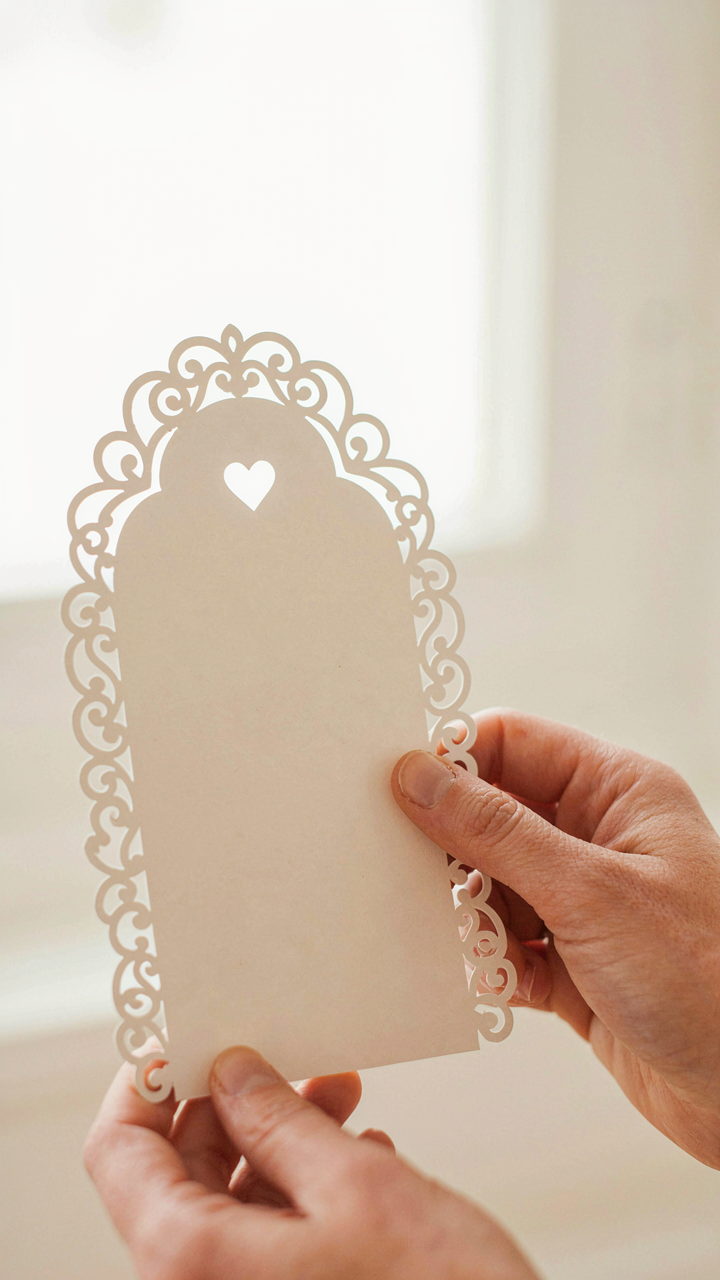
When The Machine Doesn’t Own The Design
You want a Cricut because you believe it removes risk. Here’s what actually happens: the machine exposes every design choice you didn’t make yourself. The real mechanism at work is constraint-based creativity, borrowed from systems design. Your Cricut operates within fixed parameters—blade depth, cut speed, material thickness—just like a constraint forces a system to behave predictably. The tool doesn’t create freedom. It exposes whether you have an actual vision or you’re just shopping for templates.

Most people buy a Cricut, download a free cake topper file, and cut it. That’s not design. That’s assembly. The precision you get from the machine only matters if you’ve already decided what you want cut. Start by sketching your topper at actual size on paper. You need to know the proportions, the negative space, the balance before the blade ever touches material. A Cricut cuts what you tell it to cut, nothing more.
Custom Fonts Over Downloaded Templates
The common advice says pick a template and modify colors. That’s lazy. Your cake topper reads at arm’s length in a specific light, on a specific cake, surrounded by specific flowers and plate colors. A downloaded font file doesn’t account for any of that. Typography is information hierarchy. The typeface you choose tells guests what matters most on your cake—the names, the date, an inside joke. Most templates use sans-serif defaults because they’re neutral and safe. Neutral is forgettable.
Here’s the mechanism: custom fonts work because they’re designed for your specific constraints. If you’re cutting acrylic, thin serifs will snap. If you’re using paper, delicate letterforms hold detail. Open a font editor like Glyphs or even free tools like FontForge. Import your chosen typeface. Modify the weight, spacing, and height to match your cake dimensions and the thickness of your material. Then cut from your own file. Your topper becomes recognizable as yours, not as a product someone else made first.
The Minimalist Impact Protocol For Wedding Cake Toppers Diy
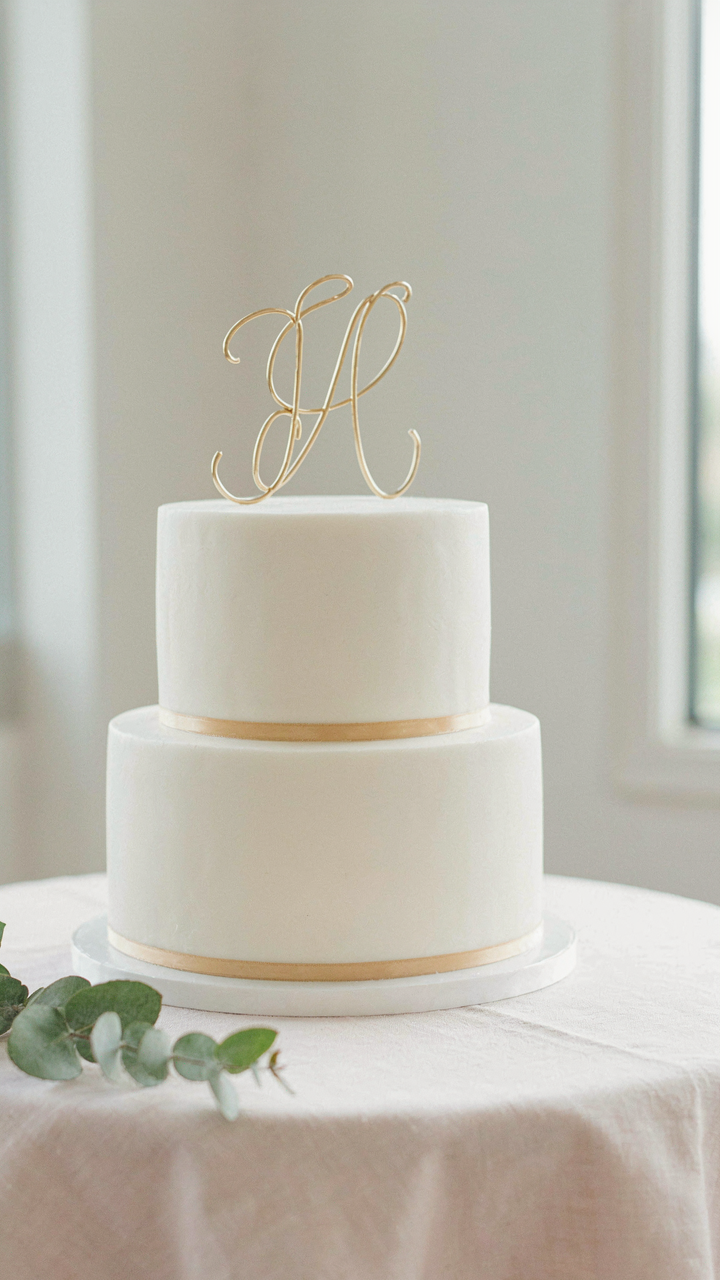
Constraint Breeds Resourcefulness
You want to look intentional, not broke. That’s the real driver here. The mechanism is this: constraint forces specificity. In design systems, constraint acts like a filter—it removes the noise that kills impact. One well-chosen element beats ten mediocre ones every time because your eye lands somewhere instead of nowhere.
A DIY cake topper with three intentional pieces outperforms a cluttered store-bought version because you made a choice about what matters. Wood, wire, or paper—pick one material and own it. Strip everything else away. The cake topper becomes memorable because it communicates something, not because it fills space. This is the opposite of what most people default to.
Single Element Maximum Effect
Forget the advice about “layering textures and building depth.” That’s for people with budgets and production timelines. You need leverage: one dominant visual that carries the entire load. A silhouette achieves what detailed carving cannot because it reads from six feet away and costs nothing to execute.
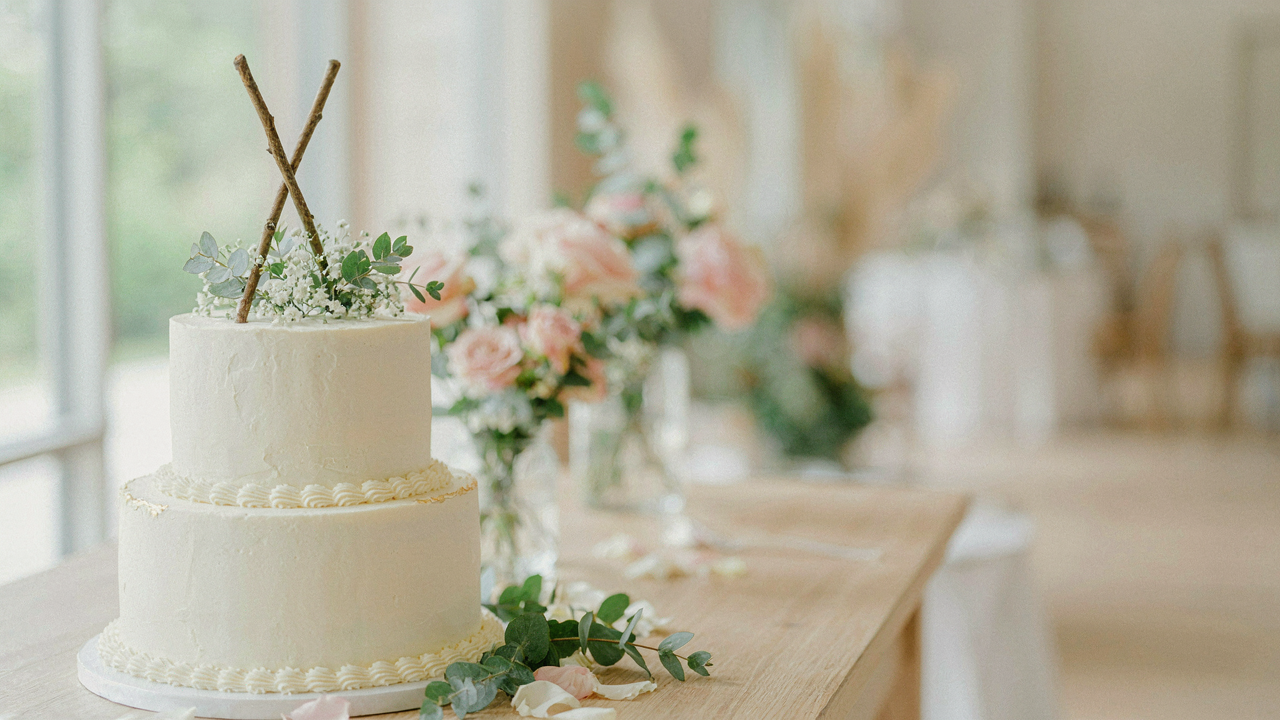
The math here is brutal but true. A laser-cut paper silhouette or a single wood slice costs five dollars and commands attention because it’s uncluttered. A fabric banner, a hand-lettered wire name, or a branch pulled from your yard placed vertically—these work because they demand interpretation instead of distraction. Build your topper around one strong form. Everything else supports or disappears.
Polaroid Cake Topper Wedding: Capturing Raw Moments
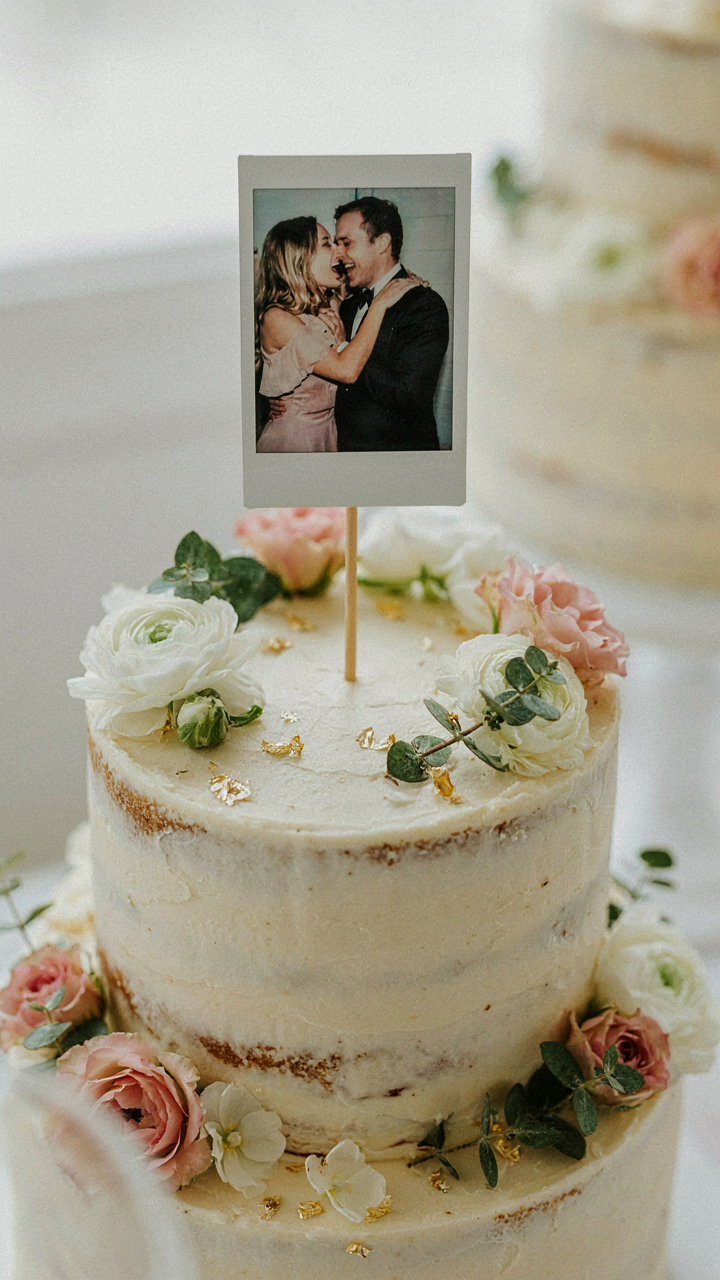
Why Polaroid Moments Work Better Than Posed Shots
You want proof your wedding was real, not staged. That’s the actual reason you’re drawn to this approach. Polaroid aesthetics tap into a psychological mechanism called authenticity bias. People trust imperfect, immediate images more than polished ones because they signal less manipulation. The film stock itself creates this perception: the frame, the fade, the chemical imperfection all read as “this happened, captured as it was.” Your guests will remember the candid moments on that cake topper longer than they’ll remember the formal portraits.

The mechanism here is simple. Instant film creates temporal proof. You took the photo, it developed in front of witnesses, no Photoshop possible. A Polaroid shot of your first dance or your partner laughing during vows on a cake topper tells a story faster than any staged image could. Print Polaroid-style photos from your phone using services like Polamatic or Impossible Project, then mount them on foam board, wooden dowels, or cardboard cutouts sized to your cake proportions. The cost runs fifteen to forty dollars depending on print volume.
Building The Unposed Archive
The common advice is to assign someone to capture “candid moments.” That’s incomplete. You need a system that guarantees capture without choreography.
- Disposable camera station: Place a single-use film camera at the cocktail hour with a note asking guests to shoot freely. Process the negatives after the wedding and select the strongest frame for the topper.
- Phone relay method: Have three people across the venue each tasked with one hour of continuous phone photography. They share shots via AirDrop or a shared album for real-time selection.
- Pre-ceremony candids: Capture your partner getting ready, not smiling at the camera. These images carry weight because no one expects to find themselves unguarded on wedding cake toppers.
- Reaction shots during ceremony: Position someone to photograph your faces during vows or the first kiss from a non-obvious angle. These moments contain genuine emotion because you’re focused on each other, not the lens.
- Reception unpredictability: Shoot during toasts, dancing, and eating when people forget they’re being documented. These frames show how your community actually celebrates with you.
Print your selected image at 4×5 or 4×6 dimensions using a color printer or local lab. Mount it to a sturdy backing material like museum board or foam core with double-sided tape or spray adhesive. Secure wooden dowels or thick wire to the back using hot glue or epoxy for cake insertion. Test the weight ratio before the reception to ensure the topper doesn’t topple under its own mass or cake pressure.
Diy Romantic Cake Topper: Rejecting Cliched Sentimentality
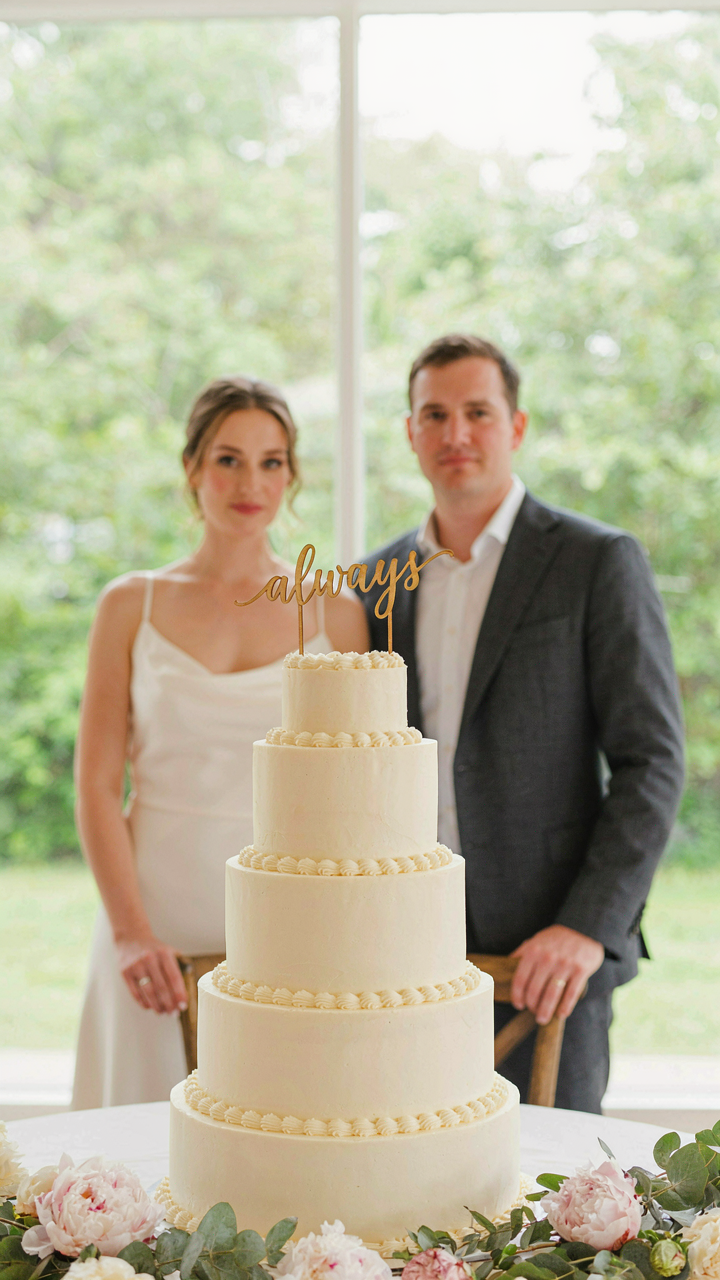
What Romance Actually Means To You
You’re reading this section because you’re afraid a store-bought topper will signal that you didn’t care enough to make something yourself. The mechanism is simple: you’ve conflated effort with authenticity. Romance isn’t a standardized emotion you purchase or replicate from Pinterest. It’s the specific, ungeneralized way two people actually connect. Most couples outsource this decision to mass-market sentimentality because defining their own version feels risky. It requires naming what matters to them instead of borrowing someone else’s language.
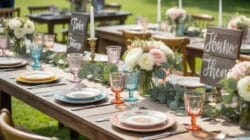
Start by asking what moment, inside joke, or shared value actually moved you two together. Not what looks good in photos. Not what your mother expects. What made you choose this person? A DIY topper built on that answer will feel different than any professionally manufactured piece because it carries specificity. Specificity is the only real romance available. Everything else is theater disguised as emotion. Build from there.
Signal Versus Substance In Your Design
Borrowed from marketing and brand strategy, the concept of signal applies directly here: you’re choosing between signaling what romance should look like versus building what romance actually means to you. Most cake toppers signal. They broadcast the expected image to the room. A store-bought Mr. and Mrs. topper signals marriage. A custom topper signals you invested time. But invested time for what reason? If the reason is the signal itself, everyone knows. The topper becomes an artifact of performance, not connection.
Authentic toppers emerge when you build the object around a real inside reference, shared memory, or honest detail about how you relate to each other. This doesn’t require artistic skill. It requires naming one true thing and materializing it. Whether you use laser-cut acrylic with a specific quote, hand-painted wooden figures based on an actual photo, or found objects that represent something meaningful to both of you, the mechanism is identical: the topper reflects decision, not decoration. Start by writing down three moments or truths about your relationship. Pick one. Build the topper around that choice, not around what a topper is supposed to be.
The “Zero Waste” Diy Wedding Cake Topper Tutorial
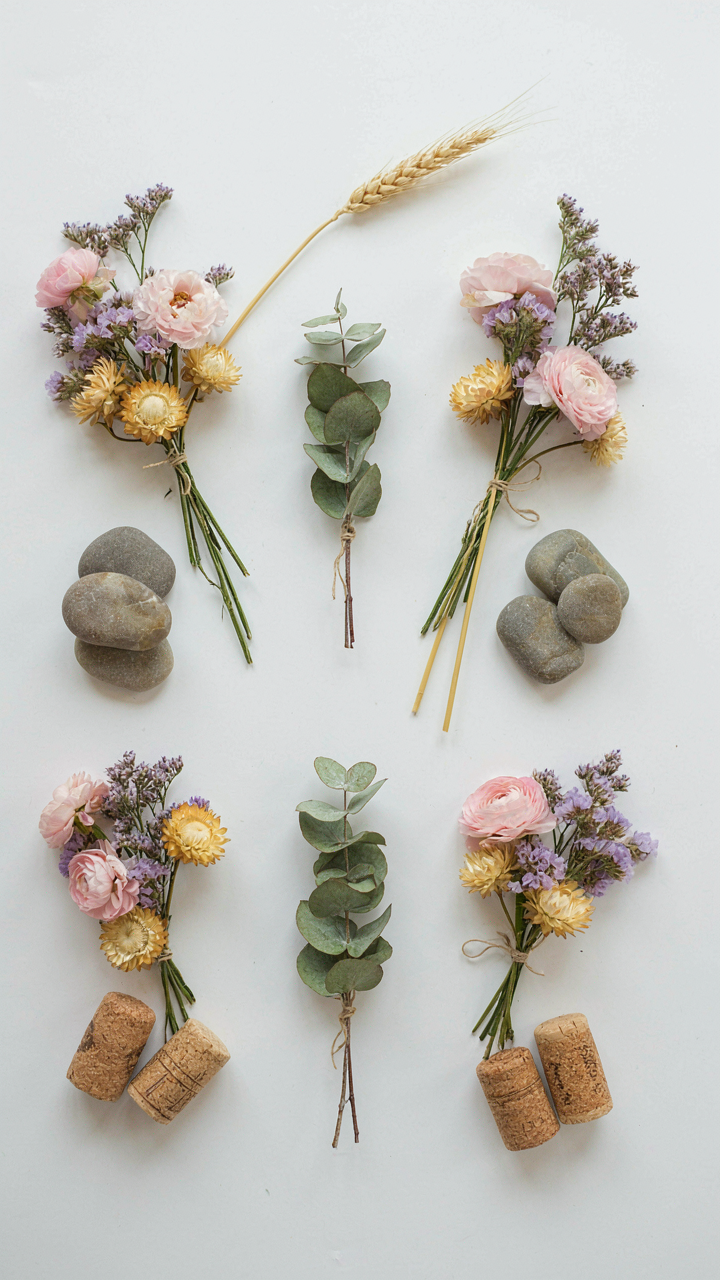
What You Already Own Is Better Than What You’ll Buy
You want to feel resourceful without actually changing your spending habits. Here’s the mechanism: scarcity creates perceived value. When you build a topper from existing materials, your brain treats it as premium because you invested time instead of money. The real win is this—materials you own cost zero dollars and require zero shipping. Raid your house first. Dried flowers from a bouquet, wine corks, old books, fabric scraps, and vintage silverware all work. Your guests notice craftsmanship, not origin.

The common advice says “raid Pinterest for inspiration,” but that misses the point. You don’t need inspiration—you need inventory. Walk through your home and list ten items with visual weight or texture. Then ask which ones survive a 350-degree oven for two hours without melting or releasing toxins. That’s your constraint. Work within it. Most DIY toppers fail because people grab whatever looks nice without testing heat resistance first.
Reclaim Household Items Into Focal Points
The economics of upcycling operate on replacement cost logic. You’re not saving money—you’re reassigning value. That chipped vintage spoon has zero resale value. Mounted on a topper, it becomes a design statement. Wedding guests interpret handmade cake toppers as either negligence or intentional craft. The difference is precision. A wine cork sliced clean and paired with wire and a single succulant reads as designed. A cork shoved into frosting reads as rushed.
Test durability before cake day. If you’re using wood items, seal them lightly with food-safe varnish to prevent splinters and moisture absorption. Fabric pieces should be prewashed and pressed. Metal items need rust spots removed and surfaces cleaned. Wire needs to be floral-grade or food-safe—not random hardware store wire. The topper sits on frosting for hours. Materials degrade or leach if you skip this step. Assemble your topper the morning of the wedding, not days ahead.
Diy Wedding Cake Topper Ideas: Avoiding The “Craft Project” Trap
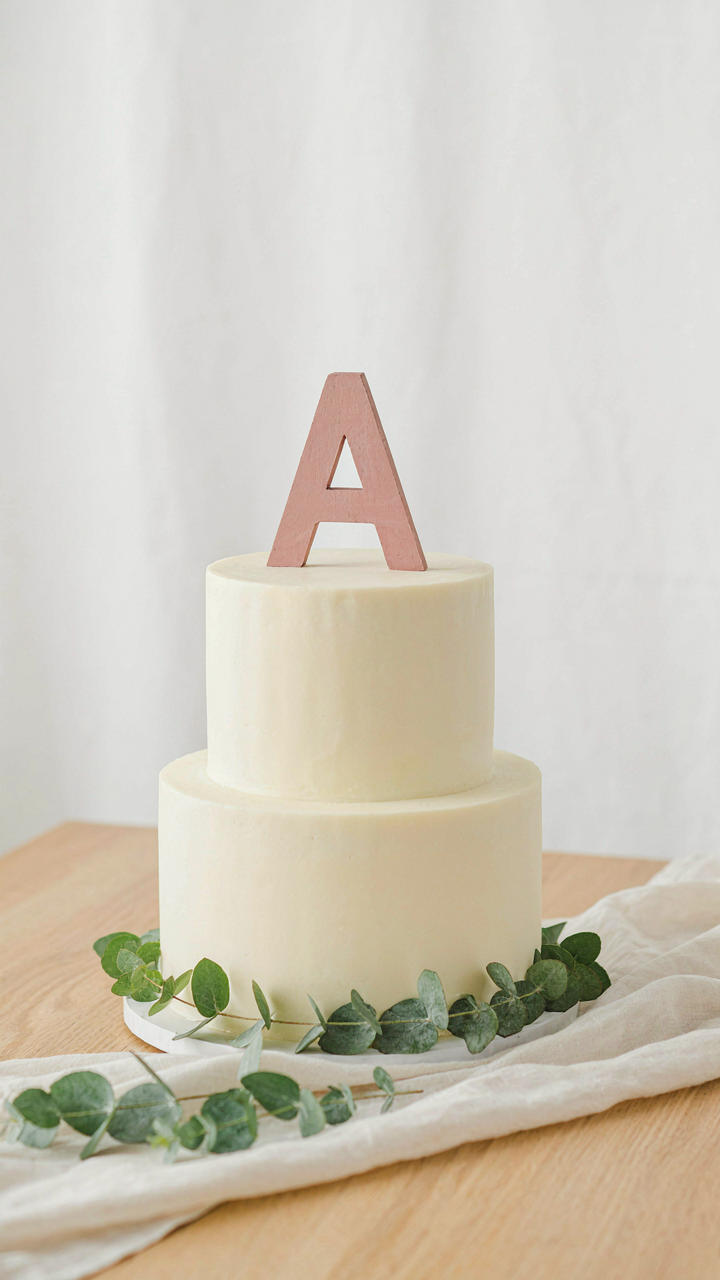
Simplicity Wins Over Busy Hands
You want people to remember your wedding, not notice you made the topper yourself. That’s the real fear buried under “budget-conscious.” The mechanism is contrast: your eye reads busy detail as amateur, and reads clean geometry as intentional. Graphic design calls this negative space. The fewer elements competing for attention, the more impact each one carries. A single wooden letter, a minimalist wire shape, or two painted dowels arranged with precision beats a glitter-covered assemblage every time.
The common advice here is wrong. Tutorials tell you to add dimension and texture and movement. That’s how hobbyists think. A professional topper occupies visual real estate efficiently. It answers one question cleanly: what is this object? Everything else distracts. Start by removing elements instead of adding them. A topper that reads as “M and N” in brushed metal commands more authority than a topper that reads as “maybe a couple, or maybe a craft emergency.”
The Aesthetic That Reads As Intentional
Professional toppers share a trait: they look like they belong in a specific design system, not like they were assembled from a dollar store haul. This means material consistency and tonal alignment matter more than technique. If your cake is modern, a hand-painted ceramic topper looks mismatched. If your cake is rustic, laser-cut acrylic feels sterile. The rule is congruence, not cleverness.
Execute this by choosing one material and one finish. Wood with matte paint. Metal with single-color enamel. Acrylic with minimal etching. Avoid mixing finishes. Avoid text in three different fonts. One tool, one application method, one visual language. When someone photographs your cake, the topper should strengthen the aesthetic, not interrupt it. That’s when guests assume you hired a professional or found a rare piece online, not that you assembled it in your kitchen on a Thursday night.
The Real Obstacle Isn’t Your Budget; It’s Your Willingness To Genuinely Express Who You Are
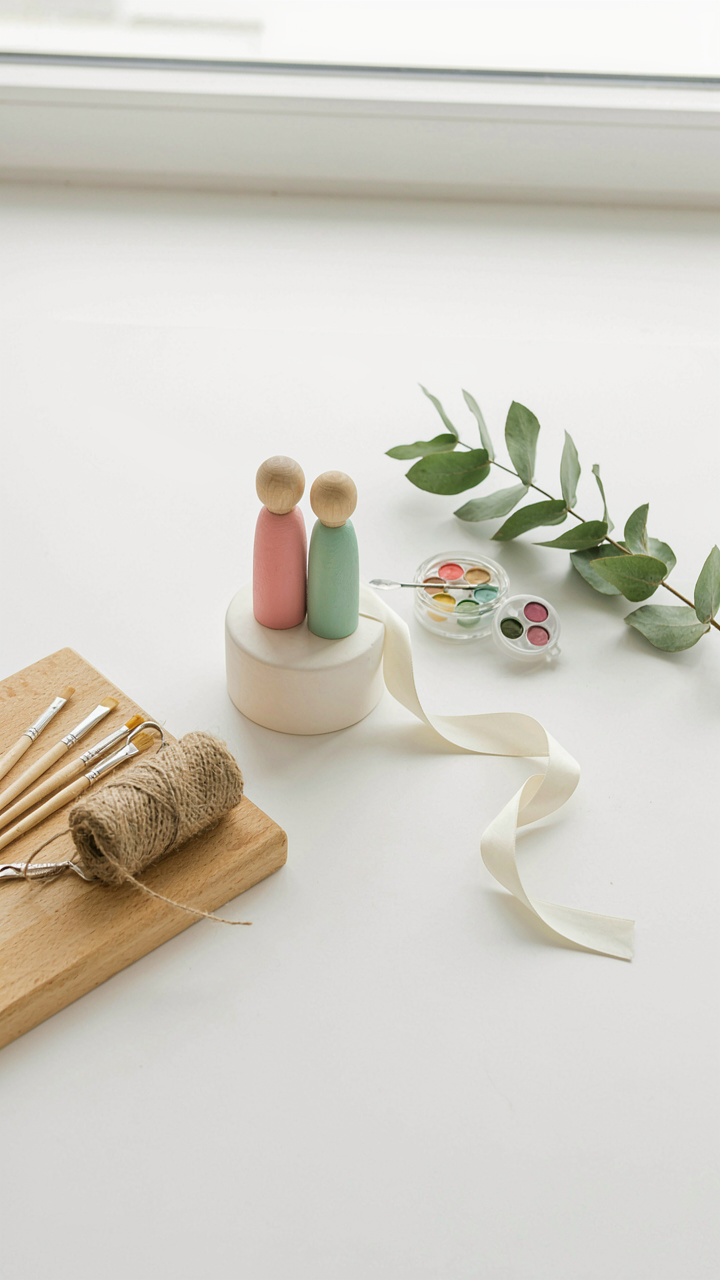
Most couples buy generic toppers because they’re scared. Scared their taste looks weird. Scared they’ll mess up the DIY. But a handmade topper that screams “us” beats a perfect store-bought one every time. Stop waiting for permission to build something that feels real. Open your laptop right now and sketch one terrible idea. That terrible idea is your starting point. Your wedding cake topper either reflects who you actually are or it reflects who you think you should be.