The Unseen Cost Of “Budget Friendly” Wedding Chairs Diy
Time Spent Versus Perceived Value
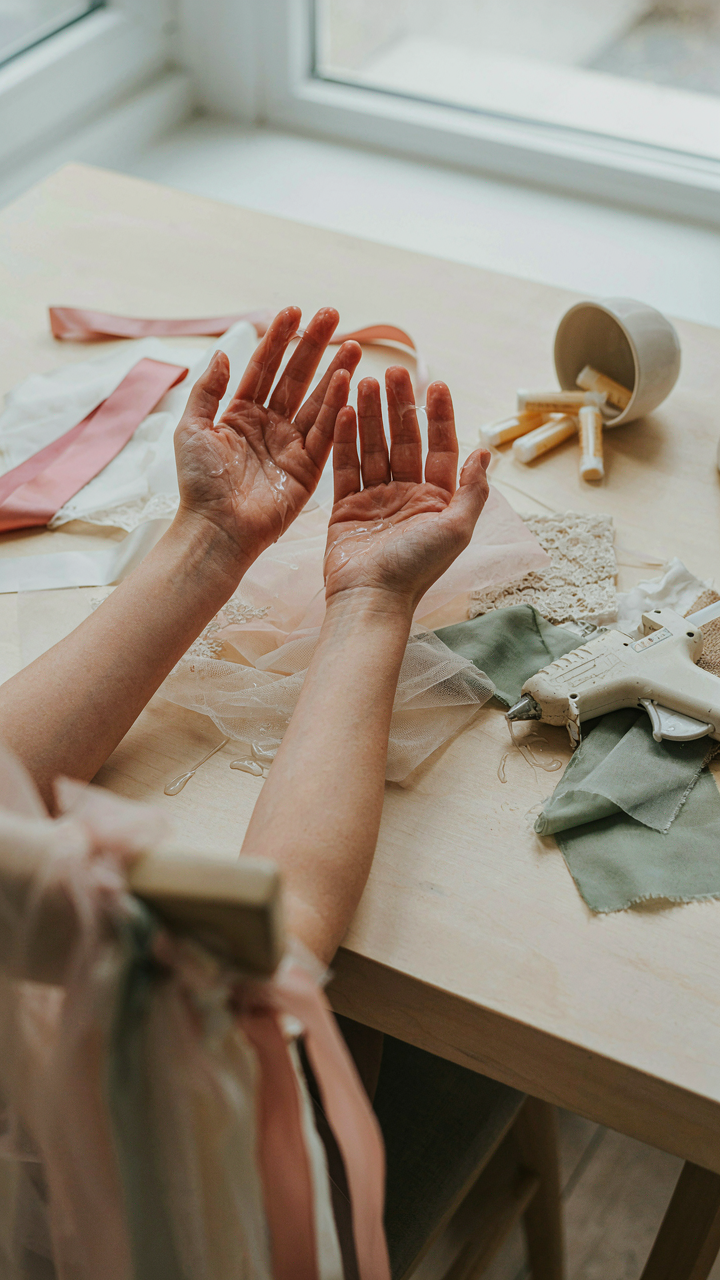
You think you’re saving money. That’s the trap. The real cost of DIY wedding chair decorations lives in the hours you’ll spend sourcing materials, assembling, troubleshooting, and redoing work that didn’t survive transport or humidity. Economics calls this the “opportunity cost”—what you give up by choosing one path. Every hour spent hot-gluing tulle to a chiavari chair is an hour you’re not doing something that generates income or moves your actual life forward. Most people ignore this because the money leaves a bank account. Time doesn’t.
Here’s what actually happens. You budget four hours across a Saturday afternoon. By hour six, you’ve discovered half your fabric doesn’t match the lighting you selected. By hour eight, you’re stress-buying emergency supplies at retail prices, which destroys your budget anyway. Then you attend the wedding exhausted instead of present. The math only works if your hourly rate is zero and your sanity has no value. Calculate your real hourly rate. Multiply it by the actual hours this will take. Compare that to hiring someone or buying premade options. Most people won’t do this comparison because they already committed to the DIY story.
Material Accumulation And Hidden Waste
The initial shopping trip costs $40. Then you realize you need better adhesive, so you spend $15 more. The dye you bought doesn’t work on that specific synthetic blend, so you buy a different one for $12. You overbought ribbon because you couldn’t find the exact color twice, leaving you with three half-used spools. None of this feels like waste in the moment because each purchase is small and seems necessary. This is the mechanism of scope creep in material form.
The waste compounds when you factor in failed attempts. You glue something wrong. You dye a sample and hate it. You buy extra “just in case” and never use it. Wedding planning creates urgency, which kills the discipline needed to buy only what you need. Most DIY wedding decorators end up spending 60 to 80 percent more than they initially budgeted because they never track the incremental purchases. Keep a running spreadsheet of every single material cost, including duplicates and failed experiments, before you commit to this approach.
The Minimalism Protocol For Wedding Chair Decorations
Pick One Element That Stops The Eye
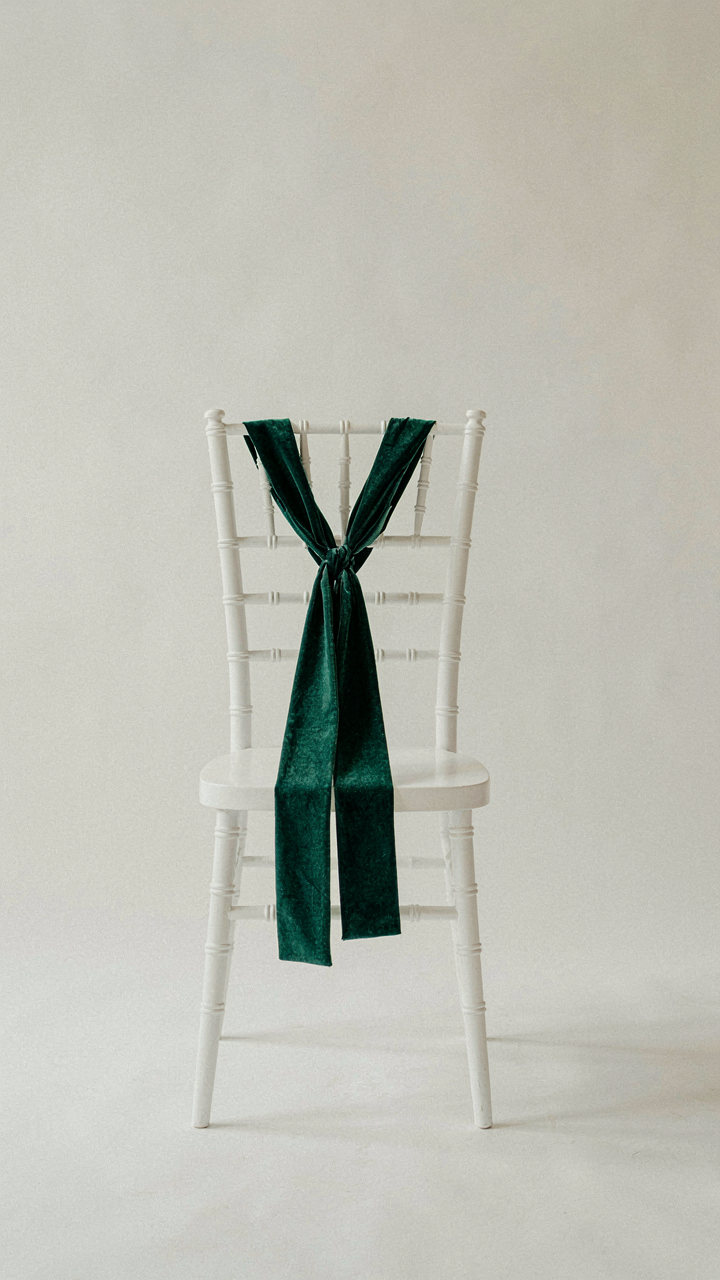
You want permission to do less because you’re afraid more will look cheap. The real mechanism here is constraint. In design systems, constraint forces priority. You don’t decorate a chair with “a vibe.” You pick one focal point that commands attention, then build around nothing else. A single draped fabric element, a tied knot, a hanging pendant, a cushion. One. That’s the entire job.
The moment you add a second decorative layer, you’ve signaled indecision. Guests see clutter, not intentionality. A white linen drape tied with twine reads premium. That same drape with a bow, a bead, and a flower spray reads confused. One element forces you to make it count, which means better execution and lower total cost because you’re only buying one thing in volume.
Strip Everything That Doesn’t Support The First Choice
The common advice here is garbage: “layer textures and colors for depth.” Wrong. Layering is what kills a budget and kills the visual impact simultaneously. Every additional element dilutes the primary one and forces you to buy more inventory. The real protocol is ruthless subtraction. If it doesn’t directly amplify your chosen element, it doesn’t exist on the chair.
Once you’ve chosen your focal point, examine every existing decoration on that chair. Does this tulle add to the draped fabric or compete with it? Does this ribbon complement the knot or distract from it? If it’s neutral or weakening, remove it. The chairs that look expensive in wedding venues are almost always the ones with the most restraint, not the most stuff. Execute one decision completely rather than five decisions halfway.
Leveraging Negative Space In Wedding Chairs
Balance Through Restraint
You want people to think your wedding looked expensive without spending money. That’s the real reason you care about this section. Here’s the mechanism: negative space is borrowed from visual art, where it functions as compositional weight. In painting, empty canvas carries the same visual authority as brushstrokes. On a wedding chair, empty fabric works the same way. A chair wrapped in burlap with one silk ribbon across the back reads as intentional design. That same chair covered in ribbons, flowers, beads, and fabric swatches reads as confused and cheap.
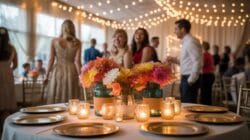
The principle operates on contrast. Your eye needs a break to appreciate what’s there. Art schools teach this through figure-ground relationship: the empty space defines the decorated space just as much as vice versa. When you leave 60 percent of your chair bare, the 40 percent you decorate gains five times the visual impact. This isn’t opinion. This is how human vision processes information. The decorated portion demands attention because it’s surrounded by calm.
Empty Space Directs The Eye
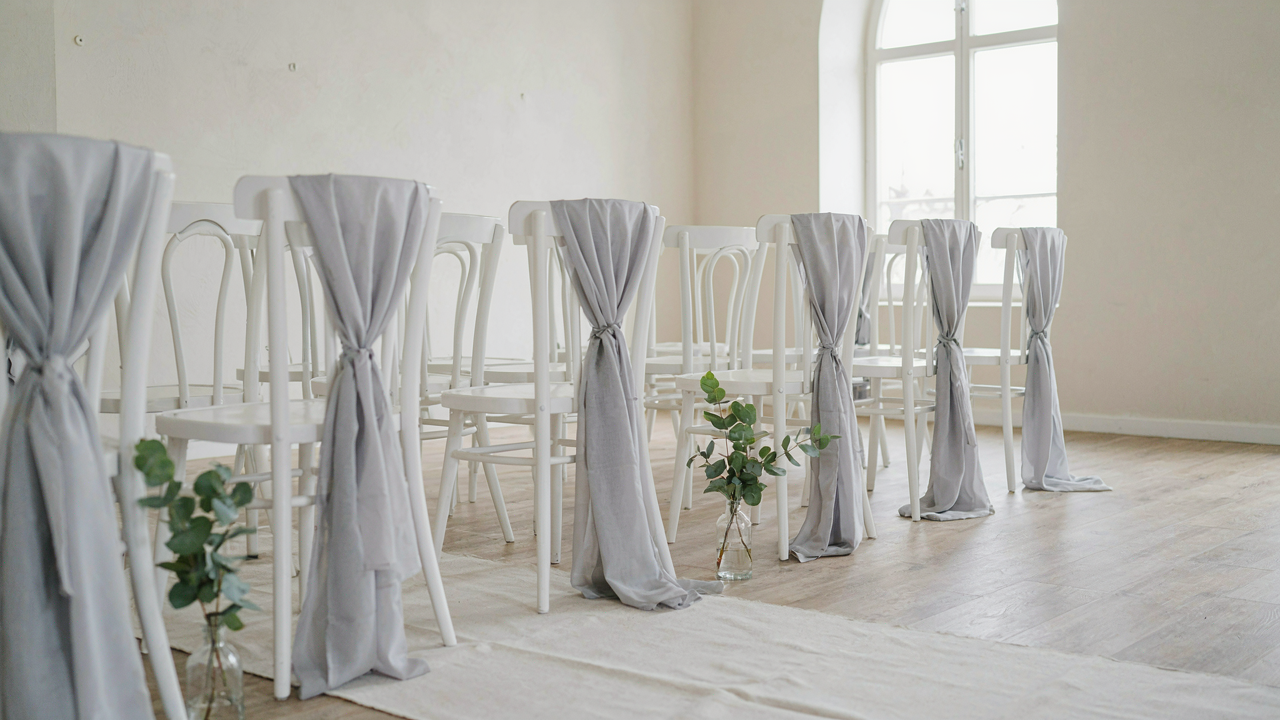
Most budget wedding advice says “fill every gap.” That’s wrong. Filling gaps creates noise. Noise makes expensive things look cheap and cheap things look expensive. Directing attention means choosing exactly where the viewer looks and holding them there. A single wrapped knot at the chair back with flowing ribbon tails creates a focal point. Your brain follows those lines. It doesn’t scatter across ten different colors and textures wondering what matters.
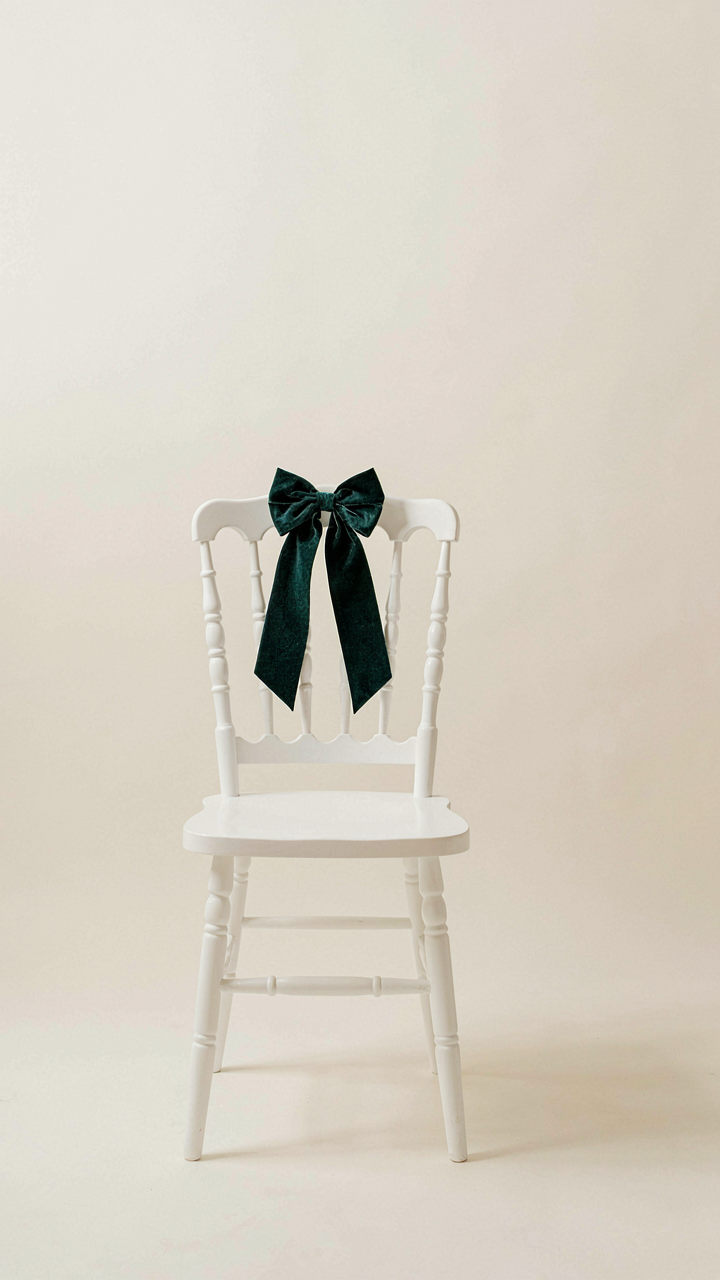
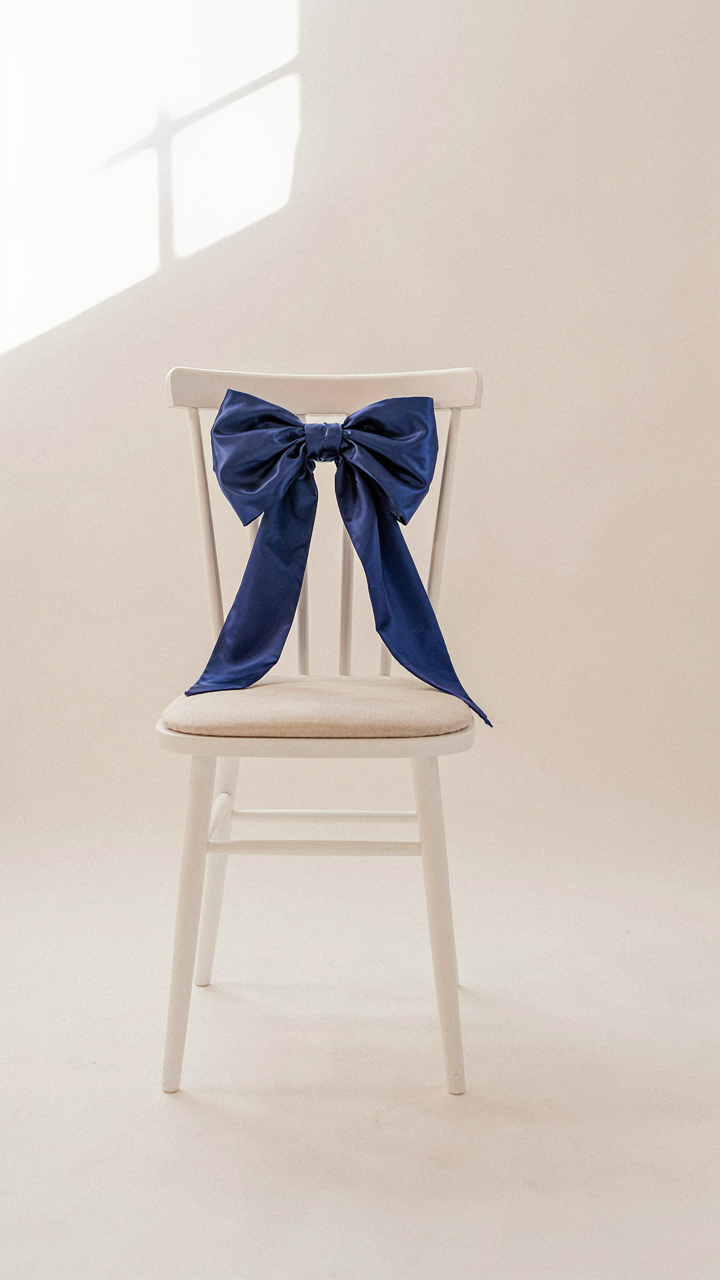
The mechanism is visual hierarchy. Place your decoration where it creates maximum contrast against bare fabric. If your chair is white, a dark green velvet bow at the top of the backrest stops the eye there. The empty seat and empty sides below it make that bow the star. You’ve eliminated competition for attention. That single element costs five dollars. Ten chairs with this treatment costs fifty dollars and photographs like a two-thousand-dollar installation. The restraint is what sells the value.
Strategic Scarcity: Applying Economic Principles To Wedding Chair Decor
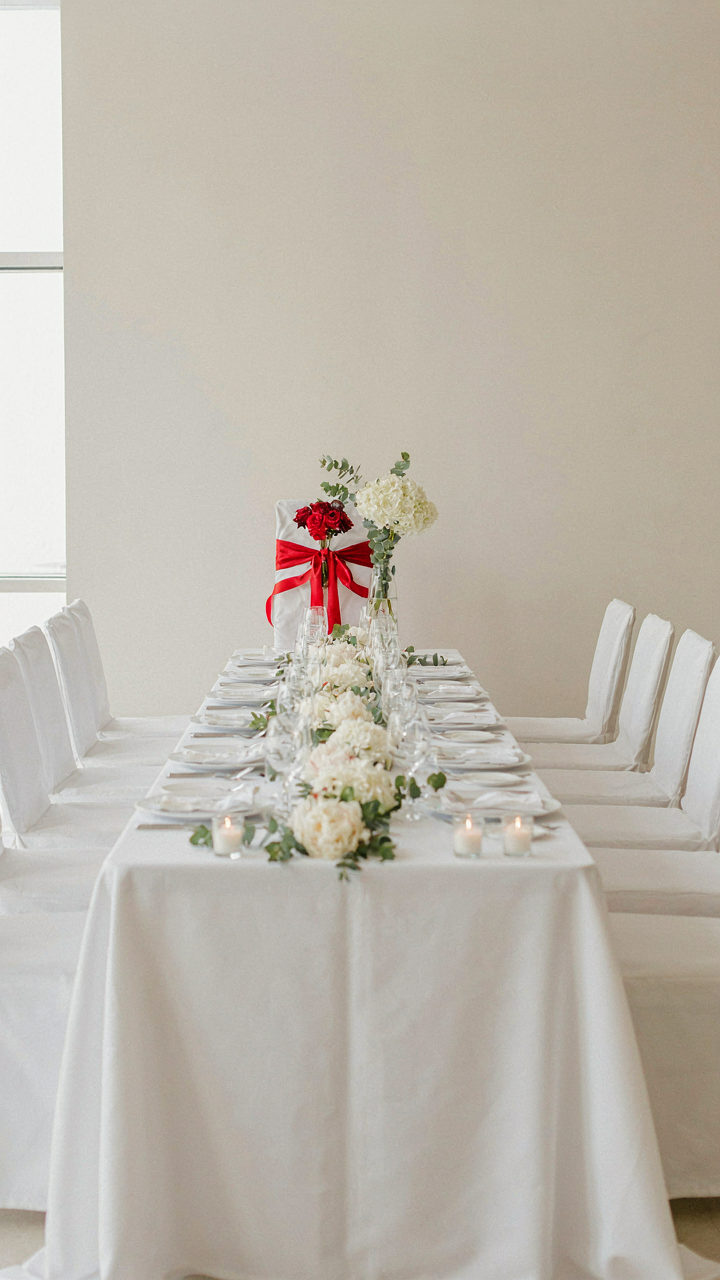
Where Visual Interest Actually Lives
You’re reading this because you’re afraid of your wedding looking cheap. Here’s what most people miss: the real cost signal isn’t how much you spent. It’s constraint. Economics teaches us that demand rises when supply shrinks. Apply that directly to chair decor. Don’t decorate every chair identically. Leave gaps. Variation signals intentionality and control, not budget limits.
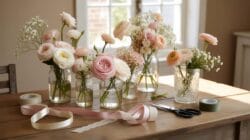
When guests see one decorated chair per table instead of ten, their attention concentrates there. The eye tracks rarity. A single focal point reads as curated. Mass repetition reads as filler. You’re not cutting corners when you deliberately leave chairs bare. You’re creating visual hierarchy that expensive weddings accidentally stumble into after spending thousands.
The Power Of What You Don’t Add
Common advice says fill every surface. That’s incomplete. The real mechanism works opposite. Perceived value comes from what’s absent, not what’s present. Luxury design across furniture, architecture, and fashion proves this constantly. Minimalism commands higher prices than maximalism because scarcity shapes perception.
Apply this to chairs. If you decorate six chairs with ribbon and flowers while twenty sit plain, those six become the statement. Guests notice them. They photograph them. They remember them. You’ve created a focal pattern that costs less but reads as more intentional. The bare chairs become the canvas that makes the decorated ones stand out. Your constraint becomes your design advantage. Place decorated chairs at table ends, at the couple’s table, or at the entry point guests see first.
Materials That Matter: Beyond Generic Wedding Chair Sashes
How Fabric Weight Changes Everything
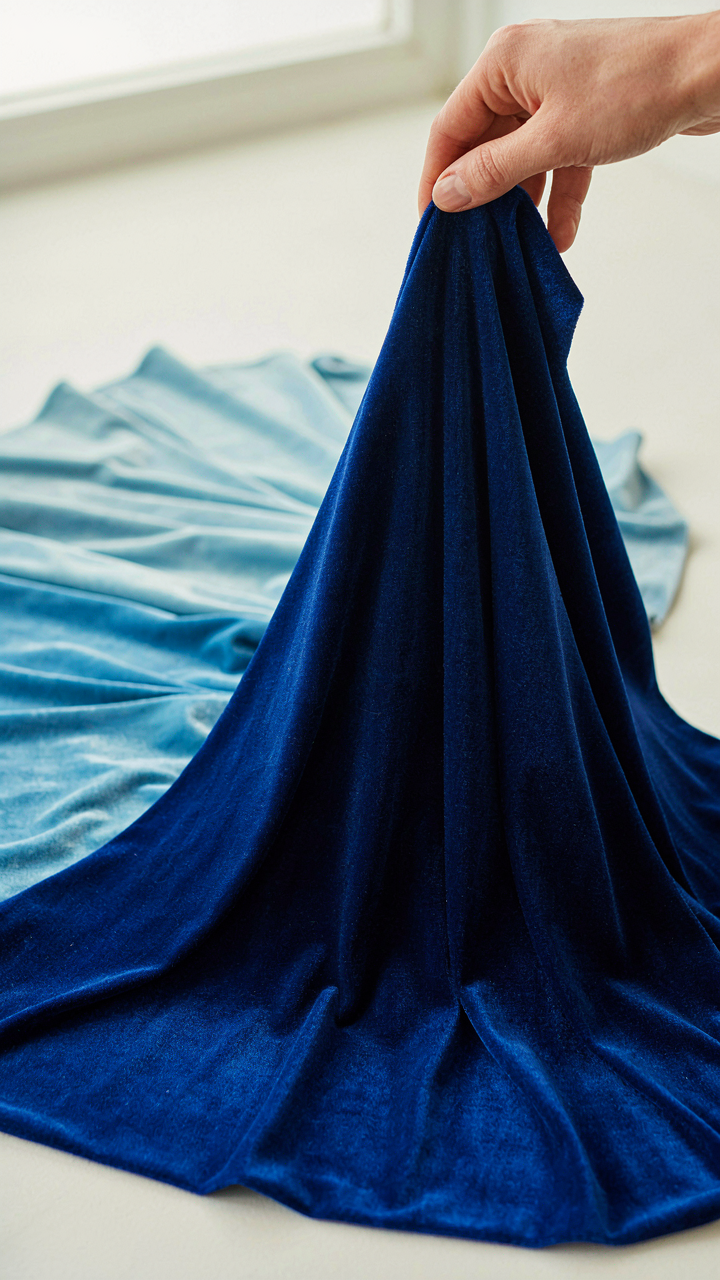
You’re reading this because you don’t want your chairs to look cheap. The real mechanism is physics: drape is controlled by fabric weight, and weight determines whether your decoration reads as intentional or sad. Heavier fabrics (8+ ounces per yard) hold their shape and create defined folds. Lighter fabrics (under 4 ounces) cling to the chair and move with air current, destroying visual impact. The material itself is irrelevant—weight is what works.

Cotton velvet, linen blends, and heavy cotton sateen all perform because they have mass. Cheap polyester georgette and chiffon fail because they’re thin and translucent, collapsing against the wood. Test any fabric by draping it over your hand. If it falls flat and clings, skip it. If it holds shape and creates valleys in the fold, you’ve found a material worth using.
- Cotton Velvet: 10-14 oz per yard, creates structured folds that hold without wire or starch. Best for formal settings and holds color well across multiple events.
- Heavy Linen Blend: 8-12 oz per yard, wrinkles naturally which adds texture and visual depth. Affordable and works for rustic or modern aesthetics.
- Cotton Sateen: 6-10 oz per yard, reflects light subtly and creates smooth, polished drape. Works on any chair style without looking oversized or theatrical.
- Dupioni Silk: 12+ oz per year, expensive but reusable across multiple weddings. Slubs in the weave add dimension that photographs well and justifies the cost.
- Canvas or Twill: 9-14 oz per yard, industrial appearance but extremely durable for DIY attachment methods like ties or clips.
Don’t buy fabric by color alone. Touch samples. Drape them. Most people skip this step and end up with material that photographs flat or moves wrong in the room. Weight and fiber composition determine whether your decoration reads as intentional design or event rental overflow.
Repurposing What You Already Own
Forget the sentiment about “sustainable weddings”—reusable chair decorations are simply cheaper the second time you use them. You’re investing in repeatable assets, not making a statement.
Existing textiles in your home or borrowed from friends work identically to new fabric if they meet the weight requirement. Old linen tablecloths, vintage curtain panels, and quality blankets drape well because they were built for hang time and handling. Thrift stores stock heavy cotton and linen for $3-8 per piece. Estate sales often have bulk fabric bolts priced by pound, not yard, making silk and wool options accessible. The barrier isn’t availability—it’s that most people default to buying new without checking what exists.
Test borrowed textiles by washing and drying them once. Shrinkage happens, and you need measurements locked in before the wedding. Store decorated samples in acid-free tissue after the event, kept flat in a dark space. Document your specific attachment method (ties, clips, pins) with photos so reassembly takes 20 minutes instead of two hours. When you reuse the same pieces, your per-wedding material cost approaches zero and you control the aesthetic consistency across multiple events.
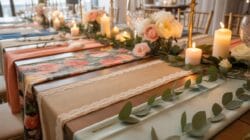
The Fallacy Of Floral Overload For Diy Chair Flowers Wedding
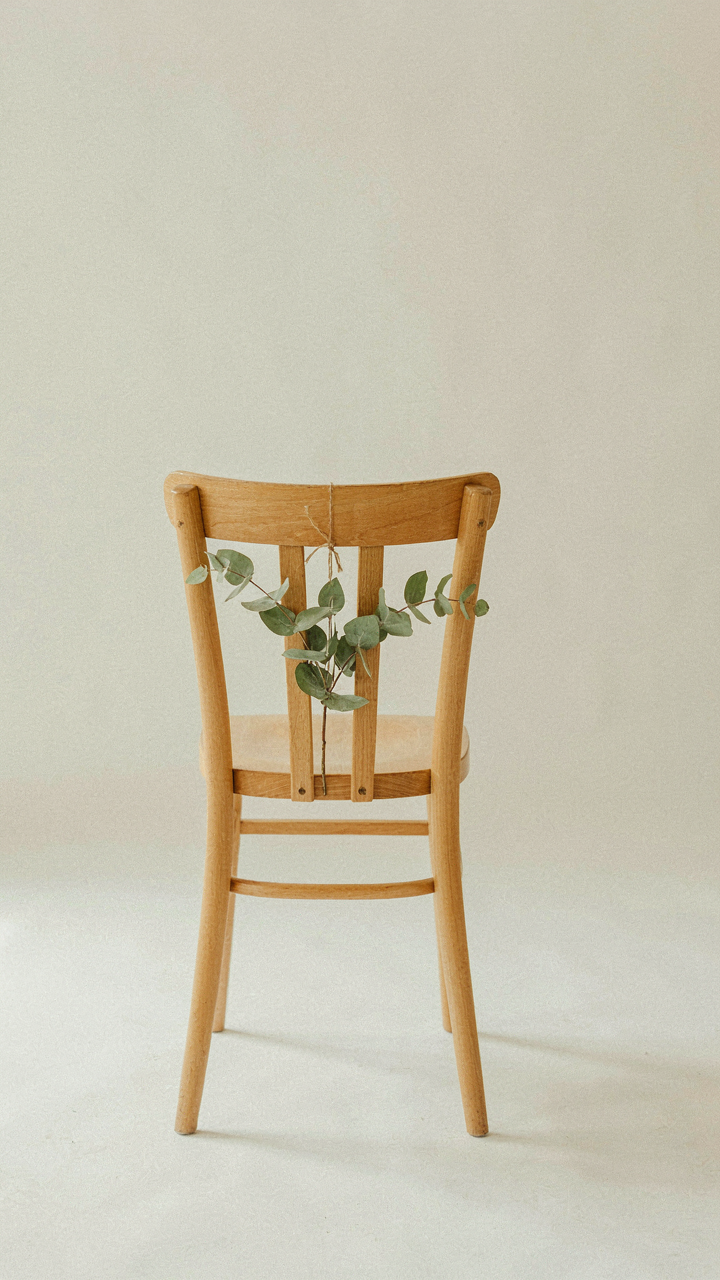
Focused Botanicals For Impact
You want people to notice your chairs without admitting you’re worried they’ll look cheap. The real mechanism here is constraint, borrowed from design thinking: limitation forces intentionality. Stuffing every inch with flowers creates visual noise that reads as desperate cover-up. One statement stem per chair does the opposite. It signals control. A single eucalyptus branch or magnolia leaf tied to the chair back costs pennies, takes thirty seconds to attach, and lands harder than six clustered blooms fighting for attention.
The math works against floral density on budgets. Wholesale flowers cost three to five dollars per stem for quality stock. A chair fully wrapped in florals runs forty to eighty dollars in materials alone. A single focal flower or branch runs two to eight dollars. Most guests won’t register the difference in impact, but they will register the absence of clutter. Tie one stem with twine. Move on.
Greenery And Natural Elements
Greenery is the real workhorse here, not the supporting actor the industry pretends it is. Eucalyptus, ruscus, and Italian ruscus hold shape for days without water, cost under one dollar per bunch wholesale, and photograph identically to expensive florals. The mistake most people make is treating greenery as filler between flowers instead of the primary design element. Reverse that. Build the chair treatment around greenery. Add one flower if the budget allows. The structure holds without it.
Natural elements like branches, leaves, and dried grasses scale better than fresh flowers because they don’t wilt between setup and the ceremony. Birch branches, willow whips, or wheat stalks tied to a chair back stay crisp for twelve hours with zero maintenance. They’re tactile. They read as intentional. Gather them yourself if you’re near trees or sources. Bundle three to five pieces per chair with kraft paper or burlap. Secure with a zip tie hidden behind the knot. Your cost per chair drops to under three dollars.

Integrating Wedding Chair Decorations With Overall Design
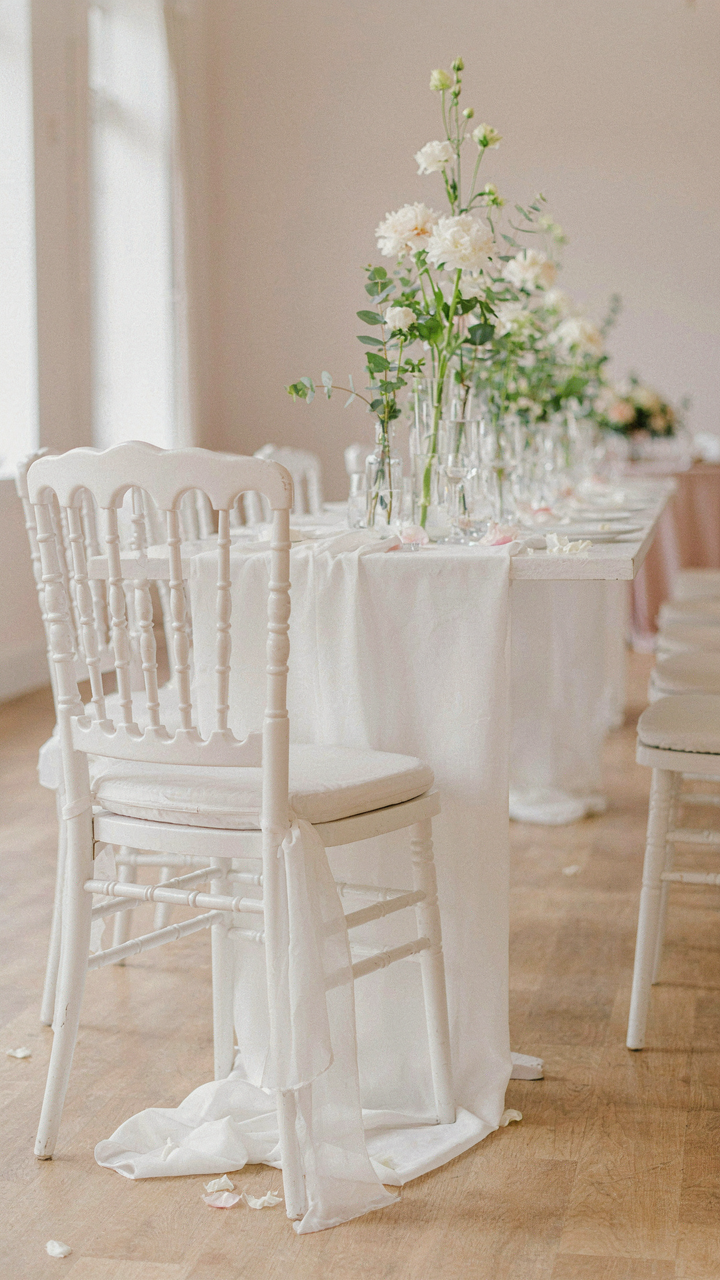
Match Your Chairs To The Table Story
You want people to see your wedding as intentional, not accidental. That fear drives most couples to obsess over “cohesion.” Here’s the mechanism: your eye processes a room in layers. The table is the first focal point. Chair decorations are the second. If they contradict each other, the viewer’s brain registers confusion, not elegance. Contradiction reads as budget-conscious. Alignment reads as controlled.
Start by identifying what your table decorations actually are, not what you call them. If you’re using linen runners, that’s your dominant texture. If centerpieces are tall and delicate, that’s your visual weight. Your chair treatment must either echo or intentionally contrast these elements. Echoing means using the same color family, similar materials, or matching design language. A sash in your table runner’s color works. A completely different material signals disconnection.
Connecting Chairs To Landscape Elements
Garden settings operate on layering, just like fashion does. Your chair sits at ground level, the table at mid-level, and structures or plants at the background. This is visual hierarchy from environmental design. If your garden has climbing vines or flowering walls, your chair decoration should reference that vertical movement, not fight it.
Most couples ignore the ground plane entirely. They focus on what’s eye-level and above. Your chair sits against grass, gravel, or pavers. These textures matter. If your garden has rustic stone, burlap wrapping or natural twine on chairs anchors the space. If the setting is manicured and open, cleaner lines in chair decoration prevent the space from feeling chaotic. The protocol: photograph your venue empty, identify its actual materials and lines, then build chair treatment that either reinforces or deliberately breaks those patterns with purpose.
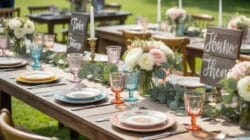
The Unconventional Wisdom Of Diy Floral Chair Decor
One Bold Statement Beats Ten Tiny Touches
You want people to remember your wedding chairs because you’re afraid a bare rental chair says something about you. Here’s what actually matters: contrast. In visual hierarchy, one dominant element stops the eye. Ten scattered flowers do nothing. The mechanism is competition for attention. Your guests process a room in layers. A single statement piece per chair forces recognition. This is why high-end events use one focal flower or one wrapped element, not scattered decoration. A bold choice reads as intentional. Scattered attempts read as filler.
The difference between professional and amateur floral chair decor is subtraction, not addition. Remove everything except what earns its space. A single large bloom ties to the frame. A draped fabric element. One wrapped section. Pick one per chair and execute it consistently across all seating. Repetition creates the visual pattern your eye needs to process the room as designed, not decorated. This is how you make budget constraints work for you instead of against you.
What Stays In Memory After The Event
Lasting impressions in event design don’t come from what guests see for two hours. They come from what appears in every photograph and what creates spatial continuity. Chair decor lives in background shots throughout the reception. The flowers wilting by dinner don’t matter. What matters is the geometric or textural choice that anchors the visual space. This is why wrapped chair backs with burlap, ribbon, or fabric outlast fresh florals. Photographs capture structure, not freshness. Guests remember the room’s bones, not the petal count.
Durability beats novelty in budget DIY work. A tightly wrapped silk bow or a wooden accent piece maintains its presence from ceremony through exit. Fresh flowers guarantee disappointment by hour three. Fabric, wood, and simple structural elements photograph well and hold their shape. Your guests scroll through photos weeks later and see a cohesive room. That’s the lasting impression you’re building. Commit to one durable element per chair, repeat it identically, and let consistency do the work that complexity cannot.
Your Fear Of Empty Space, Not Your Budget, Is The Real Constraint On Wedding Chair Design
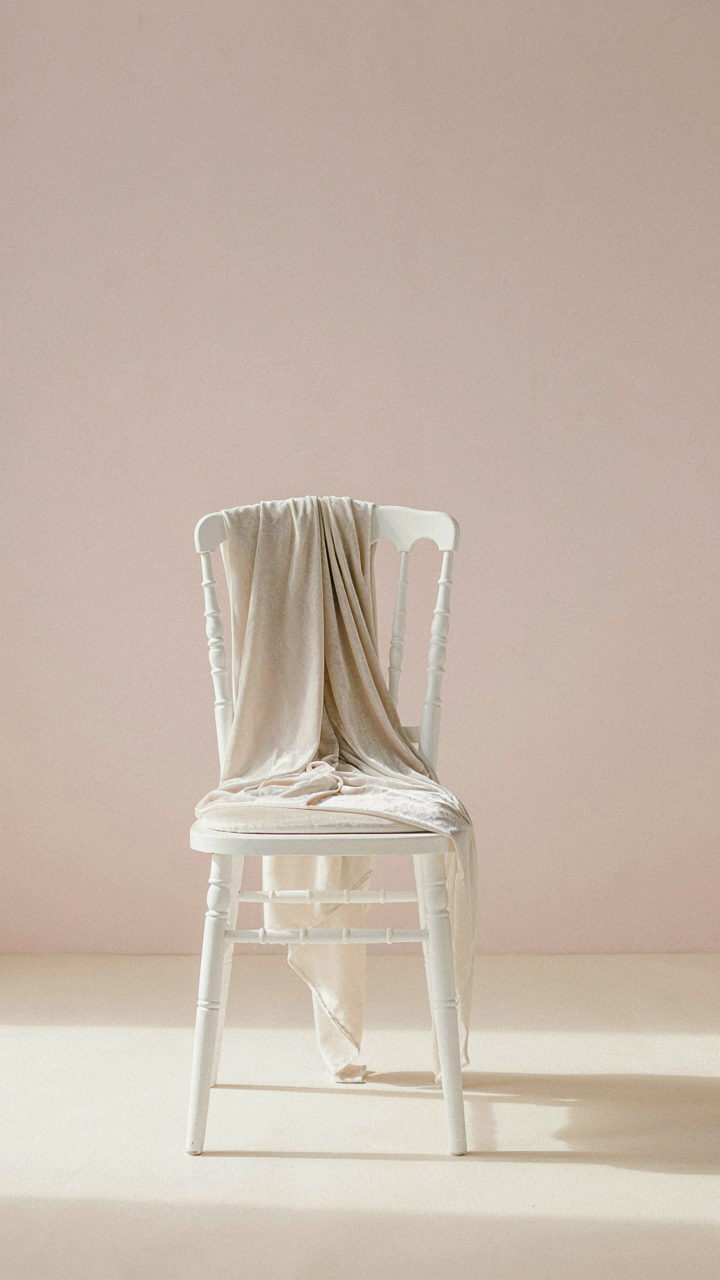
Most people stuff their chairs with every decoration they can find because silence terrifies them. One well-placed fabric drape beats ten mediocre additions. Pick one element today—velvet ribbon, a single flower, nothing else—and commit to it. Restraint isn’t boring. It’s the difference between a chair someone notices and one that disappears into the noise. Your empty space is doing the work.