The Minimalist Honeymoon Protocol: Less Is More (Cash)

Stop Packing For A Fantasy
You’re afraid of looking unprepared in front of your spouse. That fear drives you to pack contingencies for scenarios that won’t happen, and each “just in case” item costs money you won’t spend and weight you’ll carry. The mechanism is simple: every object in your bag represents a decision you haven’t made yet. Budget travel requires you to decide now, commit fully, and eliminate the rest. Essential means you will actually use it within the trip’s real conditions, not theoretical ones you’ve imagined.
Most packing advice treats your bag like an insurance policy. It isn’t. You can buy things on the road if you genuinely need them. The cost of a replacement item is almost always lower than the cost of larger luggage, baggage fees, and the friction of carrying dead weight through airports and streets. Your job is to identify the twenty percent of items that generate eighty percent of your functional value, then stop. Everything else is tax on your budget and your mobility.
The Single Bag Mandate
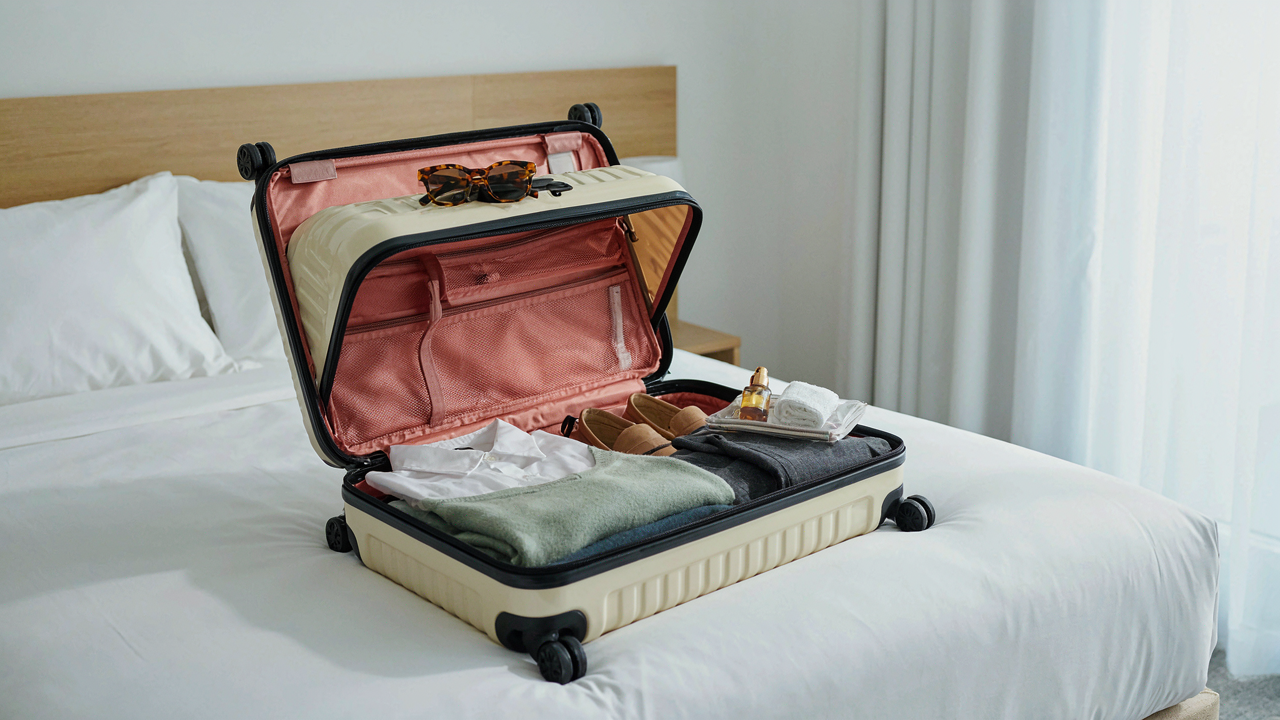
Think of packing like constraint-based design from engineering: fewer variables force better decisions. One bag strips away the luxury of hedging. You can’t pack “just in case” variations. You pick one outfit system, one shoe, one set of toiletries. The constraint is the feature, not the limitation. This directly cuts baggage fees, which range from thirty to one hundred fifty dollars per bag on most international carriers. That’s money staying in your honeymoon budget instead of an airline’s revenue stream.
Baggage fees exist because airlines charge for the physical weight and space you consume. One bag eliminates that cost entirely on many carriers, and on others it means one fee instead of two. You also eliminate checked bag delays, which force you to spend money on emergency clothing or skip activities on your first days. A single carry-on bag means you own your schedule from touchdown onward. Build your packing list around a twenty-two-inch roller or a forty-liter backpack, then fill it with items you’ve already tested at home for two weeks.
Beyond The Honeymoon Checklist Packing: Experiences Over Stuff

Swap Dead Weight For Time
You want permission to spend less on things so you feel like you’re making a smart choice. Here’s the mechanism: the honeymoon packing list is actually an experience optimization problem, not a luggage problem. Most travelers pack like they’re hedging every possible scenario, which means they carry items they never touch. The real constraint isn’t space or weight. It’s attention and money during the trip itself.

Budget honeymoons fail when couples load suitcases with backup outfits, “just in case” toiletries, and comfort items from home. You arrive at your destination already committed to a scarcity mindset. Strip the packing list to essentials only. This forces you to buy or borrow locally when you need something, which creates unplanned interactions, discoveries, and stories. Dead weight in your luggage is dead weight on your experience.
Buy What The Locals Know
The common advice says “pack everything you’ll need.” That’s wrong. It keeps you locked inside your own assumptions about what matters. Economics calls this principle “comparative advantage.” Apply it here: locals have spent years figuring out what actually works in that climate, culture, and terrain. They know the best brands, the cheapest vendors, and where quality lives.
When you pack less and buy more locally, you support small businesses, you learn the neighborhood faster, and you get products designed for the actual environment you’re in. A local market vendor will hand you the right sunscreen or the right shoes for the terrain. A suitcase full of home-brand backups prevents that transaction. Allocate 10-15% of your honeymoon budget specifically for local purchases you’ll discover on arrival, not items you guessed you’d need.
The Unconventional Honeymoon List Packing: What They Forget

Your Documents Live In One Place Now
You’re afraid of losing everything at the border and looking incompetent in front of your spouse. The real mechanism is this: physical documents are a single point of failure in a system with no backup. You need redundancy, not a leather travel wallet.

Store scans of your passport, visas, travel insurance, hotel confirmations, and flight itineraries in a cloud service accessible offline. Google Drive, Dropbox, or iCloud work. Take photos of these files too. Email them to yourself as a separate layer. When customs demands proof of onward travel or your insurance policy, you retrieve it from your phone in seconds. Physical copies stay in your luggage. This eliminates the scenario where a lost passport folder derails your entire trip.
Power Density Changes Everything On The Road
Think of battery capacity like fuel efficiency in travel logistics. One multi-device charger with high wattage replaces three single-purpose chargers and cuts dead weight. A 65-100W portable power bank handles phones, tablets, and cameras simultaneously. The common advice to pack one charger per device is incomplete. You’re paying in luggage space and weight for redundancy you don’t need.
Bring one fast-charging power bank and one quality USB-C cable with an adapter plug that matches your destination. If traveling between regions, a single universal adapter with multiple outlet types beats regional-specific chargers. Test the power bank before you leave to confirm it holds charge. Charge it fully before your flight. This protocol ensures your devices stay alive during long transit days when outlets are scarce, and you move faster because you’re not hunting for charging stations.
Honeymoon Packing List: The Psychology Of Scarcity

Fewer Choices Force Better Decisions
You want permission to pack less because overpacking feels like failure. The real mechanism comes from constraint theory in economics: scarcity creates value. When you limit your clothing options to seven items instead of twenty, each piece must earn its place. You stop treating packing as insurance against hypothetical scenarios and start treating it as a system. This isn’t minimalism for aesthetic reasons. It’s ruthlessness applied to logistics.

Constraint forces you to think in layers and combinations. A neutral base shirt works with three different bottoms. A lightweight cardigan becomes your formal layer and your cold backup. You stop buying redundancy and start buying versatility. The budget benefit is obvious but secondary. The real win is psychological: fewer decisions during packing means fewer regrets during travel.
Adaptation Beats Accumulation
Most packing advice tells you to buy specialized gear for every scenario. That’s wrong. You’ll never use half of it. The mechanism here is necessity driving behavior, not fear. Bring one pair of shoes that works for casual and semi-formal settings. Bring one lightweight rain layer that doubles as wind protection. Bring one universal charger with multiple adapters instead of five device-specific cables.
When you face a real problem on location, you solve it with what’s available. You borrow a hair tool from the hotel. You wash items in the sink to rotate them. You tie a scarf differently as a belt or head covering. Budget travelers who succeed aren’t the ones with perfect preparation. They’re the ones comfortable improvising. Build this habit before departure by removing one item from your list every time you second-guess it.
Packing List For Honeymoon: The “Antifragile” Approach

Gain From Disorder, Not Just Survive It
You want a packing list that won’t embarrass you if something goes wrong. That’s the real fear underneath this search. The mechanism is simple: most people pack to prevent specific disasters they’ve imagined. They overpack. Military logistics uses a concept called antifragility, which means building systems that improve under stress rather than merely endure it. Applied to honeymoon packing, this means choosing items that become more useful when plans fall apart, not less.

The standard advice is “pack light and versatile.” That’s incomplete. Versatility alone doesn’t account for the honeymoon variable: you’re traveling with someone whose preferences and needs matter equally to yours. You need redundancy in specific categories and elimination everywhere else. The difference between a versatile shirt and an antifragile packing strategy is that the second one includes a backup solution for the moment when your one pair of dress pants gets stained the night before a formal dinner. That’s not paranoia. That’s design.
Redundancy And Versatility As Separate Problems
The military doesn’t optimize for versatility alone, and neither should you. Redundancy solves different problems than versatility does. A versatile piece of clothing works across multiple contexts. A redundant piece is a backup when the primary fails. Budget travelers conflate these because buying two of anything feels wasteful. It’s not. One compromised element on a two-week trip creates cascading friction.
Choose redundancy in three categories: undergarments, medications, and one outfit layer per climate zone. Choose versatility in outerwear, footwear, and neutral-colored base layers. Then eliminate everything else. Pack your medications in two separate locations. Bring extra socks and underwear beyond what you think you need. Include one backup outfit that works for casual and semi-formal settings. This isn’t doubling your luggage. This is surgical precision about where disorder hits hardest. The moment you need something on your honeymoon and don’t have it, the trip doesn’t recover cleanly.
Printable Honeymoon Checklist: Outdated Advice, Real Solutions

Generic Lists Won’t Work For You
You want permission to skip things without feeling like you’re doing it wrong. The real mechanism is this: generic packing lists treat all honeymoons as identical, which kills your ability to optimize for actual conditions. A Caribbean beach trip and a Tokyo winter require completely different inventories, but most checklists pretend destination doesn’t matter. This forces you to either overpack or second-guess every item.

Stop using lists built for hypothetical travelers. Instead, work backward from your specific destination’s climate, activities, and culture. Research the exact weather forecast for your travel dates. Identify the three main activities you’ll actually do. Cross-reference what locals wear in that season. This takes ninety minutes and eliminates fifty percent of packing waste. Your checklist becomes a filtered document, not a catch-all.
Layers Replace The Overstuffed Suitcase
Clothing engineering borrowed from athletic wear shows us that layering beats volume. This means wearing three thin pieces instead of one heavy piece gives you more adaptability and uses less luggage space. Cold environments, warm days, and unpredictable transitions all get solved with the same core items worn differently.
Build around a base of merino wool or synthetic undergarments that regulate temperature and don’t require washing every wear. Add a lightweight mid-layer like a fleece or long-sleeve shirt. Top it with a water-resistant outer shell. This three-piece system handles everything from mountain mornings to air-conditioned restaurants to evening walks. You pack six items and create twelve outfit combinations across wildly different conditions.
Honeymoon Essentials Packing Lists: Beyond The Basics For Him And Her
Comfort Over Status Signals
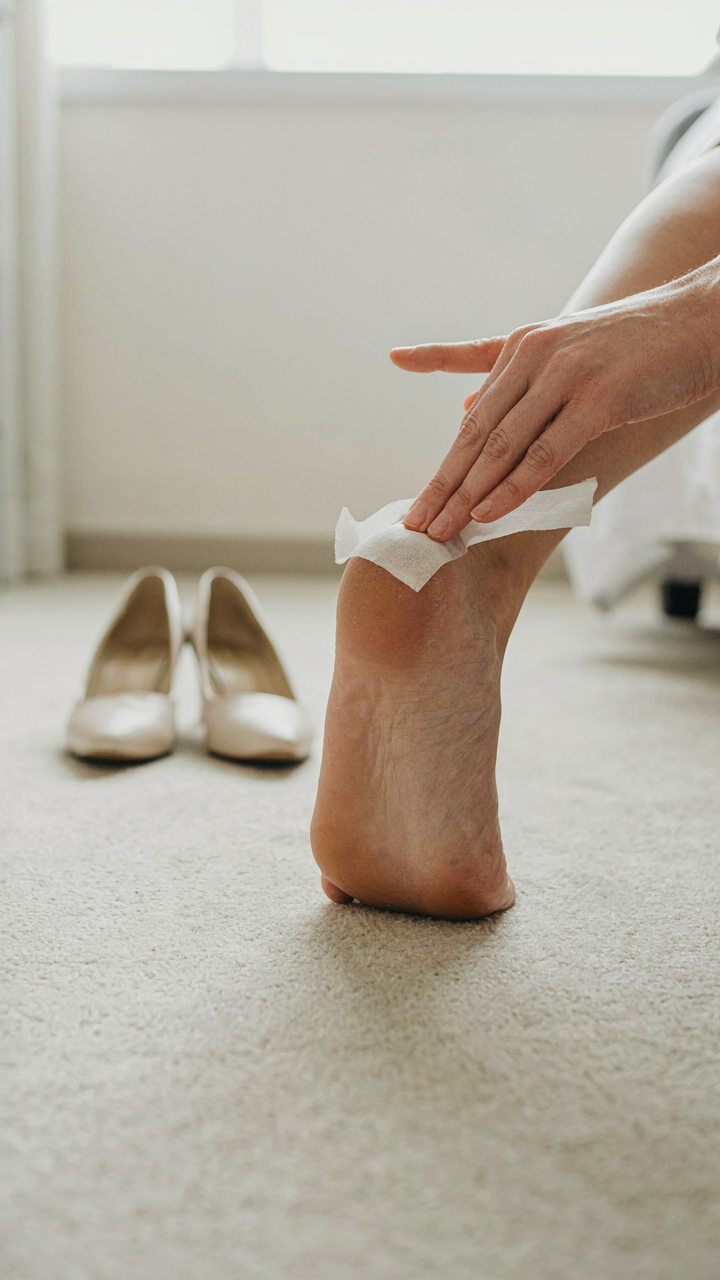
You want the packing list that makes you look like you know what you’re doing. What actually matters is that your body doesn’t betray you on day three. The mechanism here is simple: comfort compounds. A blister on day two spreads to your whole foot by day six. Cheap shoes that feel fine in a store fail under eight hours of walking in heat. Budget travelers sabotage themselves by choosing items based on what they think they should pack instead of what their body needs for sustained activity.

The real constraint isn’t money. It’s weight and repetition. You wear the same five pieces across two weeks. That shirt gets washed every other day. Those shorts need to dry fast or you’re buying more fabric. Choose items that tolerate friction, sweat, and daily washing without degrading. Neutral colors hide stains and let you mix outfits from fewer pieces. Loose fit beats tight fit because it doesn’t restrict movement or trap heat. Your honeymoon isn’t a fashion show. It’s two weeks of sustained function in unfamiliar conditions.
Gear That Works Twice
Smart packing borrows from systems design: redundancy through multi-function. Instead of one item doing one job, you choose items that serve multiple purposes simultaneously. A solid shampoo bar cleans hair, body, and delicate fabrics. Quick-dry synthetic fabrics work as sleepwear, workout gear, and casual daywear. Lightweight scarves function as sun protection, towel, blanket, and dress accessory. This isn’t about being clever. It’s about reducing total weight while maintaining functionality across contexts.
- Shampoo bars: One bar replaces two to three bottles. They last 40-50 washes, weigh ounces, and survive humid climates without leaking into your luggage.
- Quick-dry synthetic shirts: Polyester and nylon dry in three to four hours when hung. Cotton takes eight hours and harbors odor. These shirts work for hiking, sleeping, and casual dinners.
- Lightweight merino wool socks: They regulate temperature, resist odor despite daily wear, and last longer than cotton. One pair worn daily for two weeks needs minimal washing.
- Dual-use sarong or lightweight wrap: Functions as beach cover, dress overlay, sunburn protection, and emergency towel. Packs flat and adds zero weight burden.
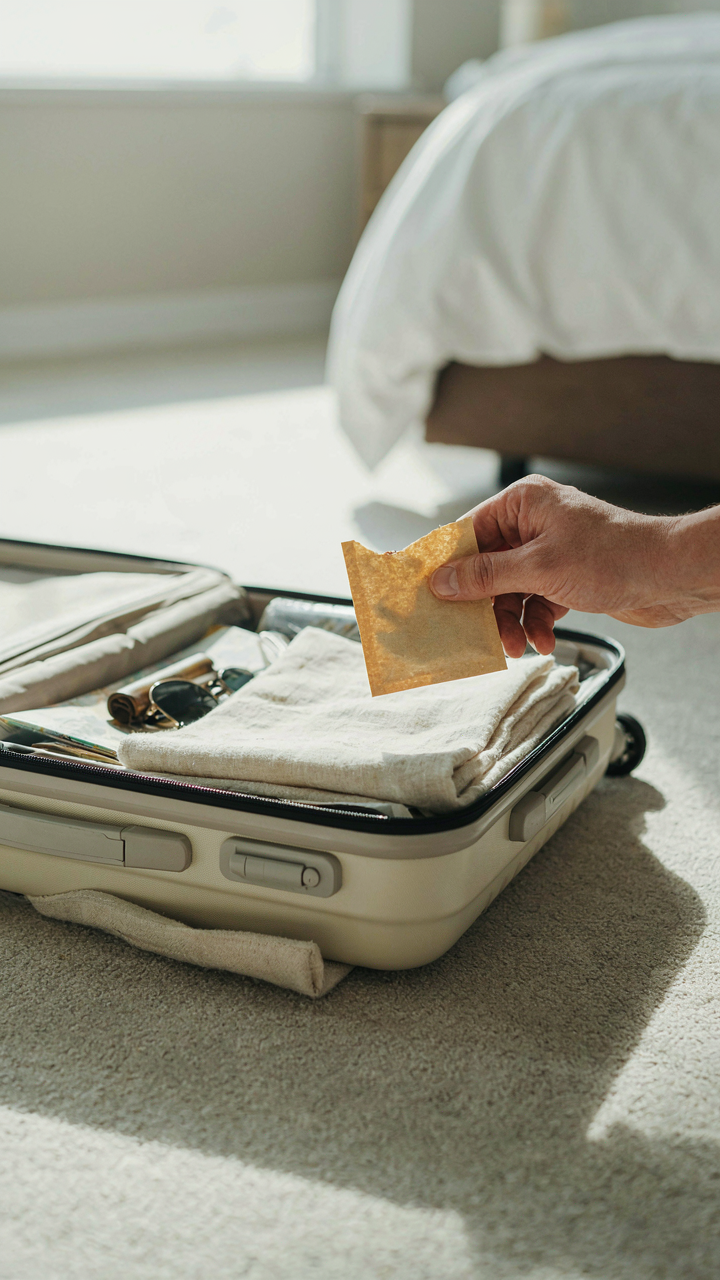
- Travel-size concentrated detergent sheets: Weigh almost nothing, take up minimal space, and eliminate the need to buy laundry soap in foreign supermarkets at tourist prices.
The items you actually need serve at least two functions without compromise. A piece that only works for one situation is dead weight. Calculate the cost per use per function, not the sticker price. A twenty-dollar item used fourteen times across three roles costs pennies per function. A forty-dollar item used twice is a waste.
Honeymoon Packing List For Groom: What Real Men Pack
Travel Size Grooming That Actually Works
You want to look sharp without looking like you tried. That’s the real tension here, and it stops most grooms from packing smart. The mechanism is simple: grooming products scale by volume, not effectiveness. A travel-size deodorant works identically to full-size. A 3oz shampoo bottle cleans hair just as well as 8oz. The difference is dead weight.

Bring one multipurpose product where possible. A quality bar of soap handles face, body, and shaving prep. Toothpaste in a small tube lasts two weeks. Deodorant stick, single razor, nail clippers. Skip cologne unless it’s part of your daily routine. Your bride didn’t marry your scent profile. Pack these items in a small ziplock to contain leaks during travel.
One Dress Shoe, One Casual Pair
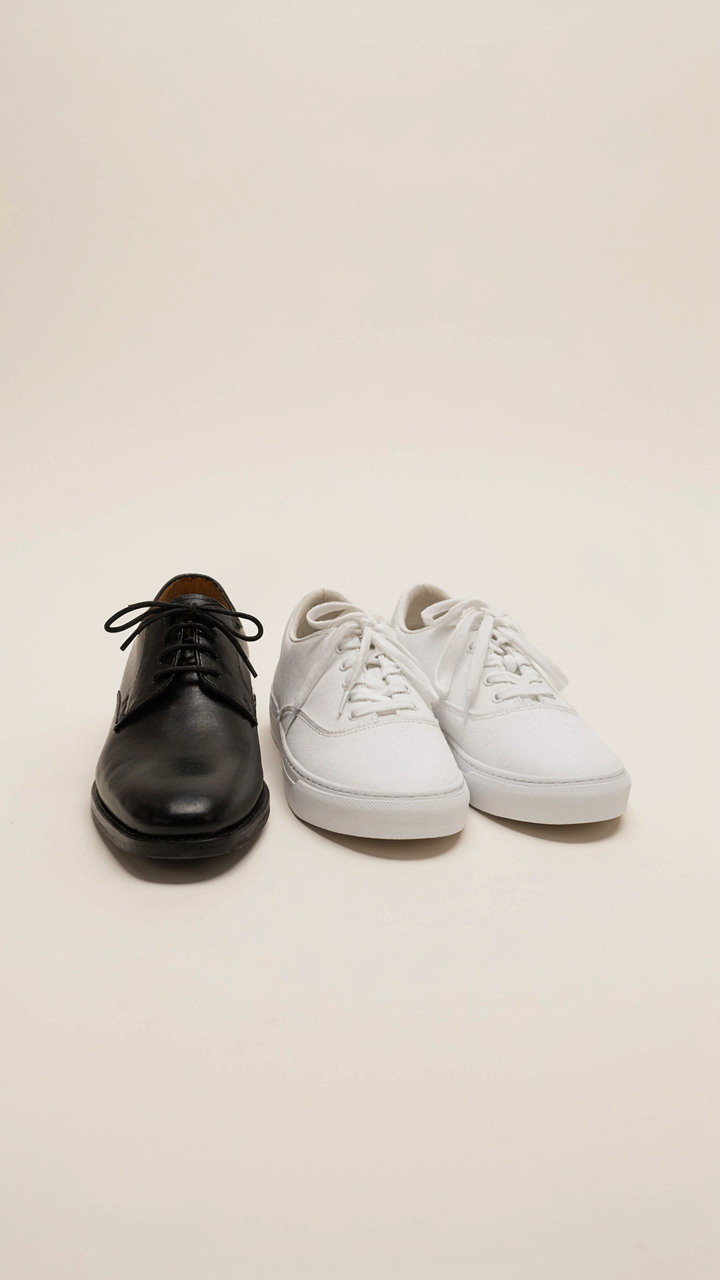
Most grooms pack four shoes and wear two. Footwear takes up 30 percent of suitcase volume despite being 5 percent of actual need. A leather dress shoe in dark brown or black handles dinners, photos, and formal moments. One casual shoe handles everything else: walking, beach, casual restaurants, exploring.
Choose shoes you’ve already broken in. New shoes on a honeymoon create friction blisters, not romance. The dress shoe should be leather for durability and water resistance. The casual pair should be lightweight and packable, like canvas or mesh. Both should be colors that match your existing wardrobe to maximize outfit combinations. Wear the heaviest pair during travel to save space in your bag.
The Honeymoon Shopping List Fallacy: Buy Less, Experience More
Stop Buying Things You Don’t Need Yet
You think you need new gear because everyone else bought new gear, and you’re afraid of looking unprepared. The real mechanism is this: pre-trip shopping is consumption disguised as preparation. You’re not solving a problem. You’re creating one. Most honeymoon packing needs get met with what you already own. The items you lack will reveal themselves through use, not through scrolling gear reviews. Buy after the trip if something genuinely failed.

The budget honeymoon fails when travelers spend 30 to 40 percent of their total trip budget before leaving home. New luggage, new clothes, new toiletries, new shoes. None of this was necessary. You already packed for business trips. You already know how to fit clothes in a bag. The ritual of “honeymoon shopping” is marketing pretending to be prudence. Resist the frame entirely.
Memories Decay Faster Than Souvenirs Accumulate
Physical souvenirs are the weight tax on experience. You buy a trinket to prove you were somewhere, but the proof disappears into a closet within six months. Economists call this the endowment effect in reverse: you overvalue objects before purchase and undervalue them after. A handmade ceramic cup from a Marrakech market costs suitcase space and airport baggage fees to get home, then sits unused. The memory of buying it lasts two weeks.
Ephemeral experiences replace physical clutter with actual data. A shared meal at a specific restaurant, a conversation with a local, a walk through an unmarked neighborhood. These live in conversation and recollection. They compress into zero pounds and zero dollars in ongoing storage. If you must carry something home, choose consumables: local coffee, regional honey, small spice packets. They get used up. The suitcase comes home empty or nearly empty, and the experience stays intact without the guilt of neglected objects.
The Real Cost Isn’t In Your Luggage; It’s In Your Fear Of Missing Out

Most budget travelers pack too much because they fear choosing wrong. They stuff their bag with “just in case” items that never leave the suitcase. Stop it. Your constraint isn’t money or luggage space. It’s decision-making. Open a blank document right now and write down every activity you’ll actually do on your honeymoon. Pack for that trip, not an imaginary one. The difference between a $3000 honeymoon and a $8000 one isn’t the clothing you bring. It’s the guilt that makes you buy experiences you don’t want.