Understanding The Different Types Of Engagement Rings Before You Shop
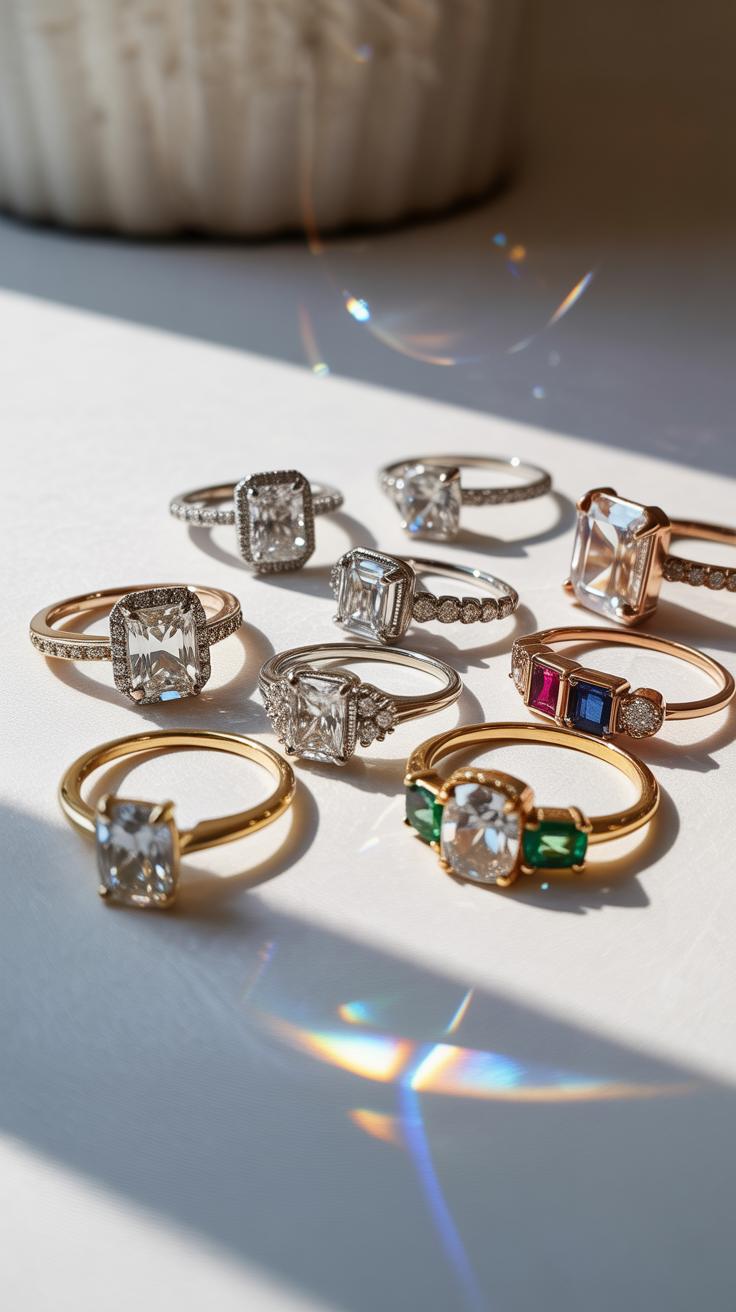
What The Type Of Engagement Rings Category Really Means For Vintage Shoppers
Vintage shoppers must distinguish between true antiques and modern reproductions. A true vintage piece is at least twenty years old. Antiques are over one hundred years old. Modern rings often mimic these styles but lack historical value. Identifying the difference prevents you from overpaying for mass produced items. Focus on construction methods to verify authenticity. Hand craftsmanship often indicates a genuine piece from a specific era.
The category also dictates the level of maintenance required for the stone and metal. Older rings often feature softer metals or delicate filigree work. This affects your long term costs for repairs and resizing. Choosing a durable style like a vintage engagement ring bezel protects the center stone from damage. Understanding these categories allows you to select a ring that fits your daily lifestyle and physical activity level.
How Knowing Ring Eras Helps You Set A Smarter Vintage Engagement Ring Budget
Eras determine the price of the metal and the rarity of the gemstones. Victorian rings often use rose gold or silver topped gold. Edwardian pieces rely heavily on expensive platinum and intricate lace patterns. These materials drive the base cost of the ring upward. Knowing these specific details prevents you from wasting money on overpriced replicas. You can target specific years to find the best value for your money.
Art Deco styles use geometric shapes and bold colors which remain highly popular. This high demand increases the market price for authentic 1920s pieces. If you want an old money engagement ring look, research the mid century era for larger stones at lower price points. Each era has a distinct price ceiling based on current collector demand. Knowledge of these cycles helps you negotiate a fair price with specialized vintage diamond dealers.

Simple But Unique Engagement Rings Why Vintage Is The Smartest Choice
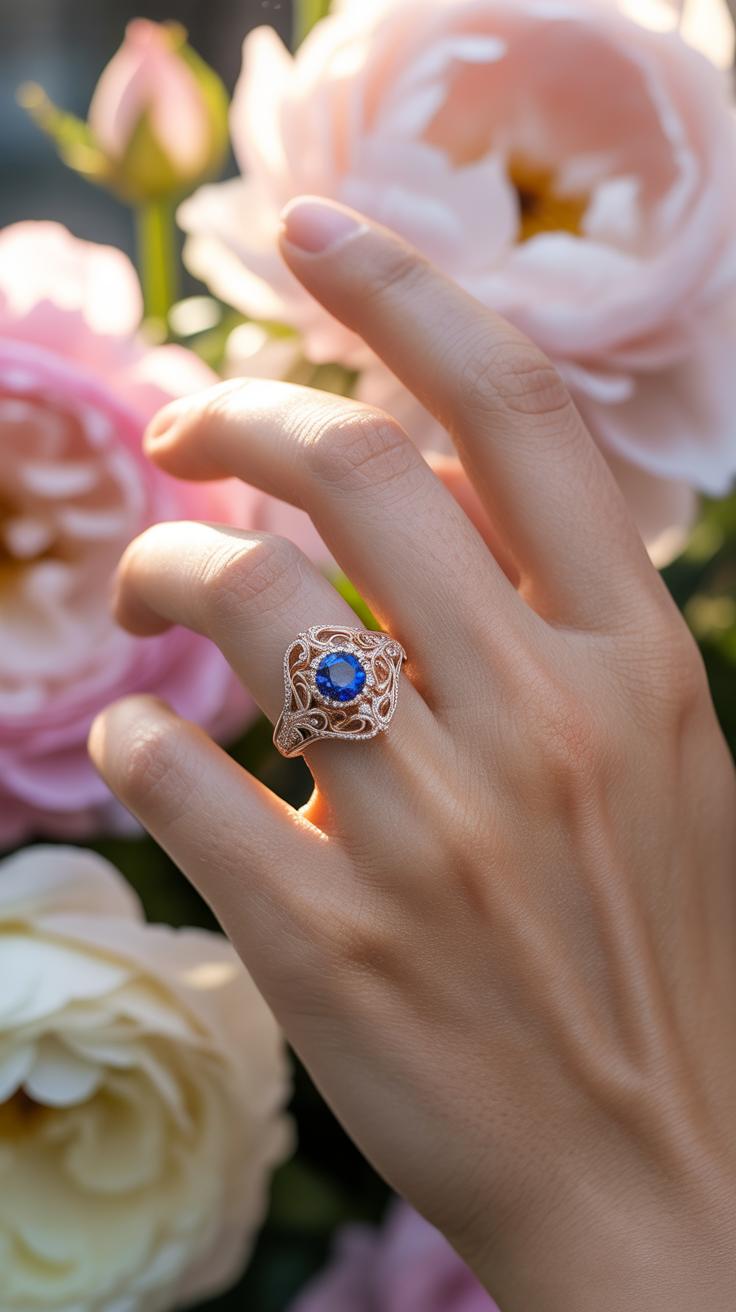
The Appeal Of Simple But Unique Engagement Rings Found In Vintage Markets
Modern mass production creates millions of identical rings. Vintage markets offer a different path for any vintage engagement ring budget. You find pieces from the Mid-Century or Art Deco eras that emphasize structural integrity over stone size. These rings use hand-carved details and specific metalwork techniques that machines cannot replicate. You get a one of one piece without paying a custom design premium.
Vintage rings provide an immediate sense of history and character. Buyers find styles like the vintage engagement rings bezel set, which offers a sleek and secure profile. These designs look clean but carry distinct personality through their patina and aged gold. Choosing vintage means you avoid the high markup of retail jewelry stores. You secure a rare aesthetic that fits an old money engagement ring profile.
How Minimalist Vintage Designs Deliver Maximum Character On A Tight Budget
Minimalist vintage rings prioritize metalwork and geometry over total carat weight. This strategy stretches a vintage engagement ring budget further. A smaller diamond looks larger when paired with a slim Edwardian band or a Victorian gold setting. You pay for the gold weight and craftsmanship rather than a name brand. This approach provides an old money engagement ring look for a fraction of the cost.
Strategic buyers target simple bands with unique textures like milgrain or filigree. These features add visual interest without the price tag of extra side stones. Focus on old money engagement ring styles that use low profile settings. These designs are durable for daily wear and never go out of style. You get a high quality investment piece that maintains its value better than modern commercial rings.
Vintage Engagement Rings Bezel Settings A Timeless And Budget Friendly Option
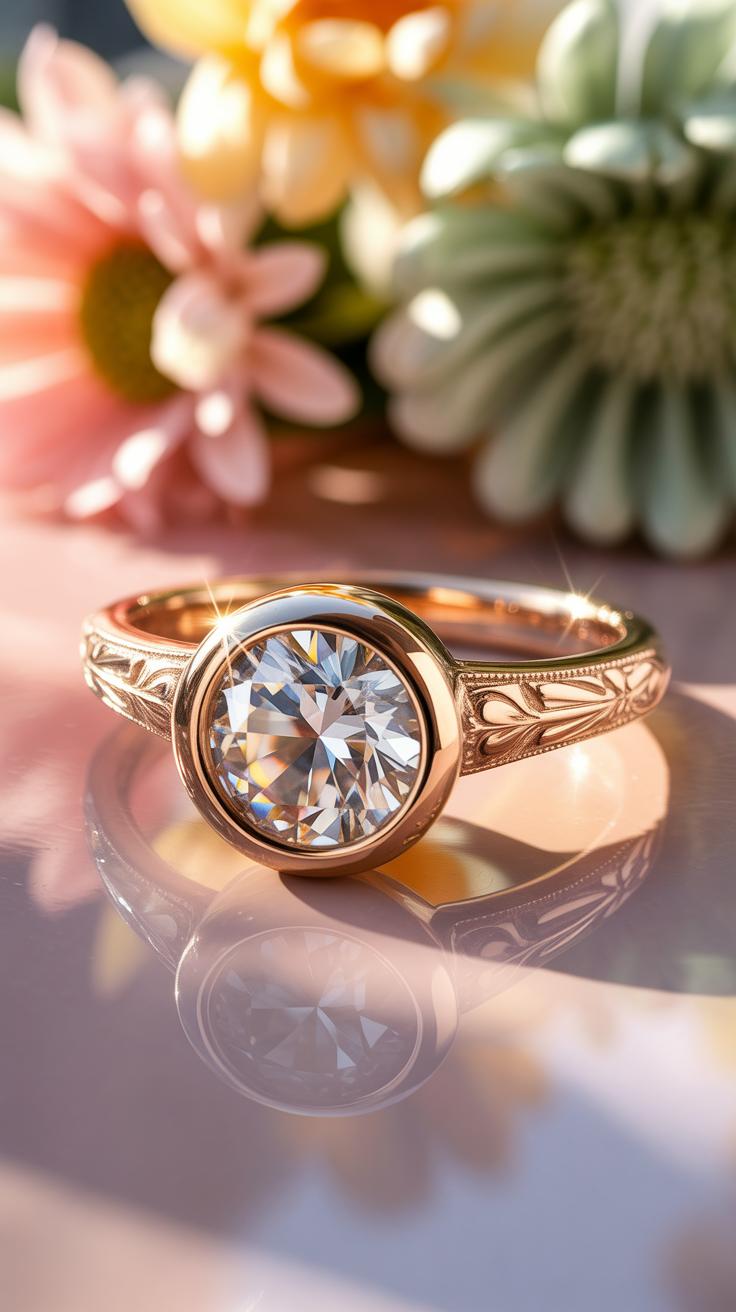
What Makes Vintage Engagement Rings Bezel Settings So Enduringly Popular
Bezel settings secure a stone with a continuous metal rim. This design dominated the Art Deco era and early Georgian jewelry. It offers a clean look that fits the Old Money engagement ring aesthetic. The metal collar protects the diamond edges from chips and snags. Modern buyers choose this style for its sleek profile and historical roots. It bridge the gap between antique charm and functional wear.
The bezel remains a staple for simple but unique engagement rings. It highlights the geometry of the stone without using distracting prongs. This setting style works with many type of engagement rings including round and emerald cuts. It creates a smooth surface that does not catch on clothing. Its durability makes it ideal for daily use. This practicality ensures the ring lasts for generations without frequent maintenance or loose stones.
Why Bezel Set Vintage Rings Often Cost Less Without Sacrificing Elegance
A vintage engagement ring budget goes further with a bezel setting. This technique can mask minor inclusions near the girdle of a diamond. Jewelers often use bezel walls to hide chips or natural flaws in antique stones. You can purchase a lower clarity grade diamond and achieve a high-end look. The metal rim also makes the center stone appear larger than its actual carat weight by extending the visual perimeter.

Choosing this type of wedding rings saves money on long-term repairs. Prongs require regular retipping to prevent stone loss. A solid metal bezel rarely fails and needs less professional upkeep. This lowers the total cost of ownership over several decades. It provides the Old Money engagement rings look of substantial gold or platinum weight. You get a secure, expensive-looking piece while spending less on the primary diamond.
Old Money Engagement Ring Styles That Are Surprisingly Affordable
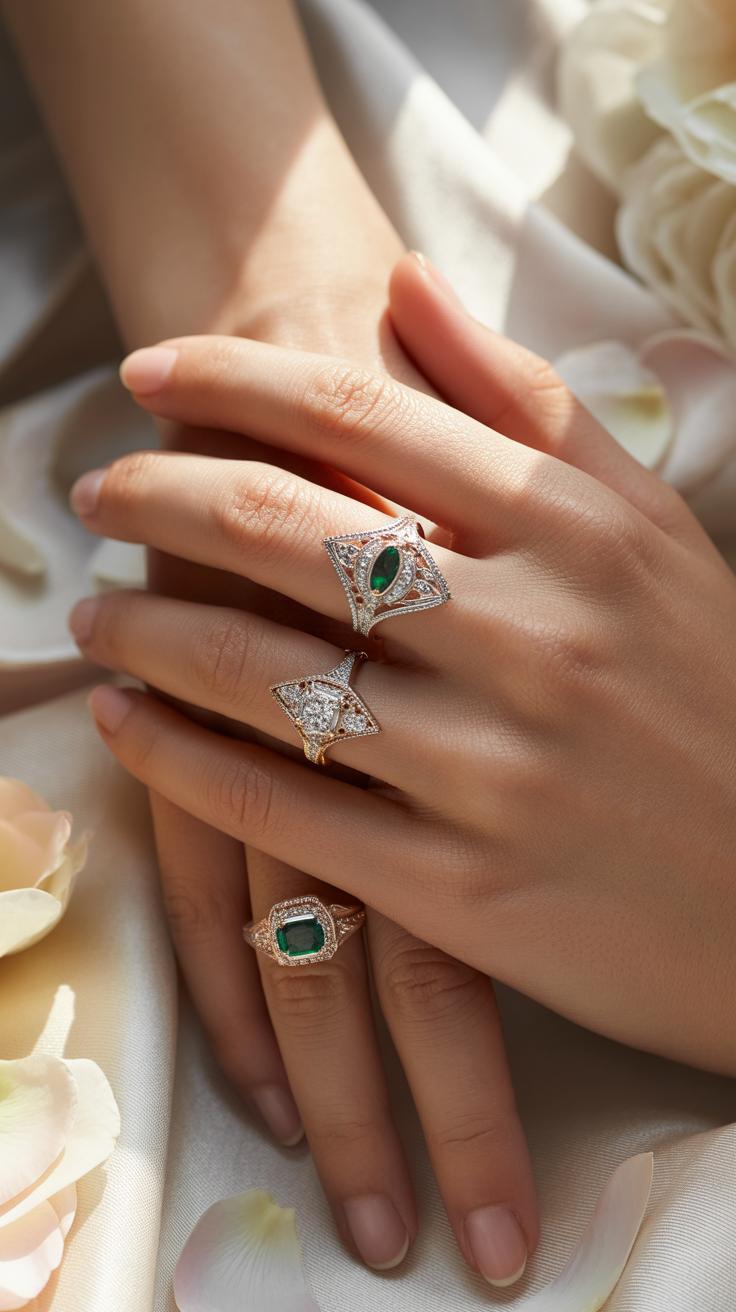
Defining Old Money Engagement Ring Aesthetics And Their Historical Roots
Old money style focuses on durability and restraint rather than size. These rings often feature vintage engagement rings bezel settings from the Art Deco or Edwardian eras. Low profile designs prioritize active lifestyles and long term wear. Platinum and high karat gold provide the structural integrity required for heirloom quality. This aesthetic values the history of the piece over modern retail trends.
The core of this style involves specific stone cuts. Step cuts like emerald or Asscher shapes show clarity instead of flashy brilliance. These shapes align with the old money engagement ring preference for understated elegance. Craftsmanship from the early twentieth century often includes hand engraving and milgrain. These tiny details create a simple but unique engagement ring look that signals status through quality.
Where To Find Authentic Old Money Engagement Rings Without Paying Designer Prices
Skip major retail brands to find a better vintage engagement ring budget. Look at regional auction houses and estate sales instead of luxury showrooms. Private sellers often undervalue older settings that lack modern certifications. Focus on finding a type of engagement ring with a solid mounting. You can often buy a well made piece for the metal and stone weight alone.

Consult with independent estate jewelers who specialize in old money engagement rings. These experts often have inventory that never reaches the public market. Search for rings featuring smaller center stones surrounded by high quality metalwork. These pieces offer the old money wedding ring look at a fraction of the cost. Selecting unbranded antique pieces removes the price markup found at high end boutiques.
Old Money Engagement Ring Styles By Era Edwardian Art Deco And Victorian
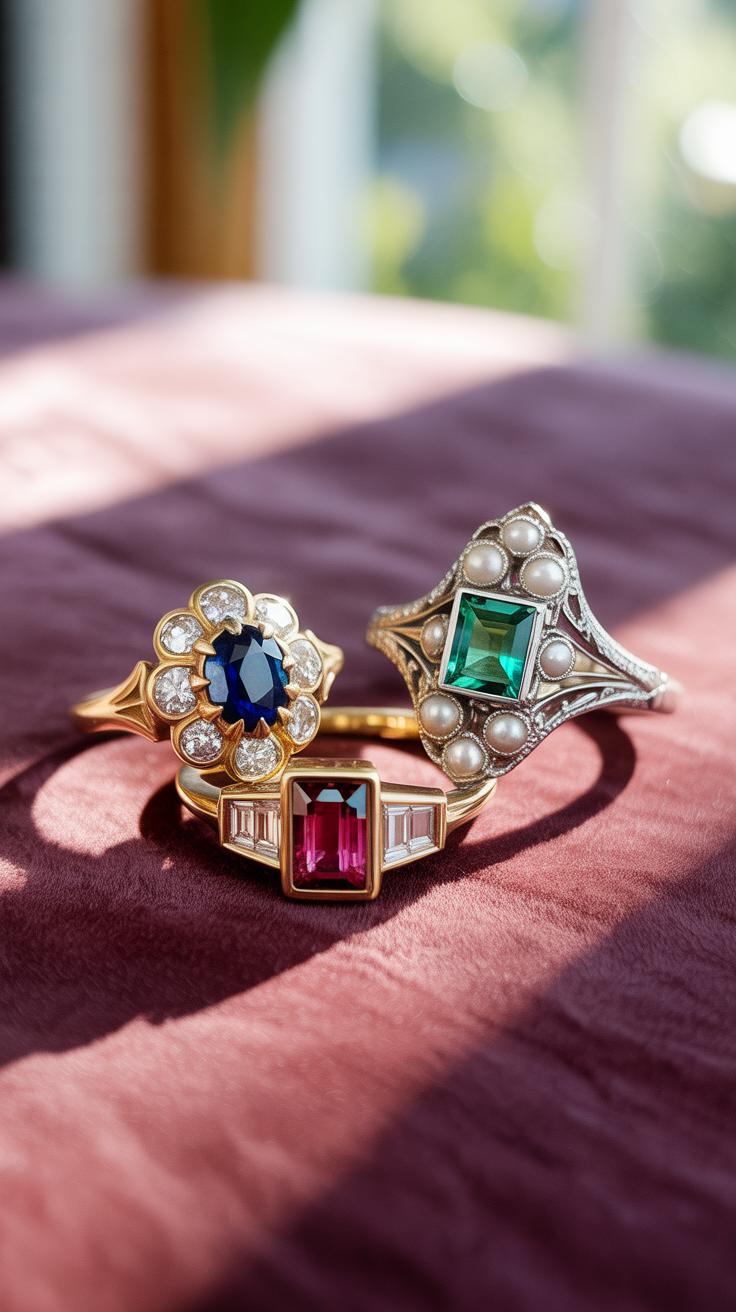
How Each Era Shaped Distinct Old Money Engagement Ring Styles And Price Points
Victorian rings prioritize gold and colored gemstones. This era uses rose or yellow gold and old mine cuts. Production was high during this time which keeps entry prices lower for buyers. These rings often feature clusters or halo designs. You get a larger visual footprint for less money. Victorian styles offer a classic old money look without the high cost of later platinum eras.
Edwardian and Art Deco eras introduced platinum and intricate diamond work. Edwardian styles use lace-like filigree and milgrain detailing. These require high labor hours and Command premium prices. Art Deco pieces focus on geometric shapes and step-cut stones like emerald cuts. These styles signify wealth through structural precision. Buyers pay more for the metal purity and the specialized stone cutting techniques used in these specific periods.
True love does not require a brand new diamond, but a storied soul within a piece of history. A vintage ring allows you to honor the past while building a future that is rich in character rather than just cost.
Choosing The Right Era To Match Your Budget And Personal Aesthetic
Match your budget to the metal and stone type. Choose Victorian styles if you want a warm gold look and a lower price point. These rings fit a traditional aesthetic. They work well for buyers who prefer antique charm over modern perfection. Look for rose gold to hide lower diamond color grades. This strategy saves you thousands while maintaining a high-end vintage engagement ring budget.
Select Art Deco for a bold and architectural style. These rings use bezel settings that protect the stone. This makes them practical for daily wear. Art Deco commands the highest prices due to current market demand. If your budget is tight but you want this look, buy a smaller center stone. The geometric metalwork adds significant visual scale. This era provides the ultimate old money engagement ring signature.
Old Money Wedding Ring And Engagement Ring Pairings On A Budget
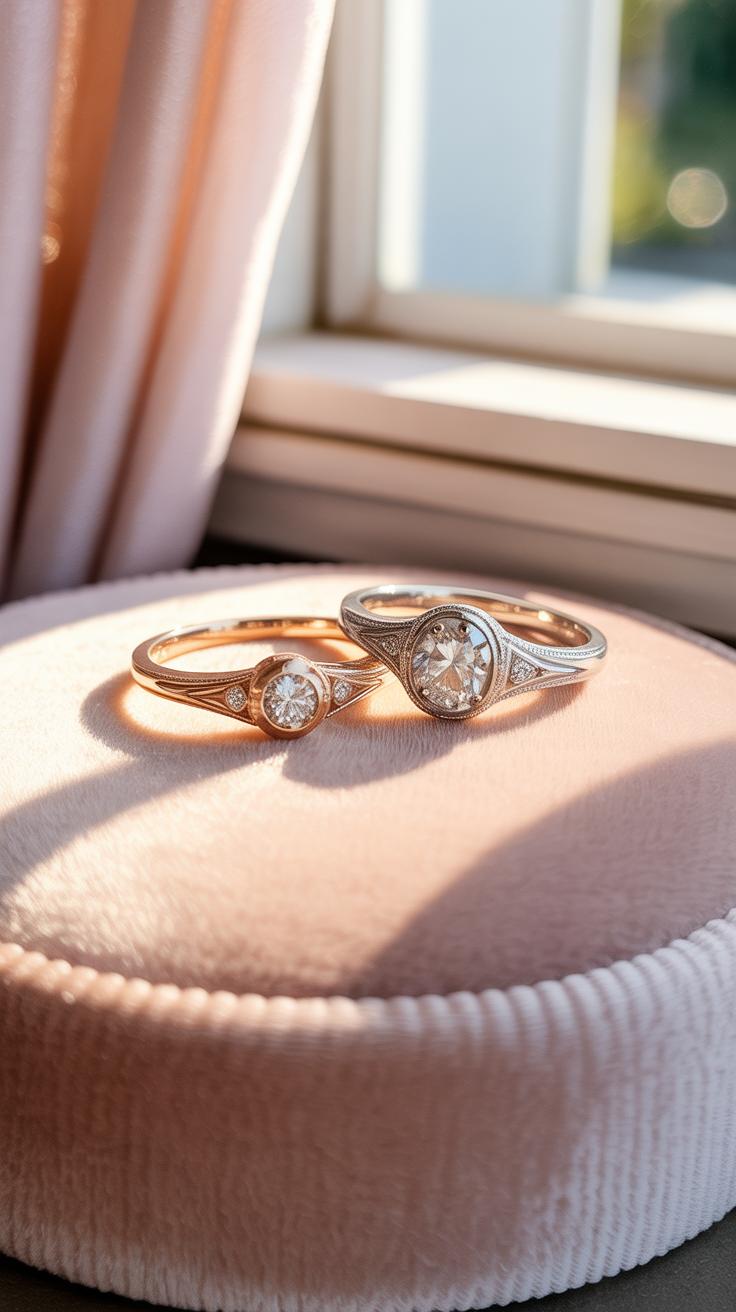
How To Pair An Old Money Wedding Ring With A Vintage Engagement Ring Affordably
Old money style relies on understated elegance and historical continuity. Achieving this look for less requires matching the metal alloy and patina rather than the carat weight. Buy a plain 14k gold band with a width of two millimeters to pair with a late Edwardian or Art Deco ring. Plain bands cost significantly less than diamond eternity bands but maintain a timeless aesthetic.
Prioritize consistent metal color over stone size to ensure a cohesive look. A mismatched metal hue looks cheap and breaks the visual line of the set. Search for vintage wedding bands at estate auctions or pawn shops. These items often sell for their scrap weight value. Selecting a band with light surface wear adds authentic character. This approach bypasses the high markup of modern luxury retail stores.
Stacking And Mixing Old Money Wedding Ring Styles Without Overspending
Stacking rings creates a high end look through layered textures rather than massive center stones. Use thin gold spacers to protect delicate vintage settings from friction damage. These thin bands allow you to mix different eras without visual clutter. A simple gold band between an Art Deco engagement ring and a wedding band adds necessary depth. This method builds a rich aesthetic using affordable components.

Mixing different textures like milgrain or hand engraving adds visual interest without high costs. Avoid buying pre set wedding sets because they often carry a premium price tag. Buy individual pieces over time to build a curated collection. Check for hallmarks like 18k or platinum to ensure metal quality matches across the stack. Focus on balance and symmetry to mirror the conservative tastes of traditional upper class jewelry.
Understanding The Different Types Of Wedding Rings In The Vintage Market
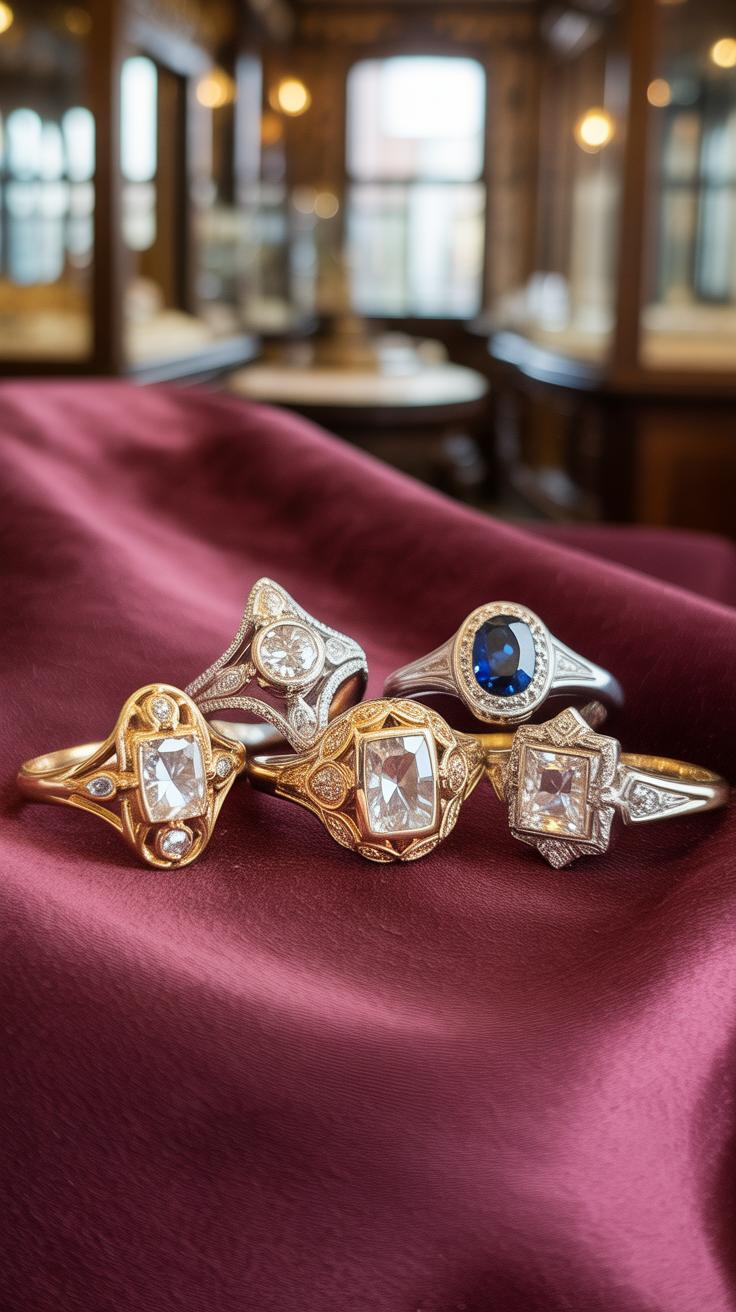
Breaking Down The Type Of Wedding Rings Available In Antique And Estate Sales
Antique rings date back over one hundred years. These pieces often feature hand-cut diamonds like the Old European or Old Mine cut. These stones lack the precision of modern lasers. They offer a distinct, warm glow instead. Estate rings are simply any jewelry previously owned. This category includes modern second-hand pieces and mid-century designs. Knowing the difference prevents you from overpaying for a newer ring labeled incorrectly.
Collectors often look for specific era markers to verify authenticity. Georgian and Victorian rings use silver-topped gold or low-karat alloys. Edwardian pieces introduced platinum and delicate lace-like filigree. Art Deco rings prioritized geometric symmetry and white metals. Identifying these construction methods helps you verify the age and value. Understanding these technical shifts ensures you buy a genuine piece. You avoid paying antique prices for a mass-produced reproduction.
How Identifying The Right Type Of Wedding Ring Saves You Money On Your Search
Narrowing your search to specific eras eliminates high-markup retail distractions. If you want the old money wedding ring look, focus on the 1920s or 1940s. These eras used sturdy settings and high-quality stones. Choosing a vintage engagement ring budget means looking for gold instead of platinum. Gold was common in the late 19th century and 1940s. These pieces cost less but offer significant historical value and durability.

The vintage engagement rings bezel style offers another way to save. Bezel settings protect the stone edges from chipping. This allows you to buy a diamond with lower clarity or a slight chip. The metal rim hides these flaws perfectly. This strategy lowers your entry price significantly. You get a unique look without the premium cost of a flawless stone. Smart buyers use these technical details to find value where others see imperfection.
Where To Shop For Vintage Engagement Rings On A Budget
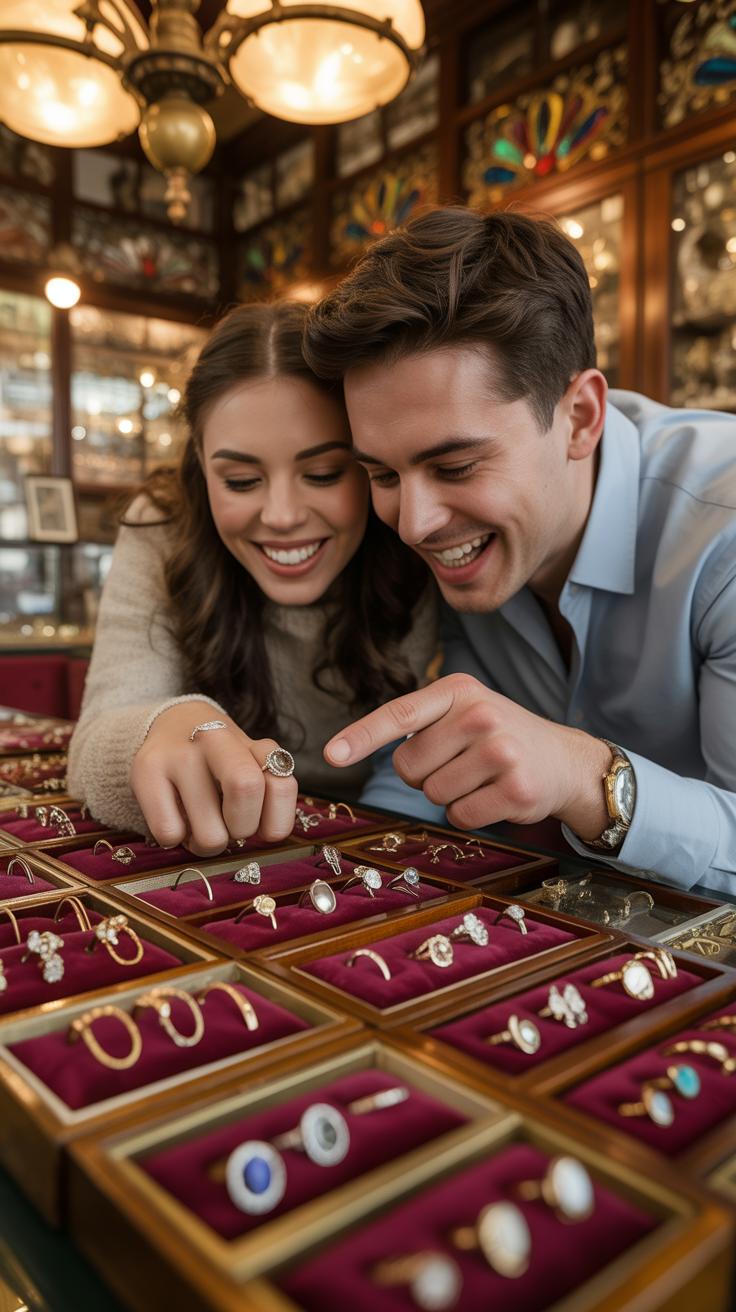
The Best Places To Buy A Vintage Engagement Ring Without Overpaying
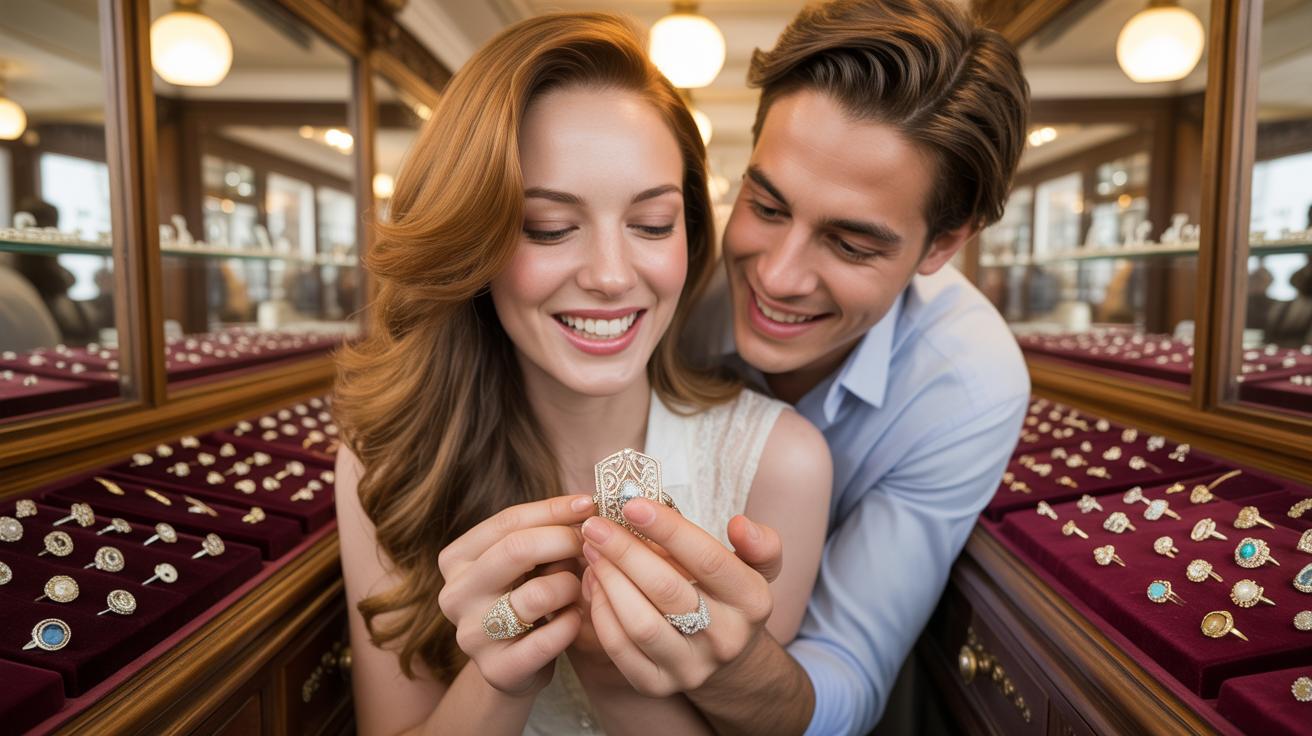
Successful buyers avoid high-end boutiques with massive markups. You must target secondary markets where inventory moves fast and overhead is low. Look for sellers who specialize in estate liquidations or reputable online marketplaces with buyer protection. These platforms often host authentic Art Deco or Edwardian pieces at wholesale price points. Focus on sellers who provide detailed grading reports for any center stones.
- Specialized Estate Jewelers: These dealers buy directly from estates and private collections. They understand historical periods and offer fair market pricing. You avoid the retail premiums found at luxury mall stores. Most provide verified documentation for gold purity and gemstone authenticity.
- Online Auction Houses: Reputable auction sites allow you to bid on unique pieces from specific eras. You can find high-quality Old European cut diamonds at lower prices than modern rounds. Always check the buyer’s premium and return policy before you place any bids.
- Pawn Shops in Affluent Areas: High-end pawn shops often carry luxury inventory at a fraction of the original cost. They prioritize quick turnover over high margins. You must inspect these items in person to verify the condition of the metal and the security of the stone settings.
- Antique Shows and Fairs: Local antique shows connect you directly with multiple vintage collectors. This competition gives you leverage to negotiate prices on the spot. You can compare different styles like Victorian or Retro designs side by side to ensure you get the best value.
- Dedicated Online Marketplaces: Sites focusing on vintage goods offer a wide selection of bezel set and unique rings. Use filters to find specific metal types like platinum or 18k yellow gold. Look for shops with high ratings and many sales to ensure a safe and secure transaction.
Compare the price per carat and metal weight across different platforms. Research current gold and platinum spot prices to know the melt value of the ring. This data gives you a baseline for negotiation. Always ask for a video of the ring in natural light. Detailed photos can hide thin bands or chipped stones. Buying from volume sellers usually yields the best tactical advantage for your budget.
Red Flags To Watch For When Shopping Vintage Rings At Any Price Point
Check the shank of the ring for extreme thinning. Many old rings have been resized multiple times or worn down over decades. A thin bottom rail will eventually snap and require an expensive rebuild. Look for visible seams or discoloration in the metal which indicates poor repair work. Avoid rings with loose stones or bent prongs because these flaws lead to immediate loss of the gem.
Examine the hallmarks inside the band to verify the metal content. If a ring claims to be from the Art Deco era but lacks appropriate wear or features modern laser engravings, it is likely a reproduction. Be wary of stones that look too perfect or lack the characteristic facet patterns of old cuts. Genuine vintage diamonds often show a small circle at the center called a culet. Skip any seller who refuses to provide a third-party appraisal.
Practical Tips For Evaluating And Authenticating A Vintage Ring Before Buying
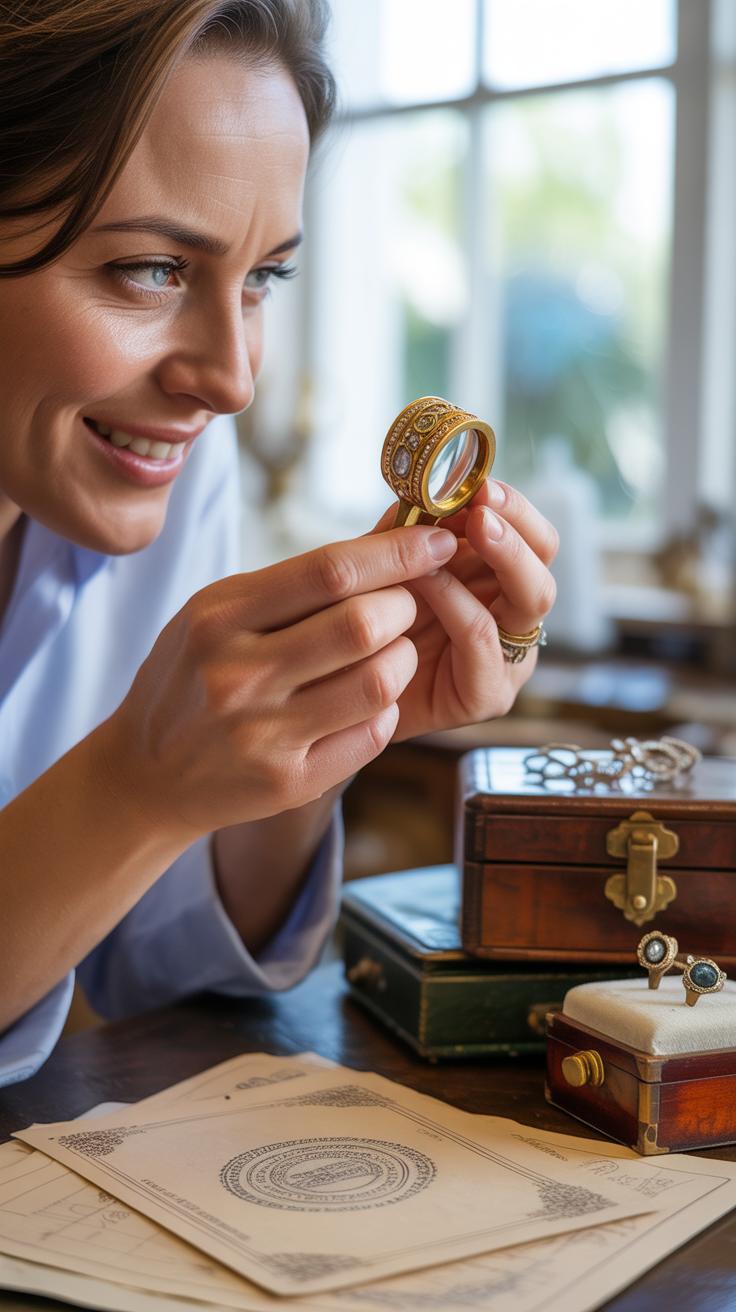
Key Questions To Ask A Seller Before Committing To A Vintage Engagement Ring
Demand a detailed condition report. Ask specifically about previous repairs or modifications. Many Art Deco or Victorian rings have replaced shanks or swapped stones. You need to know if the bezel setting is original or a modern addition. Ask if the diamonds are period-correct. Old Mine or European cuts are standard for true vintage pieces. Verify if the metal has been replated recently.
Inquire about the provenance and hallmarking. A reputable seller must identify French, British, or American maker marks. These marks prove the era and metal purity. Ask about the return policy for third-party inspections. Real vintage rings often have thin prongs from decades of wear. You must know if the stone is loose or if the setting requires immediate retipping. Focus on structural integrity over shine.
Budget Friendly Ways To Get A Vintage Ring Appraised And Certified
Vetting a vintage purchase does not require a massive investment. You can use specific industry tools and independent experts to verify a ring without overpaying. Stick to third-party labs that specialize in antique stones. These experts identify if a diamond is natural or lab-grown from a later period. Focus on verbal appraisals for initial cost savings before committing to full written reports.
- Independent Gemologists: Avoid store-affiliated appraisers. Hire an independent Graduate Gemologist who does not sell jewelry. They provide an unbiased value and check for hidden chips or treatment. This prevents a conflict of interest.
- Consultation Only Services: Request a verbal appraisal for a lower fee. This provides the same technical data as a written report without the high document cost. It confirms if the ring matches the seller description and era.
- GIA Graduate Search: Use the GIA website to find local pros. Professionals with these credentials understand old european cuts and historic metalwork. They can spot modern laser drills or glass fillings that ruin the value of vintage pieces.
- Comparative Market Analysis: Research sold listings on auction sites for similar eras. Look for Art Deco or Edwardian rings with comparable carat weights and metal types. This data serves as a free benchmark for your specific budget.
- Metal Acid Testing: Ask for a non-destructive metal test. This confirms if the ring is solid gold, platinum, or just plated base metal. Many old money styles use platinum for durability. Verification ensures you pay for the stated material.
Use these methods to secure your investment within your vintage engagement ring budget. Always prioritize GIA or AGS certification for any center diamond over 0.50 carats. This prevents paying premium prices for low-quality stones. Smart buyers verify the ring before the final sale. This tactical approach ensures the piece is an authentic relic of jewelry history rather than a modern reproduction.
Frequently Asked Questions

What exactly defines a vintage engagement ring and why are they popular for couples?
A vintage engagement ring is typically defined as a piece that is at least 20 to 100 years old, representing specific design eras like Art Deco or Victorian times. Many couples choose these rings because they offer unique craftsmanship and a romantic history that modern mass-produced jewelry lacks. Opting for a vintage engagement ring budget allows you to own a one-of-a-kind piece of art that standard retail stores simply cannot replicate.
How can I verify the authenticity and quality of an antique ring before purchasing?
To ensure you are making a wise investment, always request a professional appraisal or a grading report from a reputable lab like the GIA. Examine the inner band for hallmarks that indicate metal purity and look for signs of era-appropriate wear. When sticking to a vintage engagement ring budget, focus on the structural integrity of the prongs and the clarity of the center stone to ensure the piece lasts for generations.
Which eras or styles offer the best value for someone on a tight budget?
If you are looking for affordability, consider the Mid-Century or Retro eras, which often feature smaller diamonds set in clever “mirrored” illusions to appear larger. You can also save significantly by choosing semi-precious gemstones like sapphires or garnets instead of diamonds. Alternatively, exploring “vintage-inspired” rings can provide that timeless aesthetic while allowing you to control the cost of the materials and stones used in the final design.