What Does Eloping Abroad Actually Mean Your Elopement Abroad Starter Guide
The Modern Definition Of Eloping Abroad And How It Differs From A Destination Wedding
Eloping abroad no longer means running away to marry in secret. Modern elopements are intentional, small scale ceremonies held in foreign countries. These events prioritize the couple over a large guest list. You choose a location based on personal preference rather than family convenience. It is a focused shift toward individual experience. You control every detail without the pressure of hosting hundreds of people.
Destination weddings differ because they function as large scale events. They involve significant logistics for many guests and multiple days of activities. An elopement focuses on the legal or symbolic union of two people. You skip the formal reception and high overhead costs. This choice allows for more flexible travel and unique venue options. You trade social performance for a private and streamlined legal process.
Why Couples Are Choosing International Elopements Over Traditional Ceremonies
Couples choose international elopements to avoid the rising costs of local weddings. Traditional ceremonies often exceed budgets due to venue fees and catering. By eloping, you redirect funds toward travel and high quality photography. This strategy allows you to visit bucket list locations while completing your legal marriage. You gain a private experience without the logistical headaches of a massive guest list.
Stress reduction is another primary driver for this choice. Planning a traditional wedding requires months of managing vendors and family expectations. Eloping abroad simplifies your to do list significantly. You focus on the legal requirements of your chosen country and your personal timeline. This approach eliminates social drama and conflicting opinions. You maintain total control over your schedule and your financial investment in the wedding.

Understanding International Marriage Laws The Foundation Of Your Elopement Planning
How Sovereign Nations Set Their Own Marriage Laws And Why It Matters For Eloping Couples
Every country operates under its own legal system to define what makes a marriage valid. These rules are non-negotiable and strictly enforced by local authorities. Factors like residency periods, witness requirements, and blood tests vary significantly between borders. You must respect the local jurisdiction of your chosen destination. Failing to meet even one minor administrative rule can render your entire ceremony void in the eyes of the law.
International law follows the principle of lex loci celebrationis. This means the law of the place where the wedding occurs governs the validity of the marriage. If you meet the legal requirements in France, your home country will generally recognize the union as legal. However, you must prove you followed those specific local rules. Researching these laws early prevents logistical failures that can ruin your travel plans and your legal status.
Civil Vs. Religious Ceremonies Abroad And Their Legal Standing In Your Home Country
Many nations distinguish between civil and religious ceremonies. In countries like France or Mexico, only a civil ceremony performed by a government official carries legal weight. A religious ceremony held in a church has no standing without a prior or concurrent civil act. You must verify if your destination requires a city hall visit before your symbolic celebration. Most couples ignore this distinction and end up with an invalid marriage.

Your home country typically recognizes foreign marriages if they comply with the destination’s civil laws. If you only have a religious ceremony in a country that requires a civil one, you are not legally married. This mistake creates massive issues for taxes, insurance, and inheritance. Always secure a government-issued marriage certificate translated and authenticated by an apostille. This document serves as the only definitive proof of your legal union.
Essential Documents You Need When Getting Married Abroad
Core Identity And Civil Status Documents Required By Most Countries For Foreign Nationals
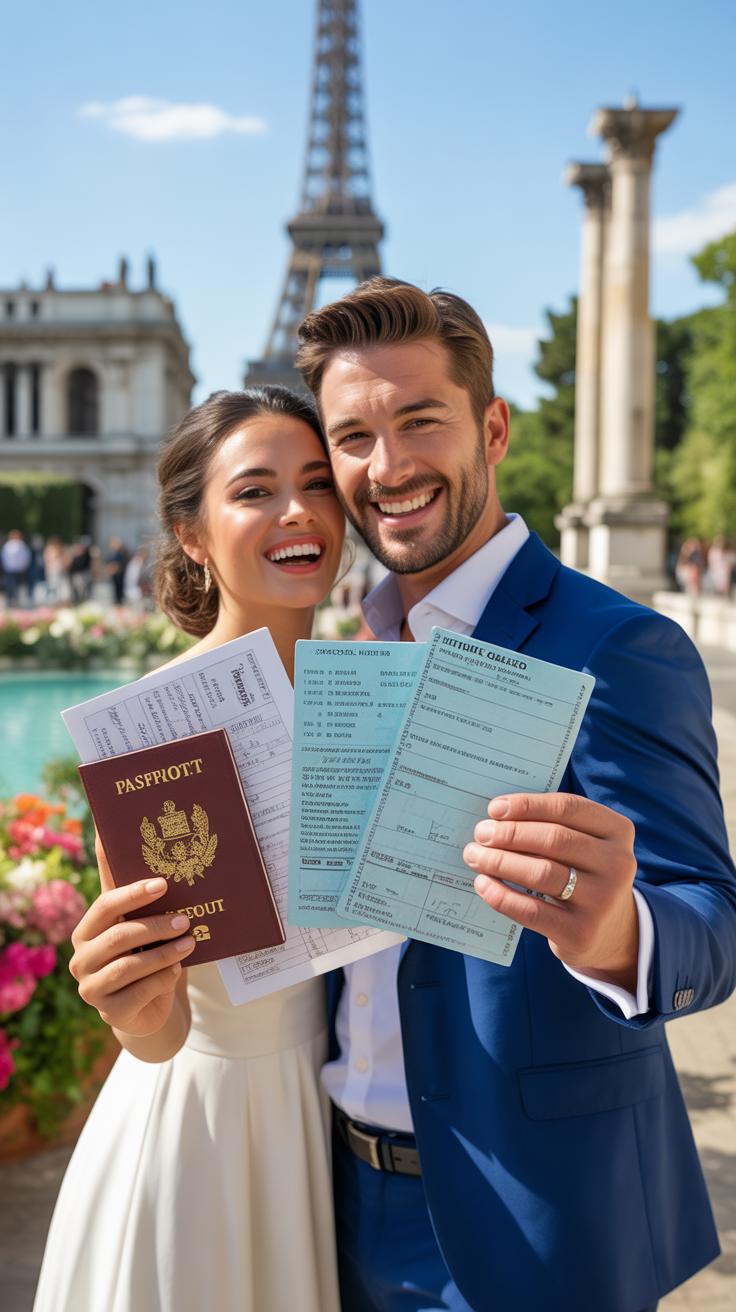
Most foreign governments require specific paperwork to prove your identity and eligibility to marry. You must provide original documents or certified copies issued by official government agencies. Local authorities use these records to verify your age and current marital status. Prepare these files at least six months before your date. Failure to produce correct documents will stop your legal ceremony immediately.
- Valid Passports: You must hold a current passport with at least six months of validity remaining beyond your travel dates. Authorities use this as your primary identification. Ensure the names match your other legal documents exactly to avoid administrative delays or rejection by foreign registrars.
- Birth Certificates: Most nations require a full long-form birth certificate that lists your parents’ names. Short-form versions are rarely accepted for international marriage licenses. You may need to request a fresh certified copy from your birth state or province to meet recent issuance date requirements.
- Certificate of No Impediment: This document proves you are legally free to marry and not currently registered in another domestic partnership. Many countries require this to ensure no legal obstacles exist. You usually obtain this from your local consulate or home country vital records office before you depart.
- Divorce Decrees or Death Certificates: If you were previously married, you must provide absolute proof that the prior union ended. Photocopies are insufficient for legal use abroad. You need a court-certified decree absolute or an original death certificate. These documents confirm your legal capacity to enter a new marriage contract.
- Affidavits of Eligibility to Marry: Some jurisdictions require a sworn statement signed in front of a notary or consular officer. This document serves as a formal declaration of your intent and legal standing. Research the specific wording required by your destination to ensure the affidavit meets all local legal standards.
Civil status documents bridge the gap between your home laws and foreign regulations. Translating these records into the local language is often a mandatory step. Use professional sworn translators to ensure accuracy and legal validity. Always keep digital scans and physical copies in separate locations. These records form the foundation of your legal marriage application in any foreign jurisdiction.
Love recognizes no barriers and jumps hurdles to arrive at its destination full of hope. Navigating the world’s laws is merely a prelude to the lifelong promise you make under a foreign sky.
Apostille Certification And Document Authentication: What It Is And Why You Need It
An Apostille is a specialized certificate attached to your documents to make them legitimate in another country. It originated from the 1961 Hague Convention to simplify the legalization process. Without this stamp, a foreign official has no way to verify that your birth certificate or decree is real. It confirms the signature and seal of the official who issued the paper.

If your destination is not part of the Hague Convention, you must use a multi-step legalization process instead. This involves getting stamps from your local government and the destination embassy. This process takes more time and costs more money. Start this task early to avoid travel delays. Valid authentication ensures your marriage is recognized both abroad and when you return to your home country.
Residency And Notice Requirements A Critical Part Of Your Eloping Checklist

Minimum Residency Periods Required Before You Can Legally Marry In A Foreign Country
Many countries require couples to live within their borders for a specific time before the wedding. This rule prevents visitors from bypassing local marriage laws through quick day trips. France requires at least one partner to live in the local district for forty days. In contrast, Italy generally has no length of stay rule for foreign nationals but local mayors may enforce specific wait times.
Failing to meet these timelines will stop your legal process immediately. You must plan your flight and hotel bookings around these legal windows. Italy and Switzerland offer more flexibility for tourists than France or Spain. Always confirm the exact number of days required with the local town hall or consulate. These laws change based on your citizenship and the current regional civil codes.
Notice Of Intended Marriage: What It Means And Which Countries Enforce It
The Notice of Intended Marriage is a formal declaration of your intent to wed. Civil authorities use this period to ensure no legal barriers exist to the union. Countries like the United Kingdom and Australia require this notice weeks or months in advance. You submit your paperwork to a registrar who then posts your names publicly. This process confirms the marriage is lawful and public.

You cannot skip this step if you want a legally binding ceremony. Most nations require you to sign these documents in person at a government office. If you miss the deadline for filing the notice, the state cannot issue a marriage license. Check the specific laws in Ireland or New Zealand as they have strict filing windows. Prepare your documents early to avoid administrative delays during your trip.
Popular Elopement Locations And Their Specific Legal Requirements

Legal Marriage Requirements In Europe’S Most Popular Elopement Destinations
France requires a strict forty day residency period before a civil ceremony can occur. Most foreigners choose a symbolic ceremony to bypass this residency hurdle. Italy permits legal marriages for non-residents but requires a Nulla Osta document. This paper proves you are free to marry. You must also complete a Declaration of Intent at the local city hall. These steps ensure your marriage is recognized back home.
Greece and Spain have diverging rules for tourists. Greece allows civil ceremonies with translated birth certificates and decree absolutes for divorcees. Spain typically requires at least one partner to be a resident. Most couples in Spain marry legally in their home country first. They then hold a ceremony in Spain for the experience. Ireland requires three months of notice. You must meet a registrar in person before your wedding date.
Eloping In The Americas And Asia Pacific: Key Legal Differences Couples Must Know
Mexico requires blood tests for all couples marrying within its borders. These tests must happen locally to check for specific diseases. You also need four witnesses with valid identification present during the ceremony. In the United States, Las Vegas remains the fastest option. Most Nevada counties issue licenses immediately without a waiting period. This makes the region the global standard for efficient and legally binding elopements.

Thailand requires a multi day process in Bangkok to verify your eligibility to marry. You must visit your national embassy to swear an affidavit. Once translated and certified, you take these papers to a local district office. In contrast, Fiji has a simple registration process but requires original documents. You must provide birth certificates and passports to the registry office. Planning these logistics early prevents technical delays in these diverse regions.
Hiring A Local Wedding Officiant Or Notary Your Wedding Guide To Legal Solemnization
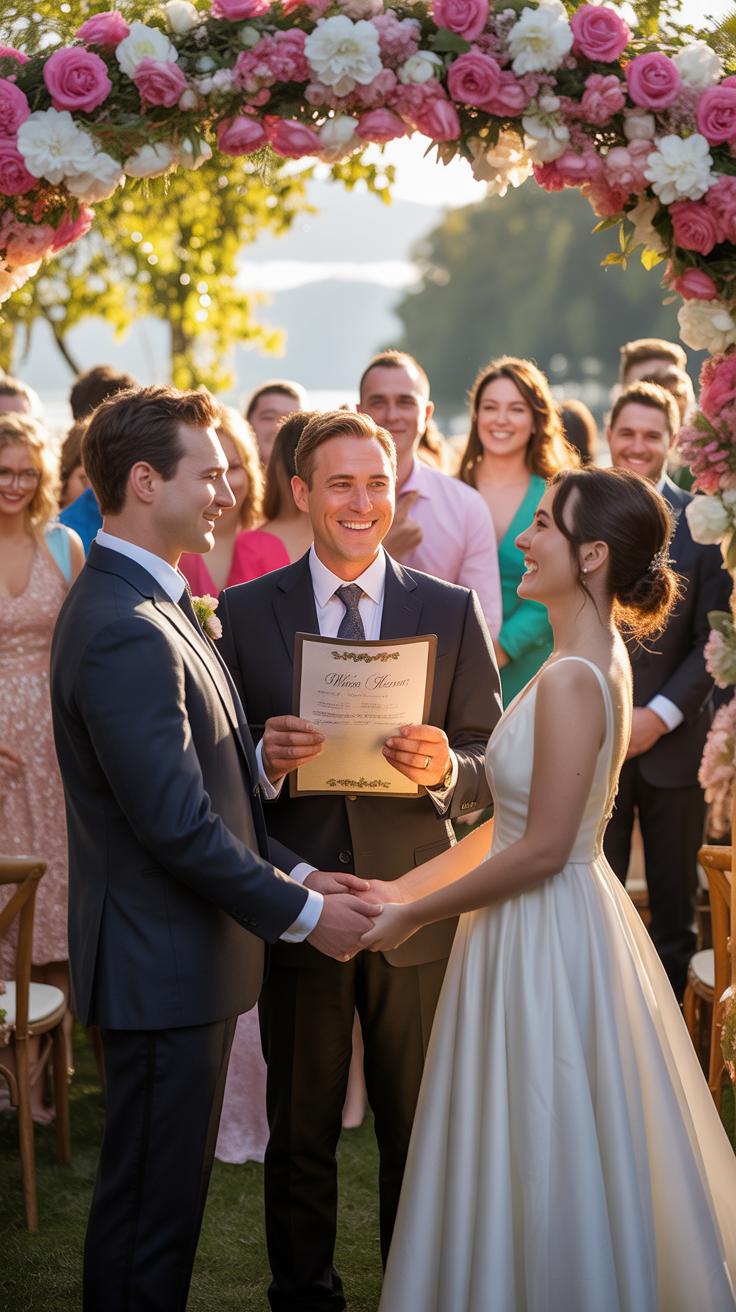
Who Is Legally Authorized To Perform A Marriage Ceremony In A Foreign Country
Marriage laws vary by nation. Most civil law jurisdictions require a government official or a licensed notary to perform the ceremony. In countries like France or Mexico, religious leaders lack the power to create a legal contract. You must visit a city hall or government office for the civil act to count. Only specific state agents hold the right to sign your marriage certificate.
Check the local laws before you book an officiant. Civil ceremonies are the only way to gain legal recognition in many European and Latin American regions. If you use a religious leader, they often need proof of a civil ceremony first. Do not assume a ship captain or a private minister has legal standing. Research the specific title required by the local registry office to ensure validity.
How A Local Wedding Planner Or Legal Coordinator Can Simplify The Process For Eloping Couples
Legal coordinators manage the paperwork that stalls most elopements. They know which offices require appointments and which officials are reliable. These experts handle the translation of documents into the local language. They also ensure that your marriage license meets the criteria for your home country. This removes the risk of filing errors that could invalidate your entire marriage back home.

Planners also navigate the local bureaucracy and wait times for you. They often have established relationships with judges and notaries. This access can speed up the scheduling of your ceremony. They verify that all witnesses meet local age and identity requirements. Using a coordinator allows you to focus on the event while they manage the strict legal deadlines and filing fees required by the state.
Getting Your Foreign Marriage Recognized At Home Wedding Ideas Abroad Made Official
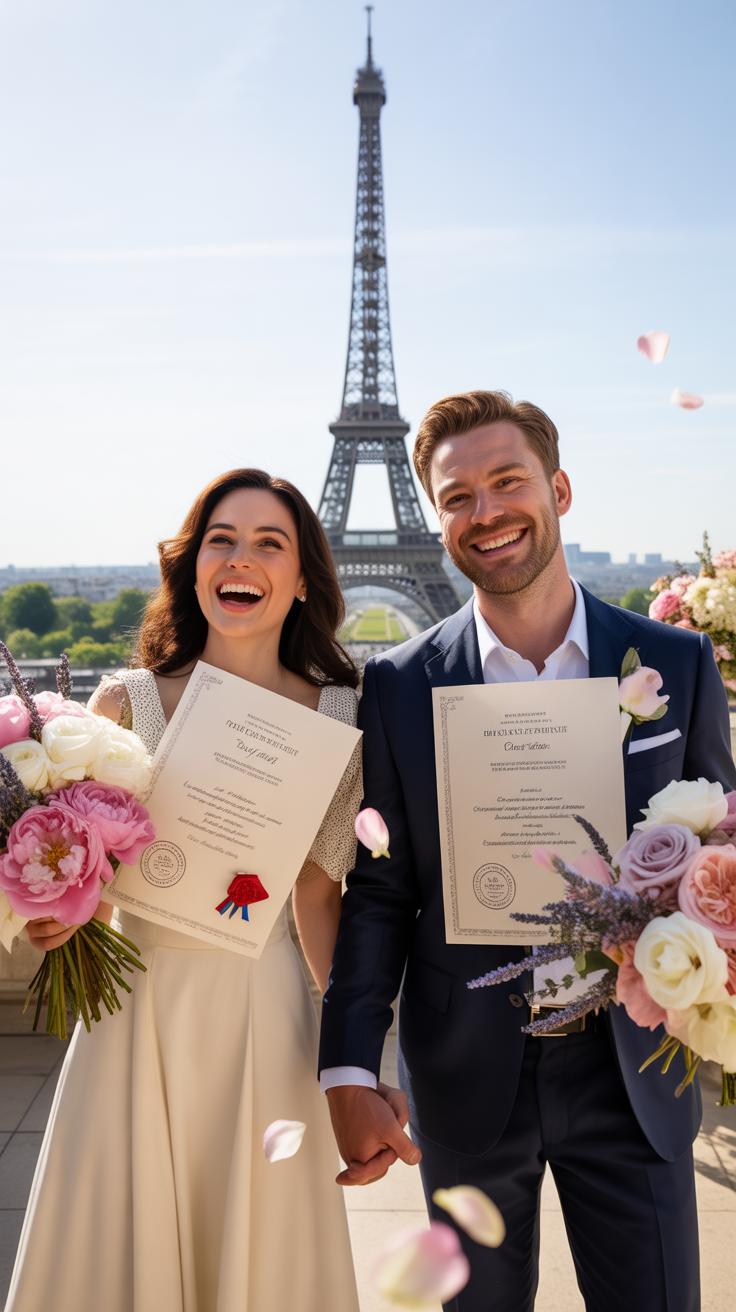
How To Register A Foreign Marriage Certificate With Your Home Country’S Government
Most nations do not require you to register a foreign marriage upon return. If the ceremony followed all local laws in the host country, the marriage remains valid. You must obtain an official marriage certificate before leaving the destination. Ensure this document has an Apostille stamp or a consular legalization. This stamp proves the document is authentic for international use.
Update your legal status with government agencies manually using your certified documents. Notify the tax office, social security administration, and DMV to change your name or marital status. You must present the original certificate or a notarized translation if the document is not in English. Keep multiple certified copies because recovery from a foreign government is difficult. Precise record keeping ensures your domestic benefits remain secure.
Common Reasons A Foreign Marriage May Not Be Automatically Recognized Back Home
A marriage fails domestic recognition if it violates the public policy of your home country. This happens if the union involves age requirements that do not meet home standards. Some countries do not recognize proxy marriages or certain religious ceremonies that lack a civil component. Check that the officiant had the legal authority to perform civil weddings. Without local legal standing, the union remains a symbolic event.

Procedural errors often invalidate the legal status of an elopement. Failure to follow the specific residency rules of the host country can void the contract. Missing the mandatory waiting period or failing to file paperwork with the local registrar creates a legal void. Your home country will not recognize a marriage that the host country deems invalid. Confirm all local statutory requirements are met to avoid expensive legal battles later.
Symbolic Vs Legal Ceremonies Abroad What Every Elopement Checklist Should Address
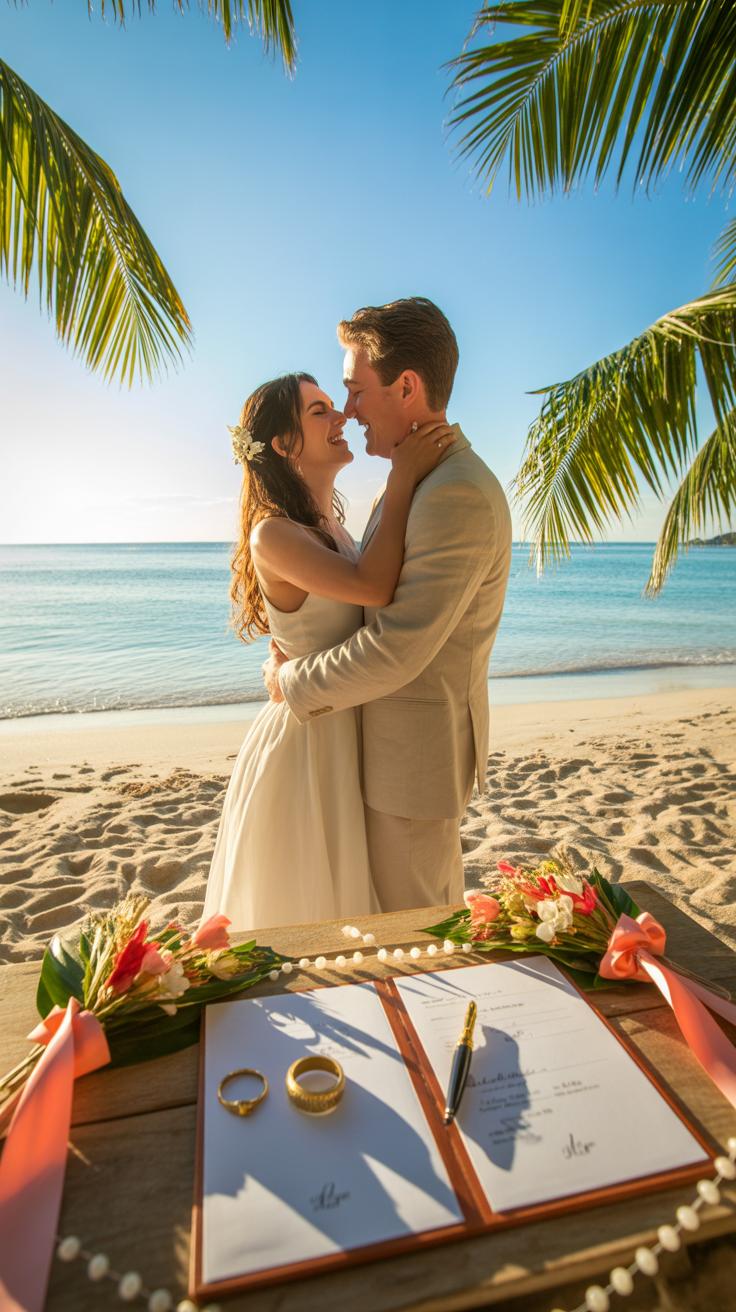
Understanding The Difference Between A Symbolic Ceremony And A Legally Binding Marriage Abroad
A legal ceremony abroad creates a binding contract recognized by your home government. This path requires strict adherence to foreign laws. You must provide official documents like birth certificates and affidavits. Many countries enforce mandatory residency periods. You will likely need to pay for professional translations and apostille stamps. This process is often slow and involves heavy administrative work before you travel.
Symbolic ceremonies carry no legal weight. These events focus on the experience and exchange of vows without government forms. You do not need to visit a local town hall or hire a translator for legal papers. This option removes all bureaucratic barriers to your wedding ideas abroad. You gain total freedom to choose any location or officiant. Most couples find this route reduces stress and lowers total costs.
How To Combine A Legal Registration At Home With A Symbolic Ceremony At Your Dream Wedding Abroad Ideas Location
Many couples choose to sign legal papers at their local courthouse before departing. This strategy simplifies your elopement planning significantly. You handle the paperwork in your own language under familiar laws. This ensures your marriage is valid without researching foreign civil codes. Once the legal work is done, you can focus entirely on the creative aspects of your destination event.
- Execute Paperwork Early: Visit your local clerk or registrar weeks before your trip. This ensures your legal marriage date is secured early. You avoid the risk of document delays or missed flights affecting your legal status.
- Secure The Marriage Certificate: Obtain several certified copies of your domestic marriage license. You will need these for insurance and name changes. Keep these documents safe at home while you travel for your symbolic ceremony.
- Separate The Logistics: Treat the courthouse visit as a purely administrative task. Do not feel pressured to make it a formal event. Save your rings and personal vows for the destination. This keeps the emotional weight on your chosen elopement location.
- Hire A Local Celebrant: Find an officiant at your destination who specializes in symbolic rites. They do not need government licensing to perform your ceremony. This allows you to hire a friend or a professional who fits your specific style.
- Skip The Foreign Embassy: By marrying at home, you bypass all embassy appointments. You do not need to wait for a Certificate of No Impediment. This saves dozens of hours in communication and prevents potential legal errors in foreign jurisdictions.

This dual approach is the most efficient tactical move for modern elopements. It eliminates the need for expensive blood tests or long waiting periods required in some countries. You save money by avoiding international notary fees and specialized legal couriers. Your destination event becomes a pure celebration of your relationship. Use this method to maintain control over your schedule and your budget.
Common Legal Mistakes To Avoid When Wedding Abroad Ideas Become Reality
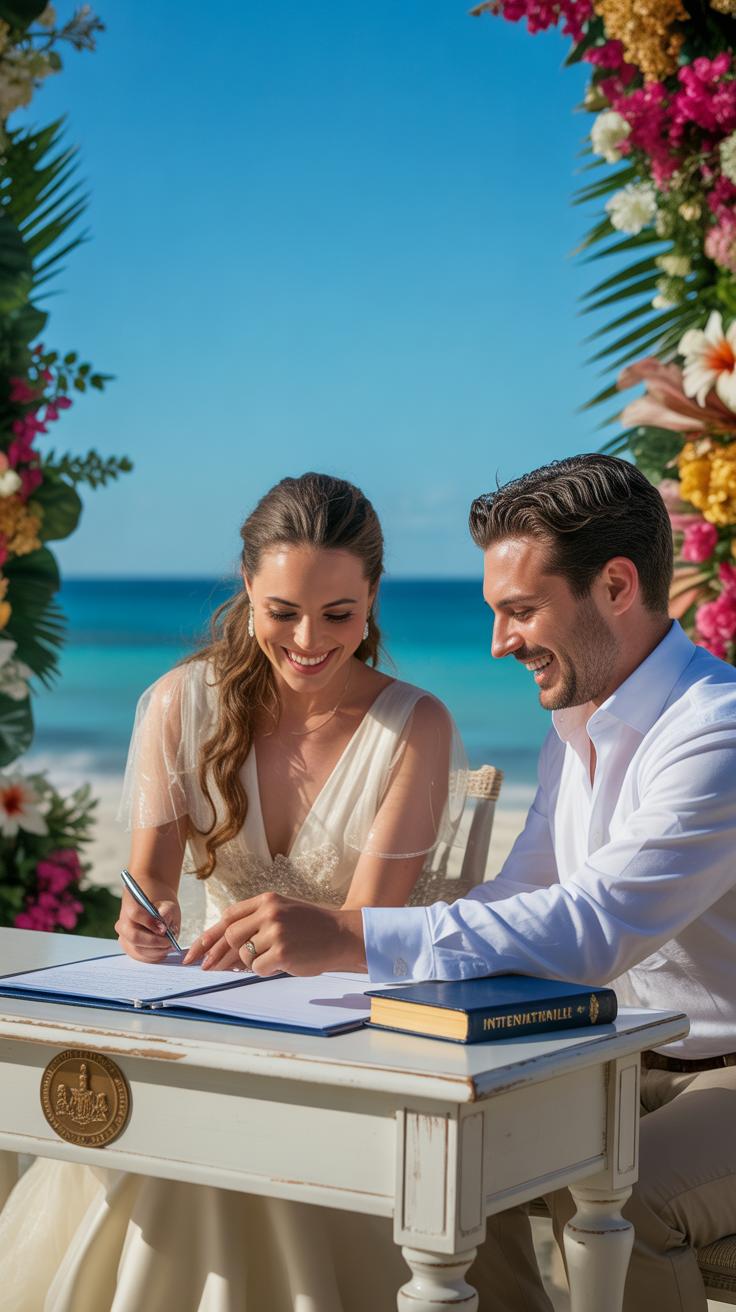
Legal Pitfalls That Can Invalidate Your Elopement Abroad And How To Avoid Them
Failure to meet residency requirements often ruins a destination wedding. Many countries require you to arrive days or weeks before the ceremony. Ignoring these laws makes your marriage license void. You must check the specific day count for your chosen nation. Do not assume a tourist visa covers the legal act of marriage. Some jurisdictions demand specific religious or civil stamps.
Missing document expiration dates causes immediate rejection at foreign registries. Apostille seals are mandatory for international recognition but take time to process. Many couples forget that local authorities require certified translations of birth certificates and divorce decrees. Using an unofficial translator will disqualify your paperwork. Always verify if the country requires a blood test or a specific medical certificate before you travel.
When To Consult An International Marriage Lawyer Before You Elope
Complex estate laws and prenuptial agreements require professional legal review. If you own significant assets or have children from previous unions, a foreign marriage certificate complicates inheritance. A lawyer ensures your union is recognized in your home country without future litigation. They verify that the foreign ceremony meets all United States or local jurisdictional standards. This step prevents expensive legal battles during future tax filings.
You need a lawyer when dealing with countries that have non-secular legal systems. Some nations apply religious law to all marriage contracts recorded within their borders. This affects your rights to divorce or property division later. If the destination lacks a clear bilateral treaty with your home nation, seek counsel. Professionals navigate the specific Hague Convention protocols. They ensure your civil status updates correctly across all international databases.
Frequently Asked Questions

What are the first steps to take when planning a destination elopement?
The first step is researching the specific legal requirements eloping abroad entails for your chosen country. Every nation has unique laws regarding residency periods, witness requirements, and necessary paperwork. You should contact the local consulate or embassy early in your planning phase to ensure you have enough time to gather certified birth certificates, divorce decrees, or affidavits of eligibility to marry before you depart for your ceremony.
How do I ensure my overseas marriage is legally recognized in my home country?
To guarantee your union is valid back home, you must follow the local laws of the host country strictly. This often involves obtaining an Apostille stamp or having your marriage certificate legalized by the proper authorities abroad. Understanding the legal requirements eloping abroad requires means knowing which documents need official translation. Always check with your local government registry once you return to ensure your foreign marriage license is recorded correctly.
Is it more expensive to have a legal ceremony abroad compared to a symbolic one?
Generally, a legal ceremony is more expensive due to administrative fees, document translation costs, and notary charges. If the paperwork feels overwhelming or too costly, many couples choose to have a quiet civil ceremony at their local courthouse first. This allows you to enjoy a beautiful, stress-free symbolic ceremony in your dream destination without worrying about the complex logistics or additional fees often associated with international legal filings.