What Is A Wedding Food Potluck And Is It Right For Your Celebration
The Modern Case For A Community Style Wedding Meal
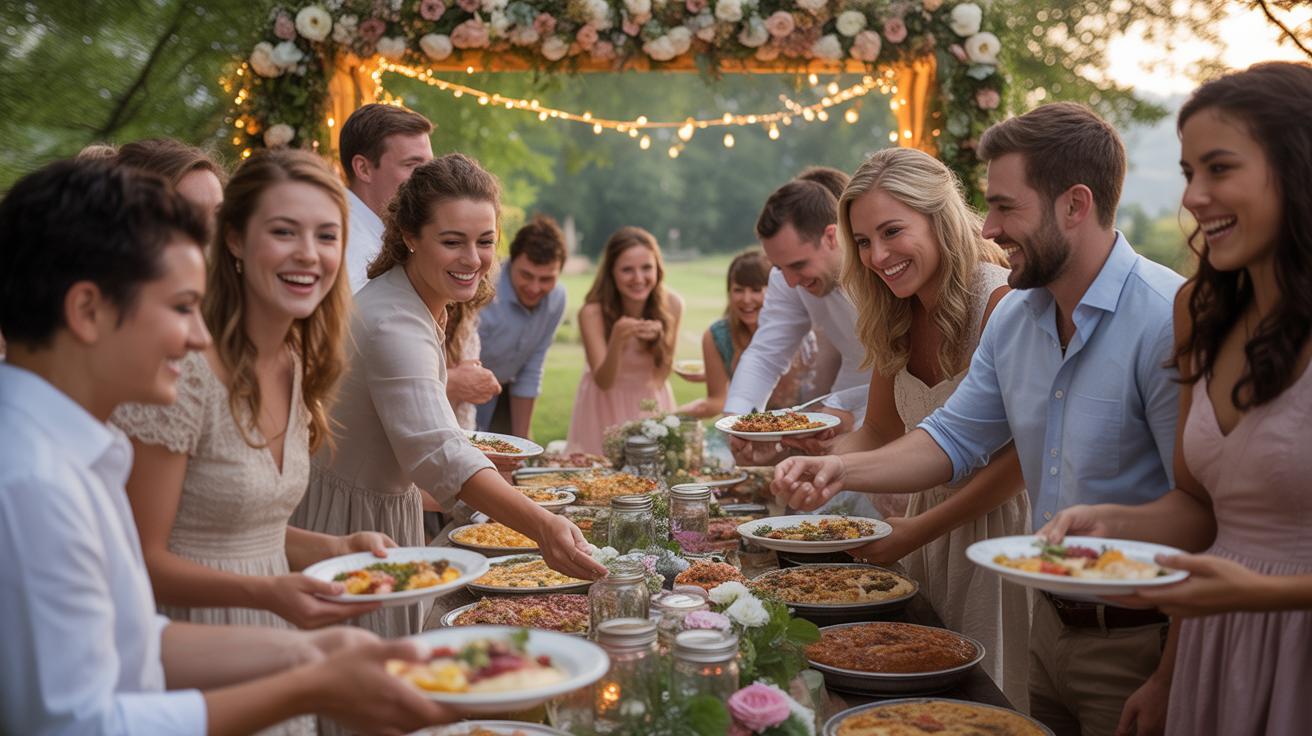
A potluck wedding reception shifts the focus from commercial catering to community participation. This format relies on guests bringing specific dishes to share with the group. Historically, rural communities used this method to support young couples starting their lives together. Today, couples choose this path to reduce costs and create a casual atmosphere. It works best for small, intimate gatherings or backyard wedding potluck events involving close family.
Tactically, the wedding food potluck serves as an alternative to the traditional high-cost wedding buffet. It removes the rigid structure of plated meals. Guests experience a wider variety of home-cooked flavors that professional kitchens rarely replicate. This approach requires strict coordination to ensure a balanced wedding potluck menu. You must manage the logistics carefully to avoid food safety issues or lopsided meal options like having too many desserts.
Honest Pros And Cons To Consider Before Committing To A Potluck Format
The primary benefit of potluck wedding ideas is the significant reduction in the food budget. You eliminate professional service fees and high per-head costs. This allows for a larger guest list on a small budget. However, you trade financial savings for increased logistical stress. You must oversee food transport, temperature control, and presentation. Without a professional staff, the couple or designated volunteers handle setup and cleanup duties during the event.
Liability and food safety represent the biggest risks in potluck reception weddings. You cannot easily track ingredients for guests with severe allergies. Traditional venues often ban outside food due to health codes and insurance policies. This format typically requires a private residence or a public park with flexible rules. Additionally, asking guests to cook and transport food is a significant request. Some guests might find it burdensome rather than a festive contribution.

How To Set A Budget That Makes Potluck Wedding Ideas Actually Save You Money
Breaking Down Real Cost Savings Compared To Traditional Catering
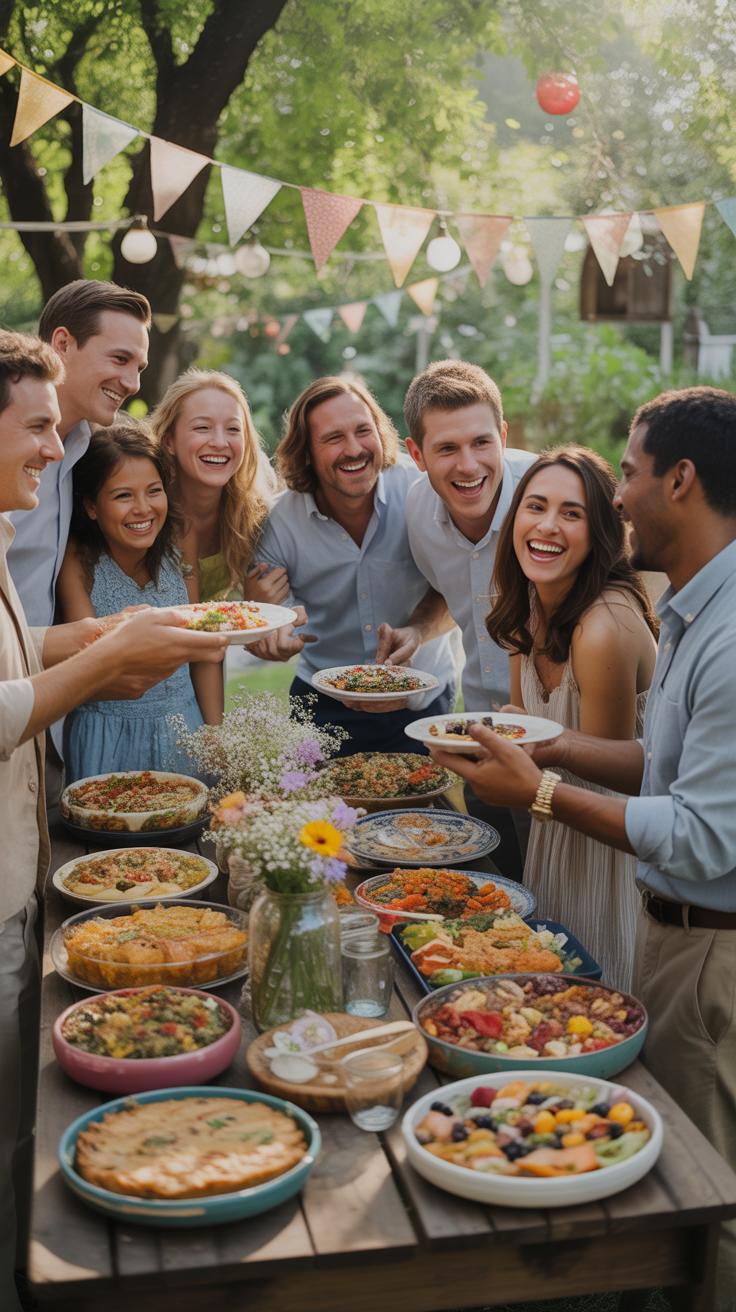
Standard wedding catering costs often exceed one hundred dollars per person. This price covers labor, overhead, and food margins. A potluck wedding reception removes the service markup and commercial kitchen fees. You save the most on labor costs by crowdsourcing the meal preparation and delivery. These savings allow you to allocate funds toward high quality drinks or venue rentals that would otherwise be out of reach.
A potluck wedding reception food strategy shifts the financial burden from the couple to the community. You eliminate fixed per plate charges and minimum guest counts required by formal caterers. This model works best for backyard wedding potluck events because you bypass vendor kickbacks. Total savings can reach thousands of dollars if you manage the logistics and supply your own bulk essentials like napkins and plates.
Hidden Costs Couples Overlook When Planning A Potluck Reception
Saving on food does not mean your event is free. You must budget for equipment that keeps food safe. Renting chafing dishes and buying fuel cans is mandatory to prevent food poisoning. You also need heavy duty serving utensils and extra table linens. These small items add up quickly and can drain your savings if you do not track them in a central spreadsheet.

Physical space presents another hidden expense for potluck reception weddings. You need a rustic outdoor food table setup that supports heavy weight. Standard folding tables often buckle under dozens of ceramic dishes. You must also pay for extra trash removal and cleaning services. Most venues charge a cleanup fee if you do not have a professional catering crew to haul away the food waste.
Building Your Potluck Wedding Reception Food Plan From The Ground Up
How To Organize Dish Categories So Nothing Important Gets Left Out
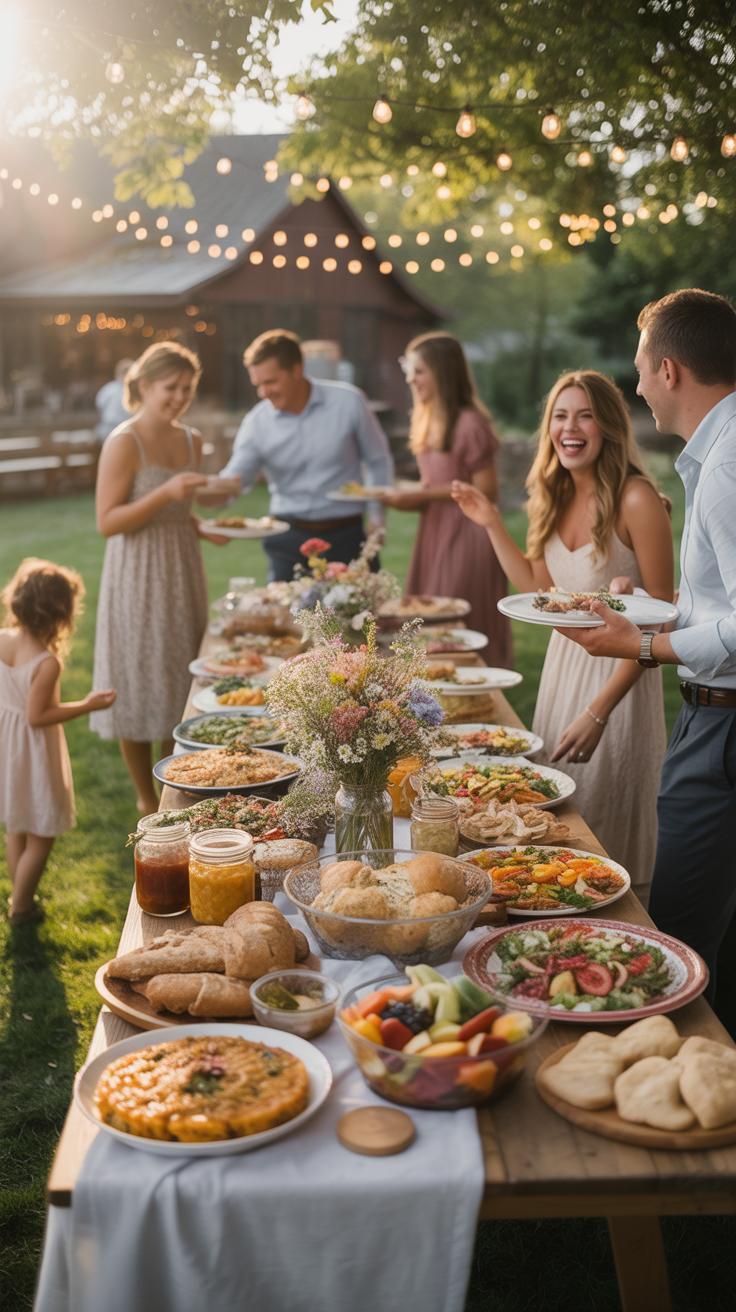
Divide your guest list into segments to ensure a balanced menu. Assign specific food groups to different groups of people. Ask one third of guests to bring main proteins or heavy entrees. Assign the next third to provide side dishes and salads. Direct the final group to bring desserts or appetizers. This method prevents a menu consisting only of bread or cookies.
Use a digital signup sheet to track specific dishes in real time. Demand that guests list their exact ingredients and dish names. This allows you to identify gaps in nutrition or variety before the wedding day. If you see ten people bringing pasta salad, pivot five of them toward vegetables or proteins. Active management ensures the buffet offers a complete and satisfying meal.
Essential Food Safety Guidelines Every Potluck Host Must Follow
Keep hot foods at or above one hundred forty degrees Fahrenheit to prevent bacteria growth. Use metal chafing dishes with reliable fuel cells for all warm entrees. Place cold dishes in bowls nested within larger containers of ice. Monitor temperatures every hour using a probe thermometer. Dispose of any perishable food that sits at room temperature for over two hours.

Label every dish with a clear card listing all major allergens. Identify ingredients like nuts, dairy, gluten, and shellfish to protect sensitive guests. Provide separate serving utensils for every single item to stop cross-contamination. Instruct your setup crew to wash their hands and wear gloves during food placement. Proper sanitation prevents foodborne illnesses and keeps your wedding reception safe for every attendee.
Crafting A Potluck Wedding Menu That Feels Intentional Not Accidental
Assigning Dishes Strategically Based On Guest Cooking Strengths
Strategic menu planning prevents a table full of potato salad. You must categorize your guest list by their culinary reliability and skill level. Assign complex proteins to your most experienced cooks or local family members. These individuals handle the core elements of the meal. Request simple items like bread or fruit from guests traveling long distances. This approach ensures the meal has a logical structure and high quality.
Control the menu through a digital sign up sheet. Group dishes into specific categories like mains, sides, and salads. Do not leave the choice to chance. Give each guest a specific prompt based on what they do best. A baker should bring rolls while a gardener brings fresh greens. This precision eliminates gaps in the buffet. It turns a random collection of food into a cohesive and professional wedding feast.
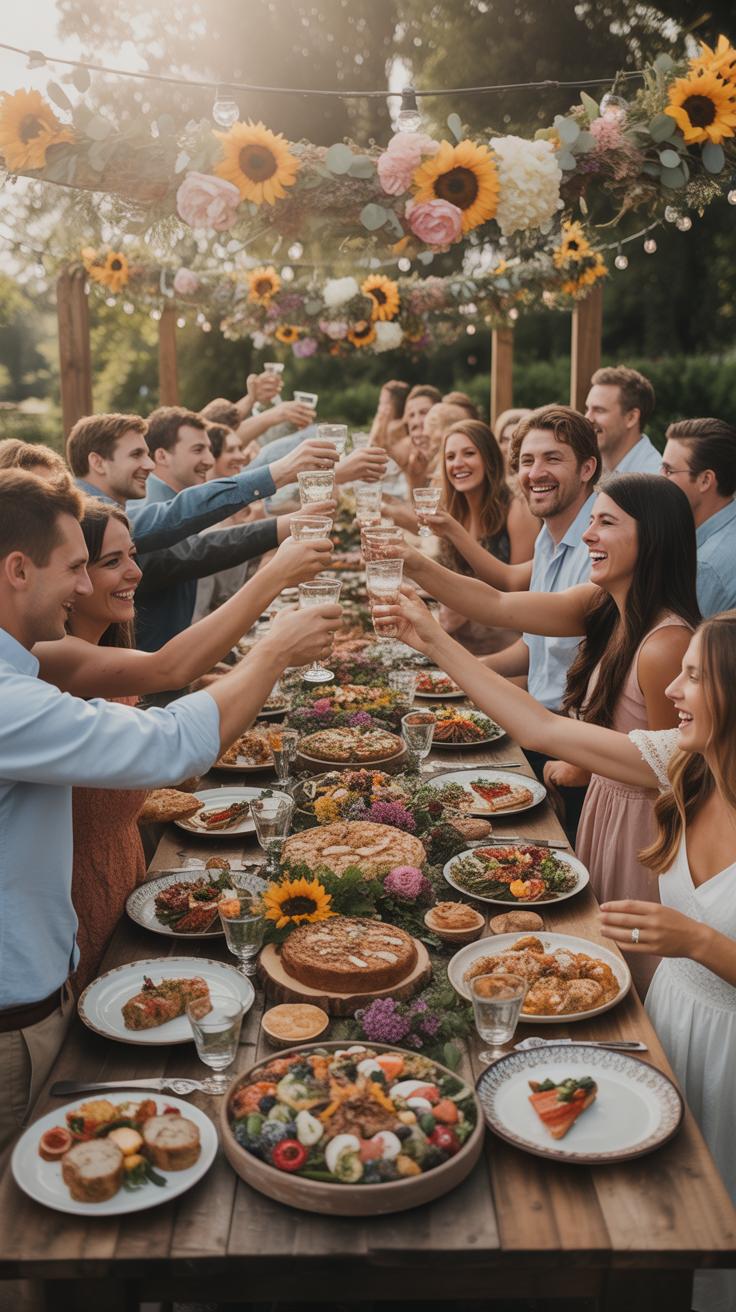
A shared meal is the warmest way to celebrate a new beginning, turning guests into family through the collective love of a community kitchen. By inviting everyone to bring a piece of their heart to the table, you create a tapestry of flavors that no caterer could ever replicate.
How To Accommodate Dietary Restrictions Without Overcomplicating The Menu
Managing allergies in a communal setting requires strict protocols for safety. You must collect data on dietary needs during the RSVP process. Use this information to guide your assignments for specific guests. Ask your most careful cooks to handle gluten free or vegan dishes. Clear communication prevents cross contamination during the cooking process. You need a system that identifies every ingredient to protect your guests from hidden allergens.
- Detailed Ingredient Labels: Every dish must have a card listing all materials used. This allows guests with allergies to make informed choices without asking questions. It improves food safety and speed at the buffet table.
- Color Coded Serving Spoons: Use specific colors for vegan or gluten free serving utensils. This prevents guests from moving a spoon from a meat dish to a vegetable dish. It maintains the integrity of restricted food items throughout the night.
- Isolated Prep Stations: Instruct cooks to prepare allergy friendly dishes first in a clean kitchen. This reduces the risk of airborne particles like flour contaminating the food. It is a simple step that ensures the safety of sensitive guests.
- Core Naturally Safe Sides: Focus on dishes that are naturally free of common allergens. Roasted vegetables and rice salads often fit many diets at once. This reduces the need for specialized cooking and keeps the menu simple for everyone involved.
- Separate Serving High Risk Items: Place common allergens like nuts or dairy in their own section. This physical distance prevents spills from ruining other safe food options. It creates a clear boundary that helps guests navigate the food line safely.

Organize the buffet line to flow from restricted items to general items. This sequence prevents diners from accidentally dropping cheese into a dairy free bowl. Use physical barriers like risers to distinguish safe zones on the table. Proper layout reduces the work for the hosts during the reception. Standardized labeling and smart placement remove the guesswork. Guests feel respected and safe when you plan for their health needs.
Wedding Pot Luck Ideas That Go Beyond The Casserole Dish
Creative Themed Potluck Concepts That Tie Into Your Wedding Aesthetic
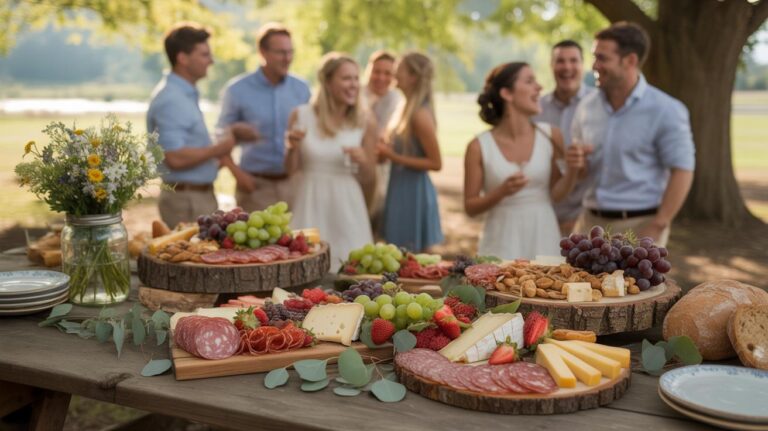
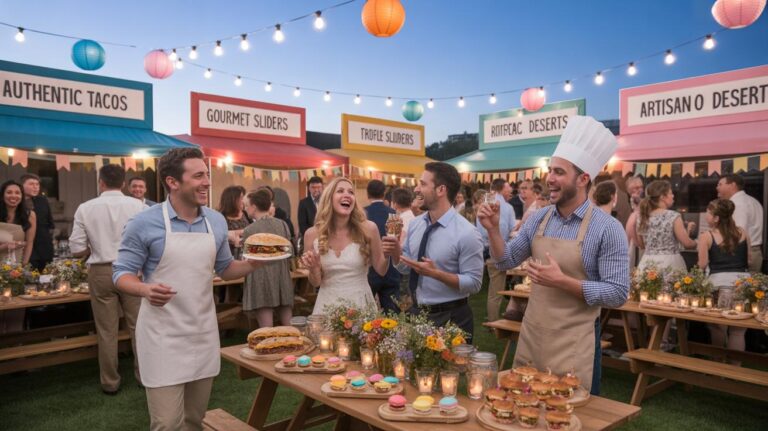
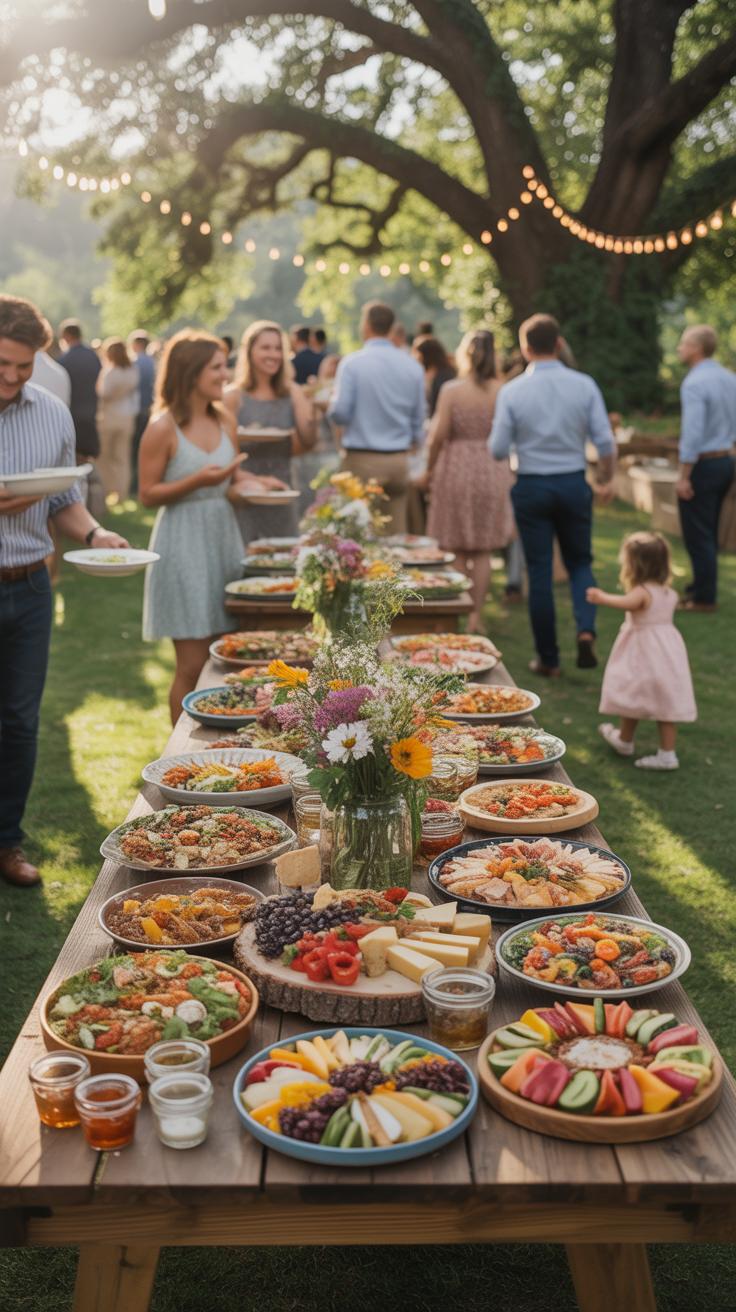
Themed potlucks ensure a cohesive menu. A rustic outdoor food table setup needs specific categories to avoid clutter. Assign themes based on regional cuisine or professional cooking styles. This prevents guests from bringing random dishes that do not match. A taco bar or a high-end picnic theme works well. This strategy controls the visual appeal of the buffet. It also helps guests choose recipes that fit the event.
Focus on temperature control and presentation. Use wood crates for height on your wedding food potluck table. Match the serving vessels to your wedding style. For a backyard wedding potluck, use cast iron or ceramic dishes. These materials hold heat better than thin plastic. Clear signage helps guests with dietary needs. Use bold labels to identify every dish quickly. Good organization makes a casual meal feel professional and planned.
Signature Dishes That Tell Your Story As A Couple
Personalized dishes add value to potluck reception weddings. Ask close family members to recreate specific meals from your relationship history. Use the potluck wedding menu to highlight your heritage or travel experiences. This replaces generic catering with meaningful food. Strategic planning ensures these dishes stay central to the meal. Provide clear instructions on portion sizes to keep the buffet full. This approach creates a unique and memorable dining experience.

Connect your potluck wedding ideas to family tradition. Request heirloom recipes from parents and grandparents. This creates a legacy menu that reflects the union of two families. Documentation is vital for success here. Collect the recipes early to check for variety and balance. Ensure you have enough protein and sides. Use these story dishes to anchor the food layout. Proper planning prevents the meal from feeling like a random collection of leftovers.
How To Set Up A Beautiful Wedding Buffet Table That Impresses Every Guest
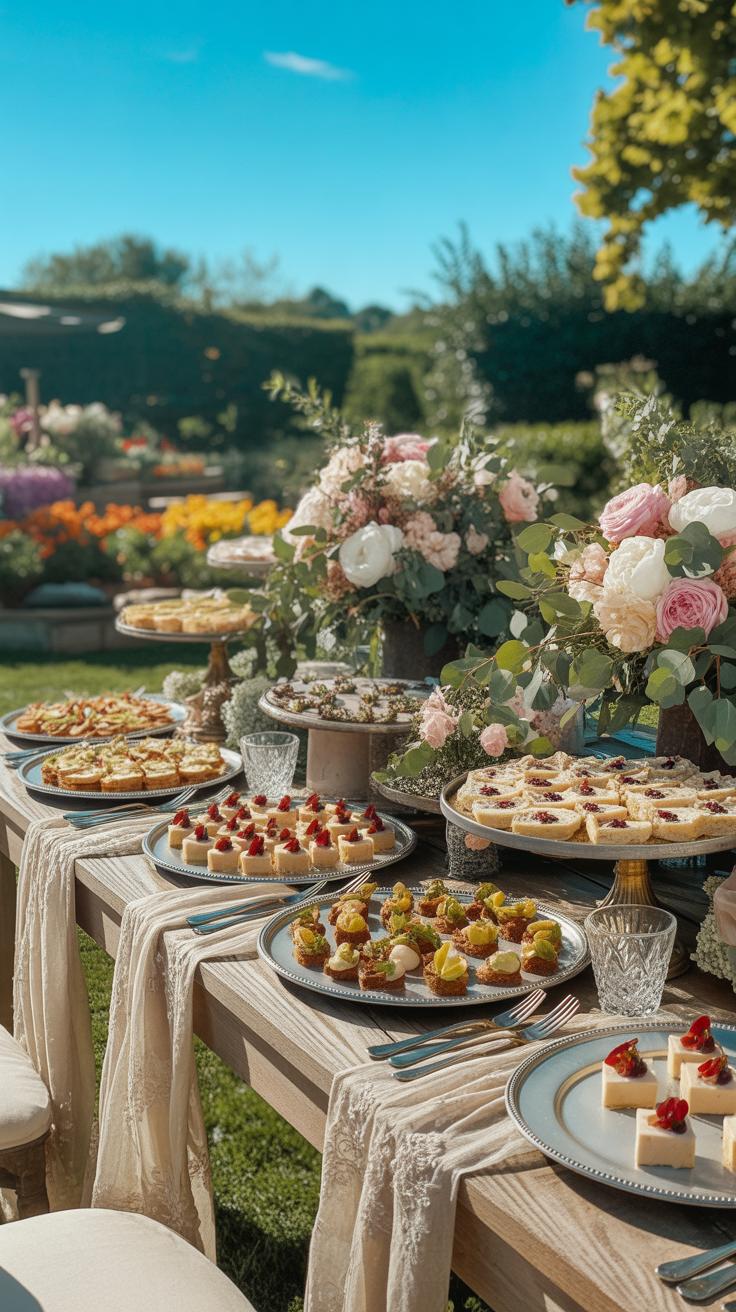
Table Layout Principles That Keep The Buffet Line Moving Smoothly
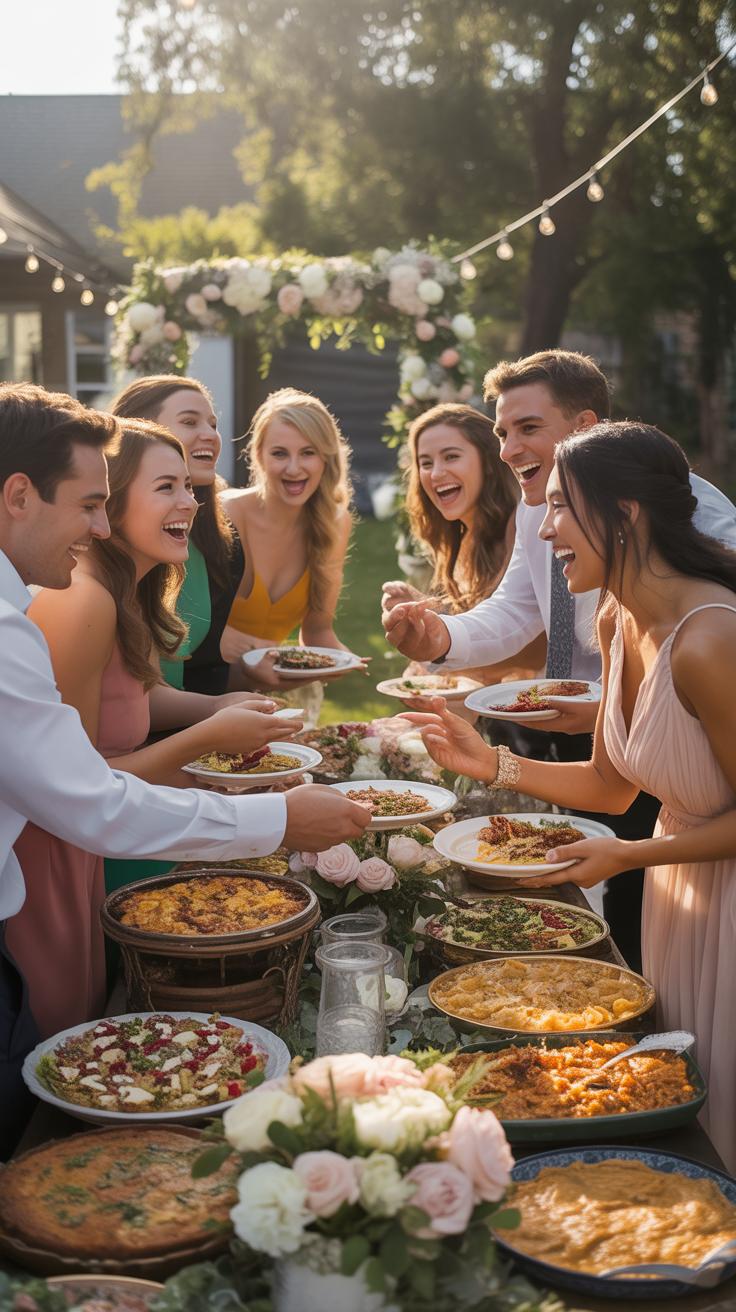
Strategic buffet placement prevents traffic jams and guest frustration. Pull the table away from walls to allow two lines to move at once. Place plates at the start of the line to ensure guests have a surface for food. Arrange dishes by temperature and type. Put cold items first and hot proteins in the middle. Save heavy bread or salads for the end.
Control the flow by placing cutlery and napkins at the very end of the table. Guests cannot hold silver and fill plates at the same time. Use different heights to help guests see every dish clearly. Place taller serving stands in the back and shorter platters in the front. This prevents reaching over food. Clear paths allow guests to exit the line without hitting newcomers.
Serving Ware Labels And Presentation Details That Elevate The Experience
Uniform serving pieces transform a potluck into a curated event. Borrow or rent white ceramic platters and stainless steel chafing dishes to create a cohesive look. Discard plastic grocery containers immediately. Use professional serving spoons and tongs to maintain hygiene. Matching materials provide a clean aesthetic that hides the varied origins of the donated food. This creates a high end feel.
- Uniform Labeling: Print cards on heavy cardstock to identify every dish clearly. Include the name of the food and potential allergens like nuts or dairy. This speeds up the line because guests do not have to ask what is inside each bowl.
- Tiered Risers: Use wooden crates or acrylic stands to create vertical levels on the table. Elevating certain dishes adds visual interest and maximizes space on small tables. It allows guests to see the full menu from a distance before they reach the front.
- Cohesive Textiles: Cover folding tables with floor length linens to hide ugly legs and storage. Use neutral colors like white or ivory to ground the colorful food. A clean fabric base makes the entire buffet area look professional and intentional rather than cluttered.
- Chafing Dishes: Heat food safely using fuel powered warming pans for hot entries. Maintaining the correct temperature is a safety requirement and keeps the food tasting fresh. Proper heating equipment signals to guests that you prioritize their health and the quality of the meal.
- Centralized Garnish: Use fresh herbs or sliced citrus to decorate the table surface between dishes. Avoid placing debris inside the food containers to prevent contamination. Simple greenery adds life to the setup without requiring expensive floral arrangements or taking up valuable plate space.

Small details signal quality and care to your guests. Provide small individual sauce boats for dressings and condiments so plates do not get soggy. Place a small bowl next to items with pits or tails for easy disposal. These tactics keep the table clean throughout the night. A tidy station looks more appetizing. Consistent maintenance ensures the last guest has the same experience as the first.
Planning A Backyard Wedding Potluck That Feels Polished And Stress Free
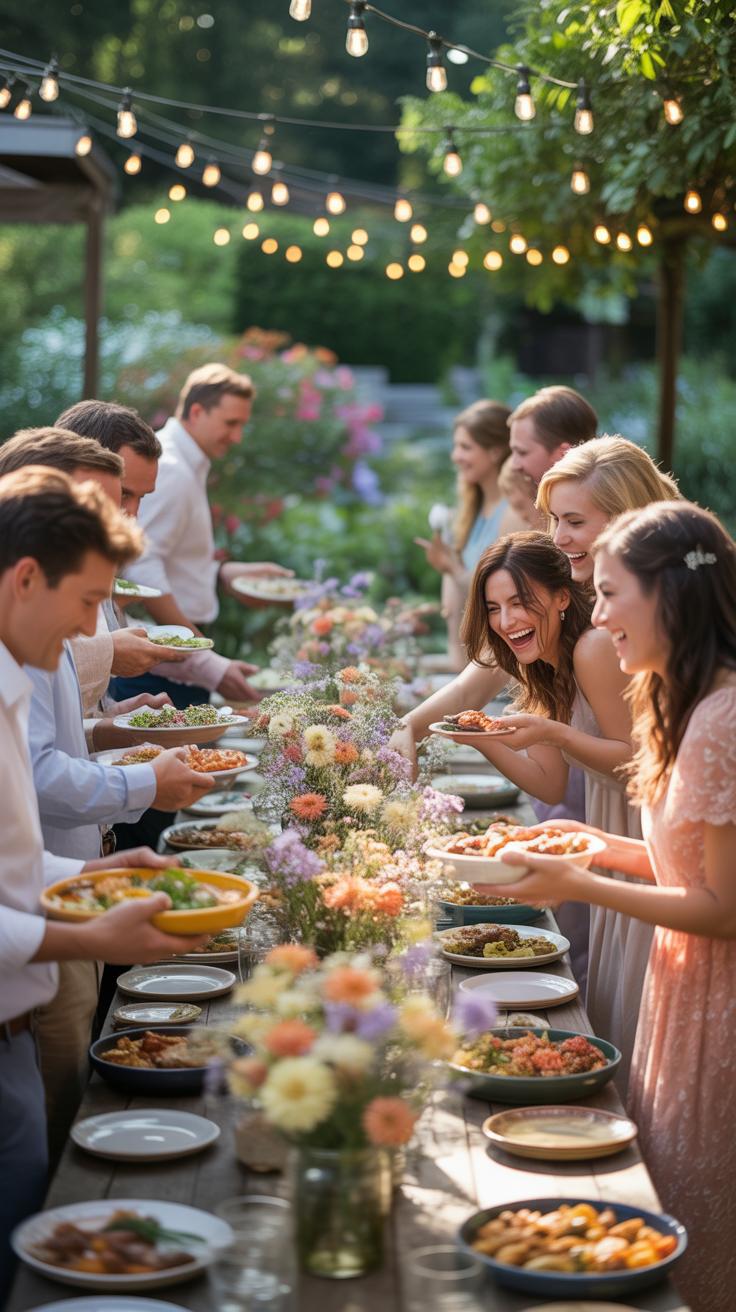
Logistical Checklist For Hosting A Potluck Reception In An Outdoor Home Setting
Backyard logistics require a focus on power and temperature. You must map out your electrical circuits before the event. Slow cookers and warming trays pull heavy amperage. Plugging too many units into one outdoor outlet trips breakers. Use heavy-duty extension cords to spread the load across different house circuits. This prevents food from going cold and keeps the kitchen running smoothly.
Sanitation is the next priority for a residential setting. Clear a dedicated staging area for incoming dishes. Assign one person to remove plastic wrap and add serving utensils. Guests need a clear path to the buffet to avoid bottle-necks. Set up a separate station for dirty plates far from the food. High-volume trash cans must be visible but discrete to maintain a clean environment.
Weather, Permits, And Practical Realities Of Backyard Wedding Hosting
Outdoor weddings face two main threats: heat and pests. Warm temperatures spoil mayonnaise-based salads and dairy products quickly. You must use ice baths for cold dishes to keep them below forty degrees Fahrenheit. Chafing dishes with fuel canisters protect hot proteins from wind and cooling. Screen tents or mesh covers keep flies off the food. These practical steps prevent foodborne illness during your reception.

Local laws often restrict large home gatherings. Check your city noise ordinances and street parking rules early. You might need a temporary permit for a large tent or amplified music. Inform your neighbors about the event to avoid complaints to the police. Verify your homeowners insurance covers guest injuries on the property. Professional planning requires checking these legal boxes before guests arrive at your home.
Rustic Outdoor Food Table Setup Tips To Make Your Display Pinterest Worthy
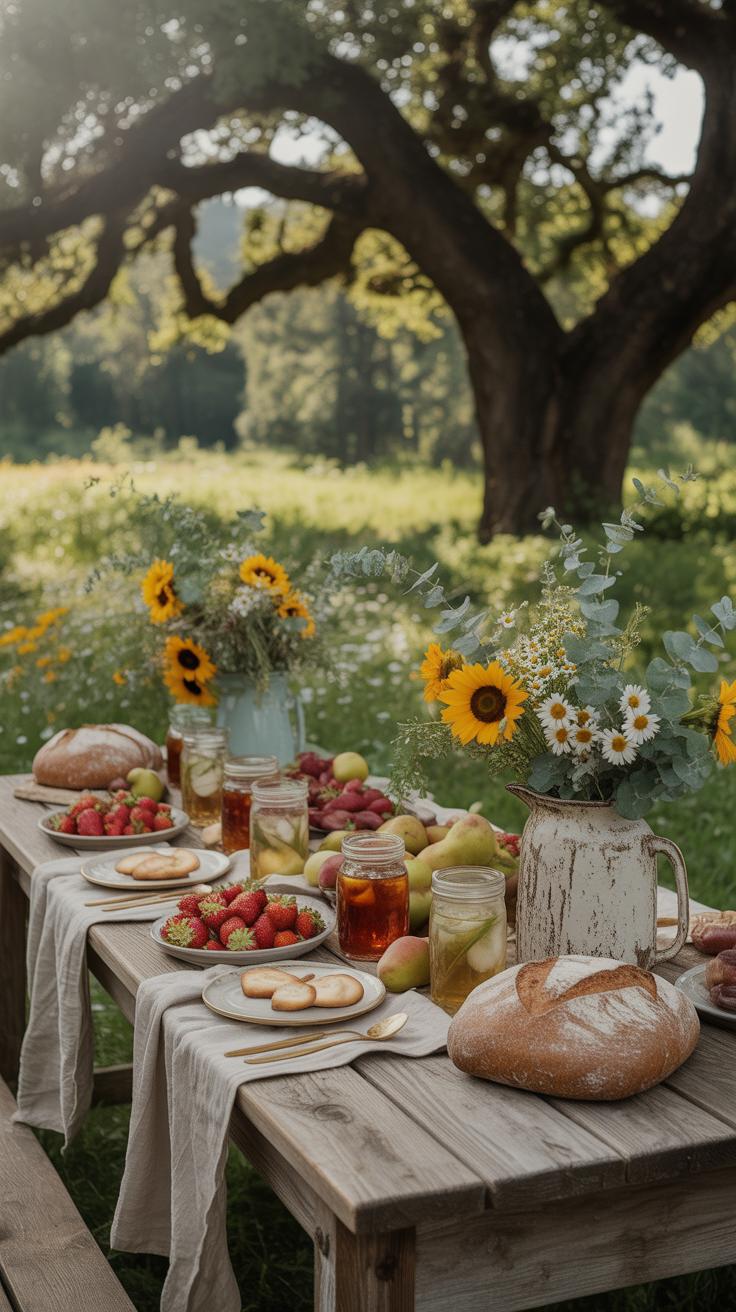
Choosing Natural Elements Linens And Decor For A Cohesive Rustic Look
Avoid synthetic fabrics for a rustic aesthetic. Select heavy weight linens like burlap or flax linen. These materials provide a neutral base for diverse potluck dishes. Use solid colors to ground the visual clutter of mismatched containers. Real wood risers and galvanized steel buckets create height and texture. These durable materials survive outdoor wind and high traffic better than plastic or paper alternatives.
Organize the display by material type. Group wooden platters together to signal bread or dry goods. Use slate or ceramic for cold items. This strategy creates a sense of order amid the variety of a potluck. Label every dish with kraft paper tags and twine. Clear signage serves a functional purpose for guests with allergies. It also unifies the look of different homemade dishes into a single theme.
Lighting And Landscape Features That Enhance Your Outdoor Food Station
Position food tables near permanent landscape features like large trees or stone walls. These structures provide natural wind protection for the buffet. They also offer solid ground for heavy serving equipment. Avoid placing food in direct sunlight to prevent spoilage. Use the natural shade of the canopy to keep cold dishes at safe temperatures. This placement ensures food remains edible and visually appealing for guests.

Install overhead lighting to define the food zone. Use string lights or lanterns with warm bulbs. Avoid blue toned LED lights because they make food look unappetizing. Focus light directly on the serving surface so guests can see the ingredients. Place lights high enough to avoid heat transfer to the food. Proper lighting improves safety and directs the flow of the crowd during the reception peak hours.
Coordinating Potluck Reception Weddings Like A Pro Communication And Day Of Management
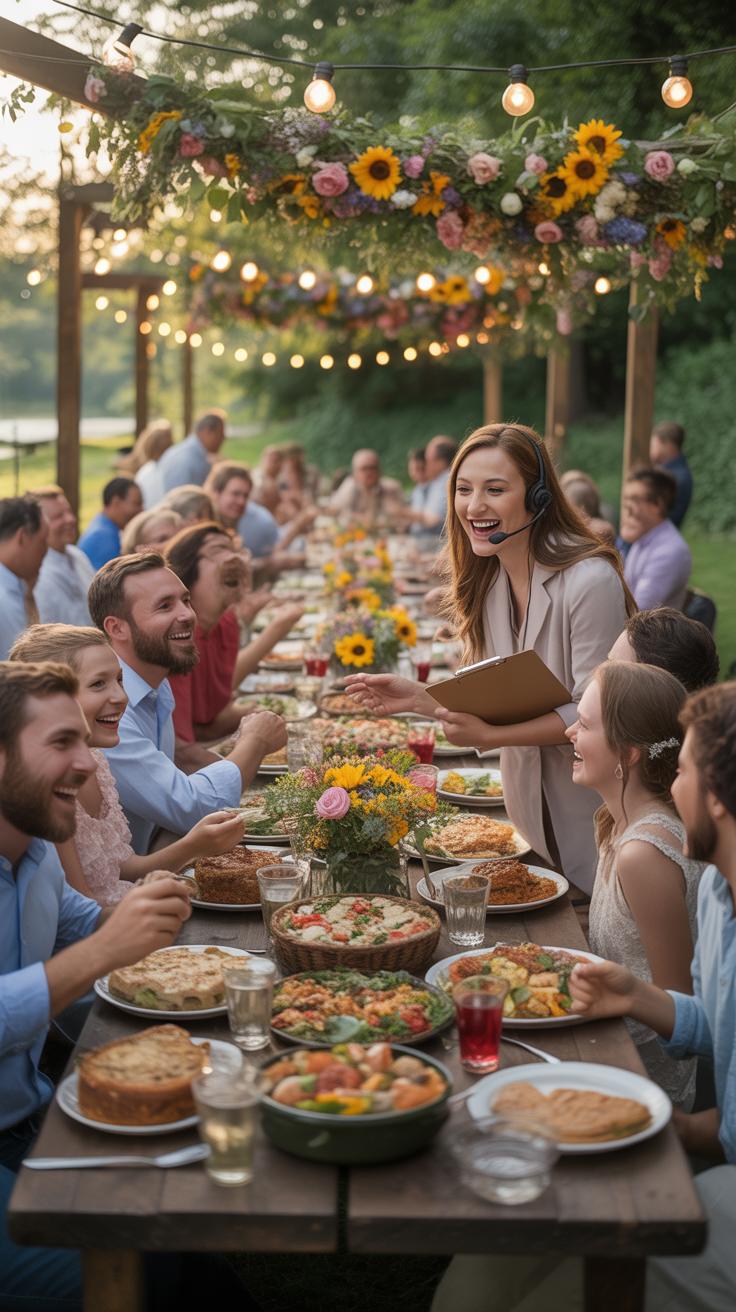
How To Use Sign Up Tools And Guest Communication To Stay Organized
Digital coordination prevents a menu full of the same dish. Use online sign-up platforms to categorize contributions into starters, mains, sides, and desserts. Set firm quantities for each category based on your guest count. Provide clear constraints for dietary needs like gluten-free or vegan options. Send the link with the save-the-date cards to give guests early notice. Track every entry to ensure the spread stays balanced.
Direct communication minimizes day-of confusion. Use a simple website or email thread to share dish requirements. Tell guests to bring food in disposable containers or clearly labeled heatproof glass. Specify that dishes must arrive fully cooked and ready to serve. Remind guests to bring their own serving utensils to avoid a kitchen shortage. Clear instructions reduce the time you spend answering basic questions during the wedding week.
Assigning A Potluck Coordinator And Setting Clear Arrival Instructions
Do not manage the food yourself on the wedding day. Appoint a dedicated potluck coordinator to oversee the buffet line and kitchen flow. This person directs guests where to place their dishes upon arrival. They ensure food stays at safe temperatures and manage the replenishment of empty trays. Choose a blunt and organized individual who can handle logistics without needing your constant input or approval.
Logistics require a strict arrival schedule for food. Instruct guests to drop off dishes thirty minutes before the ceremony starts. Designate a specific entry point for food to keep the main aisle clear. Provide sticky labels and pens at the drop-off station for ingredient lists and name tags. Ensure the coordinator knows the location of extra ice and power outlets for crockpots. Fast intake keeps the reception moving on schedule.
Frequently Asked Questions
What exactly is a potluck wedding reception and is it appropriate?
A potluck wedding reception is a community-focused celebration where guests contribute a dish to the meal instead of the couple hiring a traditional caterer. This approach is incredibly appropriate for couples who value intimacy, community, and a relaxed atmosphere. It shifts the focus from a formal service to a shared family experience, making your special day feel personal, inclusive, and deeply connected to the people you love most in the world.
How do you organize the food contributions to ensure a balanced menu?
To successfully manage a potluck wedding reception, organization is key. Use a digital sign-up sheet or a wedding website to categorize contributions into appetizers, main courses, sides, and desserts. Assign specific categories based on last names or guest groups to prevent having twenty potato salads. Providing clear guidance on portion sizes and dietary labels ensures everyone is well-fed and that the buffet remains diverse, flavorful, and visually appealing for your guests.
Is a potluck reception a good way to save money on a tight wedding budget?
Absolutely. Choosing a potluck wedding reception is one of the most effective ways to reduce costs, as catering often consumes half of a traditional wedding budget. By crowd-sourcing the meal, you can redirect funds toward a beautiful venue, photography, or your honeymoon. It is a highly accessible option for couples who want a meaningful celebration without incurring debt, allowing friends and family to gift their culinary talents rather than expensive physical items.