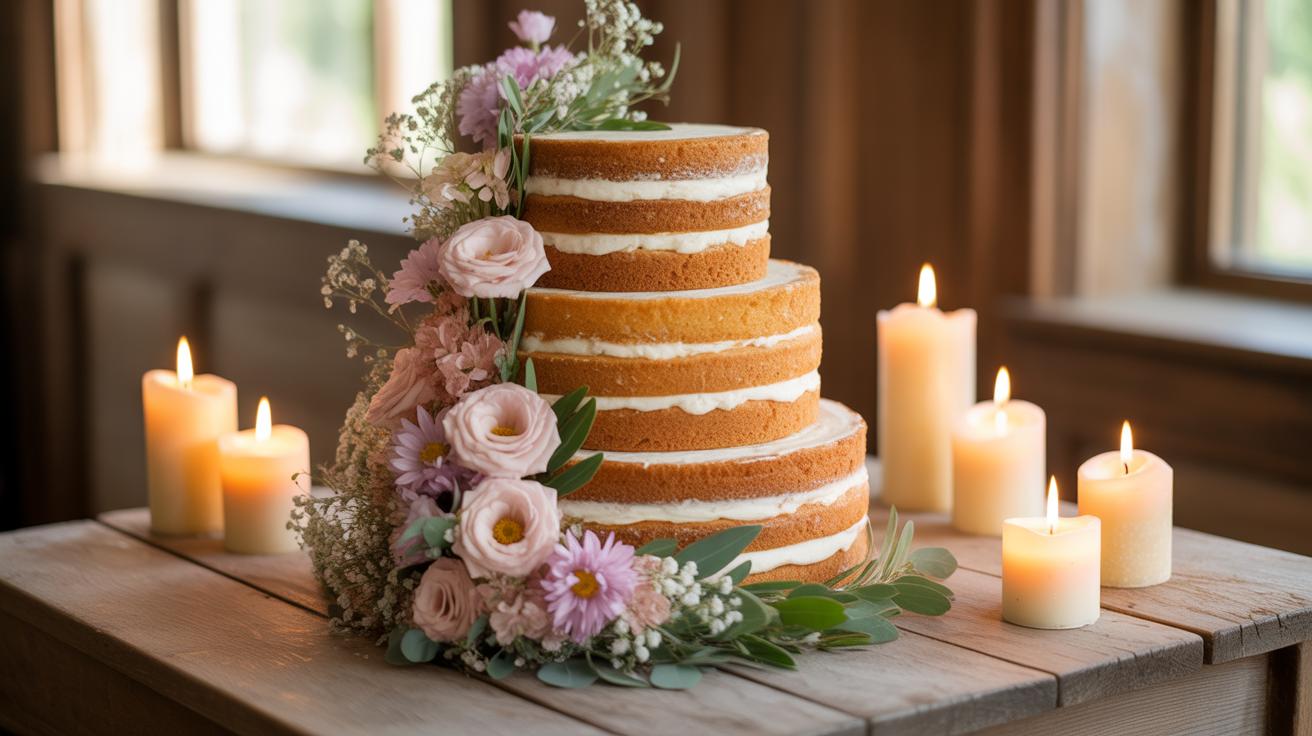
What Is A Naked Wedding Cake And Why Is It So Popular
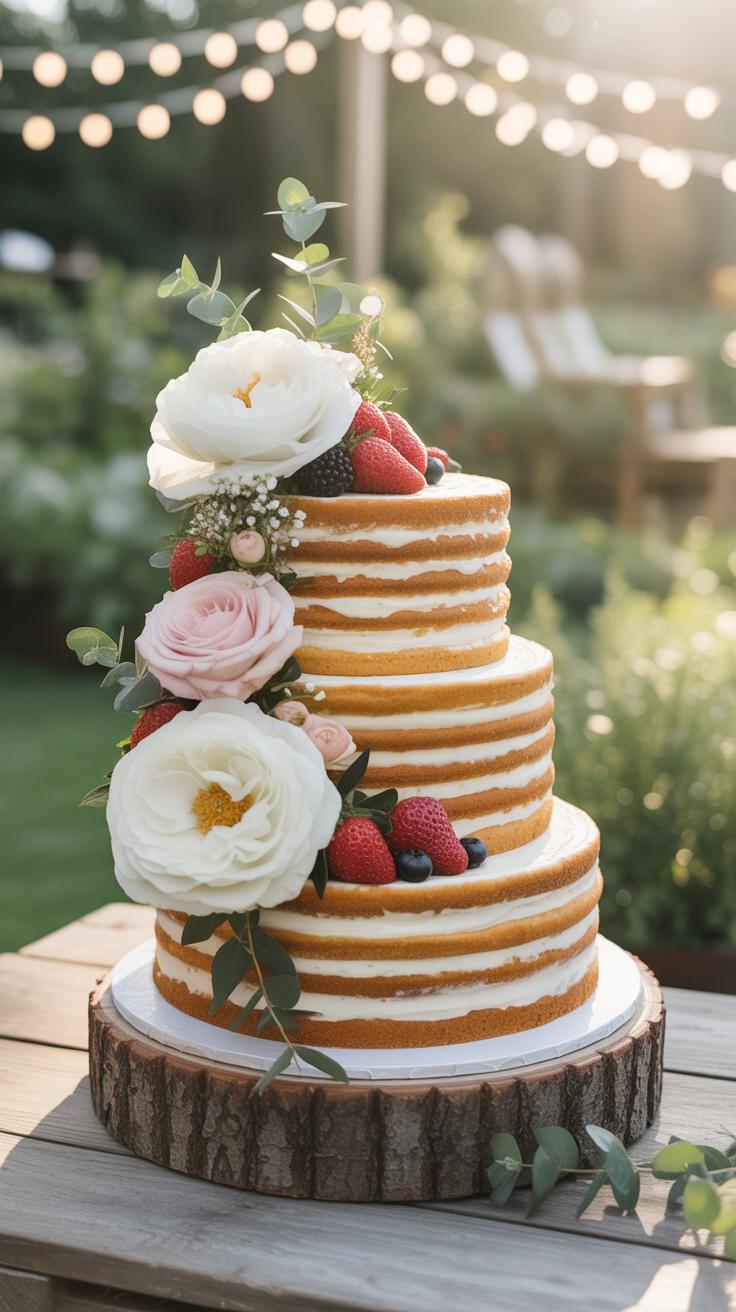
The Origins And Rise Of The Naked Wedding Cake Trend
Pastry chef Christina Tosi popularized the naked cake at Milk Bar in New York City during the mid 2000s. She wanted to show off the internal layers and textures of the cake. This look moved away from the heavy Fondant used in traditional baking. It focused on the actual ingredients rather than a plastic like outer shell. Customers liked seeing exactly what they ate.
The trend grew as couples moved toward outdoor and barn venues. These events needed a rustic wedding cake that felt less formal. Social media platforms helped spread the look quickly. It became a staple for minimalist aesthetics. This style aligns with broader movements toward transparency and natural materials in design. Bakers appreciate the efficiency of skipping several layers of labor intensive outer frosting.
How A Naked Cake Differs From A Traditional Frosted Wedding Cake
A wedding cake no icing on the exterior relies on the sponge for visual appeal. Traditional cakes use thick buttercream or fondant to hide imperfections in the bread. Naked cakes leave the sides exposed to show the crumb. This creates a rustic cake design that highlights the color of the cake itself. It requires perfectly baked tiers because there is no hiding mistakes.
Standard cakes use heavy frosting to keep the sponge moist for long periods. A naked cake lacks this protective barrier against the air. Bakers must often assemble these cakes shortly before the event to prevent drying. Fillings like jam or thick cream provide the primary flavor profile and moisture. This unique wedding cake choice prioritizes texture and raw ingredients over the smooth finish of conventional designs.
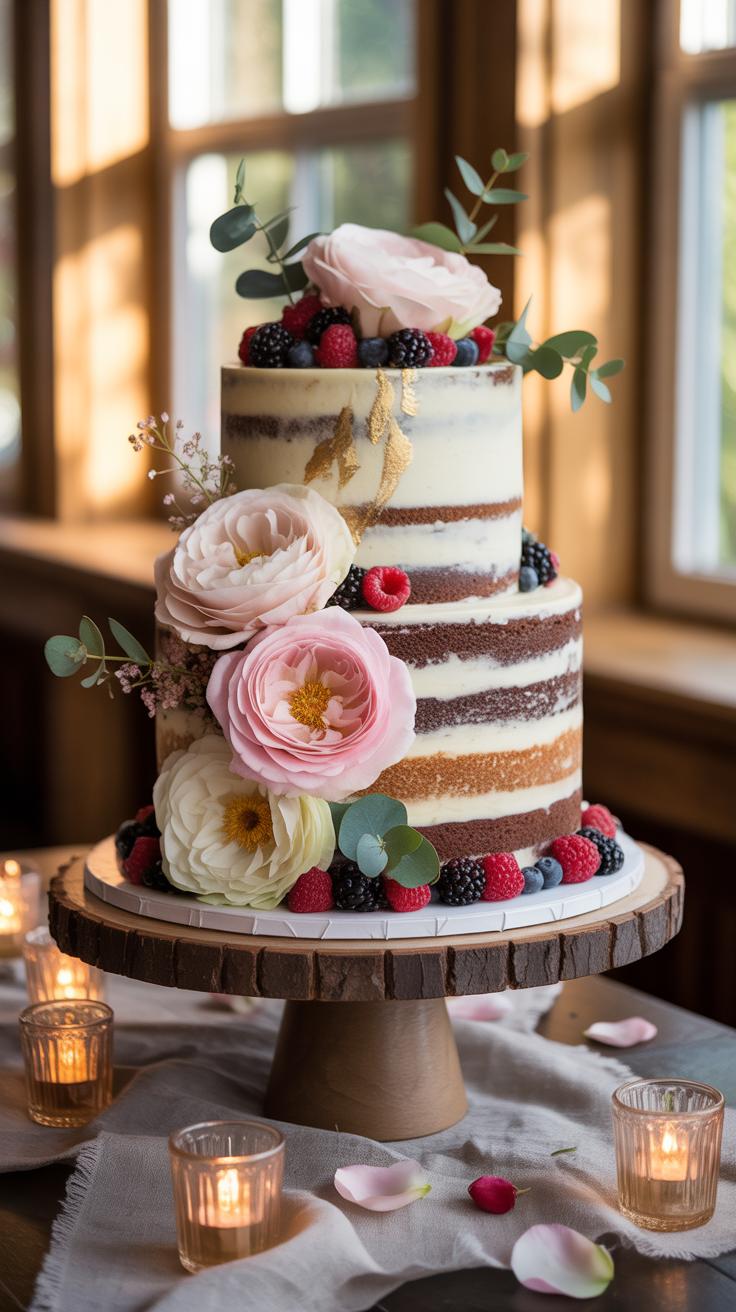
Stunning Naked Wedding Cake With Berries For A Fresh Natural Look
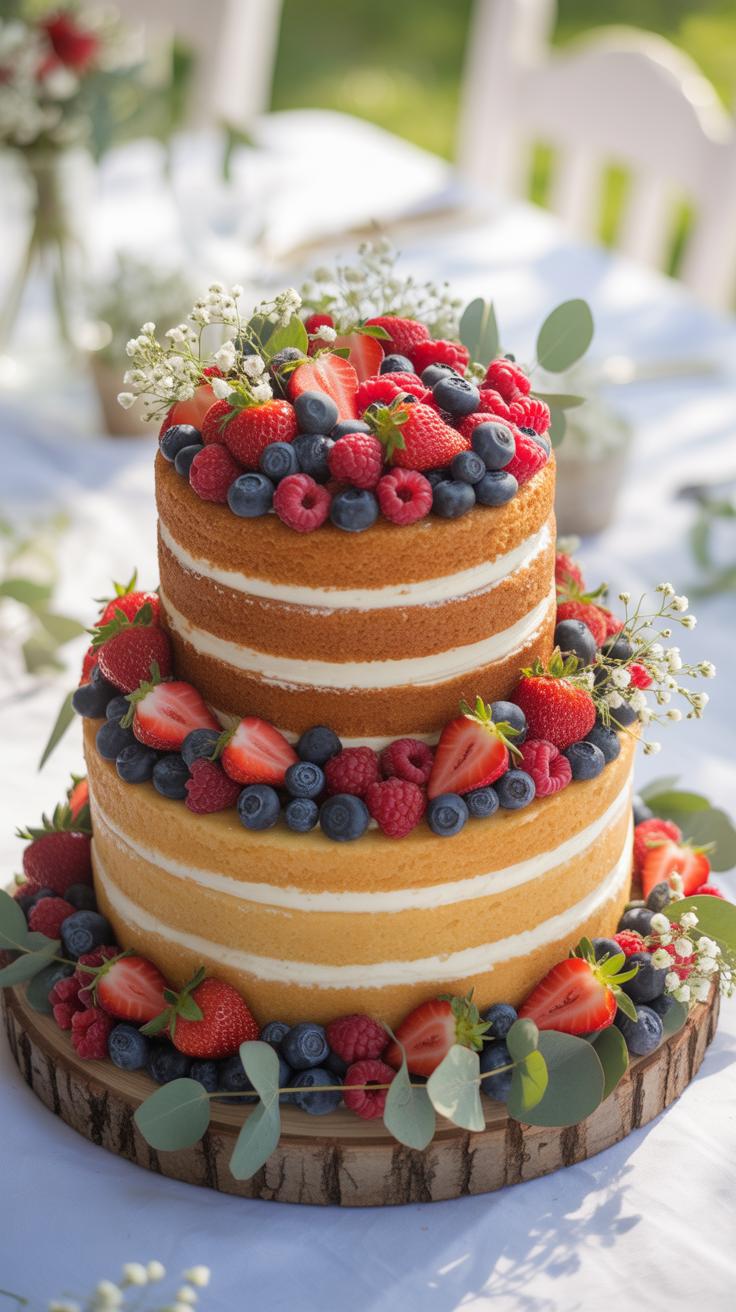
Best Berry Combinations To Decorate Your Naked Wedding Cake
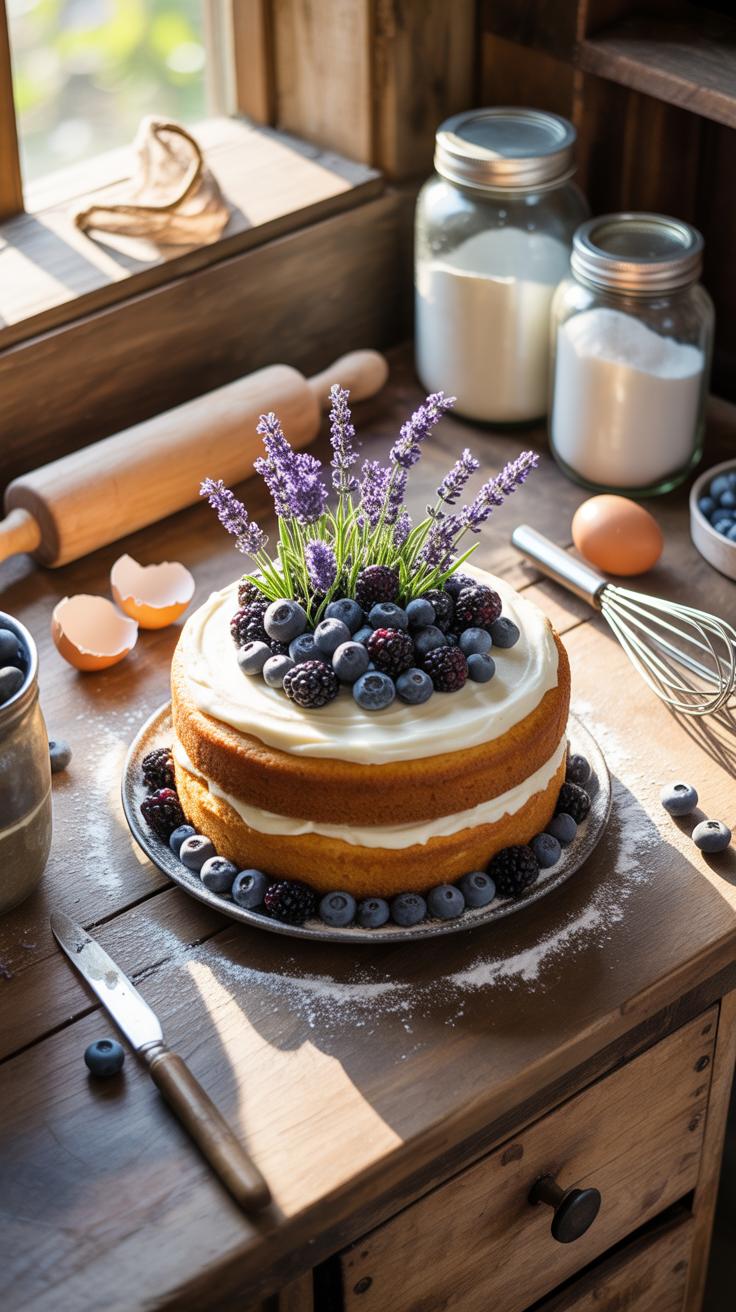
Select berries based on structural integrity and juice content. High moisture fruits like sliced strawberries bleed into the sponge. This ruins the clean look of the naked design. Use whole raspberries, blueberries, and blackberries to maintain a sharp finish. These berries have thick skins that prevent staining. Pair deep blue fruits with bright red currants to create high visual contrast against pale vanilla sponge.
Strategic placement defines the professional quality of a naked cake. Group larger berries at the base of each tier to anchor the design. Fill smaller gaps with blueberries or pomegranate seeds to hide visible internal supports. Avoid piling fruit too high on soft buttercream layers. Excess weight causes the cake to tilt or collapse. Use a light apricot glaze to keep the fruit looking fresh for hours.
How To Style A Berry Topped Naked Cake For Different Wedding Seasons
Winter and fall weddings require darker berry tones. Use blackberries and dark cherries to match the moody lighting of these months. Surround the fruit with rosemary or pine sprigs to add texture. This creates a rustic feel without using expensive out-of-season produce. Dusting the berries with powdered sugar mimics the look of frost. This technique hides imperfections in the cake surface while adding a seasonal finish.
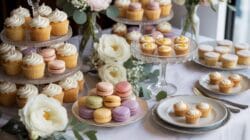
Summer and spring weddings demand bright colors and high volume. Combine strawberries and golden raspberries to reflect the warmer weather. Use fresh mint leaves to add a pop of green against the red fruit. This combination stays stable in higher temperatures if you keep the cake out of direct sunlight. Place most of the fruit on the top tier and the cake board. This prevents the filling from sliding under the weight.
Rustic Cake Design Ideas To Give Your Wedding Cake Timeless Charm
Key Elements That Define A Rustic Cake Design
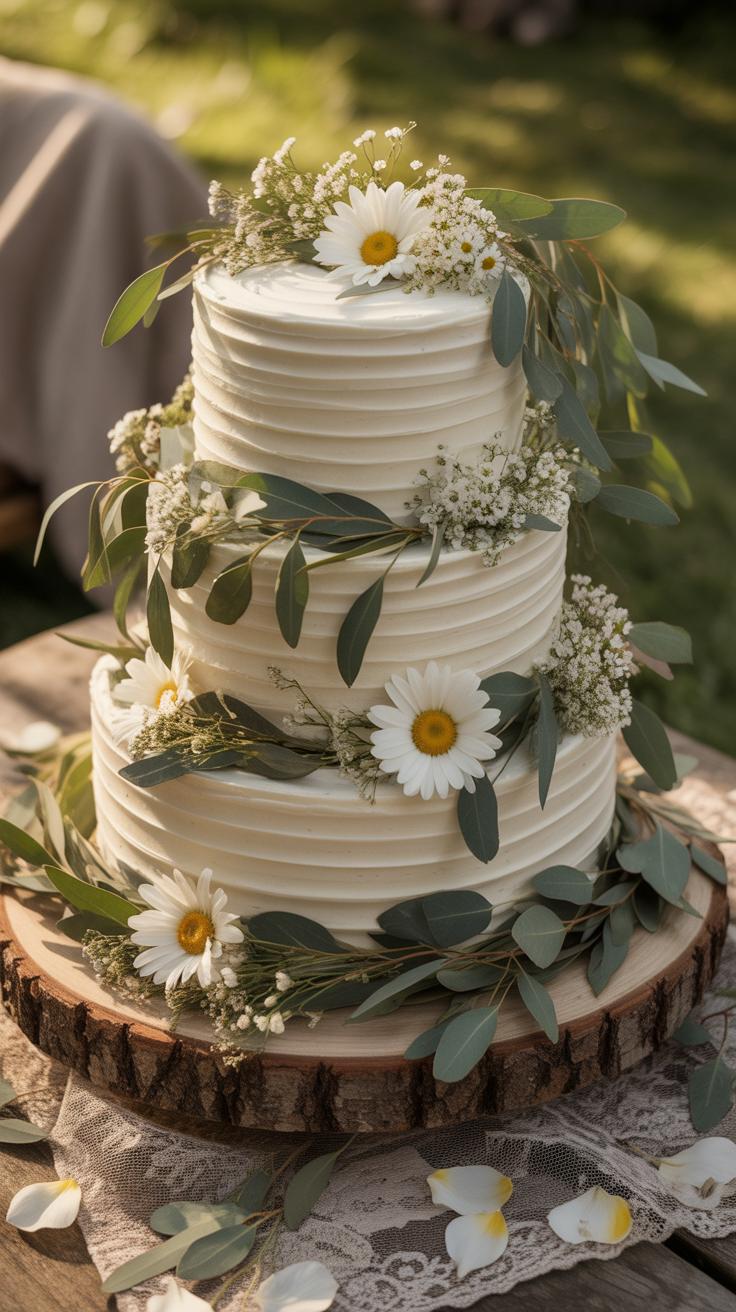
A rustic wedding cake relies on organic materials and structural honesty. This style emerged from the Arts and Crafts movement, which prioritizes raw textures over synthetic perfection. You achieve this look by exposing the crumb of the sponge. Visible cake layers create horizontal lines that ground the design. These lines serve as a foundation for natural decorations like fresh berries or wood accents.
Structural integrity is vital for this wedding cake unique aesthetic. You must use dense sponges like carrot, lemon, or almond to support the weight of the tiers. Fluffy chiffons often collapse without the support of thick icing. The color palette stays neutral, mirroring earth tones found in stone or wood. Proper execution requires sharp edges on the cake layers to maintain a clean and professional appearance.
Rustic Wedding Cake Textures And Finishes That Look Elegant Without Heavy Frosting
The wedding cake no icing approach uses the cake itself as a decorative element. You apply a very thin coat of buttercream, then scrape it off with a bench scraper. This technique is the “dirty icing” or crumb coat method. It traps moisture inside the sponge while allowing the natural color of the cake to show through. This finish provides a matte backdrop for greenery.
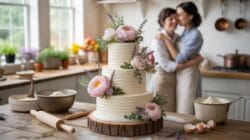
To enhance rustic cake ideas, focus on the contrast between the sponge and the filling. Light-colored fillings create a striking visual break against darker sponges like chocolate or spice cake. Use seasonal fruit to add pops of color without using food dyes. A floral naked cake uses non-toxic blooms to add height and texture. Fresh rosemary or eucalyptus creates a high-end look with very little financial investment.
Floral Naked Cake Designs That Add Romance And Color
Choosing The Right Flowers For A Safe And Beautiful Floral Naked Cake
Naked cakes lack a protective outer layer of frosting. This means anything you place on the cake touches the food directly. You must prioritize food safety over aesthetics. Many common garden flowers contain toxins that can leach into the sponge or cream. Always verify the toxicity of every bloom before purchase. Sourcing organic flowers ensures your guests do not ingest harmful pesticides.
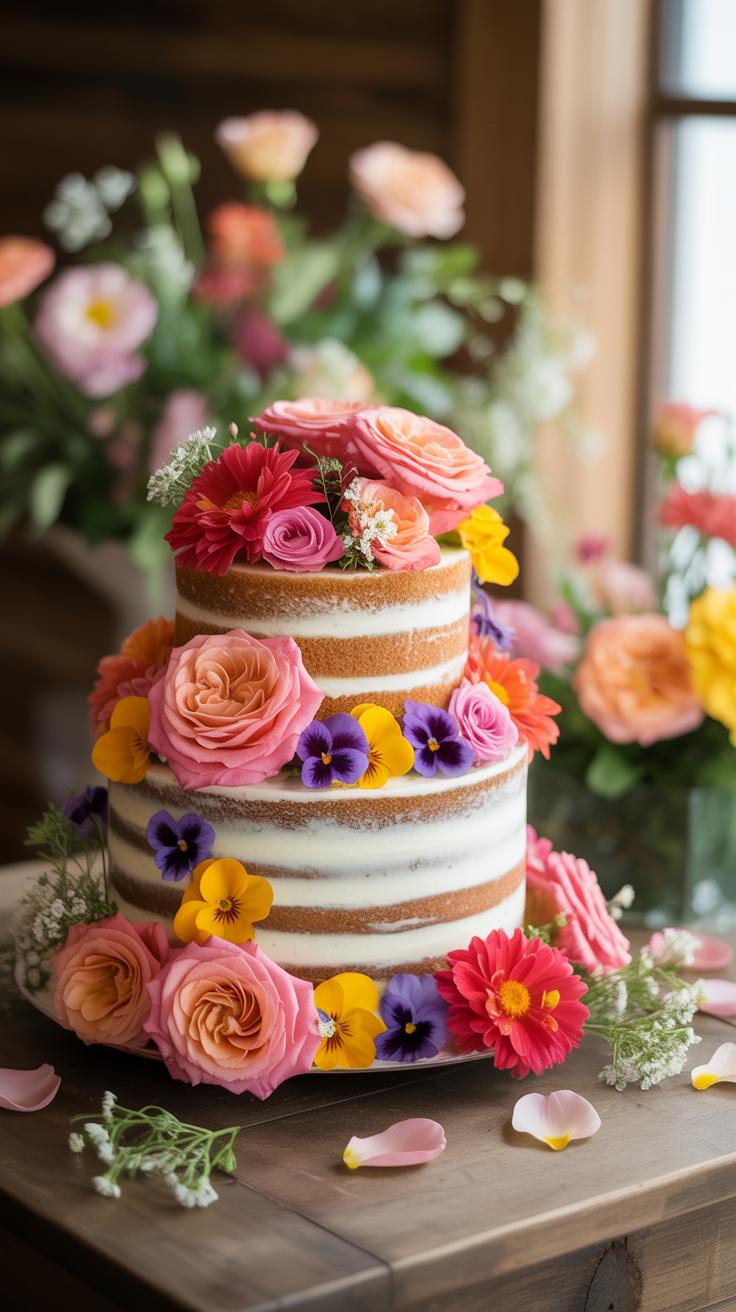
- Roses: These classic blooms are entirely edible and safe for food contact. They provide structural stability and hold up well without water for several hours. Ensure they are organic and free from chemical sprays used by commercial florists.
- Lavender: This hardy herb adds a distinct scent and a purple hue. It thrives in rustic designs and does not wilt quickly in warm environments. It works best when tucked into the cream layers or clustered at the base.
- Pansies: These delicate flowers offer a wide range of colors for a vibrant look. They are thin and lightweight, making them easy to press against the exposed sides of the cake. They are fully edible and safe for direct consumption.
- Cornflowers: Known for their intense blue color, these flowers provide a sharp contrast against white or yellow cake layers. They have a paper-like texture that resists wilting. Use them to add small pops of color without adding significant weight.
- Calendula: These bright orange and yellow petals provide a bold visual impact. They are often used in salads and are completely safe for cake decorating. The sturdy heads make them easy to position between tiers or on the cake topper.
Prep each stem before it touches the cake. Use floral tape to seal the ends of the stems. This prevents sap from leaking into the cake layers. For extra protection, insert the stems into plastic floral spikes. This creates a barrier between the plant and the food. Only add fresh flowers at the last possible minute to prevent drooping in the heat of the reception.
How To Arrange Florals On A Naked Cake For Maximum Visual Impact
Position flowers to highlight the cake’s architecture rather than hiding it. Start with the largest blooms at the base to create a focal point. Use smaller buds and greenery to fill gaps and add movement. Asymmetrical clusters look more natural and modern than perfectly centered arrangements. Follow the natural curve of the cake to guide the eye from the top tier down to the stand.
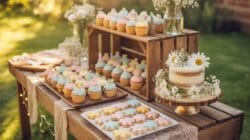
Balance the colors of the flowers against the shade of the cake sponge. Dark berries and deep red roses pop against light vanilla layers. Pastel flowers complement chocolate or spice cakes better. Do not overcrowd the tiers or you will lose the rustic appeal of the exposed cake. Leave enough space so the texture of the bread and the cream remains visible to guests.
Rustic Wedding Cake With Fruit For A Vibrant And Flavorful Centerpiece
Popular Fruit Pairings That Work Best On A Rustic Naked Wedding Cake
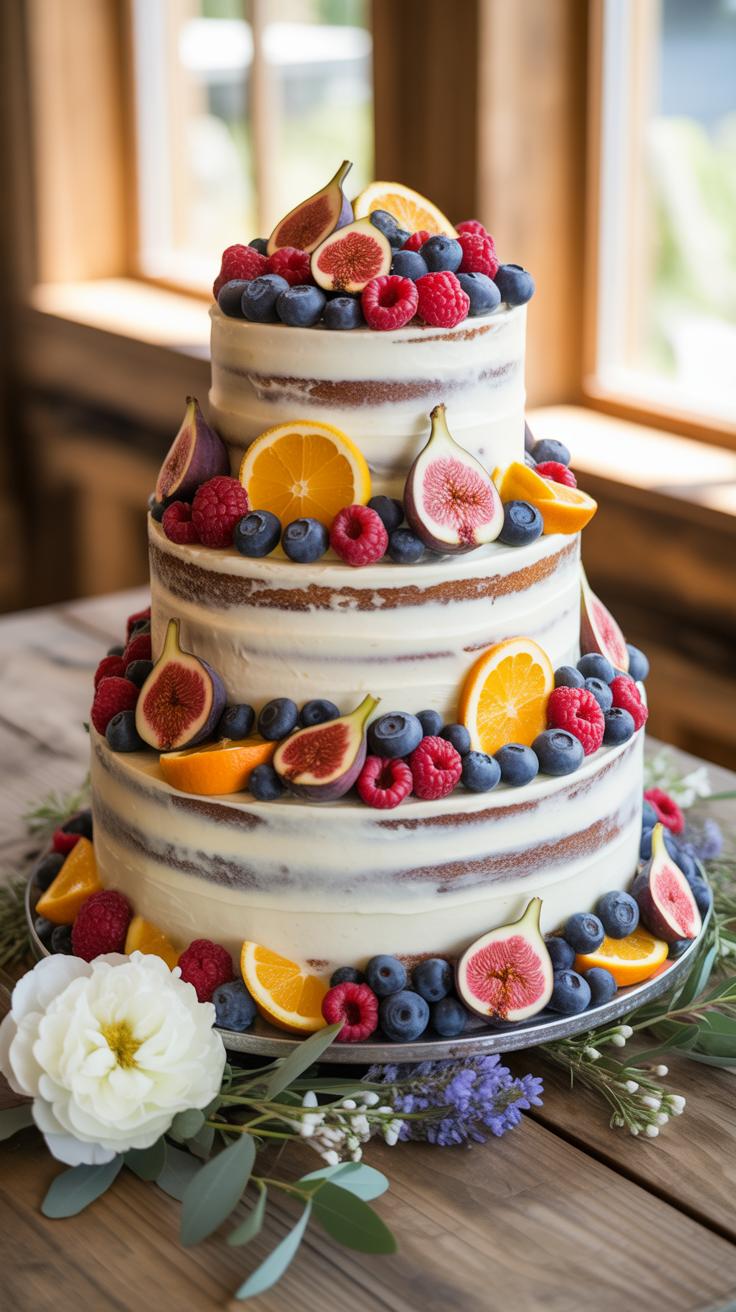
Berries dominate naked cake design due to their moisture levels and structural integrity. Strawberries, blueberries, and raspberries provide high color contrast against white or cream sponge layers. These small fruits stay intact without leaking excessive juice into the crumb. This prevents the cake from becoming soggy or stained during the event. Select firm specimens to ensure the fruit maintains its shape under the weight of upper tiers.
Stone fruits and citrus offer seasonal variety for summer or fall events. Sliced figs, peaches, or blood oranges create a sophisticated visual profile for a rustic wedding cake with fruit. These choices require careful placement to avoid surface sliding on the exposed sponge. Pair these larger fruits with sprigs of rosemary or eucalyptus to anchor them. Using seasonal produce reduces costs and guarantees the best flavor for your guests.
There is something so honest and beautiful about a cake that doesn’t hide behind a thick layer of frosting. Simplicity is the ultimate sophistication, and a rustic cake truly celebrates the sweetness of being real.
Tips For Keeping Fresh Fruit On A Wedding Cake Looking Beautiful All Day
Fruit begins to degrade immediately after harvest and exposure to air. Oxidation causes browning on sliced surfaces like apples or pears. Heat and humidity accelerate wilting and juice leakage during outdoor receptions. You must implement specific preservation techniques to keep a wedding cake with no icing looking fresh. These tactical steps ensure the fruit remains edible and visually appealing from the ceremony until the final cake cutting.
- Lemon Juice Bath: Dip sliced fruits like apples or pears in a mixture of water and lemon juice. This acidic barrier stops enzymatic browning for several hours. It preserves the bright white flesh of the fruit during the display.
- Gelatin Glazing: Brush berries and cut fruit with a thin layer of apricot jam or clear gelatin. This professional technique seals in moisture and adds a subtle shine. It prevents the skin of the fruit from shriveling in dry air.
- Dry Placement Logic: Ensure the fruit skins are completely dry before placing them on the cake. Excess water from washing can dissolve the sponge or cause the fruit to slide off the sides. Use paper towels to blot every piece of produce dry.
- Strategic Chilling: Keep the decorated cake in a cold environment until the last possible moment. Heat causes fruit cells to break down and release syrup. Moving the cake to the display area just before guests arrive minimizes heat exposure.
- Inedible Barriers: Place a small piece of parchment paper or a dab of stiff frosting under heavy fruits. This prevents the fruit juice from soaking directly into the cake layers. It keeps the sponge structure firm and prevents the cake from leaning.
Timing is the most critical factor for success with a rustic cake design. Apply fresh fruit as late as possible to the naked wedding cake with berries. Delicate fruits like raspberries should be the final addition to the tiers. If your event is outdoors, choose hardy fruits like grapes or whole strawberries. These varieties withstand ambient temperatures better than sliced alternatives. Proper preparation ensures the centerpiece remains a vivid highlight.
Wedding Cake No Icing Styles That Still Look Polished And Professional
Why Skipping The Icing Can Actually Elevate Your Wedding Cake Aesthetic
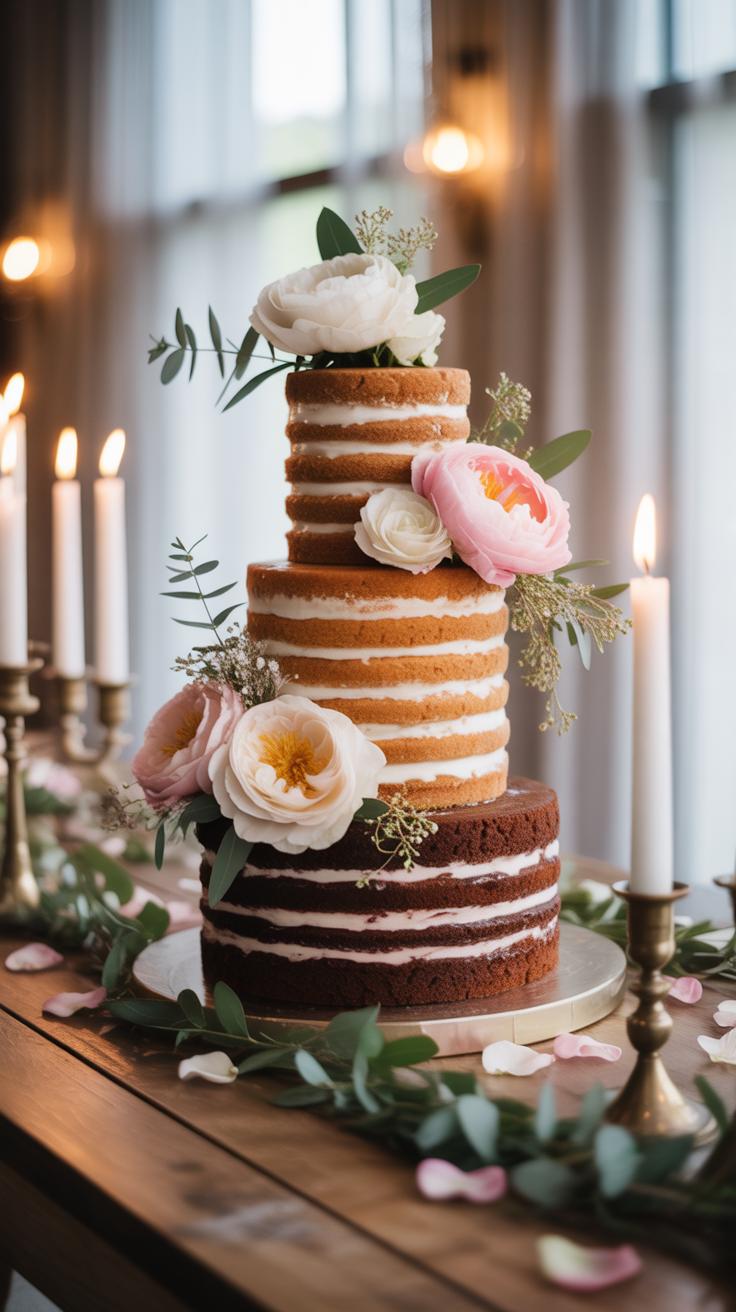
Stripping away heavy buttercream exposes the technical skill of the baker. In a naked wedding cake, the focus shifts to the crumb texture and the precision of the layers. This style creates a rustic cake design that feels honest and architectural. It removes the barrier between the guest and the ingredients. You highlight the quality of the cake itself rather than hiding it under sugar.
The rustic wedding cake movement grew from a desire for simplicity and transparency in food. It aligns with modern minimalist design principles. By leaving the sides bare, you create visual contrast between the dark cake and light filling. This wedding cake unique look works well in outdoor or industrial venues. It rejects the traditional heavy fondant style for a clean and grounded presentation.
Finishing Touches That Replace Icing Without Sacrificing Style
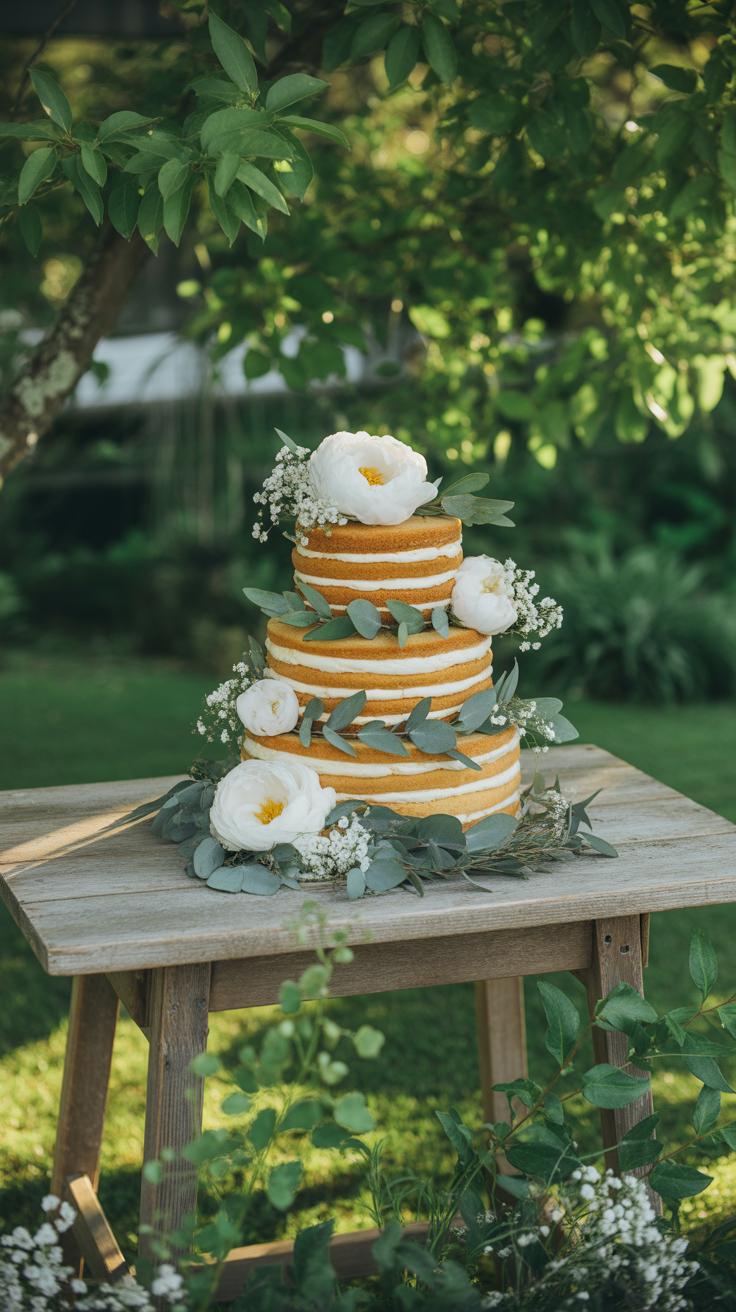
Success requires strategic garnishes to provide visual interest and moisture control. A naked wedding cake with greenery uses eucalyptus or olive branches to add organic lines. These elements frame the cake tiers without adding extra sugar. Use a light dusting of powdered sugar to mimic a finished look. This technique draws the eye to the natural colors and textures of the sponge.
A rustic wedding cake with fruit provides natural sweetness and vibrant color. Use seasonal berries or sliced figs to create focal points on each layer. A naked wedding cake with berries looks deliberate and high-end when you cluster the fruit near the edges. Fresh additions like rosemary or lavender provide a floral naked cake look that stays professional. These choices ensure the cake looks intentional and complete.
Wedding Cake Unique Ideas Using The Naked Cake As Your Canvas
Unconventional Naked Cake Shapes And Tier Arrangements Worth Considering
Standard round tiers dominate the market but square layers offer a sharper aesthetic. Square edges highlight the texture of the cake crumb and the precision of the filling. This geometry works well for modern or industrial themes. Use offset stacking to create visual tension and interest. Rotating each tier forty five degrees creates a star pattern that draws the eye upward without needing heavy decor.
Deconstructed displays serve as an alternative to vertical stacking. Place individual cakes of varying heights on wooden slabs or stone pedestals. This method avoids structural failure risks and allows for different flavors in each piece. Use height variations to create a focal point. This approach fits a rustic wedding cake style by utilizing natural materials like wood and slate as the foundation for the dessert.
Creative Flavor And Filling Combinations That Make A Naked Cake Truly Unique
Flavor profiles must compensate for the lack of heavy exterior icing. Use high moisture batters like olive oil cake or almond meal sponge to prevent drying. Fillings act as the primary visual and taste component. Use lemon curd or passion fruit curd for a sharp contrast against sweet cake. These bright colors bleed slightly into the edges which enhances the rustic cake design naturally and effectively.
Texture adds a layer of sophistication to a wedding cake no icing design. Fold crushed pistachios or freeze dried berries into the buttercream layers. This adds a visual pop of color visible from the side. Use seasonal fruit like figs or pears for a rustic wedding cake with fruit. These choices provide structural stability and organic beauty. Match the cake flavor to the filling to ensure a cohesive experience.
Naked Wedding Cake With Greenery For An Earthy Garden Inspired Look
Types Of Greenery That Pair Beautifully With A Naked Wedding Cake
Select greenery based on structural integrity and food safety. Eucalyptus varieties like silver dollar or seeded eucalyptus remain popular due to their muted tones and hardy leaves. Herbs offer a dual purpose by providing scent and texture. Rosemary and thyme branches hold their shape well against moisture in the cake layers. Always verify that your chosen plants are non-toxic and free from pesticides before application.
Olive branches and Italian ruscus offer a classic Mediterranean aesthetic. These choices suit the rustic wedding cake style because they do not wilt quickly in warm environments. Avoid using florist wire directly in the sponge. Use food-grade floral tape or plastic picks to secure the stems. This prevents metal or sap from touching the edible parts of the cake. Proper selection ensures the greenery stays fresh throughout the reception.
How To Blend Greenery With Other Decorations For A Cohesive Wedding Theme
Balance your greenery with the exposed cake layers to maintain the rustic cake design. Use the foliage to highlight the horizontal lines of the sponge and frosting. If you add fruit, place the greenery first to create a base layer. This adds depth and makes the berries or citrus appear as if they are growing from the arrangement. Consistency in plant types across the cake and table decor creates a unified visual.
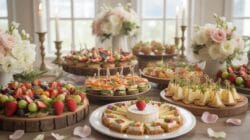
Coordinate the greenery with the wedding cake unique features like wooden toppers or stone stands. Use the same leaf varieties found in the bridal bouquet to link the dessert to the overall event. Do not overstuff the layers. Leave gaps so the naked wedding cake with greenery still shows the texture of the bread. This technique emphasizes the natural, unrefined look. Use sparse placement for a modern feel or heavy vine wrapping for a lush appearance.
Rustic Cake Ideas On A Budget How To Get The Look Without Overspending
Cost Saving Strategies When Ordering Or DIY Ing A Rustic Naked Wedding Cake
Naked cakes reduce costs by using less buttercream than traditional designs. You save money on labor because the baker spends less time smoothing outer layers. Choose a standard sponge like vanilla or lemon to keep ingredient costs low. These flavors provide a stable structure for stacking. Stable cakes require fewer internal supports. Use seasonal fruits like strawberries or blackberries to add color without paying for expensive imports.
DIY bakers should focus on level layers and chilled sponge. Cold cake is easier to stack and less likely to crumble. Apply a very thin crumb coat to keep the edges visible. This technique highlights the rustic texture. Use a simple wooden board or a ceramic plate for the base. Avoid tiered stands that require extra hardware. Local greenery provides a professional finish for almost zero cost.
How To Communicate Your Rustic Cake Vision To A Baker On Any Budget
Direct communication prevents expensive mistakes. Tell your baker you want a naked or semi-naked finish specifically to manage the price. Highlighting the crumb is the goal. Provide photos clearly showing the level of transparency you want. Specify if you want visible cake layers or a thin veil of icing. This clarity stops the baker from overworking the design and charging more.
Ask for a price breakdown of decorations. Professional floral arrangements on cakes carry high markups. Suggest placing the flowers yourself or using fresh berries. Berries are cheaper and easier to source than edible gold or intricate sugar work. Offer to provide your own cake topper to avoid retail premiums. Be clear about your guest count. A smaller display cake with a sheet cake in the kitchen saves money.
Frequently Asked Questions

What exactly is a naked wedding cake and why is it popular?
A naked wedding cake is a rustic style where the outer layer of frosting is skipped entirely, leaving the cake layers and filling visible. This trend has gained massive popularity because it highlights the natural textures and colors of the cake itself. When exploring naked wedding cake ideas, many couples choose this style for its organic, minimalist aesthetic that fits perfectly with farmhouse, woodland, or bohemian-themed celebrations.
How can I prevent a naked wedding cake from drying out during the reception?
Without a thick protective layer of buttercream, these cakes can dry out more quickly. To keep yours fresh, apply a generous amount of simple syrup to each sponge layer before stacking. You should also wait until a few hours before the ceremony to assemble the layers. Many practical naked wedding cake ideas suggest using a “semi-naked” finish, where a very thin translucent layer of frosting helps lock in vital moisture.
Are naked wedding cakes actually cheaper than traditional tiered cakes?
Generally, yes! Choosing this style is a fantastic way to save money because it requires significantly less labor and expensive fondant. Since you don’t need a pastry chef to spend hours smoothing intricate icing, the labor costs are reduced. You can further lower expenses by using affordable decorations like fresh seasonal berries, sprigs of rosemary, or even silk flowers to create a high-end look on a very modest DIY budget.