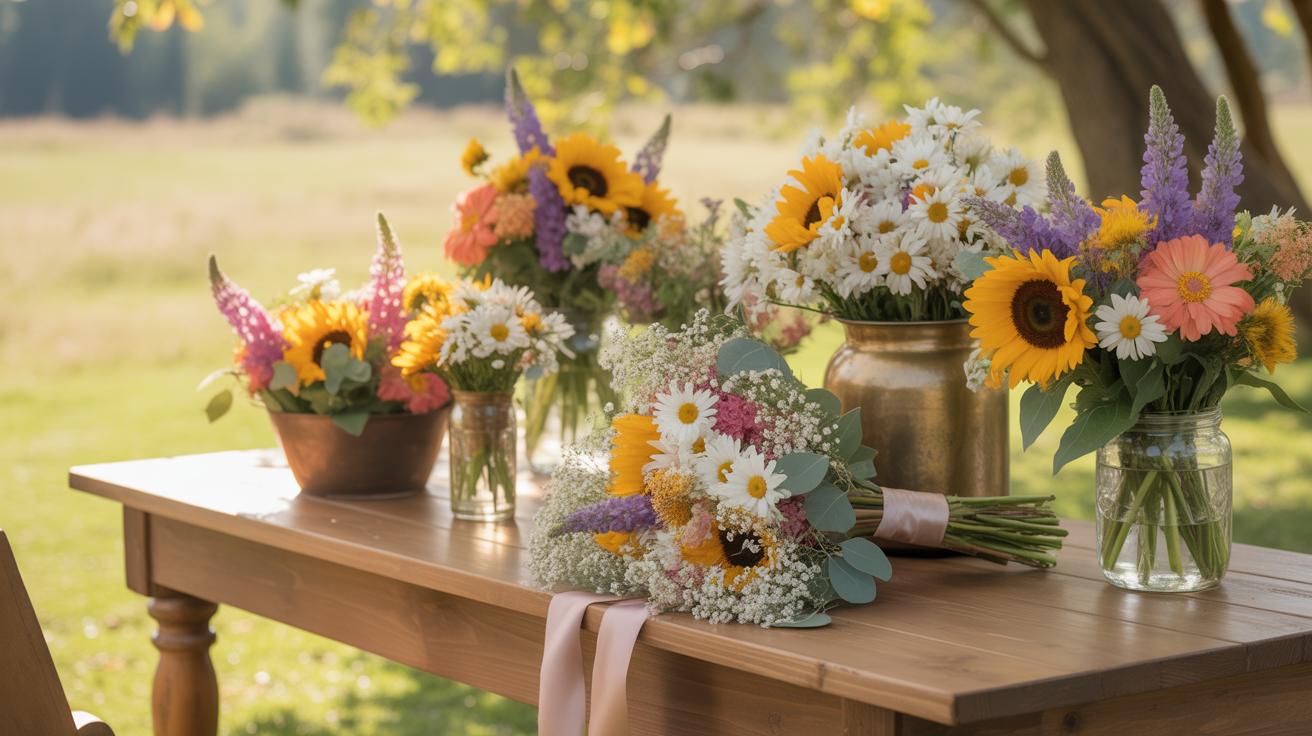
Understanding Flower Prices Why Seasonality Drives Wedding Floral Costs
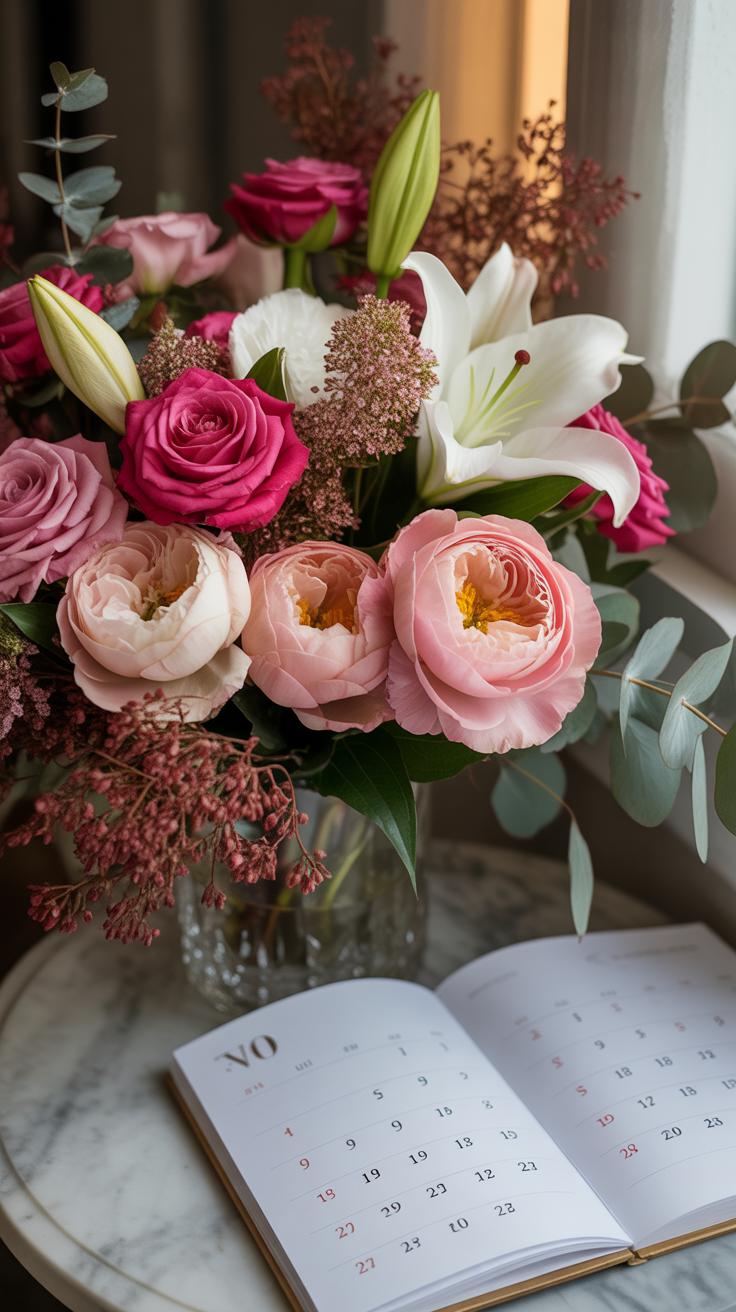
How Supply And Demand Affect The Price Of Wedding Flowers
Flower prices fluctuate based on basic market economics. Local farms produce high volumes of specific crops during their natural growing cycles. This surge in supply lowers the wholesale cost for buyers. When you choose flowers that grow naturally during your wedding month, you benefit from these low prices. Florists buy these blooms in bulk without facing heavy competition from other global markets.
High demand for specific flowers during holidays drives prices up regardless of the season. Peonies cost more in May because every spring bride wants them. Roses spike in price around Valentine Day and Mother Day. You pay a premium when your flower choice competes with national holidays. Understanding these calendar peaks helps you avoid price hikes. Buy flowers when supply is high and general market demand is low.
The Hidden Costs Of Out Of Season Blooms: Import Fees, Cold Storage, And Markup
Ordering flowers out of season requires global shipping. Your florist must source blooms from Holland, Ecuador, or Kenya. You pay for air freight, customs duties, and specialized packaging. These logistical costs double or triple the price of a single stem. You are not paying for a better flower. You are paying for the fuel and taxes required to move it across the world.
Out of season flowers require strict temperature control to stay alive. Wholesalers use expensive cold storage facilities to delay wilting. This overhead passes directly to the consumer. Imported flowers also suffer higher loss rates during transit. Florists must order extra stems to account for breakage and stress. This waste adds another layer of markup to your final bill. Stick to local crops to eliminate these invisible expenses.

What Are Budget Friendly Wedding Flowers And How Do You Find Them
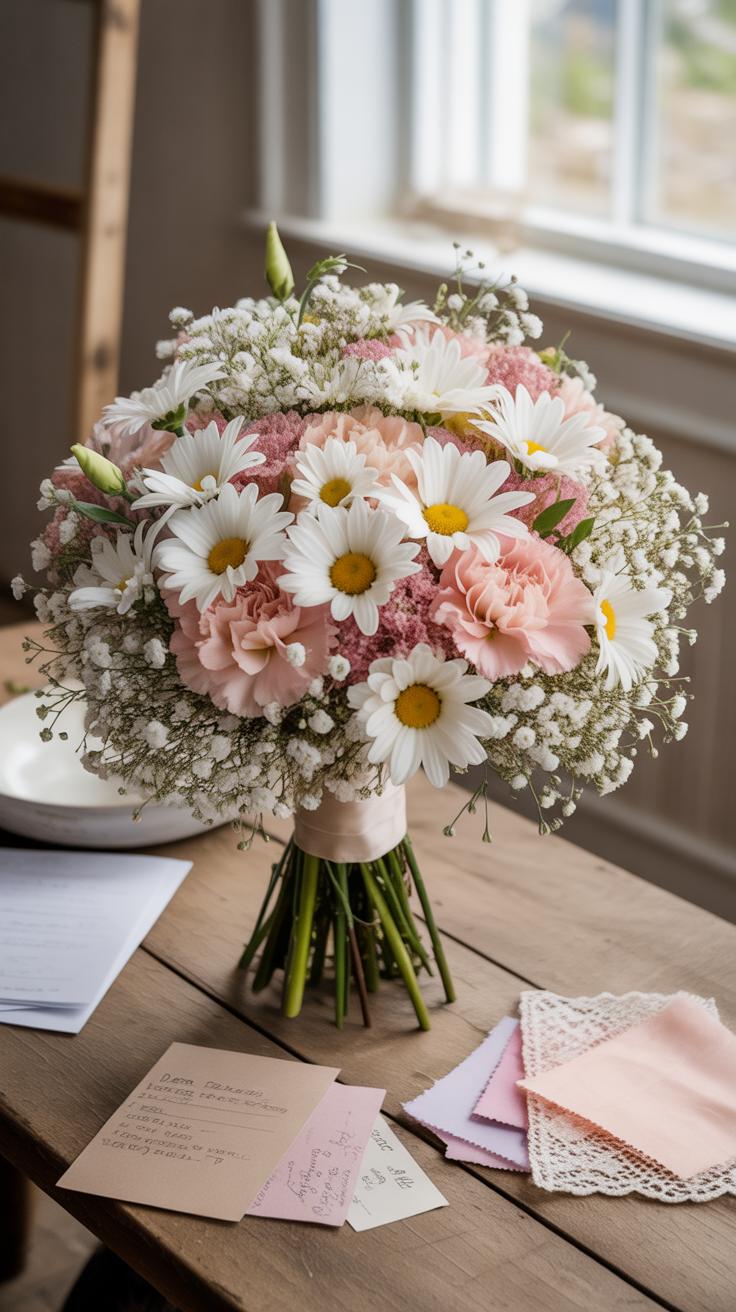
Defining Value In Wedding Florals: Beauty Vs. Cost Vs. Availability
Seasonal wedding flowers on a budget require a shift in perspective. High value flowers offer large head sizes and sturdy stems. These traits allow you to use fewer stems to fill a space. Availability drives the price down during peak growth months. You must choose flowers that thrive naturally in your wedding month. Rare imports increase costs due to specialized shipping and high waste.
Focus on the price per stem versus the visual impact. A single large peony often costs more than a carnation. However, one peony covers more surface area in a bouquet. This means you buy fewer total flowers to achieve the same look. Efficiency is the key to a low budget. Evaluate every flower by its ability to take up space. Smart selection reduces labor and material costs.
Where To Source Affordable Seasonal Flowers: Local Farms, Farmers Markets, And Wholesale Options
Direct sourcing cuts out middleman markups. Local flower farms provide the freshest stems with the lowest carbon footprint. These growers sell what is currently blooming in your region. This ensures the flowers are at their peak strength. Buying local often eliminates high shipping fees. Visit these farms to see what grows well in your specific climate. Direct relationships often lead to better bulk pricing.
Wholesale warehouses and farmers markets offer different tactical advantages. Wholesalers sell in large bundles which lowers the unit price. You must buy in bulk to see these savings. Farmers markets allow you to buy smaller quantities of unique varieties. Both options require you to transport and process the stems yourself. This DIY approach saves money on professional labor fees. Plan your pickup schedule to keep the flowers hydrated and cool.
A Practical Wedding Flower Types Guide For Cost Conscious Couples
Focal Flowers, Filler Flowers, And Greenery: Understanding The Three Building Blocks Of Floral Arrangements
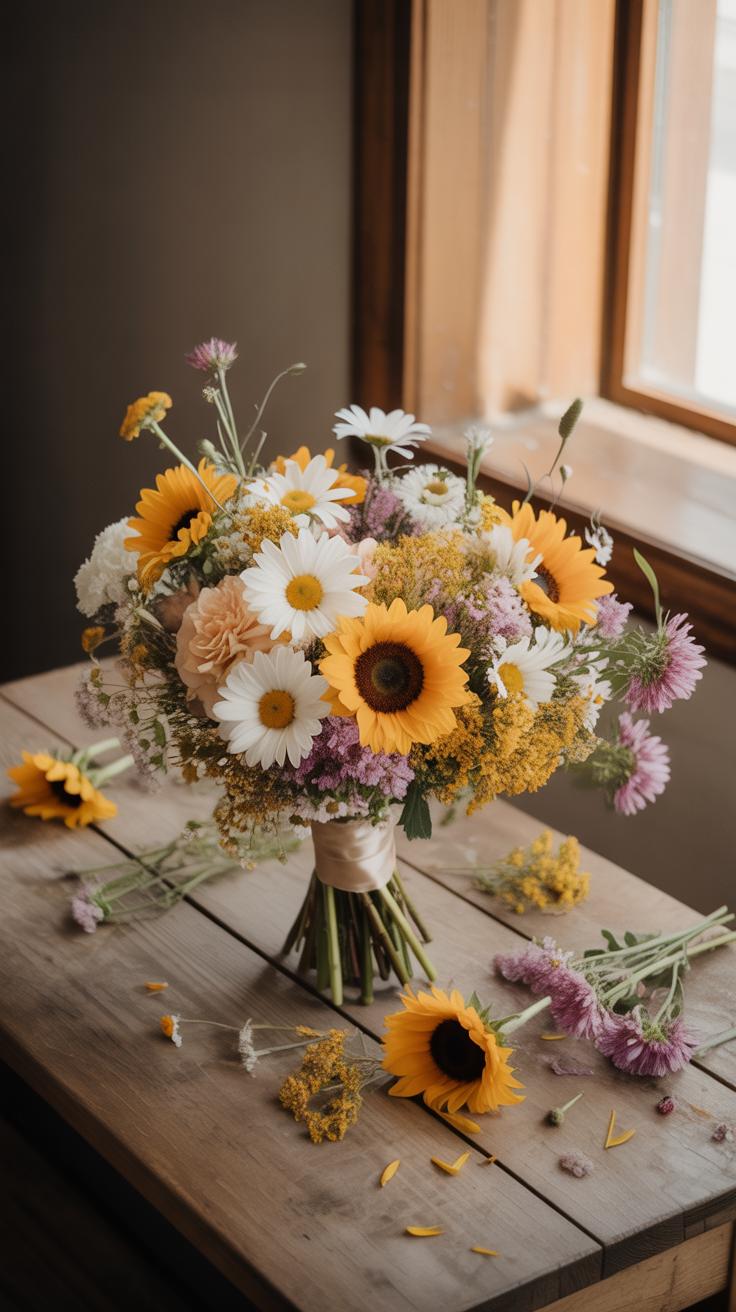
Wedding arrangements rely on three distinct categories to manage costs and aesthetics. Focal flowers serve as the primary visual interest. These are usually the most expensive stems. Filler flowers occupy the gaps between focal points. They provide texture and secondary color. Greenery creates the structural foundation. It builds the shape of the bouquet or centerpiece. Using these tiers correctly ensures you do not overspend on premium stems.
Strategically balancing these three elements reduces the total stem count. You should use a few high-quality focal blooms. Surround them with abundant, low-cost greenery and fillers. This technique mimics the lush look of expensive Dutch Master paintings. It moves the eye across the arrangement without requiring a solid mass of pricey roses. Professionals use this ratio to keep budgets under control while maintaining professional design standards.
Which Wedding Flower Types Offer The Best Volume And Visual Impact For The Price
Maximize your budget by choosing flowers with high surface area. Hydrangeas and carnations provide significant volume for a low price point. One hydrangea head covers the same space as five standard roses. This reduces the labor time needed for assembly. High-volume flowers act as a base for more delicate seasonal accents. Focus on stems that stay turgid and fresh for long periods to avoid waste.
Visual impact also comes from structural choices and stem length. Stock and snapdragons provide vertical height and fragrance at a fraction of the cost of delphinium. Use these mass-market flowers to create large-scale installations. They fill space in copper or glass vessels efficiently. Prioritize varieties that are available year-round to avoid peak seasonal pricing. This approach ensures you get the most physical material for every dollar spent.
How To Choose Seasonal Flowers That Match Your Wedding Style And Color Palette
Matching In Season Blooms To Your Wedding Theme Without Compromising Aesthetic
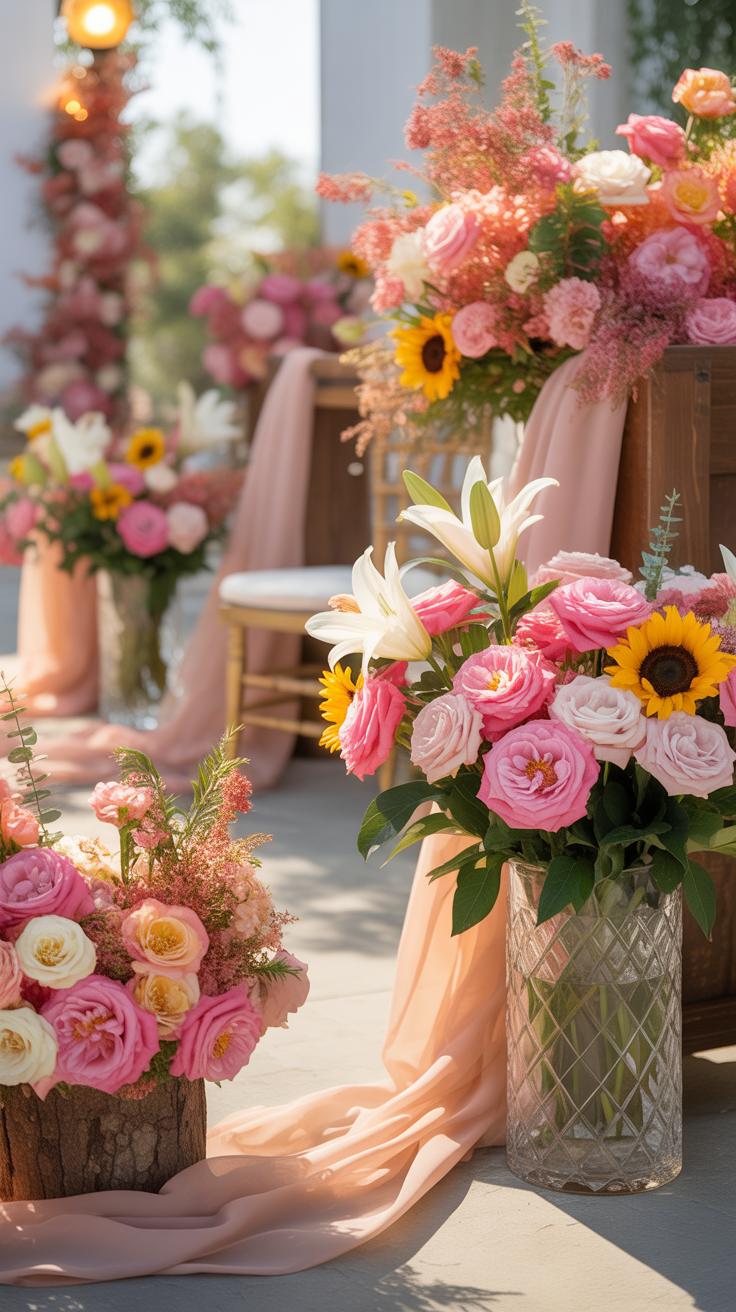
Identify your core theme before selecting specific varieties. Rustic weddings require hardy, textured flowers like sunflowers or zinnias in summer. Minimalist themes benefit from structural stems like calla lilies or tulips found in spring. You must prioritize the shape and form of the flower over a specific species name. This approach ensures your aesthetic stays intact while using lower cost local stems that are currently blooming.
Select colors based on natural availability to avoid expensive imports. Spring offers pastel palettes with peonies and sweet peas. Fall provides deep jewel tones through dahlias and chrysanthemums. Do not force a color palette that contradicts the season. If you want white for a winter wedding, utilize anemones or amaryllis. Use the natural cycle of the year to guide your design choices and reduce your total spending.
Designing with flowers that bloom in their natural time allows your wedding to breathe with the rhythm of the earth while keeping your dreams within reach. Let the season guide your heart and your budget will surely follow.
Practical Tips For Selecting The Right Seasonal Flowers When Meeting With Your Florist
Bring a defined color palette and a list of deal breakers to your first meeting. Florists can swap expensive out of season stems for affordable lookalikes if they know your color goals. Ask for locally grown options first to eliminate shipping fees and fuel surcharges. High quality local flowers last longer than imported stems because they spent less time in transit and storage refrigerators.
- Flexibility on Species: Focus on the color and size of the bloom rather than a specific name. Many flowers look similar from a distance and cost much less when they are in peak season locally.
- Bulk Greenery Usage: Incorporate seasonal foliage like eucalyptus, ferns, or smilax to fill space. Greenery is generally cheaper than flowers and adds necessary volume to centerpieces and bouquets without inflating the total budget.
- Visual Impact Analysis: Large blooms like hydrangeas or garden roses cover more surface area than small fillers. Using fewer large seasonal flowers often costs less than using dozens of tiny expensive stems to fill the same space.
- Local Farm Sourcing: Inquire if your florist works with local flower farms. Buying direct from growers during their peak harvest weeks reduces markups and ensures you receive the freshest possible product for your event date.
- Stem Count Transparency: Ask for a breakdown of stem counts per arrangement. Knowing exactly how many flowers go into each piece helps you identify where you can trim costs by substituting specific high price stems for seasonal alternatives.
Compare the price per stem for every flower on the proposal. If a specific bloom is priced high, ask for its seasonal equivalent. A reliable florist can provide a list of flowers in season in May or any other month to replace costly items. Making these adjustments during the planning phase prevents budget overruns and ensures the floral design remains cohesive and professional.
Flowers In Season In May And Other Peak Wedding Months WhatS Available And Affordable
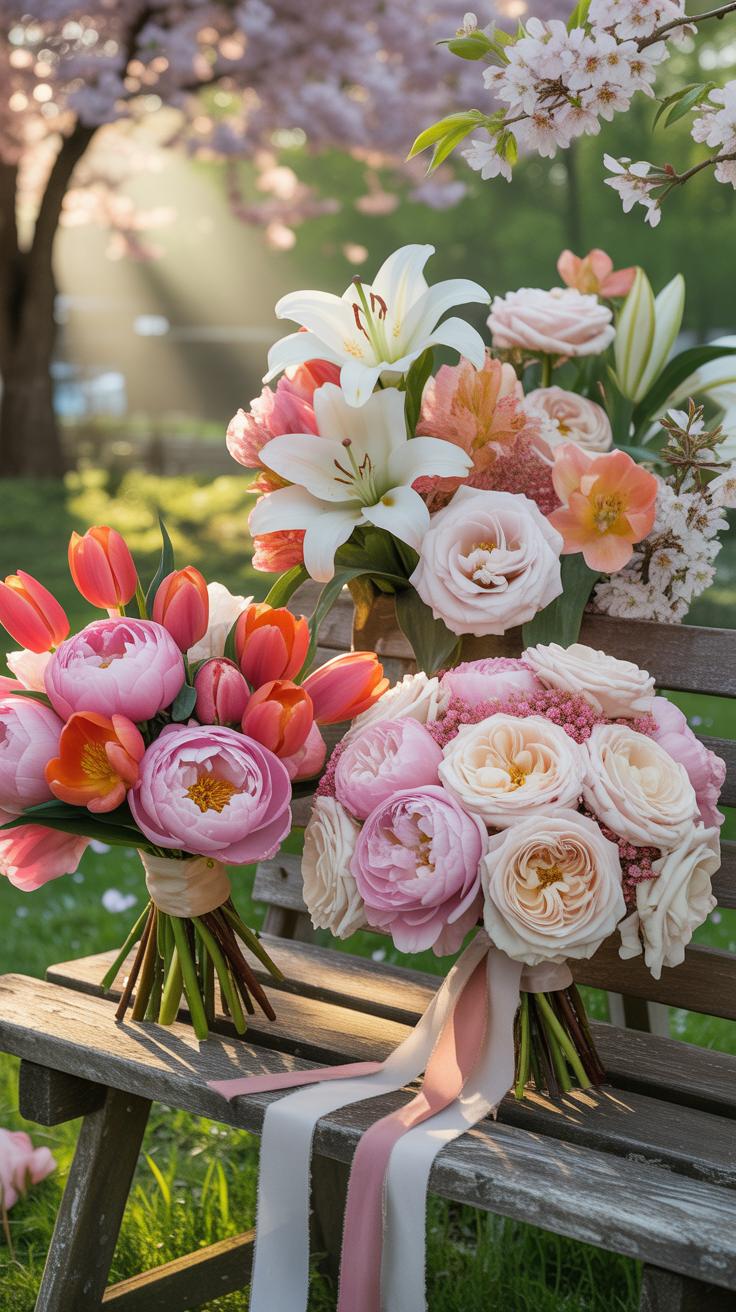
A Closer Look At Flowers In Season In May: Peonies, Ranunculus, Lilac, And More
May is a unique month for floral inventory. Peonies reach their peak during this window. Local sourcing drives down the cost of these premium blooms. Ranunculus and Anemones also offer high petal counts for a lower price than imports. Lilacs provide natural mass and fragrance but have a short vase life. You must secure these items early to avoid high demand surcharges.
Focus on volume by using Lilac and flowering branches as base fillers. These provide structure for larger installations without the high cost of individual stems. Combine them with Sweet Peas for texture. Strategic placement of Peonies in bridal bouquets maximizes their visual impact. Avoid using expensive May blooms for high-quantity items like pew markers. This keeps your overall budget low while maintaining a high-end look.
Spring Vs. Early Summer Availability: How A Few Weeks Can Change Your Floral Budget
The transition from May to June shifts the supply chain significantly. Late spring flowers like Tulips and Hellebores disappear as temperatures rise. Prices for these items spike if you try to source them out of season. June brings the start of the Zinnia and Hydrangea season. These local options replace expensive spring imports. Timing your wedding for early June allows you to access both late spring and early summer varieties.

Heat impacts flower durability and shipping costs. Early summer heat requires more refrigerated transport which increases your bottom line. Choose hardy varieties like Garden Roses or Delphinium if your wedding occurs in late June. Local farms reduce these transport fees. Always check field reports before finalizing your flower list. A two-week delay in planting can change what is affordable for your event date.
Flowers For Each Season A Complete Budget Focused Bloom Guide For Year Round Weddings
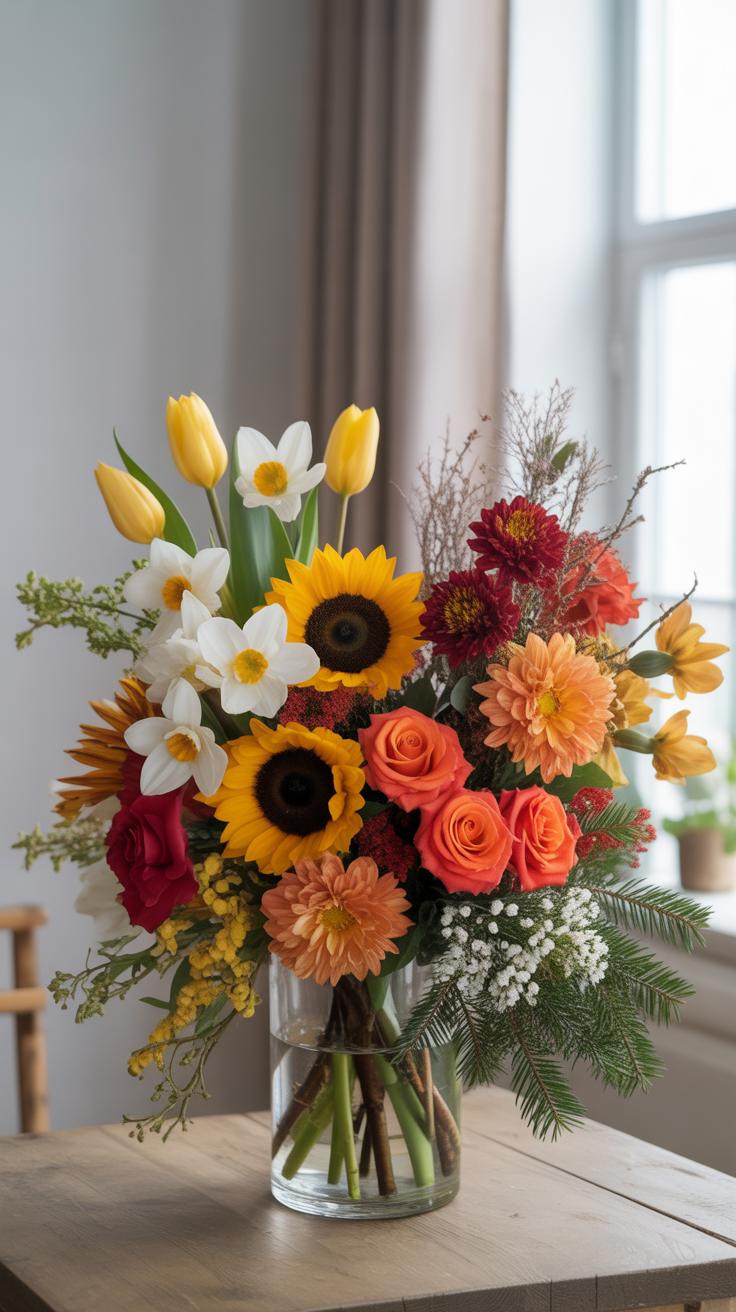
Spring And Summer Wedding Flowers: Abundant, Colorful, And Cost Effective Choices
Spring offers the highest volume of affordable blooms. Peonies peak in May and June but cost more per stem. Use them sparingly as focal points to save money. Tulips and narcissus provide high color impact for less cash. These bulbs naturally thrive in spring weather. Buying them locally reduces shipping fees. Local sourcing ensures the flowers stay fresh longer and survive the wedding day heat.
Summer weddings benefit from high sun exposure and fast growth cycles. Zinnia and cosmos are hardy and cheap during July and August. Sunflowers provide massive scale for a low price. They fill large spaces in venues without requiring many stems. Hydrangeas offer volume but need constant water. Mix these with heat-tolerant greenery to lower total costs. This strategy keeps floral budgets low while maintaining full visual impact.
Fall And Winter Wedding Flowers: Unexpected Beauty And Off Peak Savings
Fall transitions from bright colors to deep tones and dried textures. Dahlias are the primary budget choice from September through October. They offer large flower heads and replace expensive imported roses. Incorporate unconventional items like wheat, berries, or seed pods. These materials cost less than traditional flowers. They add structural depth to arrangements. Using local grasses also reduces your reliance on high-priced floral wholesalers.

Winter floral designs rely on evergreen foliage and sturdy imports. Amaryllis and anemones peak during these months. They provide a high-end look without the luxury price tag of summer rarities. Use pine, cedar, or fir as bulk filler to decrease costs. These greens last weeks and resist wilting in cold air. Focus on metallic accents or dried elements to add shine. This approach offsets the limited variety of fresh winter blooms.
Wedding Flowers By Month Planning Your Floral Budget Around NatureS Calendar
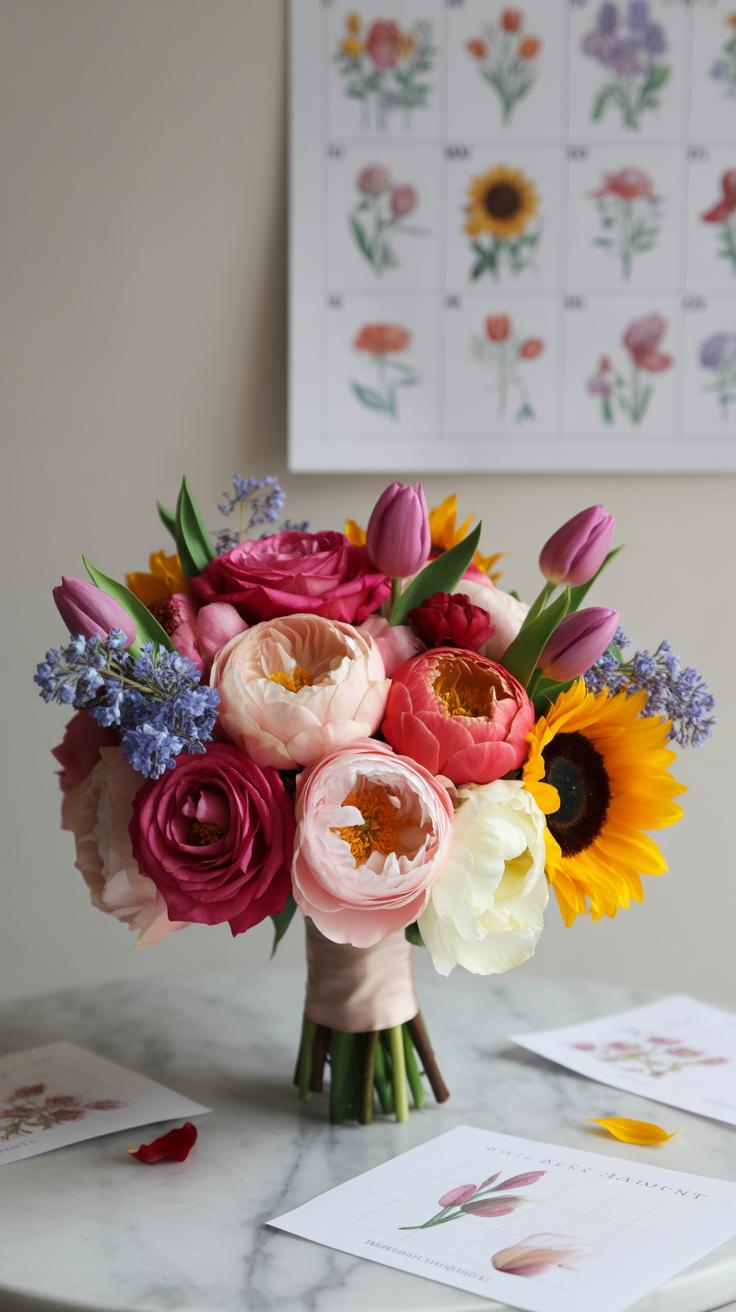
A Month By Month Breakdown Of What Flowers Are Naturally Available And Inexpensive
Flower availability dictates the market price. Buying blooms out of season forces your florist to source from international wholesalers. This adds shipping costs and fuel surcharges to your bill. Selecting flowers during their natural peak ensures high quality and low costs. You get better stems for less money. Focus on bulk availability to reduce the total expense of your centerpieces and bouquets.
- Spring (March to May): Tulips and Daffodils dominate this window. These bulb flowers grow rapidly and cost very little per stem. Peonies are available in late spring but costs drop significantly in May during their peak harvest.
- Summer (June to August): Sunflowers and Zinnias thrive in high heat and offer high volume for low prices. Local field-grown flowers reduce transport fees. Hydrangeas provide massive surface area which means you need fewer stems to fill a vase.
- Fall (September to November): Dahlias and Chrysanthemums are the primary seasonal choices. They are hardy and come in various colors. Using Marigolds adds bold texture without the high price tag of imported specialty roses. These varieties withstand the cooling temperatures well.
- Winter (December to February): Amaryllis and Hellebores are reliable cold-weather options. While floral variety drops, Evergreens and winter berries provide cheap filler. Stick to white and red standards to avoid the premium pricing associated with rare winter greenhouse imports.
- Year-Round Staples: Roses, Carnations, and Alstroemeria are grown globally and maintain stable pricing. Use these as your base to keep costs predictable. They act as reliable fillers when specific seasonal blooms face unexpected weather shortages or shipping delays.
Timing your wedding around local harvests eliminates middleman fees. May is ideal for expensive looks at lower prices because Peonies and Ranunculus are abundant. Conversely, February prices spike for all red flowers due to holiday demand. Always check the local crop cycles in your specific region. This strategy keeps your budget intact while ensuring your flowers look fresh and vibrant on the day.
How To Use Your Wedding Month As A Strategic Budgeting Tool When Working With A Florist
Tell your florist your budget before picking specific flower types. Let them know you only want blooms that are in peak season during your wedding month. This puts the burden of sourcing on their expertise. Professional florists know which wholesalers have surpluses. Giving them flexibility allows them to buy the best deals on the morning of the market.

Avoid rigid demands for specific flower names. Specify a color palette instead of a particular species. If you want a pink wedding in July, let the florist choose the cheapest pink bloom available that week. This prevents you from paying a premium for forced greenhouse growth. Strategic flexibility leads to larger arrangements for the same price. Use the calendar to maximize your visual impact.
Beyond English Names Exploring Nombres De Flores And A Global Flower Guide To Expand Your Floral Options
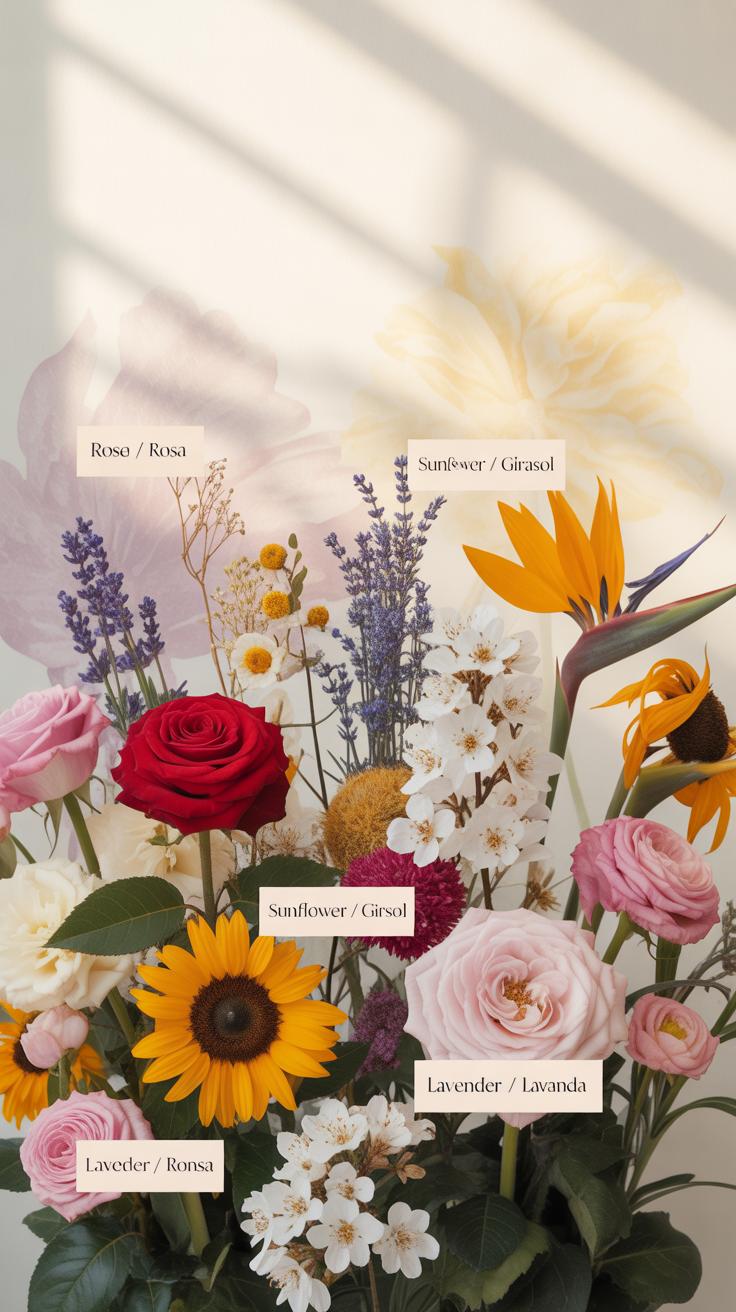
Why Knowing Flores By Their International And Botanical Names Can Unlock Lower Cost Varieties At Specialty Wholesalers
Wholesale flower markets often operate using botanical Latin or regional Spanish names. Learning nombres de flores allows you to communicate directly with Tier 1 importers. This removes the markup added by boutique florists who rename common stems for a luxury market. Using the correct terminology ensures you receive the exact species required. It prevents costly errors where common names lead to the wrong seasonal variety being delivered to your venue.
Sourcing seasonal wedding flowers on a budget requires precise identification at the shipping level. Latin names like Gypsophila or Alstroemeria stay the same globally. This clarity helps you track price fluctuations across international supply chains. You can find cheaper alternatives by searching for the scientific genus instead of high-end trade names. Professional buyers use this method to secure specific colors and hardiness levels that generic English terms often miss entirely.
A Brief Flower Guide To Beautiful, Lesser Known Blooms That Are Seasonally Available And Budget Friendly
Limonium and Statice offer massive volume for a low price point. These filler flowers provide structural density and last for weeks without wilting. They often replace more expensive lace flowers in rustic designs. Professional strategists use these as base layers to save money. By filling out the arrangement with these hardy stems, you reduce the total number of expensive focal blooms needed. This tactic cuts the overall floral bill significantly.
Snapdragons and Stock provide vertical height for a fraction of the cost of Delphinium. These blooms are readily available throughout most growing seasons. They provide a strong scent and vibrant color without the high import fees of specialty stems. Choosing these reliable options ensures your budget friendly wedding flowers look professional. Focus on these workhorse varieties to maximize your visual impact. They offer the best value for every dollar spent on centerpieces.
Frequently Asked Questions

Why is choosing seasonal flowers a better option for my wedding budget?
Selecting flowers that bloom naturally during your wedding month is more affordable because they are readily available and require less transport. When you prioritize seasonal wedding flowers on a budget, you avoid the high markups associated with greenhouse forcing or international shipping. Local, in-season blooms are also at their peak freshness and scent, ensuring your arrangements look vibrant and lush without the premium price tag of out-of-season imports.
How can I effectively mix seasonal blooms with greenery to save more money?
To maximize your savings, use expensive seasonal focal flowers sparingly and fill the rest of your arrangements with affordable greenery like eucalyptus, ferns, or ruscus. This technique creates a high-end, organic look while keeping costs low. By focusing on a few statement seasonal wedding flowers on a budget and buffering them with lush foliage, you can achieve voluminous bouquets and centerpieces that feel abundant without overspending on individual stems.
Which flowers are generally the most affordable for couples on a strict budget?
If you are looking for gorgeous yet accessible options, consider dependable blooms like carnations, chrysanthemums, and alstroemeria. These flowers are often available year-round and provide excellent volume for a fraction of the cost of peonies or orchids. For those getting married in spring or summer, sunflowers and zinnias offer a cheerful, rustic vibe. Combining these reliable staples with a few seasonal accents ensures a beautiful aesthetic that remains financially manageable.