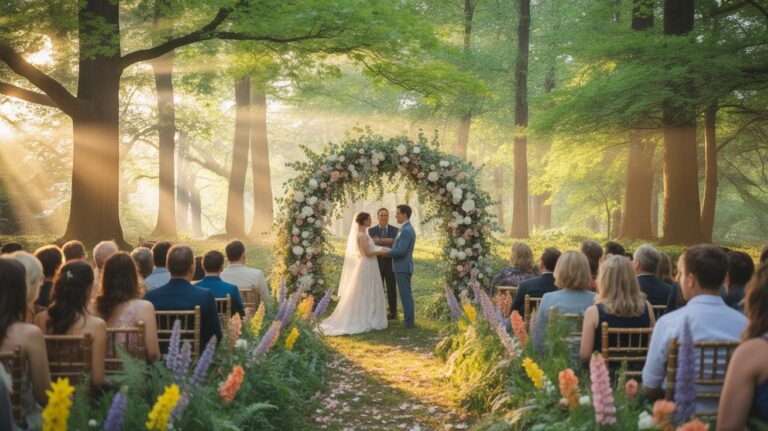
What Does It Mean When A Venue Allows Outside Catering
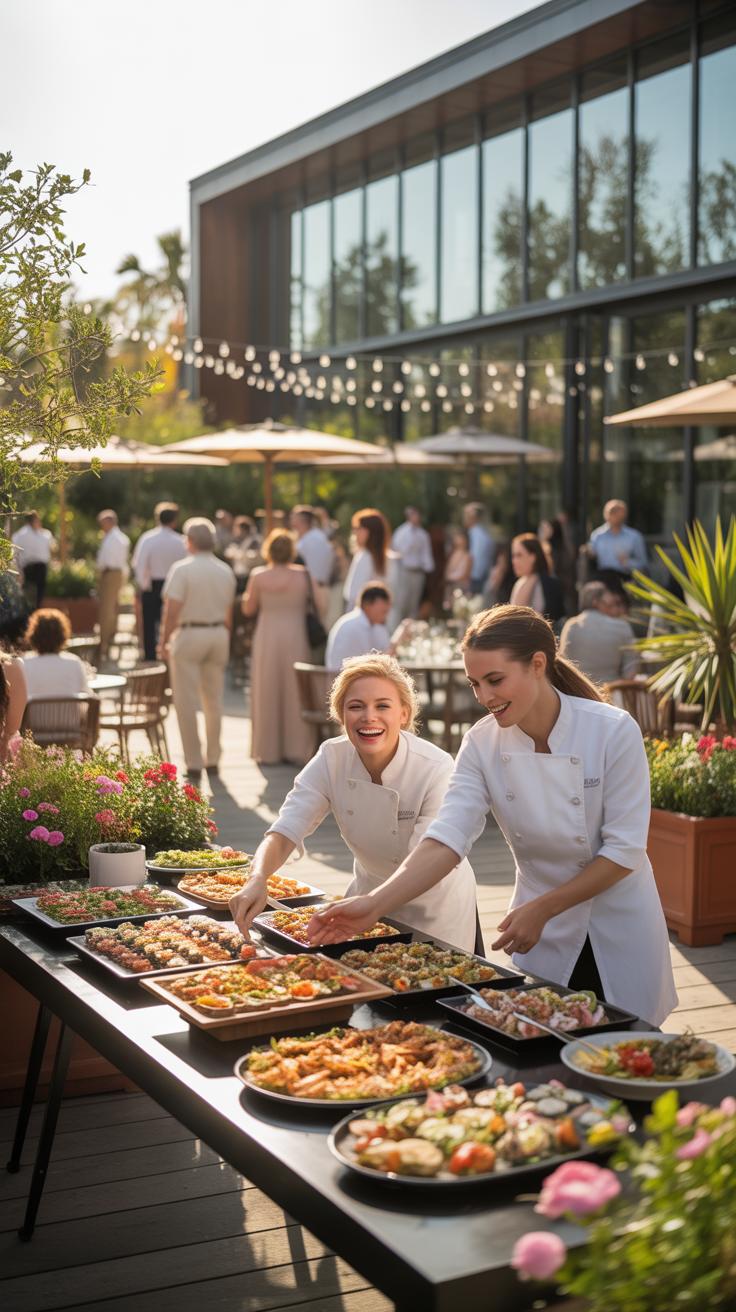
Understanding Outside Catering Policies At Events Venues
A venue allow outside catering policy means the property owner grants you permission to hire an independent food service provider. Most traditional sites mandate using their staff. This open choice shifts the logistical burden to you. You must vet the third party for health permits and liability insurance. The venue provides the space while your chosen vendor handles all food prep and service.
This flexibility is common in an outside venue or a garden event setting. Property owners focus on space rental fees rather than food margins. You gain control over your budget and menu style. However, these policies often require your caterer to be self-sufficient. They must bring their own heating equipment and sanitation tools. Always verify if the venue provides a prep kitchen or staging area.
The Difference Between In House Catering And Bringing Your Own Caterer
In-house catering means the venue controls the kitchen, staff, and menu. They profit from both the room rental and the meal service. This model simplifies planning but limits your culinary options. You pay a set price per head and follow their standard service protocols. It is a rigid system designed for high volume and predictable execution within the events venue industry.
Bringing your own caterer breaks this monopoly. You negotiate directly with a specialist who matches your outside wedding venue ideas or cultural needs. You pay the venue a site fee and pay the caterer separately. This often saves money on alcohol and specialized cuisines. Be aware that most venues charge a kitchen fee or “corkage” to recoup lost revenue. You manage two contracts instead of one.

Why Choosing An Outside Venue With Open Catering Flexibility Matters
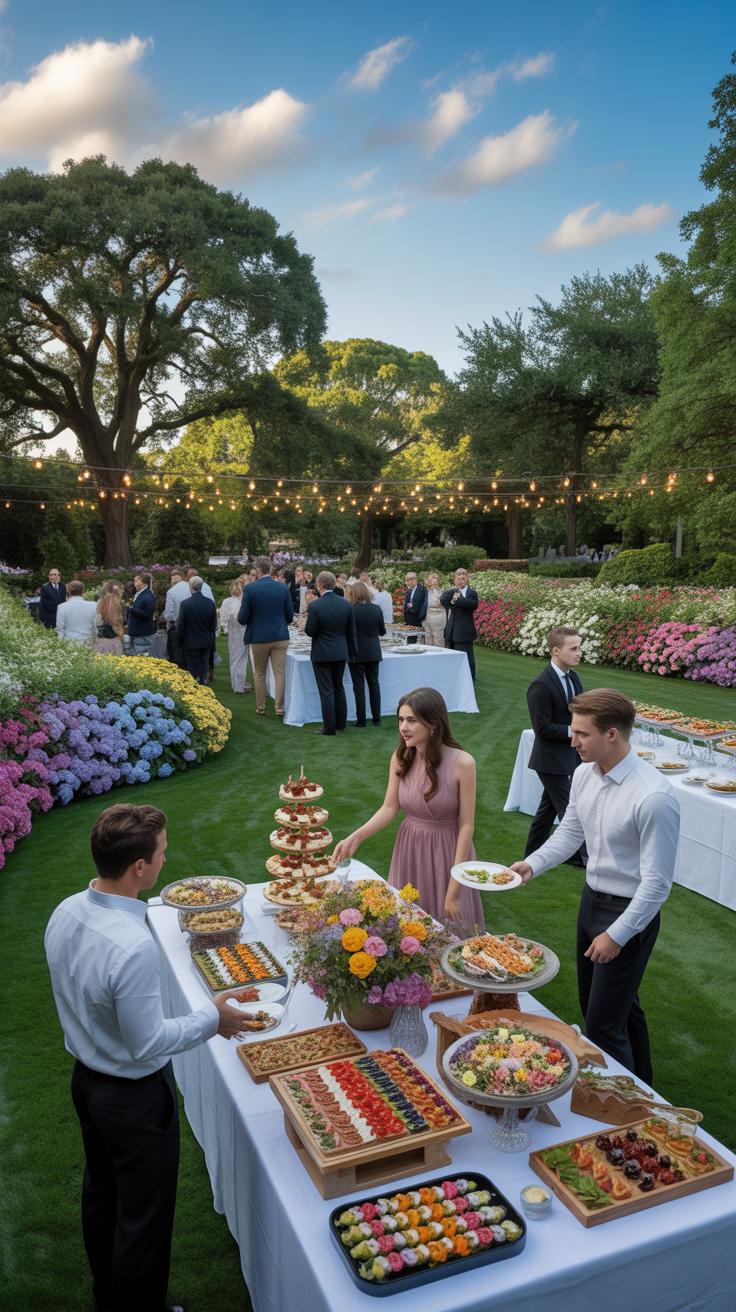
How Catering Freedom Impacts Your Event Budget And Menu Choices
Venues with mandatory in house catering often apply high markups on food and service. You lose the ability to compare prices among different vendors. An open catering policy allows you to shop for the best market rates. You control every line item in your food budget. This flexibility prevents hidden administrative fees and high service charges common in exclusive venue contracts.
Selecting your own caterer gives you total control over the menu quality. You can prioritize specific ingredients or cooking styles that match your event theme. Standard venue menus often rely on pre set options that lack variety. Flexibility lets you hire specialized chefs. You get better value by matching the food service level to your actual needs instead of paying for fixed packages.
Dietary And Cultural Considerations That Make Outside Catering Essential
Standard venue kitchens often struggle with specific religious or dietary requirements. Kosher, Halal, or strict vegan preparation requires specialized knowledge and separate equipment. Many venues lack the certification or tools to meet these standards safely. Bringing in an outside expert ensures compliance with these traditions. You avoid the risk of cross contamination. Your guests receive food that respects their health and cultural needs.

Authentic ethnic cuisine requires specific techniques and traditional cookware. In house staff rarely have the training to replicate complex regional dishes accurately. Hiring a specialized outside caterer ensures the flavor profiles remain genuine. This is vital for cultural celebrations where food serves as a core tradition. You ensure high guest satisfaction by providing familiar and expertly prepared meals. Open catering makes these specialized menus possible.
Key Questions To Ask Before Booking An Events Venue For Outside Catering

Licensing, Liability, And Food Safety Requirements To Clarify Upfront
Venues often require outside caterers to provide specific legal documentation before granting kitchen access. You must verify if the site demands a valid business license and proof of health department certification. Many locations mandate a minimum general liability insurance coverage of one million dollars. Failure to confirm these logistics early creates a massive bottleneck. Ask for the specific compliance checklist to ensure your caterer meets all local regulatory standards.
Liability extends beyond the food service itself. Many glass house venues or garden spaces have strict alcohol permits that differ from standard food licenses. If your caterer provides bar service, check if they need a temporary liquor permit for that specific address. Verify who holds the ultimate legal responsibility for cleanup and waste disposal. Clear documentation protects you from unexpected fines or event shutdowns by local authorities during the party.
Essential Questions To Ask Your Venue Coordinator Before Signing A Contract
Specific infrastructure details determine if your catering team can actually perform their duties. You must identify exactly what the venue provides versus what the caterer must bring. Some locations offer only a prep space without heat sources, while others provide a full commercial kitchen. Understanding these physical limits prevents day of event disasters and high rental costs for ovens or refrigeration units.
- Kitchen Equipment Access: Confirm if the caterer can use onsite stoves, ovens, or walk-in coolers. Many venues charge extra fees for utility usage or restrict access to certain high-voltage appliances to prevent electrical surges.
- Loading and Unloading Zones: Identify the proximity of the service entrance to the prep area. Long distances require more staff and specialized equipment like insulated hot boxes. Verify if there are designated times for load-in to avoid parking fines.
- Waste Management Protocols: Ask if the venue handles trash removal or if the caterer must haul all bags away. Some historical sites or garden venues have strict “pack in pack out” rules. This service impacts your final catering invoice significantly.
- Power and Water Sources: Check for the availability of dedicated electrical circuits and potable water near the outdoor serving area. High-end lighting and coffee stations require stable power. Lack of nearby water forces the caterer to bring heavy portable tanks.
- Preferred Vendor Kickbacks: Determine if the venue charges a percentage fee to outside caterers for using the space. Some venues allow outside catering but apply a ten to twenty percent “buyout fee.” This cost is often passed directly to the client.

Get every answer in writing within the final rental agreement. Verbal promises from a coordinator do not hold up during a legal dispute or a staff changeover. Ensure the contract includes a detailed floor plan showing the designated catering footprint and guest flow. Clear boundaries regarding staff arrival times and breakdown deadlines will save you money on overtime labor charges and security deposits.
Top Types Of Outdoor Party Venues That Typically Allow Outside Catering
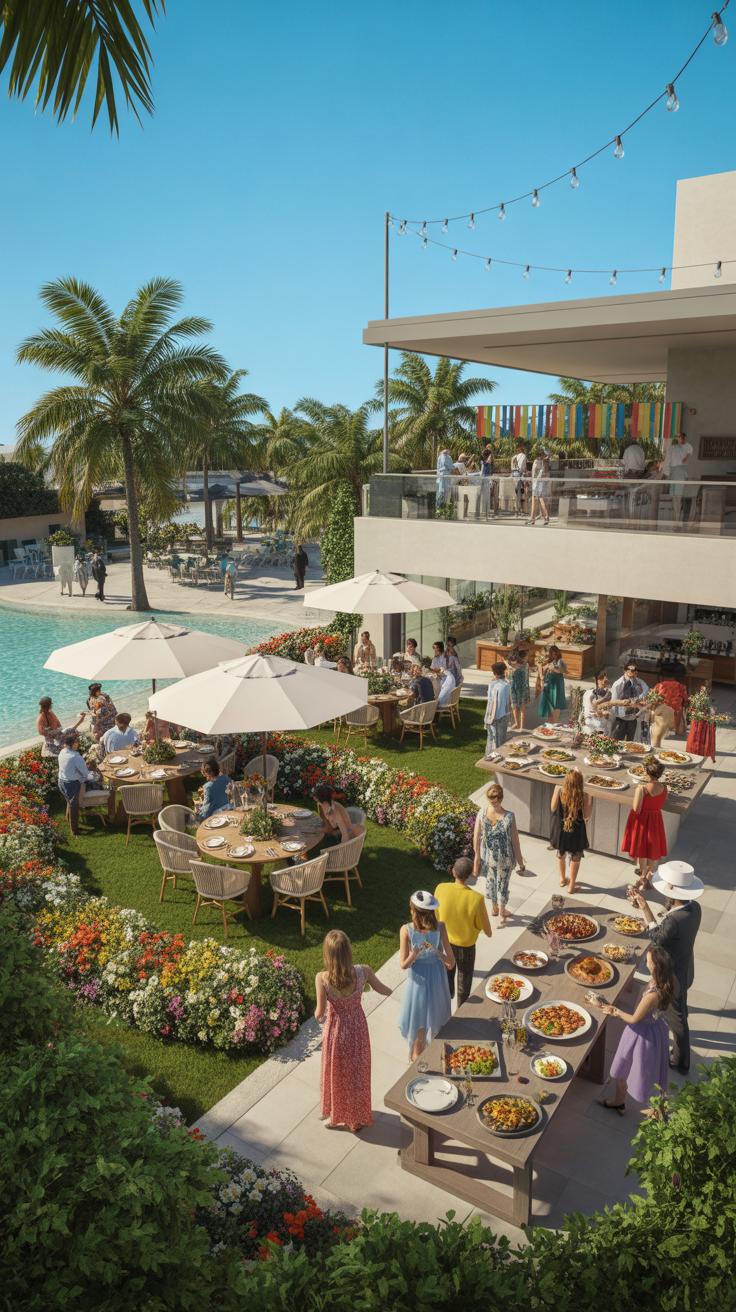
Garden Event Spaces, Parks, And Open Air Grounds That Welcome External Caterers
Public parks and government owned garden plots offer the highest flexibility for outside catering. These entities focus on land preservation rather than food service profits. You must secure a permit first. Once you have the permit, you can bring any licensed vendor. This setup saves money on food markups. It also lets you choose specific cuisines that standard venues cannot provide.
Managed garden estates often require a site fee but leave the food choices to you. They lack on site kitchens, which forces them to allow external teams. You must verify the power and water access for your caterer before signing. Most garden spaces have strict trash removal rules. Ensure your contract includes a cleanup clause to avoid heavy fines from the park or garden board.
The secret to a truly soulful gathering is a table filled with the flavors of home, no matter where you choose to host it. Finding a space that welcomes your own menu allows the heart of your family’s traditions to take center stage.
Glass House Venue Options And Unique Structures With Flexible Catering Policies
Glass house venues and conservatories use steel and glass to create a controlled environment. These structures often function as botanical displays or private estates. Many do not have the staff to run a full kitchen. They rely on outside catering to fill that gap. This architecture provides natural light while protecting your event from rain. It is a tactical choice for year round outdoor vibes.

Modern glass structures prioritize minimalist aesthetics. They lack the heavy infrastructure of traditional ballrooms. This lack of built in equipment makes them ideal for outside catering teams. You get a clean slate for your event design. Check the load in zones for large catering trucks. Most glass houses have narrow paths. You must coordinate the delivery schedule to prevent damage to the glass panels or nearby plants.
How Outdoor Event Venue Design Affects Your Outside Catering Setup
Kitchen Facilities, Power Access, And Infrastructure That Support External Caterers
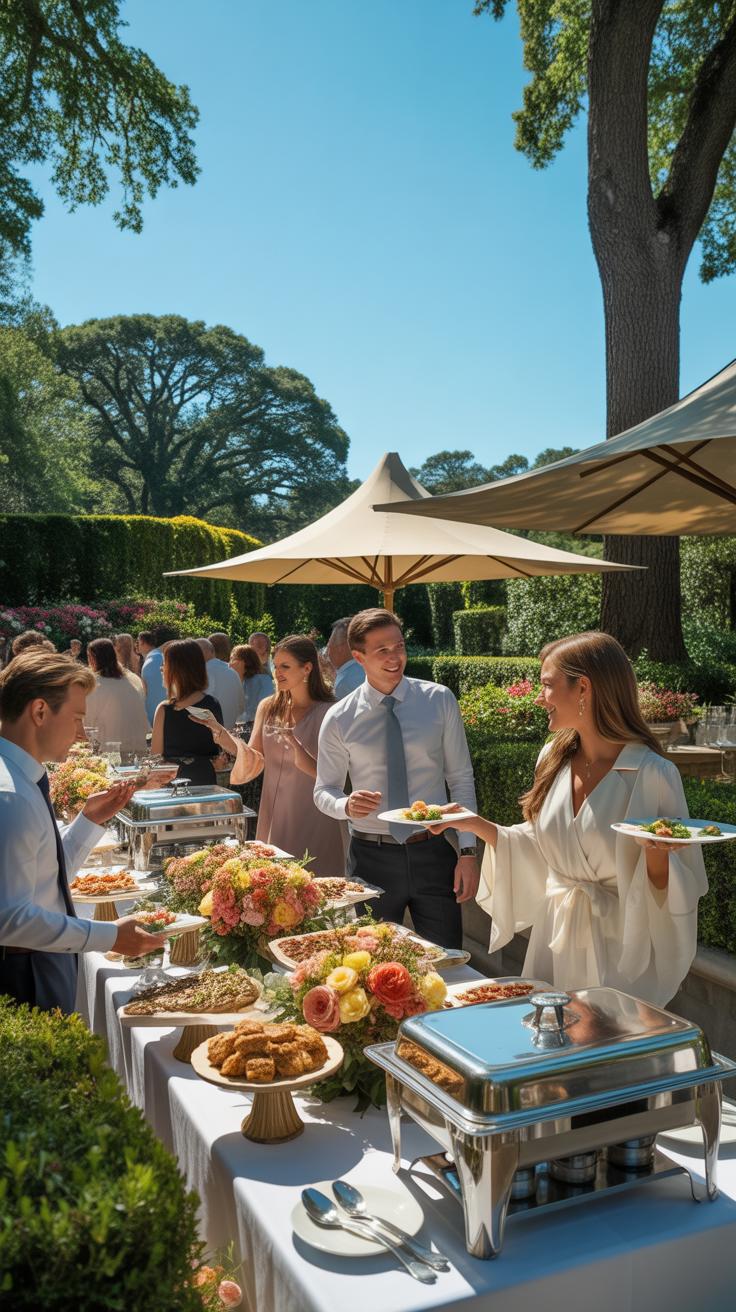
Outside catering fails without dedicated utility support. Most outdoor venues lack a full commercial kitchen. You must identify if the site offers a catering prep area or just empty space. A gravel pad or concrete slab near the service entrance is essential for mobile kitchen trailers. Check for high voltage outlets to power ovens and holding cabinets. Without these, you must rent expensive portable generators.
Infrastructure depends on the load capacity of the electrical panel. Old garden estates often have weak circuits that trip under heavy kitchen equipment. Verify the water source for sanitation and food prep. Reliable drainage prevents flooding in the work zone during cleanup. Demand a site map showing exact hookup locations. Ensure the prep area has physical walls or heavy screening to separate work from the guests.
How Venue Layout And Flow Influence Catering Service Efficiency
Venue geometry dictates how fast guests get their food. Long distances between the prep area and tables lead to cold meals. A glass house or garden venue layout must provide a clear path for staff. Avoid narrow walkways or steep stairs that slow down service. Ideally, the catering entrance stays hidden from the main party area. This keeps the technical work away from the guest experience.

Floor plans must account for the swing of doors and width of aisles. High traffic zones require extra space to prevent collisions between guests and servers. Tactical placement of the buffet or bar reduces bottlenecks. Map out the flow from the kitchen to the farthest table. Professional caterers need a straight line of sight for efficient communication. Design your seating layout around these logical service corridors to ensure speed.
Outside Wedding Venue Ideas That Pair Beautifully With Custom Catering

Romantic Outdoor Wedding Venue Settings That Give You Full Catering Control
Glass house venues offer modern structural integrity while providing raw space for custom food service. These buildings use steel frames and large glass panels to merge indoor shelter with outdoor views. You get a controlled environment for food safety and plating. Seek properties with dedicated industrial power hookups. These outlets support portable ovens and refrigeration units. Without this power, your catering team cannot maintain safe food temperatures.
Garden event spaces provide natural backdrops but require hardscape foundations for catering logistics. Look for venues with paved pads or hidden gravel patios near the dining area. These surfaces provide stable ground for heavy equipment and prep tables. Avoid setups that force chefs to work on soft grass or muddy soil. Firm ground prevents accidents and keeps the service line level. Proper access points ensure staff move quickly between the kitchen and guests.
How To Match Your Wedding Menu To Your Outdoor Venue Aesthetic
Outdoor party venue design dictates the equipment your caterer must bring. A rustic meadow setting often lacks a kitchen. This forces a move toward wood-fired cooking or cold-prep menus. Use the environment to justify your food choices. Open-flame cooking works well in open fields with low fire risk. Match the heat and humidity of your location to the food stability. High-fat sauces fail quickly in direct sunlight and heat.

Industrial outdoor spaces allow for heavy equipment and complex plating. These venues often feature concrete floors that hold weight well. Use these locations for formal multi-course meals. The stark lines of the building contrast with high-end food presentation. Always verify the distance from the prep area to the tables. Long walk times kill food temperature and service speed. Keep the kitchen close to the guests to maintain the meal quality.
Events Place Ideas And Venue Building Ideas For Non Wedding Occasions
Corporate Events, Birthday Parties, And Milestone Celebrations In Flexible Venues
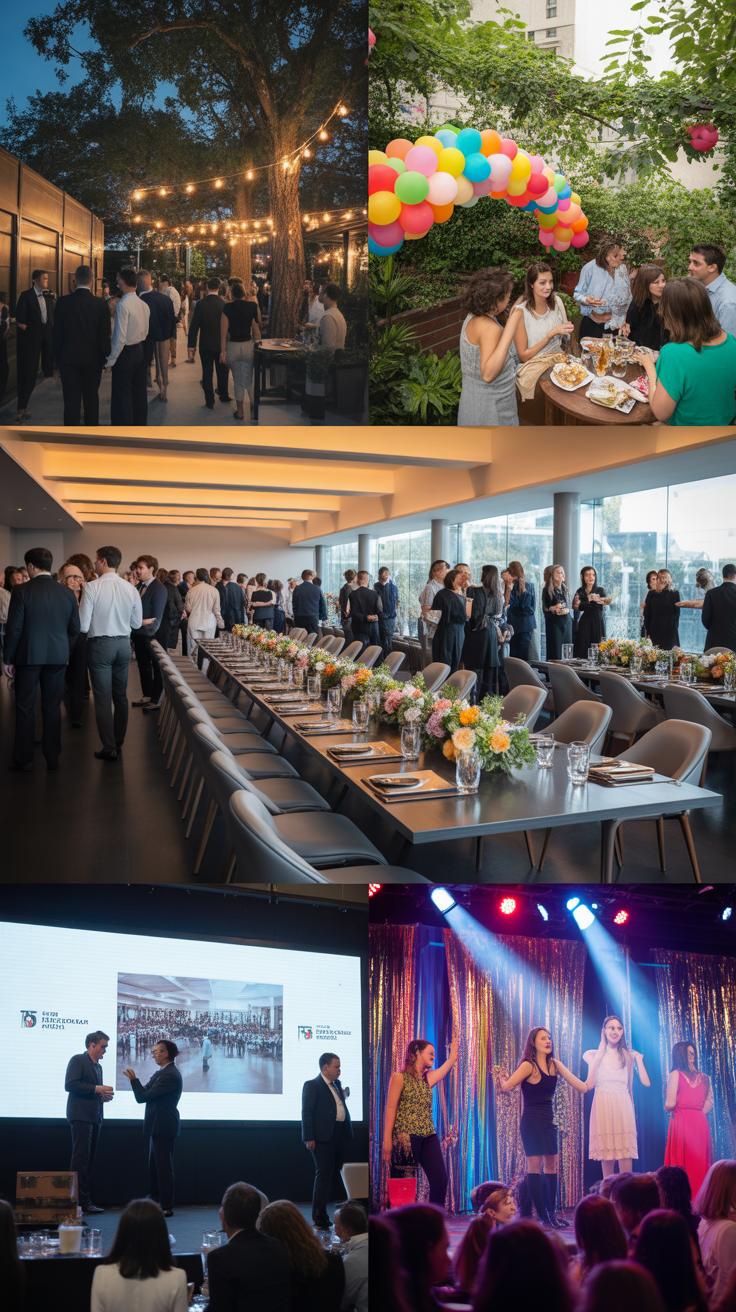
Corporate clients value control over their brand experience. Choosing a venue allow outside catering lets companies select specialty food that fits their specific team culture. Standard hotel packages often fail to meet these high standards. You must seek out industrial lofts or modern studios. These spaces provide the neutral backdrop needed for product launches or high stakes board meetings without forcing expensive food contracts.
Private milestone celebrations like birthdays require specific cultural or dietary menus. Flexible venues allow you to bring in authentic cuisine that commercial kitchens cannot replicate. Look for converted galleries or private estates that offer open vendor policies. These locations prioritize physical space over food service margins. This strategy keeps your budget focused on quality materials and entertainment. You avoid the high markups associated with in-house catering teams.
Creative Venue Building Ideas That Accommodate A Wide Range Of Caterers
Modern venue design focuses on logistical efficiency for external vendors. A glass house venue or garden event space must include heavy duty utility access to function. Architects now prioritize the back of house over the front of house. Large access doors and reinforced floors allow caterers to move heavy mobile ovens and cooling units quickly. This layout reduces setup time and labor costs for the host.
- Commercial Grade Power Grids: Install multiple dedicated 20-amp circuits in the staging area. External caterers bring high-draw equipment like warming cabinets and portable fryers. Adequate power prevents tripped breakers and keeps the event running without technical delays or safety hazards.
- Separate Service Entrances: Designate a loading dock or side entrance away from the main guest path. This allows staff to transport trash and supplies without disturbing the party. It maintains the professional atmosphere needed for high-end corporate or social gatherings.
- Non-Porous Flooring Materials: Use polished concrete or industrial tile in the prep zone. These materials resist grease stains and endure heavy foot traffic. They are easy to sanitize after a messy event. Durable floors ensure the venue stays clean for the next client.
- Expansive Prep Surfaces: Provide stainless steel tables as a permanent fixture in the staging zone. Caterers need flat and clean areas to plate food quickly. Permanent tables reduce the amount of equipment a caterer must rent and transport to your location.
- Strategic Drainage Systems: Integrated floor drains in the catering bay streamline the cleanup process. Caterers can wash down floors and equipment spills safely. Proper drainage prevents slip hazards and keeps the smell of food waste from lingering in the main event area.

Effective venue building ideas center on the kitchen staging area. Even an outside venue needs a roofed prep zone to protect food from the elements. This space does not need expensive appliances. It only needs a flat floor, bright lights, and plenty of water access. Use durable materials like stainless steel and industrial stone. These choices ensure the building lasts through hundreds of different catering setups and cleanup cycles.
How To Finalise Your Booking At A Venue That Allows Outside Catering

Reviewing The Contract: What To Look For Regarding Outside Catering Clauses
Scrutinize the contract for hidden fees before signing. Most venues charge a kitchen access fee or a per-head buyout. These costs often bridge the gap between their lost food revenue and your rental price. Ensure the document explicitly names your caterer as an authorized vendor. Confirm that the venue cannot change these terms after you pay the initial booking deposit.
Tactical precision in the language prevents mid-event disputes. Look for specific clauses regarding waste disposal and breakdown times. Many glass house venues or garden spaces require vendors to remove all trash off-site immediately. Verify the insurance requirements for your caterer. The venue usually mandates a minimum of two million dollars in general liability coverage. Ensure the contract lists these exact dollar amounts clearly.
Coordinating Between Your Chosen Caterer And The Venue On Event Day
Success depends on a synchronized load-in schedule. Your caterer must know the exact power capacity of the venue kitchen or prep area. Old garden estates often have limited electrical circuits. Provide a detailed site map to the catering lead three weeks prior. This map must show the designated unloading zones and the shortest path to the service area to avoid delays.
The venue manager and the catering captain need a direct line of communication. Assign a specific point of contact for utility emergencies like water shut-offs or blown fuses. Force a joint walkthrough of the space forty-eight hours before the event. This ensures the caterer understands the rules for grease disposal and floor protection. Clear communication eliminates friction and protects your security deposit from damage claims.
Frequently Asked Questions

What does it mean when a venue allows outside catering?
When you find a venue allow outside catering, it means the property grants you the flexibility to bring in your own food providers rather than requiring you to use their in-house kitchen. This is ideal for hosts who want specific ethnic cuisines, favorite local food trucks, or gourmet chefs that specialize in a particular style. It opens up endless possibilities for personalizing your event’s menu beyond standard hospitality packages.
How do I find a reputable venue that permits external vendors?
The best way to secure a venue allow outside catering is to search specifically for “dry hire” spaces, community halls, or historic estates. Once you find a potential site, always ask for their “approved vendor list.” Some venues permit any licensed caterer, while others require you to choose from a pre-screened selection. Verify if they provide a prep kitchen, as this is essential for your catering team to plate and serve.
Are there hidden costs involved when bringing in my own caterer?
While hiring an outside team can save money, be sure to ask about “outside catering fees” or kitchen usage surcharges. Some venues charge an extra per-head fee to cover the additional cleaning and trash removal. You should also factor in the cost of renting tables, chairs, and linens, as these are often included in all-inclusive packages but may be separate when you opt for a flexible catering arrangement.