What Defines Scotland-Inspired Fashion
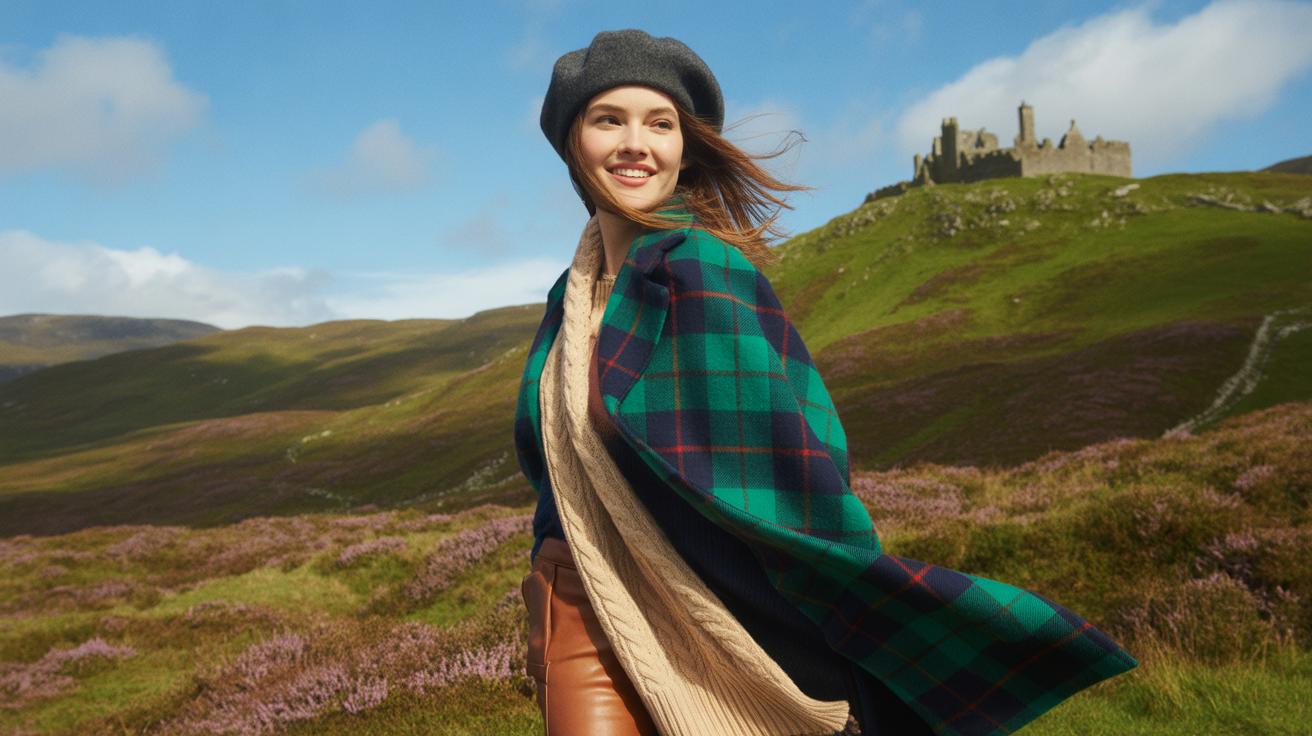
Scotland aesthetic inspired fashion has grown popular for its unique blend of traditional and modern elements. This style includes iconic Scottish cultural symbols and materials, such as tartan patterns, tweed fabrics, and earthy color palettes. If you’re looking to refresh your wardrobe, learning about Scotland aesthetic can give you authentic and versatile style ideas that pay homage to Scotland’s rich heritage.
This article breaks down important aspects of Scotland aesthetic fashion and provides practical style tips. You’ll learn how to recognize core fashion trends inspired by Scotland and ways to incorporate them into your everyday looks. Whether you want a subtle nod to Scottish culture or a full traditional outfit, this guide will help you use Scotland aesthetic to create stylish, meaningful ensembles.
What Defines Scotland Aesthetic
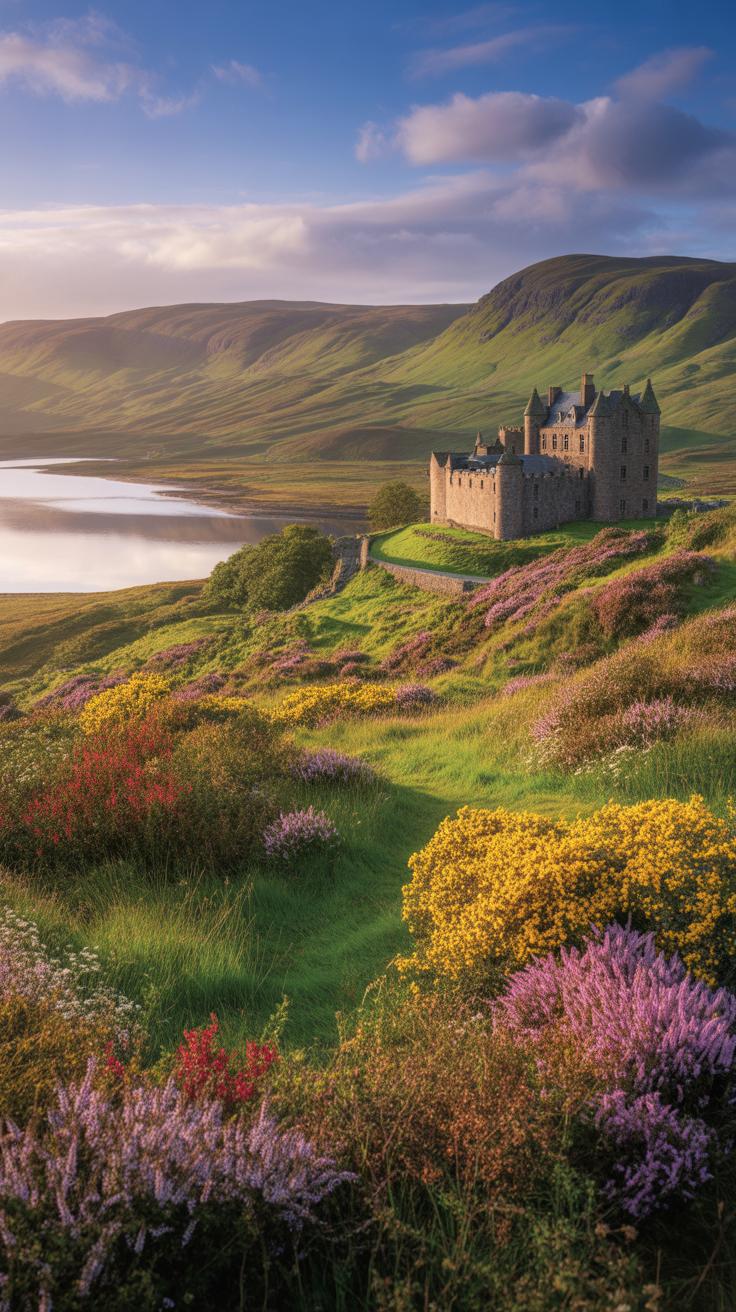
Scottish fashion is deeply rooted in tradition, where certain elements repeatedly emerge and define its unique aesthetic. Tartan, with its distinct crisscrossed pattern in varied colors, stands at the forefront. Originating from woven wool, tartan patterns vary widely, each linked historically to clans or regions, bringing a sense of identity and story to the fabric. Tweed, another hallmark, offers texture and durability, often in muted earthy tones like browns, greens, and greys — colors that echo the Scottish landscape’s rugged beauty. These fabrics aren’t just materials; they carry cultural weight, symbolizing pride and heritage.
Understanding this is key because fashion inspired by Scotland doesn’t simply replicate old styles; it respects and reinterprets tradition. The influence extends beyond clothing into accessories and lifestyle, blending past and present. So, when you think Scotland in fashion, think tactile, patterned, grounded in nature, and rich in history.
Key Elements Of Scotland Inspired Fashion
Scotland-inspired fashion brings together several signature features:
- Tartan Patterns — The most recognizable symbol, ranging from simple to intricate setts, these patterns evoke clan lineage and local pride.
- Tweed Fabrics — Known for its rugged texture and earth-based colors, tweed represents practicality and style rooted in Scottish climates.
- Earthy Color Palette — Browns, moss greens, heather purples, and sky blues mimic the natural environment, creating a cohesive and organic look.
- Traditional Motifs — Thistles, Celtic knots, and clan badges often appear subtly on garments or accessories, nodding to Scotland’s storied past.

Each piece tells a story, and wearing them connects you to a cultural narrative that spans centuries.
How To Incorporate Scotland Aesthetic Styles
If you want to bring a bit of Scotland’s charm into your wardrobe without feeling like you’re wearing a costume, try mixing traditional with modern basics. For example, a tartan scarf pairs well with a sleek leather jacket. Or a tweed blazer can add texture to a simple jeans-and-T-shirt outfit. Don’t hesitate to layer earthy tones for depth and warmth.
Think beyond clothes — accessories like hats or bags in Scottish fabrics bring subtlety to the look. When styling, balance is key: too much tartan or tweed and you risk looking dated; just a touch can speak volumes.
It’s about owning your style while paying homage to Scotland’s rich aesthetic—easy to achieve but rich in meaning.
How Scotland Fashion Influences Modern Trends
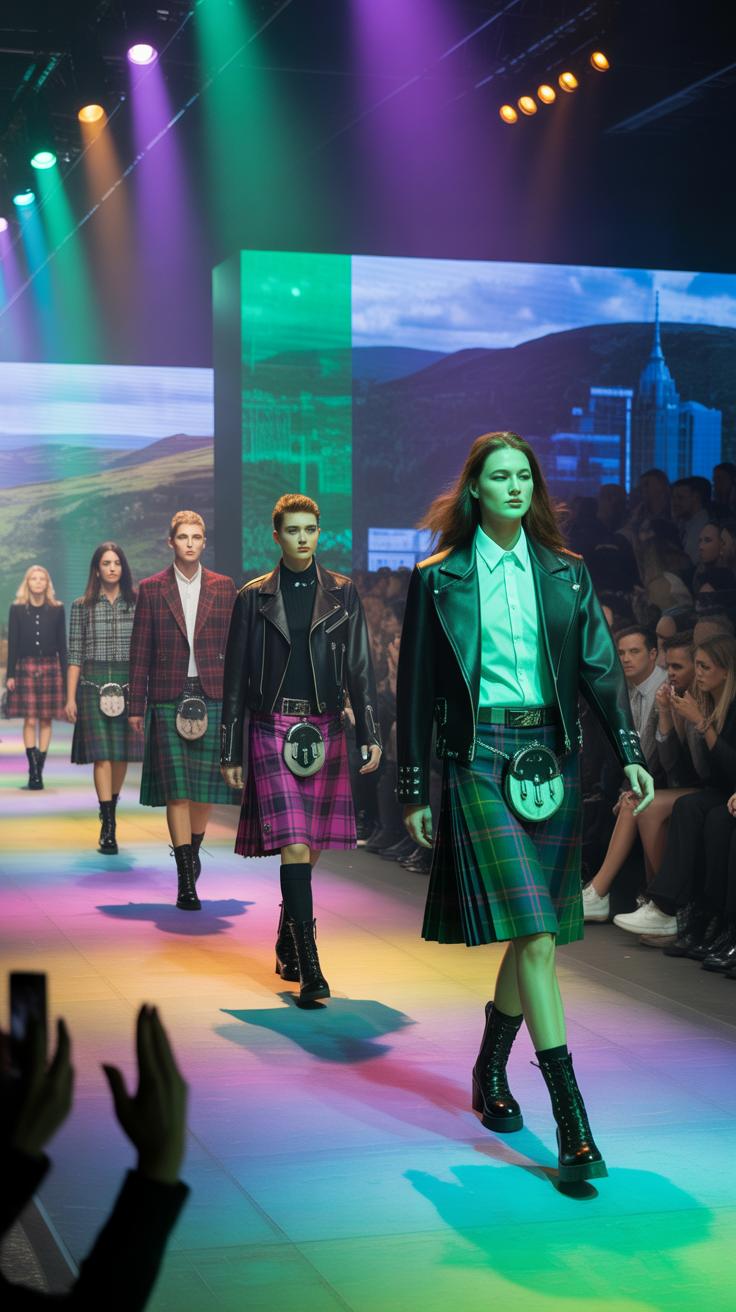
Scottish fashion has a deep-rooted history that surprisingly seeps into modern global trends in subtle ways. You might notice tartan patterns popping up in streetwear or on high fashion runways, a nod to Scotland’s iconic heritage. Traditional elements like the kilt, once a regional garment, now inspire designers worldwide by blending cultural pride with contemporary silhouettes.

Take, for example, the way some modern brands use woven plaids or royal Stewart tartan as accents on everything from scarves to sneakers. It’s not just about nostalgia; these patterns carry a story that resonates, even if not everyone knows the details behind them. The versatility makes Scottish motifs compelling for global fashion markets.
On the celebrity front, folks like Ed Sheeran and Robbie Coltrane have been spotted wearing tartan-infused outfits, giving the aesthetic a fresh popularity boost. This endorsement, combined with runway influences, feeds a cycle that renews and reinvents what we think of as Scottish style today.
Scottish Designers Shaping Trends
Pam Hogg stands out as a particularly fascinating case. Born in Paisley and educated at Glasgow School of Art, she fused Scottish heritage with daring, avant-garde touches. Her designs don’t just recycle traditional patterns—they push boundaries, intertwining historical elements with punk and glam influences. Remember her 1980s collections? They managed to feel both rebellious and deeply connected to her roots.
Her work experienced a resurgence too, especially after celebrities started wearing her pieces. Hogg’s story highlights something interesting about Scotland’s fashion scene—it doesn’t stick rigidly to tradition but constantly dialogues with it. That dynamic keeps the style fresh and globally relevant.
Celebrities Wearing Scotland Inspired Styles
You might wonder how much celebrity influence really shifts fashion trends linked to Scotland. Well, consider how Kylie Minogue wore a Pam Hogg-designed studded catsuit in the 2007 “2 Hearts” video. That moment, though perhaps unexpected, brought a slice of Scottish creative flair to pop culture audiences worldwide.

Siouxsie Sioux is another name that comes to mind; her stage costumes designed by Hogg blend gothic undertones with Scottish designs, creating a distinctive look that’s memorable and influential. These examples show that celebrity endorsement can lend Scottish aesthetic a contemporary edge, making it more accessible and desirable for diverse audiences.
Scotland Aesthetic Colors And Patterns
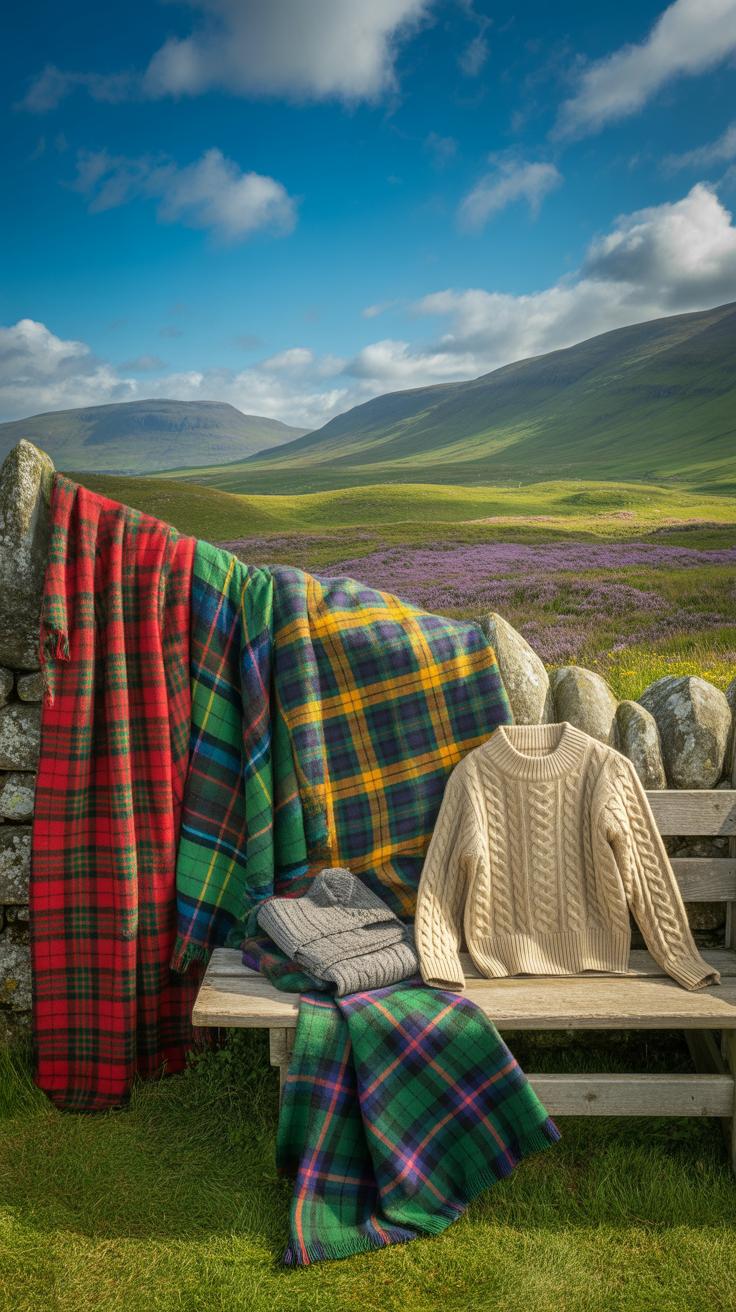
When you think about Scotland aesthetic fashion, tartan patterns come to mind immediately. These are patterns made of crossing lines in different colors, called setts, creating a unique grid effect. Not all tartans are the same — some are simple with two colors, while others use over twenty hues.
The colors in tartans often reflect nature, with traditional dyes from plants and minerals influencing the hues. Each color can carry symbolism, though interpretations can change depending on context or clan stories. For example, green might evoke the hills, blue the lochs, and red a fiery history. It’s interesting how the same pattern can feel formal or casual just by switching colors.
Patterns add depth to various fashion styles. A soft pastel tartan might complement a modern minimalist look, while a bold red and black plaid suits a rugged, outdoorsy vibe. Tartan’s versatility lets it move across different wardrobes seamlessly, though mixing patterns requires care.
Popular Tartan Patterns And Their Meanings
A lot of tartan patterns are linked to Scottish clans and families, each carrying a story. Some, like the Royal Stewart tartan, are instantly recognizable and taken as symbols of Scottish pride. Others, like the Black Watch tartan, originally represented military units. Picking a tartan can be both a cultural nod or purely stylistic.

So, how do you choose? Well, you might prefer a pattern associated with your heritage, or simply one that fits your personality. Some tartans have strong ties, while modern ones might be designed for aesthetics alone. This mix of history and fashion makes tartan choices fascinating and personal.
Matching Colors With Scotland Aesthetic
Pairing tartans with the right colors is key. Since tartans are busy with lines and shades, balancing them with neutral tones like black, white, beige, or grey often works best. That contrast prevents the outfit from overwhelming the eye.
If you want to play with boldness, pick one color in the tartan and use it in simpler clothing pieces — like a red scarf with a red tartan skirt. But watch out: too many bright colors together can clash. The trick is subtle coordination, letting tartan be the focal point.
Experimenting is fine — there’s no perfect formula. What matters is that the combination feels right to you, whether classic or unexpected. Scotland aesthetic encourages that kind of playful, thoughtful dressing.
Building A Scotland Aesthetic Wardrobe Checklist
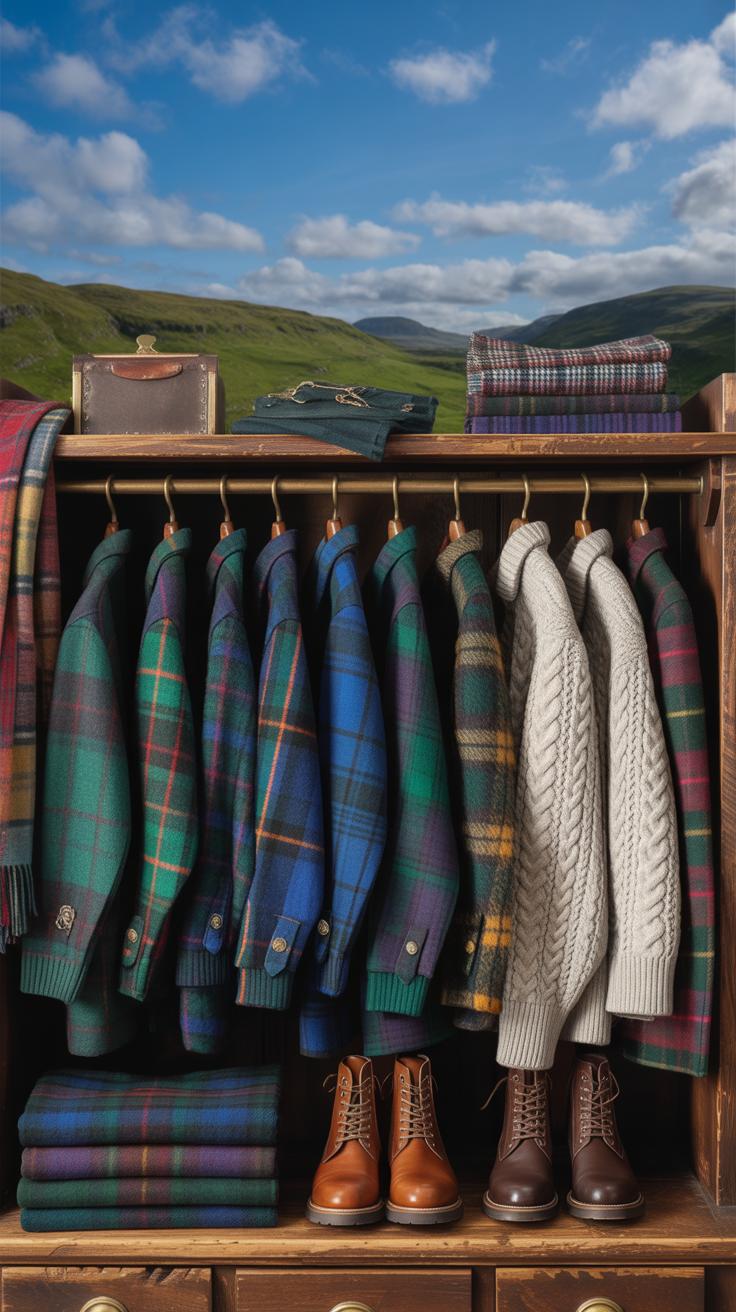
When crafting a Scotland aesthetic wardrobe, consider items that reflect the region’s rich heritage and rugged environment. The look isn’t just about a few pieces; it’s an entire vibe that blends tradition with practicality.

Start with staple clothing:
- Tartan skirts and kilts. They’re not just for formal occasions. Paired with casual tops, they bring a hint of history to everyday wear.
- Tweed jackets. These are durable and have a timeless appearance that’s perfect for layering and adapting to cool, often unpredictable weather.
- Woolen scarves and sweaters. Great for warmth, their texture and natural fibers add an earthy feel that’s essential in Scotland’s aesthetic.
Footwear matters too:
- Sturdy leather boots that can handle both city streets and countryside trails.
- Classic brogues or loafers, simple but with subtle detailing that echoes traditional craftsmanship.
Accessories can elevate the look:
- Brooches with Celtic designs, which add a touch of elegance and connection to Scottish symbolism.
- Leather belts with subtle embossing to emphasize structure in your outfit.
- Hats, such as flat caps or berets, which complement the classic feel.
Perhaps more than anything, the Scotland aesthetic is about a balance—heritage meets functional fashion, and texture plays a silent but powerful role. Does your current wardrobe capture that balance? If not, maybe it’s time to rethink a few pieces.
Mixing Traditional And Modern Scotland Styles
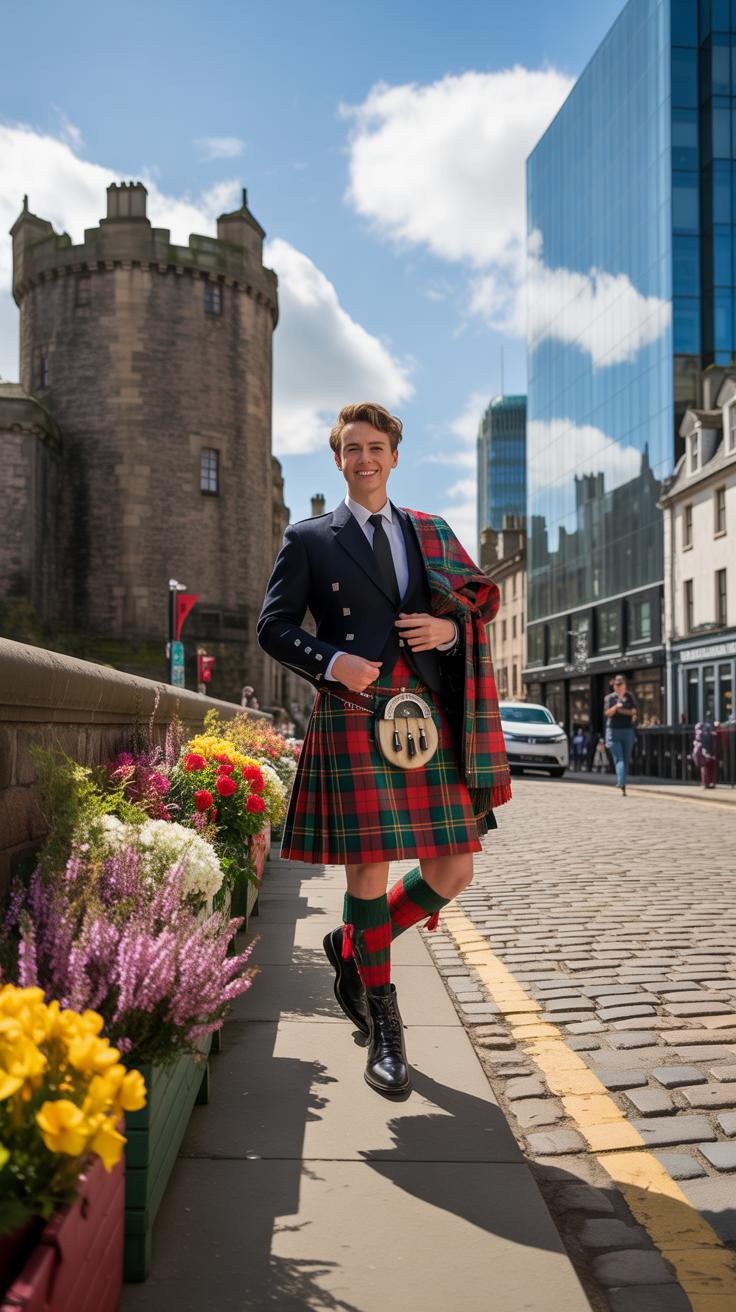
Blending traditional Scottish clothing with modern fashion can be a bit tricky, but it’s definitely rewarding when done well. The key is to strike a balance where cultural elements enhance, rather than overpower, your look. For example, pairing a classic kilt or tartan scarf with minimalist, solid-colored pieces can keep things grounded and not over the top. Going all in with every traditional piece at once can feel a bit like a costume, which most want to avoid.

Think about mixing textures and shapes too—pairing sturdy wool with softer cottons can keep your outfit fresh. Sometimes less is more; you can tease out Scottish influences subtly, maybe a tartan accessory instead of a full outfit. It makes you wonder: could you wear a piece that nods to your heritage daily without feeling like you’re in full Highland dress? Probably, yes, if you keep things simple and thoughtful.
Combining Tartan With Contemporary Pieces
Tartan isn’t just for kilts—this pattern can live perfectly alongside everyday modern clothes. Imagine a tartan shirt under a leather jacket, or tartan sneakers paired with monochrome jeans. Even a tartan tie or handbag can bring that Scottish flair without overwhelming your ensemble. Mixing it with basic tees and classic denim creates a grounded look that feels approachable if you’re not aiming to shout ‘heritage’ but just nod to it.
Another idea is a tartan blazer over a plain white T-shirt. It’s casual, yet polished. Or try a tartan skirt with a chunky knit—it’s about contrast, textures, and breaking down the traditional to suit your current style mood. It makes me think—how often do people actually explore tartan beyond the red-green combo? Experimenting with different tartan colors can really update a look.
Styling Tweed Jackets For Everyday Wear
Tweed jackets are a bit of a Scottish staple that can easily be dressed up or down. Pair yours with jeans and casual sneakers for a laid-back vibe. It softens the formality of the jacket but retains its character. Alternatively, match your tweed with tailored trousers or chinos for those semi-formal days. This way, the jacket feels relevant, not stuck in a bygone era.
Layering is also smart—think about a lightweight hoodie or a simple shirt underneath to avoid the jacket dominating your outfit. Sometimes, embracing the jacket’s texture against smoother fabrics adds interest without hassle. If you wonder whether tweed feels too old-fashioned, try it with contemporary cuts and you might find it surprisingly versatile, even cool.
Scotland Aesthetic For Different Seasons
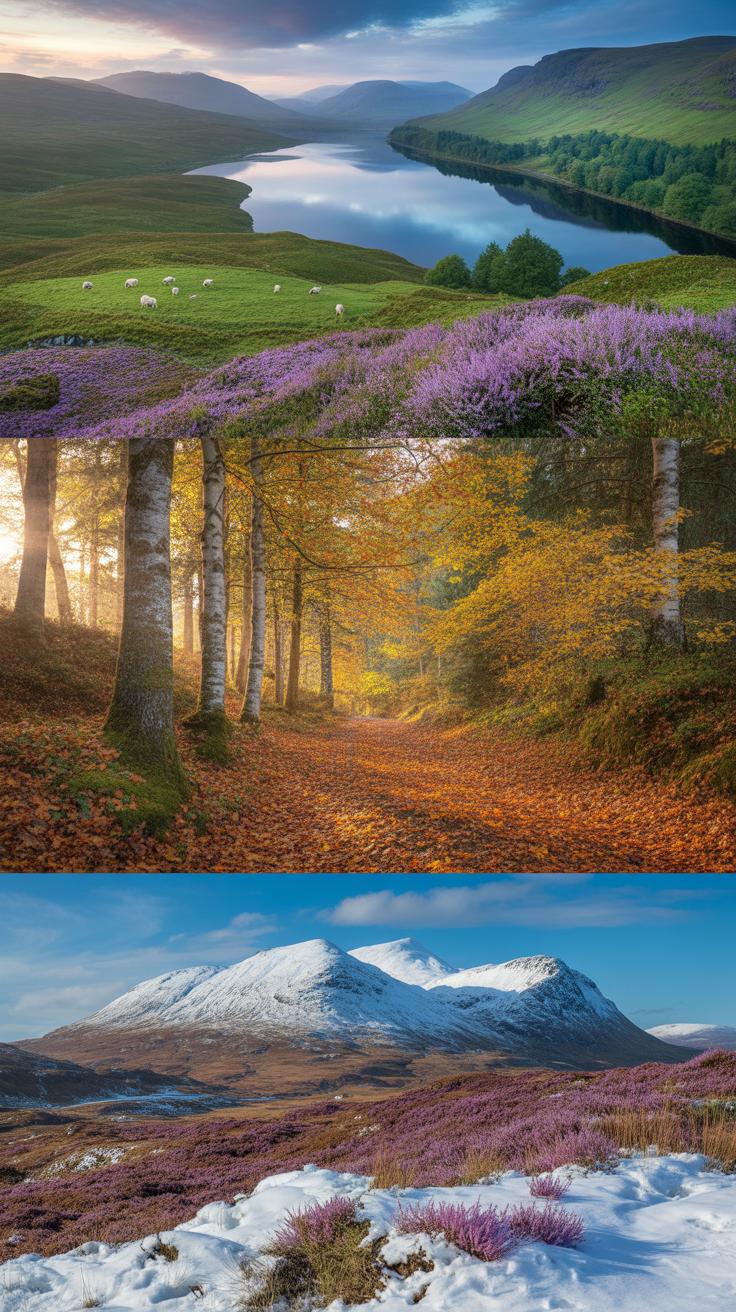

The Scotland aesthetic shifts subtly with the seasons, adapting in ways that feel both practical and rooted in tradition. Spring calls for lighter wool blends and soft layering—think tweed jackets over linen shirts. Layering is key as the weather can turn quickly, so scarves and knit hats remain staples even as temperatures rise.
Summer demands a shift toward breathable fabrics like cotton and lighter linens, but the classic tartan pattern still plays a big role. Denim or casual kilts paired with simple tees work well. Accessories lighten up, with leather sandals or brogues replacing heavy boots.
Come fall, the heavier woolens reappear, combined with sturdy boots and thick socks. Earth tones dominate, echoing the natural Scottish landscape. Layering becomes more strategic: shirts beneath sweaters, topped with thick coats. Hats and gloves aren’t just for warmth, they provide the finishing touch that keeps the look authentic.
Winter is all about insulation. Thick wool, cashmere scarves, and heavy outerwear are essential. The waterproof qualities of some fabrics cope with the wet climate, while layers underneath trap heat. You might find yourself choosing a heavier tartan blanket scarf—not only functional but a strong style statement that reflects the aesthetic’s roots.
Winter To Spring Scotland Style Transitions
Transitioning from winter to spring while holding to the Scotland aesthetic means dialing back on layers but never ditching all warmth. You might swap thick wool sweaters for lighter knitwear and trade heavy coats for trench coats or light wool blends. The colors tend to brighten but remain earthy, mirroring new growth. It’s a chance to let traditional patterns peek through without bulk, keeping the style recognizable even as the air warms.
Lightweight Choices For Summer And Fall
Summer and fall call for lighter materials, but staying true to Scottish fashion means retaining key elements like subtle plaids, rich textures, and natural fibers. Cotton shirting, light flannel, and mid-weight tweeds are great options. Color palettes soften into creams, soft greens, and blues, moving away from the darker winter hues. Layering simplifies but doesn’t disappear—you might still throw on a vest or lightweight jacket. Accessories become functional but stylish, such as woven belts or simple caps.
Scotland Aesthetic Clothing Care Guide
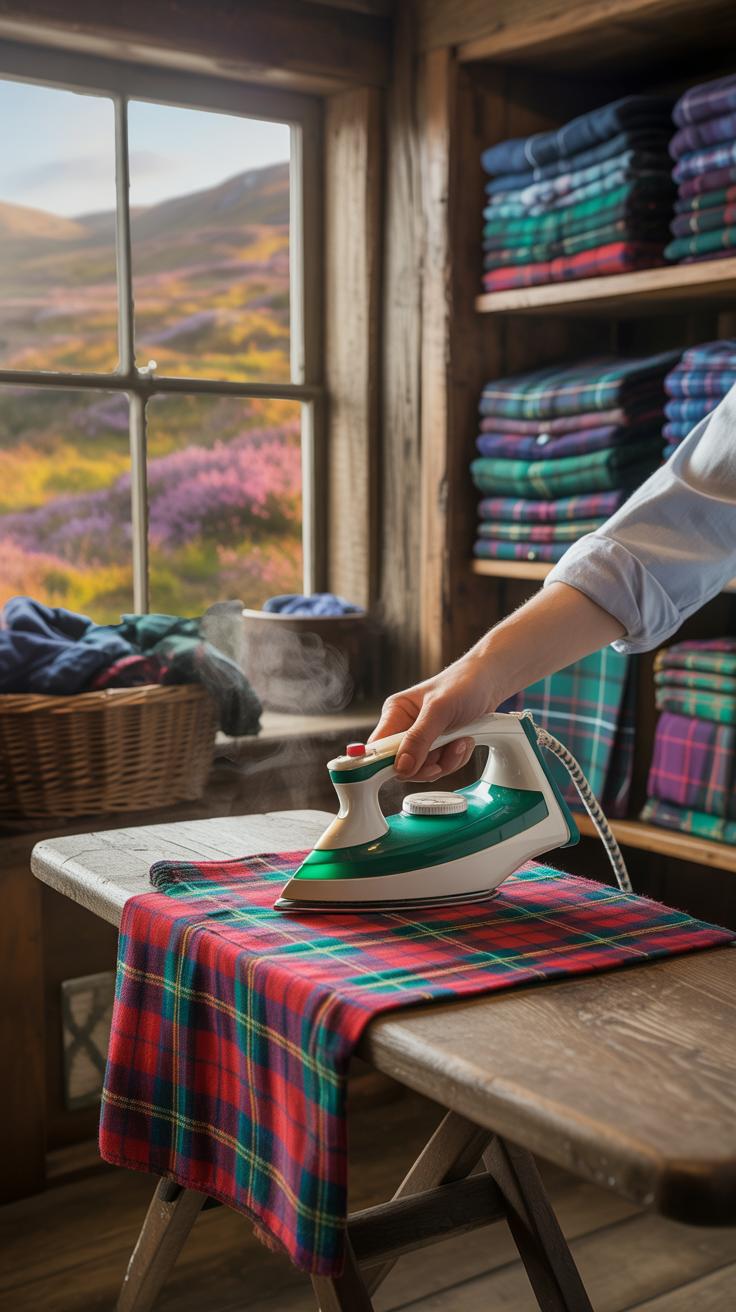

Taking care of Scotland aesthetic clothing means handling fabrics like wool, tweed, and tartan with a bit of extra attention. These materials carry tradition and style, so preserving their look is key.
Washing And Storing Wool And Tweed
You won’t want to toss your wool or tweed in a washing machine without a thought. Hand washing with cold water and mild detergent is usually best. Avoid wringing; instead, gently press water out. Dry flat on a towel to keep shape. Storing is just as crucial—keep garments in a cool, dry place, ideally folded or on padded hangers. Moth deterrents are wise—lavender sachets or cedar blocks can help.
Preserving Color And Fabric Texture
Scotland aesthetic fabrics, especially tartan, show their colors beautifully but can fade or blur if treated roughly. Avoid direct sunlight when drying or storing. Spot clean stains promptly and steer clear of harsh chemicals. When ironing, use a low heat setting and a pressing cloth to protect the texture. Over time, being gentle with these steps keeps your pieces looking authentic and fresh.
Common Mistakes When Wearing Scotland Aesthetic
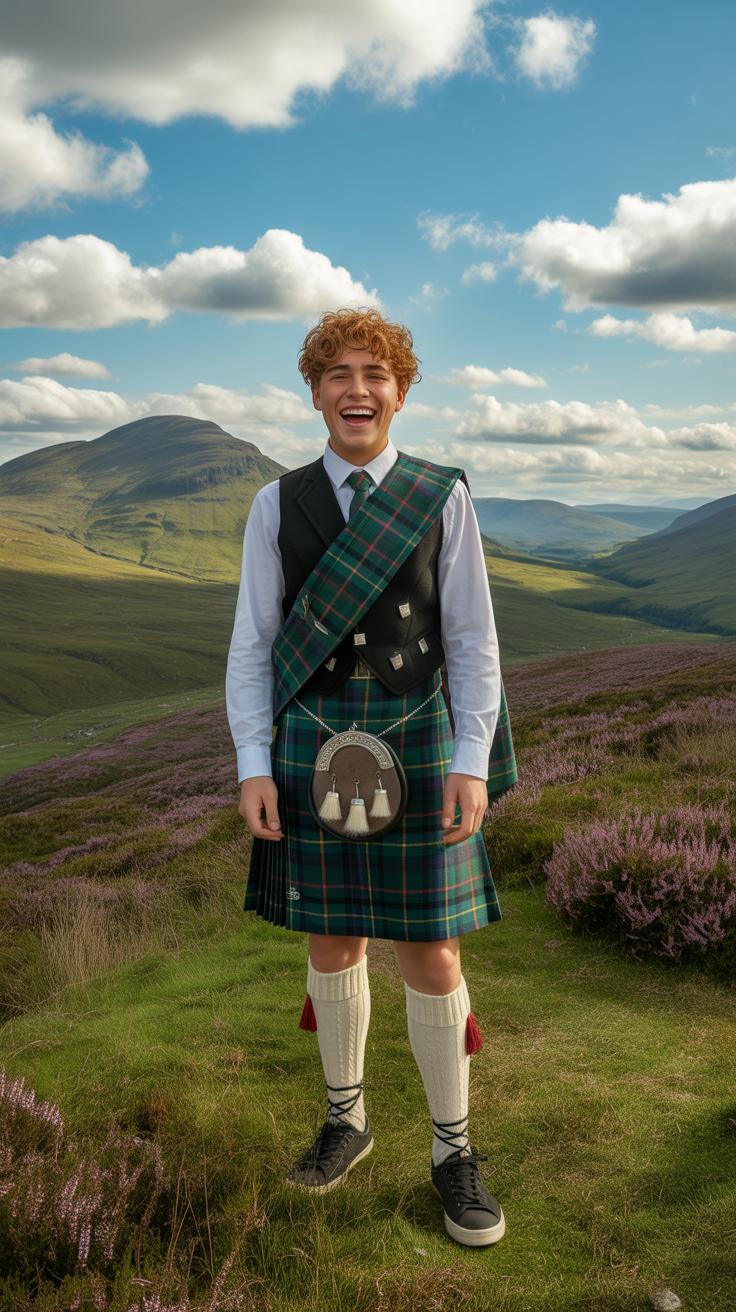
When trying to embrace the Scotland aesthetic, some common mistakes tend to pop up. First, people often overdo it with tartan patterns — layering multiple bold plaids that conflict rather than complement. It can quickly become overwhelming and lose that timeless Scottish charm. Sometimes you just need one statement tartan piece and keep the rest simple.
Another glitch is ignoring the color palette. Bright clashing colors that don’t harmonize with the traditional earthy or muted tones can throw the look off. That bold green kilt? It needs the right partners in your outfit, or it feels off.
Then, there’s the struggle of balancing tradition with your unique style. Some wearers become too rigid, replicating Scottish garments exactly but missing a personal touch. Others drastically stray from Scottish roots, so authenticity fades. Finding the sweet spot matters.
To avoid these errors:
– Stick to one main tartan or traditional pattern per outfit.
– Match colors thoughtfully, leaning towards the classic Scottish palette.
– Adapt pieces to your vibe—maybe mix a traditional tweed blazer with modern jeans.
– Remember, Scotland aesthetic is about evoking heritage, not cosplay. A subtle approach will keep you polished.
Ever wondered if mixing more than one tartan is okay? Perhaps it is, but only if done very carefully—otherwise, you risk chaos. Keeping that balance requires some trial and error, but it’s worth it for a truly wearable Scotland-inspired look.
Examples Of Scotland Aesthetic In Daily Wear
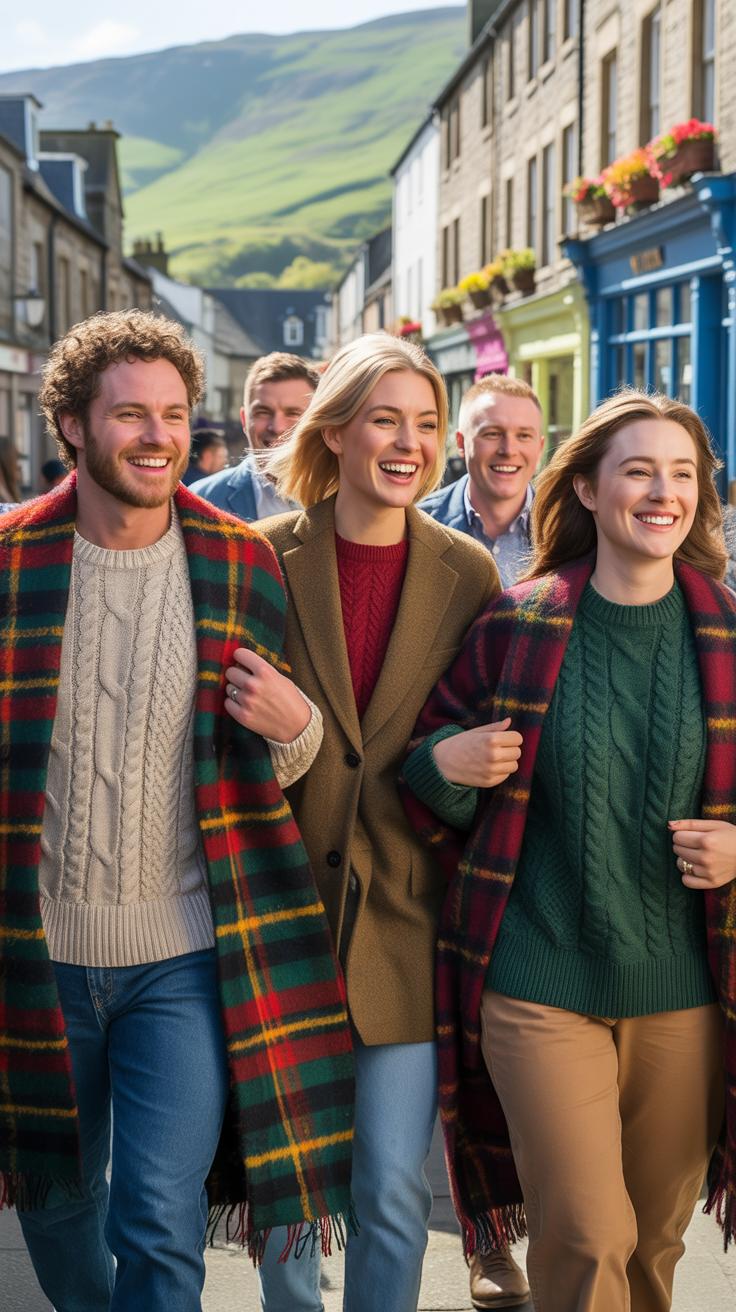
When you think about incorporating Scotland’s aesthetic into daily wear, it’s not just about kilts or traditional tartans. Many people successfully invite this style into different settings with subtle nods and bold statements alike. For work, imagine pairing a fitted tartan blazer with simple black trousers. It gives that nod to heritage without being overwhelming. A crisp white shirt beneath balances it out, keeping things professional yet unique.
Casual outings offer more freedom. Think about a cozy knit sweater in earthy tones that feels both rustic and modern. Add rugged boots or a leather satchel, and you’ve captured that rugged Scottish countryside vibe without looking like you’re ready for a Highland festival. For events, a tailored dress featuring muted tartan patterns or Celtic-inspired jewelry can make you stand out gracefully.
Some might prefer mixing patterns — like stripes with tartan — which can be risky but sometimes delivers a fresh take on Scotland aesthetic. Others stick to earth tones inspired by the landscape. Either way, the focus is on blending tradition with everyday wearability.
Office Friendly Scotland Inspired Outfits
In professional environments, the Scotland aesthetic works best when it’s subdued but intentional. A charcoal or navy tartan tie or scarf can inject personality without distracting. Women might opt for tailored skirts in plaid, paired with solid tops and classic pumps. A tweed vest or jacket, well-fitted, conveys both confidence and respect for tradition.
Layering is a key here. A fine knit sweater worn under a blazer adds texture while staying office appropriate. Footwear stays practical—think leather brogues or loafers. These pieces bring a quiet Scottish charm that feels grounded, as if you’re carrying a piece of the landscape with you into your workday.
Casual And Event Looks Using Scotland Aesthetic
Casual looks lean heavily into comfort, often combining soft knits, scarves, and relaxed trousers. A chunky cable-knit sweater borrowed from Scottish knitwear traditions can be paired with jeans for a simple weekend look. For accessories, leather belts or bags with subtle Celtic embossments offer interesting details without screaming for attention.
When it comes to special events, you might lean into silk or velvet pieces in rich jewel tones paired with tartan accents. A deep green velvet jacket, for example, alongside a kilt-inspired skirt creates a festive yet refined look. Earrings or cuffs featuring Celtic knots can be delicate but impactful additions.
One question to consider: How much heritage do you want in your outfit? A little taste might suffice, or perhaps you prefer full commitment to the theme. Both paths have their own charm, making Scotland aesthetic widely adaptable and far from formulaic.
Conclusions
Understanding Scotland aesthetic gives you a new perspective on blending heritage and fashion. You can effectively use traditional Scottish patterns and fabrics in modern ways to stand out with unique and meaningful style. The elements of Scotland aesthetic are flexible and allow for personal expression while respecting cultural roots.
By mixing iconic pieces like tartan skirts or tweed jackets with contemporary clothing, you create looks that are both fashionable and timeless. Using the insights and style tips shared here, you can confidently introduce Scotland aesthetic into your wardrobe for fresh, stylish outfits inspired by Scotland’s culture and beauty.