The Rise Of The Animated Cake In Modern Weddings
Defining Modern Animation
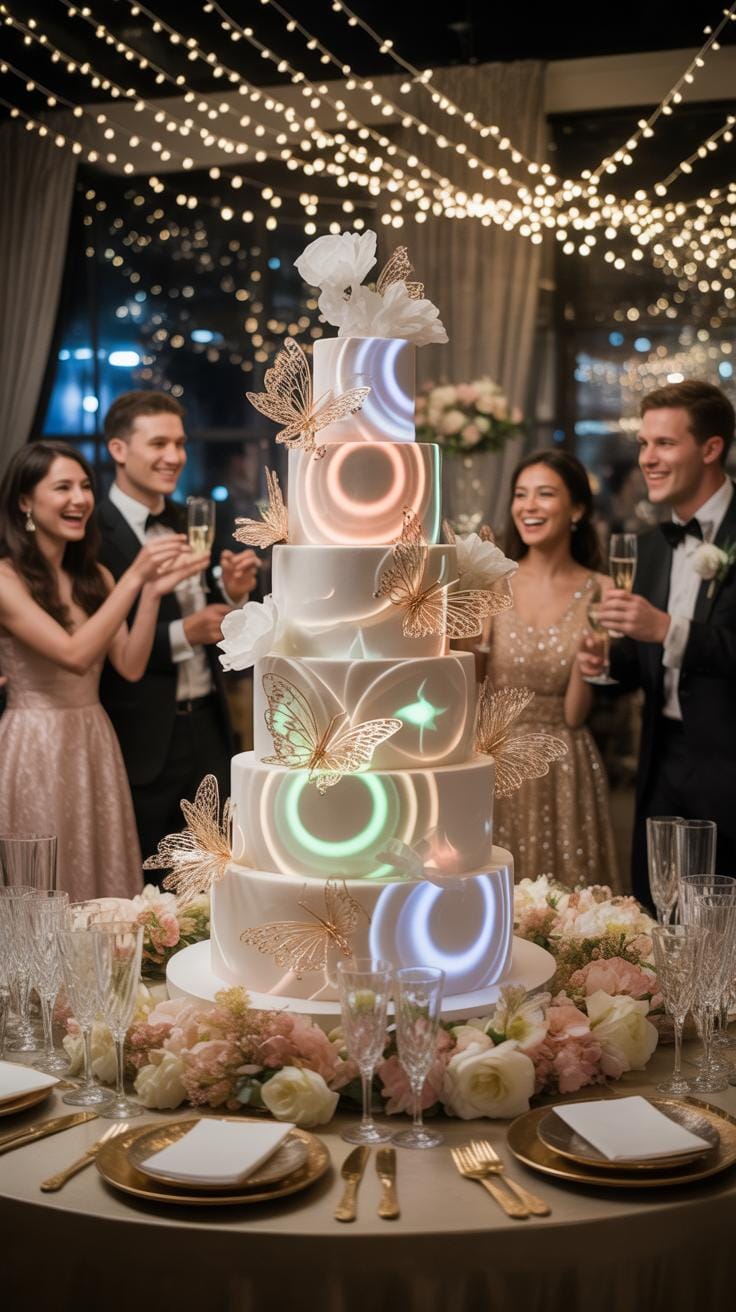
Modern cake decorating creates a bridge between digital technology and traditional sugar craft. Couples now choose an animated cake to showcase personality through movement. This style often uses projection mapping to display 3d motion graphics animation directly onto smooth fondant surfaces. The results turn a simple dessert into a living piece of cake art. It changes how people view luxury wedding sweets.
Technicians and bakers collaborate to build a 3d cake that feels alive. They use small motors or light projections to create the moving cake effect. This shift means a cake is no longer just a static object on a table. An animated cake design uses brightness and motion to tell a story. It brings a high level of sophistication to the dessert table during the party.
Audience Engagement
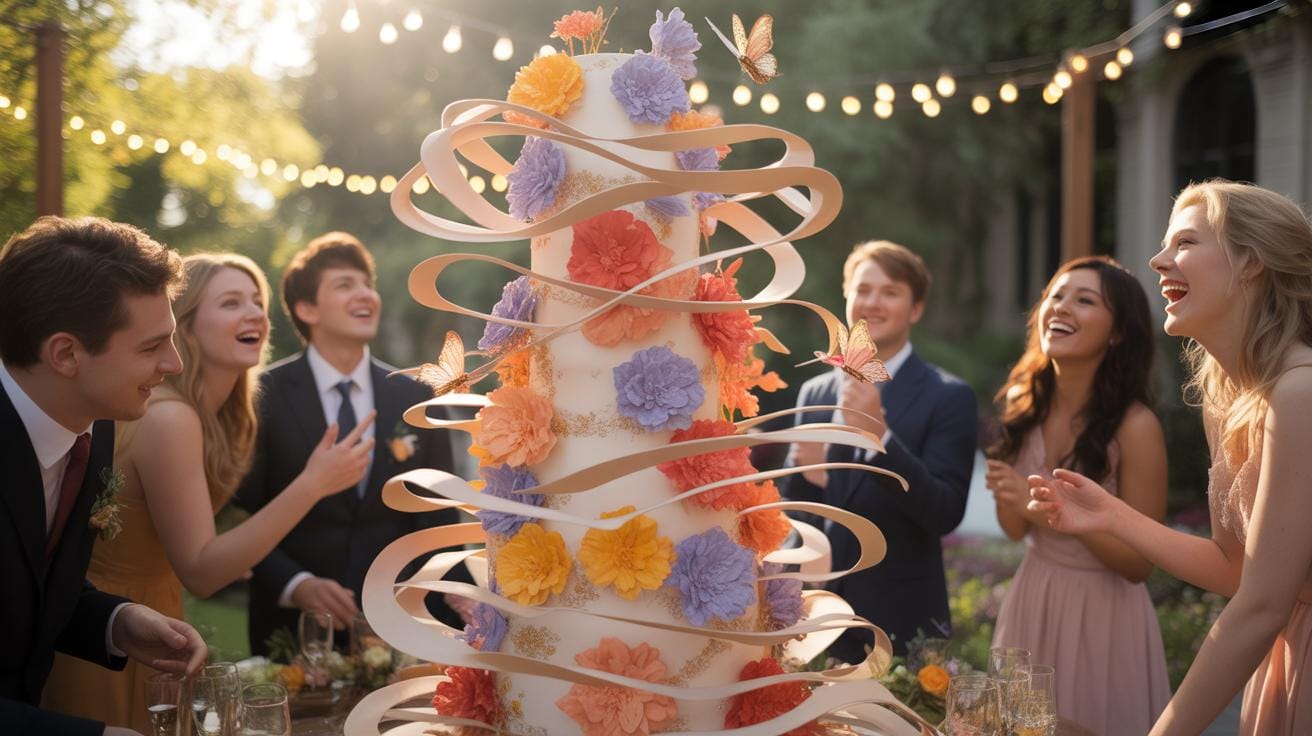
Guests love seeing kinetic cake movement during the wedding reception. The sudden motion of the interactive cake surprises everyone in the room. Most people expect a traditional tiered dessert that sits still. When the layers rotate or images dance across the icing, it starts many conversations. It creates a memorable moment that people talk about for years after the wedding ends.
The visual impact of 3d motion graphics animation keeps eyes fixed on the display. People enjoy taking videos of the moving cake to share with friends. This engagement makes the cake a central part of the entertainment. It acts as a focal point that brings guests together. Choosing this unique cake art ensures the celebration feels special and personal for every guest who attends the event.
Techniques In Moving Cake Construction
Mechanical Integration
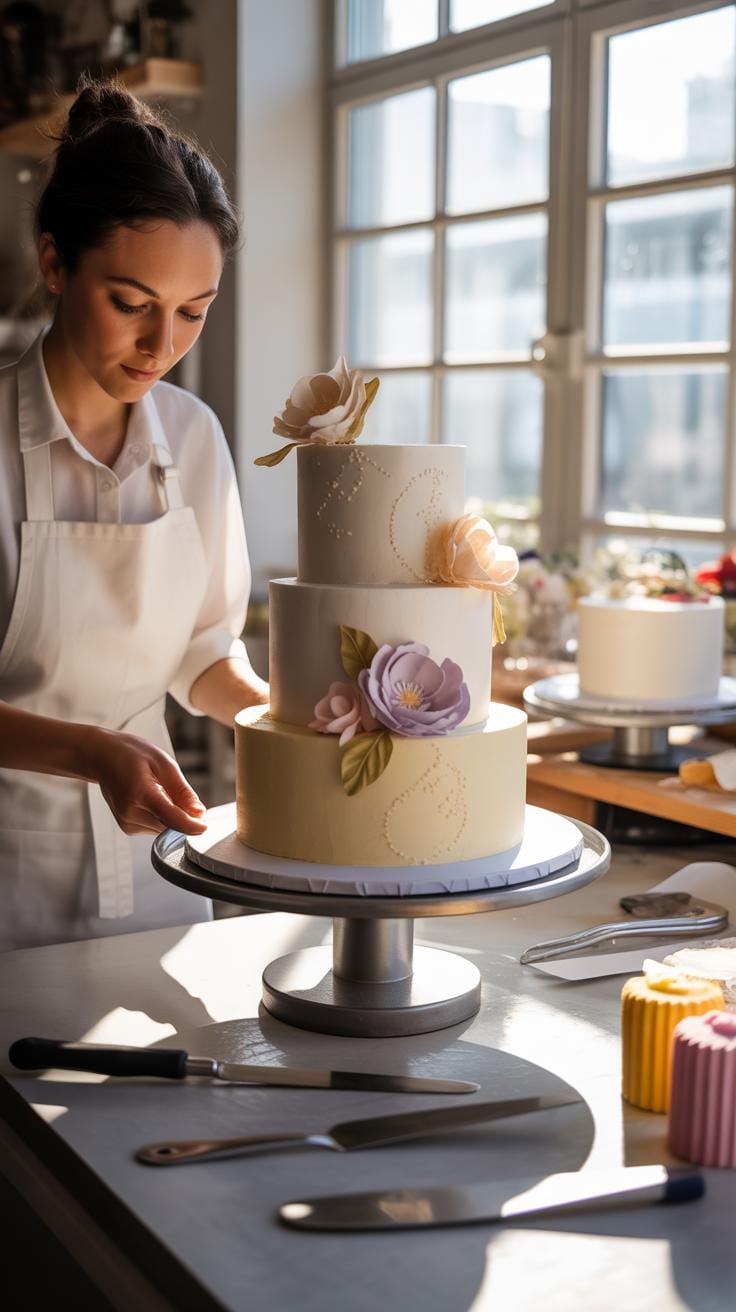
Mastering kinetic cake movement requires hidden mechanical parts. Designers place small electric motors inside the base to drive the motion. These motors connect to central rods that turn specific tiers. A motorized turntable offers a smooth rotation for the whole display. This technique creates a beautiful moving cake that surprises every guest. Simple gears allow different sections to spin at varying speeds for a complex look.
Precision tools help decorators create an animated cake design that feels seamless. Builders use food safe lubricants on all moving parts to prevent sticking. Small batteries or hidden power cords keep the motor running throughout the wedding reception. Modern cake decorating often blends traditional baking with basic engineering. Proper mechanical setup ensures the interactive cake operates quietly. This silent motion makes the edible art feel like magic.
Structural Integrity
Tall cakes need a strong skeleton to handle physical motion. Heavy tiers put stress on the internal supports during rotation. Bakers use central dowels made of wood or food grade plastic to lock the 3d cake together. A wide base plate prevents the structure from tipping over while it moves. Stability is the most important part of creating high quality cake art. Every layer must stay perfectly level.
Engineers often build a custom metal frame for a large animated cake. This frame supports the weight so the sponge does not collapse. High density foam spacers sometimes take the place of real cake in very heavy sections. This choice makes the moving parts lighter and easier to turn. Designers often use 3d motion graphics animation to plan the weight distribution. Careful planning keeps the tall wedding cake safe and beautiful.
High Tech Marvels 3d Motion Graphics Animation And Projection
Mapping The Surface
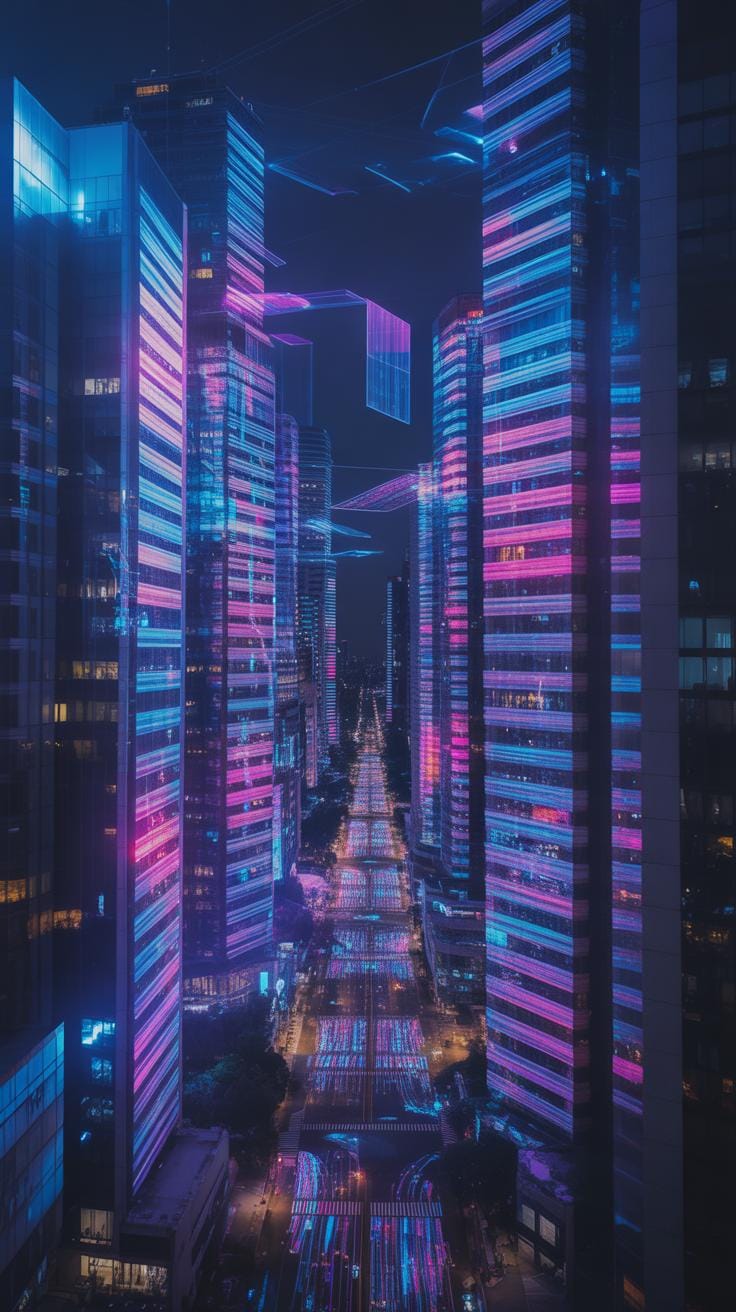
Projection mapping turns a white 3d cake into a living screen for storytelling. Designers use specialized software to align digital images exactly with the shape of the tiers. This technique allows for a moving cake that displays falling petals or scrolling text. It fits perfectly into a modern animated cake design. Guests watch as the 3d motion graphics animation plays across every smooth corner.

A flat fondant finish acts as the best canvas for this cake art. Light reflects off the plain white surface to reveal hidden details. The process creates a truly interactive cake that changes its look over time. Couples often choose this style to show their history through photos or patterns. Careful cake decorating ensures the structure stays steady while the projected images create the illusion of flowing liquid.
Color And Light Effects
Light changes the entire mood of an animated cake without messy icing adjustments. Colorful spotlights or internal bulbs make the tiers glow from within. This method creates a moving cake look by shifting hues from soft blue to warm gold. It helps the bakery create a 3d cake that matches the reception lighting. The result is a stunning display that grabs attention throughout the evening.
Using 3d motion graphics animation adds a layer of depth to the physical tiers. Digital patterns can mimic wood grain or metallic finishes that appear to rotate. This interactive cake style keeps visitors guessing about the real texture of the structure. High-tech cake decorating brings a sense of wonder to the party. The simple white base provides a clean slate for every vibrant color shift and rhythmic pulse of light.
Interactive Cake Elements For Guest Participation
Sensory Interactivity
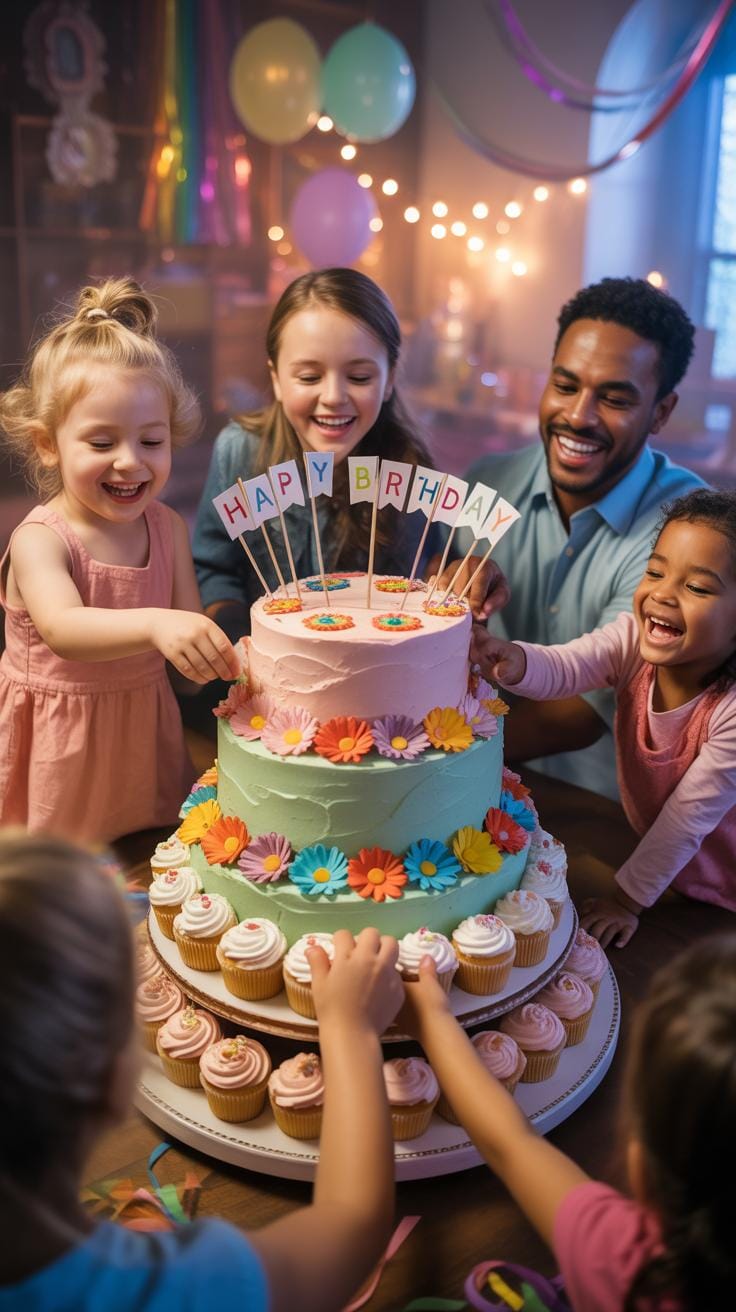
Modern bakers use small sensors to create an Interactive Cake that responds to nearby movement. These tiny electronic parts detect when guests approach the display table. A Moving Cake might spin its tiers or reveal hidden details as people walk by. This technology makes the dessert feel alive and surprises everyone in the room. Kinetic cake movement turns a simple dessert into a memorable performance for your wedding guests.
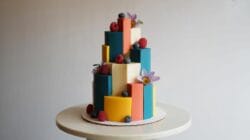
Advanced Cake Decorating now involves hiding light sensors under fondant or edible lace. When a guest reaches out, the 3d Cake can change colors or start a slow rotation. This Animated Cake Design keeps people engaged throughout the reception. It creates a Bridge between traditional baking and modern engineering. Family members will enjoy testing the sensors to see how the beautiful Animated Cake reacts to their presence.
Storytelling Through Motion
Kinetic movement helps couples tell their personal history during the cake cutting ceremony. A 3d Motion Graphics Animation projected onto the tiers can show where the couple first met. As the motor turns, the Cake Art displays different scenes from their lives together. This technique uses rotating platforms to move through time visually. It is a powerful way to share a biography without using any spoken words or long speeches.
The moving parts act as a physical timeline for the wedding day events. One tier might spin to show a map of a favorite vacation spot. Another level of the cake could lift up to reveal a secret message or a date. Professional Cake Decorating experts use these mechanical shifts to highlight specific memories. Every turn of the motor adds a new chapter to the visual story shown on the edible surface.
Mastering The Craft Of Animated Cake Design
Visual Balance
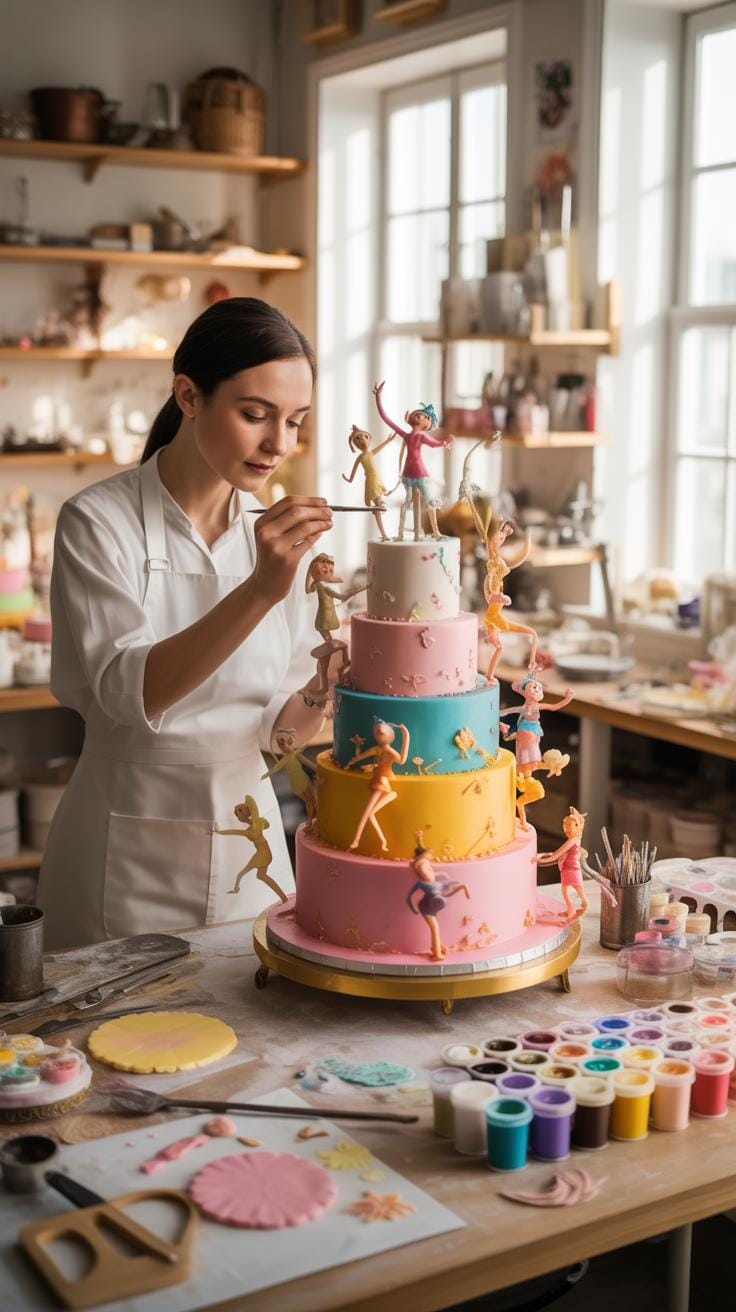
Mastering kinetic cake movement requires a careful mix of technology and tradition. You want your moving cake to surprise guests without losing its wedding charm. Keep the base layers steady to provide a sense of security. Use slow rotations for any animated cake design to keep the look graceful. This approach ensures your cake decorating skills shine through the modern technology used.

A successful animated cake avoids looking busy or cluttered. Combine soft floral patterns with subtle 3d motion graphics animation for a smooth effect. Digital light must match the physical textures of the frosting. When you balance these parts, you create a piece of cake art that feels timeless. Guests will appreciate how the interactive cake enhances the room rather than distracting from the couple.
Life is a beautiful dance of memories that never stand still, much like a cake that moves and tells a story across the table. Every turn is a reminder that our sweetest moments are always in motion.
Essential Design Tools
Creating a 3d cake with motion requires specialized equipment and careful planning. You must select tools that work together to create a seamless display. High-quality hardware ensures the moving parts operate quietly during the reception. These tools help turn a standard dessert into a stunning piece of animated cake design that stays safe for everyone to eat.
- Food-safe electric motors: These small engines provide the physical power for rotating tiers. You must wrap them in protective casing to ensure they never touch the edible parts of the moving cake.
- Projection mapping software: This computer program lets you fit custom videos onto the uneven surface of the cake. It aligns the 3d motion graphics animation perfectly with the lines of the frosting.
- Internal support dowels: Strong rods hold the heavy weight of the cake layers while the motor spins. They act as the spine for the animated cake, providing stability during every slow rotation.
- Turntable bases: These spinning platforms sit under the cake to create smooth circular motion. A heavy-duty base prevents shaking so the interactive cake remains steady and looks professional to all the guests.
- High-intensity projectors: These lights beam colorful images and patterns directly onto the white icing. They make the cake art come alive with bright colors that are visible even in a well-lit room.
Testing your gear before the wedding day prevents technical issues. Set up the projection mapping software early to check all the alignments. Proper placement of the internal support dowels keeps the structure from leaning. Using reliable remote control triggers allows the baker to start the motion at the perfect moment. These steps make the process of cake decorating with motion much easier and more predictable.
The Engineering Behind 3d Cake Structures
Internal Framing Systems
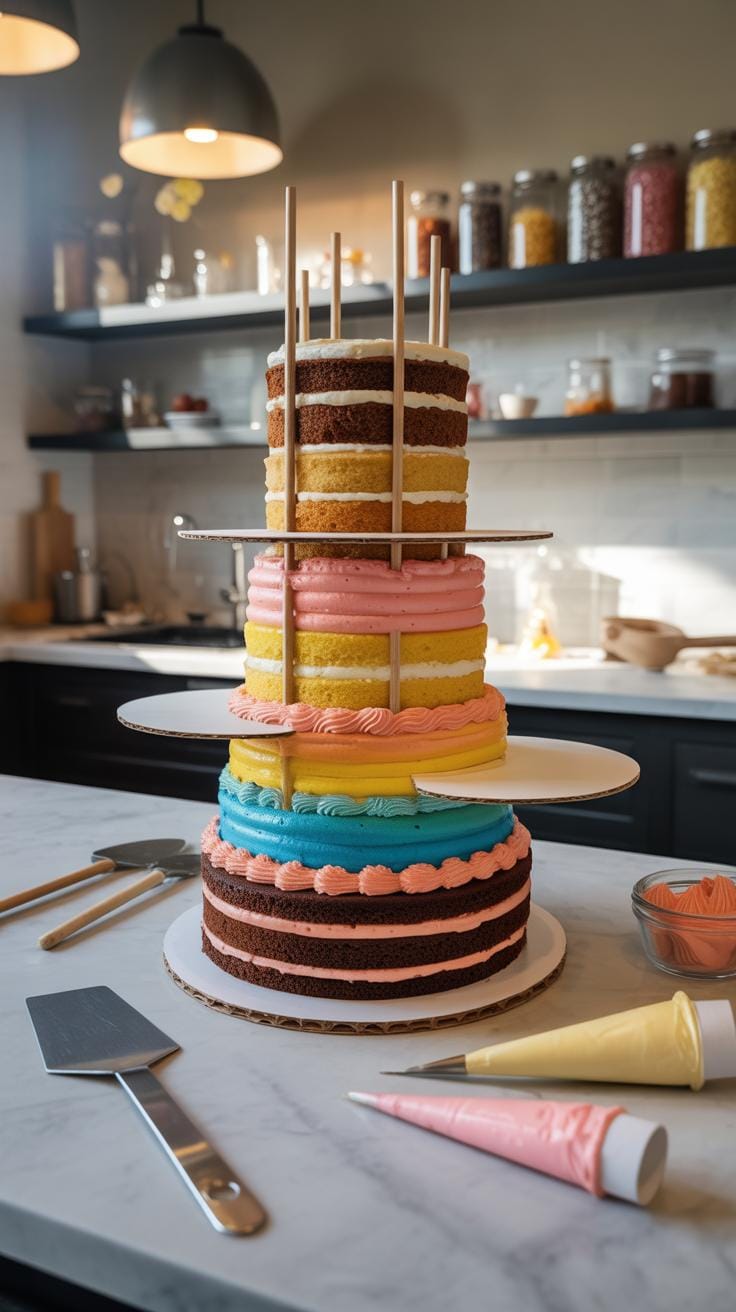
Behind every 3d Cake lies a hidden backbone made of food-safe metal or plastic. Engineers design custom armatures to carry the heavy weight of edible layers. These frames must remain stiff so the Moving Cake does not lean or collapse. Traditional wood dowels often fail under the stress of motors. Instead, creators use threaded rods and metal plates to ensure a stable Animated Cake Design for guests.
Specialists in Cake Decorating focus on the balance between the motor and the base. A central pipe often runs through the tiers to guide the rotation. This keeps the Animated Cake centered while it spins or shifts. Many professionals treat this process like building a miniature skyscraper. Strength is the priority when turning Cake Art into a mechanical reality. Proper framing allows the Interactive Cake to function perfectly throughout the night.
Cable Management
Running power to an Animated Cake requires careful planning to hide all electronic parts. Designers build hollow paths inside the 3d Cake to guide wires safely away from moisture. Electricians often place battery packs or plugs inside a false bottom tier. This keeps the Moving Cake looking clean and professional. Hiding these components ensures that the Interactive Cake maintains its magic without showing any messy cords.
The final look of an Animated Cake Design depends on seamless integration. Experts often use 3d Motion Graphics Animation to map out how the wires will move as the tiers rotate. This prevents cables from tangling or breaking during the performance. Small sensors and control boards sit tucked away inside the Cake Art base. Solid cable management allows the Cake Decorating staff to focus on the beauty of the sugar work instead.
Elevating Artistry With Cake Decorating And Motion
Edible Motion Components
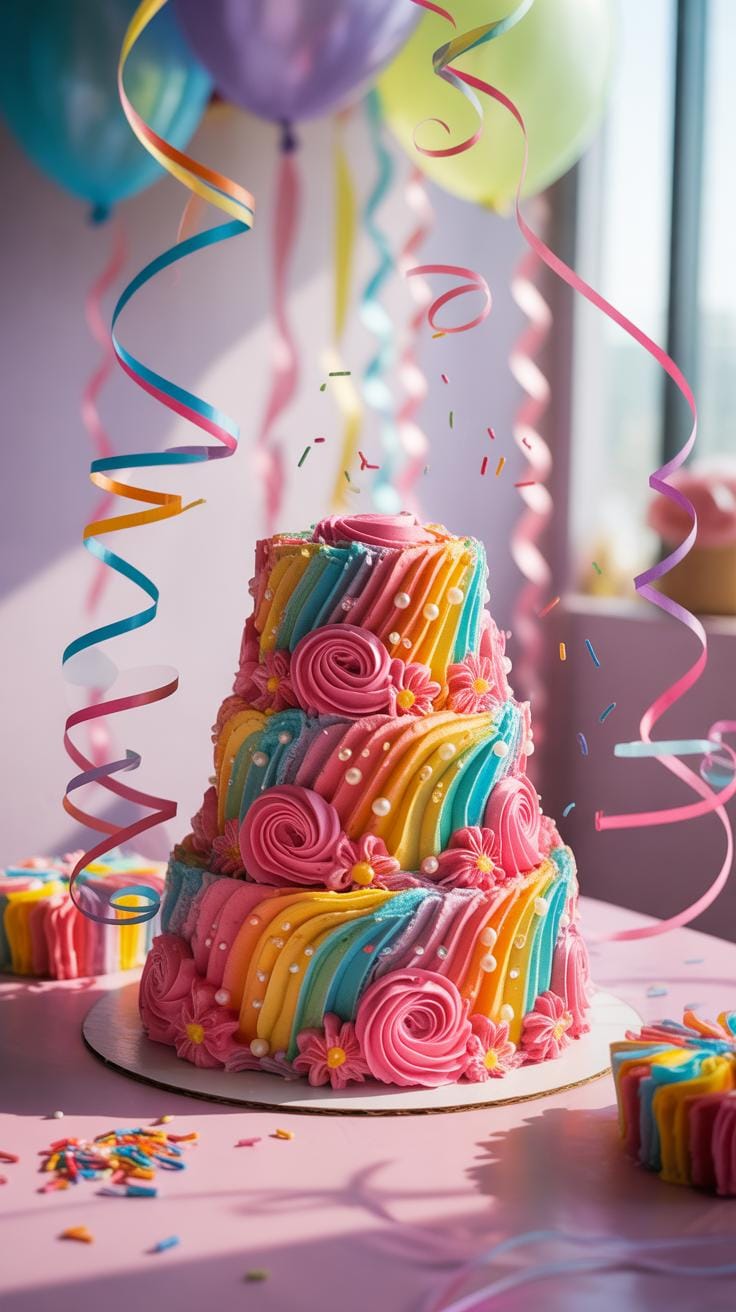
Mastering kinetic cake movement requires a deep understanding of structural sugar work and tempered chocolate. Designers build internal supports that allow a moving cake to rotate or tilt without losing its shape. High-quality cake decorating involves crafting edible gears from poured sugar or firm modeling chocolate. These steady mechanical parts bring a sense of life to the dessert. They turn simple sweets into a complex animated cake design.

Skilled artists use these materials to mimic real machinery within the cake art. A 3d cake often features rotating tiers or spinning sugar flowers that catch the light beautifully. Using chocolate for small pulleys ensures the structure stays sturdy under the weight of the sponge. This approach creates an interactive cake that guests can watch and enjoy throughout the reception. It merges traditional baking with the magic of physics.
Textural Contrast
Modern designers often blend physical surfaces with digital imagery to create a stunning 3d motion graphics animation. They apply smooth white fondant to the cake tiers to act as a blank screen. This surface allows light to show up clearly and brings the animated cake to life. Combining rough royal icing with soft digital glows creates a unique depth. This layering makes the stationary parts of the design feel more active.
Projecting light onto a moving cake adds layers of detail that frosting alone cannot achieve. The digital patterns flow over the molded shapes to provide a sense of continuous kinetic cake movement. Visual artists coordinate these light shows with the physical rotation of the dessert. This method results in a spectacular interactive cake that changes colors and themes instantly. It is a powerful tool for modern cake decorating in grand wedding venues.
Kinetic Cake Movement From Concept To Reality
The Design Consultation
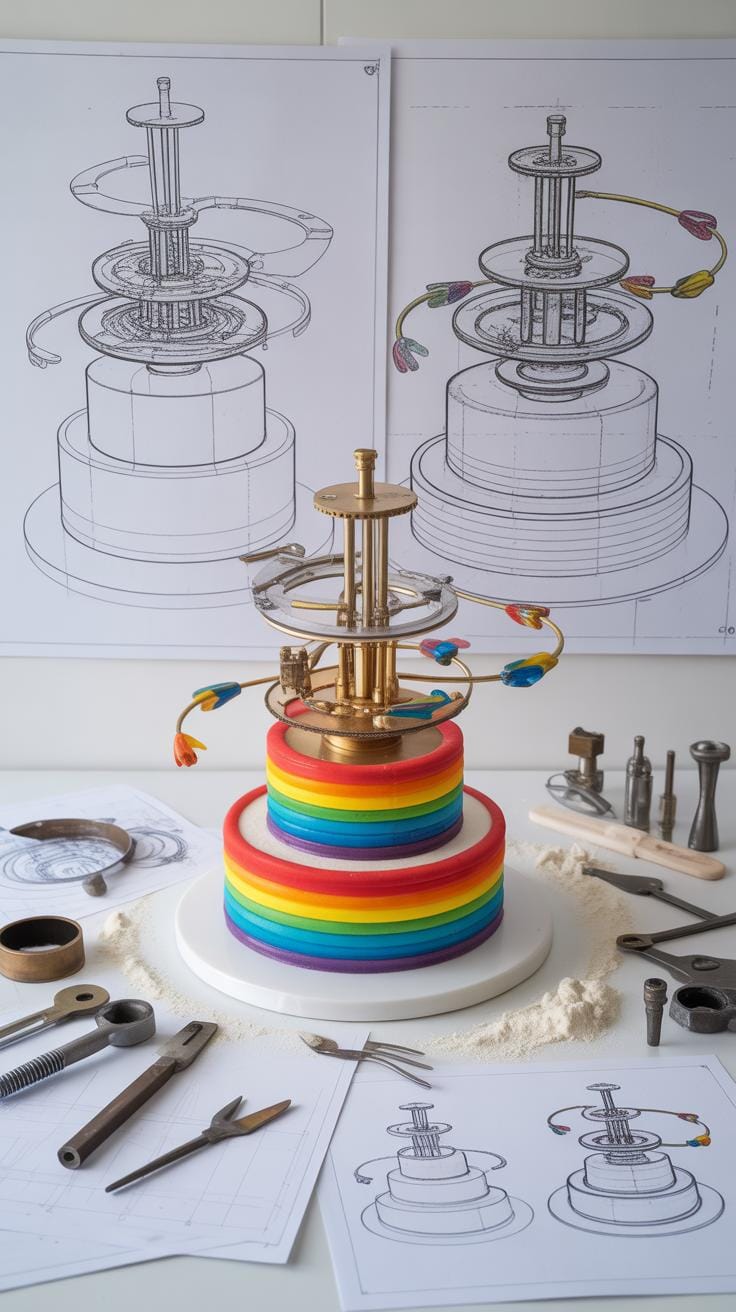
Couples often bring dreams of a moving cake to the first meeting. You must listen to their stories to create an interactive cake that feels personal. Modern cake decorating now uses technology to share these memories. You should discuss how motion adds life to the party. Explain how a 3d cake captures attention better than a static one. This meeting sets the stage for a unique cake art experience.
Detailed planning turns a simple sketch into a beautiful animated cake design. You must talk about the venue space and power needs early on. Ask the couple about their favorite colors and themes for the 3d motion graphics animation. Clear communication helps you build a functional animated cake. You want the final result to mirror their wedding theme perfectly. This step ensures the moving cake works safely on the big day.
Steps For Kinetic Success
Success starts with a solid plan for your animated cake. Builders must balance the weight of the sugar and the strength of the hidden frame. You have to think about how the layers will turn without wobbling. Every part of the moving cake needs a purpose and a place. Careful preparation prevents accidents during the reception. These steps lead to a flawless animated cake design that guests will Love.
- Sketching the tiered layout: Create a detailed drawing of every layer. You need to mark where the wires and motors hide. This map guides you as you build the 3d cake structure safely and accurately.
- Choosing the type of movement: Decide if the cake should spin or use light. Rotation creates a physical change in the cake art. Projection uses 3d motion graphics animation to tell a story on the white icing.
- Testing the motor torque with mock weights: Use heavy items to test your motor before adding real food. You must ensure the gears can turn the heavy interactive cake. This test keeps the movement smooth and steady.
- Syncing the animation timing with music: Match the cake speed to the rhythm of the songs. Fast movements look energetic while slow turns feel romantic. Perfect timing makes the moving cake feel like a part of the show.
- Final assembly at the venue location: Put the pieces together where the guests will see it. Moving a finished kinetic cake is risky. Setting up on site protects your cake decorating and the delicate internal parts from breaking.
Final checks happen right before the guests enter the room. You should run a full test of the animated cake design to catch any small glitches. Ensure the power cables stay hidden and the movement stays silent. A quiet motor keeps the focus on the cake art. Your hard work creates a moment of wonder for everyone. This careful process makes a dream cake become a real centerpiece.
Exploring Cake Art Through Modern Technology
The Future Of Edible Art
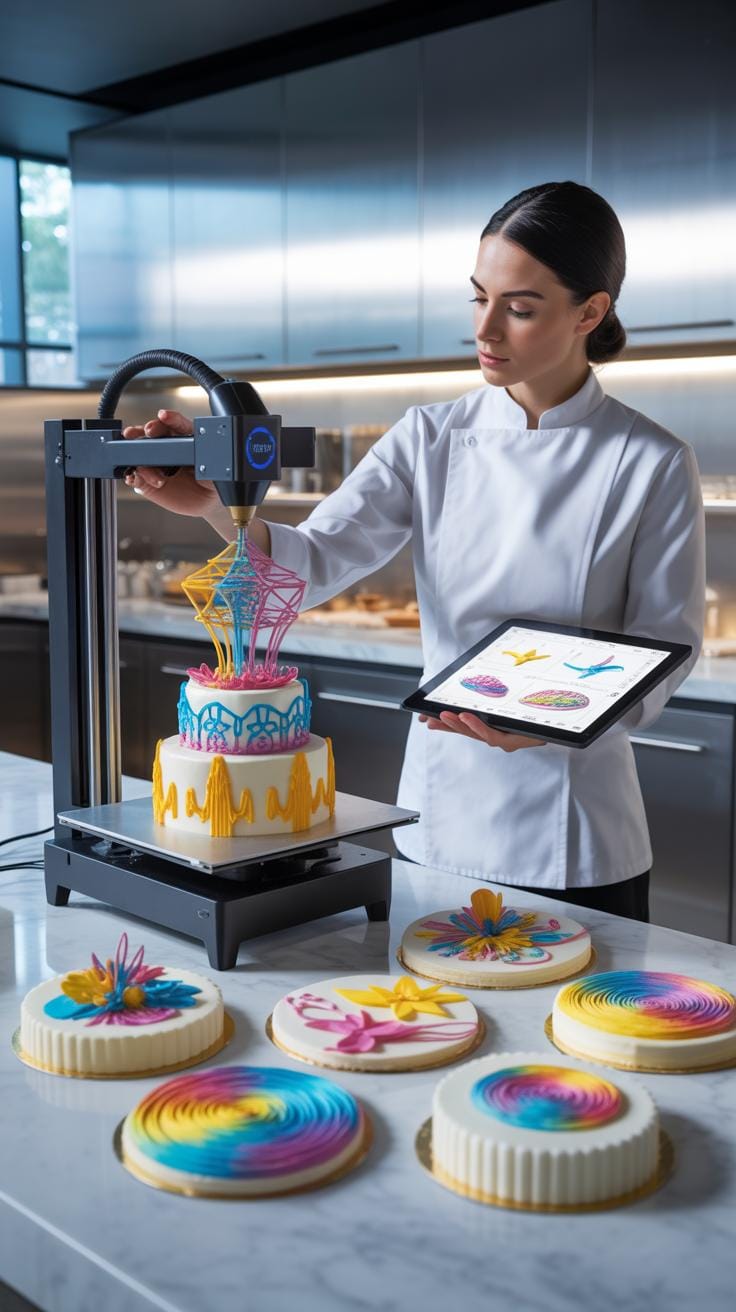
The horizon of cake decorating looks bright as new tools enter the kitchen. Future celebrations will likely feature an animated cake that reacts to guest movements through tiny sensors. Augmented reality will allow couples to overlay a moving cake with digital stories or floral patterns. This 3d cake experience merges physical sugar with light to create a memorable spectacle. These interactive cake displays make every reception feel special.
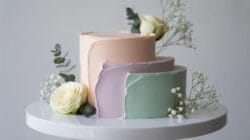
Robotics will soon help bakers achieve a complex kinetic cake movement that was once impossible. Mechanical arms can apply frosting with perfect precision or move layers in synchronized patterns. The integration of 3d motion graphics animation onto edible surfaces creates a living storybook. This style of cake art pushes boundaries by making dessert a performance. Guests will enjoy seeing how technology changes the traditional wedding dessert into something new.
Collaborative Creations Artistically
Creating an animated cake design requires a team effort between different experts. Pastry chefs design the flavor while engineers build the internal motors and gears for movement. Digital artists contribute by mapping a 3d motion graphics animation onto the frosting surfaces. This partnership ensures the moving cake remains stable and safe to eat. Specialized cake decorating techniques now involve coding and mechanical assembly alongside traditional piping and baking.
Successful projects rely on sharing skills across different industries. Engineers help artists understand how structural weight affects the kinetic cake movement during the party. Artists show engineers how to hide wires beneath fondant for a clean appearance. This teamwork results in an interactive cake that functions like a machine but looks like a masterpiece. Every 3d cake becomes a bridge between technical science and sweet culinary artistic expression.
Ensuring Safety And Edibility In Animated Cake Systems
Food Safety Protocols
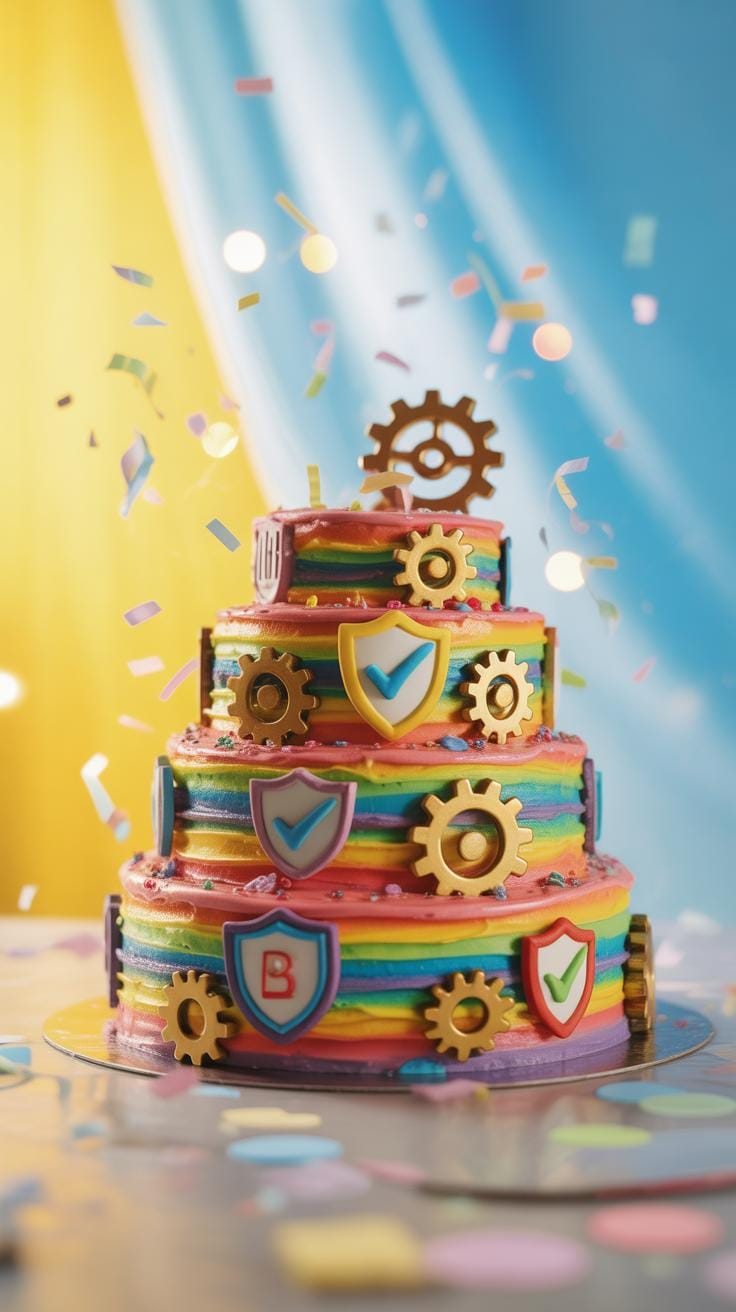
Creators must use food grade barriers when building an animated cake. Internal motors and wiring stay hidden inside a central support structure. You must wrap every mechanical part in plastic or metal foil. This keeps the moving cake clean and safe to eat. No lubricants or oils from the engine should touch the sponge. Designers call this separation essential cake decorating practice for modern kinetic art displays.
The top layers of an interactive cake often sit on acrylic plates. These plates block the food from touching any gears or 3d printed parts. Professionals use starch based pastes to attach decorations near the moving joints. This keeps the animated cake design stable while protecting guests. Using these clear steps makes the cake art safe for everyone to enjoy at a large wedding reception.
Transport And Setup Logistics
Moving a 3d cake requires extreme care and planning. Designers often pack the base and the motor separately from the edible tiers. Vibrations from the road can damage the delicate kinetic cake movement hardware. Workers use padded crates to hold the heavy parts during the drive. You should plan for two hours of setup time at the venue to test every mechanical part.
On site technicians sync any 3d motion graphics animation with the physical rotation of the layers. They check the power supply to ensure the moving cake does not stop early. Level floors are necessary to keep the weight balanced on the spinning axle. Watching a towering cake spin for the first time creates a magical feeling for the couple. Success depends on careful handling and testing before guests arrive.
Frequently Asked Questions

What exactly are kinetic wedding cakes and how do they work?
Kinetic wedding cakes are extraordinary edible sculptures that incorporate mechanical elements to create physical motion. Unlike traditional static tiers, these designs use specialized rotating bases, motorized internal rotors, or hidden pulleys to make layers spin or shift. This dynamic kinetic cake movement transforms a standard dessert into a mesmerizing focal point, offering your guests a whimsical, theatrical experience that evolves throughout the reception as the cake literally comes to life.
How much do kinetic wedding cakes typically cost compared to traditional cakes?
Kinetic wedding cakes generally cost more than standard tiered cakes due to the custom engineering required for movement. Bakers must integrate motors, rotating platforms, or internal mechanisms, which adds both material and labor costs. Expect to pay a premium of twenty to fifty percent over a comparable static design. Despite the higher investment, many couples find the theatrical impact of a moving kinetic cake element makes it a worthwhile splurge for a truly unforgettable centerpiece.
Can any bakery create a kinetic wedding cake, or do I need a specialist?
Not every bakery has the technical expertise to build a kinetic wedding cake safely. You will want to seek out specialists who have experience integrating mechanical components into edible structures, since improper engineering can compromise stability. Ask potential bakers for examples of past kinetic or moving cake designs and inquire about how they test the mechanism before your event. Working with an experienced specialist ensures your cake performs flawlessly on the big day.