Why Homeowners Seek A Hidden Veggie Garden Solution
Privacy Concerns In Modern Neighborhoods
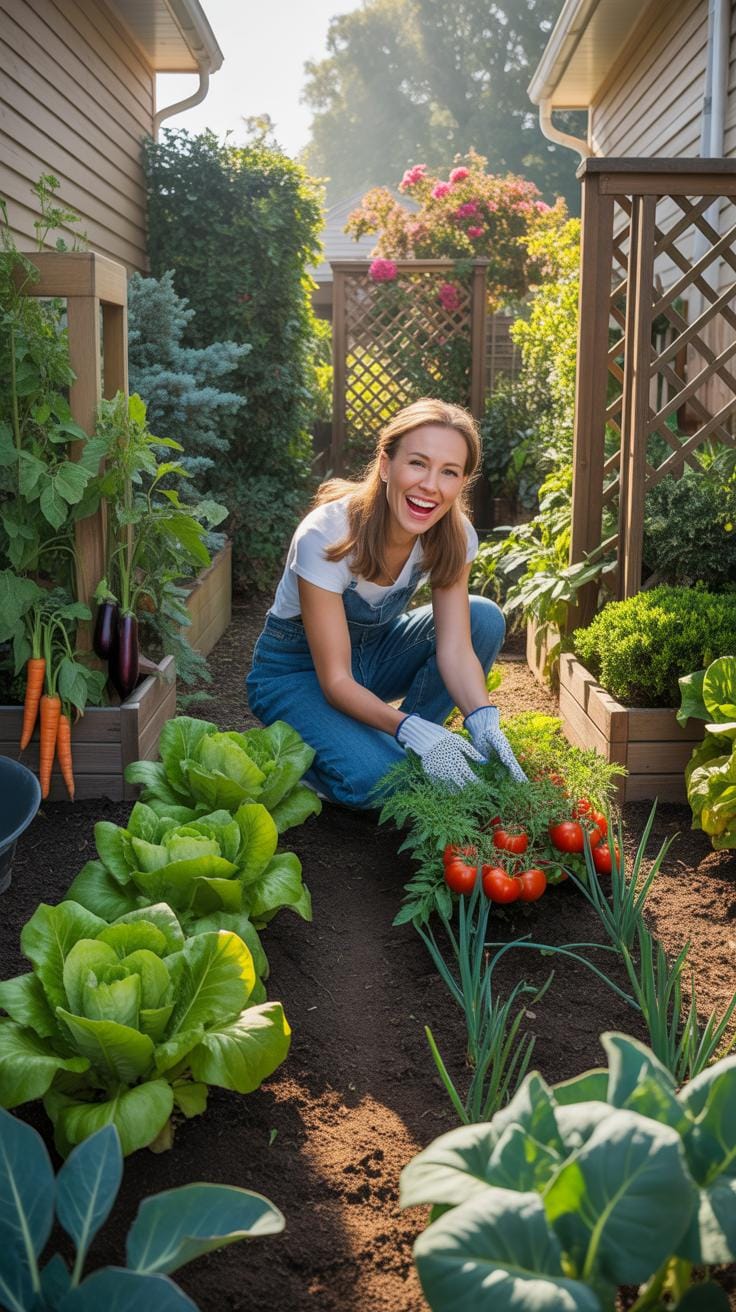
Modern residential plots are shrinking while property lines become more transparent. Many homeowners feel exposed when working in a standard Veg Garden. They want to harvest food without unwanted social interaction or prying eyes. Privacy is now a primary driver for specific Garden Layout decisions. A Hidden veggie garden allows families to maintain a private sanctuary while producing high quality food away from public view.
Strategic Vegetable Garden Planning incorporates tall boundary plantings and screening techniques. Homeowners prioritize these designs to block the sightlines of nearby houses. This shift ensures the Kitchen Garden remains a personal space rather than a community spectacle. By using an Elegant Vegetable Garden approach, you can grow food and maintain total seclusion. This tactical choice protects your lifestyle and your property from external observation or interference.
HOA And Aesthetic Regulations
Homeowners associations often enforce strict rules against traditional food production. These boards view a standard Veggie Garden as a messy eyesore that lowers property values. They demand manicured lawns and ornamental flower beds instead of corn or beans. To bypass these restrictions, residents must adopt a Vegetable Garden Design that mimics decorative landscaping. Strategic concealment keeps your home production compliant with local property mandates.
Integrating edible plants into an existing landscape is the most effective way to avoid fines. You can use a Vegetable Pergola to grow vines that look strictly ornamental to an untrained inspector. This method transforms a simple Home Vegetable Garden into a high end structural feature. Smart design choices allow you to maintain a productive food source without triggering a neighbor complaint or a legal notice from the board.
Essential Vegetable Garden Planning For Stealth
Analyzing Sightlines And Sunlight
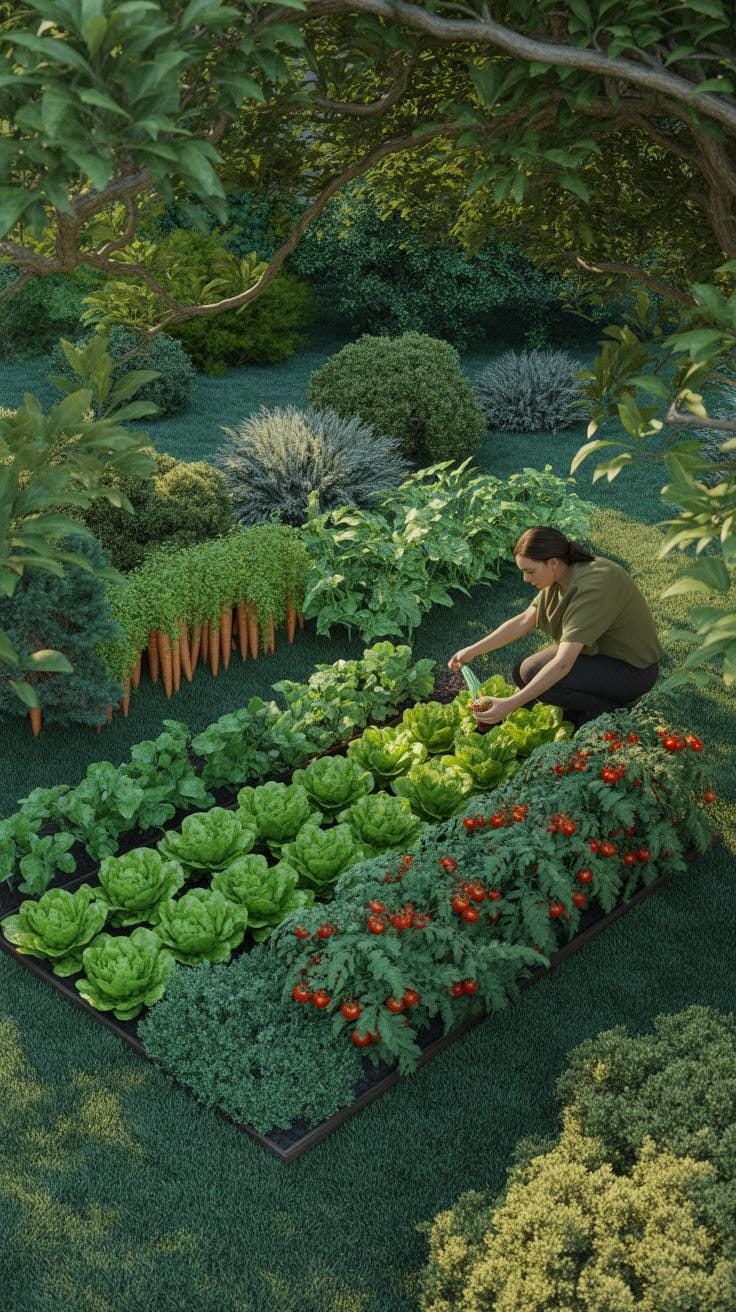
Effective Vegetable Garden Planning starts with a solar assessment. Most food crops require six to eight hours of direct light. Use the south side of the property for your Veggie Garden to maximize exposure. Identify blind spots created by existing structures or mature trees. These areas hide the garden from second story windows. Use high fences or existing hedges to block horizontal views from the street.
Monitor the movement of shadows throughout the day. A Kitchen Garden hidden in deep shade will fail. You must balance concealment with light access. Position your Elegant Vegetable Garden behind shed walls or dense shrubbery. This placement prevents neighbors from seeing your activities. Ensure the Veg Garden remains accessible for maintenance tasks. Strategic placement ensures your Home Vegetable Garden produces high yields without attracting any unwanted attention or local complaints.
Mapping The Secret Footprint
Avoid rigid grids in your Vegetable Garden Design. Straight lines and ninety degree angles signal human intervention. Use organic shapes and curving edges for your Garden Layout. This mimics natural landscape patterns. Place taller ornamental plants on the outer rim. This creates a visual barrier for your Veggie Garden. Integrate food plants among non edible species. This technique camouflages the true purpose of the growing space.
Incorporate a Vegetable Pergola to add vertical height. This structure breaks up the outline of the garden. It provides a focal point that looks like decorative landscaping. Proper Garden Layout ensures the Veg Garden blends into the overall yard. Distribute different leaf textures and colors across the area. This prevents the formation of a monoculture. A well designed Kitchen Garden looks like a flower bed to the untrained eye.
Strategic Garden Layout Techniques For Disguise

Intercropping With Ornamentals
Hide your veg garden by mixing crops with classic landscape plants. This method uses the diverse textures of an elegant vegetable garden to mimic common decorative beds. Plant red leaf lettuce next to hostas to mask the edible variety. Use the height of ferns to shield kale or chard from direct sightlines. This tactical Garden Layout breaks up visible rows that usually signal a food source to neighbors.
Proper vegetable garden planning focuses on leaf shape and color rather than function. Dark leafy greens blend into shaded perennial zones without drawing attention. This approach turns a standard home vegetable garden into a stealthy feature of the yard. You stop people from identifying specific food plants by surrounding them with non edible greenery. It makes your veggie garden look like a curated collection of ornamental foliage.
The Edible Front Border Approach
Use low growing herbs to create a functional kitchen garden that functions as a decorative border. Replace traditional mulch or pebble paths with creeping thyme or rosemary. This vegetable garden design uses familiar textures to hide the intent of the space. Pedestrians see a tidy flower bed instead of a productive veg garden. It is a simple way to maintain high yields in plain sight.
Strategic placement of taller herbs like dill or fennel can mimic the appearance of decorative grasses. These plants fit perfectly under a vegetable pergola or along a wooden fence. Maintaining a clean edge keeps your hidden veggie garden looking professional and intentional. Neighbors will treat the area as a landscape feature rather than a farm plot. Tactical plant choices ensure your food supply remains private and secure.
The Art Of The Elegant Vegetable Garden Design
Using High End Hardscaping Materials
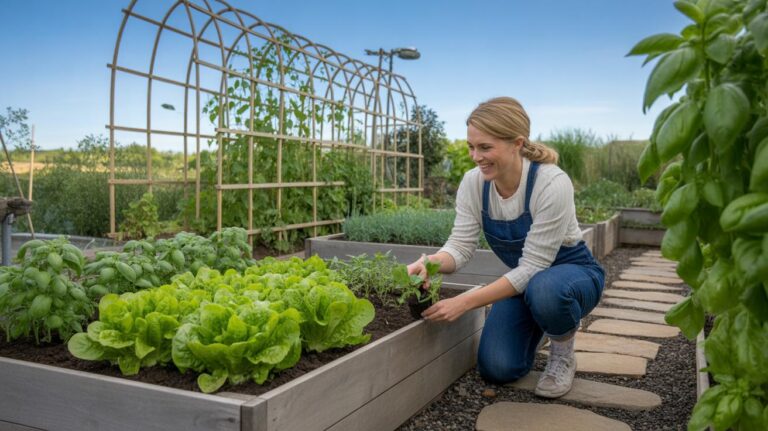
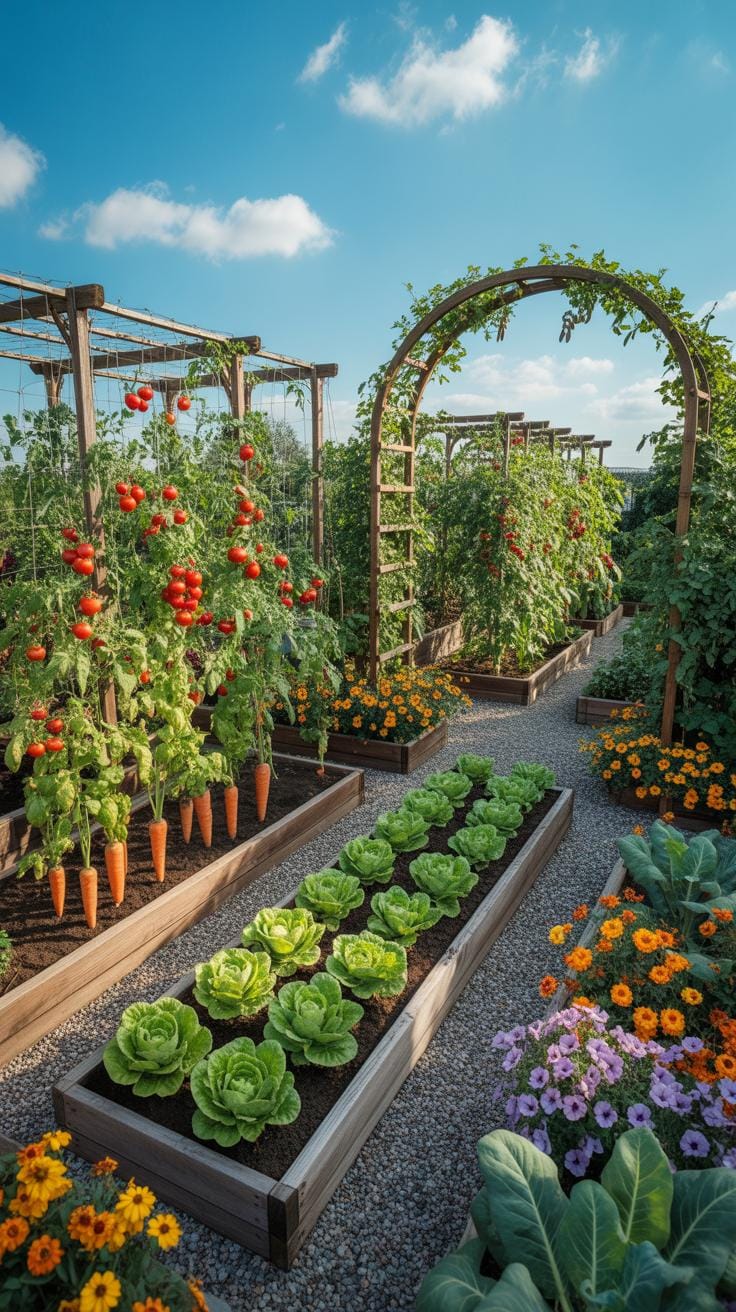
Hardscaping defines the structure of an Elegant Vegetable Garden. Use clear grade cedar or weathered stone to build raised beds. These materials signal quality and permanence. Cheap plastics or pressure treated pine look industrial and reveal your intent. High-end materials integrate the Home Vegetable Garden into your overall landscape architecture. Proper Garden Layout ensures the Veg Garden appears as an intentional outdoor room rather than a utility plot.
Strategic structures like a Vegetable Pergola add vertical interest and shade. This design choice draws the eye upward and away from the soil line. It mimics traditional arbor styles found in high-end estates. Solid construction helps with Vegetable Garden Planning by providing permanent support for climbing crops. Durable stone paths between beds prevent mud and maintain a clean appearance. This approach creates a Kitchen Garden that functions as a luxury feature.
The glory of gardening: hands in the dirt, head in the sun, and the quiet peace of a harvest shared only with the earth.
Color Coordination And Leaf Texture
Modern Vegetable Garden Design relies on visual deception through plant selection. Choose purple kohlrabi or red cabbage to mimic ornamental shrubs. Variegated leaf patterns hide the identity of common crops. This technique makes your Veggie Garden blend with traditional flower beds. Using texture is a tactical move in Vegetable Garden Planning. Fine-leafed herbs like fennel look like decorative ferns to the untrained eye of a neighbor.
Effective leaf texture creates depth. Mix broad-leafed lacinato kale with fine textures for a professional look. This prevents the messy appearance often associated with a standard Veg Garden. Focus on dark greens and rich purples to maintain a formal aesthetic. Selecting specific cultivars is the fastest way to achieve an Elegant Vegetable Garden. When done correctly, your Kitchen Garden provides food while looking like a high-end botanical display of various leaf shapes.
Utilizing A Vegetable Pergola As A Natural Screen
Vertical Gardening With Vining Crops
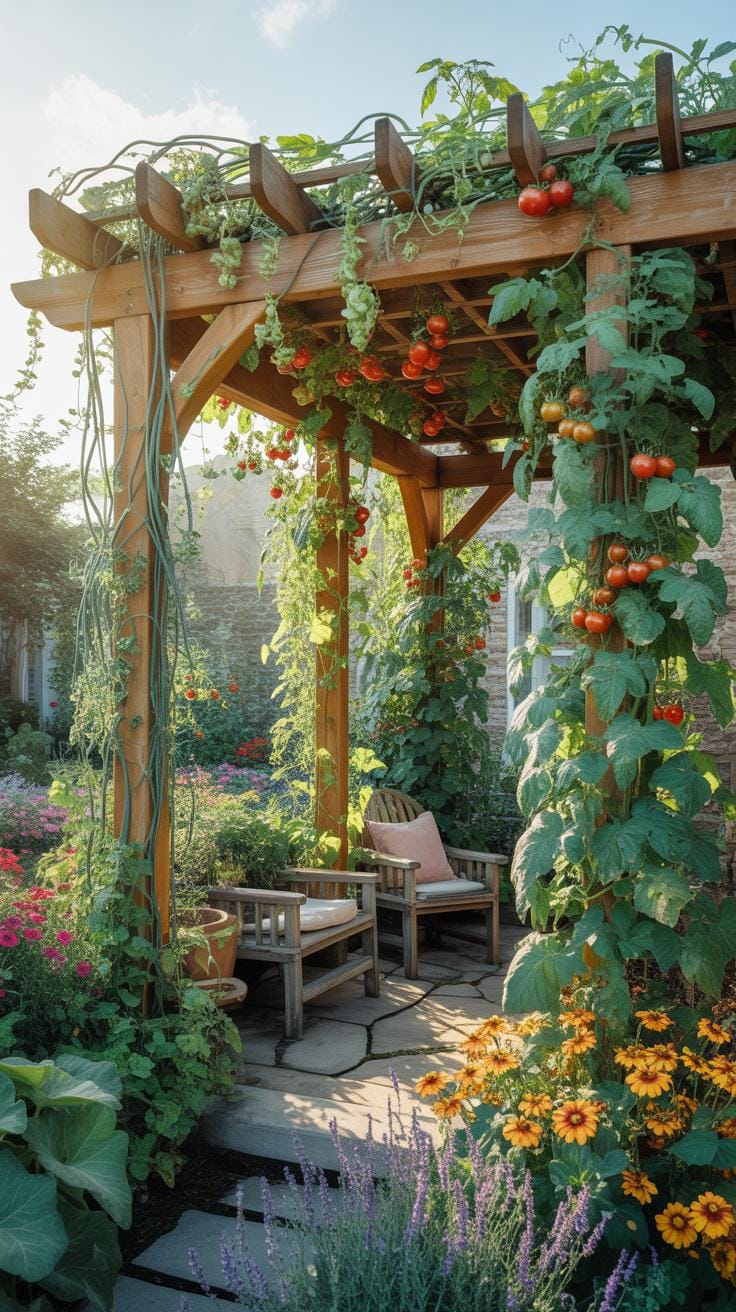
A vegetable pergola serves as the structural backbone for a hidden veggie garden. This design choice shifts the eye away from ground-level production. By training pole beans and cucumbers upward, you create a dense wall of foliage. This vertical layer obscures the interior of your veg garden from street-level views. Use heavy-duty netting or wire mesh to support the weight of maturing crops during the peak season.
Strategic vegetable garden planning requires choosing fast-climbing varieties to ensure mid-summer coverage. This method turns a standard kitchen garden into a private enclosure. Robust foliage acts as a visual shield while maximizing yield in a small footprint. Professionals use this vegetable garden design to hide traditional rows. You gain privacy and high-quality produce without revealing the utilitarian nature of your elegant vegetable garden to neighbors or passersby.
Best Vining Plants For Total Privacy
The right plant choice determines the density of your living screen. Select vigorous climbers that produce broad leaves and thick stems. These plants must fill the overhead and side plane dimensions of your home vegetable garden quickly. Focus on varieties known for rapid biomass production and heat tolerance. This ensures your veggie garden remains shielded during months when outdoor activity is highest and privacy is most critical.
- Scarlet Runner Beans: These vines grow over ten feet long and produce thick, overlapping heart-shaped leaves. They provide immediate visual density for any vegetable pergola. The bright flowers offer ornamental appeal while the beans provide a reliable food source for your kitchen garden.
- Malabar Spinach: This heat-loving climber thrives when traditional greens wilt in the summer sun. Its thick, succulent leaves and purple stems create a heavy curtain of green. Use it in your garden layout to block sightlines effectively during the hottest months of the growing season.
- Tromboncino Squash: Unlike heavy pumpkins, this Italian heirloom climbs easily and produces long necks that hang through the structure. The massive leaves create a solid wall that hides the inner workings of your veg garden. It is a dual-purpose choice for privacy and consumption.
- Hops: While technically a bittering agent for brewing, these vines grow exceptionally fast, often several inches a day. They wrap tightly around vertical supports to form a professional-grade green screen. They are essential for any elegant vegetable garden looking for total architectural coverage.
- Armenian Cucumber: This variety produces long fruits and aggressive vines that quickly overtake trellis systems. The foliage is rough and large, making it impossible to see through the structure. It is a tactical selection for maintaining a hidden veggie garden throughout the peak summer.

Integrating these species into your vegetable garden planning ensures a functional and opaque barrier. Do not rely on thin-leaved plants if privacy is the primary goal. Dense vining crops transform a functional garden layout into a restricted zone. This approach keeps your home vegetable garden productive while maintaining a polished exterior appearance. Consistent water and nitrogen levels will keep the screen thick and healthy all year.
Integrating A Kitchen Garden Into Existing Landscaping
The Potager Style Method
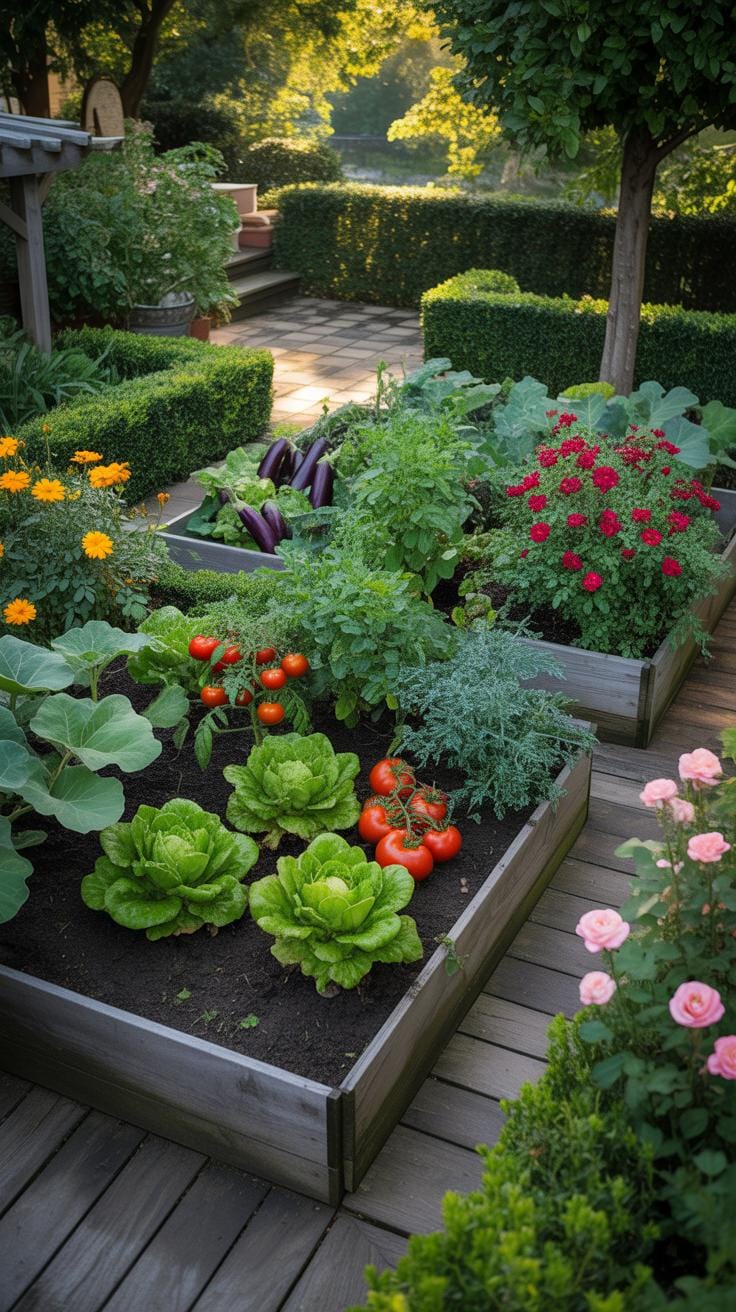
The French Potager tradition eliminates the need for a separate, fenced-off veg garden by treating crops as ornamentals. This method prioritizes an elegant vegetable garden that sits near the home for quick access. You utilize geometric patterns and symmetrical paths to create structure. This approach turns vegetable garden planning into an art form. It uses repetition and border plants to disguise the functional nature of the space.
Select plants based on their texture and color to enhance your home vegetable garden. Pair red leaf lettuce with purple basil to mimic flower beds. Use a vegetable pergola to add vertical interest and support climbing beans or squash. This vertical element provides shade and breaks up the garden layout visually. A well-designed kitchen garden blends into the landscape so well that casual observers never notice the harvest.
Container Gardening On The Patio
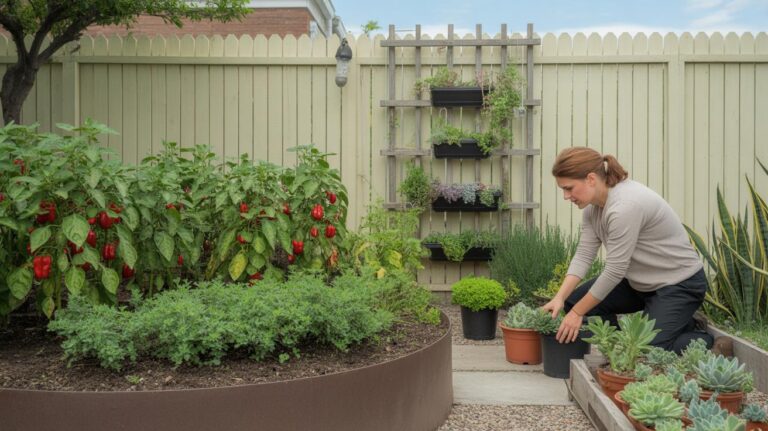
Container gardening provides the ultimate camouflage for a veggie garden on small properties. You place high-quality ceramic or stone pots among non-fruiting perennials to divert attention. Focus on vegetable garden design that uses height and foliage density. Determinate tomato varieties and dwarf peppers fit perfectly in standard planters. This tactical placement ensures your veggie garden remains invisible to anyone standing more than ten feet away.
Successful container setups require precise garden layout and irrigation. Use high-quality potting soil to maximize yield in confined spaces. Integrating these pots into your existing patio layout creates a seamless flow. A strategic veg garden uses varied pot sizes to mimic a decorative floral arrangement. This method simplifies vegetable garden planning while providing immediate food access. Move the containers as needed to maintain the illusion of a standard ornamental display.
Selecting Plants For Your Home Vegetable Garden Privacy
Tall Crops As Tactical Barriers
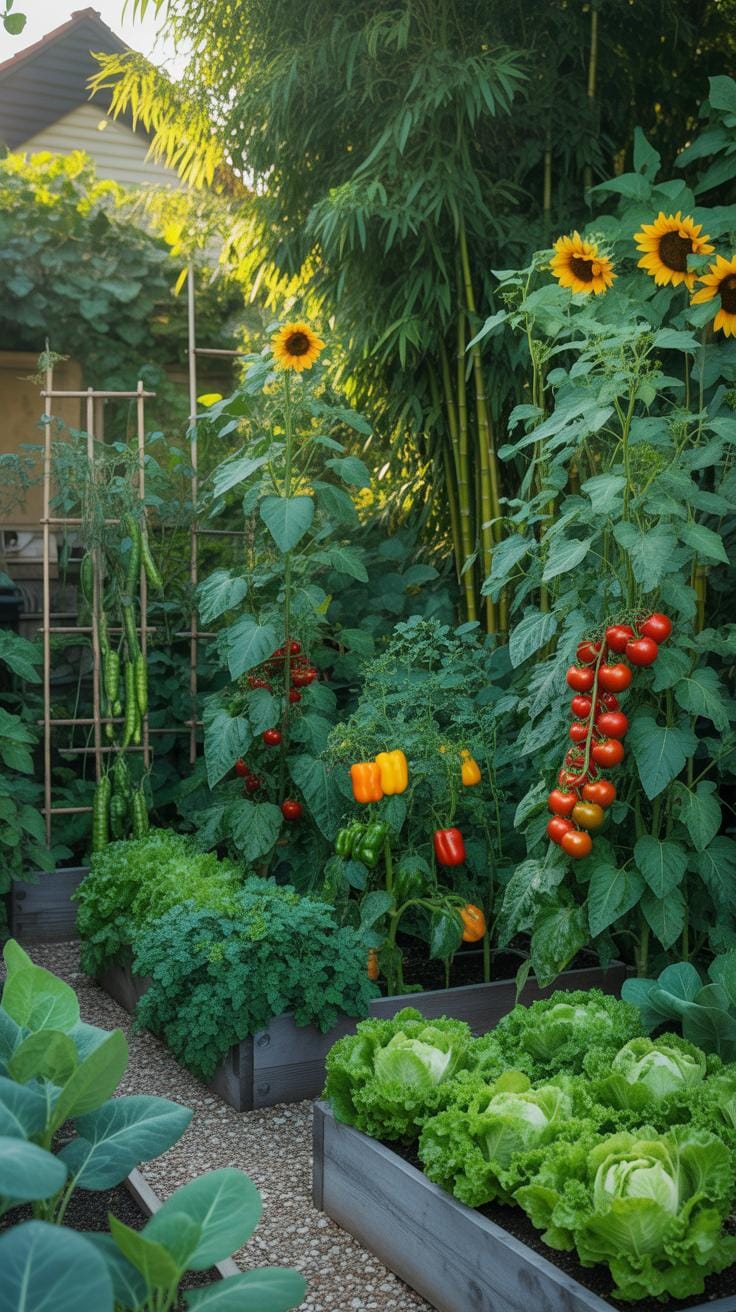
Strategic plant selection is the foundation of a Hidden veggie garden. Use tall, dense crops to create a living wall around your Garden Layout. Field corn and sunflowers grow rapidly to heights exceeding six feet. These vertical assets disrupt the line of sight from the street. They provide an immediate visual shield for smaller, more sensitive plants growing in your Home Vegetable Garden.
Space these tall varieties closely to eliminate gaps in your Veg Garden perimeter. This dense planting technique mimics ornamental hedging rather than a traditional Kitchen Garden. Integrate these barriers into your Vegetable Garden Design to maximize utility without drawing suspicion. This move ensures your Vegetable Garden Planning remains effective throughout the peak growing season. A robust green wall maintains privacy while supporting your harvest goals.
Low Profile Root Vegetables
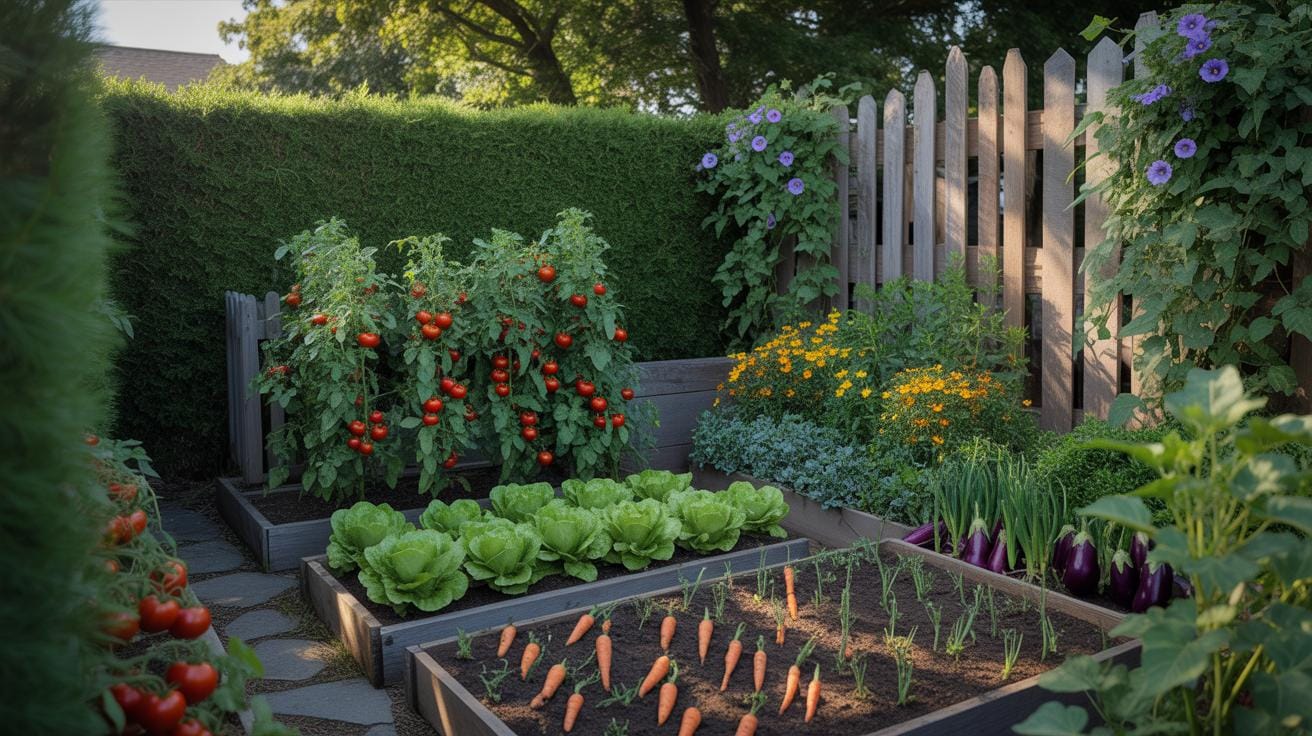
Root crops are essential for a covert Veggie Garden because they hide the payload. Carrots, onions, and beets develop their main bulk beneath the soil surface. From a distance, their foliage looks like standard landscaping or ground cover. This keeps your produce production below the visual radar of neighbors. It is a proven tactic for maintaining an Elegant Vegetable Garden that does not trigger local complaints.
Successful Vegetable Garden Planning relies on these low-visibility species. Plant them in the foreground of your Garden Layout or under a Vegetable Pergola to mask their identity. Their short stature makes them invisible from across a fence line. By using root vegetables, you ensure your Home Vegetable Garden stays functional and discreet. This approach focuses on high-yield results while preserving the aesthetic of a non-productive, decorative yard space.
Advanced Veg Garden Camouflage Strategies
Sunken Garden Beds For Low Visibility
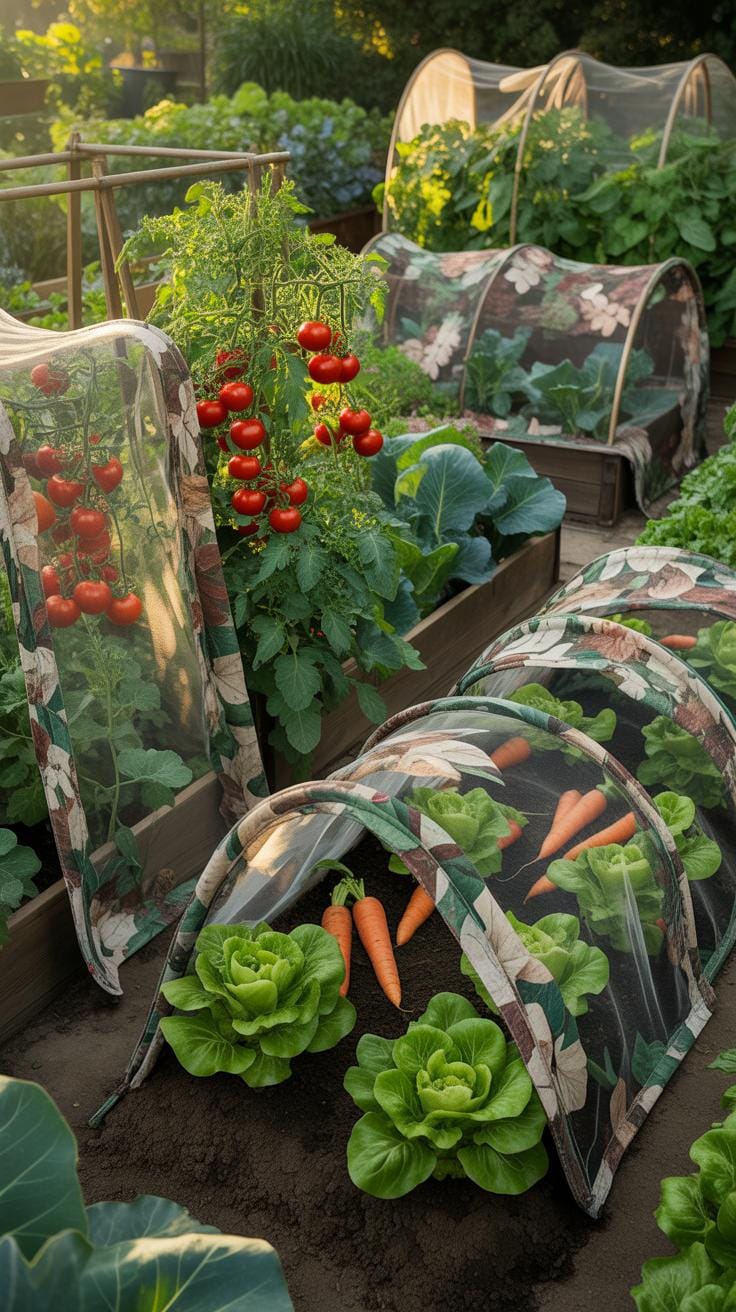
Strategic Garden Layout dictates that height is your enemy when hiding a Veggie Garden from view. Sunken beds involve excavating the soil to a depth of twelve to twenty four inches before planting. This technique mimics the Victorian ha-ha wall by dropping the profile of the plants below the horizon line. It effectively conceals the Home Vegetable Garden by keeping even tall brassicas below the average fence height.
You must ensure proper drainage when using this Vegetable Garden Design to prevent water saturation. Line the base with gravel or French drains to protect root health. This method works best for an Elegant Vegetable Garden that requires a clean and flat visual field. Proper Vegetable Garden Planning ensures that your Veg Garden remains invisible at a distance while maintaining high yields in a controlled and recessed environment.
Espalier Fruit Trees As Living Fences
Espalier is an ancient Roman and medieval French technique of training trees to grow in two dimensions. You secure the branches to a flat frame or wire against a boundary wall. This method turns your Kitchen Garden into a dense visual shield without the bulk of traditional orchards. It creates a productive barrier that looks like ornamental landscaping rather than a source of food.
This approach is vital for a compact Veggie Garden where vertical space is the only option left. You can use fruit trees to flank a Vegetable Pergola to create a secluded and private courtyard. Using these living fences maintains a high end aesthetic while providing a functional screen. This method is a core component of sophisticated Vegetable Garden Planning for homeowners who demand both total privacy and fresh produce.
Maintaining Your Veggie Garden Without Drawing Attention
Noiseless Tool Selection
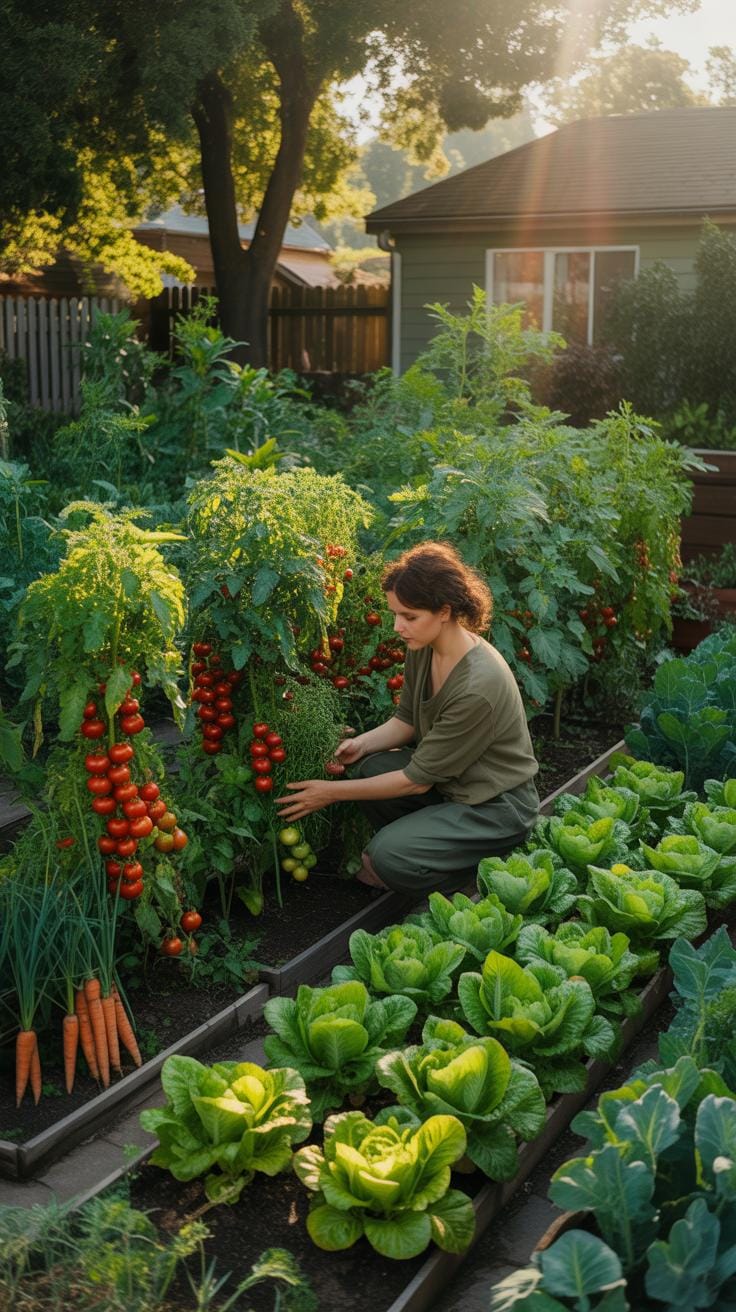
Operational security for your Veggie Garden begins with noise control. Gas engines signal your presence and activity to everyone nearby. Professional Vegetable Garden Design relies on manual tools or modern battery equipment to stay silent. Buy high quality hand pruners and manual push mowers. These tools allow you to work inches from a fence line without alerting neighbors. Silence is your best defense when managing a Kitchen Garden.
Tactical vegetable garden planning requires choosing tools that do not vibrate or whine. Electric shears and lithium ion trimmers produce minimal decibels compared to two stroke engines. Use rubber mallets instead of metal hammers for fixing a Vegetable Pergola or trellis. Keep all metal moving parts well greased to prevent squeaking. Constant maintenance with silent tools ensures your Home Vegetable Garden remains a private asset rather than a public spectacle.
Best Times For Stealth Maintenance
Timing is the most critical element of stealth Veg Garden management. You must synchronize your activities with local ambient noise levels or common social patterns. Working during light rain or shortly after dawn masks your movements naturally. Most people remain indoors during these windows. An Elegant Vegetable Garden stays hidden when you avoid peak outdoor hours. Use these specific time slots to execute high impact chores without detection.
- Early Morning Twilight: Execute heavy harvesting or soil turning before the sun fully rises. This period offers the lowest street traffic and neighbor activity. Dark clothing helps you blend into the shadows of your Garden Layout while you work quickly.
- Midweek Working Hours: Perform routine tasks like weeding or staking when neighbors are at their offices. Tuesday and Wednesday mornings are optimal for loud movements. Use this window to move heavy bags of mulch or install structural components for your Vegetable Pergola.
- Light Rain Intervals: Rain provides perfect acoustic cover for digging or moving pots. Neighbors stay inside to avoid getting wet. This is the best time for transplanting and watering since the weather hides your hose usage and tool clatter effectively.
- Dusk Transitions: Utilize the fading light to check for pests or adjust irrigation systems. As visibility drops, your profile against the fence line disappears. Keep your movements low and avoid using bright flashlights that could draw curious eyes toward your crops.
- Mower Masking: Time your most visible garden work to coincide with when a neighbor is mowing their own lawn. Use their engine noise to shroud your activities. This allows you to use power tools or move heavy equipment without being the source of noise.
Strategic visibility prevents unwanted questions about your Vegetable Garden Planning. Carry a standard watering can instead of a house to look like you are tending to flowers. Keep your movements deliberate and avoid erratic patterns that draw the eye. Maintaining a hidden Garden Layout is about blending into the existing landscape. Execute your chores quickly and disappear before the neighborhood becomes active.
The Benefits Of A Private Veggie Garden Space
Reduced Distractions And Stress
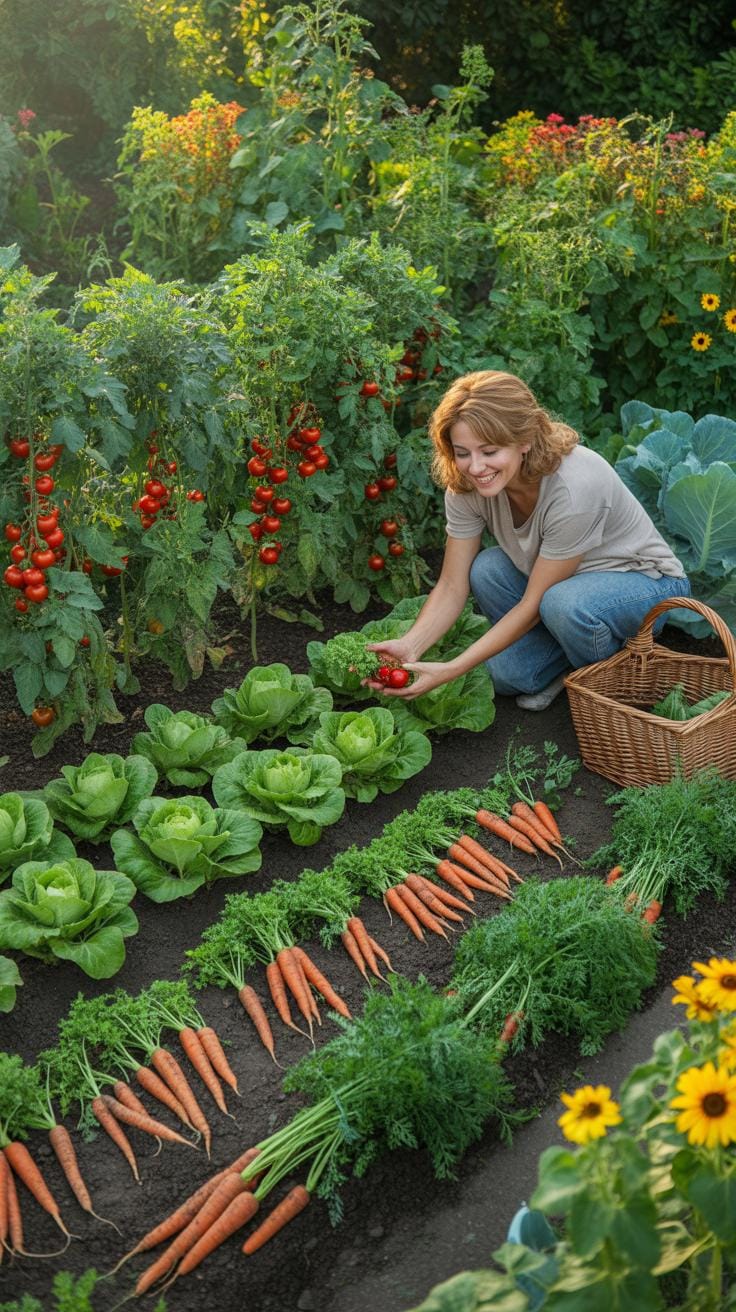
A private Veg Garden serves as a primary tool for mental recovery. Removing the gaze of neighbors eliminates social pressure and performance anxiety. You focus strictly on the task of cultivation and maintenance. This isolation converts the space into a functional retreat. Proper Vegetable Garden Planning ensures the area blocks outside noise and visual clutter. A secluded environment allows for deep work and total concentration on plant health.
An Elegant Vegetable Garden design focuses on sensory control. Privacy allows you to engage with the natural environment without interruption. You manage your Kitchen Garden on your own timeline without unwanted advice or observation. Strategic Garden Layout choices like tall hedgerows or fencing create a psychological barrier against external stressors. This boundary protects your time and energy. A hidden Veggie Garden provides a predictable and controlled space for daily decompression and quiet reflection.
Security And Harvest Protection
A hidden Home Vegetable Garden minimizes the risk of human interference. Theft of high value produce is a real threat in visible urban spaces. Keeping your Vegetable Garden Design out of sight prevents opportunistic scavenging from pedestrians or neighbors. You control who enters and who knows about your food supply. Security through obscurity remains the most effective deterrent. A private space ensures your hard work results in Your own harvest.
Physical barriers in an Elegant Vegetable Garden also deter local wildlife and domestic pests. A Vegetable Pergola wrapped in dense vines hides ripening fruit from birds and climbing animals. Strategic Vegetable Garden Planning uses physical layers to obscure the scent and sight of crops. This approach reduces the need for aggressive chemical deterrents. You maintain a productive Veggie Garden by creating a fortress that looks like standard landscaping. Privacy protects your investment from both people and animals.
Frequently Asked Questions

What is a hidden veggie garden and why should I plant one?
A hidden veggie garden is a clever landscaping strategy where edible plants are disguised within traditional ornamental beds. Many homeowners choose this approach to comply with strict HOA rules or to maintain privacy from curious neighbors. By blending leafy greens and colorful peppers among decorative flowers and shrubs, you can enjoy a bountiful harvest without sacrificing your backyard’s aesthetic appeal or drawing unwanted attention to your food sources.
How can I strategically use camouflage to keep my garden private?
To successfully conceal your crops, use the “edible landscaping” technique by mixing textures and heights. Plant tall sunflowers or trellised jasmine to create a natural screen that masks your prize tomatoes. Incorporating a hidden veggie garden into existing flower borders helps break up the distinct rows typically found in vegetable patches. Choose varieties with purple or variegated foliage, like kale or Swiss chard, which blend seamlessly with popular ornamental garden perennials.
Are there low-cost ways to hide my vegetable patch on a budget?
Absolutely! You don’t need expensive fencing to achieve privacy. Repurposing old wooden pallets into vertical planters or using inexpensive lattice panels covered in fast-growing vines are great ways to shield your plants. Creating a hidden veggie garden can be as simple as grouping containers of herbs among your existing patio pots. These affordable DIY solutions provide excellent coverage while keeping your growing space discreet and organized without breaking the bank.