What Makes A Wedding Venue A True Hidden Gem
Defining Unique Wedding Venues Beyond The Traditional Ballroom
Standard ballrooms use flat lighting and acoustic tiles to manage large crowds. These spaces serve a purpose but lack architectural character. A hidden gem offers structural intent that dictates the mood. Look for industrial warehouses with original steel trusses or repurposed libraries with floor-to-ceiling shelving. These venues utilize existing materials like exposed brick or reclaimed timber to create a visual foundation without requiring heavy decor.
Identifying a unique venue requires looking at non-commercial zoning. Seek out conservation easements or private estates that operate under limited event permits. These sites often feature landscape architecture designed for private use rather than high-volume traffic. This exclusivity ensures the layout remains authentic to its original purpose. Avoid properties that rely on generic carpet and drywall. Focus on buildings that showcase historical craftsmanship and site-specific geometric design.
The Qualities That Separate Remarkable Ceremony Locations From The Ordinary
Quality ceremony locations prioritize natural light and sightlines over square footage. A remarkable venue uses the existing environment to frame the event. This might include a stone courtyard with symmetrical archways or a glasshouse that utilizes passive solar design. These structures provide a built-in aesthetic that temporary setups cannot replicate. Successful spaces integrate the surrounding topography into the floor plan to create a seamless transition between indoor and outdoor areas.
Functional design separates great venues from average ones. Check for acoustic resonance in stone halls or the way shadows fall during peak daylight hours. Breathtaking locations often feature Neoclassical or Gothic Revival elements that provide height and scale. These architectural details eliminate the need for artificial backdrops. Prioritize venues with historical integrity and durable materials like marble, slate, or oak. Authentic textures provide a sensory experience that feels grounded and permanent.
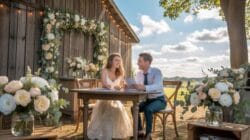
How To Start Your Search For Hidden Gem Wedding Venues Near You
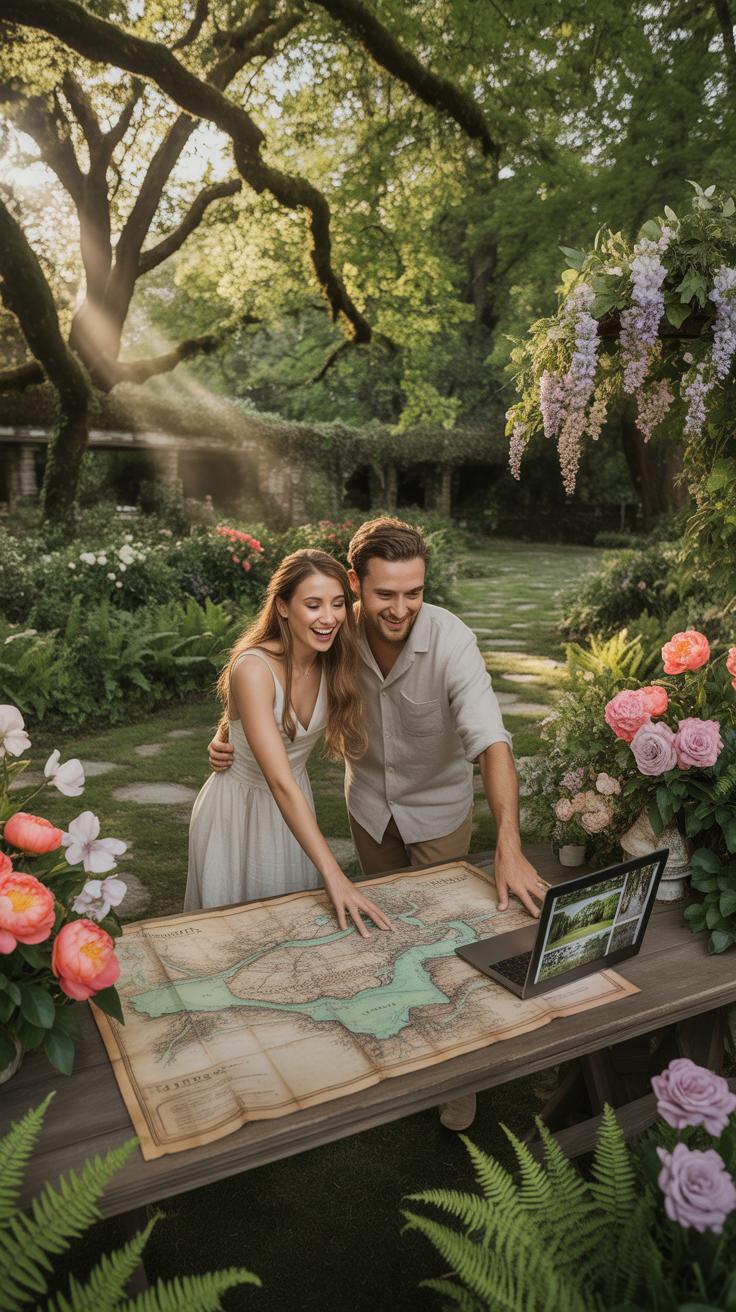
Using Local Resources, Wedding Directories, And Social Media To Uncover Overlooked Venues
Standard wedding directories favor businesses with large marketing budgets. You must look past paid advertisements to find authentic hidden gem wedding venues. Use specific search terms like glasshouse or industrial warehouse rather than broad venue queries. Search local government registries for historical landmarks or municipal buildings. These sites often lack a social media presence but offer distinct architectural features for a ceremony location.
Social media requires a strategic approach to bypass curated trends. Monitor location tags at lesser known public parks or botanical gardens. Check the portfolios of local photographers who specialize in adventurous elopements. These professionals often document private estates or unconventional spaces that do not appear on major booking platforms. Track specific hashtags related to architectural restoration or local land trusts to find unique sites.
Top Tips For Researching Off The Beaten Path Ceremony Locations In Your Area
Finding a fantasy wedding venue requires investigating properties not primarily marketed for events. Traditional search engines prioritize established commercial businesses. You need to identify land with significant historical or geographical value. Focus on sites with permanent structural integrity like stone foundations or ironwork. Research zoning laws to ensure a private property can legally host a gathering. Use satellite imagery to scout terrain.
- Public Land Records: Consult municipal tax maps to identify owners of derelict estates or large wooded parcels. These records reveal the boundaries of historical properties that may accept private bookings. Contacting owners directly bypasses the competitive commercial market.
- Architectural Archives: Review local historical society records for mentions of mid-century glasshouses or Victorian conservatories. These structures provide the aesthetic of a fantasy wedding ceremony without the cost of a modern custom build. Many remain underutilized by the general public.
- Specialty Film Locations: Search databases used by film scouts to find unique backdrops. These properties are vetted for logistical access but rarely appear in wedding magazines. They offer the high visual impact necessary for an elevated ceremony location.
- Agricultural Extensions: Contact local land grant universities to locate research forests or experimental orchards. These sites offer vast natural landscapes and unique flora. They provide a controlled environment that maintains a secluded and natural aesthetic for guests.
- Industrial Zoning Maps: Identify decommissioned factories or power plants through city planning departments. These sites often feature raw materials like exposed brick and steel. They serve as a blank canvas for those seeking a sharp and modern industrial atmosphere.

Verify site accessibility before committing to a remote location. Check for utility hookups like water and electricity early in the process. Off the beaten path sites often lack standard event infrastructure. You must calculate the cost of bringing in portable restrooms and generators. Ensure the ground is stable for heavy equipment or high heels. Detailed logistics determine if a hidden site is actually functional for a wedding.
Breathtaking Wedding Settings Found In Unexpected Places
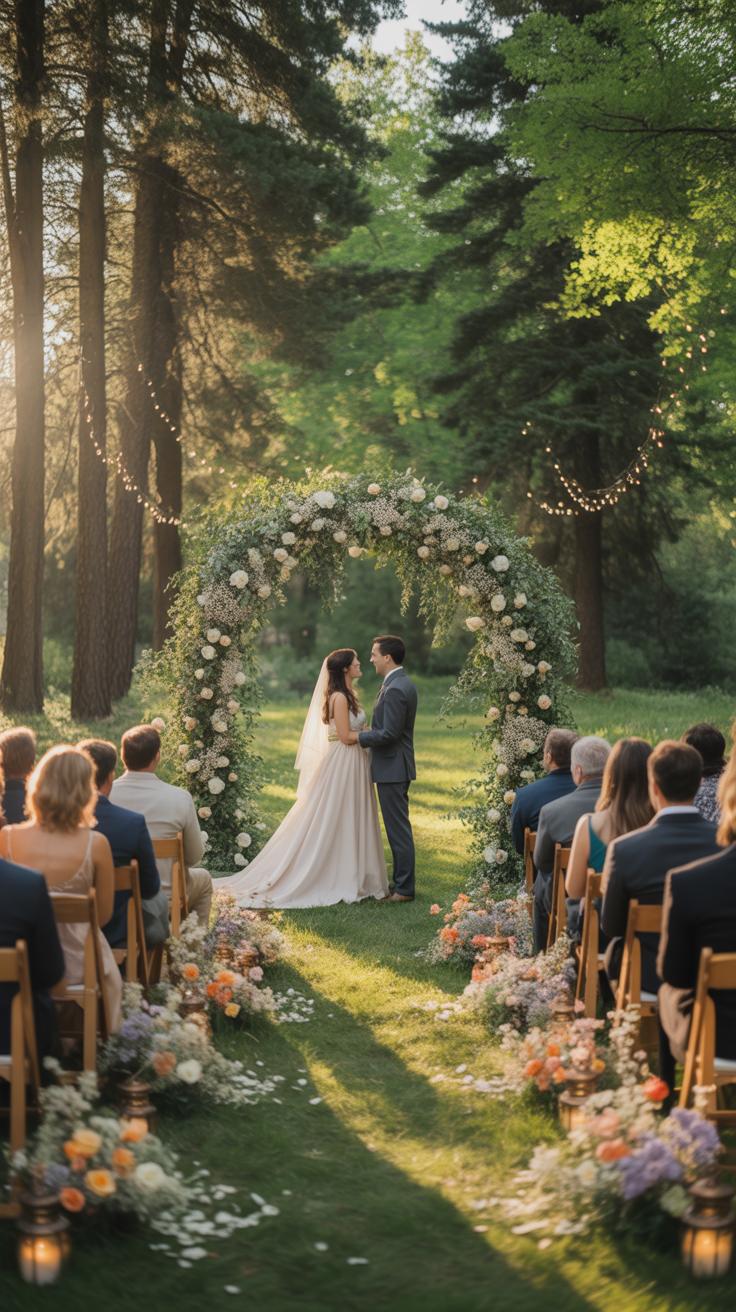
From Rooftops To Riverbends: Where Breathtaking Weddings Happen Outside Traditional Venues
Traditional event halls often lack character and architectural depth. You find better value in adaptive reuse projects and public land. Industrial rooftops provide a raw aesthetic with built in city views. These sites require less decor funding because the skyline acts as a permanent backdrop. Look for decommissioned warehouses or old textile mills. These structures offer high ceilings and open floor plans for creative layouts.
Public riverfronts and state parks offer expansive square footage at lower permit costs. These locations allow for larger guest counts without the per-head fees of hotels. Focus on sites with natural drainage and established pathways to ensure accessibility. You must verify local zoning laws for noise and alcohol before signing any permits. Tactical planning here saves thousands on site fees. Use the saved budget for custom lighting and flooring.
How Natural Landscapes And Urban Spaces Create Breathtaking Wedding Backdrops
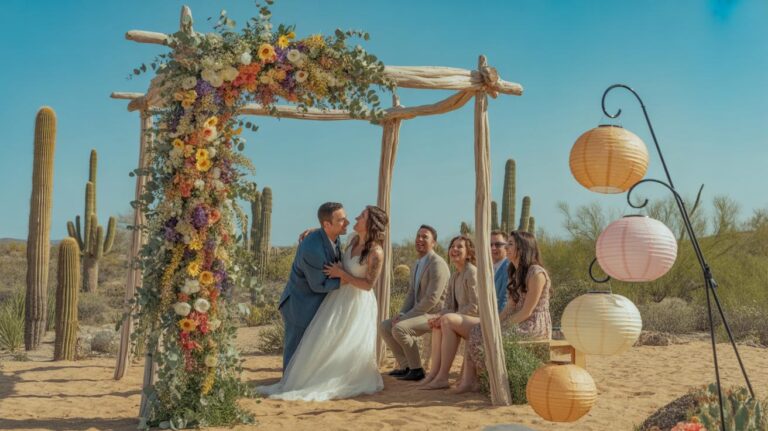
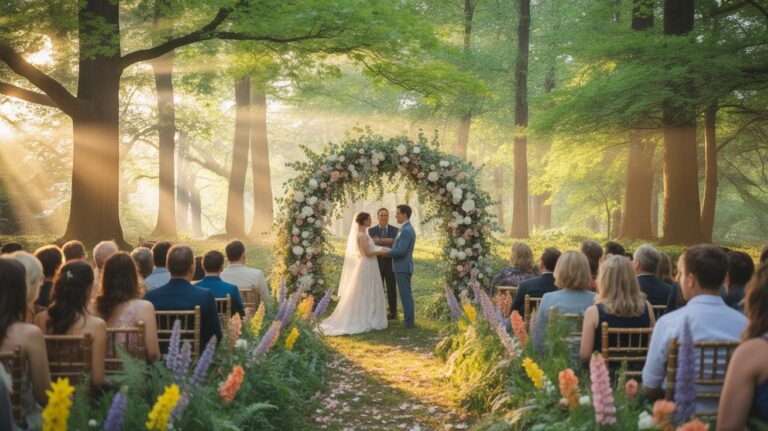
Natural landscapes offer organic textures that artificial venues cannot replicate. Deep forests provide natural acoustic dampening and diffuse light for better photography. High desert plains offer sharp lines and neutral color palettes that suit modern design. These settings define the visual tone without expensive floral installations. You should select sites with diverse topographical features like rock formations or cliffs. This creates built in visual interest for guests.

Urban environments rely on hard materials like steel, glass, and concrete. Brutalist architecture offers a bold look for minimalist events. Use glasshouses or modern atriums to blend indoor comfort with outdoor visual scale. These spaces utilize geometric shapes to frame the ceremony. This eliminates the need for complex stage builds. Focus on the raw materials of the space to guide your color choices. Stick to metal accents and monochromatic palettes for impact.
Glasshouse Wedding Venues Light Filled Spaces With Timeless Elegance
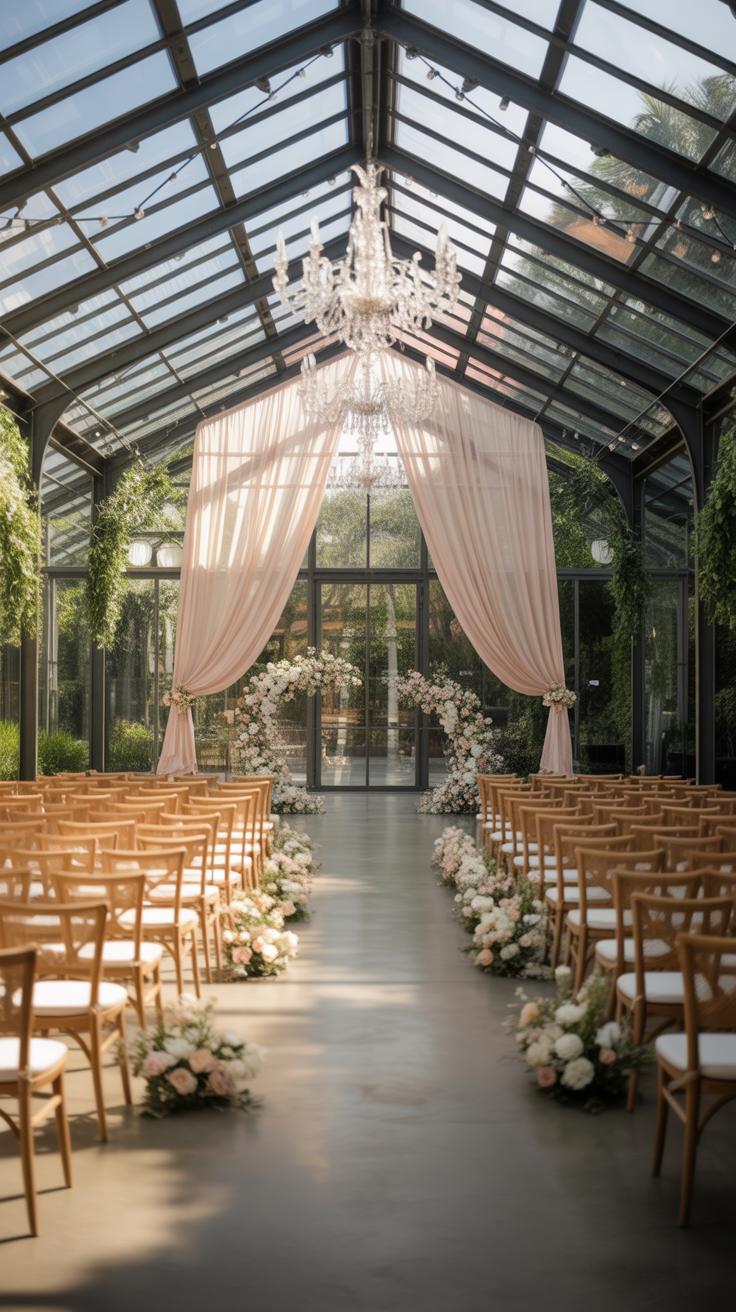
What To Expect From A Glasshouse Wedding Venue And Why Couples Love Them
Glasshouse venues offer a controlled climate while maintaining a direct visual connection to the outdoors. These structures evolved from 19th-century orangeries and conservatories built for exotic plants. They feature iron or steel frames with large glass panes. Couples choose them because they provide natural light regardless of the weather. You get the aesthetic of an outdoor ceremony without the risk of rain or wind ruining the event.
Modern glasshouses use tempered glass and specialized HVAC systems to manage heat. Older historic structures may lack climate control and can get very hot in direct sun. These spaces work well for minimalist designs because the structure itself is the main decor. The transparent walls transition from bright daylight to dark evening views. This versatility allows for a seamless flow from the ceremony to the reception in one single location.
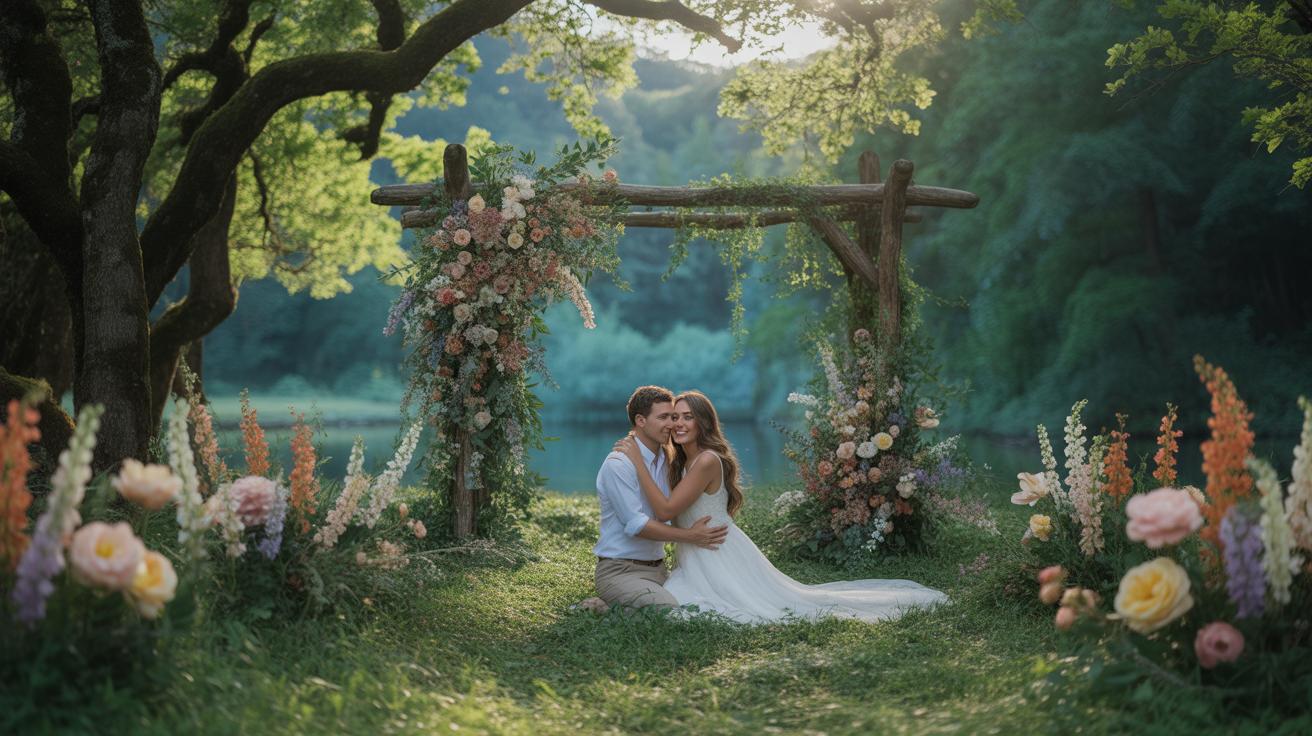
The best places are always the ones that haven’t been discovered yet, where the stories are waiting to be told. Somewhere off the beaten track, there is a place that feels like it was made just for you.
How To Find A Glasshouse Wedding Venue Near You That Fits Your Vision And Budget
Start your search by identifying local botanical gardens and public parks. Many of these sites maintain historic conservatories that they rent for private events. Industrial areas also contain converted warehouses with sawtooth glass roofs or large skylights. These options often cost less than dedicated wedding venues. Check local university campuses for research greenhouses. They frequently have spaces available during summer breaks or weekend sessions when students are away.

Budget for extra costs when booking a glasshouse. Focus on lighting and temperature management. These venues often require specialized catering setups because they lack full indoor kitchens. Look for venues with built-in shade systems or tinted glass to reduce glare during the afternoon. Ask about floor load limits if you plan to bring in heavy decor or stages. Inspect the glass for hard water stains or cracks before signing a contract to ensure quality.
Castle Wedding Ideas Turning Your Fantasy Wedding Venue Into Reality
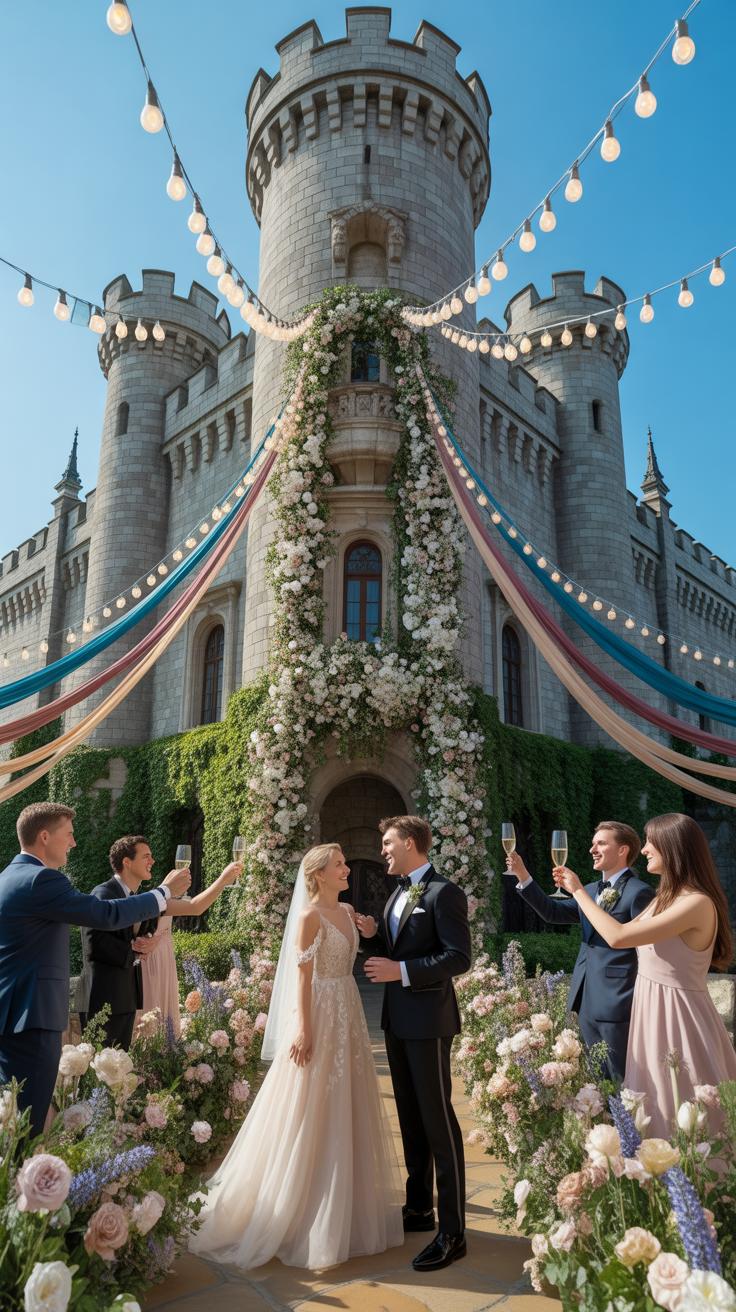
Exploring Castle Wedding Ideas For Couples Who Dream Of A Fairytale Setting
Castles offer architectural styles ranging from Norman keeps to French Renaissance chateaux. Each era dictates the ceremony layout and decor options. Stone walls and high ceilings provide natural acoustics for your music. These structures often feature grand halls or inner courtyards. You must evaluate the floor plan to ensure modern guest comfort within these historic shells. Defensive features create unique photography backdrops.
Select a location that matches your specific vision. Gothic Revival sites offer pointed arches and dramatic shadows. Medieval fortresses provide a rugged and minimalist aesthetic. Focus on the structural integrity and lighting needs of the space. Older buildings often lack sufficient electrical outlets for modern sound systems. Plan for supplemental lighting to highlight the masonry. Use the existing scale to reduce your floral budget.
Practical Steps For Booking A Castle As Your Fantasy Wedding Venue
Booking a castle requires strict logistical planning. You must verify local heritage laws that limit modifications to the site. Many castles operate as museums during the day. This restricts your setup time and guest access hours. Check the load-bearing capacity of floors if you plan on heavy dance equipment. Secure a site manager who understands the specific quirks of old masonry and plumbing.
- Access Audits: Review the entry points for guests with limited mobility. Many historic towers rely on narrow spiral stairs. You need to confirm the availability of modern elevators or ground floor alternatives. Lack of access complicates guest movement and vendor deliveries to the reception area.
- Power Assessment: Calculate the total wattage for your lighting and catering needs. Historic electrical grids often fail under the load of high-end production. You might need to rent a silent generator to avoid blowing fuses during the event. This prevents dark rooms or silent speakers during the reception.
- Climate Control: Investigate the heating and cooling capabilities of the stone structure. Thick walls retain heat in summer and cold in winter. You must budget for portable heaters or fans depending on the season. Comfort is vital for guest retention during the long ceremony and dinner hours.
- Permit Verification: Secure all necessary noise and alcohol permits from the local municipality. Castles are often in protected rural areas or quiet residential zones. Breaking local ordinances can lead to early shutdowns or heavy fines. Always ask the venue manager about current restrictions on amplified music and late hours.
- Vendor Experience: Hire vendors who have worked in historic stone buildings before. These environments present challenges for wireless signals and audio clarity. Experienced teams know how to navigate the acoustics and logistical hurdles of thick walls. This ensures your ceremony audio reaches every guest sitting in the back rows.
Confirm the exclusivity of the rental before signing any contract. Some estates host multiple events or stay open to the public during your wedding. Negotiate the exact hours for your breakdown and load out to avoid surcharges. Ensure the venue insurance covers accidental damage to historic artifacts. Clear communication regarding these technical details prevents expensive surprises on the wedding day. Stick to the budget by prioritizing structural needs.
Europe Wedding Venues Hidden Gems Across The Continent
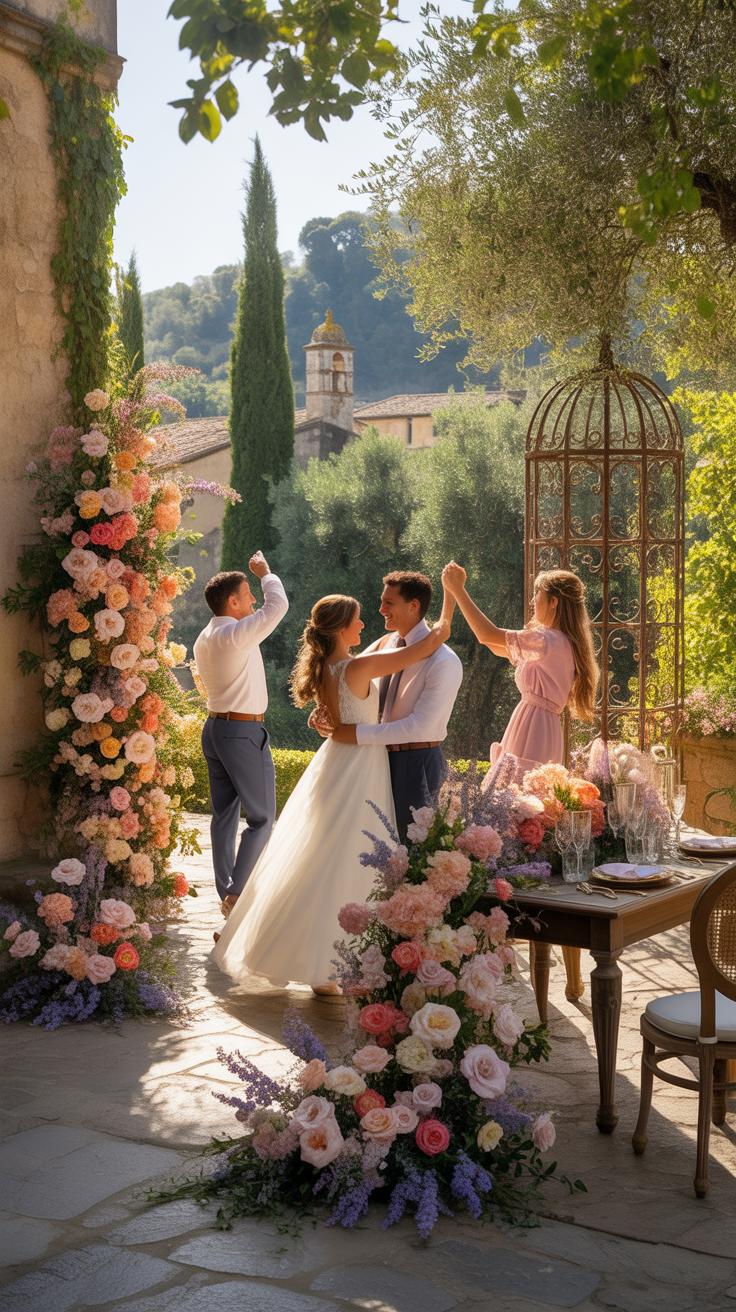
Lesser Known Europe Wedding Destinations That Rival The Most Famous Locations
Smart planners avoid common tourist hubs like Lake Como or the Amalfi Coast. These areas carry high markups and strict local noise laws. Instead, look toward the Alentejo region in Portugal. This area offers vast cork forests and minimalist architectural estates. Most venues here function as working farms. They provide high quality local food and wine at a fraction of the cost found in Tuscany.
Another tactical option is the Istrian Peninsula in Croatia. This region contains hilltop towns and stone villas that mirror Italian aesthetics. The infrastructure is modern but prices remain competitive compared to Western Europe. You get the same Adriatic coastline and Roman ruins without the heavy foot traffic. Focus on inland central Istria for privacy. These sites offer a rural atmosphere while staying close to international airports.
How To Plan A Destination Europe Wedding At A Hidden Gem Location Without The Stress
Reduce logistical friction by hiring a local fixer instead of a general planner. You need someone who speaks the language and understands regional tax laws. Every country has different requirements for civil ceremonies. In France and Spain, official ceremonies often happen at the town hall. Most hidden gems are best for symbolic ceremonies. This approach simplifies the legal paperwork and reduces your overall administrative burden.
Logistics dictate the guest experience in remote areas. Always book a block of rooms at the nearest hub before announcing the venue. Use private shuttle services to move guests from the airport to the rural site. Check the electrical capacity of old villas before booking a band. Historic stone buildings often have outdated wiring. Secure these technical details early to prevent outages. Clear communication about transport ensures your guests remain focused on the event.
Crafting A Fantasy Wedding Ceremony At A Non Traditional Venue
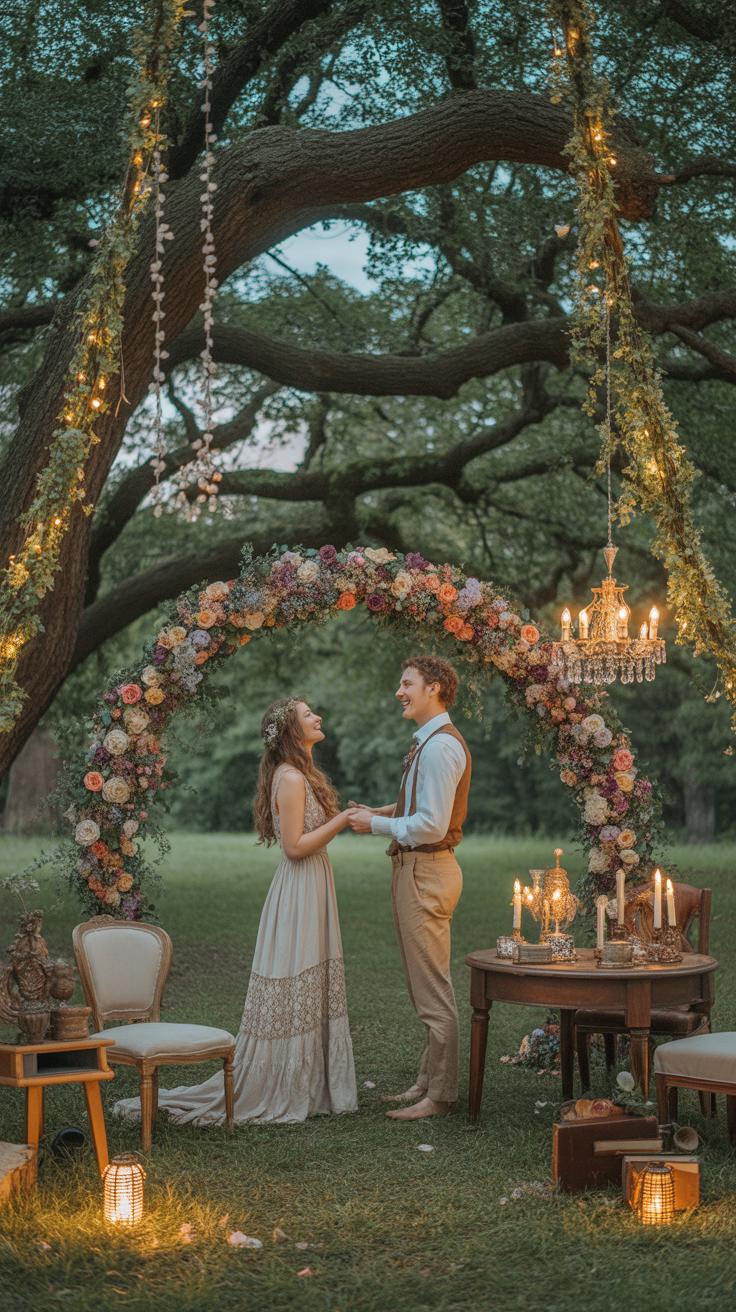
Design Elements That Transform Any Space Into A Fantasy Wedding Ceremony
Fantasy design relies on scale and contrast. Use oversized focal points to alter the perception of a room. Large installations like hanging fabric or stone structures ground the space. Seek items with high texture such as raw wood or wrought iron. These materials evoke historical eras like the Gothic or Renaissance periods. Avoid plastic components that look modern. Stick to heavy, authentic materials.
Layout dictates the movement of guests and the focus of the event. Use curved seating to break away from standard straight lines. This mimics natural landscape patterns seen in forest settings. Position the altar against existing architectural features like ancient archways or old stone walls. This integrates the ceremony into the environment. Authentic surroundings require less decoration because the building provides the primary visual weight.
How Lighting Florals And Architecture Work Together To Complete A Fantasy Ceremony
Lighting sets the mood through color and shadow. Use warm light sources like wax candles or oil lamps to create an old world look. Avoid harsh overhead lights that reveal modern infrastructure. Focus beams on specific architectural details like vaulted ceilings or carved pillars. This creates depth and hides less desirable parts of the venue. Shadows add a sense of mystery essential for a fantasy theme.

Florals bridge the gap between structure and atmosphere. Use thick greenery to soften hard stone edges. Choose plants that look like they grew naturally in the space. Vines and moss work well for this effect. Architecture provides the bones of the design. High ceilings and narrow windows offer a cathedral feel. When these three elements align, the space becomes immersive. The venue stops looking like a room and feels like a new world.
Questions To Ask Before Booking A Hidden Gem Wedding Venue
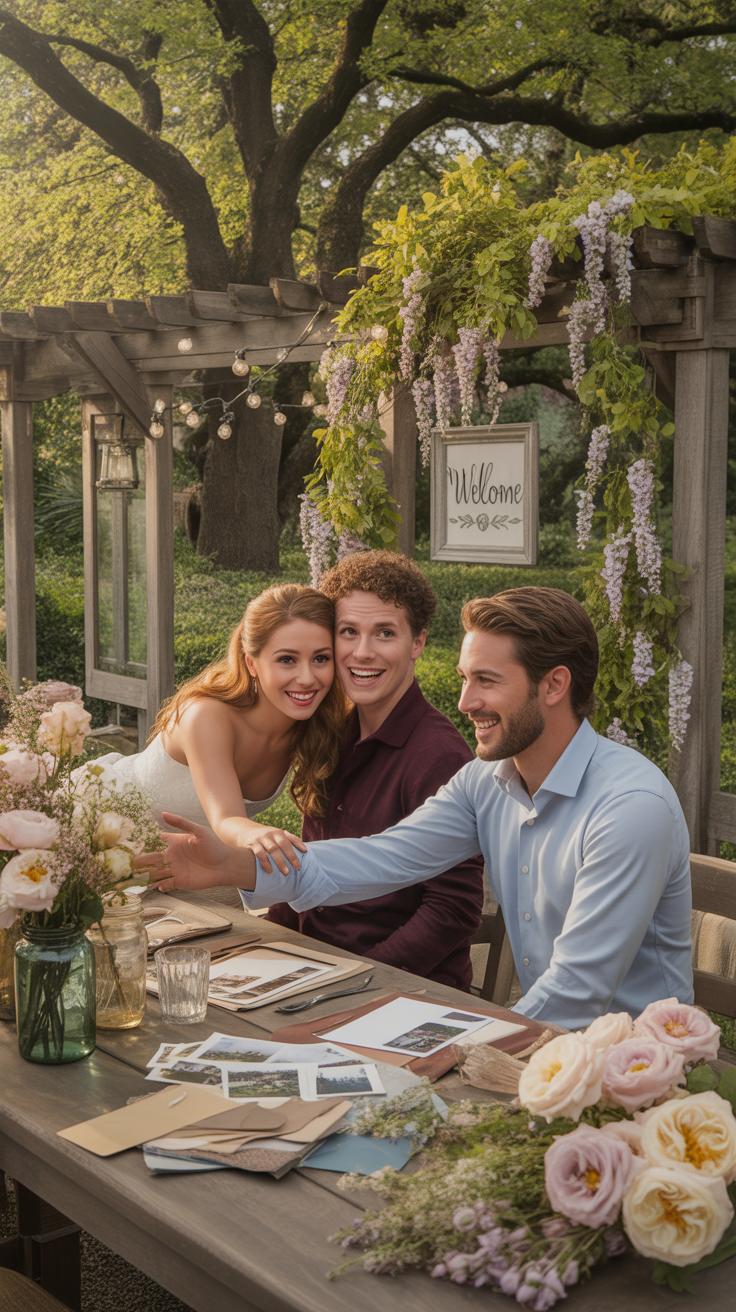
Venue Logistics, Permits, And Capacity: What Every Couple Must Confirm Upfront
Verify the legal capacity of the structure immediately. Many historic castles or glasshouse venues have strict fire codes that override your guest count. Ask about noise ordinances and finish times if the site sits near residential areas. Confirm if the venue holds a permanent liquor license or if you must apply for a temporary event permit. These legal details dictate your entire planning timeline and budget.
Check the structural integrity and power supply of the site. Old buildings often lack the electrical load required for modern catering or lighting rigs. Ask if the venue provides a backup generator for outdoor ceremonies. Ensure the load in and load out access fits large equipment trucks. Private properties often have narrow gates or dirt roads that block standard vendors. Validate these logistics to avoid hidden costs later.
How To Evaluate Whether A Unique Venue Can Deliver The Wedding Experience You Envision
Analyze the physical layout against your flow of events. A fantasy wedding ceremony location often looks great but fails on guest comfort. Check for climate control in glasshouses or stone towers. These spaces trap heat or hold damp cold regardless of the weather outside. Inspect the restroom facilities for both quantity and quality. You may need to rent high end portable trailers if the plumbing is original.
Assess the vendor restrictions strictly. Some hidden gem wedding venues require you to use their specific catering or decor partners. This limits your creative control and pricing options. Inquire about the installation rules for heavy decor or floor mounts. Historic sites often forbid tape, nails, or heavy weights to protect the original materials. Know these limits before you sign a contract for a specific design vision.
How To Secure Your Ideal Hidden Gem Wedding Venue Before Someone Else Does
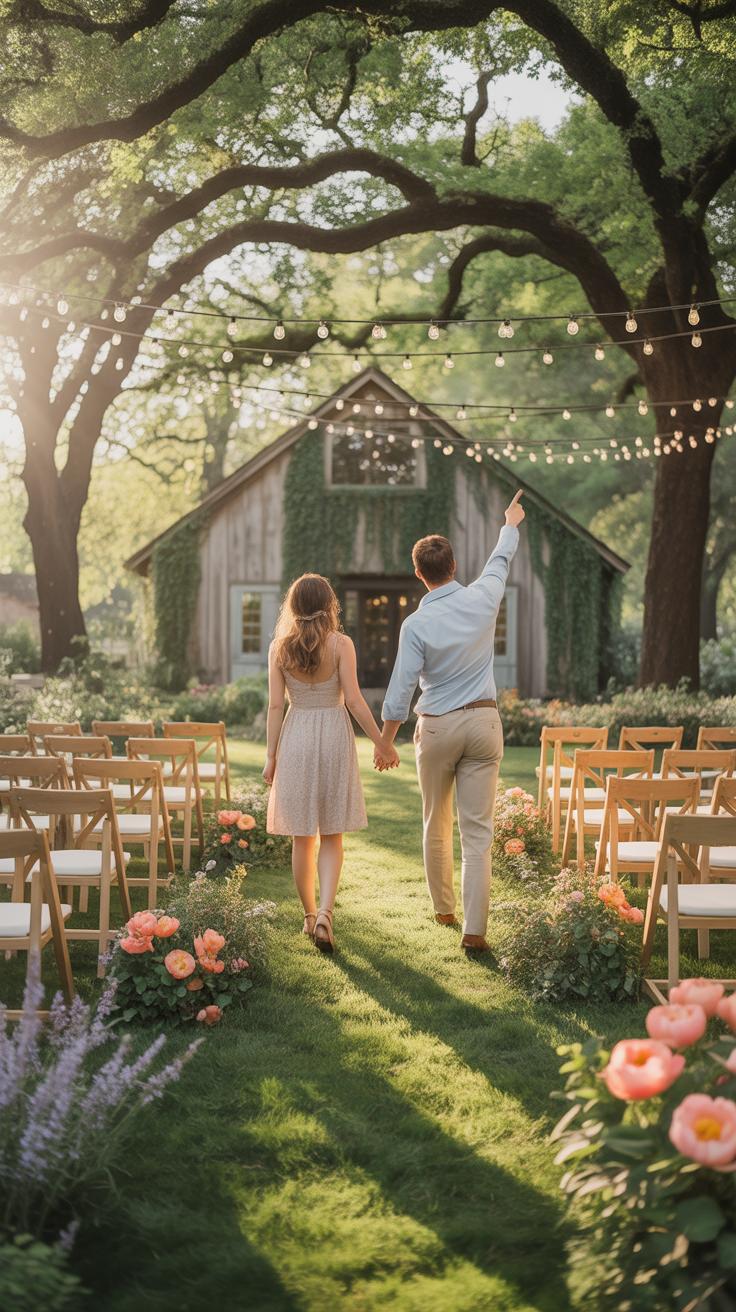
Why Unique Wedding Venues Book Faster Than You Think And How To Stay Ahead
Demand for non-traditional sites far outpaces supply. Glasshouses and historic ruins have strict capacity limits and few available dates. These locations often operate as museums or private estates first and event spaces second. They do not follow the standard high-volume business model of hotel ballrooms. You compete with film crews and corporate retreats for the same calendar blocks. Speed is your only advantage.
To win a rare date, move immediately after your first site visit. Bring a digital copy of your checkbook and a list of non-negotiable guest counts. Verify the power limits and load-in rules on the spot. If the venue fits your primary logistics, sign the contract. Waiting even twenty-four hours allows a faster couple to take your spot. Firm decisions prevent losing the site.
Building A Strong Relationship With Your Venue Coordinator To Bring Your Vision To Life
Venue coordinators at historic sites protect the architecture first. You must show them you respect the physical limitations of the building. Stone floors from the Gothic era or fragile leaded glass require specific load-in techniques. Prove you understand these rules early. When the coordinator trusts your professionalism, they offer more flexibility. They might allow access to restricted rooms for your photos.
Communicate your plans with technical drawings rather than mood boards. Real maps of your layout show you won’t block fire exits or damage old walls. This direct approach solves problems before they start. It makes the coordinator your ally instead of a gatekeeper. Ask for their list of approved vendors who know the space. This ensures your team treats the site with the necessary care.
Frequently Asked Questions

What exactly defines hidden gem wedding venues compared to traditional sites?
Hidden gem wedding venues are unconventional or lesser-known locations that offer a unique character often missing from commercial banquet halls. These spots might include private estates, historic libraries, or secluded gardens that do not advertise heavily. Unlike mainstream venues, they provide an intimate and personalized atmosphere, allowing couples to host a ceremony that feels exclusively theirs while discovering a beautiful space that most guests have never visited before.
How can I effectively search for these underrated locations in my local area?
To find hidden gem wedding venues, look beyond standard bridal directories. Start by searching social media geotags for local parks, art galleries, and boutique bistros. Use Google Maps to explore interesting architecture or large green spaces that might host private events. Additionally, asking local photographers for their favorite “off the beaten path” spots is a brilliant strategy, as they often know which tucked-away locations offer the most stunning, unique backdrops.
Are these types of non-traditional venues more affordable for couples on a budget?
Generally, non-traditional spaces can be significantly more affordable because they are not specifically branded as wedding factories. Many hidden gem wedding venues, like community centers or public botanical gardens, offer lower rental fees. However, keep in mind that you may need to rent your own tables, chairs, and catering equipment. When managed carefully, these venues provide incredible value and a high-end aesthetic without the premium price tag of a luxury hotel.