
Introduction
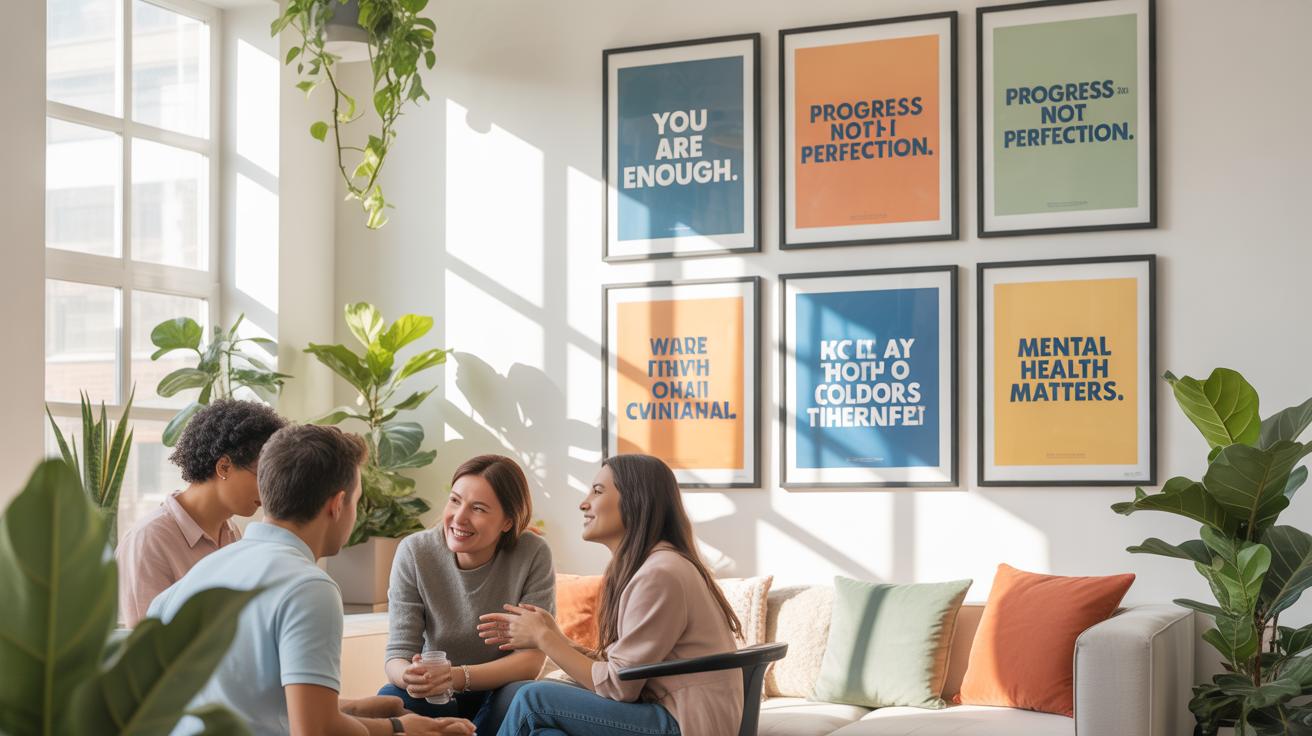
Mental health is about how you think, feel, and act. It helps you handle stress and enjoy life. One simple way to support good mental health is through stylish mental health posters. These posters can offer positive messages and calming images that lift your mood.
This article shows you the benefits of using mental health posters. You’ll learn how they affect your feelings and tips on picking posters that add real value. Read on to see how adding some art to your space can help your mind stay strong and calm.
Mental Health Basics Explained

Good mental health means feeling okay with how you think, feel, and get along with others. It’s about keeping your emotions steady and your mind clear, so you can manage stress without getting overwhelmed. It also helps you make choices that feel right and connect well with those around you. You might not notice it all the time, but good mental health quietly supports you in many ways.

Imagine you’re facing a tricky decision or a tough day. When your mental health is strong, you might find it easier to stay calm and think things through. But if emotions get tangled up, decisions can feel confusing or even scary. It’s okay to have ups and downs. Good mental health doesn’t mean being happy all the time—it’s a balance that lets you bounce back after hard moments.
It’s sort of like how your body needs rest and care to work well—your mind does too. Simple things like talking to friends, taking breaks, or sharing feelings can help. Sometimes, you might feel off, and that’s okay. Not every day will be perfect, but understanding what good mental health means is a start to keeping it steady—and that makes a real difference in how you face the world.
Why Mental Health Matters Every Day
Mental health affects every part of your day. It shapes how you feel inside, what you think about yourself and others, and the way you act. When your mental health is good, you might notice you’re less worried and more able to enjoy things. For example, you can focus better in school or stay calm when something doesn’t go your way.
Even small things, like getting out of bed or saying hello, are linked to mental health. When things get tough, good mental health can help you handle stress without feeling too stressed out. It’s like having an inner strength that’s sometimes quiet but always important, especially on difficult days.
Though everyone feels upset or angry sometimes, good mental health helps you not get stuck there. It gives you a kind of peace and energy to keep going, even when life is tricky. Maybe you’ve felt calmer after listening to music or drawing something—that’s your mental health at work, helping you stay centered.
Signs Of Good And Poor Mental Health

How can you tell if your mental health is good or if it needs some care? Here are some simple signs:
- Signs of good mental health: feeling happy or calm, being able to talk about your feelings, enjoying things you like, and getting along with others.
- Signs of poor mental health: feeling very sad or lonely for a long time, having trouble sleeping, feeling angry a lot, or not wanting to do things you used to enjoy.
It’s okay if you notice signs of poor mental health sometimes. Everyone does. The important thing is what you do next. Talking to someone you trust, like a friend, family member, or teacher, can help a lot. Remember, mental health isn’t fixed—it can change, improve, or get harder. Paying attention to these signs can guide you to take small steps toward feeling better.
How Posters Affect Your Mind

Posters can subtly shift the way you feel, often without you noticing right away. When you see a mental health poster, its words and images become a quiet companion in the background of your mind. Sometimes, a simple phrase might give you a glimmer of hope or ease a moment of tension. The impact isn’t dramatic but accumulates over time — a gentle nudge toward a calmer or more positive state.
Consider how visual cues influence mood daily: a cheerful image or encouraging words can create small moments of relief. For example, posters featuring statements like “You are not alone” or “This too shall pass” often resonate deeply. They remind you of shared experience and resilience, which can lessen feelings of isolation.
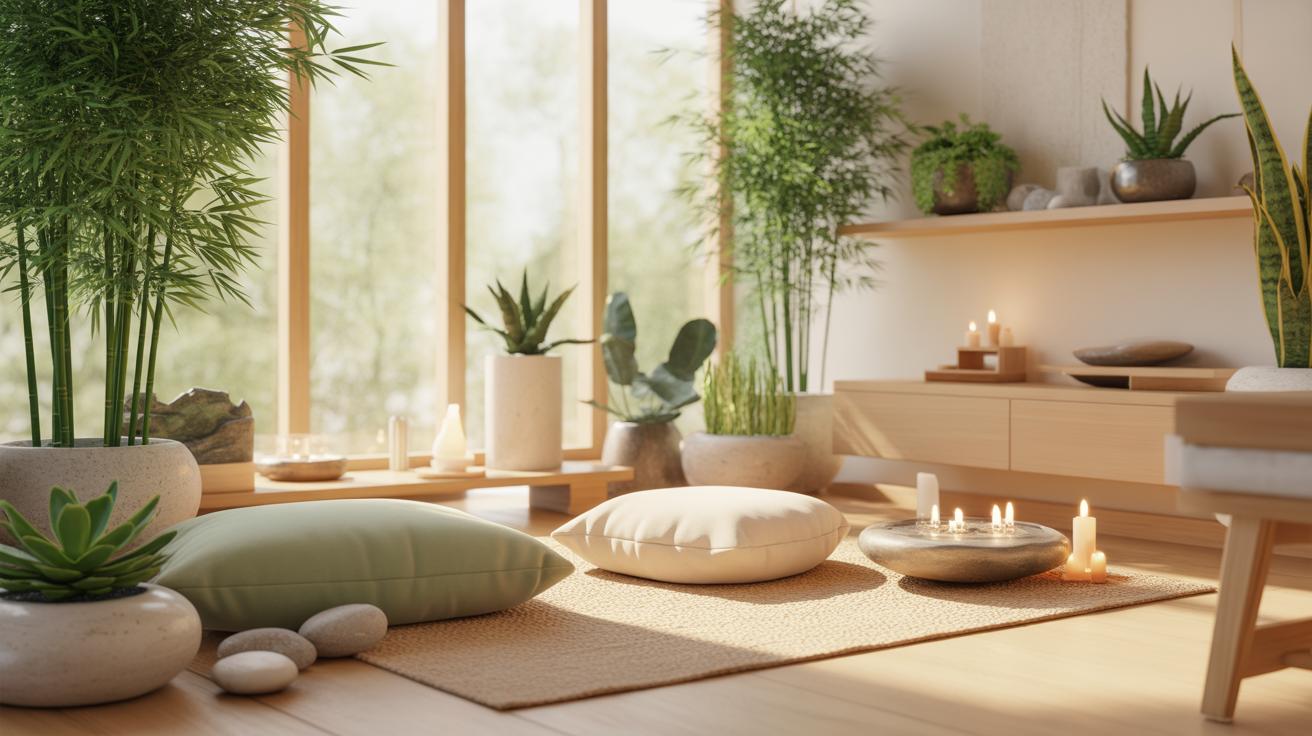
Visuals play a critical role too. Scenes of nature or calm environments can reduce stress by invoking a sense of peace. People often feel less overwhelmed when looking at soft paintings or photos of nature. It partly explains why certain colors are chosen carefully to evoke tranquility.
The effect isn’t uniform for everyone, though. Some might find particular images distracting or even unsettling, while others feel comforted. It’s a reminder that the mind is complex — what calms one person may not work the same way for another. Still, the presence of well-designed, positive posters can offer moments of mental reprieve, even if small and fleeting.
Pick Posters That Support Wellness

Choosing the right mental health posters means thinking about what really matters to you. It’s not just about picking something pretty or trendy. Instead, look for words, themes, and images that resonate with your personal journey or challenges. For instance, if you often struggle with feeling overwhelmed, posters with calming themes or gentle reminders about self-care might be more helpful. On the other hand, if motivation is your focus, upbeat and energizing words can keep you going.
Consider imagery too. Nature scenes, abstract shapes, or soft patterns can have different effects—sometimes subtle, sometimes strong. Does a certain image make you pause or smile? That’s a good sign. And, well, be honest with yourself if an image or phrase feels more confusing or stressful rather than comforting. Those mixed feelings often mean the poster isn’t quite right for boosting your mental well-being.

Remember, your preferences might change over time. What feels right today might not feel the same in a month, and that’s okay. It’s part of keeping your space—and your mind—supportive and flexible.
Focus On Positive Messages
When picking posters, aim for those with encouraging, hopeful words. Phrases that uplift you or remind you of your strengths can gently shift your mindset, especially on tough days. Negative or unclear messages, even if unintentionally so, might add confusion or drag you down. It’s surprising how powerful a simple positive sentence can be in helping mood and outlook.
Try to find words that speak directly to where you are, not just generic phrases. For example, a poster that says “You’re doing enough” can feel more relevant and comforting than something vague like “Stay positive.” The right message can almost act like a small nudge—quiet but impactful.
Choose Colors That Suit You
Color plays a bigger role than you might think. Certain hues can calm or energize us, though this varies from person to person. Some folks feel peace with blues and greens, while others find warmth and happiness in yellows or oranges. The best way to know what works for you might be to test a few different colors over time.
Try putting a colored sheet or even a screenshot of a poster on your wall temporarily. See how it makes you feel after a few days. Does it calm your mind, or does it feel too intense? Trust your instincts—they’re surprisingly good guides. And don’t worry if your favorite color today doesn’t work as well tomorrow. Your mood and needs can shift, and your choice of poster can shift with them.
Where To Place Mental Health Posters


Choosing where to place mental health posters is more significant than it might seem at first. The spaces we spend the most time in have a subtle way of shaping our thoughts and emotions. Bedrooms, for example, are intimate zones where you begin and end your day. Having a calming poster there can gently nudge you towards a peaceful mindset at night and a hopeful outlook in the morning. It’s not just about aesthetics; it’s about creating small moments of encouragement amidst daily routines.
Study areas and offices serve a different function. These are places where focus is crucial, yet stress can creep in easily. Posters reminding you to breathe, take breaks, or celebrate small wins can work as silent supporters. They keep the atmosphere lighter, possibly reducing the weight of deadlines or demanding tasks. Think of how your eyes might catch a positive note hanging nearby just when frustration bubbles up.
Then, there are those cozy corners of your home that might otherwise go unnoticed. Setting up a calm corner with a well-chosen poster can offer a quiet retreat without needing to go elsewhere. It’s a small gesture towards self-care, inviting you to pause, reflect, and recharge. These spots help reclaim moments of calm in an otherwise busy day.
Where would you place a mental health poster in your home or workspace? The key is visibility paired with relevance to your activities—that way, the messages have a chance to quietly influence your mood and mindset every day.
Combine Posters With Other Healthy Habits

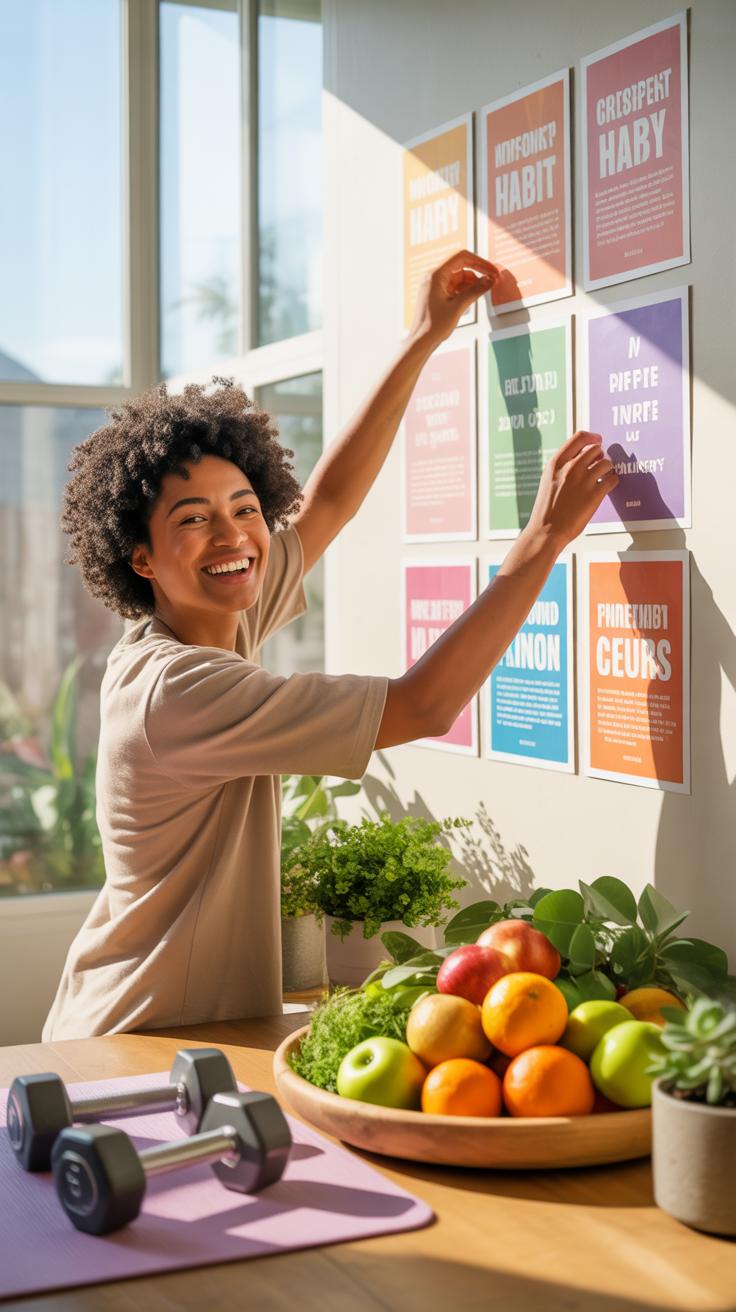
Mental health posters can be more than just decoration — their positive impact tends to grow when they’re part of a larger routine. If you exercise regularly, for instance, your brain releases endorphins that help ease stress and anxiety. A well-placed poster reminding you of your worth or encouraging calm can reinforce those good vibes.
Sleep fits in here too. Good rest resets your mind, making you more receptive to positive messages. When fatigue clouds your judgment, a motivational poster might not hit home the same way as it does after a restful night.
Talking with friends or family is another habit that supports mental health. Posters can be conversation starters, gently pushing you or others to open up about feelings that might otherwise stay bottled up. So think of these posters as part of teamwork for your well-being — they’re tools that complement your lifestyle, not magic cures on their own.
Posters And Mindfulness Exercises
You might wonder how to really use posters beyond just glancing at them. One way is pairing them with mindfulness exercises. Try this: stand or sit calmly near a poster with soothing colors or imagery.

Take slow, deep breaths — inhaling through your nose, then exhaling through your mouth. Focus your attention on the calming image and let go of racing thoughts. This simple practice, grounded in the present moment, often helps reduce tension more effectively than just looking at a poster without any conscious intention.
Mindfulness isn’t complicated but it does require practice. The poster becomes a sort of anchor — a reminder to center yourself when stress sneaks in.
Encourage Open Talks About Feelings
Posters that speak openly about emotions, struggles, or resilience can be surprisingly powerful for encouraging conversations. Seeing words like “It’s okay to ask for help” or “Your feelings matter” displayed can make it easier to break the ice with someone close to you.
Maybe you feel hesitant or unsure about sharing. That’s normal. But having such messages visible in your home or workspace might just nudge you to start talking about what you’re going through.
Emotional support often begins with a simple chat. Posters don’t replace therapy or professional help but they create a starting point for connection — and sometimes, that’s what we need most.
What To Avoid When Using Posters


When it comes to mental health posters, picking the right ones can be tricky. One common mistake is choosing posters with negative or confusing messages. Imagine seeing phrases that make you feel worried or stressed every day — that hardly helps your mental well-being. Posters need to uplift, not unsettle. Positive, straightforward messages usually work best, as they reinforce a calm and hopeful mindset.
Another misstep is overcrowding your space with too many posters. It may sound okay to fill walls with all kinds of motivational art, but too much can actually feel overwhelming. A cluttered area can make your mind feel cluttered, too. Trust me, a neat and inviting space encourages you to breathe easier and focus better.
Think of it this way: the goal is to create an atmosphere that invites relaxation and positivity. Leaving some open space around posters helps each message stand out clearly and gives your eyes a break. So, try to keep poster placements intentional and spaced out rather than cramming everything together.
Have you ever noticed how your mood changes depending on your surroundings? The right balance in your room or office can make a surprising difference. So, when selecting and arranging mental health posters, avoid anything that feels heavy or chaotic.
Track How Posters Help You Feel
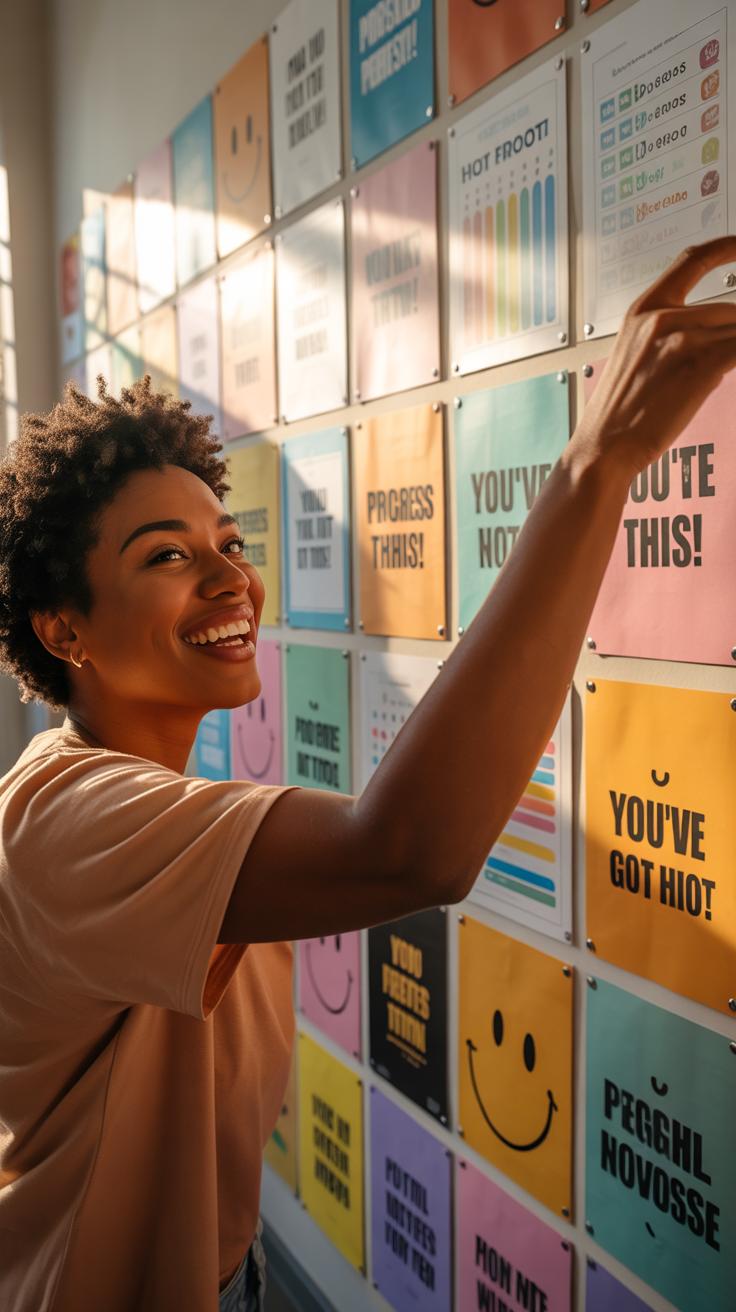
Keeping track of how mental health posters influence your mood or stress levels can offer insights you might not expect. It’s not always obvious at first glance, but small shifts can add up over time. One simple way to notice changes is by keeping a mood journal. Each day, jot down a few lines about how you felt, especially after spending time in the space with the posters. You don’t need to write essays—just quick notes like “felt calmer after seeing the positive message in the kitchen” or “noticed less tension during work breaks.”
Aside from journaling, you might try mood charts. It’s kind of like a personal graph where you mark your stress or happiness levels daily. Over weeks, patterns may emerge, revealing if the posters genuinely help.
Also, don’t hesitate to ask others. Say, family or friends who spend time around the posters. Sometimes, they notice changes before you do—maybe the room feels lighter or your attitude seems different. Asking their opinions can offer a fresh perspective and reinforce your own observations about the posters’ impact.
Mental Health Posters For Schools

Schools can benefit a lot from using mental health posters. These visual reminders gently encourage students to feel supported and understood during their day. Posters placed in hallways, classrooms, and counseling centers can shift the school atmosphere, making it less intimidating for those struggling emotionally. For example, messages like “It’s okay to ask for help” or “Your feelings matter” can make students feel seen and valued.
Encouraging phrases like “You are capable” or “Small steps count” often appear on these posters, helping students boost their confidence in tough moments. These simple, uplifting words can inspire students to keep going, even when things seem difficult.
Moreover, posters marking quiet zones or calm corners, perhaps reading “Quiet space – relax and breathe,” help create safe areas for students to unwind. These designated spaces can offer a moment of pause during stressful times. It’s interesting how a few words on a poster can make these spaces inviting, almost telling students it’s perfectly fine to take a break and care for their mental health.
How Posters Support Therapy

Therapists sometimes use mental health posters as part of treatment, and it’s not just about decoration. Posters can act as simple but effective tools that nudge clients to remember coping skills when things feel overwhelming. Imagine walking into a room and seeing a phrase like “Breathe through it” or “You’ve handled this before.” It may seem small, but these words can pop into your mind at just the right moment.
Posters often highlight positive thoughts and coping strategies that therapists talk about in sessions. They provide visual cues that can help clients hold onto these ideas between meetings. This is especially helpful because, well, therapy sessions don’t happen every day, but people face challenges daily. In a way, posters keep those therapeutic conversations alive, even when no one’s there talking.
Sometimes, a client might feel more comfortable pointing to a poster when it’s hard to put feelings into words. This can open doors to new conversations with the therapist, gently guiding discussions toward what matters most to the client. So, posters aren’t just reminders; they can also help explore emotions and set goals, making therapy a bit more interactive and personal.
Create Your Own Mental Health Posters

Making your own mental health poster isn’t just a craft project. It can actually help you connect with your feelings. When you pick words that mean something to you, think about what you want to hear most often. Is it “breathe,” “hope,” or maybe “one step at a time”? Choose something that feels like a gentle reminder or a goal you want to reach. Simple works best here—short phrases or even just one powerful word.
Adding colors and drawings makes a big difference. Use colors that calm you or ones that energize you, whatever fits your mood. You don’t have to be an artist; stick figures or abstract shapes work fine. Sometimes just doodling while thinking about your words can bring a sense of peace.
Once your poster is ready, put it somewhere you’ll see it often—on your bathroom mirror, above your desk, or near the door. Seeing these words and colors regularly can gently encourage your mind, even on tougher days. It’s about creating a small, personal boost that feels real because you made it yourself.
Conclusions
Stylish mental health posters provide more than decoration. They send positive messages and create a calming space. This can help reduce stress and remind you to take care of your mind. Adding these posters is a simple step you can take to support your mental health daily.
Choosing the right posters matters. Pick images and words that feel good to you and inspire hope. When used well, these posters become a valuable tool for keeping your mind healthy and happy. They show how small changes in your space can make a big difference for your mental well-being.