Our Starting Point Facing The Reality Of Wedding Costs

What We Discovered When We First Looked At Wedding Costs
The average wedding cost in the United States exceeds thirty thousand dollars. We scrutinized local vendor quotes and found that venues take the biggest cut. Catering and alcohol prices often double the base site fee. Most couples fail to account for service charges and taxes. These hidden fees add twenty percent to every contract. We realized that traditional planning leads to massive debt.
Market data shows that wedding costs rise faster than inflation. Industry standards dictate high minimum spends for weekend dates. We tracked prices for photography, floral arrangements, and attire. Every category cost more than our initial estimates. Labor costs drive these high prices because weddings require intense coordination. We knew we had to find a different way to pay. High prices are the baseline, not the exception.
How We Set A Realistic Savings Goal Without Feeling Overwhelmed
We audited our monthly spending to find every available dollar. Our goal was fifteen thousand dollars in twelve months. This required saving one thousand two hundred fifty dollars every month. We moved this money to a high yield savings account immediately after payday. Automatic transfers removed the temptation to spend. We treated this savings goal like a non negotiable monthly utility bill.
Detailed tracking prevented us from losing focus during the year. We used a simple spreadsheet to monitor our progress. Small wins kept us motivated as the balance grew. We cut luxury spending and redirected that cash to the wedding fund. This strict approach allowed us to see exactly where our money went. Clear targets turn a large sum into manageable steps. Discipline replaced stress throughout the process.

Building Our Wedding Budget The Budget Wedding Blueprint We Used

How We Categorized Every Expense Before Spending A Single Dollar
We broke our spending into three hard categories to ensure total control. High priority items included the venue and food. These fixed costs ate sixty percent of the total fund. Variable costs covered attire and decor where we had room to negotiate. Finally, we set a ten percent cash reserve for hidden fees. This structure stopped small leaks before they drained our primary savings account.
Execution required a line by line breakdown of every service needed. We looked at historical data for catering and photography in our region. Detailed lists prevented us from forgetting essential costs like tips or guest transport. By assigning a maximum dollar value to each item early, we removed emotion from the process. This blueprint allowed us to pay vendors without fear of running out of money.
The Budgeting Tools And Apps That Kept Us On Track All Year
We used a shared digital spreadsheet to track every cent in real time. This tool allowed us to see our remaining balance after every purchase. We synced our banks to an automated tracking app to flag any overspending immediately. Manual entry ensured we stayed mindful of our daily habits. These tools provided a clear view of our progress toward the fifteen thousand dollar goal.

Communication was the most important part of our technical toolkit. We set up weekly calendar alerts to review the data together. This helped us adjust the plan when unexpected costs like postage or insurance appeared. Consistent data entry turned our financial goals into a manageable daily routine. Using these specific digital systems replaced guesswork with hard facts and kept our timeline moving forward without any debt.
Everything You Need To Buy For A Wedding Our Master Checklist Approach
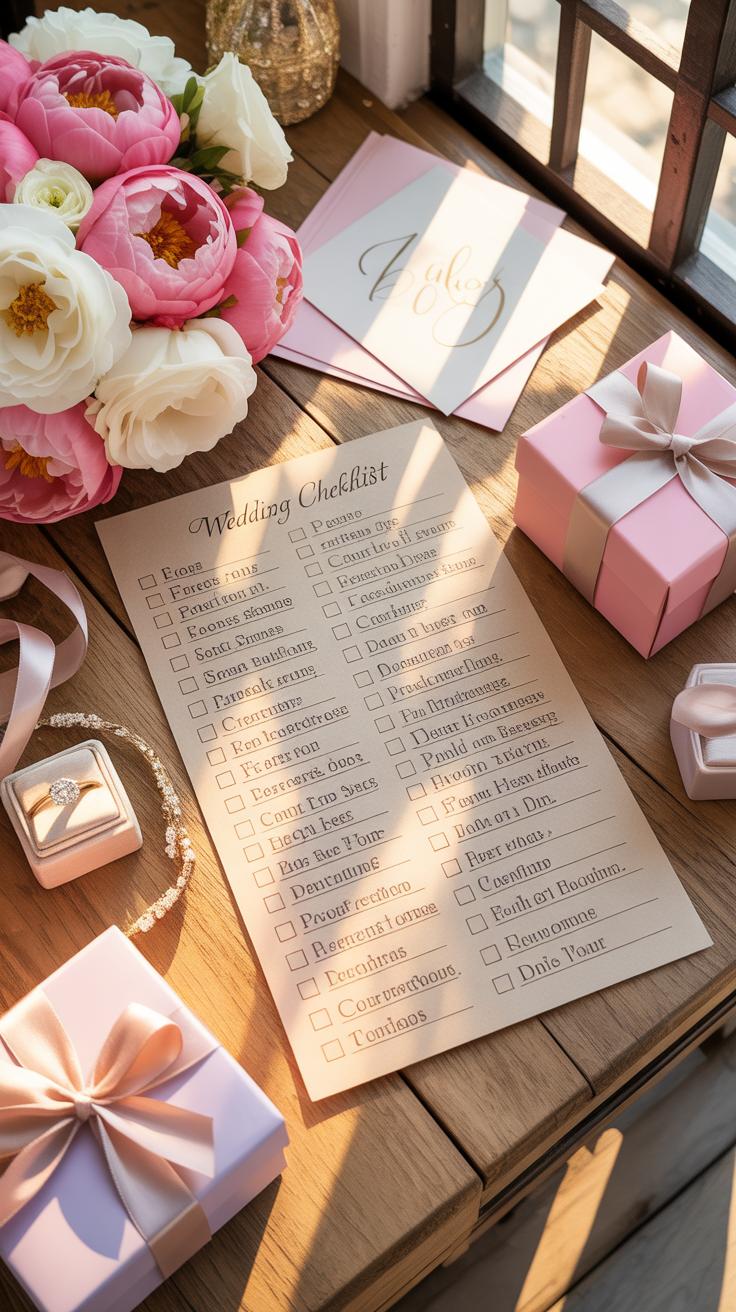
Breaking Down The Full List Of Wedding Purchases We Had To Plan For
We identified every possible expense before spending a single dollar. A wedding involves hundreds of small items that drain your bank account quickly. Ignoring these costs leads to debt. We categorized our needs into fixed and variable expenses. This clarity allowed us to allocate our fifteen thousand dollar savings goal effectively. We prioritized high-impact items that affected guest experience first.
- Venue and Catering: This represents the largest financial commitment. It includes the physical space rental, food service, and staffing fees. Most venues also charge for basic furniture and cleanup services.
- Attire and Tailoring: Total costs include the dress, suit, shoes, and accessories. Do not overlook the price of professional alterations. Custom tailoring ensures a proper fit but adds significant labor costs to the budget.
- Photography and Media: Quality documentation requires professional equipment and lighting. These fees cover the photographer’s time, post-production editing, and digital file delivery. It is a non-negotiable expense for capturing the events accurately.
- Decor and Floral: This category covers centerpieces, bouquets, and ceremony backdrops. Using seasonal greenery and local flowers reduces shipping fees. Materials like glass, cloth, and wood also factor into the total price.
- Legal and Logistics: Do not forget the marriage license fees and officiant costs. Transportation for the couple and guests can also become expensive. These documents and movements are required for a legally recognized and functional event.
Small items like postage and tips often go unnoticed during the planning phase. We tracked every stamp and service gratuity to ensure accuracy. These minor numbers add up to thousands of dollars over twelve months. Our list served as a roadmap for our savings strategy. We updated the document weekly to reflect real market prices and availability. Tactical planning prevents financial failure.
How Knowing Every Cost Upfront Helped Us Avoid Budget Surprises
Complete visibility over our expenses eliminated the stress of hidden fees. We asked vendors for all-inclusive quotes to ensure no tax or service charge remained hidden. This aggressive approach meant we never had to dip into our emergency fund. Knowing the total cost allowed us to split the fifteen thousand dollars into manageable monthly targets. Consistency is the key to reaching a high savings goal.
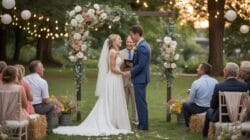
Strategic planning transformed our wedding from a source of debt into a disciplined project. We avoided the common trap of emotional spending by sticking to our data. If an item was not on the initial list, we did not buy it. This boundary kept our finances healthy and our milestones achievable. Clear goals lead to successful outcomes. We finished the year with our bills paid in full.
Money Saving Wedding Ideas We Actually Tried And Tested
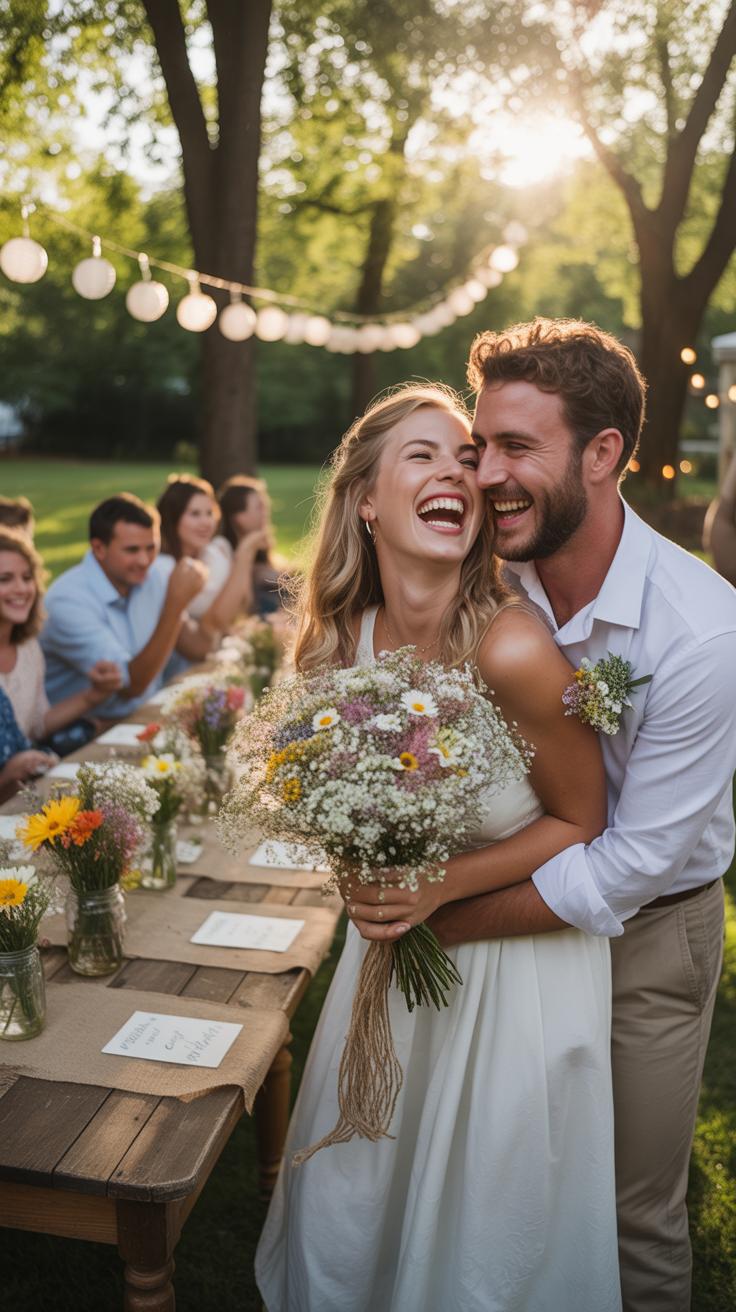
DIY Decorations And Personal Touches That Saved Us Thousands
We focused on high impact items like signage and floral arrangements. Professional florists charge high markups for labor and storage. We bypassed these costs by purchasing bulk greenery from local wholesalers. We used simple glass vases found at thrift stores for centerpieces. This approach lowered the price per table significantly. We used high quality cardstock and basic design software to print our own programs and menus.
Effective DIY requires early planning to avoid last minute stress. We finished all assembly work two weeks before the ceremony date. We strictly avoided complex crafts that required expensive specialized tools or machinery. We chose minimalist designs that relied on repetition rather than intricate handiwork. This strategy ensured a cohesive look without hiring a professional designer. Modern printers handle heavy paper well which makes professional results achievable at home.
How Borrowing, Renting, And Repurposing Cut Our Spending Significantly
Borrowing items from friends and family eliminated several one time expenses. We utilized existing garden furniture and interior lighting for the outdoor reception space. This tactic erased the need for commercial equipment rentals. We used family heirlooms for the table settings to add character without cost. Many people own high quality decor items that sit in storage. Asking to use these items reduces waste and saves cash.

Repurposing ceremony items for the reception doubled the value of every purchase. We moved aisle markers to the head table immediately after the service. We used the bridal bouquet as the main centerpiece for the cake table. This prevented us from buying redundant sets of floral arrangements. Small adjustments to lighting moved the guest focus from one area to another. Efficient use of resources is the fastest way to cut a budget.
Cost Saving Wedding Ideas For The Biggest Ticket Items

How We Negotiated With Vendors And Found Off Peak Pricing
We focused on the calendar to drive costs down. Most vendors charge premium rates for Saturdays during summer months. We booked a Friday in November to secure immediate discounts. This shift in timing reduced the base fee for the photographer and the caterer by twenty percent. We treated the wedding date like a commodity with fluctuating value based on market demand.
Negotiation requires knowing the market rate for every service. We asked vendors to remove non-essential items from their standard packages instead of asking for a flat discount. We cut the physical photo album from the photographer and second shooters from the videographer. This approach kept their hourly rate fair but lowered our total bill. Transparency about our hard budget forced vendors to offer creative solutions.
Every dollar we tucked away was a quiet promise to our future, proving that a dream wedding isn’t bought but built with love and intention. Our celebration felt so much sweeter knowing we began our forever on solid ground.
Choosing A Venue That Fit Our Vision Without Breaking The Bank
The venue usually takes the largest portion of the budget. We skipped traditional ballrooms and luxury hotels that mandate in-house catering. These venues often include hidden fees like cake cutting or corkage charges. We targeted city-owned properties and industrial spaces that allowed outside vendors. This choice gave us total control over the food and beverage costs which saved us thousands.

We prioritized venues with natural character to save on decor. A space with existing architectural detail needs fewer floral arrangements and rentals. We used the industrial brick and large windows of our chosen warehouse as the primary design elements. This strategy eliminated the need for expensive pipe and drape or high-end lighting rigs. We paid for the square footage and nothing more to keep costs low.
Wedding Money Savers How We Restructured Our Daily Finances

The Monthly Saving Habits We Built From Day One Of Our Engagement
Financial discipline started with a joint high-yield savings account. We treated this account like a mandatory monthly bill. Every payday, we transferred a set amount before buying anything else. This pay-yourself-first strategy removed the temptation to spend surplus cash. Automated transfers ensured our wedding fund grew without manual effort. We checked the balance weekly to stay aligned with our goals.
We tracked every cent using a shared spreadsheet. Categorizing expenses allowed us to see exactly where our money went. We set hard limits on discretionary spending for things like dining out and hobbies. Consistency beat intensity in our savings plan. Smaller, predictable deposits proved more effective than waiting for large windfalls. This habit built the cash reserve needed to pay vendors on time.
How We Cut Everyday Expenses To Redirect Money Into Our Wedding Fund
We audited all recurring subscriptions and canceled unused services. Small daily costs like premium coffee and work lunches stopped immediately. We replaced these with home-brewed coffee and meal prepping. These minor adjustments recovered hundreds of dollars each month. We redirected every saved dollar into the wedding account. Eliminating convenience fees and impulse buys provided a significant boost to our total budget.

Major lifestyle shifts added more momentum to our savings. We paused expensive vacations and shifted to free local entertainment. We also negotiated lower rates on our utility bills and insurance premiums. Selling unused household items provided extra cash for specific wedding line items. Every financial decision passed through a single filter. We asked if the purchase was more important than the wedding.
Broke Wedding Ideas Planning Big When Money Is Tight

How We Leaned On Community, Family, And Creativity Instead Of Cash
We stopped viewing our social circle as guests and started seeing them as partners. This shift allowed us to bypass traditional vendor markups entirely. We asked friends with specific skills to contribute their labor as their wedding gift. One friend managed the music while another handled the photography. This tactic eliminated thousands of dollars in professional service fees. We prioritized human connection over luxury commercial contracts.
Creativity replaced capital in every design decision we made. We used found materials and borrowed items to build our decor. By utilizing public spaces and family property, we removed the high cost of venue rentals. We focused on the essential elements of the ceremony rather than industry expectations. This lean approach ensured our limited funds went toward high impact items like food and drinks for guests.
Free And Low Cost Wedding Resources We Found That Most Couples Overlook
Most couples ignore local government and community assets when planning their event. We researched public land permits and local library resources to find affordable infrastructure. These entities offer professional tools and spaces for a fraction of the cost of private event firms. Leveraging these public systems allowed us to maintain a high standard without the typical price tag associated with wedding specific venues.
- University Department Rentals: Local colleges often rent out auditoriums or scenic campus gardens during summer breaks. These spaces provide high capacity and architectural beauty for significantly lower rates than traditional event halls or hotels.
- Library Maker Spaces: Many modern libraries offer free access to laser cutters and high end printers. We used these machines to create custom signage and wood decor. This saved us hundreds of dollars on professional printing services.
- Buy Nothing Groups: Online community gift economies provide a steady stream of used wedding decor for free. We sourced glass vases and silk greenery from former brides. This removed the need to purchase any new decorative items for our tables.
- Culinary School Catering: Local cooking schools often need real world events for their advanced students. We hired a student team to prepare our meal under instructor supervision. This provided professional quality food at the cost of ingredients and basic labor.
- Public Park Pavilions: Municipal parks offer permit based access to covered shelters with existing electricity and water. These sites provide a natural backdrop that requires minimal additional decoration. Registration fees are typically low and support local infrastructure maintenance.

We also utilized digital platforms to replace expensive physical logistics. Using free website builders for RSVP tracking eliminated the need for paper inserts and extra postage. We found that open source design software allowed us to create high quality graphics without hiring a designer. These digital tools provided a professional look while keeping our cash reserves intact for the remaining wedding day essentials.
Pulling Off A Big Wedding On A Budget What Our Day Actually Looked Like
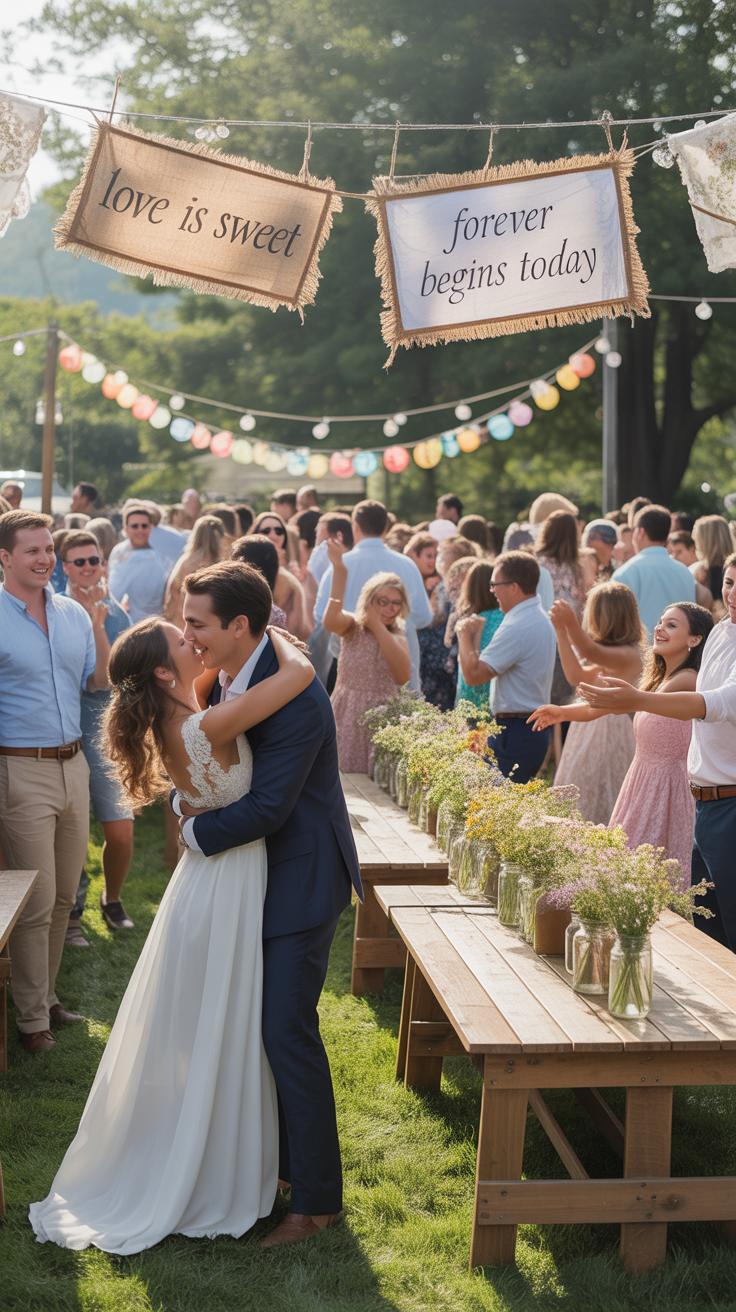
How We Hosted Over 100 Guests Without Overspending On Food And Drink
We controlled costs by ditching the traditional seated dinner. Formal catering services often charge high per-head fees for staffing and plated meals. Instead, we secured a local restaurant to provide high-quality buffet service. This strategy cut labor costs significantly. We focused on heavy appetizers and comfort foods that satisfied a large crowd. Choosing seasonal ingredients also kept the base price of the menu low.
Alcohol represents a massive expense in wedding planning. We avoided the open bar trap by purchasing our own inventory. We focused on bulk wine and local craft beer rather than expensive spirits. We negotiated with a wholesaler for a return policy on unopened cases. This tactic ensures you only pay for what guests actually consume. Limiting the selection prevents waste and speeds up bar service for the guests.
The Moments That Mattered Most And Cost The Least On Our Wedding Day
High-impact moments do not require a high price tag. We prioritized the ceremony atmosphere through strategic lighting and borrowed decor. Proper placement of simple candles and warm LED strands created a professional look. We skipped the expensive floral installations seen in magazines. Instead, we used greenery sourced from local markets. This approach provided a lush aesthetic for a fraction of the cost of exotic blooms.

Music and speeches defined the energy of the night more than physical objects. We used a professional-grade sound system and a curated playlist instead of an expensive live band. This allowed us total control over the vibe without the four-figure talent fee. Personal vows and heartfelt toasts provided the emotional core of the event. These elements are entirely free but leave the strongest impression on the wedding guests.
Wedding Save Money Lessons What We Would Do Differently And What We Would Repeat

The Decisions That Saved Us The Most Money And Why They Worked
Cutting the guest list had the fastest impact on our bottom line. Every person added increases costs for food, drink, and rentals. We limited our invite list to fifty people to keep the event manageable. This choice slashed our catering bill by half immediately. Small guest counts allow for non-traditional venues that do not charge high corporate fees for space.
Choosing a Friday date instead of a Saturday saved us thousands in venue fees. Most vendors offer lower rates for off-peak days to fill their schedules. We also skipped the open bar for a beer and wine only selection. This move prevented a massive liquor bill and reduced service costs per hour. Simple tactical shifts in timing and inventory yield the highest returns on your budget.
Honest Advice For Couples Who Are Just Starting Their Wedding Savings Journey
Open a dedicated high-yield savings account as soon as you get engaged. You must separate wedding funds from your daily spending cash to prevent leaks. Set up automatic transfers every payday to remove the temptation to spend. Treats and small luxuries add up over twelve months of planning. Consistent and automated contributions are the only way to hit a fifteen thousand dollar goal fast.
Research every vendor before signing a single contract or paying a deposit. Hidden fees for service charges and gratuities can ruin a tight budget. Ask for a final price that includes tax and delivery early in the process. Discipline is your biggest asset when saving for a wedding. Avoid the urge to upgrade every detail. Focus your money on the three things your guests will actually remember.
Frequently Asked Questions

Where is the best place to start when planning a wedding budget?
The first step in learning how we saved for our wedding was sitting down to establish a realistic total cost based on our priorities. Before cutting expenses, we analyzed our monthly income and fixed costs to determine exactly how much we could feasibly set aside each payday. By creating a dedicated high-yield savings account immediately, we kept our wedding fund separate from daily spending, making it much easier to track our consistent progress.
What are some practical lifestyle changes that help with aggressive saving?
We achieved our goal by implementing a “spending fast” on non-essential luxuries like daily takeout and subscription services. A major part of how we saved for our wedding involved redirecting small, daily habits into a communal pot. We chose to cook at home, utilized cash-back apps for groceries, and sold unused furniture online. These small adjustments added up quickly, allowing us to hit our fifteen-thousand-dollar milestone much faster than we initially anticipated.
Is it possible to have a beautiful wedding if we have a very tight timeline?
Absolutely! Saving a significant amount in just one year requires discipline, but it is entirely manageable with the right strategy. If your timeline is short, focus on high-impact savings like choosing an off-peak date or a non-traditional venue. By being intentional with every dollar and staying committed to a strict monthly contribution, you can host a stunning, memorable celebration without starting your new marriage with any unnecessary financial debt or stress.