What Are Lab Grown Diamonds And How Are They Made
The Science Behind Lab Grown Diamonds: CVD And HPHT Methods Explained
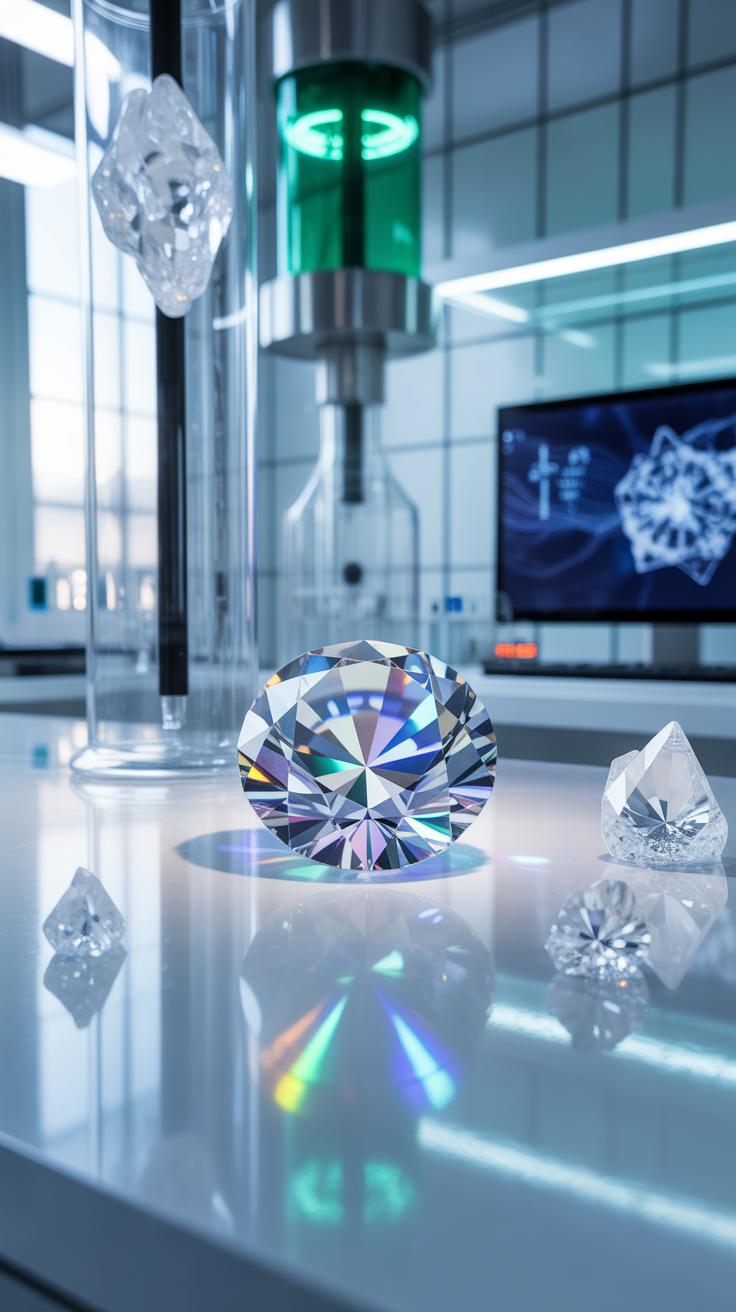
Lab grown diamonds form through two primary industrial processes. The High Pressure High Temperature method mimics deep earth conditions. Machines apply massive pressure and intense heat to a carbon source. This force crushes the carbon into a solid diamond crystal over several weeks. Historically, this was the first successful way to create synthetic diamonds for industrial and jewelry use.
Chemical Vapor Deposition is the newer and more common tech for jewelry. Technicians place a small diamond seed in a vacuum chamber filled with carbon gases. Microwave energy breaks the gas molecules apart. Pure carbon rain then settles onto the seed layer by layer. This precise control allows for high clarity stones. Most modern oval or radiant engagement rings use this advanced vacuum technology.
Are Lab Grown Diamonds Real Diamonds? What Gemologists And The FTC Say
Lab grown diamonds are chemically and physically identical to mined stones. They consist of pure carbon in a cubic crystal structure. Specialized tools show the same thermal and optical properties. In 2018, the Federal Trade Commission changed its definition of a diamond. They removed the word natural from the basic description. This ruling confirms that lab stones are real diamonds.
Professional gemologists use high tech sensors to tell them apart from mined versions. These machines look for tiny growth patterns invisible to the naked eye. Without these tools, even experts cannot see the difference. They share the same hardness score of ten on the Mohs scale. Your dream wedding ring will last forever because the material is exactly the same as earth mined carbon.

Lab Grown Diamonds Engagement Rings Vs Mined Diamonds A Budget Focused Comparison
How Much Can You Actually Save Choosing Lab Grown Diamonds Engagement Rings
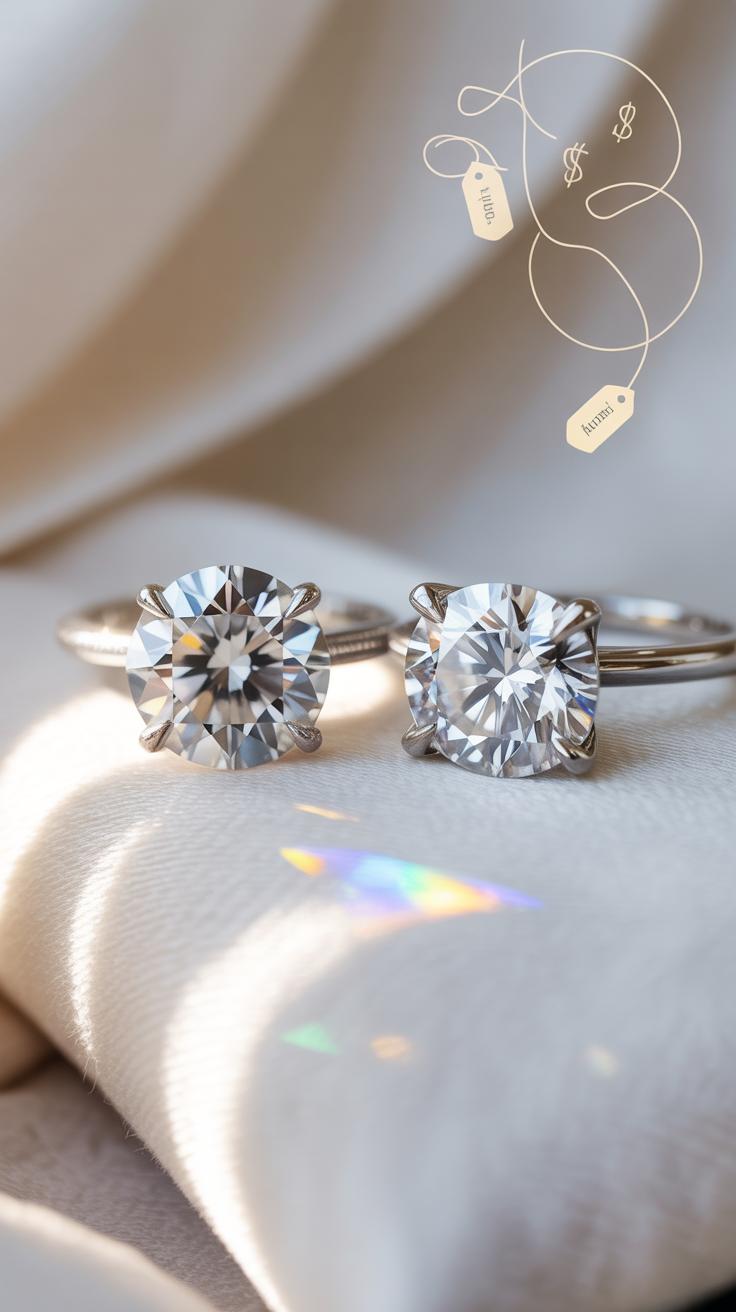
Lab grown diamonds cost significantly less than mined stones. You typically pay forty to eighty percent less for a lab diamond of the same size. This price gap exists because the supply chain is shorter. Shifting to lab grown options allows you to prioritize carat weight without increasing your total spend. You get a larger center stone for the same price as a small mined diamond.
The price difference increases as the diamond size grows. Large stones over two carats show the most dramatic savings. This choice frees up thousands of dollars in your wedding budget. You can use these savings for a high quality setting or other wedding costs. Lab grown diamonds lose value faster on the resale market but offer the best immediate value for your engagement ring purchase today.
Quality And Grading: Do Lab Grown Diamonds Score The Same On The 4Cs
Lab diamonds are identical to mined diamonds at the atomic level. They share the same chemical and physical properties. Major grading labs like the GIA and IGI use the same 4Cs scale for both types. They measure cut, color, clarity, and carat weight using identical standards. You can find flawless lab diamonds just as you find flawless mined ones. Modern technology ensures high quality results.
Choosing a lab diamond does not mean compromising on brilliance or fire. You should still demand an independent grading report to verify quality. Look for an Excellent or Ideal cut grade to ensure the stone reflects light properly. These diamonds pass every standard jeweler test because they are real diamonds. Research shows that even experts cannot tell the difference without using specialized laboratory equipment to check for crystal growth patterns.
Choosing The Right Diamond Shape For Pretty Engagement Rings On A Budget
Which Diamond Shapes Offer The Best Visual Size For The Price
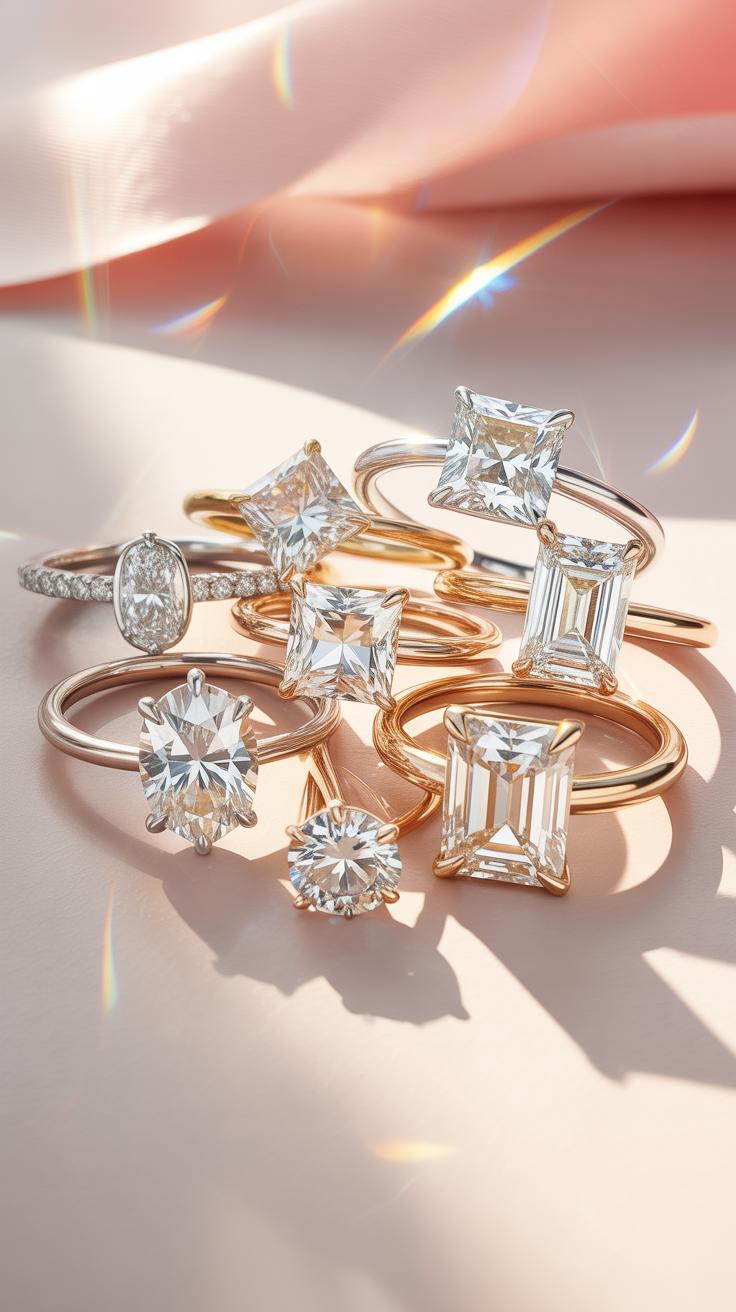
Elongated shapes provide the best value for your money. Oval Diamond Engagement rings look larger than round diamonds of the same carat weight. These shapes occupy more surface area on the finger. This creates the illusion of a bigger stone without the extra cost. You get a massive look for a lower price point. Buyers should prioritize length to width ratios to maximize this visual spread.
Round brilliant diamonds carry the highest price premium in the market. They waste more raw material during the cutting process. In contrast, Lab Grown Diamonds Engagement options in elongated cuts utilize more of the rough stone. This efficiency lowers the cost per carat. Tactical buyers choose Diamond Engagement Rings Oval or marquise styles to achieve a high impact look. These shapes provide a modern aesthetic while staying strictly within a fixed budget.
Why Fancy Shapes Like Pear, Marquise And Cushion Cut Are Budget Friendly Choices
Fancy shapes cost less than round diamonds because they have lower market demand. Manufacturers retain more weight from the original crystal when cutting a pear or marquise. This lower waste translates to a cheaper final product for the consumer. Radiant Engagement Rings also hide inclusions well due to their complex facet patterns. This allow you to buy a lower clarity grade. You save money twice on one stone.

The cushion cut is a reliable choice for Dream Wedding Ring designs. It features deep facets that create intense light reflection. While it sits deeper than an oval, it offers a classic look at a significant discount. Future Engagement Rings often feature these fancy shapes to stand out from traditional styles. Choosing a Lab Grown Diamond Engagement Ring in a fancy shape ensures your money goes toward visible size rather than technical rarity.
The Oval Diamond Engagement Ring A Dream Wedding Ring At A Fraction Of The Cost
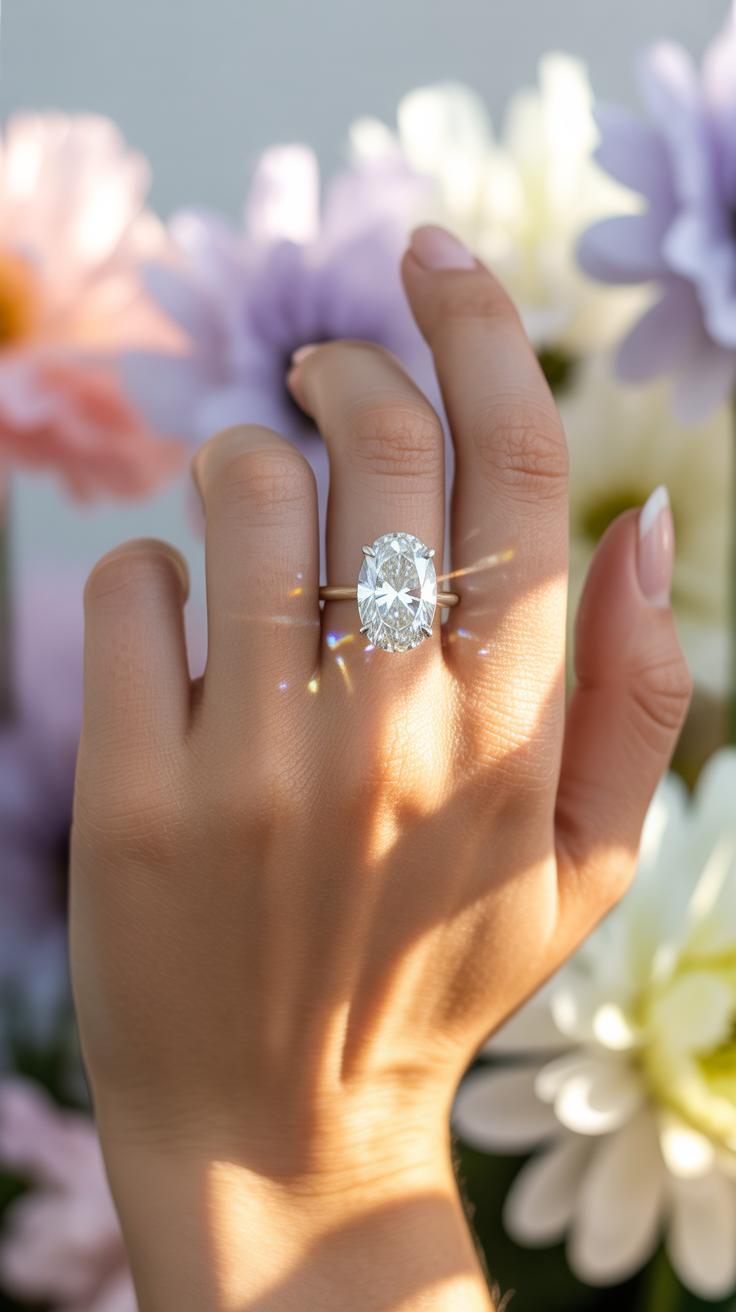
Why The Oval Cut Has Become One Of The Most Sought After Diamond Engagement Rings Oval Styles
The oval cut dominates the lab grown diamond engagement ring market for tactical reasons. It offers a larger surface area than a round brilliant of the same carat weight. This makes the stone look bigger for less money. Its elongated shape also makes the wearer fingers appear longer and thinner. You get the fire of a round cut with a more unique and modern silhouette.
Modern buyers choose the oval shape because it maximizes their budget. Lab grown technology allows for high clarity and color grades at lower price points. This makes a two carat or three carat oval stone accessible for most couples. The lack of sharp corners also makes the stone more durable for daily wear. It resists chipping better than princess or marquise cuts. This practical benefit drives its high demand.
How To Select The Best Oval Lab Grown Diamond: Length To Width Ratio And Bowtie Effect Tips
Selecting a quality oval lab grown diamond requires checking the length to width ratio. A classic oval typically falls between 1.35 and 1.50. A lower ratio creates a chubby oval while a higher ratio looks thin. You must view the stone under light to check for the bowtie effect. This dark shadow across the center happens when facets do not reflect light properly. A slight bowtie is normal but avoid heavy shadows.
Check the symmetry and polish grades on the grading report. Poor symmetry ruins the visual balance of the stone. Look for an Excellent or Very Good rating from the IGI or GIA. Ensure the depth percentage stays between 58 and 63 percent for the best light return. Avoid stones with a flat top or a heavy bottom. Proper proportions ensure the diamond sparkles from every angle and stays bright in the setting.
Radiant Engagement Rings Bold Brilliant And Budget Friendly
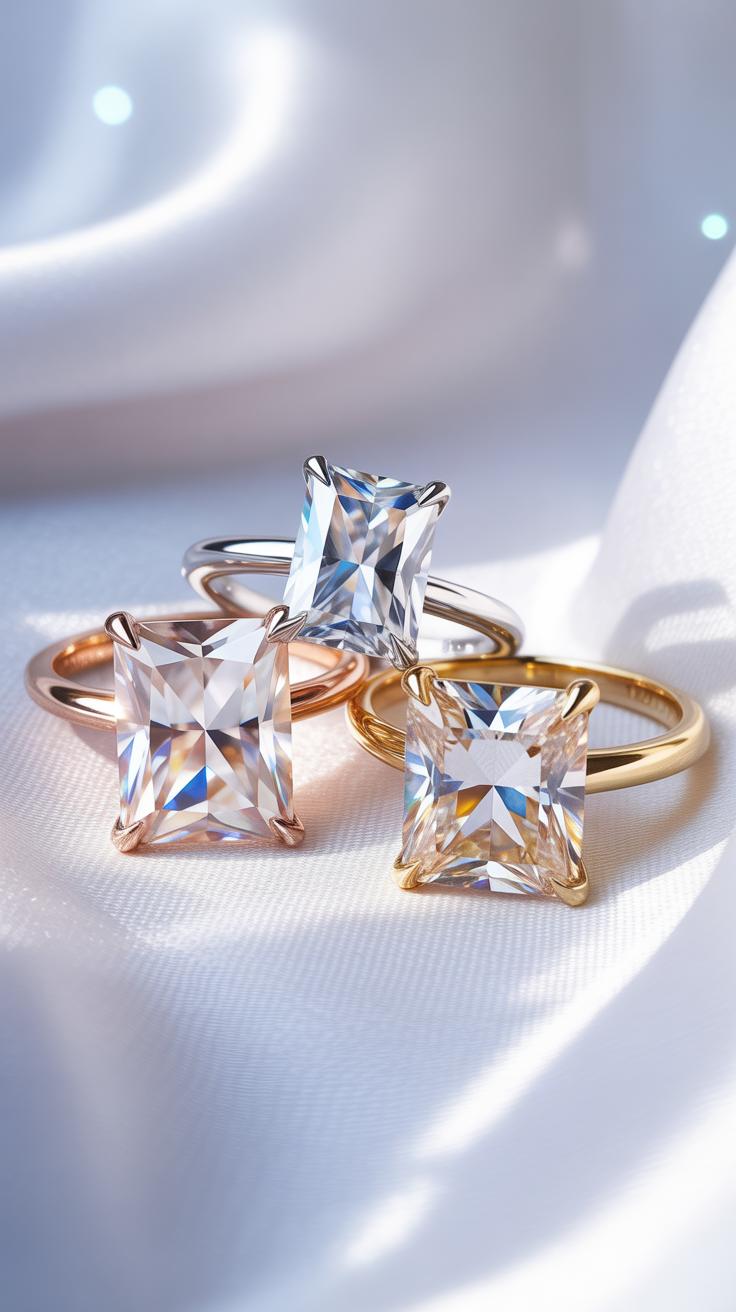
What Makes Radiant Engagement Rings A Stunning Alternative To Round Brilliant Cuts
The radiant cut offers a rectangular or square shape with trimmed corners. It combines the silhouette of an emerald cut with the facet pattern of a round brilliant. This hybrid design maximizes light return through 70 distinct facets. Buyers choose this shape for its intense sparkle and structured profile. It provides a more modern look than traditional round stones while maintaining high levels of fire.
Radiant diamonds hide inclusions better than step-cut stones like emeralds or asschers. The complex faceting pattern masks internal flaws and color tints. This allows you to choose lower clarity and color grades without sacrificing visual appeal. Using lab grown technology makes these large silhouettes affordable for budget buyers. You get a bigger surface area for less money than a round stone of equal weight.
Pairing A Radiant Cut Lab Grown Diamond With The Right Ring Setting For Maximum Impact
Setting a radiant cut require sturdy prongs to protect the চার cropped corners. A four-prong setting is the standard choice for security and light entry. For a traditional look, use a solitaire band to highlight the stone flat surface. If you want more finger coverage, choose a halo setting. The surrounding small stones expand the visual footprint of the center diamond. This maximizes the impact of your budget.
Metal choice affects the look of a radiant stone. White gold or platinum enhances the natural brightness of the diamond facets. Yellow gold provides a high-contrast frame that emphasizes the geometric shape. Use a thin band to make the center stone appear larger. Avoid thick bezels that might block light from entering the pavilion. Simple settings keep the focus on the lab grown diamond performance and size.
Cute Engagement Rings And Pretty Engagement Ring Settings That Maximize Your Budget
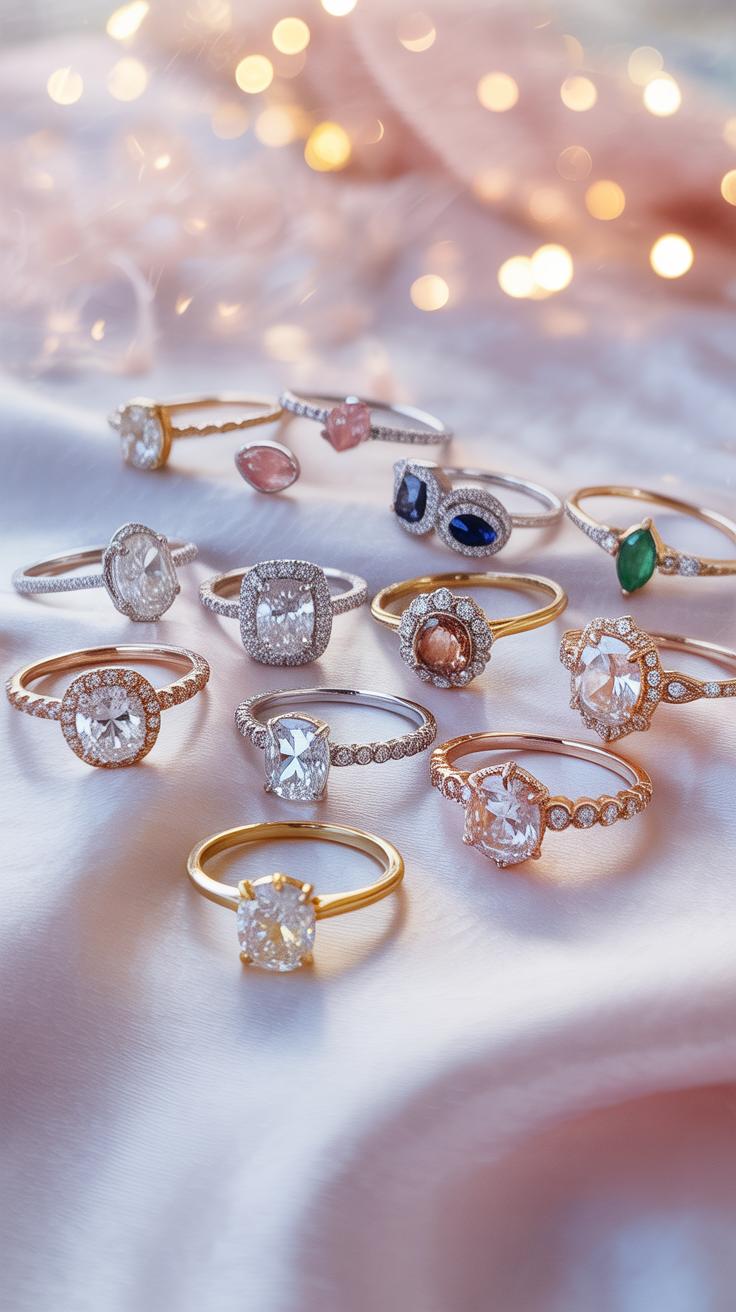
Top Ring Settings That Make Lab Grown Diamonds Look Larger And More Luxurious
Smart setting choices increase the visual footprint of a lab grown diamond without increasing the carat cost. Strategic metal placement and light reflection techniques trick the eye into seeing more surface area. You should prioritize designs that expose the diamond to maximum light or use surrounding stones to create a unified sparkle. These tactical decisions ensure your budget focuses on the center stone impact.
- The Halo Setting: This design surrounds the center stone with a ring of smaller diamonds. It adds significant diameter to the overall look. A halo can make a one carat stone appear like a two carat diamond from a distance.
- Thin Delicate Bands: A narrow metal band creates a visual contrast with the center stone. By reducing the width of the shank to 1.5mm or 1.8mm, the diamond looks much larger by comparison. This is a highly effective scaling tactic.
- The Cluster Setting: Grouping smaller diamonds closely together creates the illusion of one massive stone. This technique provides the brilliance of high carat weights at a fraction of the price. It uses the light from multiple sources to maximize shine.
- Tapered Cathedral Mounts: This setting uses metal arches to lift the stone higher off the finger. Raising the diamond makes it more prominent and allows more light to enter the pavilion. The tapered sides draw the eye directly toward the center diamond.
- Bezel Frames: A thin metal rim around the diamond perimeter adds to the stone’s total width. While it secures the stone, it also provides a polished border that reflects light. This makes the diamond silhouette appear wider than a standard claw setting.
Claw shape and quantity also influence the final appearance of the ring. Professional jewelers suggest using four prongs instead of six to show more of the diamond surface. Minimalist prongs let the light move through the stone with less obstruction. Selecting a setting that complements the specific shape of your lab grown diamond is the fastest way to achieve a high end look.
Metal Choices For Your Ring Band: Gold, White Gold And Platinum Cost Breakdown
Ninety percent horizontal surface area of the ring is the metal band. 14k gold is the industry standard for durability and value because it contains 58.3 percent pure gold. It resists scratches better than 18k gold which is softer due to higher gold content. Choosing 14k white gold gives you the silver look of platinum but at a much lower price point.
Platinum is the densest and most expensive option for a lab grown diamond engagement ring. It is naturally white and does not require the rhodium replating that white gold needs over time. However, the higher upfront cost often eats into the diamond budget. For buyers on a strict limit, 14k gold offers the best balance of strength, longevity, and price efficiency.
Where To Buy Lab Grown Diamond Engagement Rings Trusted Retailers And What To Look For
Online Vs. In Store: Pros And Cons For Budget Couples Shopping For Future Engagement Rings
Online retailers offer the lowest prices for a lab grown diamond engagement ring. These companies maintain low overhead costs by skipping physical storefronts. You gain access to vast global inventories of oval diamond engagement rings and radiant engagement rings. Digital tools allow you to compare specifications and prices instantly. Most online brands provide high-resolution videos to inspect a diamond from every angle before you buy it.
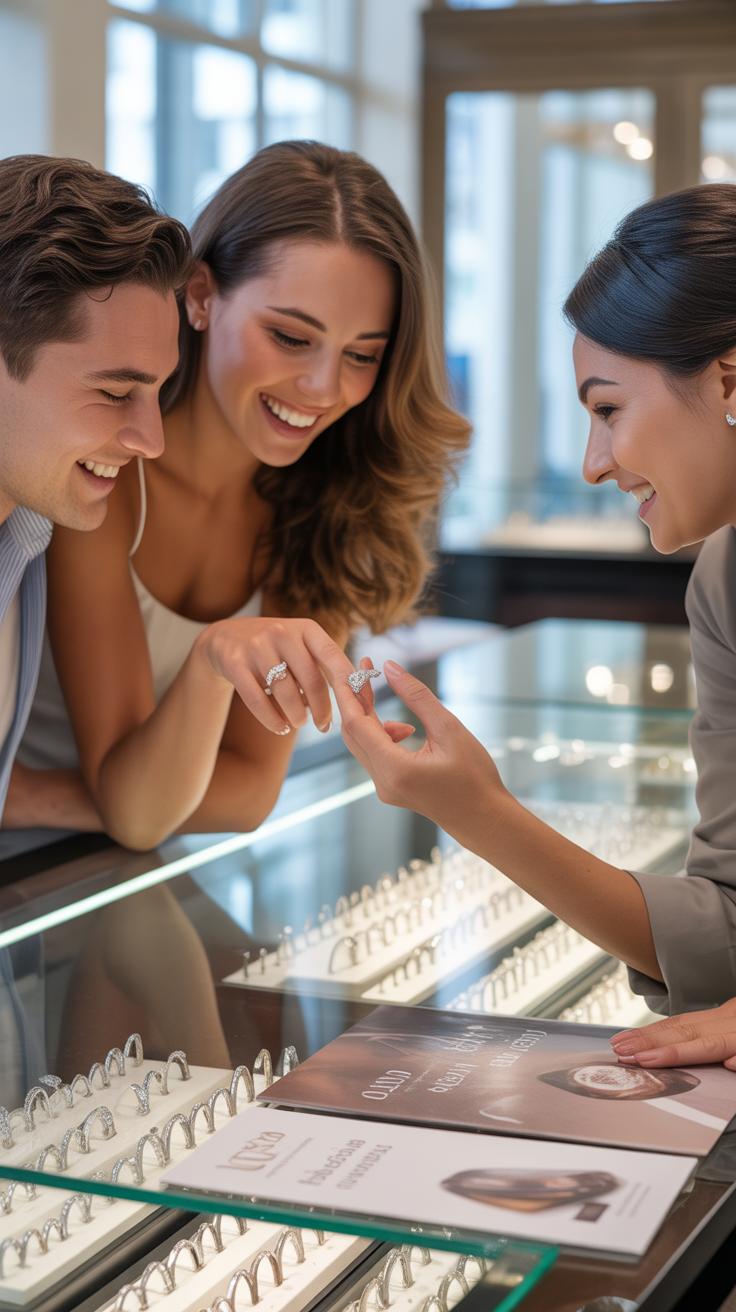
Brick and mortar stores provide immediate physical contact with the jewelry. You can see how diamond engagement rings oval shapes look on your hand. In-store shopping offers instant gratification but usually comes with higher markups. Sales staff often push specific inventory to meet quotas. Local shops are better for custom design work or immediate resizing needs. Budget-conscious couples must weigh the lower online price against the convenience of a local jeweler.
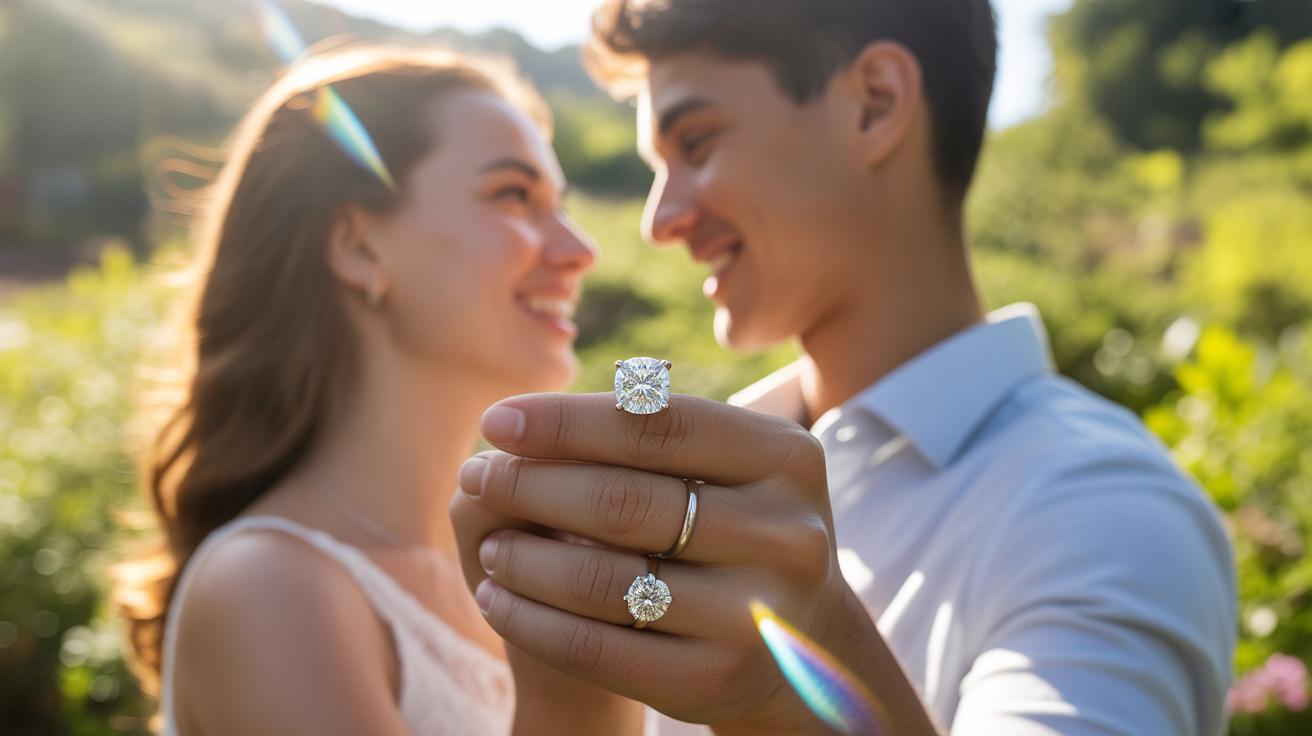
Love is not measured by how a stone was formed, but by the promise it keeps for your future together. Choosing a diamond grown with care allows you to begin your story with both a beautiful brilliance and a peaceful heart.
Key Certifications And Return Policies To Check Before You Buy A Lab Grown Diamond Ring
Certification proves the quality and origin of your lab grown diamond engagement ring. Never buy a stone without a report from a major lab. These documents confirm the 4Cs and verify the stone is not a simulant. Return policies are equally vital because you cannot verify light performance until the ring arrives. A strong policy protects your investment and ensures the dream wedding ring meets your standards.
- IGI Certification: The International Gemological Institute is the most common lab for grading lab diamonds. They provide detailed reports on color and clarity. Most budget-friendly retailers use IGI to verify their stones. This report ensures you pay for the actual quality you receive.
- GIA Certification: The Gemological Institute of America is the strictest grading authority in the industry. GIA recently expanded its lab grown diamond reporting. A GIA report offers the highest level of confidence in the graded specs. It is the gold standard for diamond engagement rings.
- 30-Day Money Back Guarantee: A standard return window allows for a full inspection at home. Ensure the policy includes a full refund rather than just store credit. Check if the retailer provides a free return shipping label. This period lets you verify the stone with a third-party appraiser if needed.
- Lifetime Warranty: Look for coverage that includes free cleaning and prong tightening services. Basic wear and tear can loosen a stone over several years. A solid warranty ensures your lab grown diamonds engagement ring stays secure. Always read the fine print regarding mandatory annual inspections to keep the warranty active.
- Resizing Policy: Many online rings require slight adjustments for a perfect fit. Check if the retailer offers one free resize within the first year. Some intricate radiant engagement rings or pave bands are difficult to resize. Knowing these limits upfront prevents expensive repair bills or the need for a total reset.

Always read the specific terms regarding return shipping and restocking fees. Some retailers charge a fee for custom orders or engraved bands. Keep all digital and physical paperwork in a secure location for insurance purposes. You must verify that the diamond laser inscription matches the grading report upon delivery. Use a jeweler loupe to check the edge of the stone for the serial number.
Caring For Your Dream Engagement Rings Maintenance Tips For Lab Grown Diamond Rings
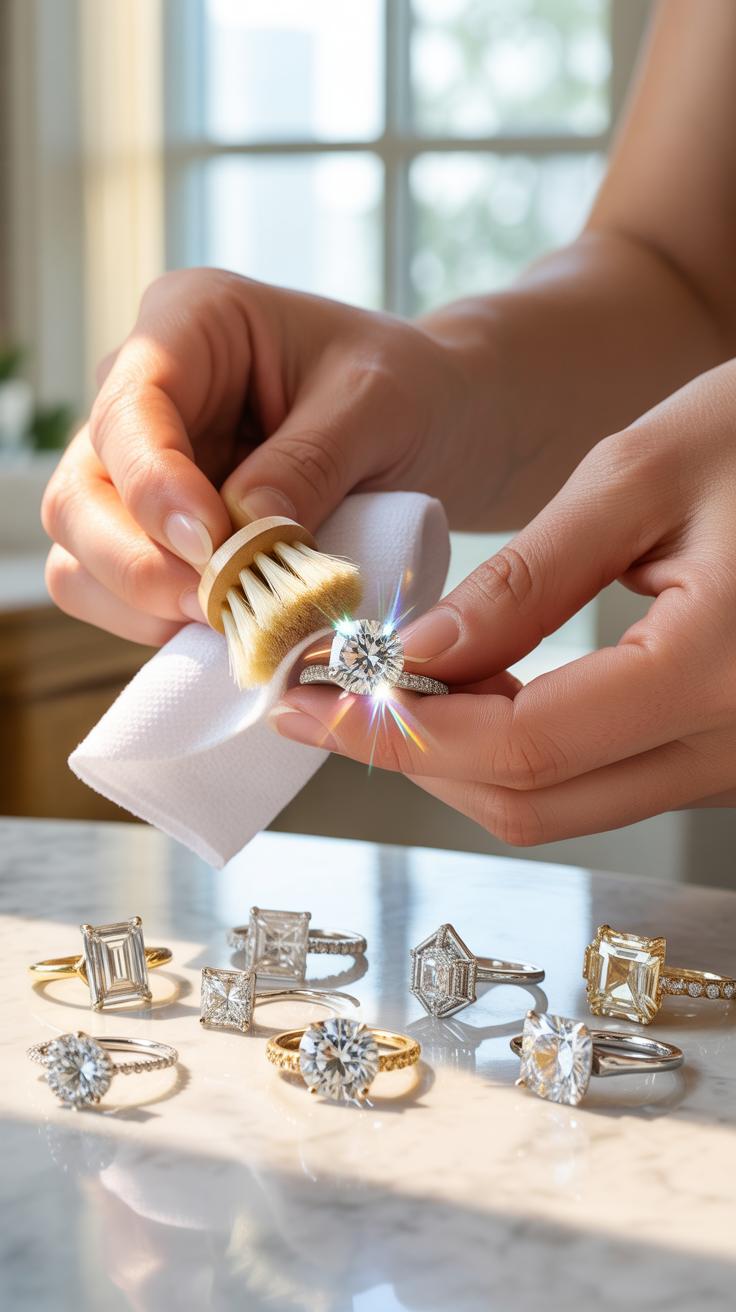
How To Clean And Store Your Lab Grown Diamond Engagement Ring At Home Safely
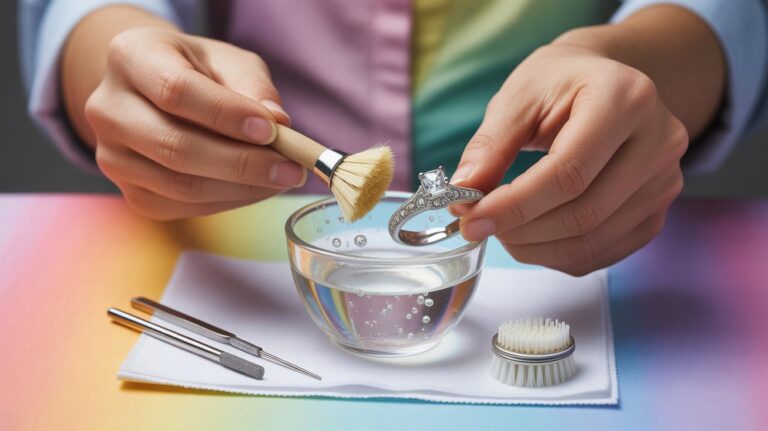
Lab grown diamonds share the same chemical properties as mined stones. They attract grease and skin oils quickly. This buildup dulls the light refraction. Clean your ring weekly using warm water and mild dish soap. Use a soft toothbrush to reach under the stone setting. This removes debris without scratching the metal. Rinse the ring thoroughly and dry it with a lint free cloth.
Proper storage prevents physical damage to the metal and stones. Diamonds are the hardest material and can scratch other jewelry. Store your ring in a fabric lined box or a separate pouch. Keep it away from harsh chemicals like bleach or chlorine. These substances weaken gold and platinum alloys over time. Take the ring off during heavy lifting or cleaning to prevent bent prongs or lost stones.
Insurance, Warranties And Resizing: Long Term Care Considerations For Budget Couples
Insurance protects your investment against theft or loss. Most standard homeowners policies offer limited jewelry coverage. You should purchase a specialized jewelry policy for better protection. These policies often cover accidental damage or mysterious disappearance. Get an independent appraisal every few years to keep your coverage accurate. Retail prices for lab grown diamonds change frequently. Updated appraisals ensure you do not pay high premiums for depreciating assets.
Warranties and resizing require careful planning. Many retailers offer lifetime stone replacement if you attend regular inspections. These checks catch loose prongs before the diamond falls out. Resizing should happen sparingly to maintain the structural integrity of the band. Thin bands on modern rings can crack if resized too many times. Always use a jeweler who works with your specific metal. Platinum and gold require different heat levels during the repair process.
Frequently Asked Questions

What exactly is a lab grown diamond and is it a real diamond?
Yes, a lab grown diamond is a real diamond in every sense. These stones possess the exact same chemical, physical, and optical properties as mined diamonds. The only difference is their origin; they are created in controlled laboratory environments rather than underground. When you choose a lab grown diamond engagement ring, you are getting a genuine gemstone that sparkles with the same fire and brilliance as one extracted from the earth.
How can I choose the best quality diamond while staying on a tight budget?
To maximize value, focus on the “Four Cs” but prioritize the cut above all else. A high-quality cut ensures your lab grown diamond engagement ring reflects light beautifully, which can even hide slight color tints or internal inclusions. We recommend looking for an “Ideal” or “Excellent” cut grade and choosing an eye-clean VS2 clarity or an H-color grade to save money without sacrificing any visible beauty or sparkle.
Why are lab created diamonds more affordable for couples today?
Lab created diamonds are more accessible because their production involves a shorter, more efficient supply chain. Without the high costs associated with traditional mining, land displacement, and complex distribution, these stones typically cost 40% to 50% less than mined equivalents. This price difference allows budget-conscious couples to purchase a significantly larger or higher-quality center stone while remaining comfortably within their financial goals for their big day.