Why Morocco Honeymoon Is Perfect For Adventurous Couples
A Land Of Contrasts: Deserts, Mountains, And Coastal Escapes
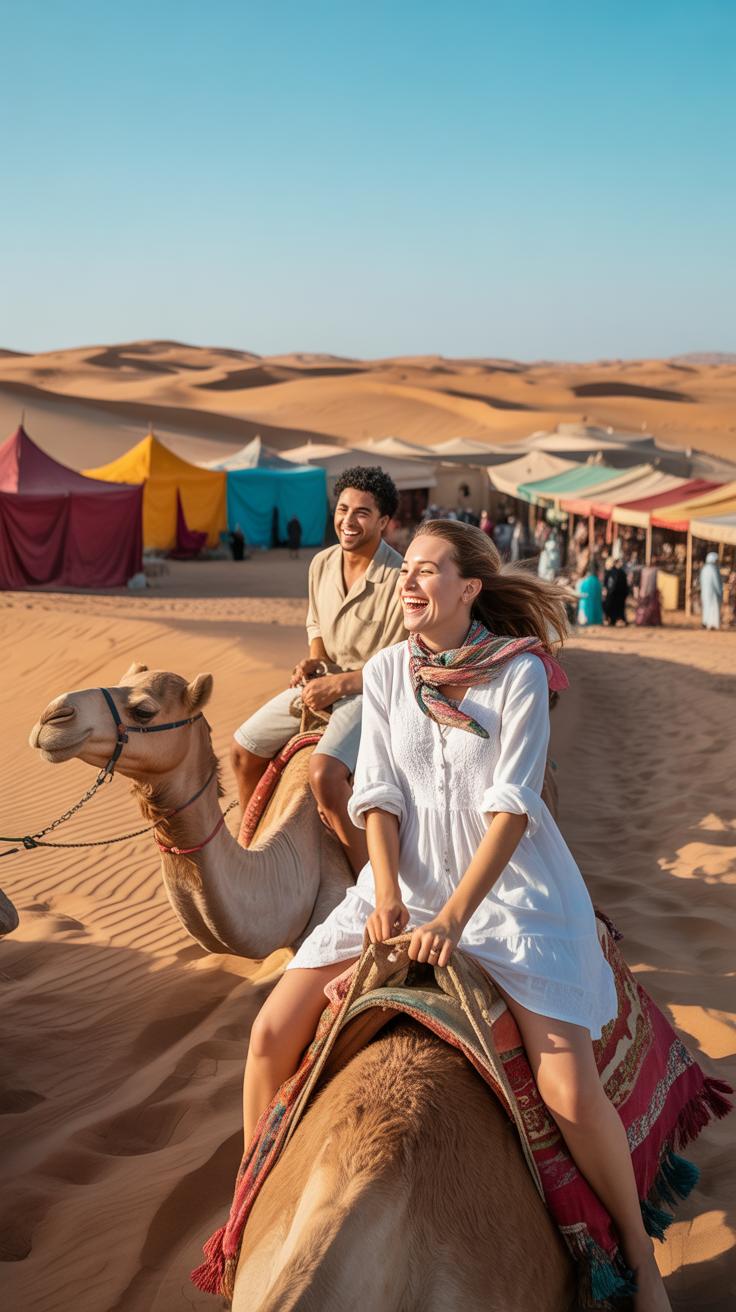
Morocco offers three distinct geographical zones for active couples. The Atlas Mountains provide high-altitude trekking and berber village experiences. This range separates the Atlantic coastline from the Sahara Desert. Each region requires different gear and logistics. You can surf in Taghazout and hike the Toubkal peak within the same week. This diversity allows for multiple vacation types in one single trip.
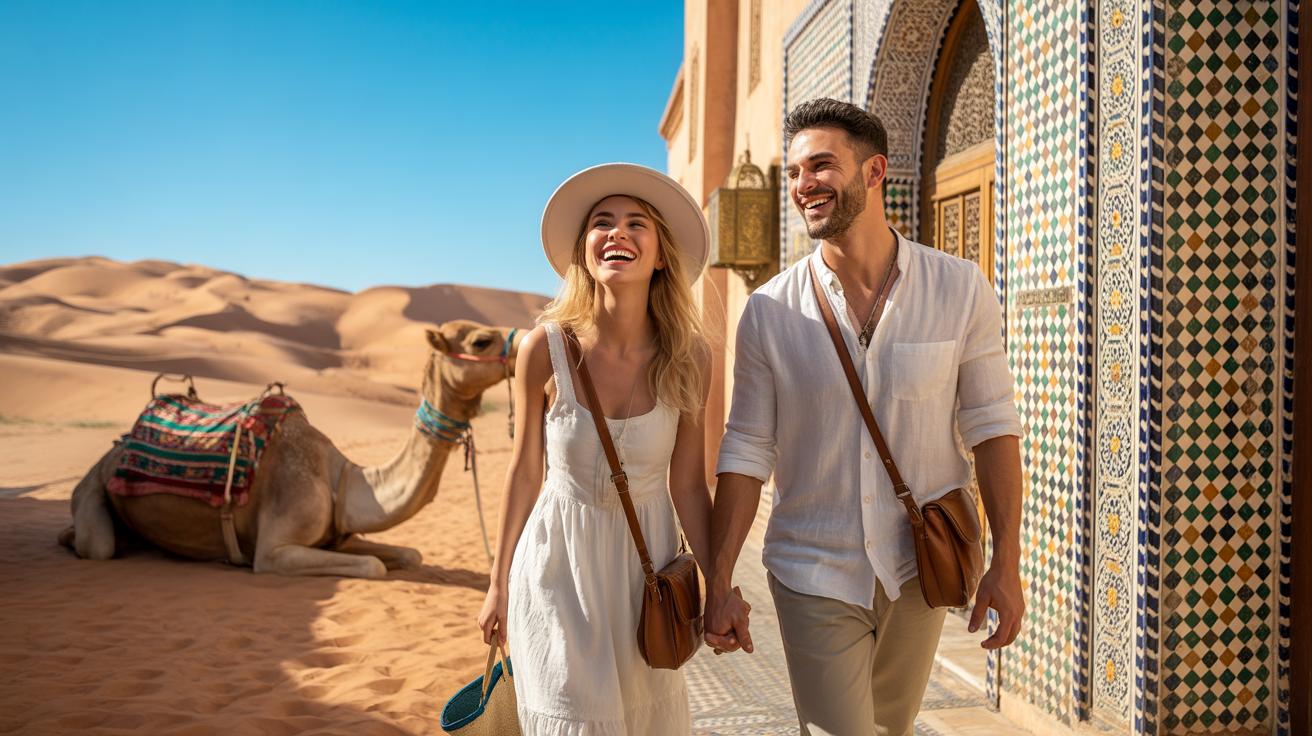
The Sahara Desert provides a harsh but accessible environment for remote camping. Eastern dunes like Erg Chebbi offer deep sand tracks for off-road driving. Coastal cities like Essaouira feature strong winds for kiteboarding. Transitioning between these zones is fast via a developing highway system. You gain access to varied climates and terrain without crossing international borders. This variety maximizes your travel time and adventure opportunities.
Romance On A Real Budget: What Makes Morocco Stand Out
Morocco provides high-value luxury at a lower cost than Europe or North America. The riad system offers private, upscale lodging within historic city centers. These traditional courtyard houses use local materials like tadelakt plaster and zellij tiles. You get a premium, culturally rich environment for the price of a standard hotel elsewhere. Your money buys better service and more authentic architectural detail in this market.
Labor and food costs remain low for international travelers. Private drivers and mountain guides are affordable for mid-range budgets. You can book custom desert expeditions without spending thousands of dollars. Local markets provide high-quality ingredients for a few dollars per meal. Avoiding imported goods keeps your total spend low while maintaining a high standard of living. This financial efficiency allows for longer trips and more activities.

Best Time To Visit Morocco For Your Honeymoon
Peak Season Vs. Shoulder Season: How Timing Affects Your Morocco Honeymoon Budget
Peak season runs from December through February and during Easter. European travelers flood the cities. Riads and luxury desert camps raise prices by twenty to fifty percent. You must book months in advance to secure prime locations. Competition for private drivers and guides increases costs. High demand reduces your ability to negotiate rates. Budget for maximum expenses if you travel during these windows.
Summer represents the low season due to extreme heat. Temperatures in Marrakech and the Sahara often exceed one hundred degrees. Many luxury riads offer deep discounts to fill rooms. You save money but sacrifice physical comfort. Coastal cities like Essaouira maintain higher prices because locals flee the inland heat. Choose the shoulder season to balance costs and climate. You get better value without the stifling summer weather.
Spring And Autumn: The Sweet Spot For Comfort And Savings
Spring and autumn offer the most tactical advantage for your budget. March to May and September to November provide moderate temperatures. You avoid the high heating costs of winter and the air conditioning demands of summer. Flights from major hubs remain stable compared to holiday spikes. You find the best inventory for boutique riads. These periods allow for outdoor activities without weather related delays or extra gear.

Strategic planning in these months maximizes every dollar. You experience the Sahara and the Atlas Mountains in ideal conditions. Market prices for services like guided tours are fair. Vendors are more willing to trade when foot traffic is steady but not overwhelming. You secure high end experiences at standard rates. This timing ensures your honeymoon budget covers luxury amenities without the peak season surcharge. Reliable weather reduces the risk of expensive cancellations.
Travel Planning For Morocco Visas Flights And Entry Requirements
Visa Policies And Entry Essentials Couples Should Know Before They Go
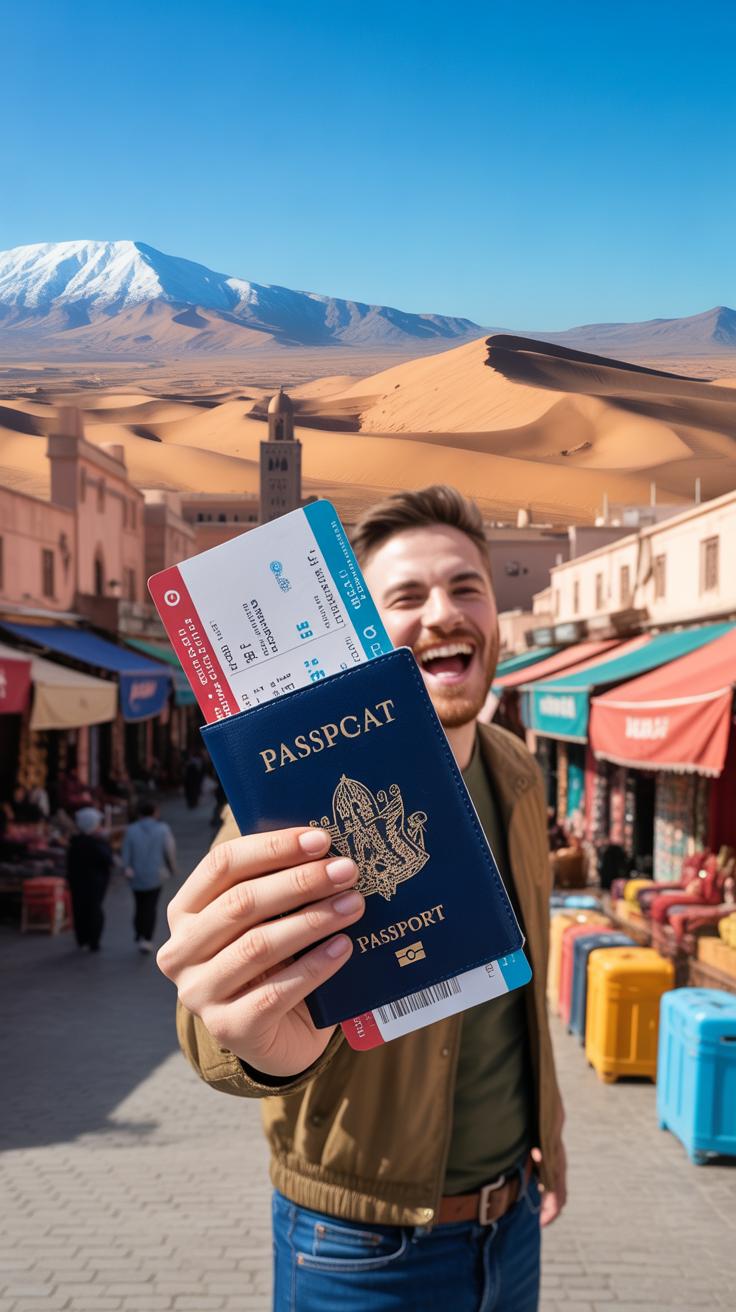
Morocco grants visa free entry to citizens from the United States, Canada, and the United Kingdom. Most travelers from these nations receive a stay of up to ninety days upon arrival. You must present a passport valid for at least six months beyond your departure date. Check your passport for blank pages to ensure space for the official entry stamp at the border.
Expect a straightforward immigration process at major international airports. You no longer need to complete a physical arrival card in most terminals. However, keep your lodging address ready for the immigration officer. This official must stamp your passport to make your stay legal. Verify that the stamp is clear and legible before leaving the desk to avoid issues when you exit the country later.
Finding Affordable Flights And The Best Airports To Fly Into Morocco
Casablanca and Marrakesh serve as the primary hubs for international arrivals. Casablanca Mohammd V International Airport handles the highest volume of long haul flights from North America. Royal Air Maroc operates most direct routes into this city. Budget conscious couples should look for flights into Marrakesh if they arrive from Europe. Low cost carriers like Ryanair and EasyJet offer frequent and cheap connections to the southern hub.

Flight prices fluctuate based on the tourist season and local festivals. Book at least four months in advance for travel during spring or autumn. These periods see peak demand and higher prices due to the mild weather. Use flight aggregators to compare Casablanca and Marrakesh arrivals for the best deal. Flying into one city and departing from another often reduces total transport costs for couples moving across the country.
Morocco Travel Route Building The Perfect Honeymoon Itinerary
A Classic Two Week Route From Marrakech To The Sahara And Beyond
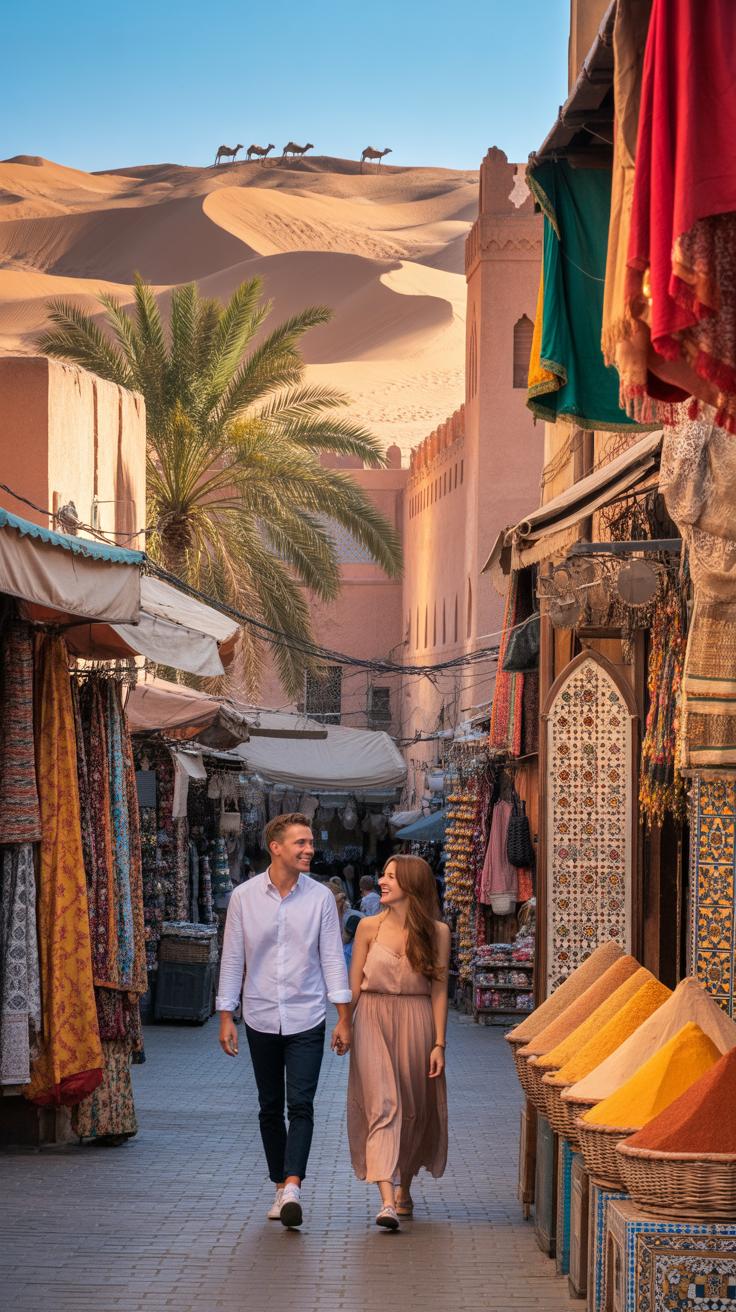
Start in Marrakech to adjust to the pace of the country. Spend three days exploring the old city and the local markets. Hire a driver to cross the High Atlas Mountains via the Tizi n Tichka pass. This route leads to the desert gateway of Ouarzazate. Most couples stop here to see the ancient clay architecture of Ait Ben Haddou before heading east.
Continue through the Dades Valley toward the Merzouga dunes in the Sahara. Spend two nights in a desert camp for the full experience. Head north to Fes to see the historical tanneries and medieval streets. End the trip in Chefchaouen or Tangier. This loop covers the most diverse landscapes in fourteen days. It maximizes your time without forcing long transit days every morning.
How To Move Between Cities: Trains Buses And Private Transfers
Use the Al Boraq high speed train between Casablanca, Rabat, and Tangier. It is fast and reliable. For other city connections, use the ONCF standard rail network. It stays on schedule and offers first class seating for a small fee. Expect clean cars and easy booking through the official website. This is the most cost effective way to travel the northern coast and central plains.

Hire a private driver for the southern mountain and desert regions. Trains do not reach these areas. A dedicated 4×4 vehicle handles the rough terrain better than a standard car. You control the schedule and stop for photos when you want. For budget options, use CTM or Supratours buses. These companies offer air conditioning and reserved seats. They are safer and more professional than local grand taxis.
Where To Stay During A Honeymoon In Morocco Riads Camps And Coastal Hotels
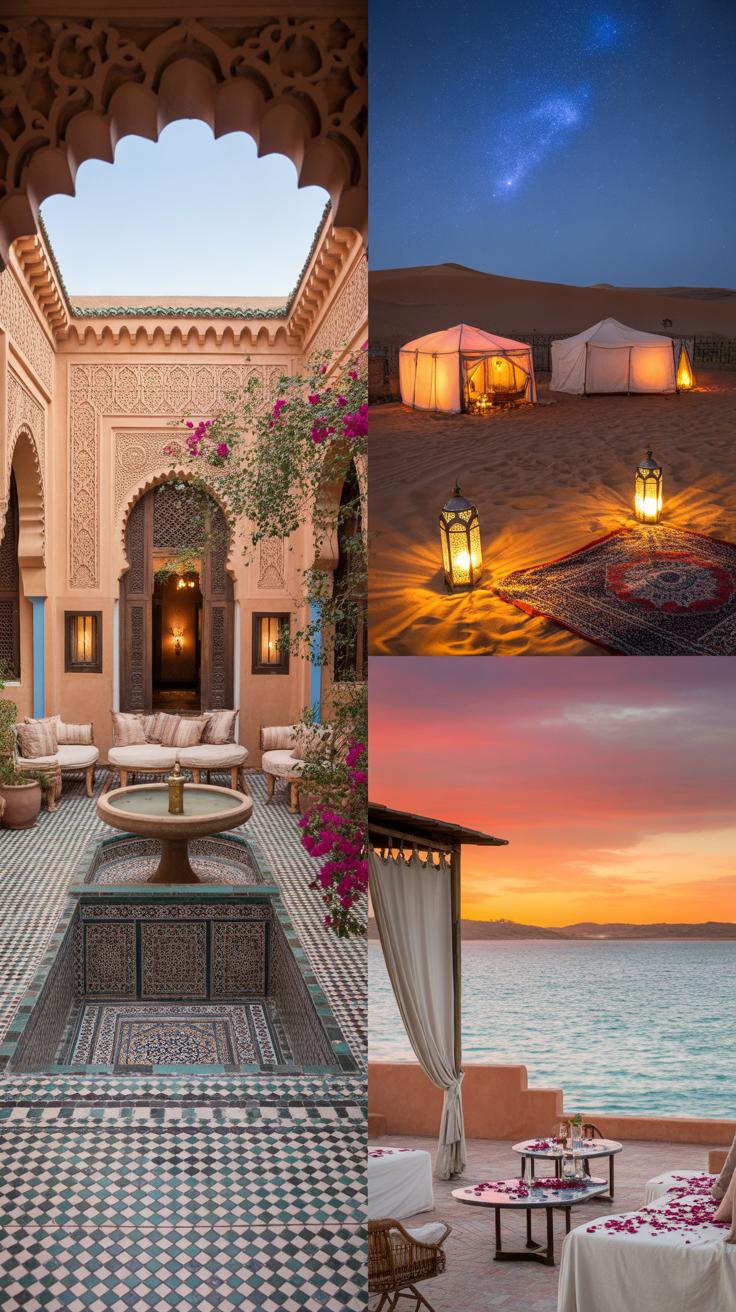
Romantic Riads In The Medina: Luxury Feeling At Budget Friendly Prices
Moroccan riads offer high value for your honeymoon budget. These traditional houses feature inward-facing rooms centered around a private courtyard. Thick masonry walls block heat and street noise from the medina. Artisans use Zellij tilework and hand-carved cedarwood to define the aesthetic. You get a high-end experience without the cost of a global hotel chain. Most riads include breakfast and personalized service.
Choose a riad with a rooftop terrace to maximize your space. Many mid-range options provide plunge pools and traditional hammams on site. Location is your primary cost driver in cities like Marrakech or Fes. Staying five minutes away from the main square drops prices significantly. You gain privacy and save money. Focus on properties that highlight Andalusian design elements for an authentic and high-quality stay.
To awaken quite alone in a strange town is one of the pleasantest sensations in the world. May your Moroccan journey prove that the greatest adventures aren’t measured by gold, but by the riches of the soul.
Desert Camps And Coastal Retreats: Unique Stays That Won’T Drain Your Wallet
Desert camps in the Erg Chebbi or Erg Chigaga dunes provide a distinct honeymoon experience. Standard luxury camps include permanent tents with real beds and private bathrooms. These sites use heavy canvas and local rugs for insulation. Booking a package that includes camel transport and dinner simplifies your budget. It prevents hidden costs for food and activities. The remote location offers natural luxury through silence and stargazing.

Coastal towns like Essaouira offer affordable boutique hotels. These buildings often use tadelakt, a waterproof lime plaster, for a sleek finish. Windsurfers and artists frequent these areas, keeping prices lower than in the major cities. You can find renovated merchant houses with ocean views for a fraction of resort prices. Focus on the Mogador style architecture. These stays provide a relaxed pace and fresh seafood at local market rates.
Morocco Travel Food Dining And Eating Well On A Honeymoon Budget
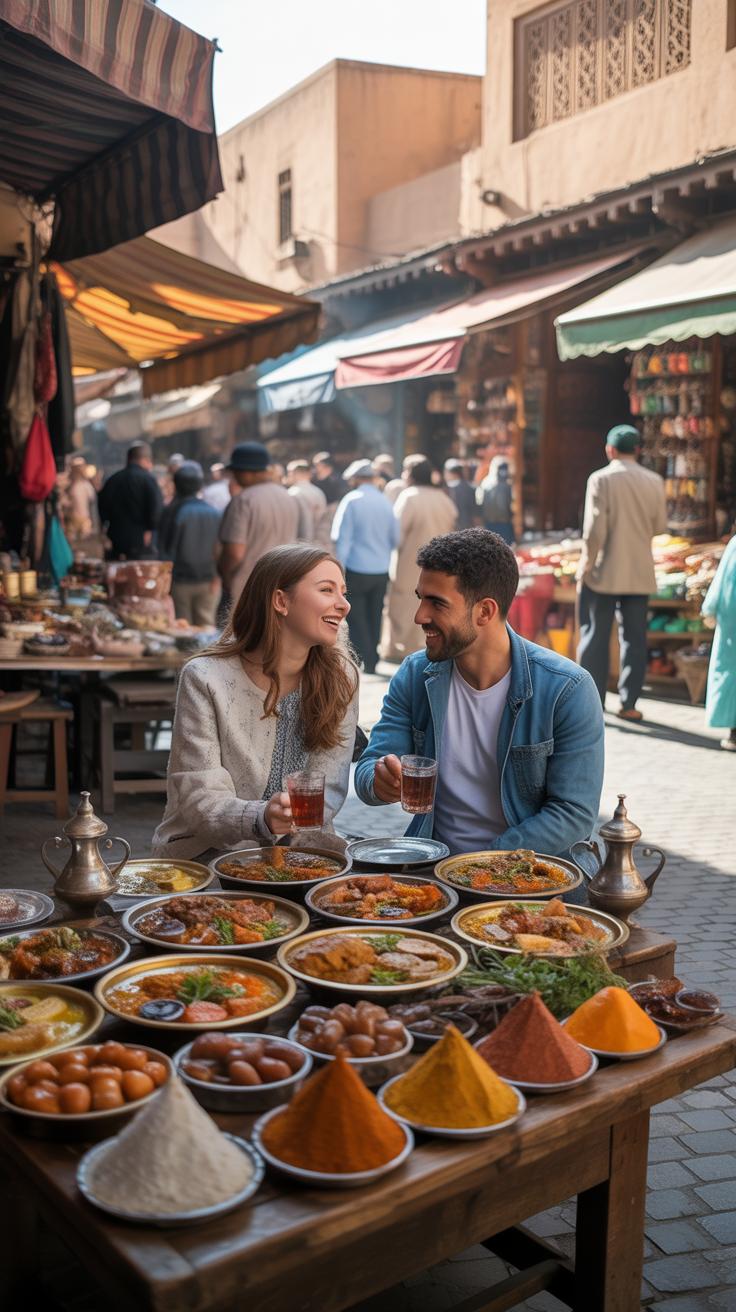
What Moroccan Cuisine Looks Like And How Much Meals Actually Cost
Moroccan food relies on slow-cooking techniques and heavy spice profiles. Expect tagines, couscous, and grilled meats as core staples. These dishes reflect Arab, Berber, and French influences. Street food costs roughly 30 to 50 MAD. Mid-range sit-down meals for two people average between 250 and 400 MAD. High-end dining in converted palaces can exceed 1,000 MAD excluding alcohol. Budgeting requires balancing these tiers.
Tap water is not safe for travelers. Buy bottled water for 5 to 10 MAD. Alcohol carries high taxes and remains scarce outside of hotels or specific licensed bars. A beer costs about 50 MAD. Wine starts at 150 MAD per bottle. Bread often replaces utensils in local settings. Tipping remains standard at 10 percent for good service. Use cash for all small local food stalls.
Best Street Food Finds And Local Restaurants Worth Visiting As A Couple
Local markets offer high-calorie, low-cost options for adventurous couples. You will find grilled meats and fresh breads in every medina. These spots provide authentic flavors without the tourist markup. Stick to vendors with high turnover to ensure freshness. Street food allows more flexibility in your daily spending. Use these savings to fund one or two luxury dinner reservations during your trip.
- Jemaa el-Fnaa Stalls: Marrakech’s main square transforms into a massive open-air kitchen at night. Focus on stalls serving harira soup and grilled merguez sausages. Always confirm prices before sitting down to eat.
- Mechoui Alley: Located near the Marrakech spice market, this spot specializes in slow-roasted lamb. The meat cooks in underground clay ovens until it falls off the bone. It is sold by weight and served with cumin.
- Fresh Sardines in Essaouira: Coastal towns offer high-quality seafood at docks and small grills. Choose your fish directly from the morning catch. Locals eat these with bread and salad for a fraction of restaurant prices.
- B’stilla Vendors: This savory and sweet poultry pie uses thin pastry layers called warqa. It represents high-level Moroccan culinary skill. Look for specialized bakeries in the Fes medina for the most traditional and accurate versions.
- Maakouda Sandwiches: These fried potato cakes serve as a staple street snack across the country. Vendors stuff them into fresh rounds of khobz bread with spicy harissa sauce. This is a very cheap and filling lunch option.

Avoid restaurants with aggressive touts standing outside. Use apps or local recommendations to find hidden gems in the side alleys. Many top-rated riads offer private dinners that provide better value and intimacy than commercial tourist traps. Check if your breakfast is included in your room rate to save 60 MAD daily. Consistency in your food budget prevents unexpected financial stress during your honeymoon.
Tipping In Morocco What Every Honeymooning Couple Needs To Know
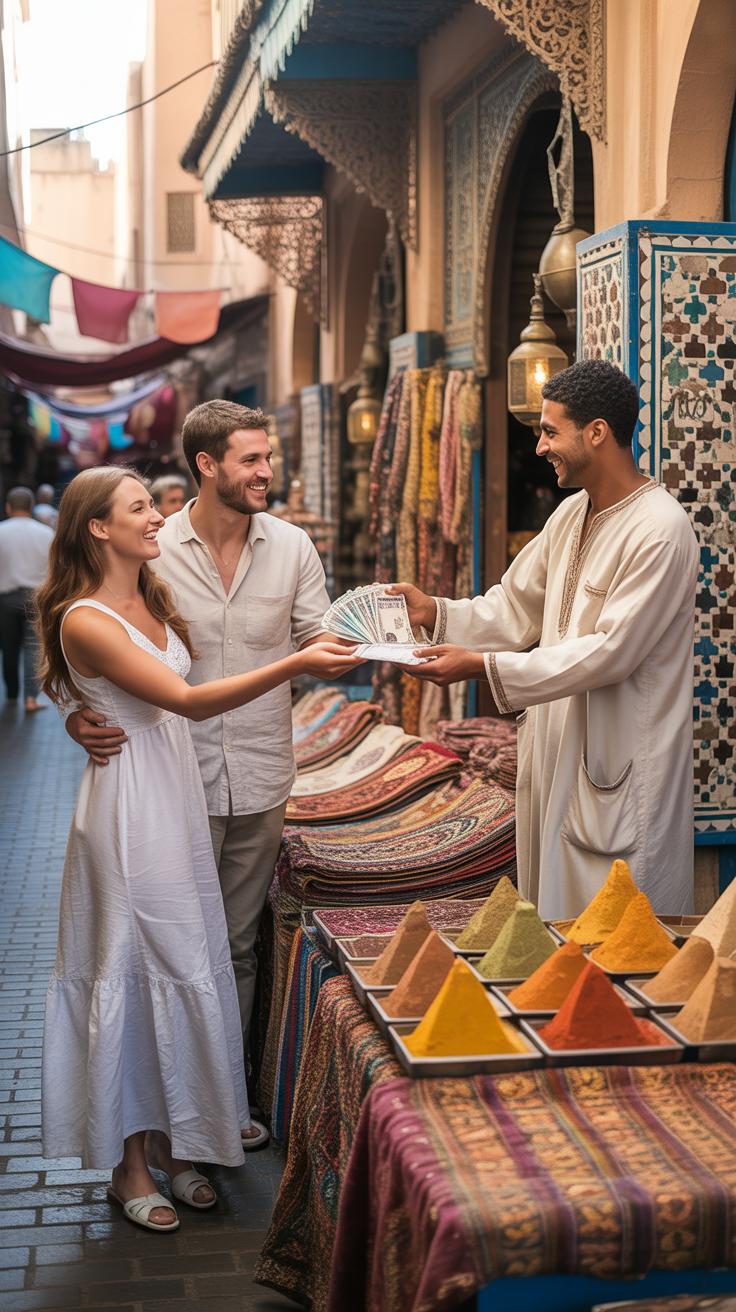
How Tipping Culture Works In Morocco And Who Expects A Tip
Tipping in Morocco is a fundamental social contract known as backsheesh. It is not optional for travelers. Most workers in the service industry earn very low base wages. They rely on tips to support their families. Strategic tipping ensures better service and smoother transitions between locations. You must carry small denominations of Moroccan Dirhams at all times to handle these frequent interactions.
Expect to tip almost everyone who provides a service. This includes baggage handlers at riads, parking attendants on the street, and bathroom monitors. Local fixers or strangers who offer directions also expect payment. If you accept help, you must pay for it. Failing to tip can lead to confrontational social situations. Professionalism in your budget planning requires accounting for these constant small outlays of cash.
Recommended Tipping Amounts For Guides, Drivers, Hotels, And Restaurants
Precise tipping prevents overpaying while maintaining respect. You should calculate these costs into your daily honeymoon cash flow. Round up your bills in casual cafes by a few Dirhams. In high-end restaurants, check if the service charge is already included in the total. If not, add ten percent to the bill. Carry a dedicated pouch for coins to avoid fumbling during transactions.
- Private Tour Guides: Pay between 150 and 300 Dirhams for a full day of service. Research shows that specialized historical guides deserve the higher end of this scale. This tip acknowledges their expertise and time.
- Private Drivers: Tip your long-distance drivers 100 to 200 Dirhams per day. These professionals manage difficult terrain and vehicle maintenance. If they act as an informal translator or fixer, consider increasing the amount to show your appreciation.
- Riad Staff and Porters: Give 10 to 20 Dirhams per bag to porters who navigate medina alleys. For general house staff, leave 50 to 100 Dirhams in a common envelope at the end of your stay. This ensures fair distribution.
- Restaurant Servers: Add 10 percent to your bill in sit-down establishments. For small snacks or coffee at a local stall, leave 2 to 5 Dirhams. Always hand the cash directly to the server rather than leaving it on the table.
- Spa and Hammam Therapists: Provide a tip of 10 to 15 percent of the total treatment cost. Honeymoon couples often book private sessions where personalized attention is high. Giving this tip directly to the therapist after the session is standard practice.
Use local currency for all tips to provide the most value to the recipient. Foreign coins are difficult for locals to exchange at banks. Keep 10 and 20 Dirham notes accessible in your pockets for quick access. This prevents you from flashing large stacks of cash in public spaces. Accurate tipping reflects your status as a prepared and respectful traveler in the Moroccan economy.
Honeymoon Africa Comparison Why Morocco Beats Other African Destinations On Value
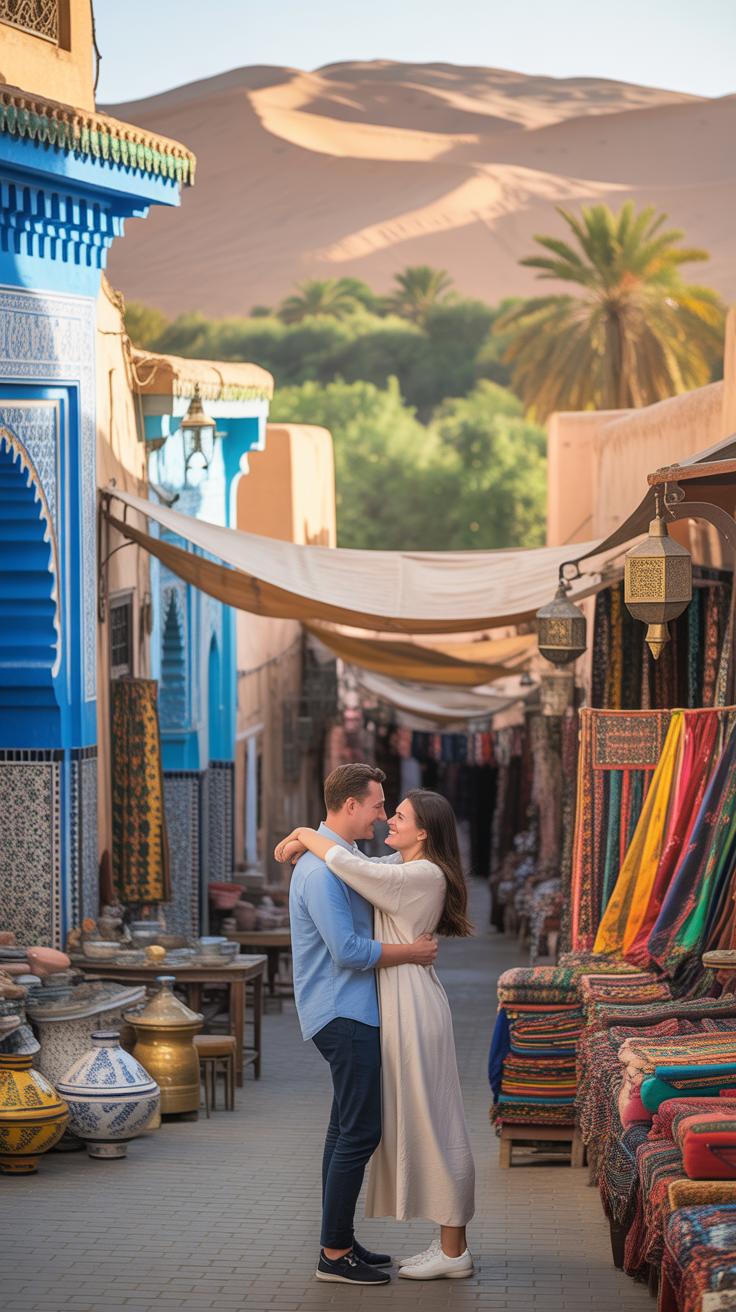
Morocco Vs. Other African Honeymoon Destinations: A Practical Cost Comparison
Morocco offers a higher standard of luxury for less capital than regional rivals. In South Africa or Kenya, high-end lodges often start at one thousand dollars per night. Morocco provides equivalent luxury in restored riads for three hundred dollars. Food and transport costs remain significantly lower in North Africa. This price gap allows couples to extend their trip duration without increasing the total spend.
A Morocco honeymoon budget stretches further across a diverse itinerary. You can visit mountains, deserts, and coastal cities within one week. Tanzania or Botswana require expensive bush flights between locations. These logistics eat up your budget and your time. Morocco uses a robust train network and affordable private drivers. You get more actual vacation time for every dollar spent compared to sub-Saharan options.
What Makes Morocco Uniquely Accessible Compared To Safari Based Honeymoons
Safari-based honeymoons demand rigid schedules and heavy pre-planning. You pay for all-inclusive packages because remote camps control all resources. Morocco operates on an open economy. This gives you total control over daily spending. You can choose a cheap street food lunch and a fine dining dinner. This flexibility does not exist in the private concessions of the Serengeti or the Okavango Delta.

Geography also drives the value proposition. Morocco sits at the doorstep of Europe. Direct flights are frequent and competitive. Reaching remote safari destinations requires multiple international and domestic connections. These flights often cost more than the land portion of the trip. Morocco eliminates these hidden costs. You spend your money on the experience rather than the logistics of getting there.
Full Morocco Honeymoon Budget Breakdown Daily Costs And Money Saving Tips
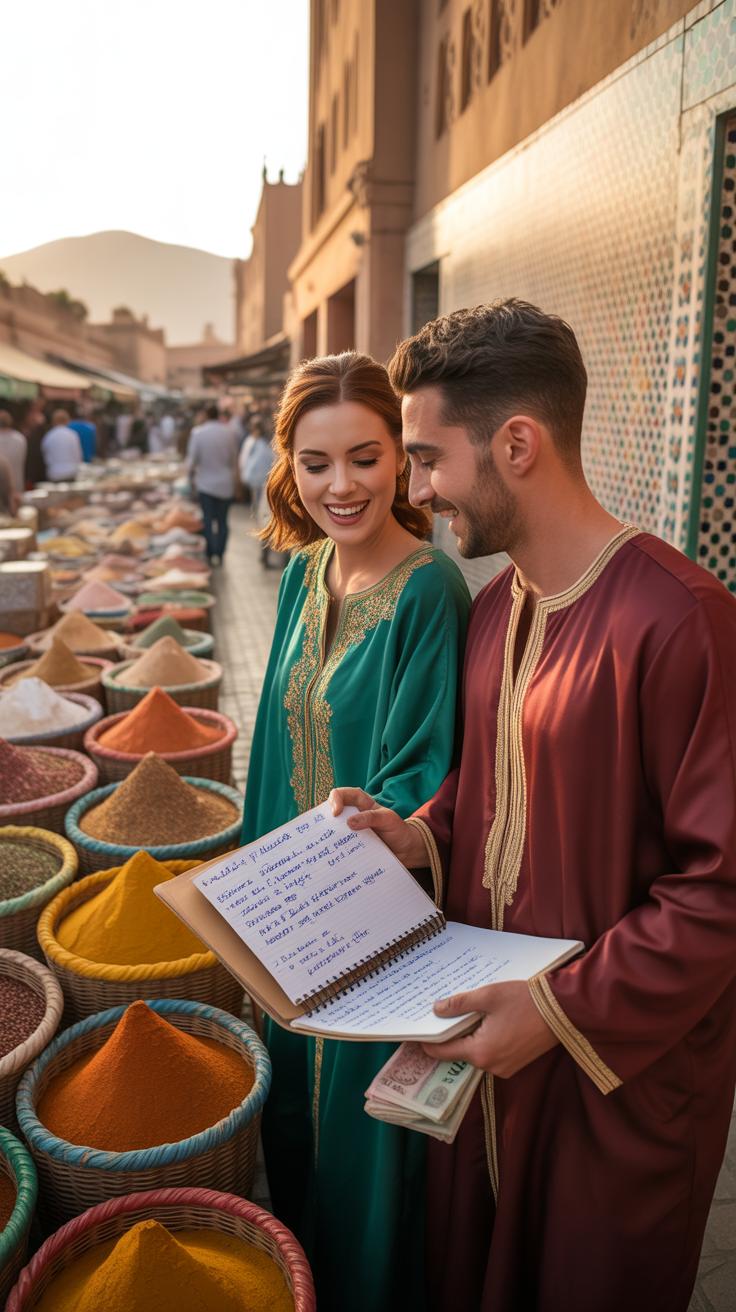
Estimated Daily Budget Ranges: Backpacker, Mid Range, And Comfort Tiers
Budget couples spend 40 to 60 USD daily. This covers basic hostels or cheap riads and street food like tajine or msemen. You will use local buses and trains for transport. Entry fees for historical sites are low costs. You must track every dirham to stay in this range. Strategic planning keeps costs down while you see the major cities and desert edges.
Mid-range couples should plan for 120 to 200 USD daily. This tier secures private rooms in boutique riads with breakfast included. You can afford sit-down dinners and occasional private drivers between cities. This budget allows for guided tours in Fes or Marrakech. You get comfort without excessive luxury. It balances cost and experience. Comfort tiers start at 400 USD and go much higher for luxury camps.
How To Stretch Your Morocco Honeymoon Budget Further With Smart Spending Habits
Eat where locals eat to save significant money. Tourist-heavy squares charge triple for average food. Walk deep into the medina alleys for authentic grills and soups. Avoid alcohol in restaurants because heavy taxes make it expensive. Buy bottled water in large packs from supermarkets instead of small bottles at kiosks. These small daily choices prevent budget creep over a two-week honeymoon trip.
Negotiate prices for every taxi and market purchase before you commit. Start your offer at half the asking price and settle in the middle. Use the national train system, ONCF, for long distances instead of private transfers. Book riads directly to avoid high commission fees from booking platforms. Travel during the shoulder seasons of spring or autumn. You get better rates on rooms and flights during these months.
Frequently Asked Questions

Is Morocco an affordable destination for a romantic honeymoon?
Morocco is an incredibly versatile destination that caters to various price points, making a morocco honeymoon budget easy to manage for adventurous couples. While you can indulge in world-class luxury at famous palaces, the country excels at providing high-end experiences, like staying in authentic riads or private desert camps, at a fraction of the cost of European alternatives. With careful planning, you can enjoy a deeply romantic and exotic getaway without overspending.
How can we plan an adventurous Morocco itinerary while staying on track?
To maximize your experience, start by prioritizing one or two “splurge” moments, such as a hot air balloon ride over Marrakech or a private guided hike in the Atlas Mountains. You can balance your morocco honeymoon budget by eating at local souk stalls and using reliable train networks between major cities. Booking boutique riads in advance often secures better rates, allowing you to allocate more funds toward unique, once-in-a-lifetime desert excursions.
What should we realistically expect to spend on a daily basis?
For a comfortable, mid-range honeymoon experience, couples should expect to spend between $150 and $250 per day. This estimate typically covers charming boutique accommodation, two sit-down meals featuring traditional tagines, and entry fees for historical sites or guided city tours. If you are a more nomadic couple focusing on hostels or street food, you can certainly lower this cost, but mid-range pricing ensures a perfect blend of adventure and honeymoon comfort.