Why The Month You Marry Has A Major Impact On Your Wedding Budget
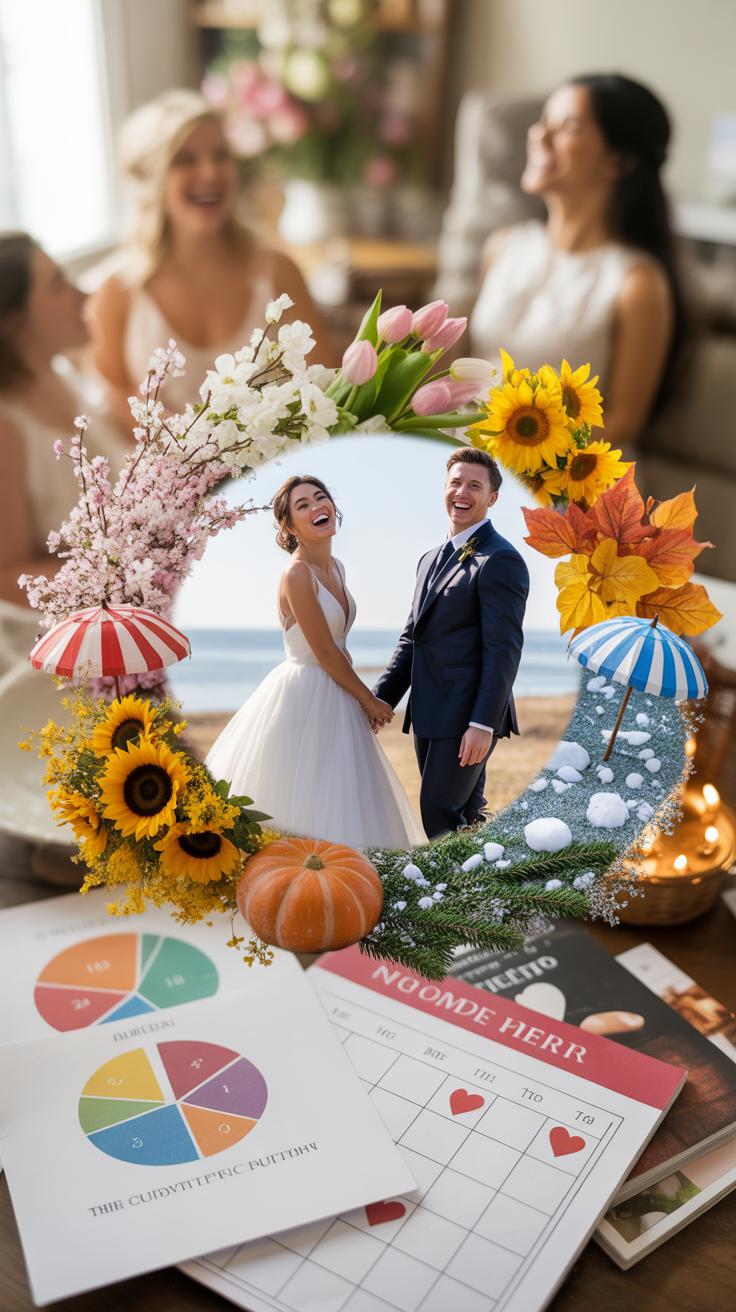
How Seasonal Demand Drives Up Wedding Venue And Vendor Costs
Wedding venues operate on supply and demand cycles. Most couples want warm weather and long days. This creates high demand for specific months. Venues respond by raising prices during these popular times. They know their calendar will fill up regardless of cost. Vendors like photographers and caterers also follow this pattern. They charge premium rates when their services are in high demand.
Choosing a popular month forces you to compete with thousands of other couples. This competition removes your leverage for negotiation. Vendors do not offer discounts when they have a waiting list. You pay the full market rate for every service. Selecting a month with low demand shifts the power back to you. You gain the ability to negotiate lower fees and secure better terms with top tier professionals.
Peak Vs. Off Peak Wedding Season: What The Price Difference Actually Looks Like
The price gap between peak and off peak months is significant. Peak season usually runs from late spring through early fall. During these months, venues charge maximum rental fees. They often enforce high food and drink minimums. These requirements can add thousands of dollars to your total bill. You pay for the convenience of good weather and traditional timing. This price hike affects your entire budget.
Off peak months offer substantial savings on fixed costs. Venues often slash rental fees by thirty to fifty percent in winter. Many waive their guest count minimums during slow periods. You can find better deals on hotel blocks for your guests. Vendors are more likely to offer custom packages to fill their schedules. This price difference allows a ten thousand dollar wedding to feel like a much more expensive event.

The Cheapest Month To Get Married January And The Off Season Advantage

Why January Consistently Ranks As The Most Affordable Wedding Month
January sits at the peak of the post-holiday slump. Demand for event spaces crashes after New Year celebrations. Venues face empty calendars and high fixed costs. To stay operational, these businesses slash prices to attract business. This creates a buyer market where couples hold the leverage. You avoid the high-season premium common in late spring and early autumn months.
Supply and demand dictate wedding costs. Most couples avoid cold weather and short days. This collective avoidance works in your favor. Vendors like photographers and caterers have more open dates than work. They often waive travel fees or reduce package rates to fill gaps. January offers the lowest baseline for venue rentals. You secure the same luxury space for a fraction of the July price.
What Couples Can Realistically Save By Choosing A January Wedding Date
Booking in January often yields savings of thirty to fifty percent on venue rental fees alone. Some high-end locations waive the facility fee entirely if you meet a food minimum. This is critical for a 10k wedding or a wedding budget 15k. These savings allow you to reallocate funds toward better food or guest experiences. You get more value for every dollar spent.

Financial benefits extend beyond the venue. Vendors negotiate more freely in the off-season. You can often secure upgrades like extra photography hours or premium linens at no cost. Flight and hotel rates for guests also drop during this period. Choosing January makes a 15k wedding look and feel like a much more expensive event. Timing remains the most effective tool for cost control in planning.
Best Months To Get Married On A Budget Ranking The Off Peak Options

November, February, And March: Underrated And Underpriced Wedding Months
November, February, and March represent the primary off-peak window for weddings. Demand drops significantly during these months. Most couples avoid cold weather and early sunsets. Vendors face empty calendars and want to fill slots. You gain massive leverage during negotiations. Use this timing to secure high-end venues at a fraction of summer rates. You can often skip food and beverage minimums entirely.
February and March offer the deepest discounts. These months sit between the holiday rush and spring peak. Venues frequently offer flat-rate packages to attract business. November works well for those seeking indoor autumn aesthetics without October price tags. Prices stay low because demand remains stagnant. Focus your budget on these three months to maximize every dollar. You will get more for less money in this timeframe.
How Weather, Availability, And Local Events Shape Monthly Pricing
Weather directly dictates market rates. High demand creates high prices during temperate months like June or September. Bad weather creates an immediate buyers market. Venues classify rainy or cold months as low season. They slash rental fees to cover their fixed operating costs. You benefit from this price drop if you stay indoors. Planning around the climate is the fastest way to save big money.

Availability and local events also drive costs. Avoid months with major holidays or large regional festivals. These events inflate hotel rates and limit venue access. Off-peak months have fewer town events to compete with your date. This high inventory of open dates gives you the power. You can pick any Saturday without fighting other couples. Always check the local calendar before you book your cheap off-peak date.
Wedding Planning Month By Month A Budget Focused Timeline
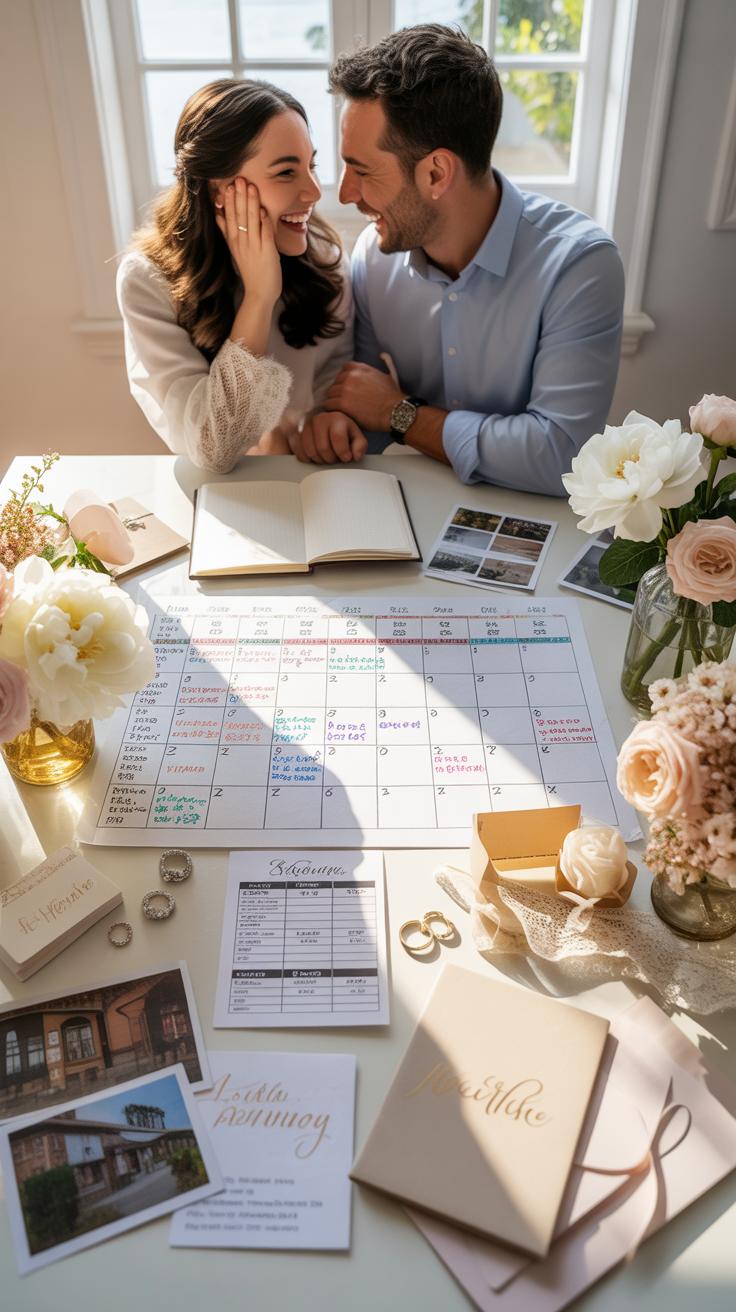
How To Use A Month By Month Wedding Planning Timeline To Control Costs
A structured timeline prevents desperation spending and last minute price hikes. You must secure your venue at least twelve months in advance to lock in current rates. Early booking protects your budget from annual inflation and helps you avoid premium fees for popular dates. Use the first six months to conduct deep research on vendor pricing and availability for your target month.
Tactical planning allows you to align your purchases with seasonal sales and clearance cycles. Buy decor during post holiday sales and attire during sample sale months. Use a rigid schedule to track deposit deadlines and payment milestones. This method eliminates the need for expensive rush shipping or premium convenience charges. Clear organization ensures you stay within your fifteen thousand dollar limit by managing cash flow.
Key Budget Milestones To Hit At Each Stage Of Your Wedding Planning Journey
The first three months define your financial success or failure for the entire event. You must establish a firm total budget and prioritize your top three non negotiable items. High demand vendors like photographers and caterers book up quickly. Securing these professionals early ensures you get the best value before they fill their calendars and raise their standard rates.
- Establish Total Budget Cap: Set a hard limit of ten thousand or fifteen thousand dollars immediately. Allocate sixty percent of this total to the venue and catering costs. This prevents overspending on secondary items like favors or stationery later.
- Secure Off Peak Venue: Sign your contract for a winter date by month ten. Focus on January or February to leverage low demand. This milestone reduces your largest expense and frees up funds for other essential wedding day services.
- Finalize Guest List Count: Lock your final head count by month six. Catering costs scale per person and represent your biggest variable expense. A smaller list allows for a higher quality experience while staying under a strict fifteen thousand dollar ceiling.
- Purchase Attire And Rings: Source your wedding dress and bands by month five to avoid rush alterations. Look for designer sample sales or previous season stock to save sixty percent. This tactical move prevents high cost custom orders and expensive shipping fees.
- Lock In Core Vendors: Contract your photographer and entertainment by month eight. Ask for mid week or off season discounts during the initial negotiation. Securing these professionals early avoids last minute booking premiums and limited selection of affordable talent.

As you enter the final ninety days you must shift focus to detailed execution and final payments. Reconfirm every contract price to avoid surprise service charges or hidden gratuity fees. Use this period to finalize DIY projects that replace expensive rental items. Staying disciplined during these final months ensures your total spend remains within your initial target without relying on high interest credit cards.
Best Time To Get Married For Value Weekdays Sundays And Shoulder Seasons
Why Sunday And Weekday Weddings Can Cut Venue Costs By Up To 30 Percent
Venues charge premium rates for Saturdays because demand is highest then. Booking a wedding on a Sunday or a weekday reduces that demand instantly. Most venues offer tiered pricing structures that favor off-peak days. You can often secure the same high-end ballroom or garden for a fraction of the standard weekend rate. This strategy allows couples to maximize a limited budget effectively.
The savings extend beyond the venue rental fee itself. Many vendors like photographers and florists have empty calendars during the week. They are more likely to waive travel fees or offer discounted packages to fill those gaps. You gain massive leverage during negotiations when you book a Tuesday or Thursday. Use this leverage to secure better terms or upgrades that would stay unavailable on a busy Saturday.
Shoulder Season Weddings: Getting Peak Season Beauty At Off Season Prices
The shoulder seasons occur in late spring and early autumn. These months sit between the expensive summer peak and the cold winter low. May and October provide excellent weather without the high price tags of June or September. You get the benefit of natural scenery and comfortable temperatures. You also avoid the intense competition for popular dates that drives up costs for every couple.

Travel and lodging costs for guests also drop during these transition periods. Hotels often lower their rates once the primary vacation season ends. This makes your wedding more affordable for everyone involved. You can secure better blocks of rooms at lower prices. Planning your event during these windows ensures you get high production value. You get the peak experience while staying well within a strict budget.
Cheap Places To Get Married That Pair Perfectly With Off Peak Months
Affordable Venue Types That Offer The Deepest Discounts During Slow Months
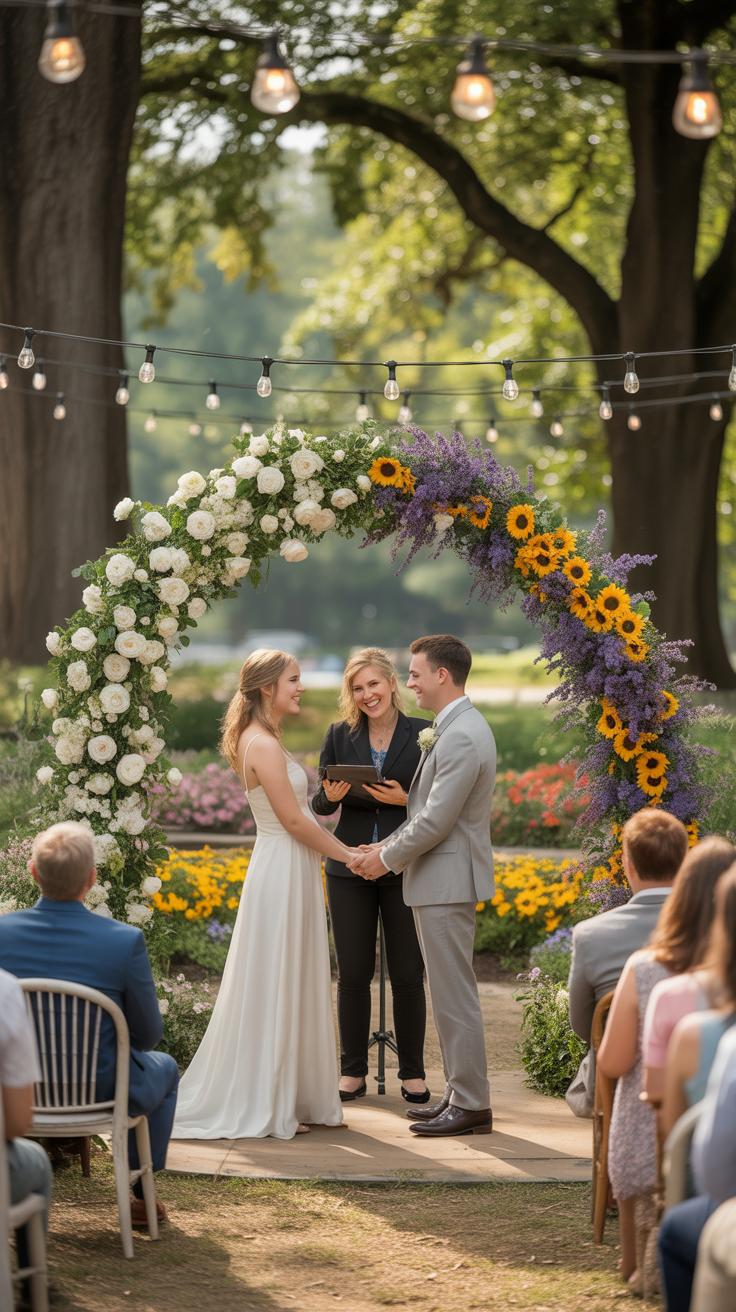
Raw spaces and municipal properties provide the most leverage during winter months. Public parks and historic state buildings often have fixed low rates that do not fluctuate with demand. However, private industrial lofts and botanical centers face high overhead during cold periods. These venues frequently slash rental fees in January and February to cover basic heating and staffing costs. You gain the most power here.
Target hotels that rely on business travelers rather than wedding tourists. These properties see a massive drop in occupancy during typical holiday lulls. You can negotiate waive-room rental fees if you meet a minimum food spend. Many commercial galleries also seek weekend revenue when art auctions slow down. Secure these venues by highlighting their need for consistent cash flow during their documented slow cycles.
How Location And Season Work Together To Lower Your Overall Wedding Cost
Geography dictates your final invoice more than any other factor. Choosing a northern city in the dead of winter creates an immediate buyers market. Venues in these regions experience a total freeze on bookings from January through March. You can demand lower beverage minimums and complimentary upgrades because you are their only client. This geographic advantage eliminates the standard competition that drives up prices.

Mountain towns and coastal resorts offer similar deal windows once the primary tourist season ends. A beach venue in November or a ski lodge in April becomes a liability for the owner. You solve their vacancy problem. Use this leverage to secure flat-rate packages that would cost triple during peak months. Fixed costs like labor and utilities remain, so owners accept lower profit margins to stay operational.
Planning A 10K To 15K Wedding How A Smart Month Choice Makes It Possible

Breaking Down A Realistic $10K Wedding Budget By Category
A ten thousand dollar budget requires a strict off-peak strategy. You must marry in January, February, or March to secure base rates that do not consume your entire fund. Most couples fail because they choose a high-demand month and then try to cut small costs. Instead, start with a low-cost month to keep your fixed venue and catering expenses under five thousand dollars.
- Venue and Catering: Allocate $5,000 for this category. Selecting a cold-weather month allows you to negotiate food and beverage minimums. Use a single space for both the ceremony and reception to eliminate double booking fees and transportation costs for your guests.
- Photography: Set aside $1,500 for a professional shooter. Look for talented mid-level photographers who need to fill their winter calendars. They often offer shorter six-hour packages during the off-season. This covers the most important moments without paying for unnecessary late-night coverage.
- Attire and Alterations: Budget $1,000 for the dress, suit, and tailoring. Shop sample sales in December when boutiques clear inventory for the new year. Use a local tailor rather than in-house boutique services to save money. Simple designs in high-quality crepe or satin offer a timeless look.
- Florals and Decor: Spend $1,000 on greenery and seasonal blooms. Focus on high-impact areas like the bridal bouquet and the altar. Use candles and architectural lighting to fill the space rather than expensive out-of-season flowers. Focus on textures like pine or dried elements for a modern aesthetic.
- Administration and Buffer: Reserve $1,500 for the marriage license, invitations, and unexpected fees. Digital invitations save hundreds on postage and printing. This cushion protects you from last-minute vendor tips or small logistical needs. Controlled spending in this category ensures the core wedding remains fully funded without debt.
This breakdown assumes a guest count of fifty to seventy-five people. Prioritize the guest experience by spending on quality food rather than party favors or elaborate cakes. A Sunday or Friday wedding in a cheap month further increases your purchasing power. Control your guest list tightly to keep per-head costs manageable and maintain the integrity of your ten thousand dollar limit.
True love does not require the extravagance of summer when the quiet beauty of a winter landscape offers the most intimate setting for a new beginning. The simplest moments often hold the most golden memories, proving that the value of a marriage is found in the heart rather than the season.
Stretching Your Budget From A $15K Wedding To Feel Like A $30K Celebration
A fifteen thousand dollar budget becomes a powerful tool in the off-season. Venues that charge ten thousand dollars in June often drop to five thousand in January. Use that saved capital to upgrade the materials your guests actually touch. Invest in heavy velvet linens, high-quality glassware, and professional lighting. These elements create a sensory experience that mimics a much more expensive luxury production.

Focus on the architectural strengths of your venue to minimize decor costs. A winter wedding allows you to use dramatic shadows and warm light instead of floor-to-ceiling floral installations. Buy premium alcohol for a limited bar rather than a full rail of cheap spirits. This tactical shift in spending emphasizes quality over quantity. Your guests will remember the premium steak and the refined atmosphere more than the total cost.
Best Month To Get Married Balancing Cost Climate And Personal Priorities
How To Weigh Financial Savings Against Guest Convenience And Personal Preferences
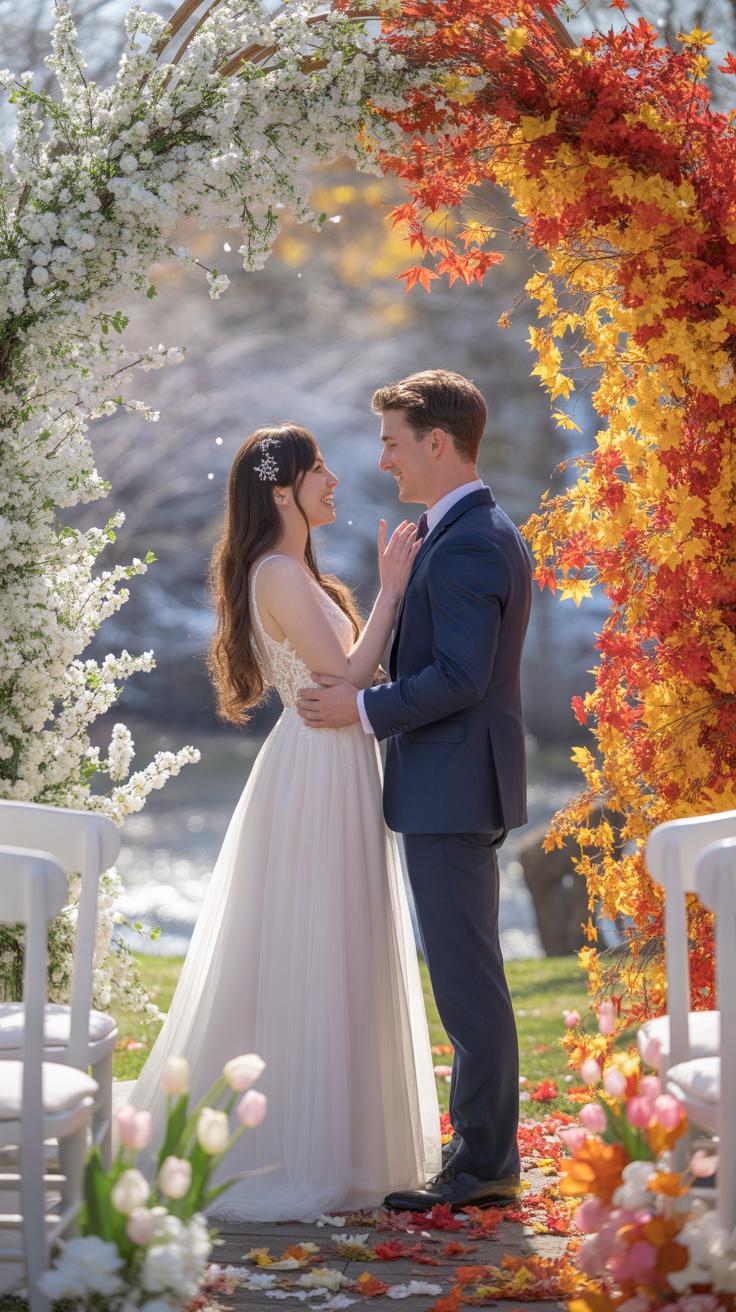
Financial savings peak during the off-season months of January, February, and March. Venues slash rates because demand drops. However, these savings come with risks. Bad weather can cause travel delays for guests. You must decide if a low price justifies a smaller guest count. Cold climates limit your options to indoor spaces. Factor in the cost of heaters or transportation for your guests.
Prioritize your absolute requirements before picking a date. If you want a specific outdoor look, you will pay a premium for June or September. If you want a 10k wedding, you must choose a Tuesday or a winter date. High demand months increase prices for every vendor. You lose leverage in negotiations during peak season. Sacrifice the popular date to gain more buying power for food and decor.
Final Checklist: Choosing The Best Month For Your Budget And Your Vision
Track the local weather patterns for the last five years. Avoid months with high rainfall or extreme heat if you want an outdoor ceremony. Check for major local events or holidays that drive up hotel prices. High hotel costs hurt your guests even if the venue is cheap. Secure your venue during the shoulder season to find a balance between price and weather.

Confirm vendor availability before signing any contracts. Photographers and caterers often offer discounts for mid-week dates in the winter. Compare the total cost of a summer wedding against a winter wedding with all upgrades. Use the savings from a February date to cover high-end photography. Ensure your chosen month aligns with your total budget of 15k. Stick to your financial limits to avoid debt.
Frequently Asked Questions

Which time of year is generally considered the most affordable for a wedding?
Generally, January, February, and March are known as the off-peak season for the wedding industry. Because demand for venues and vendors drops significantly during these cold winter months, many couples find this is the cheapest month to get married. By avoiding the popular fall and summer dates, you can unlock substantial discounts and more flexible pricing from high-end professionals who are eager to fill their calendars.
How can I negotiate better rates with vendors during the off-season?
To secure the best rates, start by being upfront about your budget and flexible with your specific date. When planning during the cheapest month to get married, ask venues if they offer discounted “winter packages” or reduced food and beverage minimums. Since vendors have fewer bookings, they are often more willing to waive setup fees or include complimentary upgrades to secure your business during their slower months of operation.
Will choosing a winter month limit my options for flowers and decor?
While some summer blooms may be harder to source, a winter wedding opens the door to elegant, seasonal decor like evergreen foliage, velvet textures, and cozy lighting. You can save money by choosing seasonal flowers like amaryllis or anemones. Many venues are also already decorated for the holidays, allowing you to leverage their existing upscale ambiance to further reduce your overall spending on floral arrangements and rentals.