
What Is A Wedding Budget Calculator And Why Every Couple Needs One

Understanding The Role Of A Budget Calculator In Wedding Planning
A wedding budget calculator is a tactical tool designed to quantify every financial aspect of your event. It takes your total funding and distributes it across specific spending categories based on typical industry percentages. This tool converts vague ideas into concrete data. It serves as the primary source of truth for your project. You use it to track costs and manage vendor payments.
This spreadsheet or software functions as a live ledger for your planning process. It tracks estimates against actual costs to show real time status. Most couples fail because they ignore small expenses like tips or service fees. Digital calculators ensure you account for these hidden line items. The tool forces you to categorize costs and prioritize essential services. It brings discipline to an emotional process.
How A Wedding Budget Calculator Prevents Overspending Before It Happens
The calculator prevents financial failure by establishing hard limits on specific categories. Without a pre-set spending cap, costs scale out of control. The tool provides a visual heat map of your spending habits. If you overspend on the venue, the calculator immediately shows where you must cut other costs. This immediate feedback loop stops impulse buys and keeps your total bottom line intact.
Data driven planning eliminates the guesswork that leads to debt. A well built calculator uses formulas to update your remaining balance automatically. You see the impact of every decision before you sign a contract. It acts as a guardrail against common marketing traps. By following a rigid mathematical framework, you maintain control over your cash flow. This objective approach ensures you finish the project without a deficit.

Breaking Down Your Wedding Expenses What Costs To Expect

The Major Wedding Expenses Every Couple Should Budget For
The venue and food consume the largest portion of your capital. Most couples allocate forty to fifty percent of their total funds to these categories. This payment covers the physical space and the cost per guest for meals. High demand dates increase these rates significantly. You must secure these primary vendors first to establish a realistic baseline for all other secondary spending decisions.
Photography and entertainment represent the next tier of significant costs. Professional media services capture the event while music keeps guests engaged throughout the night. Expect to spend ten percent of your total on each of these sectors. High quality equipment and experienced labor command premium prices. Identifying these core costs early prevents overspending on minor details that have less impact on the overall guest experience.
Hidden And Overlooked Wedding Costs That Catch Couples Off Guard
Service fees and gratuities often remain absent from initial price quotes. Venues regularly add a twenty percent service charge on top of food and beverage totals. Sales tax applies to most physical goods like flowers and rentals. These additions can increase your final bill by thousands of dollars. Always read the fine print in contracts to identify these mandatory surcharges before you sign any binding agreements.

Logistics and administration costs represent another common budget leak. Shipping fees for invitations and delivery charges for rentals add up quickly. Modification costs for your attire and marriage license fees also require cash. Many couples forget to budget for vendor meals and insurance coverage. Tracking these small line items in your spreadsheet ensures that your final spending totals remain accurate and predictable through the entire process.
How To Make A Wedding Budget Spreadsheet From Scratch

Step By Step Guide To Setting Up Your Wedding Budget Spreadsheet Layout
Open Microsoft Excel or Google Sheets to start your wedding budget calculator. Create a clean workspace by labeling your first tab as Summary and your second tab as Itemized Costs. This separation prevents data clutter and helps you track high-level spending versus granular expenses. Set your header row to bold text and freeze it so you can see labels while scrolling down.
- Define Categories: Assign broad groups such as Venue, Catering, and Attire to organize your spending. This structure allows you to allocate percentages of your total funds to specific departments effectively.
- Input Total Budget: Place your maximum spend limit in a prominent cell at the top of the Summary tab. All subsequent calculations will subtract from this figure to show your remaining balance in real time.
- List Line Items: Breakdown every category into specific products or services within the Itemized Costs tab. Detailed logging ensures you do not overlook small fees like tips, transportation, or marriage license costs during the planning process.
- Set Status Columns: Create a column to track payment status for every vendor or purchase. Use labels like Paid, Deposit Sent, or Pending to manage your cash flow and avoid missing critical contract deadlines.
- Add Target Costs: Enter your ideal price for each item before you begin shopping for vendors. Comparing these estimates against actual quotes helps you identify where you need to cut back to stay under your limit.
Use gridlines and color coding to distinguish between estimated costs and actual spending. Consistency in formatting makes the spreadsheet easy to read for both partners and any financial contributors. Link cells between tabs so the Summary tab updates automatically when you enter a new expense. This automated setup reduces manual entry errors and keeps your final numbers accurate throughout the entire timeline.
Key Columns And Formulas To Include In Your Wedding Budget Spreadsheet
Critical columns include Estimated Cost, Actual Cost, Difference, and Payment Due Date. The Difference column uses a simple subtraction formula to show if you are over or under your initial projection for that item. Use the SUM function at the bottom of the Actual Cost column to track your total investment. This real-time data allows you to make fast decisions when unexpected costs arise.

Apply data validation to the Status column to create drop-down menus for payment tracking. Use conditional formatting to highlight cells in red if the Actual Cost exceeds the Estimated Cost by a certain percentage. This visual alert system forces you to address budget leaks immediately. Mastering these basic formulas turns a simple list into a powerful tactical tool for managing your wedding expenses without financial surprises.
Using Wedding Budget Excel To Track And Manage Your Spending
Why Microsoft Excel Remains A Top Choice For Building A Wedding Budget
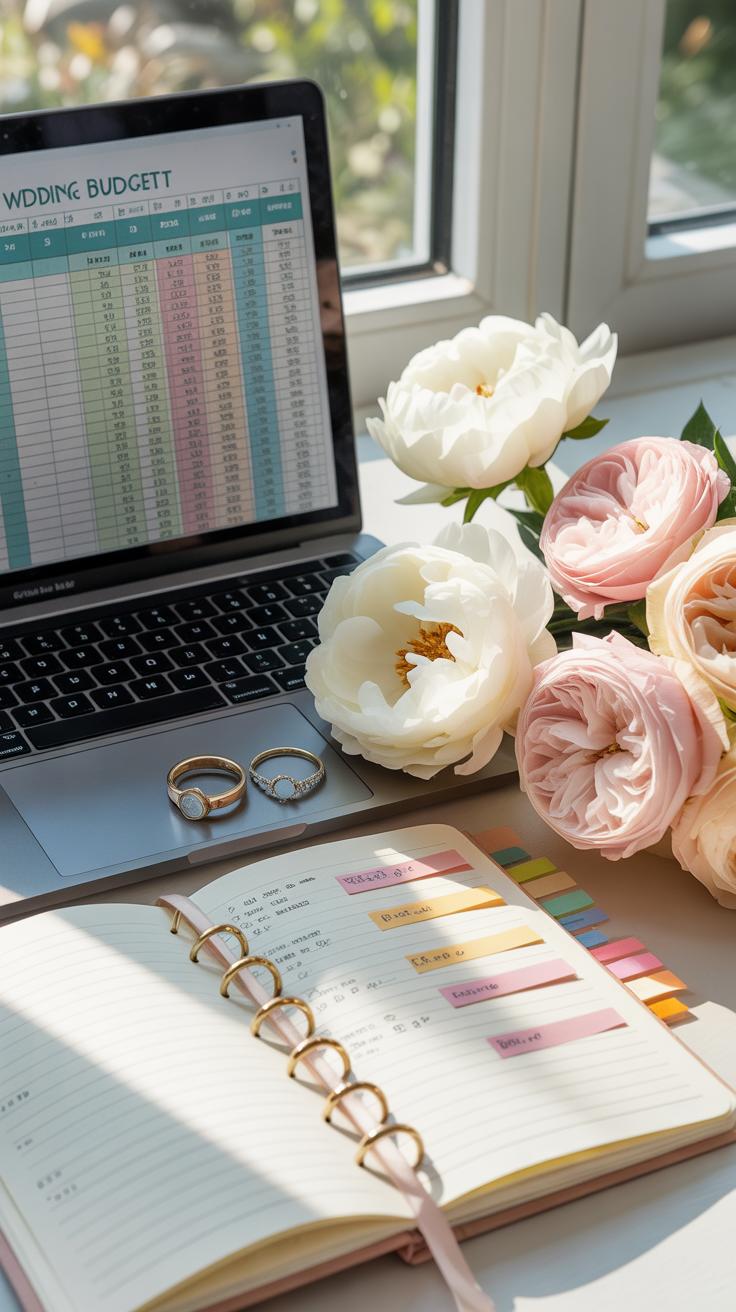
Microsoft Excel provides the raw control necessary for precise financial management. Unlike walled garden apps, Excel allows for total customization of your data structures. You own your file and your privacy. Most professional planners use spreadsheets because they offer clear visibility into complex debt and payment schedules. You can build a local file that works offline without requiring constant internet access or account logins.
Excel handles large datasets better than any mobile application. You can link multiple sheets to separate guest lists from vendor payments while keeping the totals synced. This software supports legacy data formats and imports easily into other tax or banking tools. It remains the industry standard for calculation accuracy and data integrity. Using Excel ensures your wedding budget spreadsheet stays functional and accessible throughout your entire planning timeline.
Essential Excel Functions That Make Wedding Budget Tracking Effortless
Automating your wedding budget requires high utility functions. The SUM function adds your category totals instantly to prevent manual math errors. Use Data Validation to create dropdown menus for payment statuses like Pending or Paid. Conditional Formatting highlights if you go over budget in specific cells by changing the color to red. These tools provide immediate visual cues about your current financial health and spending limits.

The VLOOKUP and XLOOKUP functions help you pull vendor contact details directly into your budget sheet. You should also use simple subtraction formulas to calculate the remaining balance after each deposit. Absolute cell references allow you to apply tax rates or tip percentages across dozens of line items without rewriting formulas. Mastering these basic native tools transforms a static document into a dynamic and proactive financial management system.
Free Wedding Spreadsheet Templates Where To Find And How To Use Them

Top Sources For Reliable And Free Wedding Spreadsheet Templates
Google Sheets and Microsoft Excel provide the most stable foundations for tracking wedding expenses. You can find pre-built templates directly within the Google Sheets template gallery or the Excel desktop app. These official sources ensure the formulas function correctly without hidden malware. Major wedding media brands also offer downloadable files. These industry-standard tools allow for easy cloud sharing with partners or professional planners.
Avoid niche blogs that require excessive personal data for access. Stick to established financial websites or open-source repositories for a printable wedding budget spreadsheet. Look for files that utilize automated calculations to reduce manual entry errors. Verify that the template uses standardized currency formatting. Reliable templates should include categorized rows for venues, catering, and attire. This structure prevents users from overlooking critical overhead costs during the early planning phase.
How To Customize A Free Template To Match Your Unique Wedding Needs
Standard templates serve as a generic baseline. You must modify them to reflect your specific guest count and location. Start by deleting categories that do not apply to your event like transportation or floral decor. Renaming columns helps track actual spending against initial estimates. Add a column for payment deadlines to avoid late fees from vendors. Customization ensures the data stays relevant to your financial goals.

Integrate tax and gratuity into your line items immediately. Most free templates ignore these hidden costs which typically add twenty percent to the total bill. Use conditional formatting to highlight cells when you exceed a specific budget limit. This creates a visual warning system for your spending habits. Update your wedding spreadsheet templates free of charge to include a deposit tracker. Knowing exactly what you owe helps maintain a positive cash flow.
Creating A Printable Wedding Budget Spreadsheet For Offline Planning

Why A Printable Wedding Budget Spreadsheet Is Still Useful In The Digital Age
Digital tools depend on battery life and internet connectivity. High stakes vendor meetings often happen in remote venues or basements with poor cellular reception. A physical printout ensures your financial data remains accessible at all times. You can jot down price adjustments immediately during a walkthrough. This prevents data loss from technical glitches or sync errors common in cloud based software.
Analog tracking creates a tactile connection to your financial limits. Research shows that writing by hand improves information retention and decision making clarity. Sharing a physical sheet with your partner or planner facilitates direct communication without screen distractions. It acts as a hard backup for your digital files. Use the paper version to verify final numbers before you input them into your permanent records.
How To Format And Print Your Wedding Budget Spreadsheet For Easy Reference
Effective printing requires specific configuration to remain legible. Change your page orientation to landscape mode in your spreadsheet software. This prevents columns from cutting off on the right margin. Set your print area to include only essential columns like category, estimated cost, and actual cost. Shrink the font size to ten point to fit more data on a single page.

Use freeze panes to keep your headers visible while scrolling through digital data. For the printed version, repeat top rows on every page through the page setup menu. Group your expenses by core categories such as venue, catering, and attire. Use bold borders to separate these sections for quick scanning. This structure allows you to find specific line items in seconds during fast paced vendor negotiations.
Building A Wedding Checklist Budget To Keep Every Detail Accounted For

How A Wedding Checklist Budget Combines Task Management With Cost Tracking
A wedding checklist budget merges two critical data streams into one tool. It links specific actions to your financial limits. Most couples fail because they separate their to-do list from their spending sheet. This tool forces you to see the price tag attached to every logistics decision. You manage your timeline and your money simultaneously to prevent late-stage financial surprises.
This integrated approach prevents scope creep during the planning process. When you add a new task, you must assign it a cost immediately. This creates a hard check on your expectations versus your bank balance. Active tracking ensures that small items like postage or transport do not drain your funds. You stay in control of the project by viewing it as a series of paid milestones.
Organizing Your Wedding Checklist Budget By Timeline And Priority
Strategic organization requires categorizing expenses by their due dates and importance levels. Divide your checklist into phases like twelve months out or one month before. This method helps you manage cash flow by predicting when large deposits are due. You can then allocate your income to meet these specific deadlines. Priority ranking ensures you fund essential vendors before spending on non-essential decor items.

Assign a priority code to every line item in your spreadsheet. High priority items include the venue and catering because they define the date and capacity. Low priority items are extras that you can cut if the budget tightens. This hierarchy allows for fast decision making when costs exceed estimates. You protect the core experience by sacrificing minor details. Use this structure to keep your project moving forward without debt.
Smart Tips For Planning A Budget Wedding Without Sacrificing Quality

Practical Ways To Reduce Costs While Still Creating A Memorable Budget Wedding
Select an unconventional date to lower venue fees immediately. Most venues charge premium rates for Saturdays and peak months. Booking a Friday or Sunday cuts the rental cost by thirty percent or more. Off peak seasons like January or February offer even deeper discounts. These savings allow you to allocate funds toward higher quality catering or photography while maintaining a strict financial limit.
Control the guest count to manage the largest expense per person. Food and drink costs scale directly with the number of invites. Reduce the list to essential family and friends only. A smaller group allows you to use intimate spaces that do not require massive decor installments. Focus on high impact elements like lighting and sound rather than high volume floral arrangements to save money.
Where To Splurge And Where To Save On Your Budget Wedding Day
Identify the items that guests remember most and prioritize those in your spreadsheet. Food and entertainment impact the guest experience more than custom stationery or designer shoes. Allocate more cash to a professional photographer because these images are the only permanent record of the event. Cut costs on items that guests discard or ignore like elaborate programs, favors, and expensive linens.
- Photography: Invest in a skilled professional with a strong portfolio. Cheap photography often results in poor lighting and missed moments that you cannot recreate. High quality images preserve the value of every other dollar spent on the wedding day.
- Catering: Prioritize the quality of food over the number of courses. Guests remember a delicious meal more than a long menu. Choose a buffet or family style service to reduce labor costs while still providing excellent flavor and variety.
- Attire: Save money by purchasing floor samples or off the rack gowns. Custom alterations can make a mid priced dress look like a high end designer piece. Avoid paying the markup for the latest seasonal collections at luxury boutiques.
- Paper Goods: Use digital RSVPs and simple printed invitations to slash your stationery budget. Professional printing for multiple insert cards adds unnecessary shipping and manufacturing costs. Digital tracking also simplifies your guest list management and reduces manual data entry errors.
- Floral Design: Focus on greenery and seasonal blooms to fill the space. Use large focal arrangements in high traffic areas instead of small pieces on every surface. Repurpose ceremony flowers for the reception to get double the value from a single purchase.

Balance your spending by using a clear hierarchy of needs. Do not waste funds on trends that offer no long term value. Use your budget calculator to track every minor expense. Small costs like postage and trials add up quickly. Maintain a contingency fund of ten percent to cover unexpected fees or last minute adjustments without blowing your entire financial plan.
How To Allocate Wedding Expenses Using Percentage Based Budgeting

Understanding The Standard Percentage Breakdown For Wedding Expense Categories
The foundation of every wedding budget calculator relies on the forty percent rule. You must allocate nearly half of your total funds to the venue and catering services. This figure covers the physical space and the food for every guest. Failure to reserve this amount early leads to debt. Professional planners use these industry standard ratios to prevent overspending on secondary items like decor.
Allocate exactly fifteen percent to photography and videography to secure quality documentation of the event. Music and entertainment should take up ten percent of your remaining balance. Save five percent as a contingency fund for hidden costs like tips or service fees. These percentages ensure your money goes toward high impact areas first. Following this strict mathematical model protects your bottom line from emotional purchasing decisions.
A budget tells us what we can’t afford, but it doesn’t keep us from buying it. By organizing your dreams into numbers, you ensure your first day of forever is built on a foundation of peace.
How To Adjust Spending Percentages Based On Your Personal Wedding Priorities
Static models fail because they ignore your specific goals. You must move percentages between categories to fit your vision. If you want a designer gown, increase the attire budget to fifteen percent. You must then cut the floral or stationery budget by the same amount to keep the total math consistent. Every increase in one category requires a decrease in another category.
Review your wedding checklist budget to identify your top three non-negotiable items. If live music is a priority, reduce the spending on physical favors or paper invitations. Most modern couples now spend less on printed programs and more on guest experiences. Use a wedding budget Excel sheet to track these shifts in real time. Accurate adjustments keep your spending aligned with your actual values instead of industry trends.
Tools And Apps That Work Alongside Your Wedding Budget Calculator

Top Digital Tools That Complement Your Wedding Budget Calculator In 2024
Modern wedding planning requires more than a simple spreadsheet. You need specialized software to handle the heavy lifting. Platforms like Zola and The Knot offer integrated budget trackers that sync with real market prices. These tools help you spot hidden costs before they ruin your plan. Use them to verify the estimates in your custom spreadsheet against actual regional averages.
Digital payment apps like HoneyBook or Maroo solve the problem of vendor transactions. These tools track invoices and due dates automatically. They prevent late fees and keep your cash flow visible. Connect these apps to your budget calculator to ensure every dollar spent matches a line item in your plan. This layer of oversight keeps your financial data accurate and actionable.
How To Sync Your Budget Calculator With Guest Lists, Vendors, And Payments
A budget calculator operates in a vacuum without live data from your guest list. Use a centralized database to track RSVPs and meal choices. Each new guest directly impacts your catering and rental costs. Link your guest count cell to your variable expense formulas. This automation ensures your total projected cost updates every time a guest confirms their attendance.
Managing vendor contracts requires a dedicated filing system alongside your financial tracker. Use cloud storage like Google Drive or Dropbox to link contracts to specific budget rows. This setup allows you to cross-reference payment schedules with bank balances. Accurate syncing eliminates guesswork during the final weeks of planning. You will always know which deposits are paid and which balances remain outstanding.
Frequently Asked Questions

Why should I bother using a wedding budget calculator for my planning?
Using a wedding budget calculator is the most effective way to gain clarity and reduce stress during your engagement. It transforms overwhelming estimates into a structured financial roadmap, ensuring you don’t overspend on any single category. By tracking your expenses digitally, you can see exactly where every dollar goes, allowing you to prioritize the decor elements and experiences that matter most while maintaining a realistic view of your overall spending capabilities.
How do I categorize my expenses when building a custom calculator?
When you build your own wedding budget calculator, start by grouping costs into major pillars: venue and catering, attire, photography, and decor. Within each pillar, list specific line items like flower centerpieces or lighting rentals. Assign a percentage of your total funds to each category based on industry standards, then adjust those figures to fit your personal vision. This granular approach ensures no hidden fees or small details slip through the cracks.
Can I create a functional wedding budget calculator for free?
Absolutely! You don’t need expensive software to manage your finances effectively. Many couples create a highly functional wedding budget calculator using free tools like Google Sheets or Microsoft Excel. These platforms allow you to set up automatic formulas that subtract expenses from your total balance in real-time. It is a cost-effective, accessible solution that provides professional-grade organization, helping you save money that can be better spent on your dream honeymoon or home.