Understanding Your Total Wedding Costs Before You Save A Single Dollar

What The Average Wedding Actually Costs In The United States
The national average for a wedding currently fluctuates between thirty thousand and thirty five thousand dollars. This figure covers the ceremony, reception, and professional vendors. Prices vary significantly based on your specific geographic location and the time of year. Major metropolitan hubs see much higher rates than rural areas. You must recognize that these averages often hide the true cost of luxury services and prime Saturday dates.
Planning a wedding requires an honest look at these market rates. Most couples spend forty percent of their budget on the venue and catering alone. Hidden fees like service charges, taxes, and gratuities can add twenty percent to your final bill. You cannot plan a twenty thousand dollar wedding by ignoring these baseline numbers. Start with the local market data to set a firm and realistic financial foundation.
How To Build A Realistic Wedding Costs List That Matches Your Vision
Create a detailed spreadsheet that breaks down every single anticipated expense. Categorize items into fixed costs like venue rental and variable costs like guest meals. A realistic list must include attire, photography, flowers, and entertainment. Do not forget small items like marriage licenses or postage for invitations. Accurate tracking prevents small leaks from draining your entire fund. These tiny expenses often add up to thousands of dollars.
Assign a specific dollar limit to every category based on your total twenty thousand dollar goal. Research local vendors to get real quotes rather than using emotional guesses. If one category goes over budget, you must cut another category immediately to balance the math. Use this list as your primary tactical map for the next eighteen months. Strict adherence to this document ensures you reach your savings target without taking on any debt.

Setting Your Wedding Budget Before The Planning Begins

Deciding Between A 5k Wedding Budget, A Modest Goal, Or A Larger Target
Determine your total available cash before looking at venues. A 5k wedding budget requires a guest list under fifty people and a non-traditional venue. Choosing a micro-wedding or a backyard ceremony keeps costs low. Most couples target a medium range between ten and twenty thousand dollars. This identifies what you can afford without taking on high-interest debt or exhausting your emergency savings.
Analyze your monthly net income to set a realistic saving pace. To save twenty thousand dollars in eighteen months, you must set aside eleven hundred dollars every month. If that number breaks your monthly bank account, lower your target immediately. Strategic planning prevents financial ruin. Align your budget with your actual earnings rather than a dream image. Use your current financial health to dictate the final guest count.
Every penny put aside today is a brick in the foundation of the home you are building together. Patience and shared sacrifice are the first true vows of a beautiful life.
Why Agreeing On A Number Early Prevents Conflict And Overspending Later
Establishing a hard limit prevents emotional spending during the high-pressure planning phase. Vendors often push upgrades that inflate costs quickly. An agreed total acts as a defensive shield against marketing tactics. You make better decisions when you know exactly how much cash remains in the pool. This clarity keeps both partners accountable. It turns vague dreams into a concrete project with strict financial boundaries.

Financial stress causes most pre-marital friction. Discussing the wedding costs list early identifies differing priorities before you sign contracts. One partner may value food while the other wants professional photography. A set budget forces these trade-offs to happen on paper first. You resolve disagreements before spending a single dollar. This discipline ensures the wedding strengthens your partnership instead of creating a massive burden of debt.
Breaking Down Your 20000 Savings Goal Into Monthly Milestones

How To Calculate Exactly How Much You Need To Save Each Month Over 18 Months
Math dictates your strategy. To hit twenty thousand dollars in eighteen months, you must save one thousand one hundred eleven dollars every month. This figure represents your baseline commitment. You must treat this number as a non-negotiable fixed expense rather than a flexible goal. Direct math removes the emotional stress of planning. It provides a clear metric for success or failure every thirty days.
Analyze your current net income to ensure this target fits your reality. If your monthly surplus is below the required amount, you must cut costs or increase revenue immediately. Do not rely on windfall gains or future tax refunds to bridge the gap. Consistent monthly contributions provide the only reliable path to this total. Tracking this specific figure ensures you stay on pace for your eighteen month deadline.
Using A Dedicated Wedding Savings Account To Track Your Progress
Separation of funds is essential for tactical success. Open a dedicated high-yield savings account specifically for the wedding. Keeping these funds in your primary checking account leads to accidental spending. A separate legal entity for your money creates a psychological barrier. It forces you to make a conscious decision before withdrawing cash. This structure protects the core capital needed for your vendors and venue.

High-yield accounts offer higher interest rates than standard big-bank savings accounts. This ensures your money grows slightly while it sits. Set up an automatic transfer for the day your paycheck hits. Automation removes the risk of human error or lack of discipline. You can watch the balance grow toward the twenty thousand dollar mark without manual effort. Real-time tracking allows you to adjust your lifestyle if you fall behind.
Auditing Your Current Spending To Free Up Wedding Savings

How To Identify And Eliminate Recurring Expenses That Drain Your Budget
Financial leakages often hide in automated transactions. Start by exporting your last three months of bank statements into a spreadsheet. Categorize every fixed monthly charge that occurs without your manual input. Look specifically for streaming services, gym memberships, and digital subscriptions you no longer use daily. These small leaks compound over eighteen months and consume capital that belongs in your high yield wedding savings account.
Cancel every non-essential service immediately. If you have not used a service in thirty days, it is a liability. Negotiation is also a valid tactic for necessary bills. Call your internet and insurance providers to demand lower rates or loyalty discounts. Reducing your monthly fixed costs by one hundred dollars adds eighteen hundred dollars to your total wedding fund. This process requires cold logic and zero emotional attachment.
Practical Ways To Redirect Everyday Spending Toward Your Wedding Fund
Examine your variable daily costs to find immediate cash. Food and transportation represent the largest flexible categories in most households. Stop eating at restaurants and switch to bulk meal preparation. Use a grocery list to prevent impulse buying at the store. Every dollar saved on a lunch out is a dollar available for your venue or catering deposit. Small daily wins build the heavy momentum you need.

Modify your transportation habits to maximize your savings rate. Walk or use public transit instead of paying for ride shares or premium parking. Avoid buying new clothes or home decor during this eighteen month period. Treat your wedding fund like a mandatory bill that you must pay first every month. Redirecting these daily funds requires discipline but ensures you hit your twenty thousand dollar target without taking on high interest debt.
Mapping Out Your Wedding Expenses With A Detailed Wedding Planning Checklist

What To Include In A Wedding Planning Checklist Detailed Enough To Prevent Surprise Costs
Hidden fees destroy wedding budgets fast. Most couples forget to track small items that add up to thousands of dollars. A tactical checklist must account for every line item from the start. You need to distinguish between fixed costs and variable costs. This level of detail allows you to see exactly where your twenty thousand dollars will go before you spend a cent.
- Service Gratuities: Venue contracts often exclude tips for servers and bartenders. You should plan to pay eighteen to twenty percent of the total food and beverage bill. Factor this into your initial savings goal to avoid a massive debt on the actual wedding day.
- Legal Documentation: Marriage licenses and officiant fees vary by jurisdiction but are mandatory expenses. Research your local courthouse requirements early. Include these costs in your administrative bucket so they do not surprise you during the final week of planning your event.
- Alterations and Accessories: The sticker price of a dress or suit is never the final price. Professional tailoring and undergarments can add hundreds of dollars to your attire budget. Include a specific line item for fittings to ensure your wardrobe stays within the allocated spending limit.
- Transportation and Parking: Moving guests or the wedding party requires logistics and money. Many venues charge for valet services or reserved parking stalls. Calculate the cost of shuttles or ride-share codes if your ceremony and reception are in two different physical locations or venues.
- Vendor Meals: Most contracts require you to feed your photographer, DJ, and coordinator during the reception. These meals are usually cheaper than guest plates but still cost money. Count these professionals as part of your final headcount to ensure your catering budget stays fully accurate.
Precision in your checklist prevents mid-project panic. Use this list to audit every vendor quote you receive. Ask vendors specifically about setup fees, breakdown charges, and delivery costs. If a cost is not on your list, your budget is at risk. Update your tracking sheet weekly to maintain total control over your eighteen-month savings plan and avoid common financial traps.
How Prioritizing Your Checklist Helps You Allocate Savings To What Matters Most
Aggressive prioritization keeps your wedding budget on track. You cannot have everything on a limited budget. Pick three main categories that matter most to you and your partner. Allocate the largest portion of your savings to these high-priority items. This strategy forces you to cut spending on low-impact details that guests rarely notice or remember after the event is over.

Rank every remaining item on your checklist by personal importance. If your savings fall short in a specific month, cut from the bottom of the list first. This discipline ensures you fund your non-negotiable items without increasing your total debt. Stay firm on these rankings during the planning process. Effective spending is about making hard choices early to protect your long-term financial health and goals.
Exploring A Small Wedding Budget Approach To Reach Your Goal Faster

How Trimming Your Guest List Dramatically Reduces Your Wedding Costs
Guest count dictates nearly every variable in your wedding budget. Most catering companies charge a fixed price per head for food and beverage service. Reducing your list by fifty people can save thousands of dollars instantly. This choice also shrinks the physical space needed for the event. Smaller crowds allow you to book intimate venues with lower rental fees and smaller staffing requirements.
Choosing a small wedding budget shifts funds from quantity to quality. You spend less on rentals like chairs, tables, and linens. Smaller groups require fewer centerpieces and floral arrangements. You also save on stationery costs for invitations and thank you notes. Trimming the list is the most effective way to hit a twenty thousand dollar goal. It provides immediate relief to your savings plan.
Venue, Catering, And DéCor Swaps That Keep A Small Wedding Budget Elegant
High end venues often carry high price tags. Consider swapping traditional ballrooms for historic libraries or private gardens. These locations offer built-in character that requires less decoration. You can also look at restaurants with private dining rooms. These spaces provide professional kitchens and staff at a lower cost than mobile caterers. This strategy eliminates the need for expensive equipment rentals and setup fees.

Focus on authentic materials for an elegant look. Use natural linen napkins instead of polyester. Opt for seasonal greenery rather than imported flowers to lower costs. Minimalist design movements emphasize clean lines and high quality textures. Use architectural lighting to create a mood without buying extra props. Strategic swaps focus your money on items guests touch and see. This approach maintains a luxury feel on a tight budget.
Boosting Your Income To Accelerate Your Wedding Savings

Side Income Strategies That Realistically Add Hundreds Of Dollars Per Month
Earning extra cash requires trading time for high-value tasks. Do not waste hours on low-pay surveys. Focus on service-based work like freelance writing, graphic design, or virtual assistance. These roles pay hourly rates that significantly outpace gig economy delivery apps. Use existing professional skills to secure contracts on platforms. This approach ensures your effort converts directly into meaningful wedding capital without requiring new training.
Sell unused assets to generate immediate cash flow. Review your home for electronics, designer clothes, or furniture. High-quality items move quickly on secondary markets. Use the proceeds to fund specific wedding costs like the photographer or venue deposit. Consistently dedicating ten hours a week to side work can generate five hundred dollars monthly. This pace adds nine thousand dollars to your total budget over an eighteen-month period.
How To Use Windfalls Such As Tax Refunds And Bonuses As Wedding Savings Boosts
Treat every unexpected payment as a non-negotiable wedding contribution. Many employees receive annual performance bonuses or cost-of-living adjustments. Divert these funds into a high-yield savings account immediately upon receipt. Do not incorporate this money into your daily spending habits. Treating windfalls as invisible income prevents lifestyle creep. This strategy builds a massive cash cushion for the final payment deadlines that hit just before the wedding date.

Tax refunds offer a predictable annual injection of cash. The average American refund often exceeds two thousand dollars. Directing two consecutive refunds toward your goal covers twenty percent of a twenty-thousand-dollar budget. Combine these refunds with birthday cash or holiday gifts from family. Standardizing this behavior ensures your savings account grows even during months when your regular salary is tight. Total commitment to this rule eliminates the need for high-interest credit.
Keeping Your Wedding Checklist Budget On Track Through The 18 Month Timeline

How To Conduct Monthly Budget Reviews That Catch Overspending Early
Schedule a formal audit on the first day of every month. Compare your actual spending against the allocated funds in your wedding expenses sheet. Identify any category where costs exceeded the initial estimate by more than five percent. This quick review prevents small leaks from draining your total savings. Address high costs immediately by cutting from future guest count or decor line items.
Force yourself to move money into a dedicated high yield savings account every payday. Document every deposit and purchase in a central spreadsheet. If you find a deficit, adjust your lifestyle spending for the next thirty days to compensate. Consistent tracking ensures you stay within the limit for a small wedding budget. Real time adjustments are the only way to hit a twenty thousand dollar goal.
Tools And Apps That Help Couples Monitor Their Wedding Checklist Budget In Real Time
Digital banking apps provide the most accurate data for your wedding checklist budget. Most modern banks allow users to create specific buckets for targeted goals like wedding costs. Use these features to automate transfers and lock funds away from daily spending. Cloud based spreadsheets offer the best customization for a wedding planning checklist detailed with specific vendor payment dates and tax calculations.

Choose a specialized wedding planning app to track your vendor contracts and due dates. These tools send alerts before payments are due to avoid late fees. Mobile access allows you to update your wedding costs list while meeting with photographers or caterers. Sharing access with your partner ensures both parties remain accountable for the budget. Data entry must happen at the point of purchase to maintain accuracy.
Negotiating Wedding Costs And Finding Vendor Deals Without Sacrificing Quality

Proven Negotiation Tactics That Help Reduce Wedding Expenses Across Key Categories
Negotiation is a standard business practice in the wedding industry. Vendors often have flexible profit margins that allow for price adjustments. You must approach these conversations with a clear budget and market knowledge. Do not ask for vague discounts. Instead, offer value in exchange for lower rates. This creates a professional environment where both parties benefit from the final contract.
- Bundle Services: Many vendors provide multiple services like photography and videography. Booking a combined package reduces the total cost because the vendor saves on marketing and administrative overhead. Always ask for a package discount before signing individual contracts for related services.
- Pay in Full: Offer to pay the entire balance upfront instead of following a standard payment schedule. Vendors value immediate cash flow. This tactic often secures a five to ten percent discount on the total price. It also eliminates the risk of future price hikes.
- Remove Line Items: Scrutinize every detail in the vendor proposal. Remove unnecessary items like expensive linens or premium glassware that do not impact the core experience. Replacing these with standard options lowers the overall cost without changing the primary service quality.
- Flexible Timing: Ask for lower rates by shifting your event time. Morning or lunch events cost significantly less than dinner receptions. Vendors can often book a second event later that day. This increases their revenue and allows them to offer you a better price.
- Provide Referrals: Offer to write a detailed review or provide professional photos of the vendor’s work for their portfolio. Smaller businesses need marketing assets to grow. Your willingness to help their brand can be traded for a reduction in your service fees.
Effective negotiation requires direct communication and documented proof. Always get every verbal agreement in a written contract immediately. Review the fine print for hidden fees like corkage or slicing charges. If a vendor cannot move on price, ask for value-added extras. Tactics like adding an extra hour of coverage or a free appetizer can save you money elsewhere in your total budget.
Why Booking Vendors Early Or Off Season Can Significantly Lower Your Wedding Costs
The wedding industry operates on supply and demand cycles. Booking a venue or caterer during the off-season provides immediate leverage. Winter months and weekdays see a sharp decline in demand. Vendors frequently lower their base rates to fill their calendars during these slow periods. You can secure premium spaces for a fraction of the standard Saturday night rate by choosing an unpopular date.
Securing your date eighteen months in advance freezes current market prices. High inflation often leads vendors to raise their rates annually. An early contract protects you from these inevitable price increases. It also ensures you have access to the most affordable professionals before they book up. Demand is lower for distant dates, which makes vendors more likely to agree to your specific budget constraints and terms.
Planning A Budget Wedding That Feels Luxurious Without The Luxury Price Tag
High Impact, Low Cost Details That Elevate The Feel Of Any Budget Wedding
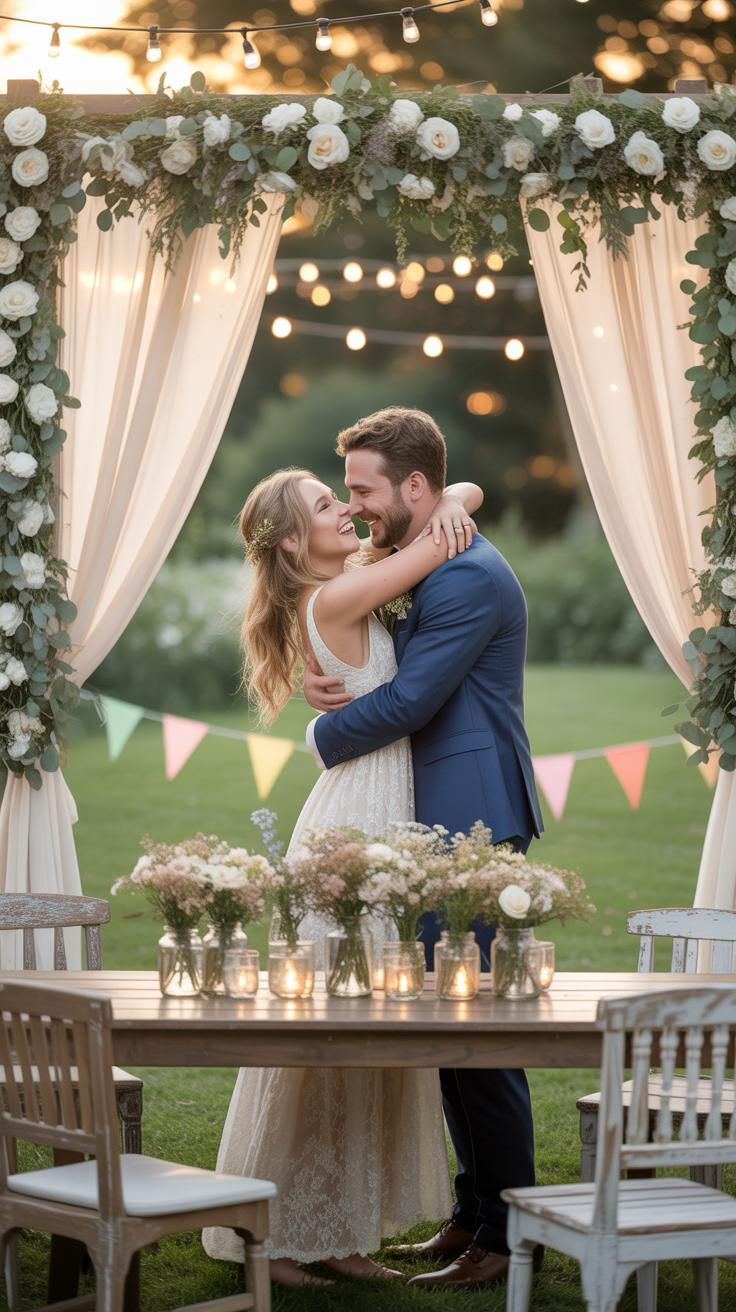
Focus on lighting and texture to change a room. High quality white linens provide a clean base for any design. Use warm LED uplighting to hide architectural flaws. Scent also plays a major role in perception. Strategic placement of high end candles creates an expensive atmosphere. Choose a signature scent that fits the season. These sensory details matter more than expensive centerpieces.
Select monobloom arrangements to reduce floral labor costs. Use one flower type like carnations or tulips in bulk. This creates a modern look found in high end editorial shoots. Skip the printed programs and use a single large mirror for the seating chart. Minimalism communicates intent. When every item has a specific purpose, the space feels curated. Luxury is defined by restraint and consistency across the event.
How Couples Have Successfully Pulled Off A 20,000 Wedding That Felt Priceless
Successful couples prioritize the guest experience over traditional expectations. They cut the guest list to forty or fifty people. Fewer guests allow for a higher spend per person on food and drink. They choose venues with natural character like historic libraries or art galleries. These spaces require almost no extra decor. Buying a sample sale gown or high quality suit also saves thousands without losing style.
Smart couples use a private room in a top tier restaurant for the reception. This eliminates the need for separate catering and equipment rentals. Professional service and established decor are already included in the price. They hire a professional photographer for only four hours to capture the most important moments. By focusing funds on quality rather than quantity, the wedding maintains a high standard of excellence throughout.
Frequently Asked Questions

Where is the best place to start when learning how to save for a wedding?
The best first step is to sit down with your partner and establish a clear, realistic budget based on your shared priorities. Once you have a target like $20,000, open a high-yield savings account specifically for your nuptials. Automating your deposits ensures you are consistently making progress. Understanding how to save for a wedding effectively begins with tracking your current spending to identify exactly where you can cut back.
How can we realistically find an extra $1,100 per month to meet our eighteen-month goal?
Reaching this milestone requires a combination of aggressive spending cuts and boosting your monthly income. Consider auditing your recurring subscriptions, meal prepping to reduce dining costs, and postponing luxury purchases. Simultaneously, look into side hustles or selling unused household items to bridge the gap. When you focus on these twin strategies, you will find that mastering how to save for a wedding becomes much more manageable and less stressful.
Is it possible to have a beautiful wedding if we cannot save the full $20,000?
Absolutely! Your wedding day is about celebrating your love, not the price tag of the venue or decor. If your savings fall short, you can pivot by hosting a weekday ceremony, limiting the guest list, or choosing a backyard setting. Focus on meaningful, high-impact DIY projects and seasonal florals to maintain a stylish aesthetic. A smaller budget often leads to a more intimate and memorable experience for everyone involved.