The Rise Of Eco Friendly Baby Showers

Sustainable Trends
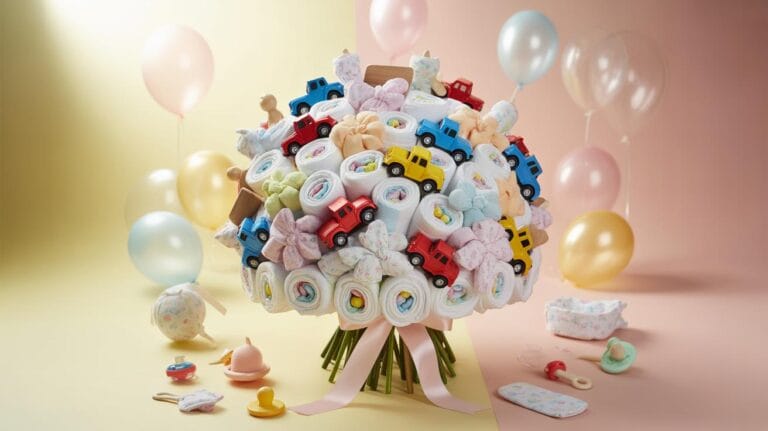
Modern parents are increasingly rejecting conventional baby shower gifts in favor of sustainable alternatives that align with their environmental values. The shift away from single-use plastics and disposable decorations reflects a broader cultural movement toward mindful consumption. Compostable diaper bouquets have emerged as a thoughtful solution, combining practical necessity with ecological responsibility. These beautifully arranged gifts transform essential baby products into visually stunning centerpieces while eliminating packaging waste that typically accompanies traditional presents.
The transition to biodegradable gift options represents a meaningful departure from decades of consumer habits. Parents today seek products that reflect their commitment to leaving a healthier planet for their children. By choosing compostable diaper bouquets, gift-givers demonstrate genuine care for both the new family and environmental stewardship. This conscious approach transforms baby showers from wasteful celebrations into meaningful events where sustainability becomes the central theme, inspiring guests to reconsider their own consumption patterns.
Environmental Impact
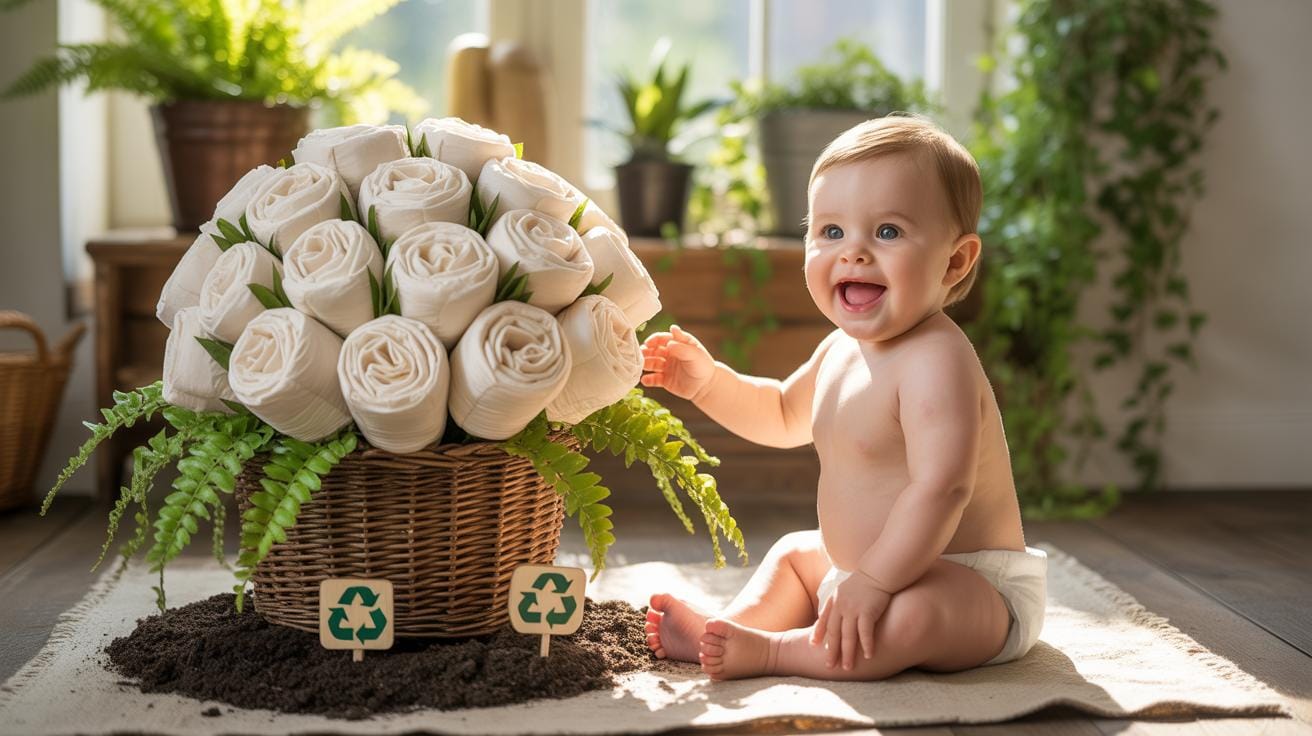
Compostable diaper bouquets significantly reduce the carbon footprint associated with traditional baby shower celebrations. Conventional gift-giving typically generates substantial packaging waste, including plastic wrapping, cardboard boxes, and synthetic materials destined for landfills. By consolidating essential diapers into eco-conscious arrangements, these bouquets eliminate unnecessary packaging while providing genuinely useful items. The biodegradable nature of compostable diapers means they break down naturally, returning nutrients to soil rather than persisting in environmental systems for centuries.
The environmental benefits extend beyond individual purchases to collective impact. When multiple shower attendees choose compostable diaper bouquets instead of conventional gifts, the cumulative reduction in landfill waste becomes substantial. These arrangements encourage a ripple effect, normalizing sustainable gifting practices within social circles. As more families embrace eco-friendly alternatives, demand increases for compostable products, driving innovation and making sustainable options more accessible. This market shift creates positive environmental consequences while demonstrating that responsible choices need not compromise aesthetic appeal or practical value.
What Makes A Diaper Bouquet Compostable
Material Science
Compostable diaper bouquets begin their journey with carefully selected plant-based fibers that break down naturally in composting environments. These materials typically include sustainably sourced wood pulp, bamboo fibers, and plant-derived polymers that replace traditional petroleum-based plastics. The core absorbent layer frequently uses fluff pulp combined with superabsorbent polymers derived from renewable resources. Totally Chlorine Free (TCF) processing ensures that bleaching methods don’t introduce harmful chemical residues into the final product, making every component safe for eventual return to earth.

The outer layers of compostable diaper bouquets employ breathable fabrics woven from natural fibers or compostable synthetics like polylactic acid (PLA) derived from corn or sugarcane. These materials maintain the delicate balance between functionality and environmental responsibility, allowing moisture to escape while containing wetness effectively. Unlike conventional diapers that rely on chlorine bleaching and fossil fuel-derived components, every element in these eco-conscious alternatives has been thoughtfully engineered. The result is a product that performs beautifully for babies while honoring our commitment to planetary health.
Composting Standards
Understanding composting certifications reveals crucial distinctions between industrial and backyard compostable diaper bouquets. Industrial composting facilities operate at higher temperatures, typically 58-60°C (136-140°F), creating conditions that break down materials faster than home environments can achieve. Compostable diaper bouquets certified for industrial composting carry labels indicating they’ll fully decompose within 120-180 days under these controlled conditions. These certifications come from rigorous testing by organizations ensuring materials meet specific biodegradability standards and leave no toxic residue.
Backyard or home compostable certification represents a more accessible alternative for families without nearby industrial facilities. These products decompose within twelve to eighteen months in standard home composting conditions, though exact timelines depend on moisture, temperature, and pile management. Compostable diaper bouquets certified for home composting must meet stricter safety requirements, ensuring they won’t introduce harmful substances into personal garden ecosystems. Distinguishing between these certifications empowers parents to choose options aligned with their specific composting infrastructure and environmental goals.
The Aesthetic Appeal Of Compostable Diaper Bouquets
Design Elements Floral
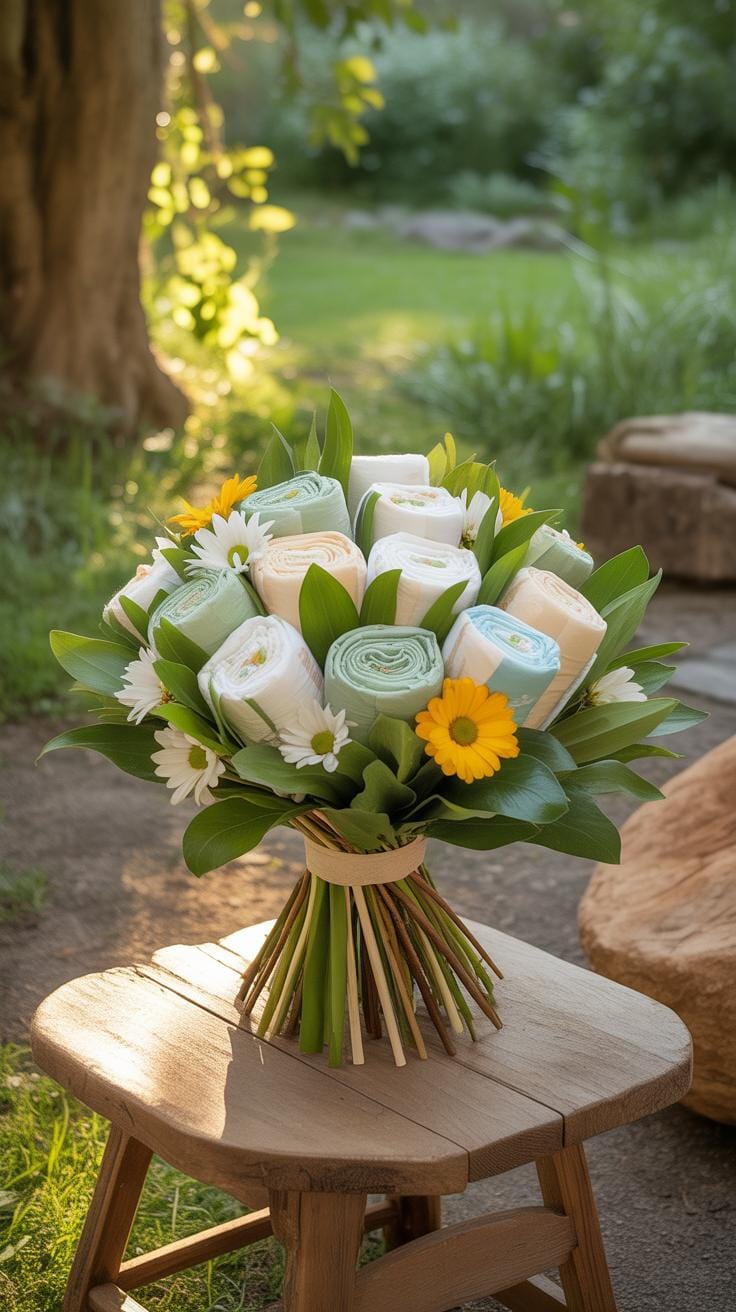
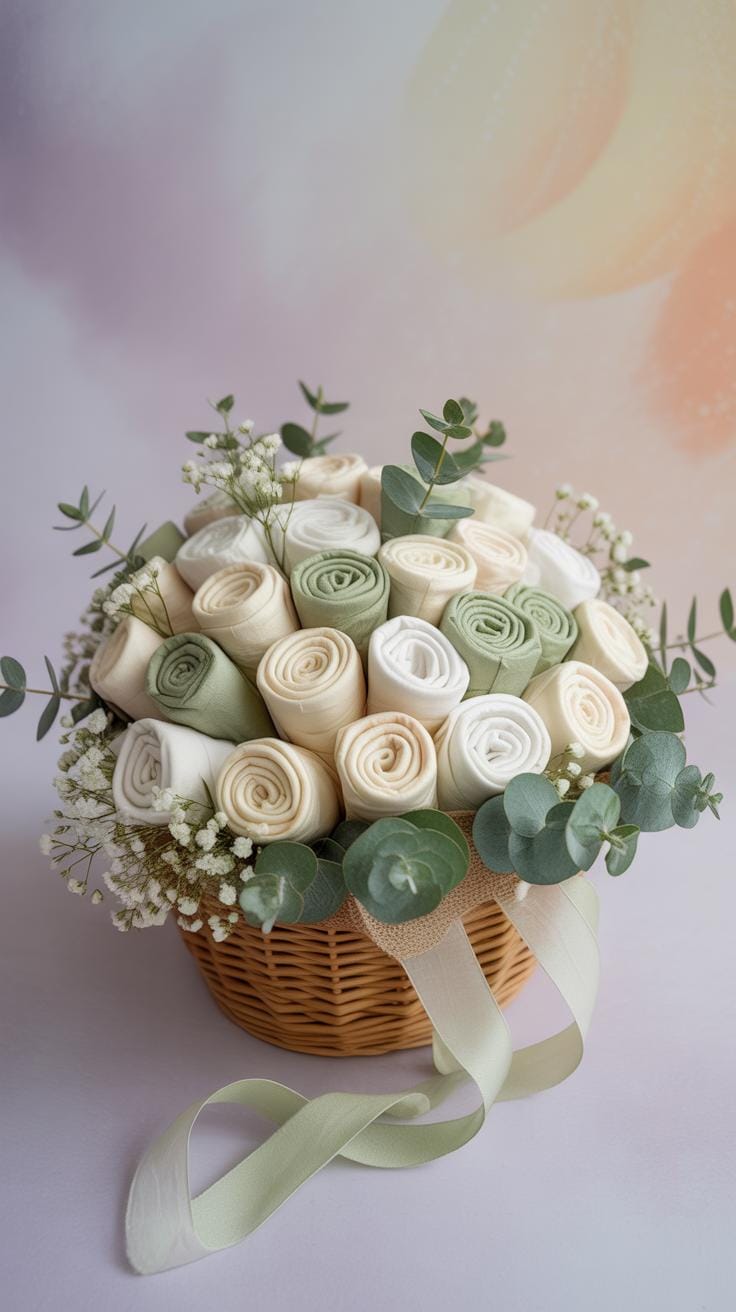
Compostable diaper bouquets gain their distinctive charm through thoughtfully selected natural elements that celebrate both sustainability and beauty. Dried flowers like baby’s breath, eucalyptus, and lavender provide texture and soft color palettes that evoke the gentle aesthetic of traditional gift arrangements. Organic cotton ribbons, often dyed with natural pigments or left in their cream-white state, wrap around the diaper layers creating an artisanal feel. These materials honor the growing design movement emphasizing natural, unrefined beauty in home décor and nursery spaces.
The layering of compostable materials creates visual interest while maintaining environmental integrity. Incorporating preserved botanicals between diaper sections showcases earth tones and delicate forms that photographs beautifully. Natural twine, raffia, and burlap accents further enhance the organic aesthetic, transforming functional infant care items into gallery-worthy pieces. This approach aligns with contemporary minimalist design trends that favor authenticity and purpose-driven beauty over synthetic embellishment.
Creative Arrangements
Creating stunning compostable diaper bouquets requires balancing practical functionality with artistic vision, producing centerpieces that serve nurseries authentically. Designers arrange diapers in ascending heights, resembling traditional flower stems, then fill gaps with rolled organic cotton cloths and dried flower sprigs. This hybrid approach means parents receive both a striking visual statement and genuinely useful baby supplies. The arrangement technique borrows from classic floral design principles while maintaining the sustainable integrity compostable diaper bouquets represent.

Display-ready presentations transform nursery spaces into thoughtful environments reflecting parents’ values. These botanical-inspired arrangements can occupy dresser tops, shelving units, or create focal points above changing stations without requiring traditional vases. The dual-purpose nature appeals to modern parents seeking décor that serves their lifestyle while reducing waste. Compostable diaper bouquets ultimately represent a poetic solution where sustainability, functionality, and interior aesthetics converge seamlessly.
Benefits For The Baby Gentle On Sensitive Skin Maximized

Hypoallergenic Qualities
Compostable diaper bouquets represent a thoughtful return to skin-conscious baby care, prioritizing what touches your little one’s delicate epidermis. Chemical-free compostable diapers eliminate harsh synthetic additives, chlorine bleaching, and fragrance compounds that commonly trigger dermatological responses in infants. By removing these irritants, parents significantly reduce the likelihood of diaper rash, redness, and inflammation that plague many traditionally diapered babies during their vulnerable early months.
The hypoallergenic nature of compostable diaper bouquets stems from their commitment to natural materials and minimal processing. Infants possess remarkably sensitive skin layers, with pH levels differing significantly from adults, making them susceptible to chemical reactions. Plant-based compostable diapers work harmoniously with baby’s natural skin microbiome, maintaining proper moisture balance without introducing synthetic perfumes or lotions that accumulate irritation over time.
Breathability Factor
Natural wood pulp, the heart of quality compostable diapers, offers superior respiratory properties compared to traditional synthetic gel absorbents. This breathable foundation allows air circulation around baby’s sensitive areas, preventing the warm, moist environment where bacteria and fungi thrive. Parents appreciate how compostable diaper bouquets maintain optimal skin conditions, reducing maceration and heat-related discomfort that characterizes conventional diaper use.
The respiratory benefits extend beyond mere comfort, directly supporting skin health through moisture management. Wood pulp’s natural structure permits vapor transmission while maintaining absorbency, a delicate balance synthetic gels struggle to achieve. This breathability factor transforms daily diaper changes into opportunities for skin recovery, allowing brief air exposure periods to strengthen baby’s developing integumentary system naturally and gently.
How To Choose The Best Compostable Diapers For Your Bouquet
Brand Evaluation
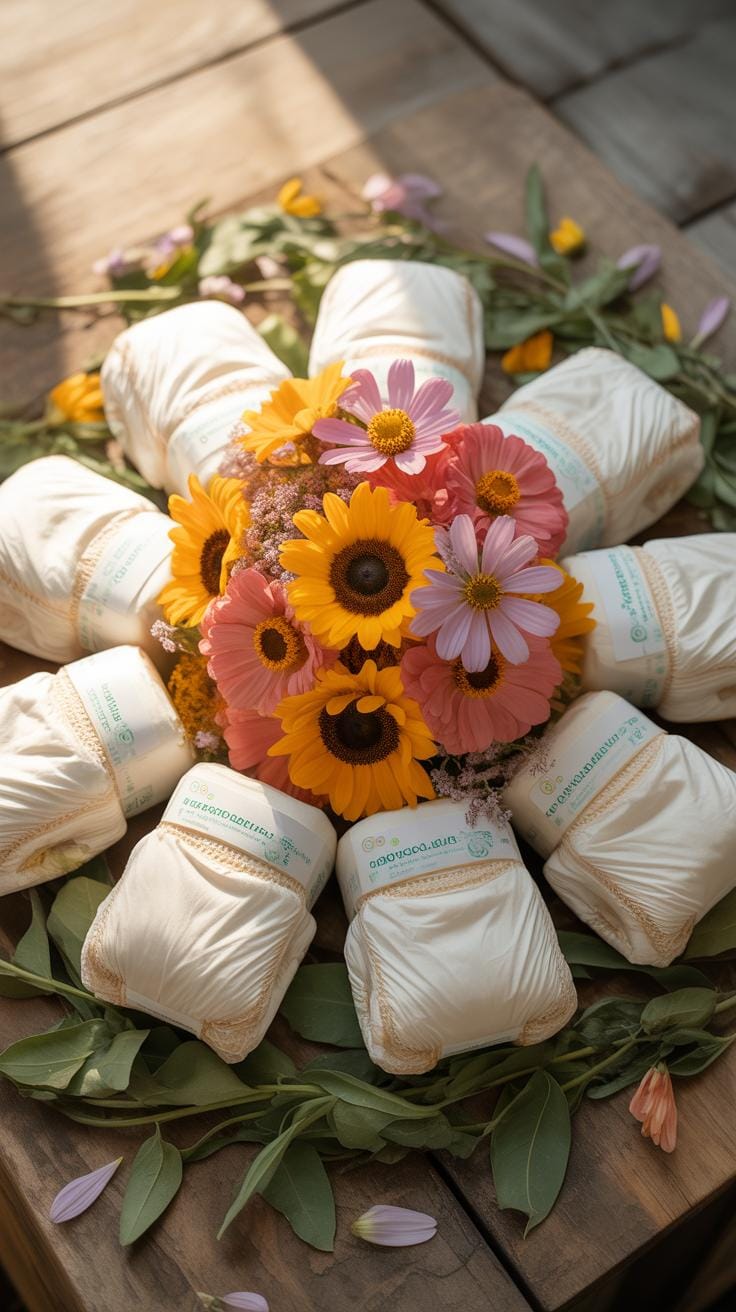
Selecting reputable brands for compostable diaper bouquets begins with researching transparency about materials and manufacturing practices. Look for companies that openly disclose their sourcing of plant-based components like bamboo, wood pulp, and corn-based polymers. Brands committed to soil health provide certifications from composting facilities, demonstrating their products genuinely break down in industrial composting environments. Review independent certifications such as OK Compost or similar standards that verify environmental claims authentically.

Building trust with brands means examining their commitment beyond marketing language. Seek out companies that publish detailed decomposition timelines, typically six months in proper conditions, and engage with scientific research about soil impact. Customer reviews highlighting real composting experiences offer valuable insights into actual performance. Reputable manufacturers often sponsor educational initiatives about composting practices, reflecting genuine dedication to environmental stewardship rather than merely capitalizing on eco-conscious trends.
Absorbency Reliability
Compostable diaper bouquets must maintain practical absorbency standards to be genuinely useful gifts for new parents. High-quality eco-friendly options utilize layered structures combining bamboo rayon, fluff pulp, and superabsorbent polymers derived from sustainable sources. These materials work synergistically to lock moisture while remaining fully compostable, ensuring babies stay dry during extended wear periods without compromising environmental integrity.
Testing absorbency before committing to bulk bouquets protects against disappointing performance. Many manufacturers provide sample packs allowing parents to assess compatibility with their child’s needs and skin sensitivity. Premium compostable diapers should perform comparably to conventional options during nighttime use and active play, eliminating the sacrifice parents often associate with eco-friendly choices and making compostable diaper bouquets practical gifts rather than symbolic gestures.
A Step By Step Guide To Crafting Your Sustainable Bouquet

Eco Friendly Supplies
Sourcing materials for compostable diaper bouquets begins with thoughtfully selected recycled components that honor both aesthetics and environmental responsibility. Recycled cardboard serves as an excellent structural foundation, offering sturdy support while maintaining the presentation’s visual appeal. Seek cardboard from post-consumer waste sources, which reduces demand for virgin materials. Hemp twine provides an elegant, natural binding element that complements the eco-conscious theme beautifully. This renewable fiber alternative to synthetic twines adds authentic texture while remaining fully compostable alongside your diaper arrangement.
Building your sustainable bouquet structure requires attention to sourcing quality materials that align with environmental values. Look for suppliers specializing in compostable materials and recycled packaging options. Consider these essential components:
- Recycled cardboard tubes or boxes as structural bases
- Natural hemp or jute twine for binding and decoration
- Unbleached kraft paper for wrapping layers
- Biodegradable floral foam alternatives or moss for arrangement support
- Organic cotton ribbon or raffia for finishing touches

Creating compostable diaper bouquets with ethically sourced materials demonstrates commitment to planetary health while producing beautiful, functional gifts that guests will treasure and eventually return to earth.
Assembly Techniques Safe
Securing diapers within your bouquet structure demands careful attention to methods that preserve diaper functionality and integrity throughout. Avoid synthetic adhesives, glues, or plastic fasteners that compromise compostability. Instead, employ gentle wrapping techniques using natural twine and carefully positioned cardboard supports that hold diapers without pressure or damage. This approach ensures each diaper remains sanitized and ready for use while maintaining the bouquet’s elegant appearance throughout its display life.
When arranging compostable diaper bouquets, precision and mindfulness replace adhesive solutions entirely. Gentle layering of diapers around the central structure, secured with soft hemp twine wrapped strategically around the rolls, creates stability without compromise. Roll the bouquet carefully in your hands to test balance before finalizing positions. This hands-on assembly method becomes meditative, connecting you personally to each element. The resulting arrangement showcases natural materials harmoniously unified, creating a gift that’s beautiful, functional, and genuinely sustainable from creation to composting.
Managing The Waste From Cradle To Compost Result
Proper Disposal Method
Professional composting facilities represent the most effective pathway for responsibly managing soiled compostable diaper bouquets. These specialized centers maintain precise temperature and moisture conditions that accelerate decomposition beyond what home systems can achieve. Industrial composting reaches temperatures between 130-170 degrees Fahrenheit, creating an environment where certified compostable materials break down completely within weeks rather than months, ensuring pathogens are eliminated safely.
When utilizing professional composting services for soiled diapers, families should verify facility certifications and confirm acceptance policies beforehand. Most industrial composters require materials certified to ASTM D6400 or EN 13432 standards, which compostable diaper bouquets typically meet. Contact local waste management facilities to locate nearby options, as availability varies by region. Many communities now recognize the value of diverting these materials from landfills and have expanded their collection programs accordingly.
From cradle to compost, let our nurturing choices weave a tender circle of life, cradling babies in softness today and returning gently to earth tomorrow, as our forebears wisely knew.
- Confirm facility certification standards before enrollment
- Check acceptance requirements for compostable products
- Arrange convenient pickup or drop-off schedules
- Verify processing timelines and result notifications
- Research facility locations within reasonable travel distance

Establishing a routine with your chosen composting service transforms an everyday necessity into meaningful environmental action, making responsible disposal as effortless as changing diapers themselves.
Soil Enrichment Cycle Closed
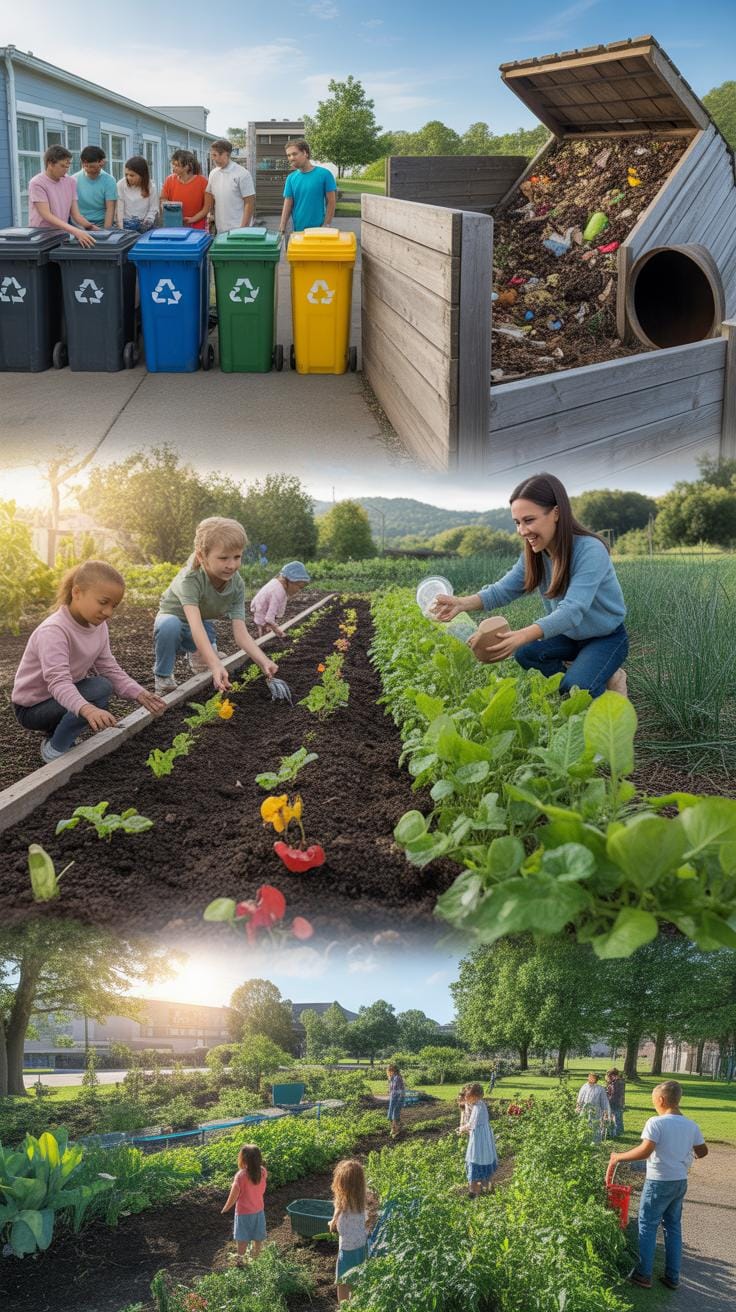
The completed composting journey transforms what once seemed like waste into dark, crumbly, nutrient-rich humus that gardeners cherish. When compostable diaper bouquets undergo proper industrial processing, their organic materials return to the earth as valuable soil amendments. This nutrient cycling reflects natural processes, where organic matter becomes food for future growth, creating a genuinely closed-loop system that connects parenthood with environmental stewardship.
Using compost derived from compostable diaper bouquets enriches non-food gardens beautifully, though regulations typically restrict use in vegetable cultivation. Ornamental gardens, flowering borders, and landscaping beds thrive when amended with this finished compost, which improves soil structure, water retention, and beneficial microbe populations. Many families find poetic satisfaction in nurturing flowers or shade trees with compost from their child’s earliest years, creating living monuments to their commitment to sustainable parenting practices.
Comparing The Cost Value Vs Environmental Impact

Long Term Savings Realized
While compostable diaper bouquets typically carry a higher upfront price than conventional disposables, the financial picture becomes more nuanced when examining extended timelines. Premium eco-friendly options often range from fifteen to twenty percent more expensive per unit, yet families embracing sustainable practices frequently discover offsetting benefits through reduced waste management fees and potential tax incentives in environmentally conscious communities. The initial investment reflects superior material sourcing and manufacturing processes that prioritize planetary health alongside infant comfort.
When evaluating comprehensive family budgets over multiple years, compostable alternatives present compelling long-term value propositions. Parents who transition to these products often report decreased overall diaper expenses when factoring in bulk purchasing discounts, loyalty programs from ethical brands, and elimination of landfill surcharges in progressive municipalities. Consider these financial advantages:
- Bulk purchasing discounts from specialty retailers and online platforms
- Reduced municipal waste fees in communities charging for garbage disposal
- Tax credits or rebates available in some eco-conscious regions
- Lower healthcare costs potentially linked to chemical-free diaper use
- Resale value of unused bouquets within parent communities
- Long-term savings from preventing environmental cleanup costs

Creating beautiful compostable diaper bouquets as gifts also reduces duplicate purchases, maximizing value for gift-givers and recipients alike while strengthening family commitment to sustainable practices together.
Investment In Future
The true measure of compostable diaper bouquets extends far beyond spreadsheets and price comparisons into something profoundly meaningful: legacy. Choosing biodegradable options represents a deliberate commitment to leaving healthy soil, clean water sources, and breathable air for children entering their own parenting journeys. This intergenerational perspective transforms what appears as premium pricing into a precious investment in the world our grandchildren will inherit and nurture.
Embracing compostable alternatives embodies parental wisdom rooted in protective love that transcends immediate economics. Each diaper bouquet chosen mindfully signals to the next generation that their wellbeing matters more than temporary convenience or marginal savings. By normalizing sustainable infant care practices today, families cultivate environmental consciousness in their children, creating ripple effects through communities and culture for decades to come, ultimately proving priceless.
Frequently Asked Questions

What are compostable diaper bouquets?
Compostable diaper bouquets are innovative, eco-friendly gifts that transform traditional baby shower diaper cakes into sustainable masterpieces. Made from 100% compostable diapers wrapped in biodegradable materials and adorned with organic flowers or greenery, they complete their lifecycle from cradle to compost. Perfect for green parents, these bouquets reduce landfill waste while celebrating new beginnings in style. They’re a thoughtful, planet-friendly alternative to plastic-heavy arrangements.
How do I make a compostable diaper bouquet at home?
Start with compostable diapers as the base, folding them into rose shapes and securing with natural twine. Insert into a biodegradable vase or basket, then add fresh or dried organic blooms for a bouquet effect. Use non-toxic, plant-based adhesives for assembly. These compostable diaper bouquets break down fully in home composters, making DIY easy and zero-waste. Follow online tutorials for stunning results in under an hour!
Are compostable diaper bouquets affordable and easy to find?
Yes, compostable diaper bouquets are budget-friendly, often costing $20-50—similar to regular ones but with eco-benefits. Shop online at sustainable baby stores, Etsy, or major retailers like Amazon for wide availability. DIY versions cut costs further using bulk compostable diapers. They’re accessible for all budgets, proving green gifting doesn’t require breaking the bank while supporting a healthier planet.