Transform Your Space The Contemporary Design Guide
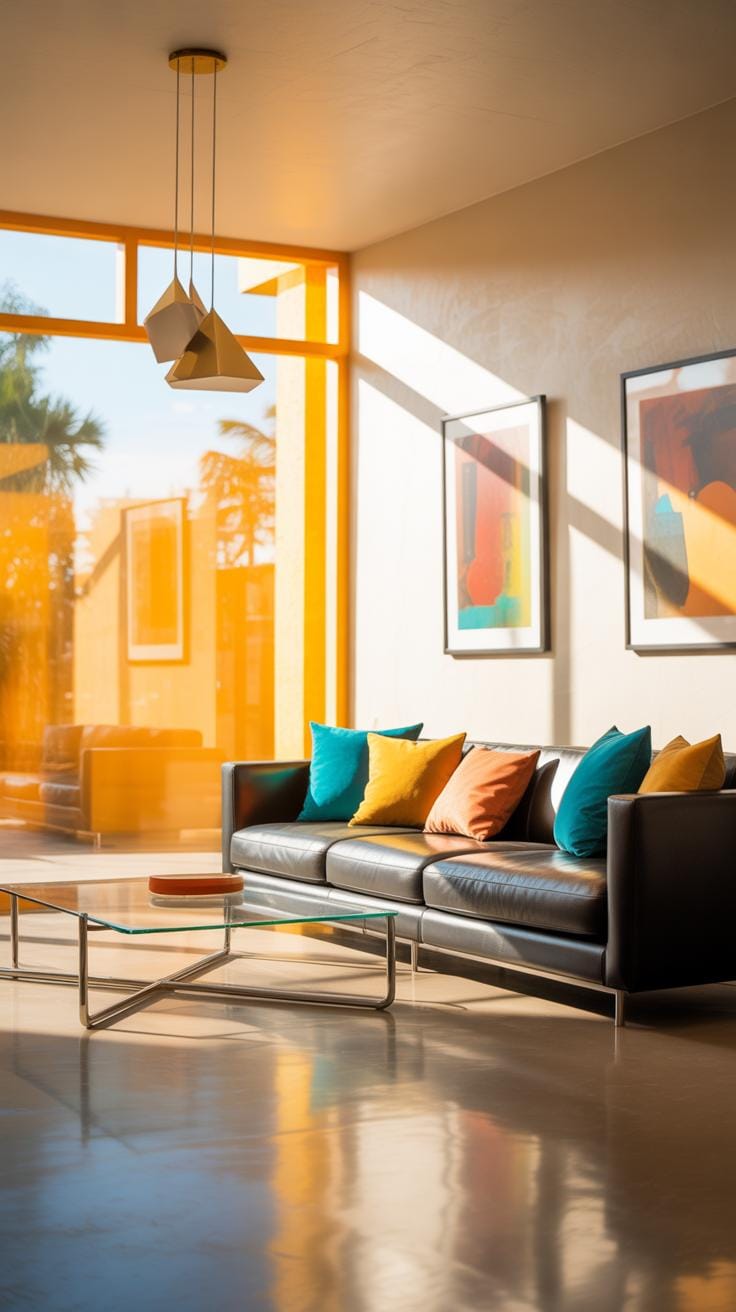
Ready to upgrade your home from “fine” to “phenomenal”? Forget the stress of remodeling. We are here to show you how the right interior inspiration can transform your space instantly.
Contemporary interior design is not just a passing trend. It is an evolving philosophy that keeps your space current, sleek, and effortlessly chic.
This style is all about sophisticated forms, clean lines, and making complex ideas accessible and comfortable, which is exactly the vibe we champion here at James Dunnington.com.
We love the curated feel this style brings. But before we get into the fun stuff, we need to clear up one major misconception: the difference between modern versus contemporary interior design styles.
We are diving deep into the contemporary design style, exploring everything from Mid-century Moments and MCM staples to bold Black Kitchen design, helping you nail that perfect, high-end contemporary look. Let us get to it.
Why Contemporary Design Is the Ultimate Vibe Check
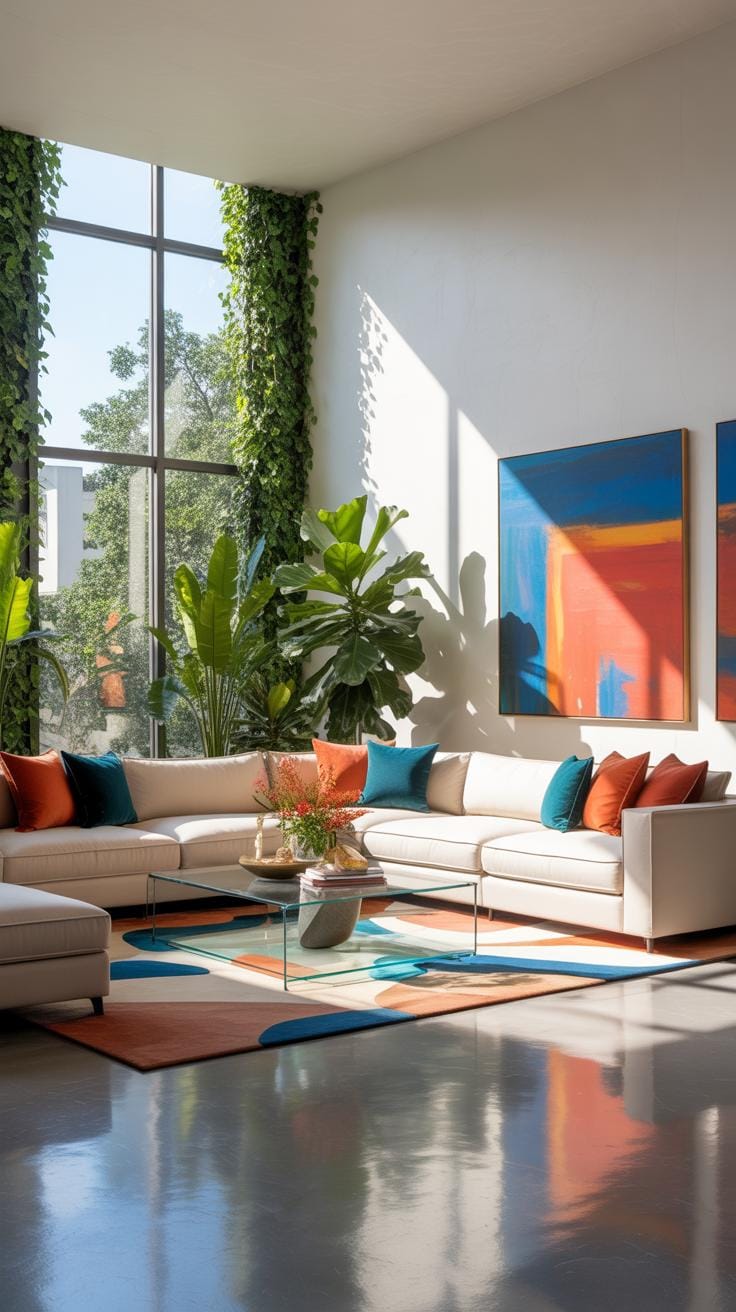

Ready for a design style that is always fresh? If you think Contemporary interior design means cold or sterile, you have been misled. This style is the definition of “of the moment.”
It is dynamic, embracing current Contemporary trends while maintaining a timeless foundation. It is flexible, fresh, and surprisingly welcoming, a perfect foundation for Artful living.
As top designers like Catherine W. from Decorilla often emphasize, Contemporary design style features innovation and a light-hearted approach to aesthetics.
The core traits are always present: sophisticated form and sleek lines that work together to create a minimal, yet warm, environment. This is the ultimate design approach for achieving a curated feel.
In short: Contemporary interior design is highly functional, incredibly chic, and never, ever boring.
Modern vs. Contemporary: Clearing Up the Confusion
This is the million-dollar question we get constantly. Are these two interior design styles the same thing?

A definite “no.” Understanding the difference is key to nailing your interior inspiration.
Modern design refers specifically to a fixed, historical movement from the early to mid-twentieth century (think 1920s to 1950s). It has fixed rules and a specific aesthetic based on the Bauhaus movement.
Contemporary design, however, is dynamic. It is literally defined by what is happening right now in February 2026. It is fluid and ever-evolving.
That said, contemporary interiors often borrow heavily from modern aesthetics, particularly the focus on clean geometry and lack of excessive ornamentation. This is why you see so many Mid-century Moments and MCM staples integrated into current designs.
If you love the clean look of modernism but want the flexibility to integrate 2026’s coolest trends and mix materials for pleasing contrasts, Contemporary interior design is your winner.
Here is a quick breakdown to keep the interior design styles straight:
Modern Interior Design
- Time Period: Fixed, historical era spanning the 1920s to 1950s
- Color Palette: Monochromatic scheme featuring black, white, and pops of primary colors
- Lines & Form: Strictly geometric with emphasis on horizontal and vertical lines
- Materials: Industrial materials including steel, glass, and concrete
Contemporary Interior Design
- Time Period: Fluid and ever-evolving, represents the “now” or current trends
- Color Palette: Neutral base with layered textures and bold accent colors
- Lines & Form: Sleek lines that can also incorporate organic curves
- Materials: Mix of natural, recycled, and high-tech materials
Mastering the Contemporary Color Palette
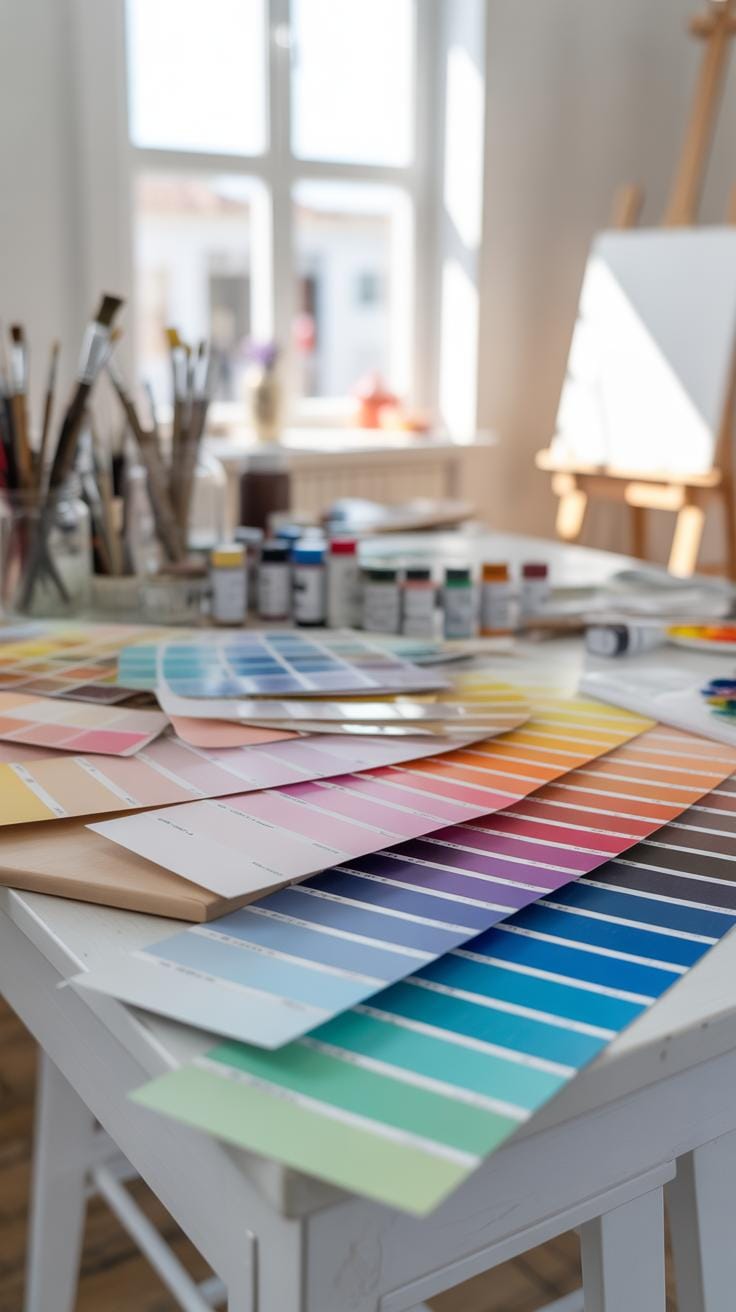
If you want to nail the core vibe of contemporary design style, you have to start with the right canvas. Contemporary interior design demands a strong, quiet foundation built on a Neutral Color Scheme.
Forget busy wallpaper or complex patterns. We are talking about soft greys, crisp whites, warm taupes, and sophisticated deep charcoal.
The goal is to achieve depth through varying shades of the same neutral, ensuring your walls maintain those essential sleek lines that define the modern aesthetics.

This neutral base is the perfect stage for drama. You introduce vibrant hues through carefully selected accessories, high-end Contemporary art, or a single statement piece of Contemporary furniture.
The Power of Dark Neutrals and Black Kitchen Design
A major contemporary trend, often highlighted by designers like Decorilla’s Kaitlyn B., is embracing the dark side. Think about incorporating deep charcoal or true black into your design.
The stunning rise of the Black Kitchen design trend proves that these powerful neutrals provide a sophisticated form and incredible contrast, far from feeling cold or sterile.
This use of dark neutrals ensures your space maintains a curated feel, allowing architectural elements and the silhouettes of your furniture to truly shine.
You are creating pleasing contrasts that feel intentionally artful and high-end contemporary.
Furniture That Makes a Statement Sculptural Sophistication
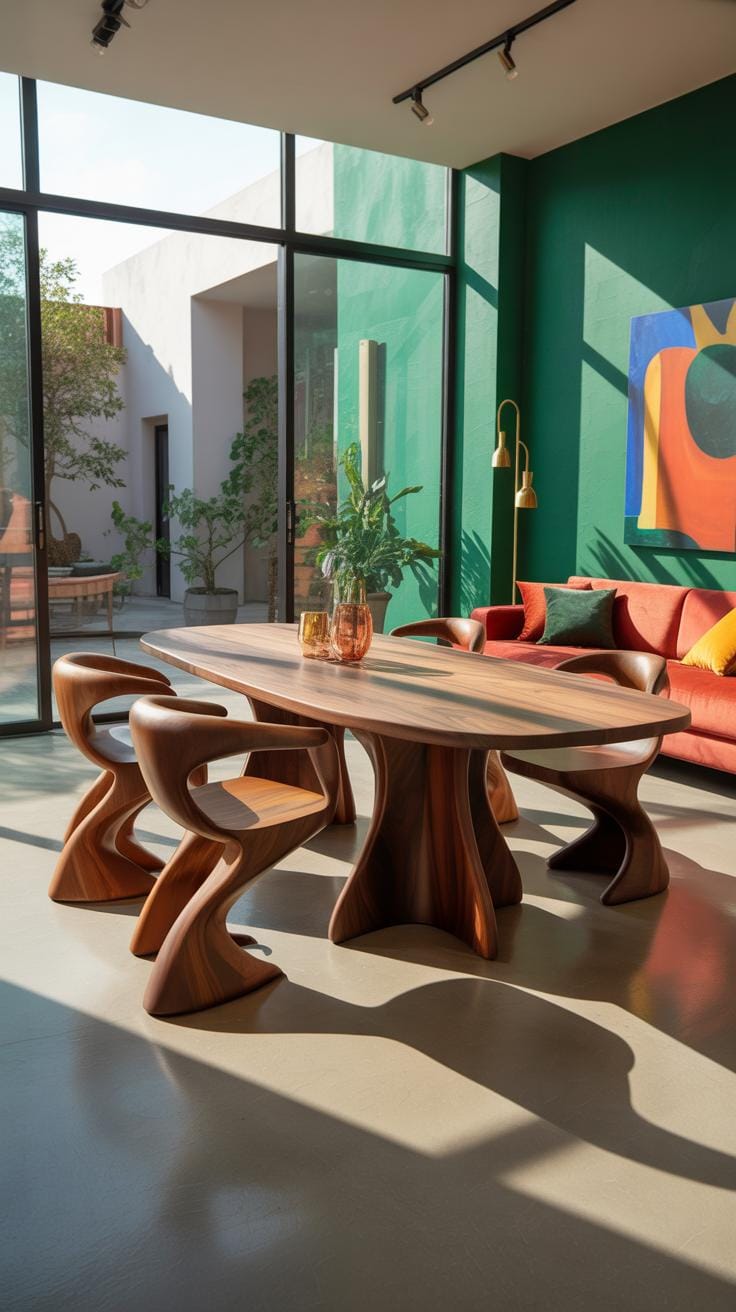
If you have mastered the neutral canvas of the previous section, it is time to introduce the stars of the show: your furniture.
In the world of contemporary design style, furniture is not just functional; it is sculptural. Every piece should stand on its own as a work of art, featuring clean, unadorned shapes and a truly sophisticated form.
To achieve that high-end contemporary look, seek out pieces with exposed, often metallic or wooden, legs, smooth upholstery, and materials that highlight the beautiful structure of the piece itself.
Mid-century Moments: The Comfort Factor
One of the biggest contemporary trends right now is the strategic inclusion of Mid-century furniture. This is where the magic happens, blending eras for maximum impact.
Why this obsession with Mid-century Moments? Because these pieces offer the perfect balance of memorable form and uncompromising comfort, making contemporary interior design feel accessible.

We are seeing a resurgence of iconic MCM staples that fit seamlessly into modern aesthetics. Think about the impact of pieces designed by giants like Le Corbusier, known for functional yet beautiful geometry, which are back in a big way.
Imagine your contemporary living room grounded by a luxurious St. James leather chaise. These key pieces instantly add historical weight and incredible visual interest without ever looking cluttered.
This blend of old and new, what we often call “A Mingle of Eras design,” is essential for achieving that polished, curated feel that defines Artful living.
The Power of Sleek Lines and Form
When selecting seating or storage, prioritize items with truly sleek lines. The goal is to avoid anything bulky, heavily fringed, or overtly carved.
A great example is a stunning, low-profile sofa with straight edges, or a minimalist padded bedframe with minimal detailing.
This adherence to simple, geometric form is what gives the contemporary living room its signature sense of calm and order. It is the core trait of contemporary design.
Playing with Pleasing Contrasts and Textures
To prevent your neutral, sleek space from feeling sterile, you must introduce contrast. This is a critical element often cited by designers like Kaitlyn B. and Matthew J. at Decorilla.
Contemporary design ideas thrive on mixing textures and styles, contrasting raw and pristine materials for dynamic, cohesive spaces.
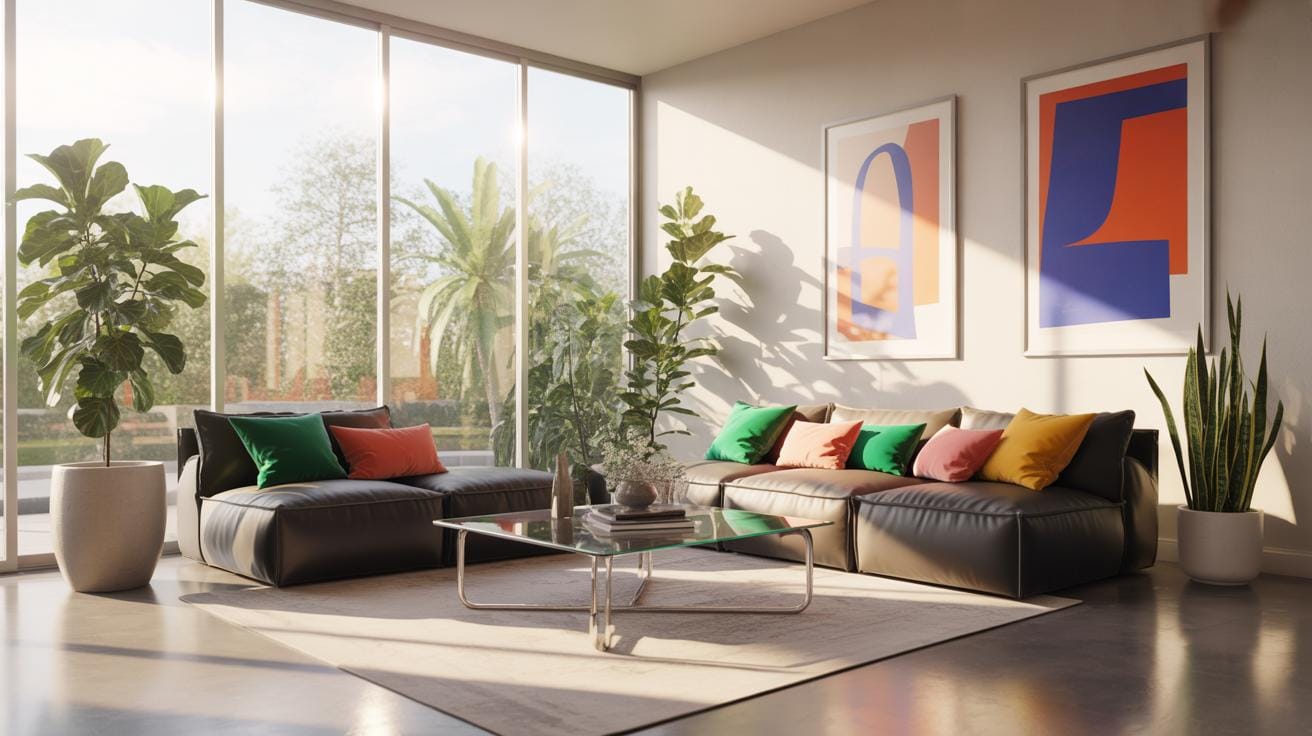
Pair that smooth, polished leather sofa with a raw wood coffee table, or juxtapose pristine white walls with a dramatic, textured Slate Feature Wall.
Furthermore, incorporating natural and environmentally friendly elements is vital for the emerging Contemporary organic design style. Look for wood, linen, rattan, and stone to soften the hard lines and add warmth to your super sleek studios.

This careful interplay of materials ensures your space maintains its modern aesthetics while feeling incredibly tactile and inviting.
Texture and Contrast Making Spaces Dynamic
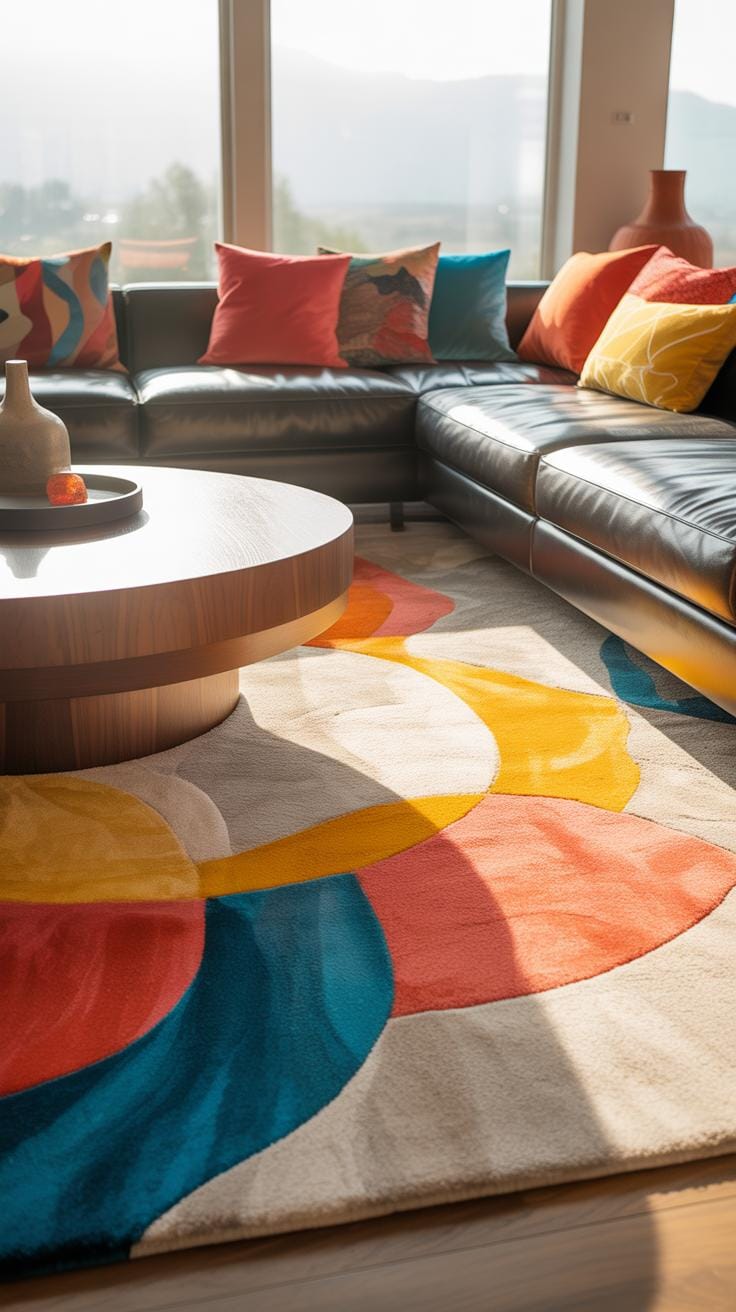
Since the core color palette of contemporary design style often leans neutral (think sophisticated forms and sleek lines), texture is your secret weapon.
Without intentional layering, your carefully curated space risks falling flat. You need to layer materials intentionally to inject visual excitement and depth.
Think of it as creating “dynamic tension.” Mix that smooth, polished concrete floor with a cozy, shaggy wool rug. Pair a sleek glass table top with the softness of raw linen drapes.
This strategic use of Pleasing Contrasts is the definitive hallmark of truly successful high-end contemporary design.
Joyce T., a respected voice in interior design, notes that “Contemporary style thrives on the tension between raw and pristine. Mixing metal and natural wood creates a dynamic energy that feels both luxurious and lived-in.”
Embracing the Earth: Contemporary Organic Design
The global move toward sustainability means that incorporating natural materials and Eco materials is no longer optional; it is crucial for high-end contemporary design.
This focus has led to the rise of the Contemporary organic design style, which champions the warmth of reclaimed wood, durable rattan, earthy stone, and chunky natural fibers.
Want some serious interior inspiration? Consider incorporating a dramatic Slate Feature Wall or perhaps a massive, live-edge dining table.
These elements bring necessary warmth and earthiness into the otherwise polished environment, softening those sleek lines and contributing to a feeling of relaxed sophistication.
This blend ensures your space maintains the minimal, clean aesthetic of contemporary interior design while feeling inviting, not sterile.
Artful Living Mastering the Curated Feel
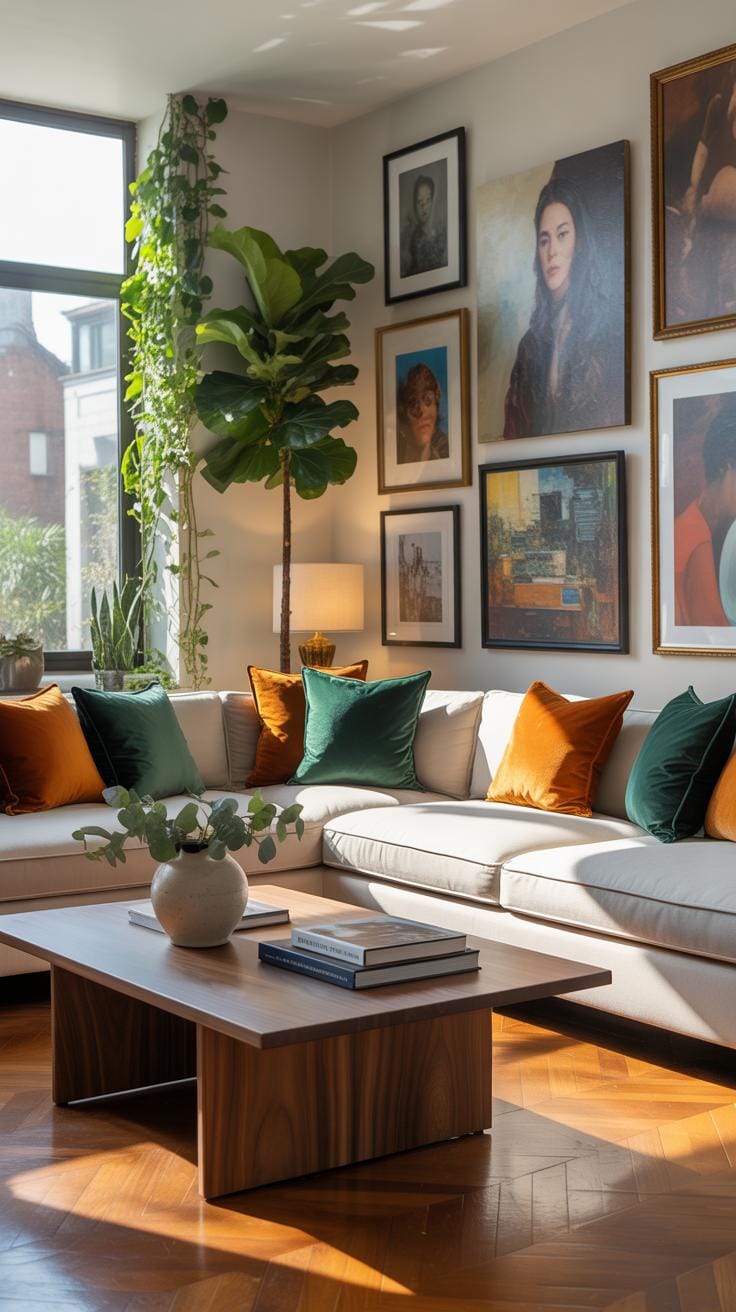
You have mastered texture, now let us talk about discipline. Contemporary design style is defined by what it omits as much as what it includes. This is the heart of Artful Living.
Forget clutter and overflowing collections. You are moving toward thoughtfully placed, high-impact pieces that emphasize sophisticated forms and sleek lines.
Every single item should feel intentionally selected, contributing to that desirable curated feel of a truly high-end contemporary space.
Why Contemporary Art is Non-Negotiable
If you want to achieve that truly high-end contemporary look, you must invest in art. Art is the soul of this interior design style.
Contemporary art, often oversized and abstract, serves as the main focal point, especially in rooms designed by experts like Decorilla’s Kaitlyn B.
Look for pieces with interesting texture or dramatic color to break up the neutral walls. The rule of thumb? Your walls should be bold, even if your sofa is beige.
Another key strategy is creating “arty vignettes” or small, focused displays.
Designer Matthew J. often recommends grouping three objects of varying height and texture on a console table to draw the eye and maintain that curated feel.
Mixing Eras: Mid-century Moments and Pleasing Contrasts
Contemporary interior design thrives on contrast, not just in texture but in time. This style embraces “A Mingle of Eras” design, allowing you to blend the new with classic foundational pieces.
This is why Mid-century furniture pieces are currently trending in contemporary interiors. They provide memorable form and comfort, fitting perfectly into the modern aesthetics.
Incorporating MCM staples, such as a classic St. James leather chaise or a simple geometric chair designed by Le Corbusier, instantly elevates a space and creates Pleasing Contrasts.
These pieces ensure your contemporary living room feels rich with history and intentional design, rather than just a sterile super sleek studio.
The Impact of Bold Color: Beyond the Neutral Palette
While the foundation of contemporary design style relies on a neutral color scheme, the impact colors you choose are essential for achieving dynamic spaces.
One of the biggest contemporary trends right now is the rise of dramatic, high-contrast interiors. This is best exemplified by the move toward Black Kitchen Design.
Bold kitchens featuring black cabinetry, dark stone countertops, and sleek metal accents showcase contemporary style’s capacity for eye-catching and dramatic interiors.
This dramatic use of color in a contemporary kitchen ensures the room feels custom, high-end, and far from boring.
Room by Room Contemporary Trends in Action
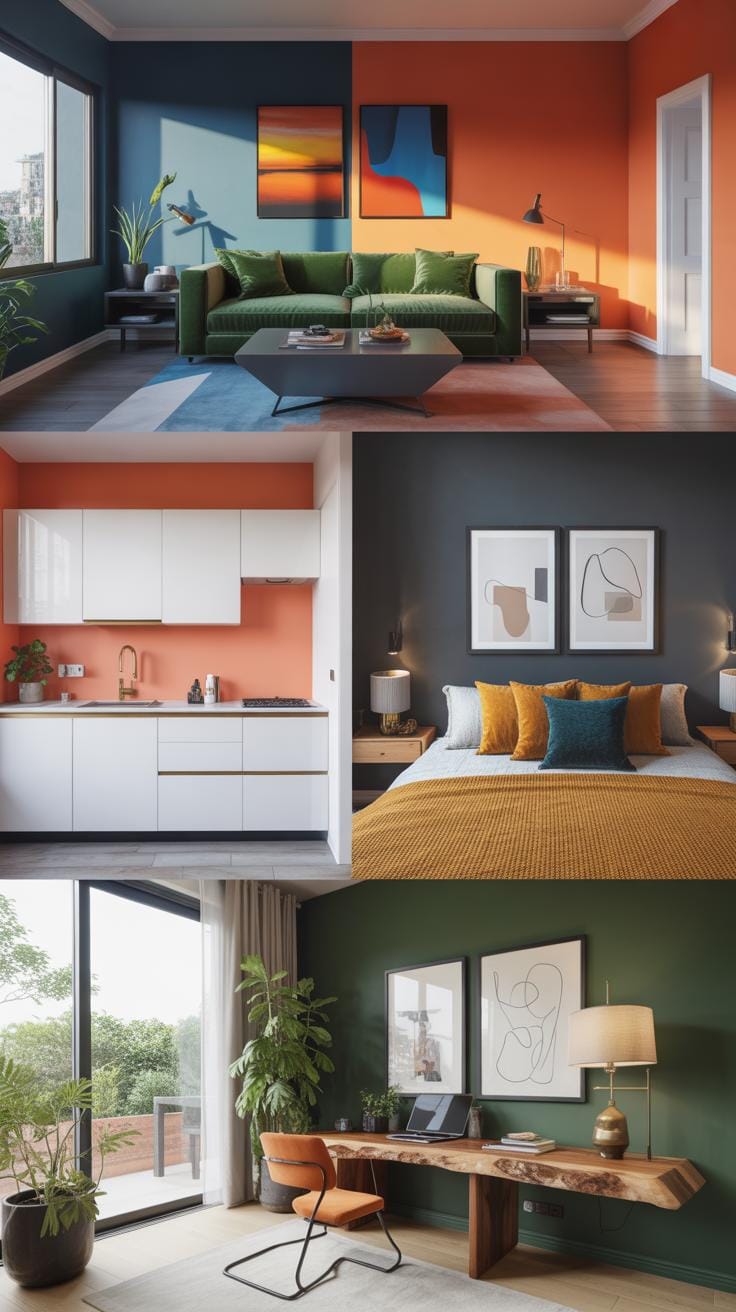
You have mastered the discipline of the Artful Living approach. Now, let us get practical. The real magic of contemporary design style is its incredible versatility.
This aesthetic can elevate literally any space, from tiny urban Super Sleek Studios to sprawling homes that feature elevated exterior design.
For smaller dwellings, contemporary interior design is a lifesaver. It maximizes open, flexible floor plans through the use of light, minimalist contemporary furniture and reflective surfaces, helping even the tightest space feel expansive.
The Bold Contemporary Kitchen
The contemporary kitchen is where sophisticated form meets serious function. Forget the rustic farmhouse look; the current contemporary trend is dark, dramatic, and moody.
We are seeing a huge surge in Black kitchen design. This features matte black cabinetry, dark granite or quartz countertops, and minimalist hardware to emphasize sleek lines.
This bold choice showcases the style’s capacity for dramatic, eye-catching interiors. Designer Cristiane P. frequently champions integrated appliances and hidden storage to maintain that super sleek, uncluttered aesthetic essential to this look.
Contemporary Living Room Layouts
The contemporary living room is all about making sophisticated form feel incredibly comfortable. It is designed for conversation and relaxation, anchored by large, plush seating that contrasts beautifully with the room’s hard architectural features.
Mid-century Moments and Modern Aesthetics
A key element of contemporary interior design is mixing eras to create depth. You absolutely need to incorporate Mid-century furniture pieces.
These MCM staples, like a St. James leather chaise or a classic Le Corbusier chair, bring memorable form and timeless comfort. These Mid-century Moments bridge the gap between Modern versus contemporary interior design styles, adding that coveted “A Mingle of Eras design” feel without sacrificing the clean, modern aesthetics.
Lighting and Artful Vignettes
Lighting is crucial for transforming a simple space into a Sleek loft interior worthy of a magazine spread. Use statement fixtures, track lighting, or recessed lights to highlight architectural details and artwork.
Speaking of art: The curated feel of the space hinges on Contemporary art. Adding high-end, oversized artwork or thoughtfully arranged arty vignettes is a key trend, enhancing the luxe, sophisticated feel of your contemporary living room.
The Power of Pleasing Contrasts
Contemporary design style is not just about minimalism; it is about dynamic tension. Competitors like Decorilla consistently highlight the importance of Pleasing Contrasts, mixing different eras or contrasting raw and pristine materials.
Think about pairing a smooth, highly polished marble countertop with a rough Slate Feature Wall. This interplay of textures and styles keeps the space feeling rich and layered, avoiding the coldness sometimes associated with pure minimalism.
Embracing Contemporary Organic Design
High-end contemporary design often leans into nature. Natural and environmentally friendly Eco materials play a major role, particularly in what is known as Contemporary organic design style.
Materials like natural wood, linen, rattan, and stone provide warmth and texture, balancing the sleek lines of contemporary furniture. This approach ensures your space is innovative and aligned with modern environmental values.
If you are still unsure of your direction, sometimes taking an Interior Design Style Quiz can help clarify which contemporary trends speak to you the most!
Ready to Redesign Your Contemporary Action Plan

Feeling the urge to toss out all your clutter and embrace the sleek life? That is the goal!
Adopting the full contemporary interior design style does not demand a complete, expensive overhaul. It requires being intentional about placement and absolutely ruthless about editing.
If you are still mapping out exactly where your tastes lie within the vast spectrum of interior design styles, consider taking an Interior design quiz or Decorating style quiz.
These quick tools, often recommended by experts like Decorilla, can pinpoint if you lean toward pure minimalism or the softer, organic side of contemporary design.
Leanna S., an expert in high-end contemporary residential projects, offers solid advice: “Start small. Swap out your decorative objects for fewer, larger, more sculptural pieces. That immediate shift toward sophisticated form will instantly elevate your space.”
Beyond the Checklist: The Core Traits of Contemporary Design
The spirit of contemporary design style is rooted in being current, innovative, and deeply comfortable. It is a modern aesthetics approach that prioritizes sleek lines, simple geometry, and a sophisticated form that feels effortlessly chic, not cold.
To achieve that highly desirable curated feel, you must understand pleasing contrasts. This is where Mid-century Moments come in.
Contemporary interiors often feature iconic Mid-century furniture pieces, such as a St. James leather chaise or designs by Le Corbusier. These MCM staples offer memorable form and plush comfort, perfectly balancing the clean architectural lines of the contemporary living room or sleek loft interior.
Mastering Texture, Art, and High Contrast
Do not forget the power of the focal point. Adding high-end, oversized contemporary art or creating curated arty vignettes is a non-negotiable step toward a high-end contemporary look. This strategy, often championed by designers like Catherine W., instantly enhances the luxe, sophisticated feel of any space.
Contemporary design style thrives on dynamic tension. You should actively mix eras, perhaps applying A Mingle of Eras design approach, pairing raw materials like concrete or a Slate Feature Wall against pristine, soft fabrics.
High contrast layering of textures (wood, metal, stone, and plush textiles) is key to preventing the space from feeling sterile.
The Drama of Materials: Kitchens and Eco-Consciousness
The contemporary kitchen is currently embracing drama, specifically the bold Black kitchen design trend. Far from being gloomy, black cabinetry and matte finishes, often paired with metallic accents, create an eye-catching and dramatic interior that defines modern aesthetics.
Finally, contemporary organic design style emphasizes sustainability. High-end contemporary homes frequently incorporate natural and eco-friendly elements.
Look for materials like reclaimed wood, linen, rattan, and natural stone. This focus ensures your space feels grounded, elegant, and ethically sound, fully embracing contemporary trends.
Your Five-Point Contemporary Checklist
To ensure your space reads as authentic contemporary, focus on these five elements:
- Sleek Lines: Furniture, architecture, and lighting must prioritize simple geometry and sleek lines.
- Neutral Base: Utilize whites, greys, and taupes for walls and large furnishings, setting a sophisticated foundation.
- High Contrast: Layer diverse textures like polished metal and raw wood for pleasing contrasts.
- Statement Art: Incorporate large-scale abstract or contemporary art as the primary focal point.
- Open Space: Maximize flexible floor plans and maintain an Artful Living approach by keeping clutter absolutely minimal.
If you prioritize these elements, your home will effortlessly capture the essence of interior inspiration for years to come.
Frequently Asked Questions

What is the biggest difference between Modern and Contemporary?
This is the question that trips everyone up! The key difference is time. Modern is a fixed, historical style, think 1920s to 1950s, with static rules, emphasizing function and minimal ornamentation (hello, Bauhaus).
Contemporary interior design, however, is the design of the present moment. It is constantly evolving. While it borrows the clean lines and sophisticated form from modern aesthetics, the Contemporary design style is softer, more flexible, and incorporates current technology and Contemporary trends.
When comparing Modern versus contemporary interior design styles, remember: Modern is a dusty textbook; Contemporary is the live, updated feed.
Is contemporary design expensive to achieve?
It depends on how you approach it. Achieving that signature curated feel often means investing in fewer, but higher-quality, Contemporary furniture pieces that emphasize sophisticated form.
While you certainly do not need to shop exclusively at high-end contemporary retailers, this style relies heavily on quality materials, think real stone, solid wood, or eco materials, which can sometimes increase the initial outlay compared to fast furniture.
The good news? Because the Contemporary design style is timeless, your core investment pieces will last decades, minimizing the need for frequent updates. It is a marathon, not a sprint, toward an Artful living space.
Can I mix contemporary style with traditional pieces?
Absolutely, and you should! This is where contemporary design gets really fun. The best spaces embrace Pleasing Contrasts and incorporate what we call ‘A Mingle of Eras design.’
Setting an antique piece, say, a dramatic Victorian mirror or a carved wooden cabinet, against a backdrop of sleek lines and neutral Contemporary furniture prevents the space from feeling sterile or overly minimalist.
A key trend right now is integrating Mid-century Moments. Think classic MCM staples like a St. James leather chaise or a chair designed by Le Corbusier. These pieces are loved for their sophisticated form and comfort, instantly elevating your Contemporary living room.
Do not forget the Contemporary art! Curated art vignettes and oversized artwork are essential for achieving that luxe, Artful living aesthetic and providing dynamic contrast.
How do I make a contemporary space feel warm?
Warmth is all about texture, material, and light. A space defined by sleek lines needs grounding elements to feel inviting. Embrace the Contemporary organic design style by using natural materials like rich wood, soft linen, rattan, and chunky woven rugs.
Lighting is crucial. Ditch the harsh overhead fixture reliance and incorporate layered lighting: soft accent lamps, floor lights, and even wall sconces, to create cozy pools of light.
Even if you stick to a Neutral Color Scheme, choose warmer tones (think taupe, mushroom, or oatmeal instead of pure stark white). Incorporating a Slate Feature Wall or a brown leather Padded Bedframe also adds necessary depth and texture, ensuring your Super sleek studios feel like home, not a museum.
Are black kitchens still in style in 2026?
Absolutely. Black kitchen design is one of the strongest Contemporary trends right now, and it is not slowing down. Designers like Cristiane P. and Kaitlyn B. appreciate its dramatic impact and ability to look incredibly super sleek.
The trend has evolved far beyond glossy black. We are seeing luxurious matte finishes paired with metallic accents, such as brushed brass or copper hardware, which keep the Contemporary kitchen feeling sophisticated and prevent it from appearing dull or heavy.
It is the ultimate statement piece for a modern aesthetics home.
Conclusion
Contemporary design offers a dynamic, ever-evolving approach to creating spaces that feel current yet timeless. By embracing sleek lines, sophisticated forms, and a neutral foundation enhanced with bold contrasts, you can transform any room into a high-end sanctuary. The strategic incorporation of Mid-century moments, natural materials, and statement art ensures your space maintains warmth while achieving that coveted curated feel. Whether you’re drawn to dramatic black kitchens or organic textures, contemporary style provides the flexibility to express your personal aesthetic.
Start your contemporary transformation by focusing on intentional editing and quality over quantity. Invest in fewer, sculptural furniture pieces that serve as functional art, layer diverse textures to create pleasing contrasts, and incorporate oversized contemporary artwork as focal points. Remember that achieving this sophisticated look doesn’t require a complete overhaul—begin with small, strategic changes that prioritize clean geometry and thoughtful placement. Your journey toward artful living starts with understanding that contemporary design is about creating dynamic, comfortable spaces that reflect the present moment.