Introduction
Korean street food offers a variety of tasty dishes that reflect Korea’s rich culture and history. From sweet pancakes filled with nuts to spicy rice cakes, each item has a story and flavor that gives you a glimpse into Korean life and traditions. You can find many of these treats on the bustling streets and night markets of Korea. This year, you should try some of these iconic snacks that Koreans love.
In this article, we will explore the most popular Korean street foods. We cover their origins, what makes them special, and how they have changed over time. Whether you want something sweet, spicy, or savory, Korean street food has something for everyone. Let’s dive into these delicious dishes and the culture behind them.
History of Korean Street Food
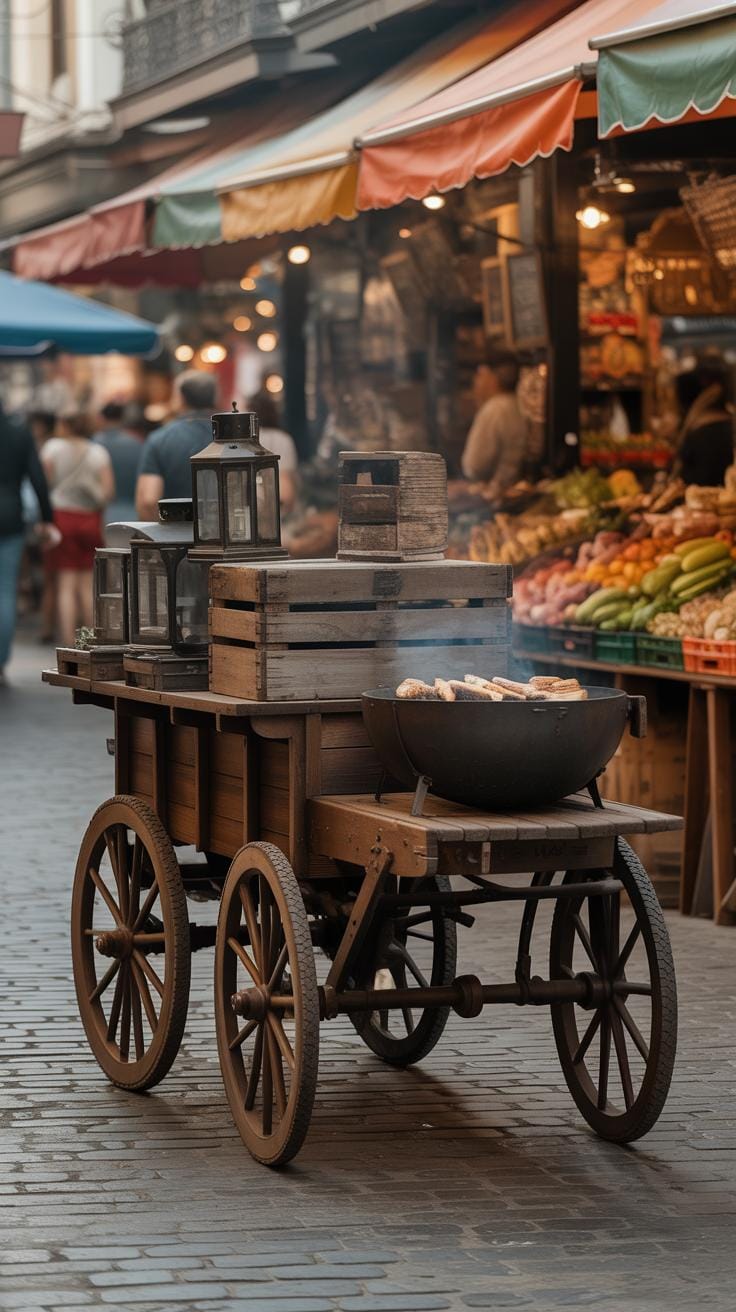
Street food in Korea has deep roots, stretching back to the Joseon period, when simple food stalls began to appear in busy marketplaces and towns. These stalls served convenient snacks and meals for travelers and locals alike, often run by small vendors who carried their goods from place to place.
The Korean War had a huge effect on street food culture. Many people lost jobs or homes, so affordable and quick food options became necessary. Street food grew in importance as it offered inexpensive nourishment for those with limited means. In a way, it became a vital part of everyday survival.
Traditional Beginnings
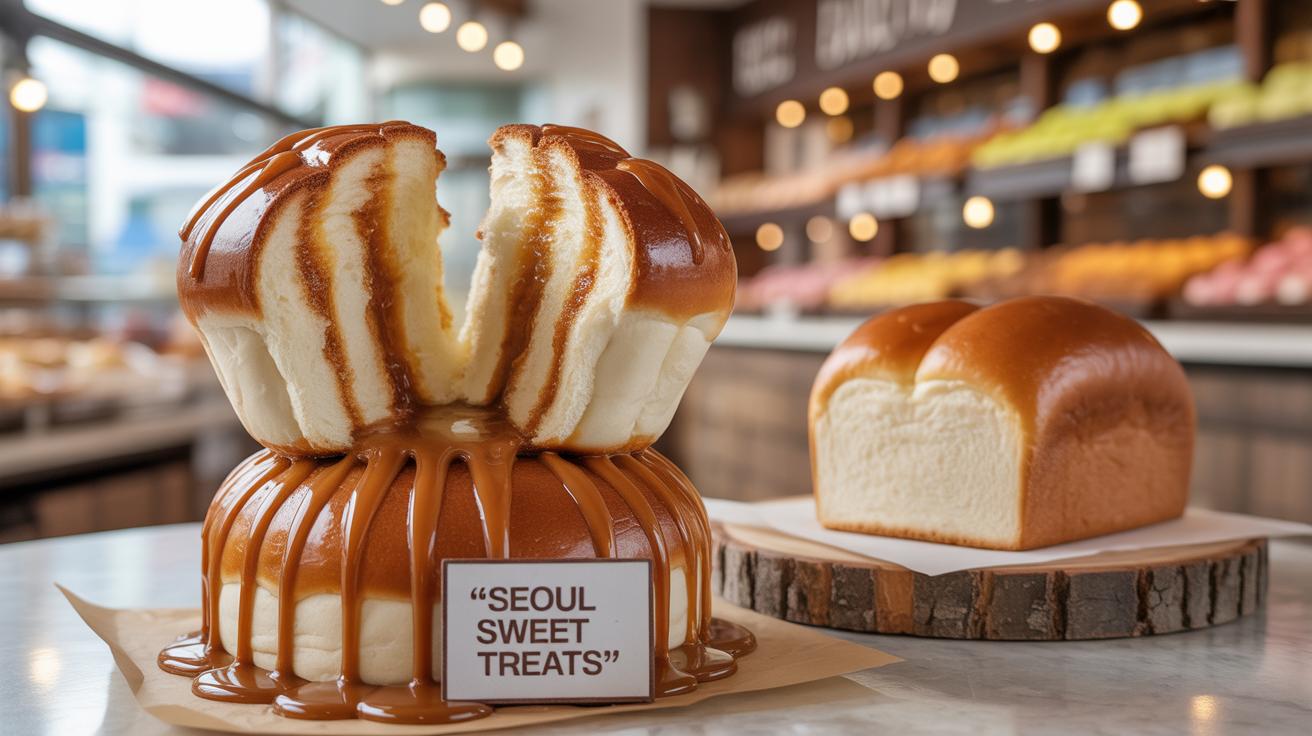
Early street foods like jinppang and hoppang trace their origins back to the 1900s. Both are steamed buns often filled with sweet red bean paste—simple, warm, and filling. Interestingly, these snacks show clear influence from Japanese cuisine during Japan’s occupation of Korea. It’s fascinating how such historical tensions shaped even what people ate on the streets.
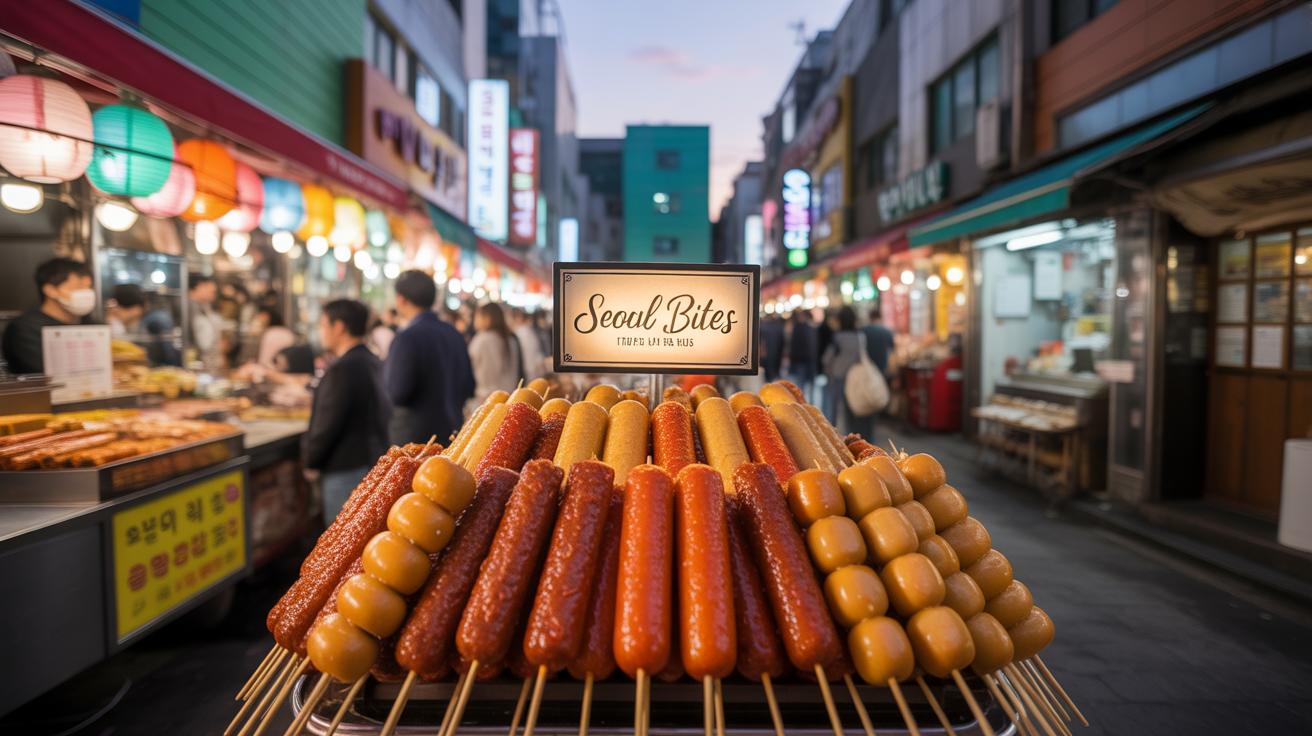
Jinppang and hoppang weren’t just snacks; they became comfort food for many during difficult times. You might have seen older Koreans still enjoying hoppang today, a soft reminder of those days.
Modern Developments
The 1960s and 70s introduced new street food staples like tteokbokki and gimbap. These dishes expanded the variety and appeal of street eats significantly. Tteokbokki, with its spicy sauce, and gimbap, a portable seaweed rice roll, fit perfectly into the fast-paced lives of an urbanizing society.
Street food stalls became more diverse and plentiful, offering affordable flavors that could satisfy different cravings. It’s interesting to think about how these foods evolved alongside Korea’s rapid modernization—and how they remain popular today, reflecting both tradition and change.
Tteokbokki The Spicy Rice Cake
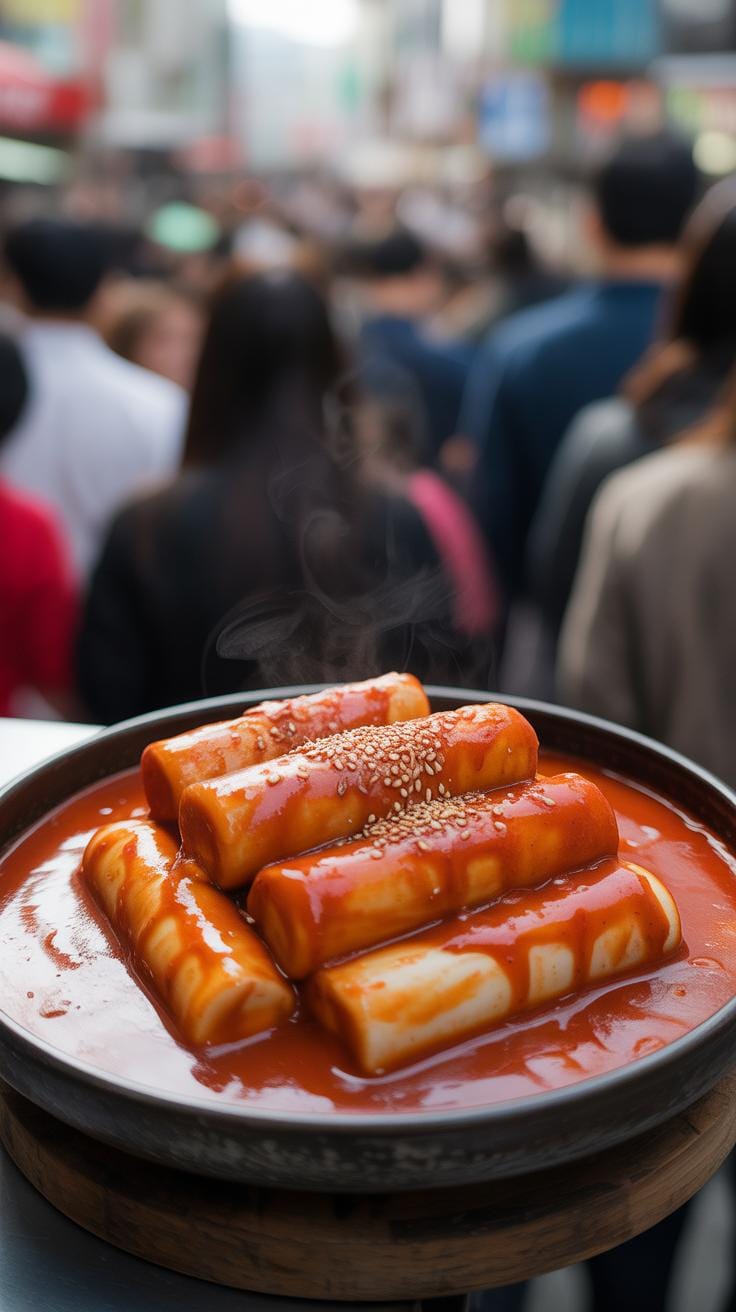
Tteokbokki is one of those street foods that you can’t easily forget once you try it. At its core, it’s chewy rice cakes simmered in a spicy, slightly sweet red chili sauce. This isn’t just any sauce—it’s made from gochujang, Korean chili paste, which gives it that recognizable kick. You’ll usually find fish cakes, boiled eggs, and sometimes green onions added to the mix. Honestly, this combo is what makes it so comforting and filling.
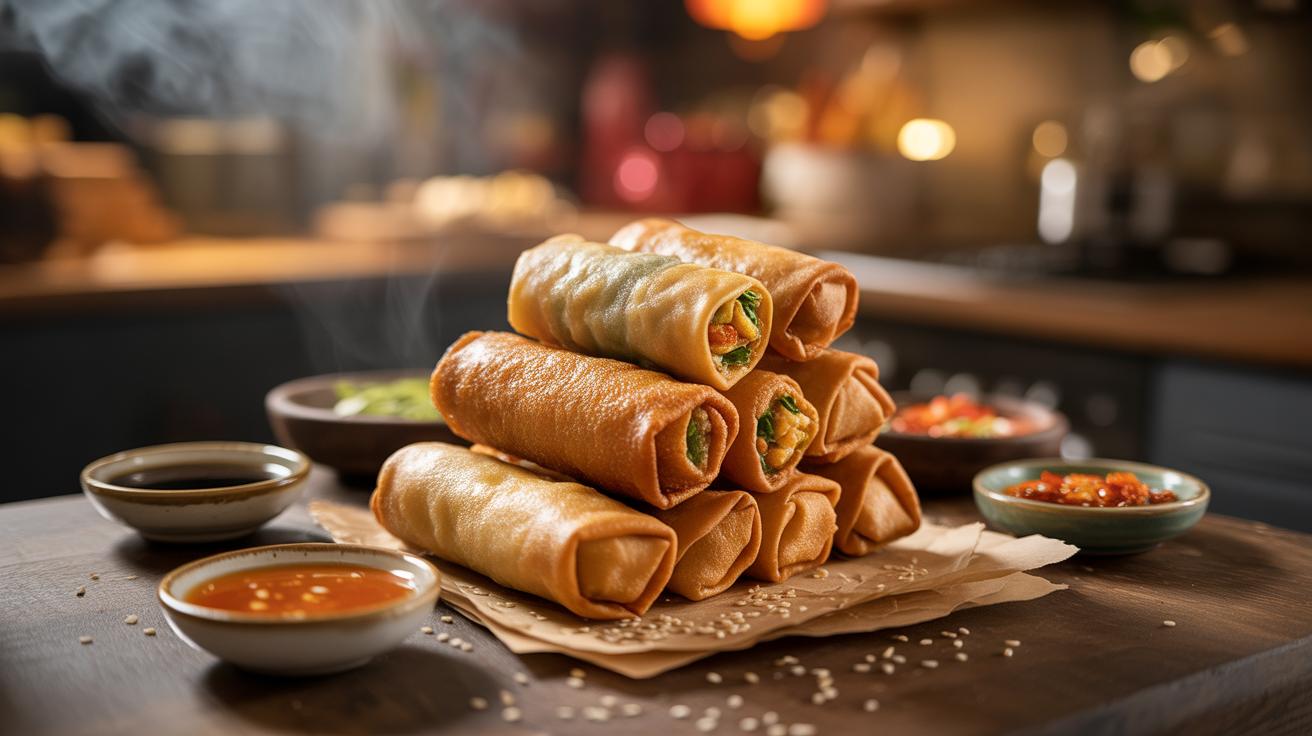
The origins of tteokbokki reach back several centuries, starting off as a simple royal court dish without the spicy sauce. It was more of a soy sauce-flavored stir-fry before gochujang transformed it into the fiery treat we know now. Today, street vendors sell it everywhere—from markets to subway exits—making it a quick, affordable snack that’s hard to resist, especially when it’s hot and fresh.
Ingredients and Preparation
The main ingredient, naturally, is the rice cake or “tteok.” These cakes are cylindrical, chewy, and made from glutinous rice flour. Then there’s the gochujang-based sauce, which blends spicy, sweet, and savory notes. Fish cakes add a subtle umami richness and a different texture, while boiled eggs soak up the sauce and offer a creamy contrast.
Vendors often simmer everything together so the flavors meld. Sometimes they throw in scallions or sesame seeds for a touch of freshness or nuttiness. The whole dish relies on balancing these elements carefully. Too much sauce, and it overwhelms; too little, and it feels bland—finding that balance can be tricky but makes all the difference.
Popular Variations
Tteokbokki isn’t just one recipe. The royal court variation skips the chili paste altogether, offering a softer, less spicy flavor, usually with soy sauce and mild seasonings. There’s also curry tteokbokki, where a thick curry sauce replaces or mixes with the traditional spicy base. For seafood lovers, variations include squid, mussels, or shrimp, adding a briny twist to the classic dish.
Instant noodle or ramyeon tteokbokki is another popular twist—rice cakes cooked along with noodles soak up the sauce, giving a stretchy, satisfying meal that’s both spicy and filling. You might wonder which version is best, but honestly, trying them all might be the only way to decide. Each stands on its own, shaped by taste and mood.
Hotteok The Sweet Pancake
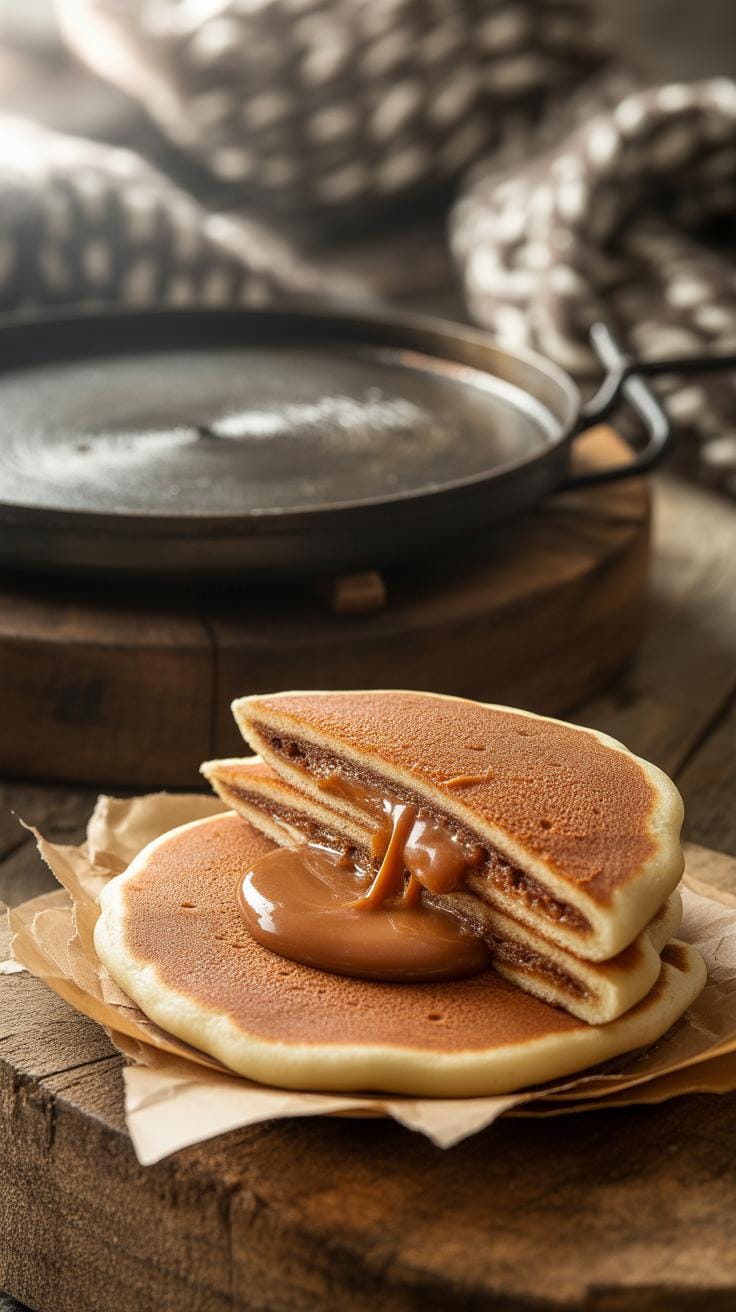
Hotteok is that warm, sweet pancake filled with a mix of nuts and cinnamon that you’ll find tempting you from many street stalls in Korea. It didn’t actually start here—it came over from China, where similar stuffed pancakes have been enjoyed for centuries. Somehow, it found a new home in Korea and became incredibly popular, especially during the colder months when people crave something cozy and sweet.
The dough is simple but effective: wheat flour, water, sugar, and yeast combine to create a soft, slightly chewy base. The filling usually includes brown sugar, chopped peanuts or walnuts, and plenty of cinnamon. Vendors pour a spoonful of dough onto a hot griddle, press in the filling, then seal it into a thick, round cake that’s cooked until golden brown on the outside and gooey inside. You bite in and get this contrasting texture—the crunch of nuts with syrupy sweetness.
But hotteok isn’t just about nuts and cinnamon anymore. You’ll find green tea-infused versions that add a subtle bitterness to cut through the sugar, or pizza hotteok stuffed with cheese, tomato sauce, and bits of sausage—which sounds odd but actually works if you’re in the mood for something savory. There are even vegetable-filled takes, stuffed with mixed greens and mushrooms, catering to those who want a different kind of snack without the sugar rush.
Have you tried hotteok? What’s your take on the sweeter original versus the newer styles? It’s a good question because not every version will hit the same spot. But you can’t deny it’s become a staple among Korea’s street eats, balancing tradition and experimentation in one bite.
Fish Cake Street Snacks

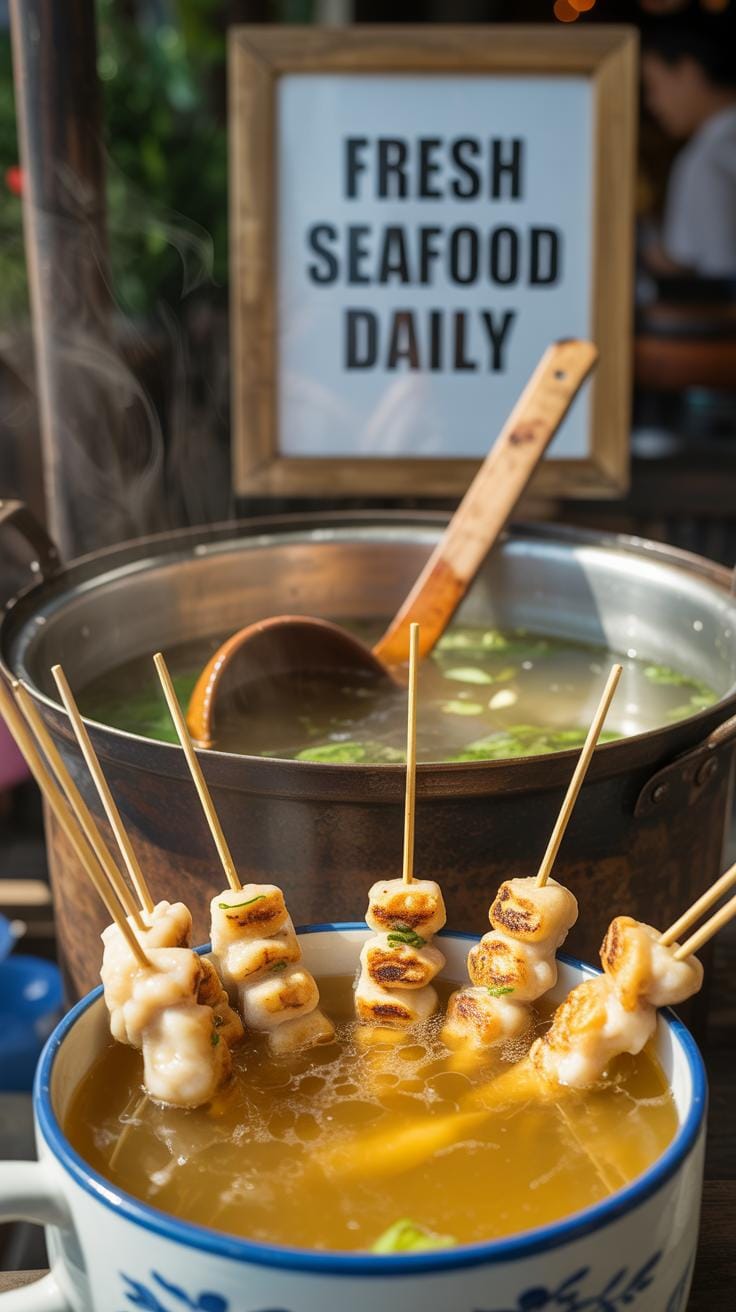
Fish cakes, or eomuk, are a familiar sight at Korean street stalls. You’ll find them hanging from skewers, simmering gently in steaming broth. They offer a comforting, simple snack that’s hard to resist on a chilly day. But what exactly makes up these fish cakes?
Fish Cake Ingredients
At their core, fish cakes start with fish paste — often made from white fish like pollock or cod. This paste is mixed with starch, which helps give the texture some bounce. Then, seasonings like salt, sugar, and sometimes garlic and pepper are added to boost the flavor. Some versions sneak in bits of vegetables or squid for extra chewiness. The mix gets steamed or fried before hitting the streets.
Serving Styles
You’ll most commonly see eomuk served threaded onto wooden skewers, making it easy to eat while you wander. It’s usually dipped in a hot, clear broth that’s kept warming on the stall, so you can sip the soup alongside the fish cake. Some places serve it in a small paper cup filled with broth, turning the snack into a quick mini meal. Street vendors often add their own twist, sometimes offering spicy or soy-based sauces. There’s something about holding that warm skewer, maybe with a bit of the broth’s heat lingering, that makes fish cake a go-to comfort on Korean streets.
Gimbap The Korean Rice Roll
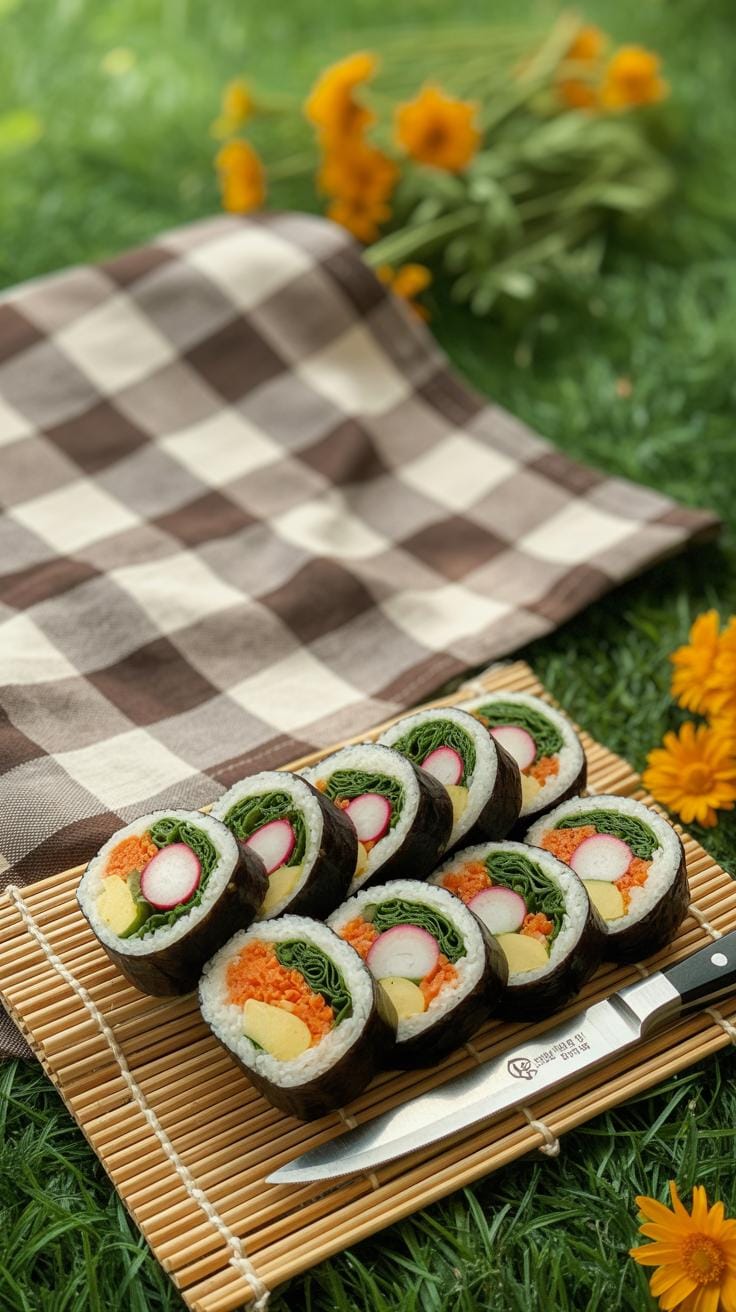
Gimbap is a popular Korean rice roll wrapped in seaweed, stuffed with various fillings like vegetables, meats, and pickled radish. Its history goes back to Korea’s 20th century, influenced partly by Japanese sushi but standing apart in many ways. Unlike Japanese sushi, gimbap never uses raw fish—it’s more of a simple, hearty meal often seen as a picnic or lunchbox staple.
The key difference might be in the taste and texture. Sushi rice is seasoned with vinegar, giving it a tangy edge, while gimbap rice tends to be lightly salted and sometimes brushed with sesame oil, creating a milder flavor.
Typical Ingredients
Common fillings you’ll find in gimbap include:
- Egg strips, cooked thin and rolled
- Ham or imitation crab, adding a savory touch
- Carrot, julienned and lightly sautéed
- Pickled radish, known as danmuji, bringing a crunch and subtle sweetness
- Spinach or cucumber for freshness
- Sometimes kimchi makes an appearance, though not always
These ingredients combine for a balanced mouthfeel—soft rice, chewy seaweed, crunchy veggies, and tender meat.
Eating and Buying Gimbap
Koreans often eat gimbap on the go—grabbed from street vendors, convenience stores, or local shops. You might find it during lunch breaks, at picnics, or as a quick snack between meals. It’s particularly popular among students and workers alike for its convenience and satisfying flavor.
Buying gimbap is straightforward; it’s usually sliced into bite-sized pieces and sold in sets or rolls. Street carts and small shops often prepare them fresh, which adds to the experience. There’s something comforting about unwrapping a roll after a long walk or a busy day.
Have you ever wondered why this simple roll manages to feel so homey, no matter where you eat it? Maybe it’s that quiet mix of familiar ingredients that somehow fits perfectly into everyday life.
Bungeoppang The FishShaped Pastry
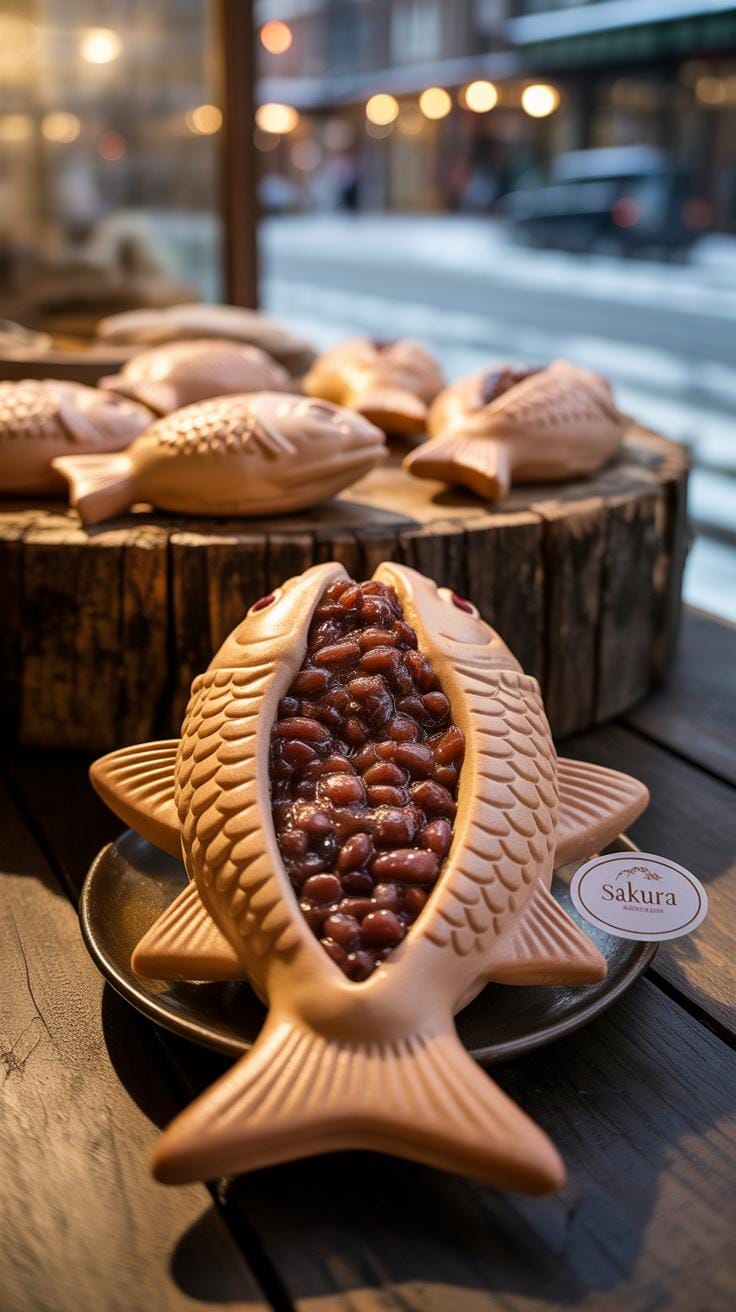
Bungeo-ppang is a fish-shaped pastry that’s become pretty much inseparable from winter street food in Korea. You’ll find stalls selling these warm, sweet treats on chilly days, tempting passersby with their toasty scent. It’s interesting that bungeo-ppang actually has origins in Japan—it’s based on taiyaki, which shares the same fish shape and sweet filling. Though similar, Korea has put its own spin on it, especially when it comes to the texture of the batter and the variety of fillings.
Making Bungeo-ppang
The process is quite straightforward but oddly satisfying to watch. A batter, sort of like pancake mix but a little thicker, is poured into fish-shaped molds heated from both sides. Then, a generous scoop of filling is added before another layer of batter covers it. The molds close tightly, cooking the pastry until it’s golden and crisp on the outside but soft inside. You can almost hear the sizzle as it cooks, and if you’re lucky, you catch it fresh off the grill—still warm and ready to eat.
Popular Fillings
Traditionally, bungeo-ppang is filled with sweet red bean paste, a classic flavor adored by many. But don’t think this pastry is stuck in one flavor zone. You’ll find versions filled with custard cream, sweet potato paste, or even chocolate. Some street vendors get quite creative, mixing fillings or adding bits of nuts for texture. Honestly, it’s hard to pick a favorite. Sometimes I think the traditional red bean is the best for that authentic feel, but other times, the creamy or chocolate options just hit differently—especially if you’re in the mood for something richer.
Street Food Culture in Korea
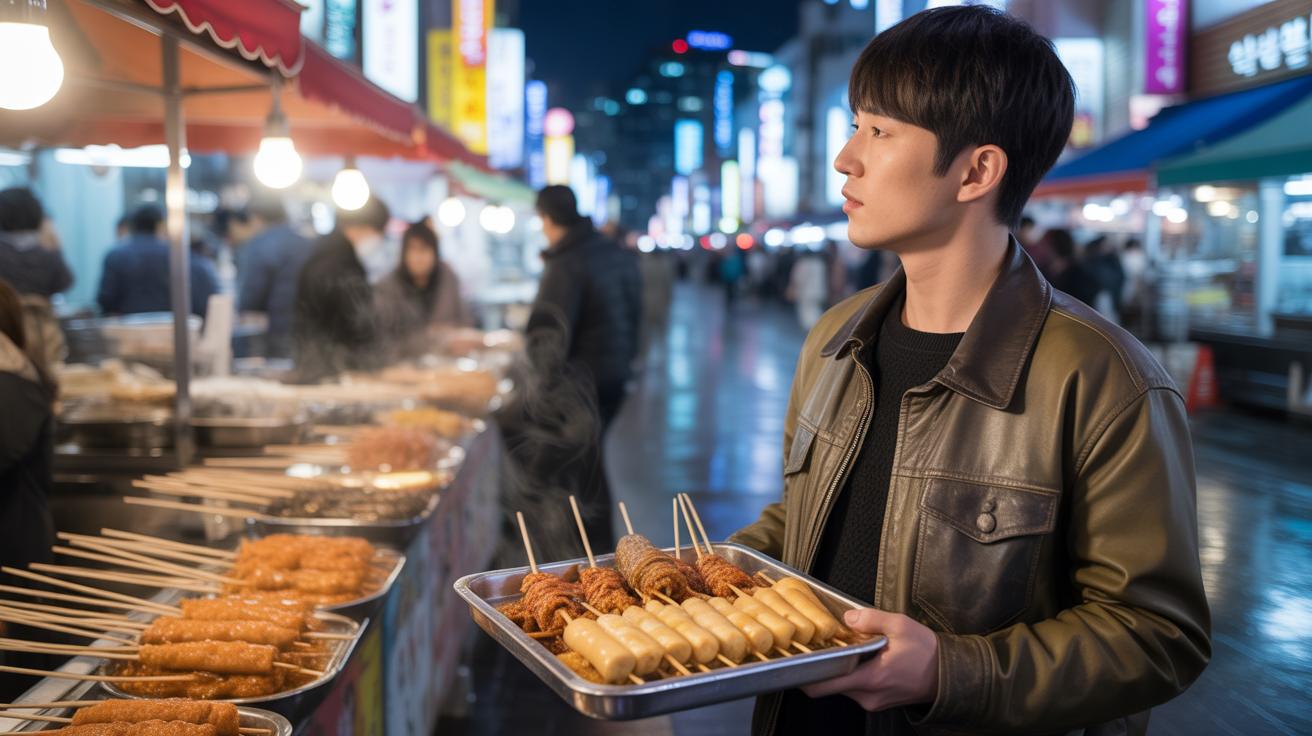
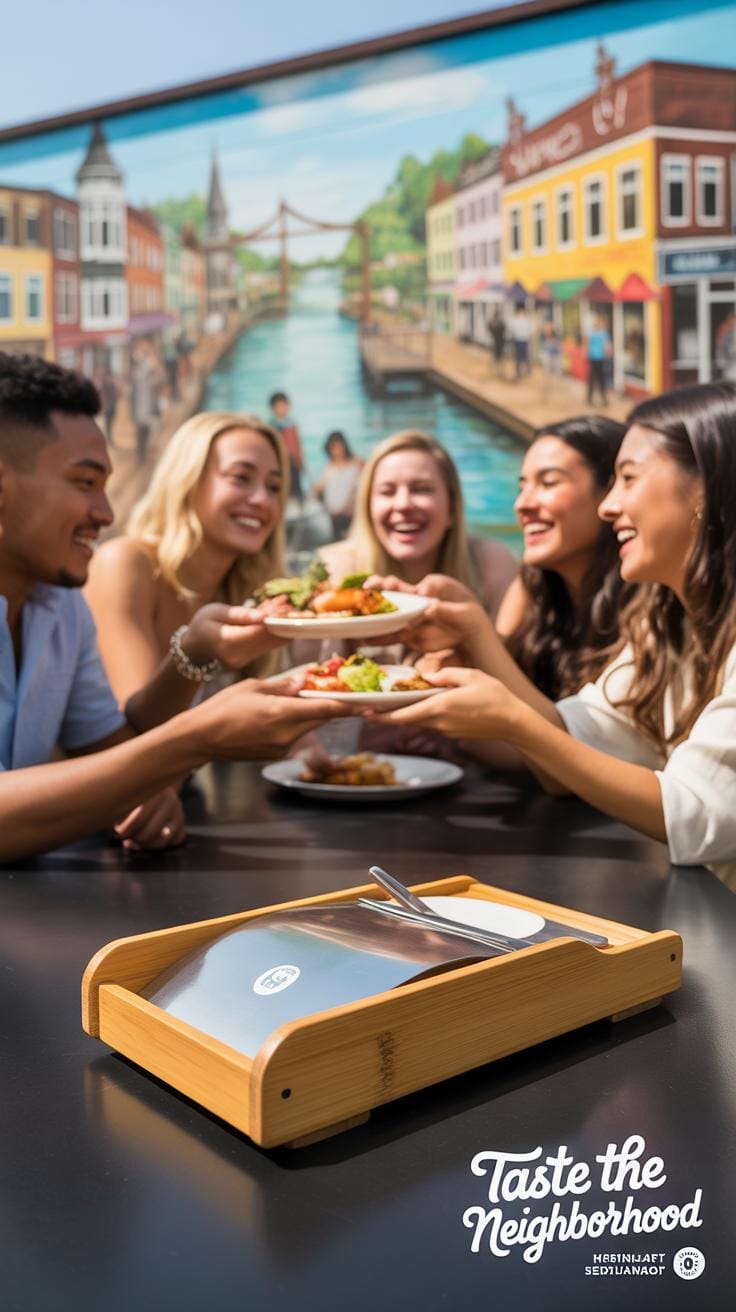
Street food in Korea feels like a window into daily life here. It’s not just about quick bites; it’s about community, connection, and sometimes survival. Think about pojangmacha stalls—those small, tented food booths that pop up on streets, offering warmth and comfort in the evenings. They’re places where strangers share a meal, stories flow, and the busy pace slows down just a bit. Food trucks play a similar role now, bringing variety and convenience, blending tradition with a hint of newness.
Night markets like Bamdokkaebi offer more than just food. They’re gathering spots where families, couples, and friends come together. These markets support small vendors, many of whom rely entirely on street sales to make a living. You might wonder how these vendors manage—balancing regulations, space limitations, and hygiene demands—but they persist, adapting as much as they can.
In some ways, street food represents more than food itself—it shows economic reality and cultural resilience. There’s a social rhythm here: people eating on the go, sharing instant moments. Still, tensions exist. With rising gentrification and the push for upscale street snacks, the humble vendor struggles to hold ground. Can a pojangmacha survive in an increasingly sleek food scene? Or will the charm of traditional street food fade quietly, replaced by flashier options?
Seasonal Street Foods and Festivals
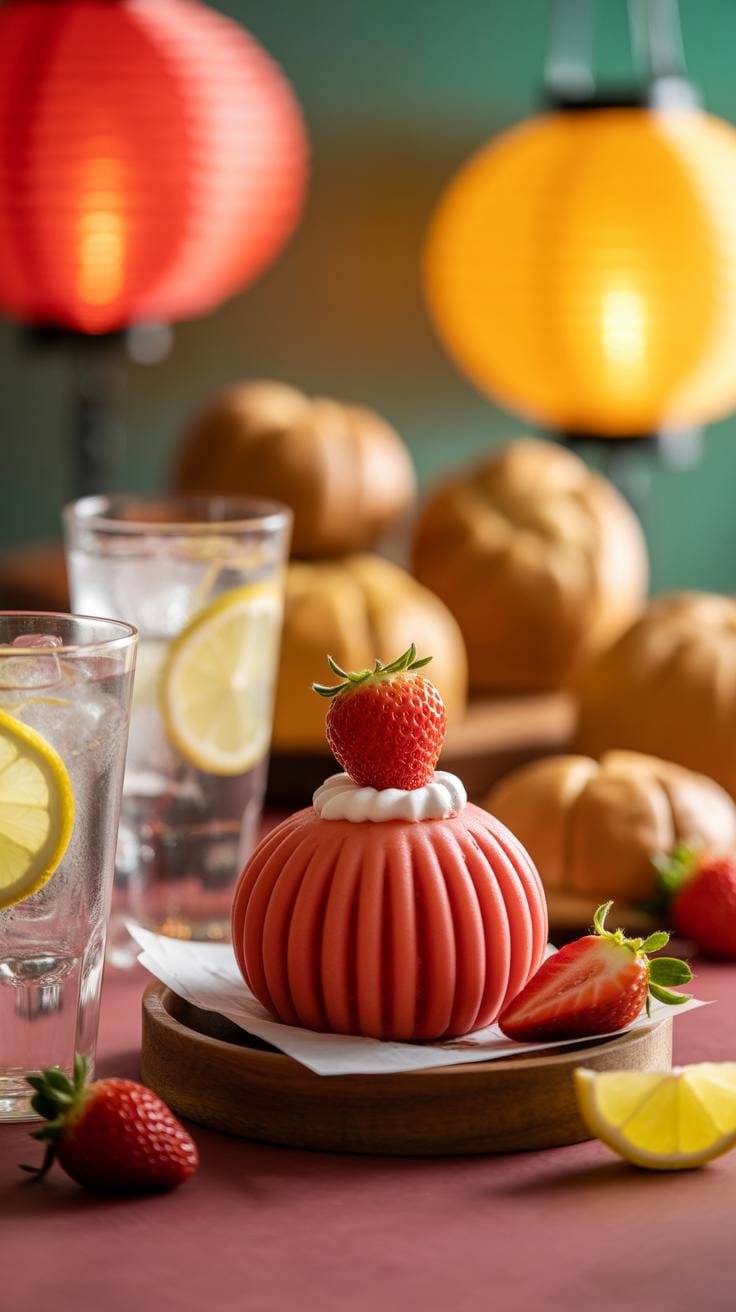
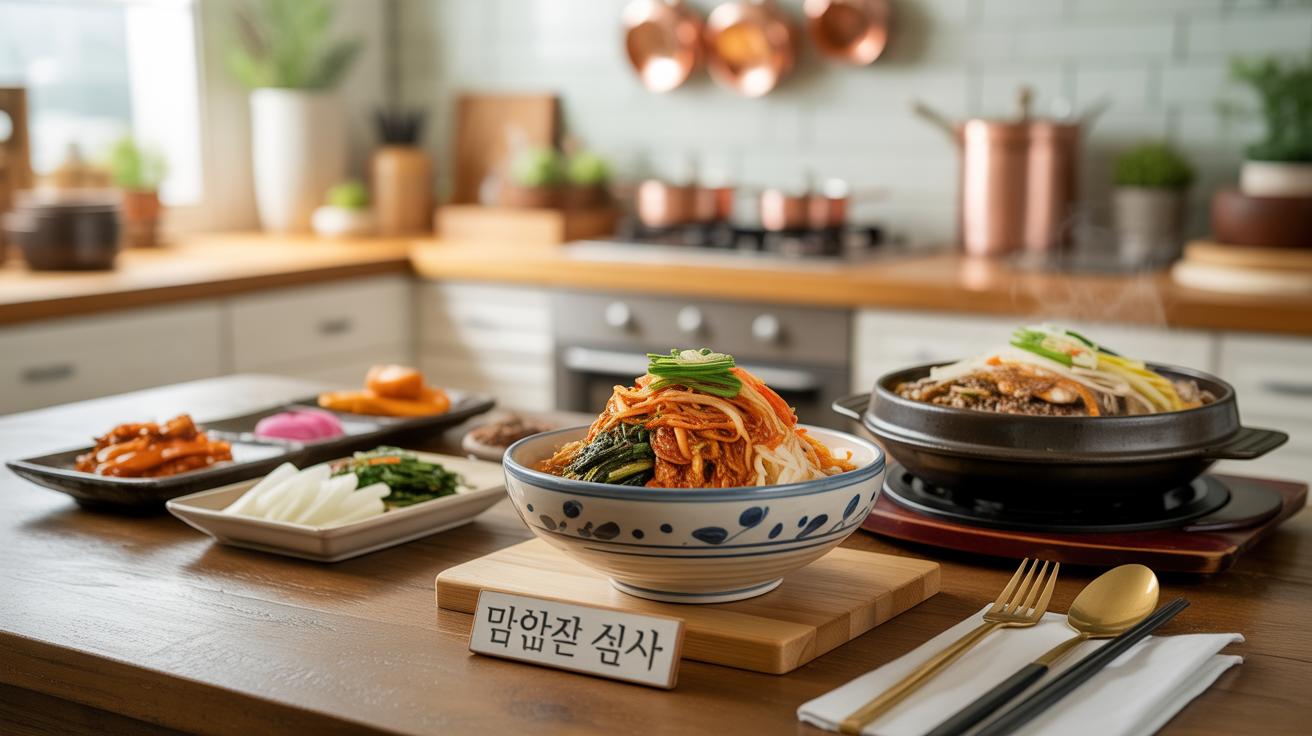
One of the things that makes Korean street food feel alive is how much it shifts with the seasons. You’ll find vendors changing their menus almost like they’re trying to keep pace with the weather and the mood of the crowd. In winter, for example, hotteok—sweet syrup-filled pancakes—are everywhere. The warm, chewy treat feels like a small comfort for cold hands. On the flip side, when summer hits, the streets fill up with ice cream carts and bingsu, a shaved ice dessert that’s perfect for beating the heat.
The contrast extends beyond just hot and cold snacks. Street food stalls often adjust their offerings to what locals crave in those moments. Tteokbokki, the spicy rice cake dish, is year-round but somehow feels heartier in winter. But in summer, you might spot more light, refreshing options like fruit skewers or cold noodles. It’s almost like the street food adapts, trying to match the weather’s vibe, even if not always perfectly.
Festivals play a big role in this rhythm too. University festivals and night markets often become pop-up showcases for street food, bringing new flavors into the spotlight temporarily. These events can attract huge crowds all eager to try a mix of traditional bites and new trendy twists. Some night markets even feel like mini food fairs, with cooking demonstrations and sometimes contests. If you happen to visit during one, you’ll sense how street food becomes less about a quick snack and more of a communal experience.
Have you ever wondered how these seasonal changes affect the way people socialize around food? It’s a bit tricky—because some foods just invite you to linger, while others are more grab-and-go. The way Korean street food changes with the seasons feels almost like a seasonal invitation to enjoy the city differently at different times. That, in itself, might be the real flavor people crave.
Future Trends in Korean Street Food
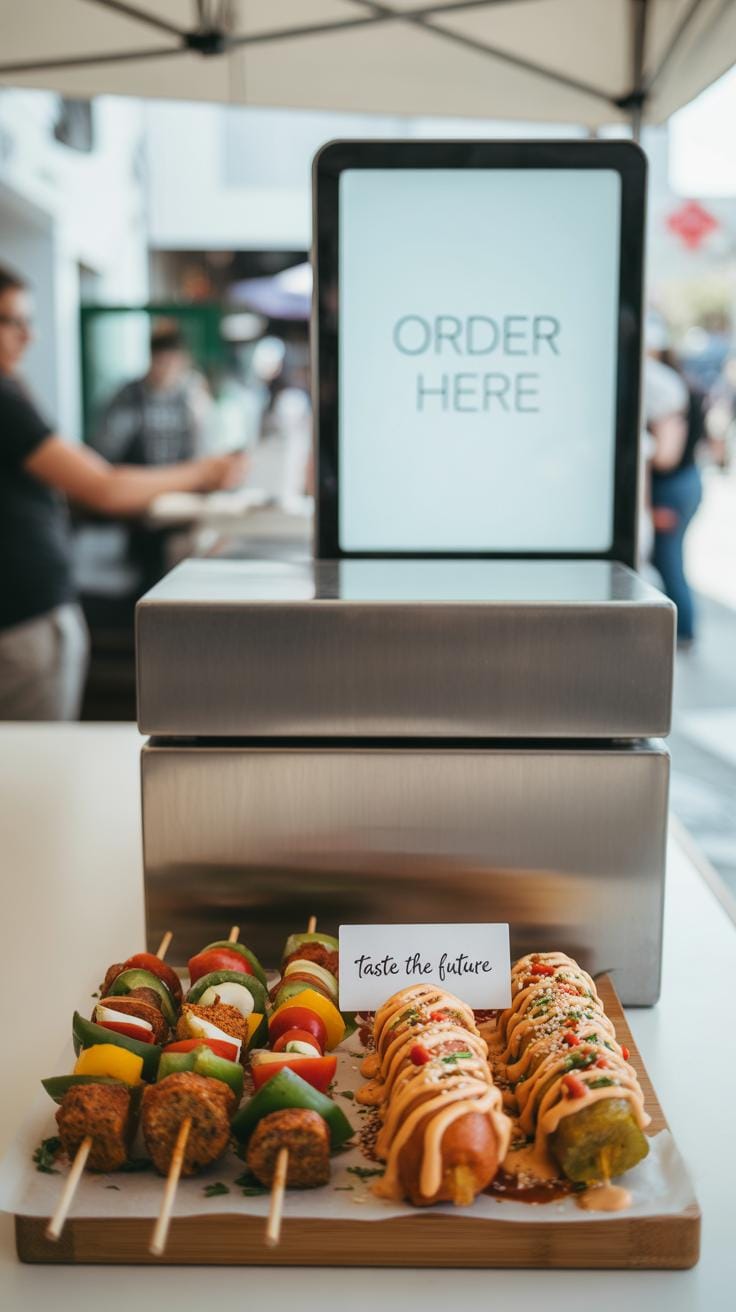
You might have noticed Korean street food isn’t sticking to the old recipes alone. These days, you can find strange but interesting twists—where Korean snacks meet flavors from other parts of the world. For example, some vendors are mixing Chinese spices with Korean fried chicken, or using Turkish flatbread for a Korean-style wrap. It’s almost like each vendor is experimenting a bit, making dishes that feel both familiar and new.
There’s also this subtle but growing influence from places you wouldn’t expect—like Chilean peppers adding a new kind of kick to traditional tteokbokki sauces. The combinations sometimes seem random, but they work in curious ways. When I first had Korean tacos with kimchi and Chilean salsa, it was odd, yet tasty enough to make me wonder why no one tried that before.
Technology is quietly changing things too. Food bikes are becoming more popular in Korean cities, offering more mobility and convenience. This portable aspect means you see street food popping up in places less crowded or during events where stalls wouldn’t fit easily.
As Korean street food travels abroad, it’s being adapted, sometimes in surprising ways. In New York, for example, Korean-style sandwiches might feature locally sourced ingredients but keep that spicy-sweet punch. This fusion abroad raises a question: does food lose some of its identity when adjusted for new palates? Or does it gain something fresh? It’s not always clear.
Conclusions
Korean street food is more than just cheap eats; it is a window into Korea’s past and present. Many dishes started as quick, affordable meals for workers and evolved into beloved national treasures. You can enjoy a taste of history in every bite while discovering flavors new to you. The vibrant street food scene is a true expression of Korean creativity and community.
If you visit Korea or find Korean food vendors near you, try to sample a variety of dishes. Each one offers a unique blend of ingredients and cooking styles. You get to enjoy food that is fresh, often prepared right in front of you, and charged with the energy of local vendors. Korean street food invites you to explore and enjoy simple yet deep flavors packed in every meal or snack.