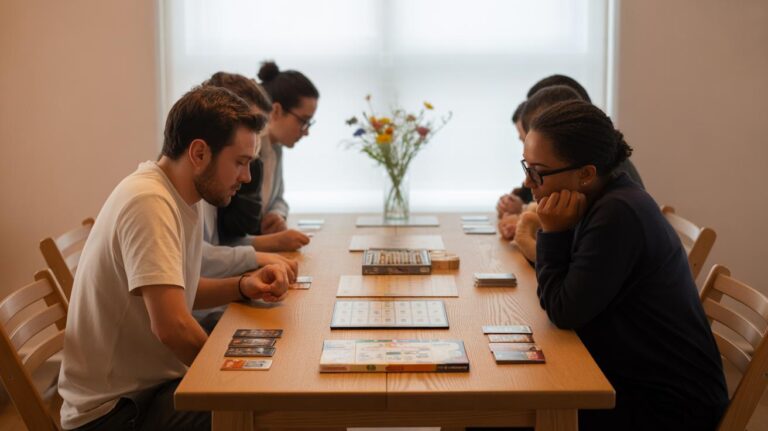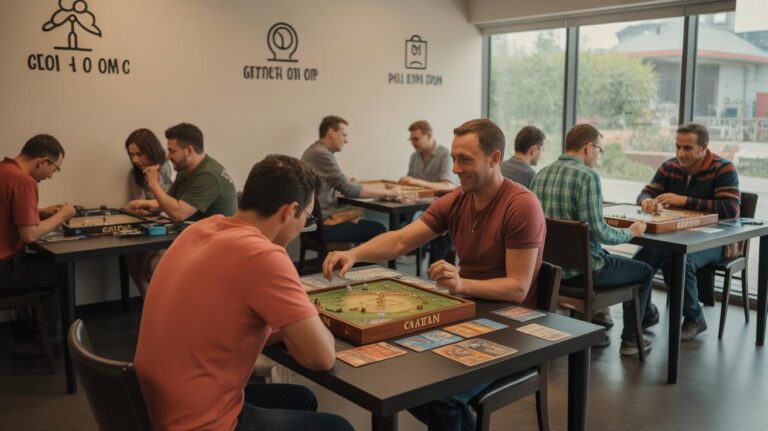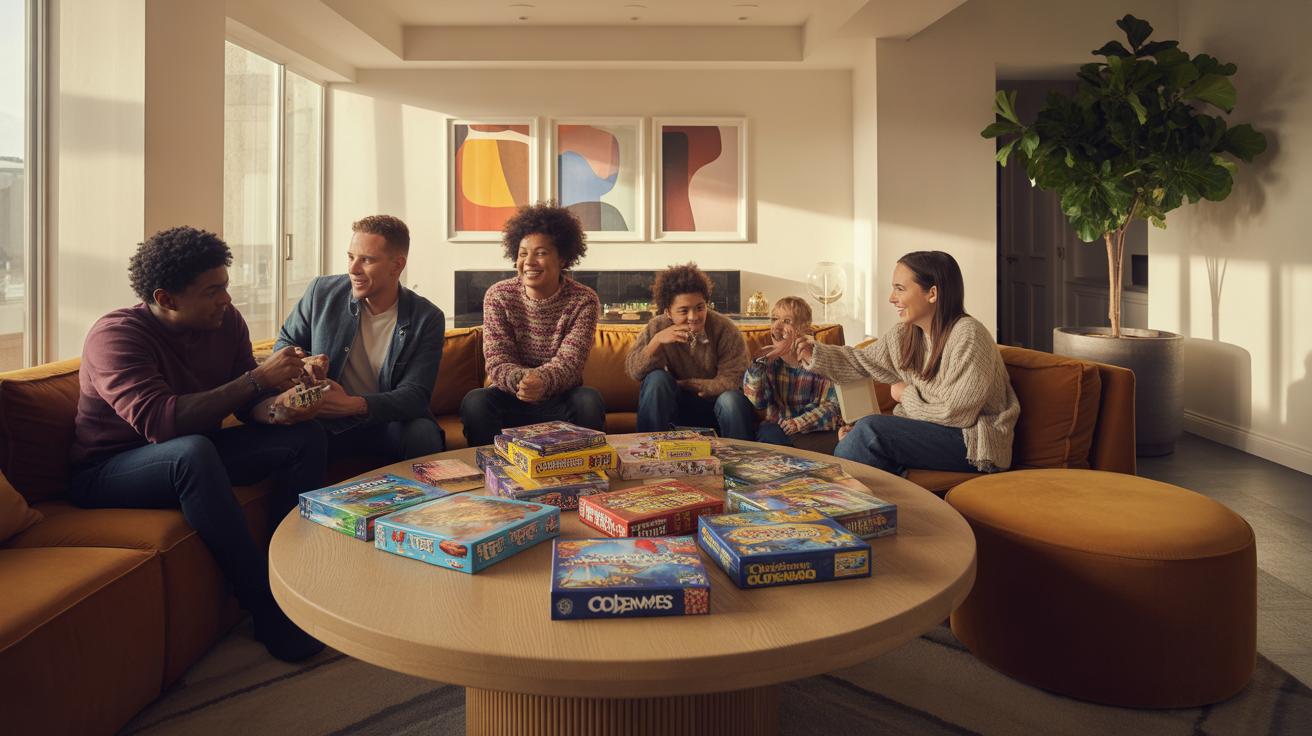
Why Game Night Strengthens Friendships
Game nights are great opportunities to bring friends and family together for fun and laughter. They can create memorable moments and strengthen bonds by sharing time in an engaging way. Planning a game night doesn’t have to be complicated or expensive. Simple ideas and a welcoming atmosphere can make all the difference. This article explores various game night ideas for friends and family, aiming to inspire you to host your own enjoyable gathering.
Whether you prefer board games, party games, or interactive role-playing, there are plenty of options to fit your group’s tastes and interests. We will cover different game types, ways to choose the right games, how to prepare your space, and tips for making everyone feel included. Get ready to learn practical ideas to make your next game night a hit with your loved ones.
Choosing the Right Games for Your Group
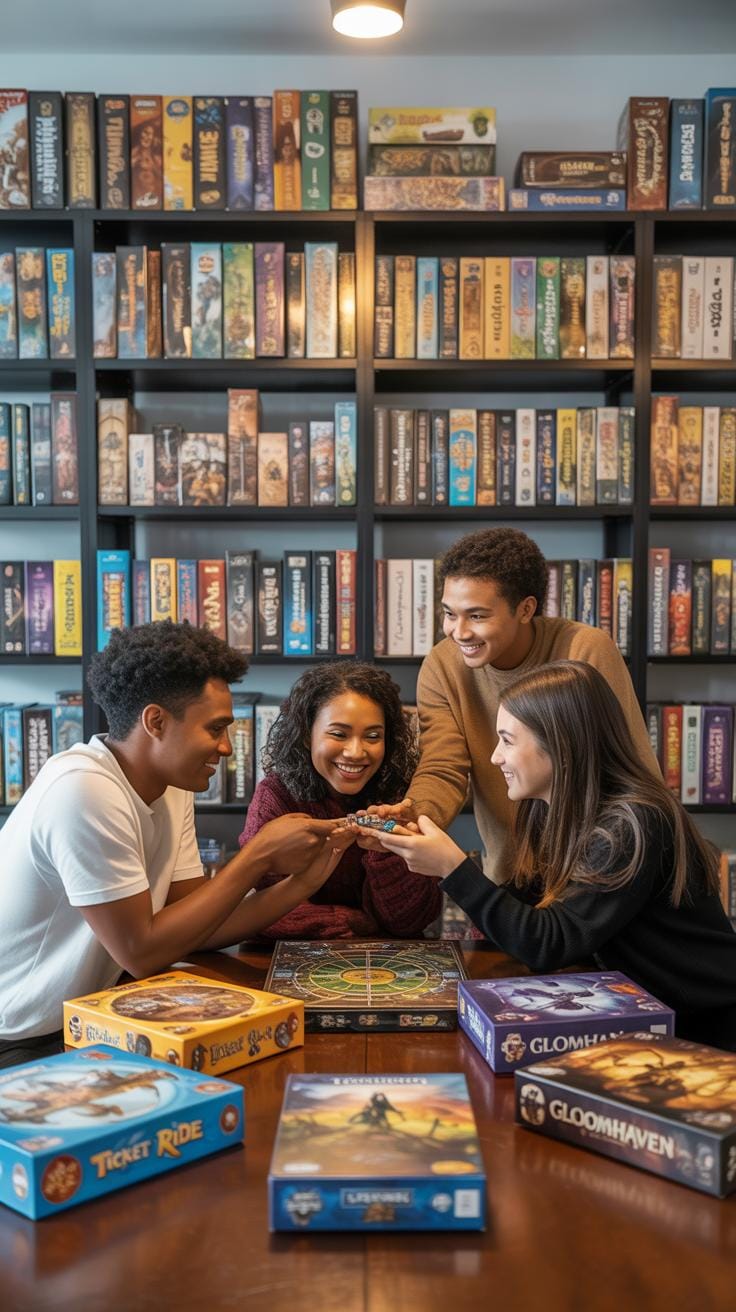
Picking the right games for a mix of friends and family can feel a bit tricky. You want something everyone can enjoy, but interests and ages vary widely. A good start is to think about who’s coming—are there kids involved? Or mostly adults? Sometimes, you might lean toward classic board games that many people know, making the setup and rules less daunting.
Newer games can be fun too, but they often have more complex rules or require a bit of investment in time to learn. Still, don’t shy away from trying something fresh. You might find a hidden gem that sparks a lot of laughter and engagement.
What’s key is balance. Games that let everyone participate, regardless of their skill level or interest, tend to bring the most fun. So, a mix of strategic and lighthearted options usually works best. And yes, sometimes you’ll discover that a simple game can create more connection than a highly competitive one.
Classic Board Games Everyone Can Enjoy
Classic board games often hold their charm because they’re straightforward and welcoming to all ages. Take Monopoly: it can drag on, but the familiar rules make it easy for everyone—from teenagers to grandparents—to jump in.

Scrabble offers a bit of a mental challenge but still feels casual enough for mixed groups if you keep the pace relaxed. Connect Four is another solid choice; it’s easy to learn and quick to play, making it perfect for younger kids or people who might not want to commit to a long session.
These games usually need minimal explanation and come with a sense of nostalgia, which often lightens the atmosphere. But that doesn’t mean you have to rely solely on these. Sometimes sticking with one classic and mixing it with something newer can keep things fresh.
Party Games to Energize Your Gathering
When you want to turn up the energy, party games that encourage interaction work well. Charades and Pictionary are top picks for this. They require players to work together and get creative, which often results in laughter and teasing.
The beauty here is that these games don’t rely on deep strategy or complex rules. They pull people out of their shells, even the shy ones. Plus, they adapt well to mixed age groups because you can dial the difficulty up or down.
These games usually get people moving and thinking on their feet, so they also serve as a nice break from sitting down for longer, more thinking-heavy games. If you’ve never tried them at your game night, maybe this time is worth giving it a go—you might be surprised how much fun it gets.
Preparing Your Space for Game Night
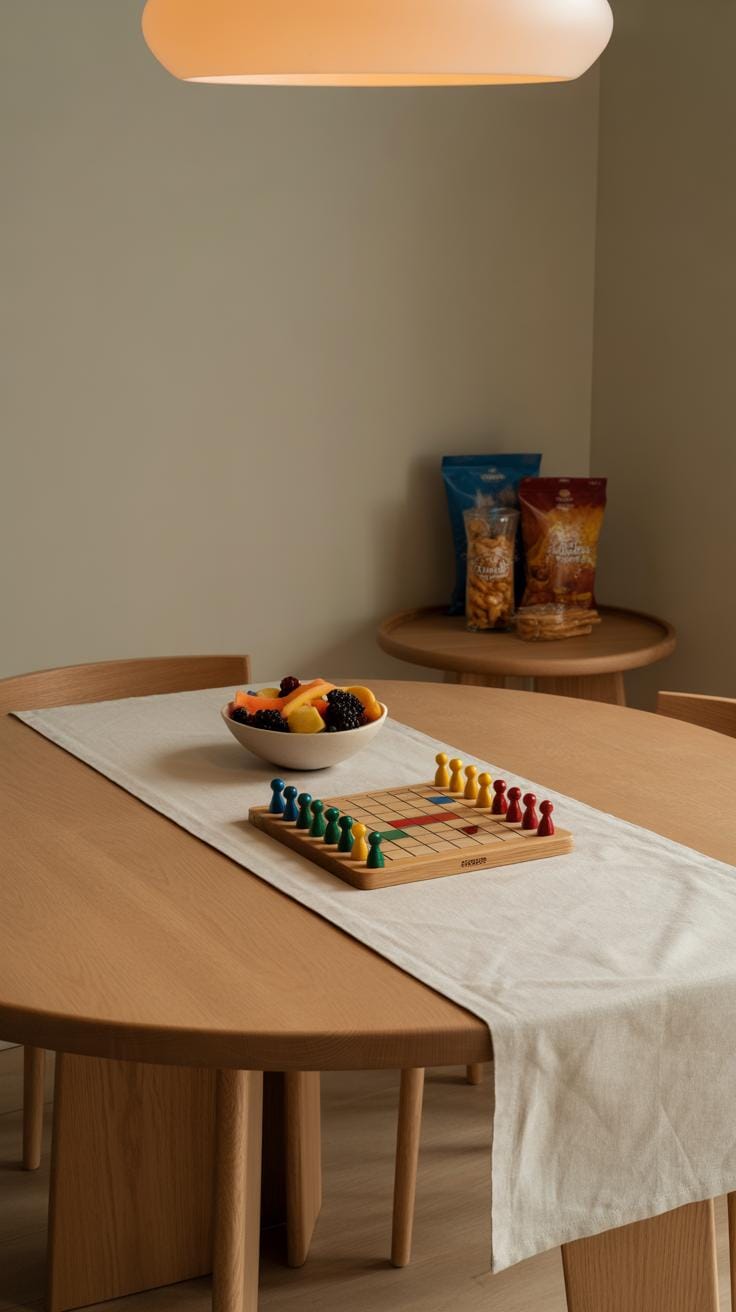

Setting up a cozy and inviting space for game night can really change the whole experience. Start by making sure there’s enough seating for everyone. You don’t want anyone perched awkwardly on the edge of a couch or balancing on a stool—it just distracts from the fun. If your usual dining table feels cramped, try pulling in a foldable table or adding a coffee table into the mix.
Lighting often gets overlooked but matters a lot. Bright overhead lights can be harsh, so try softer lamps or adjustable light sources that won’t strain eyes but keep everything visible. Sometimes, dimming the main lights and adding a small lamp nearby works better—less glare on cards or screens, and a relaxed vibe too.
Organizing the Game Area Efficiently
Think about how players will interact with the games. Arrange chairs so everyone can reach the table comfortably without leaning too far. If a game involves lots of pieces, leave some extra space or even a secondary surface nearby to keep things tidy. Crowding players too closely makes it hard to focus. Don’t hesitate to move furniture around; you’d be surprised how a simple change in layout opens up room.
One trick I’ve found helpful is grouping games by type or size near the playing area. That way, switching between games feels natural instead of chaotic scrambling. Accessibility is key—don’t stash game boxes in a closet, keep them visible and easy to grab.
Creating a Relaxed Atmosphere with Lighting and Snacks
Lighting sets the mood, and finding the right balance can be tricky. Too bright, and it starts to feel like a classroom. Too dim, and it’s hard to read cards or see board details. Adjustable lamps or multiple light sources around the room help create a gentle glow. Candlelight might be tempting but can be distracting or even risky around game pieces.

Snacks should be fuss-free but enough to keep energy up. Think finger foods like nuts, popcorn, or sliced veggies—things that won’t leave greasy fingers or crumbs everywhere. Beverages matter too; water, tea, or something light keep people refreshed without a heavy sugar crash later. You want snacks easy enough to grab without breaking the flow of the game or turning the table into a mess.
Making Everyone Feel Included
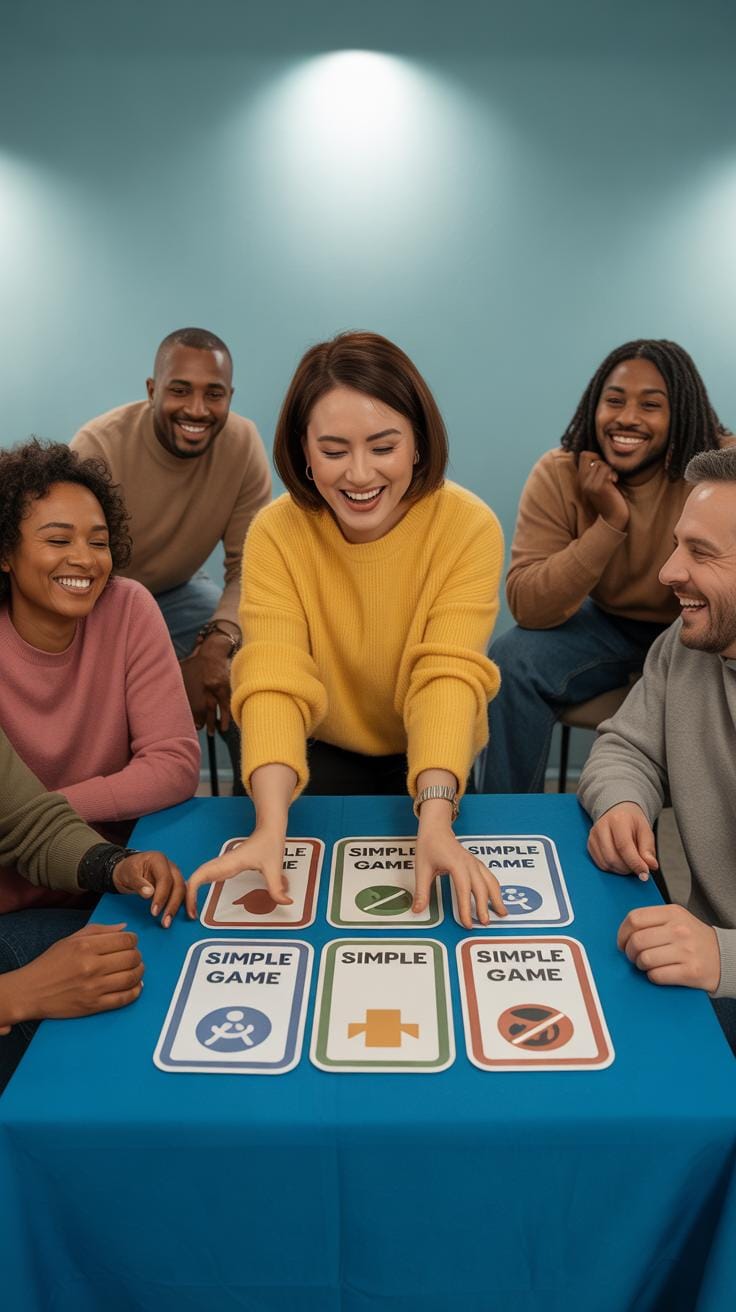
When you gather friends and family for game night, the goal is to have everyone enjoy themselves. But sometimes, differences in skill or experience can make some guests hesitate. To avoid that, it helps to create an inviting atmosphere where no one feels left out or overwhelmed. Think about those moments when a player sits quietly, unsure if they’re doing something right. You want to nip that feeling in the bud.
Start by keeping the rules straightforward. Instead of diving into every detail upfront, give short, clear instructions. Maybe show everyone a quick example round, or walk new players through their first turn. This can calm nerves and help folks jump in faster — no one likes sitting out because they don’t get it. And don’t worry if you have to repeat parts here and there; patience goes a long way.
Another idea is to pick cooperative or team-based games. When players work together, it naturally eases the pressure to “win” alone. It builds a sense of shared effort, and honestly, it’s fun watching how people start strategizing together. That group spirit seems to fade any awkwardness. Plus, teamwork sometimes uncovers surprising skills in quieter players. So, you might be amazed at how inclusive your game night becomes when competition isn’t front and center.
Incorporating Themed Game Nights
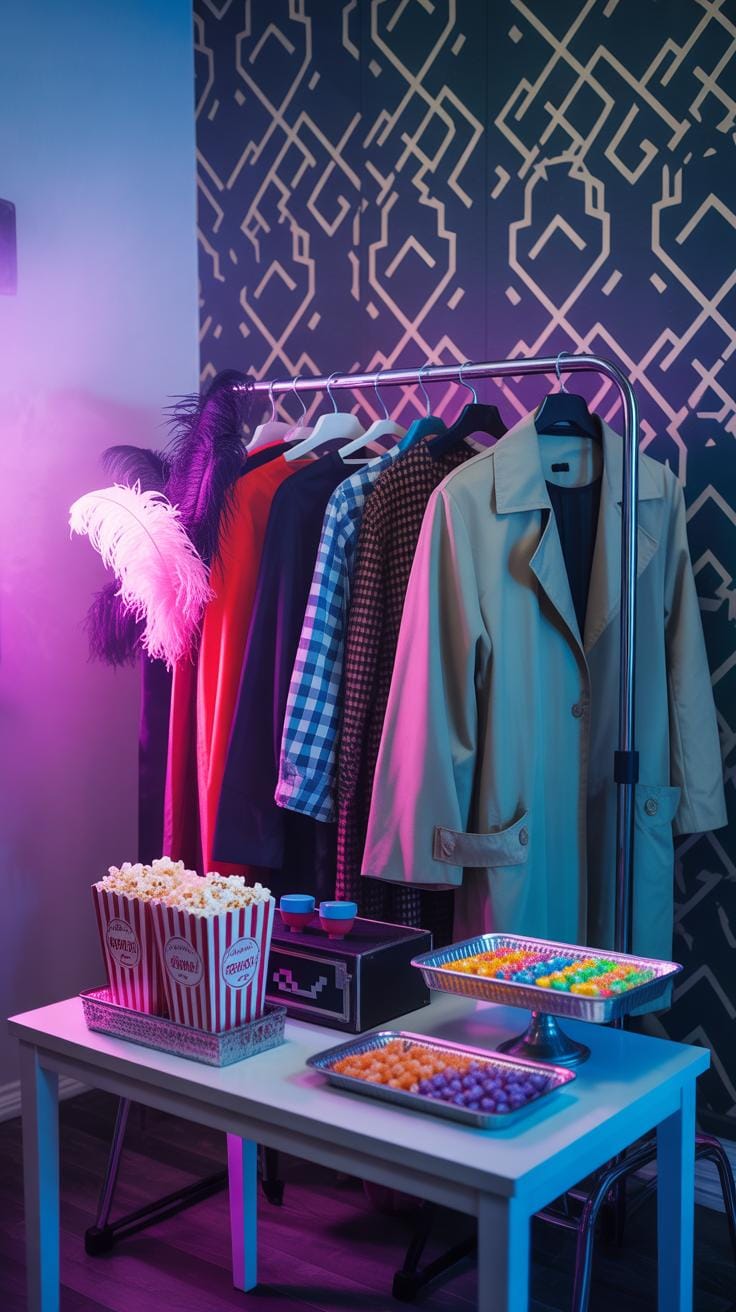
Themed game nights can add a fresh layer of fun and keep everyone looking forward to the next gathering. You might pick mystery nights, where everyone gets a detective role, or movie-themed evenings based on a favorite genre or franchise. Holiday-based themes work well too—imagine playing festive games around Halloween or Christmas. The key is choosing something that resonates with your group and feels natural rather than forced.
How to Match Games to Your Theme
Matching games to the theme isn’t always straightforward, but it’s worth the effort. For example, if you go for a mystery night, games like Clue or murder mystery card games fit perfectly. Movie themes could include charades with film titles, or trivia games about famous movies. Sometimes the game’s style helps—if it’s casual and fast-paced, it keeps energy up, which might work better with a lively theme. Don’t stress if you can’t find a perfect fit; you can always tweak rules or add side challenges to match your vibe better.
Decor and Costumes to Enhance the Mood
Simple decorations can make a big difference. String lights, themed tablecloths, or even just printed signs can help set the scene. Costumes push it further. I remember one friend who hosted a 1920s-themed night where everyone wore vintage hats and scarves, and that really got everyone into character. It doesn’t need to be complicated—sometimes just asking guests to wear one themed item sparks more engagement. These touches pull people out of everyday mindset and into the evening, making the games more immersive and memorable.
Using Technology to Enhance Game Night


Technology can feel like a double-edged sword when it comes to game nights. Sometimes it distracts from the face-to-face interaction, but other times it actually adds a new layer of fun. For example, digital tools can expand what’s possible, letting you play with friends who aren’t physically there or spice up classic games with fresh features.
Popular game apps have made group play easier than ever. You might try something like “Heads Up!” which works for all ages and sparks a lot of laughter, or “Jackbox Party Pack” that lets you connect phones to one screen for quirky trivia sessions. Then there’s “Among Us,” blending simple gameplay with social interaction, which tends to get everyone talking and guessing.
Blending tech with traditional games is another route. Some apps track scores automatically, saving you from the math mess, while others add timers or sound effects that keep up the pace and suspense. You could still gather around a board game but use a tablet for challenges or clues, making the experience both familiar and fresh.
Sometimes, the tech might feel like it gets in the way, but if you choose tools wisely, they can actually make your game night more inclusive, faster, or just downright more interesting. Have you tried pairing a classic game with a phone app? It might surprise you how much it changes the vibe.
Encouraging Friendly Competition and Cooperation
Benefits of Friendly Competition
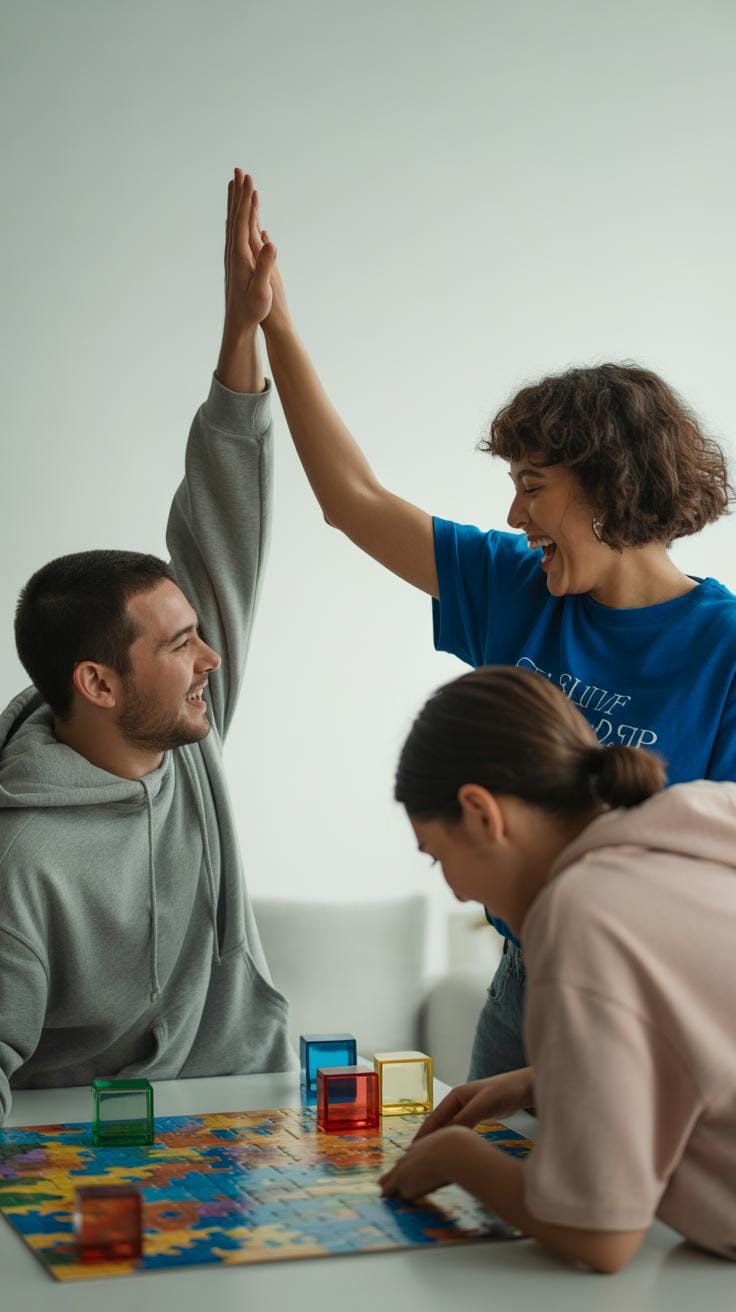
Competition can add a spark to game night, making even simple games feel more engaging. When the stakes are low and the mood is light, a bit of rivalry nudges players to focus and really try their best. It’s not about winning at all costs, but about the thrill of testing your skills against others. You might notice that during a competitive game, people’s energy often lifts, and laughter can come with playful teasing rather than tension.

That said, competition should never overshadow enjoyment. Too much pressure or taking things too seriously can drain the fun quickly. The goal is to keep things casual—maybe a gentle win is celebrated, but a loss prompts encouragement instead of frustration. It’s like a subtle balance where everyone feels involved and energized, without the stress sneaking in.
Why Cooperative Games Matter
On the flip side, cooperative games shift the focus entirely. Instead of pitting players against each other, these games ask the group to work together toward a common goal. This can be surprisingly rewarding because it nudges people to communicate more clearly and listen actively to different ideas.
I’ve seen groups who usually compete fiercely find a new rhythm when playing cooperative games. Suddenly, team strategies matter. Everyone’s input counts, and the shared success feels collective–a contrast to the “me versus you” mindset. It also creates moments where cooperation spills beyond the game, strengthening bonds as people rely on one another. Cooperative play encourages empathy, patience, and sometimes it exposes who’s naturally a mediator in the group. Quite interesting to watch, actually.
So, maybe a good game night mixes both competitive and cooperative games. This keeps things fresh and allows different personalities to shine at different points. What’s your group’s take—do you lean more competitive or cooperative? Or perhaps you try to blend both for a bit of everything?
Managing Game Night Challenges
Handling Skill Level Differences
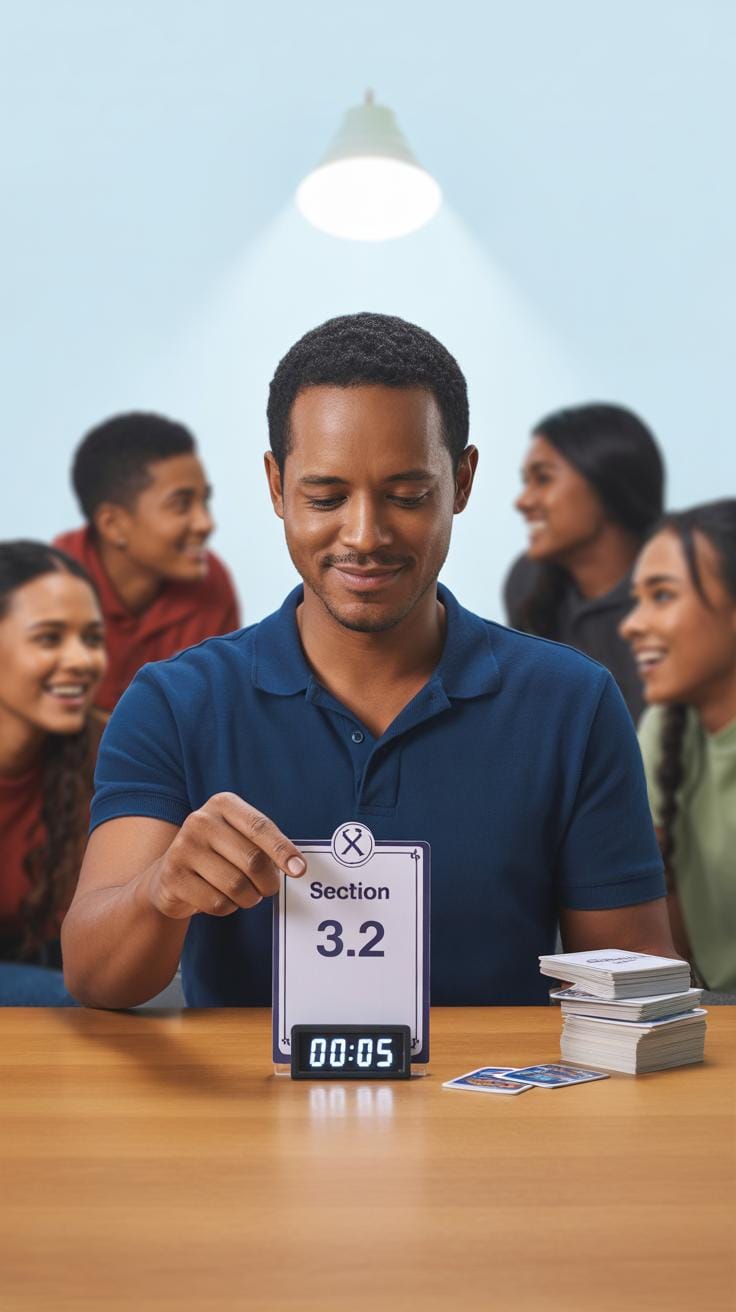
Game nights often bring together people with very different abilities and experiences, which can create awkward moments or even frustration. A simple way to keep everyone comfortable is to mix teams so the more skilled players balance out those who are less experienced. This way, no one feels overwhelmed or left out. Sometimes, tweaking the rules slightly can help too—like giving beginners extra turns or hints to keep them in the game without spoiling the fun.

It’s tempting to stick to competitive games where the winner takes all, but cooperative or party games can level the playing field. These allow everyone to contribute, easing pressure and making the night feel more inclusive. You might notice that when the focus shifts from winning to just enjoying time together, skill gaps matter less. Do you find certain games naturally more welcoming for varied skill levels?
Resolving Conflicts Quickly and Fairly
Disagreements over rules or turns can pop up, especially in a lively group. Ignoring these disputes rarely works—they tend to simmer and spoil the mood. Instead, setting clear ground rules before starting can prevent many issues. Still, when arguments arise, try stepping in calmly and listening to each side. Sometimes repeating or clarifying the rules together defuses tension.
If a decision feels tricky, a quick vote or rotating judge can keep things moving without dragging out the conflict. Remember, the goal is fun, not strict enforcement. Fairness matters, but bending rules for the group’s comfort can be okay too. Have you ever seen a game night nearly collapse but saved by a simple compromise? Those moments often become the stories people laugh about afterward.
Planning Food and Drinks for Game Night
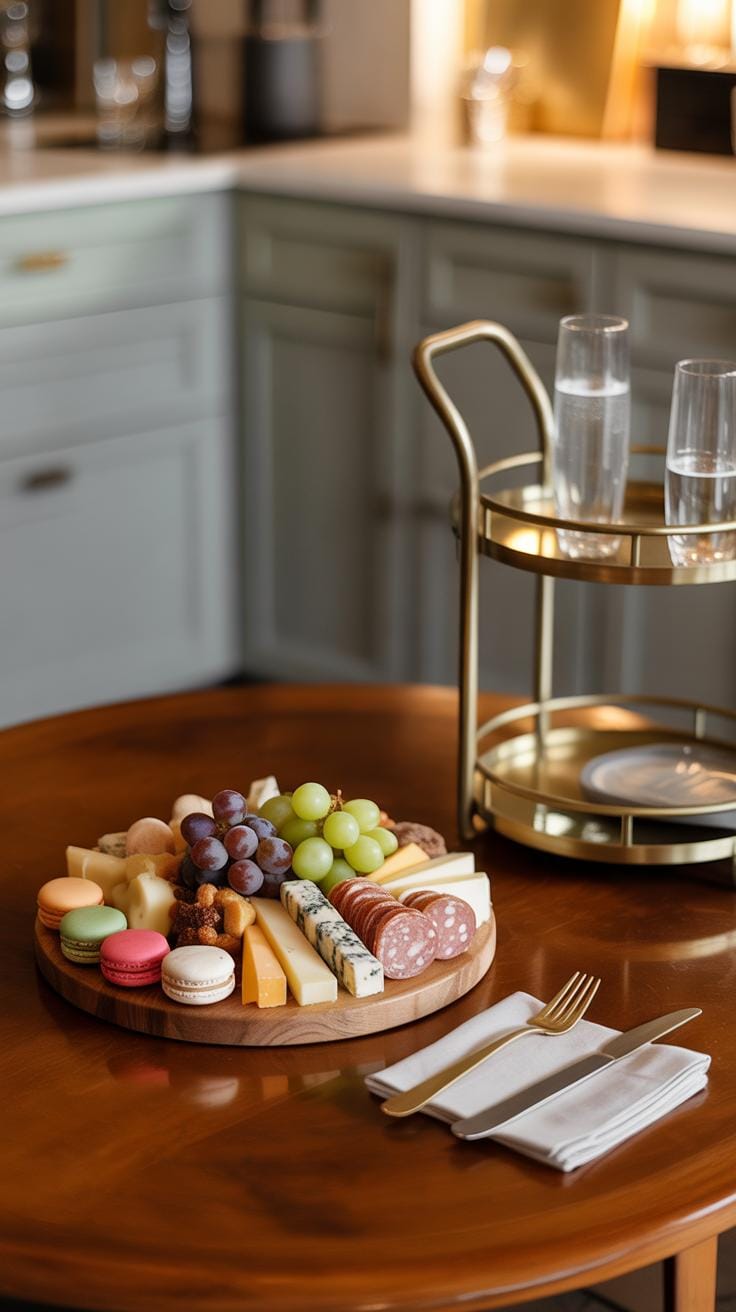
Nothing kills the flow of a good game night like messy hands or complicated snacks that slow things down. When planning food, think about options that are easy to pick up and eat without making a mess. You want to keep players focused, not scrubbing sauce off fingers between turns.
Here are some simple snacks that tend to work well for groups:
- Mini sandwiches or wraps—easy to hold, customizable, and usually less messy than full sandwiches.
- Vegetable sticks with dips served in individual cups to avoid double-dipping.
- Cheese cubes and crackers offer variety and suit many diets.
- Fruit skewers or grapes for a naturally sweet choice that’s neat to eat.
- Popcorn or pretzels—classic finger foods that don’t require utensils.

When it comes to drinks, you want to keep everyone refreshed without complicating the game. Having both non-alcoholic and alcoholic options means your guests can choose what suits them best. Sparkling water with a splash of fruit juice feels festive without overpowering the senses.
On the boozy side, something light like a simple beer or a mixed drink that’s not too strong can keep the mood upbeat without causing distractions. And hey, always keep water easily accessible—sometimes the simplest choice is what keeps the fun going longest.
Do you find that certain snacks or drinks do better with your group? Sometimes what works for one bunch feels off for another.
Capturing Memories and Planning Future Game Nights
Taking Photos and Sharing Stories
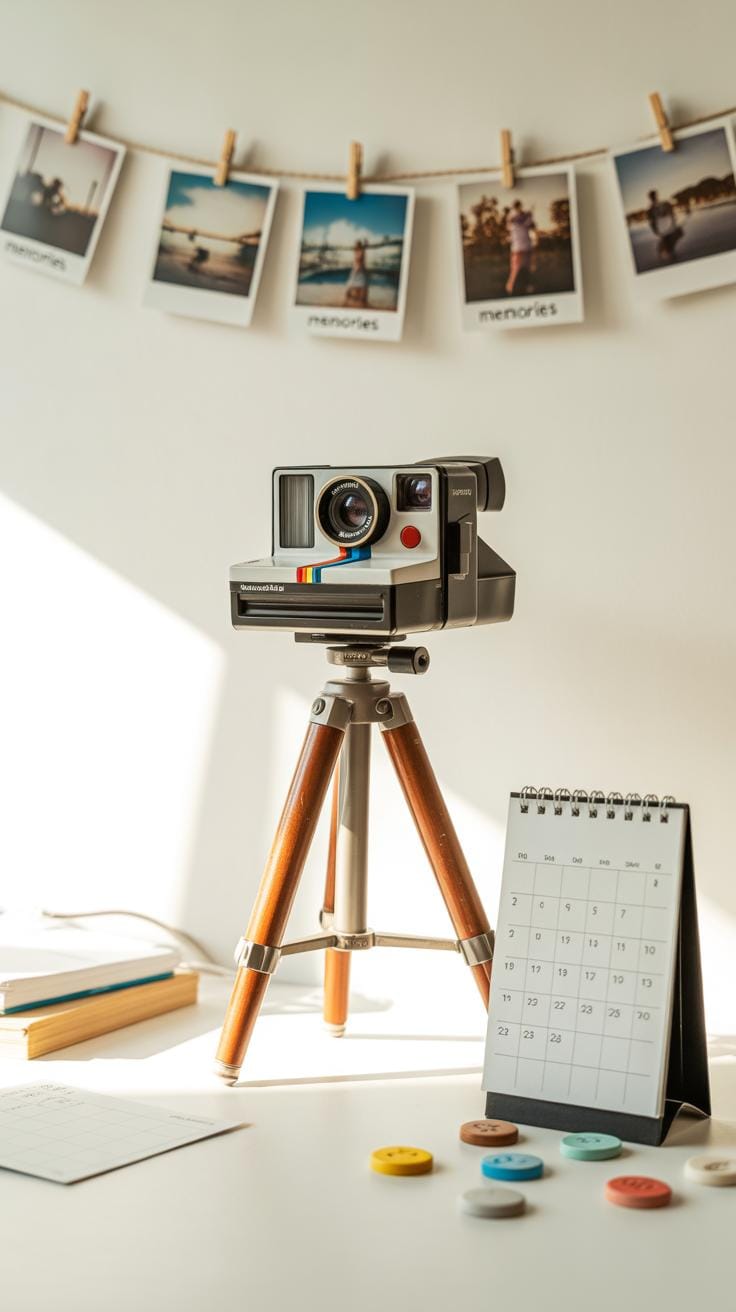
One way to hold on to those fun moments is by snapping photos or recording short videos during game night. It doesn’t have to be anything fancy—just simple shots of people laughing, intense faces during a tricky round, or the scoreboard at the end. Sometimes even a candid shot tells a story better than words.
Sharing these images afterward can keep the excitement alive. You might put them in a shared folder or create a casual group chat where everyone can post their favorite memories. These little reminders often spark conversations long after the games end. Plus, seeing smiles and playful reactions captured can encourage more people to join next time. It’s not about being a professional photographer—just capturing moments that feel genuine.
Seeking Input for Next Time
After the night winds down, asking your guests for their honest thoughts can help shape future gatherings. You might casually ask which games they enjoyed most or what they’d skip next time. Sometimes people hesitate to speak up during the event, but afterward they’re usually more open.

Gather suggestions in a low-key way—perhaps a quick message or a little note passed around at the end. This can reveal surprising preferences or new game ideas you hadn’t considered. It also shows your guests that their opinion matters, which makes them more invested in upcoming nights.
What if the feedback is mixed? That’s okay too. Finding a balance between familiar favorites and fresh challenges keeps the vibe interesting. You may even discover a crowd-pleaser you’d never guess or a game that barely gets played because it’s too complicated. Over time, you’ll build a better sense of what clicks with your group.
Conclusions
Bringing friends and family together for a game night offers many benefits beyond just entertainment. It fosters connection, encourages teamwork, and provides a chance to unwind and laugh together. By choosing the right mix of games and setting a friendly atmosphere, you create a space where everyone can relax and have fun. Remember, the goal is to enjoy each other’s company and make lasting memories.
Consider mixing classic board games with lively party games or a themed game night to keep things fresh. Don’t forget to ask for input from your guests to cater to their preferences. Your enthusiasm and care in planning will reflect in the smiles and joy of your group. Start organizing your game night today and experience the simple pleasure of playing together.