The Un Wedding Philosophy Decoding The Real Cost

Sentiment Is Not A Line Item
You want to feel like you’re getting married the right way, which is why you’re reading this instead of accepting whatever the wedding industry tells you to spend. Here’s the mechanism: the wedding industry doesn’t sell events. It sells identity validation through expense. Every dollar you spend signals something about your taste, your love, your status. That’s the real product. The actual ceremony and meal are secondary. Once you name this, you can separate what you actually want from what you think you’re supposed to want. A 7000 dollar wedding for 90 people works because you stop confusing the two.
Most wedding advice skips this step entirely. It jumps straight to tactics. That’s why couples follow budgets and still feel wrong about their choices. You haven’t resolved whether you’re buying an event or buying reassurance. A catered dinner costs money. Proving you had a beautiful wedding costs more money. The first is a transaction. The second is a status transaction wearing a transaction’s clothing. You need to pick one consciously, not drift between both.
Experience Versus Decoration
Economics teaches us the difference between consumption and investment. Here, apply it backward: separate consumption value from signaling value. A plated dinner consumed by your guests creates consumption value. The Instagram photo of the plated dinner creates signaling value. Most wedding budgets collapse because couples fund both simultaneously without realizing it. You can have one or the other at 7000 dollars for 90 people. Not both.
Identify what your guests will actually remember: the food they ate, the music that played, conversations they had, whether they felt welcome. That’s consumption value. The chair covers, the napkin colors, the table linens, the favor boxes, the hashtag graphics, the seating cards with calligraphy—your guests forget these by Tuesday. Stop funding the forget list. Redirect that money into the remember list. Food quality, beverage selection, and music duration are what stick. Budget your 7000 dollars around those three lines and nothing else.
The Inverse Venue Strategy: Cheap Wedding Venue Redefined

Where Your Guests Actually Want To Be
You’re afraid a non-traditional space signals you couldn’t afford “a real venue.” That’s the real barrier. The mechanism is simple: traditional wedding venues markup 300-400% because they own the real estate and control your perception of legitimacy. They’ve won the status game before you even walk in. Non-traditional spaces destroy that markup by removing the middleman entirely. A state park pavilion, brewery, loft, or community garden costs $200-800 for the day. You get 90 people fed and sheltered for your 7000 dollar budget instead of bleeding it dry on venue rent alone.

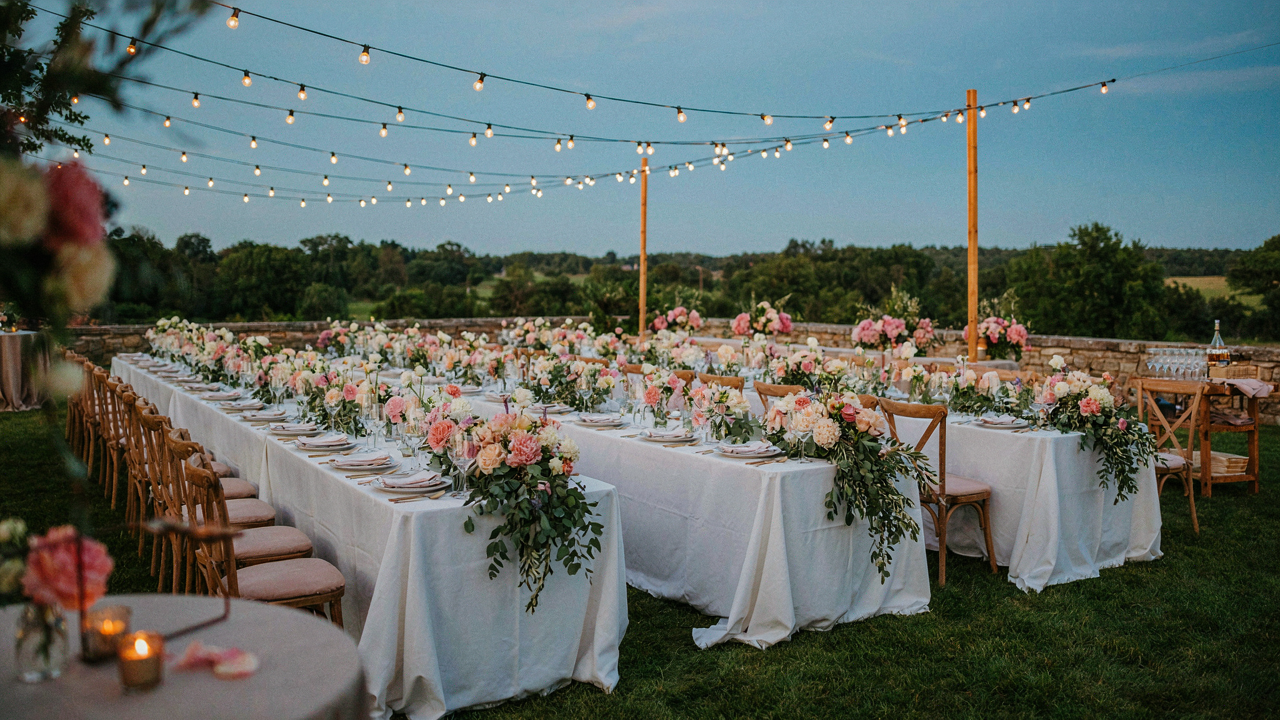
The actual advantage isn’t the savings. It’s that non-traditional spaces force your wedding to have a point of view. A brewery wedding isn’t “cheap.” It’s intentional. A backyard setup with string lights isn’t a compromise. It’s a decision. You’re not competing with the Ritz. You’re creating a distinct experience your guests remember because it felt like you, not a rental catalog. The venue becomes your asset instead of your liability.
The Real Negotiation: Finding Overhead You Can Cut
Most advice tells you to “negotiate with the venue.” That’s useless. What you’re actually negotiating is their labor overhead. Economics teaches us that fixed costs destroy margins for low-volume players. A traditional venue has staff, insurance, parking lot maintenance, climate control running whether you book them or not. Their price reflects that burden. Your move is to find spaces where the owner has already paid for those fixed costs and doesn’t care if you use them. A church, community center, or established business location has already sunk those expenses. They’re not running the space to profit from weddings specifically. Suddenly, they’ll accept $300 instead of $3000 because that money is pure margin.
Start with spaces that generate revenue through other means. A brewery sells beer. A farm hosts events as a side operation. A community garden exists because someone else funds it. You call the owner directly, not an events coordinator. You say: “I need Saturday from 2 to 10 PM for 90 people. What’s your rate?” That directness works because you’ve removed the sales layer. No marketing spend, no commission structure, no competitor benchmarking. They name a price based on what they want, not what the market will bear. Then you lock it in writing before they second-guess themselves.
The Minimalist Guest Protocol: 90 Guests, No Apologies

The 80/20 Rule For Your Invite List
You’re worried that cutting people will make you look cheap or ungrateful. That’s not the real problem. Economics calls this resource allocation, and your wedding is no different than a business deciding where to spend capital. Eighty percent of your emotional return comes from twenty percent of your guest list. Those twenty percent are the people who show up early, stay late, and actually remember what happened. Everyone else is ambient noise you’re paying for.

Start by naming the non-negotiable fifty people. Blood relatives you’ll regret excluding in five years. Close friends who’ve invested time in your life. Then stop. The remaining forty slots go to secondary circles, but only if they clear a filter: have they initiated plans with you in the last year? If not, they’re on the list for obligation, not connection. Obligation guests cost the same as invested guests but generate zero memory. Cut them first.
Setting The Boundary Before Resentment Starts
The common advice here is to say “we’re keeping it intimate” and hope people understand. That’s cowardice dressed as honesty. You need to state the constraint, not apologize for it. People respect directness more than they respect your attempt to soften bad news.
Send invitations from a place of clarity: “We’re hosting ninety guests because that’s what our budget allows. We chose you specifically.” That last sentence does the work. It flips the frame from exclusion to selection. Follow this with a simple RSVPdeadline, no exceptions. People who miss it go to the waitlist automatically. This prevents the slow bleed of “can I bring someone” requests that destroy your headcount three weeks before the event. Document everything in writing. No verbal confirmations.
The “Scarcity & Abundance” Catering Model: Budget Friendly Wedding Feasts

Menu Design That Reads Expensive
You want your guests to feel like you spent money you didn’t spend. That’s the real tension here, and most wedding advice pretends it doesn’t exist. The mechanism is scarcity economics applied to plate design: you don’t serve more food, you serve fewer items prepared with visible care. One perfectly executed protein beats three mediocre options. Guests remember execution, not volume.

Pick one main dish. One. Build the entire menu around what’s cheapest to source at scale and easiest to plate without a commercial kitchen. Roasted chicken, pulled pork, or pasta work because they cost $3 to $5 per person and taste intentional rather than filler. Pair with one starch and one vegetable. A fresh salad, crusty bread, and a simple dessert complete the frame. The constraint becomes the design.
Sourcing From People, Not Caterers
Most budget wedding advice says “find a caterer under X dollars.” That’s backwards. Professional catering companies price for liability, overhead, and uniformed staff. Cut the middleman. Work with a local chef or experienced home cook who has fed groups before, or contact culinary students from nearby programs. They charge half what established businesses charge because they’re building portfolios, not managing operations.
- Culinary school instructors: Often take weekend jobs for $20 to $30 per hour plus food cost. They bring technique and speed. Ask the program directly for referrals.
- Personal chefs on Thumbtack or Facebook: Filter by reviews and ask for references from past events. Many post photos. Pay them directly instead of through a platform.
- Restaurant sous chefs or line cooks: They work during the week and take catering gigs on weekends for side income. Quality is high because they cook professionally six days a week.
- Church or community kitchen rental: Hire the cook, not the catering company. You control labor costs and buy ingredients yourself at restaurant supply stores like Restaurant Depot.
- Family friend with restaurant experience: Not every person will do this, but asking directly saves thousands. Offer them $500 to $800 plus food cost instead of $3,000 to a company.
The transaction shifts from “we provide everything” to “you provide labor and judgment.” The cook brings tools and knowledge. You bring ingredients and a space. Food cost stays under $25 per person when you buy proteins at wholesale prices and handle prep efficiently. Execution quality stays high because you hired an actual skilled person, not a logistics operation.
The DIY Decoupling Method: Small Affordable Wedding Ideas Beyond Pinterest

What Actually Moves The Room
You want to DIY because you’re afraid of looking cheap. Here’s the mechanism: people don’t judge weddings on effort spent. They judge on intentionality. The difference between a $7,000 wedding that lands and one that feels sparse is never the number of centerpieces you made yourself. It’s whether every element serves a purpose. Strategic DIY means picking the three things guests actually register, then outsourcing everything else that drains time without moving the needle.

Florals, cake, and photography are the only decor categories guests retain after the event. Everything else gets forgotten in forty-eight hours. Ninety guests in a budget wedding means you’re dense, which works in your favor. That density creates energy that replaces decoration. This is the signal-to-noise ratio concept from information design: more signal (people, music, motion), less noise (unnecessary decor that fights for attention). DIY your flowers if you have a steady hand and access to bulk wholesale accounts like Costco or Sam’s Club. Skip DIY on anything involving equipment, skill transfer, or hours you could spend on logistics.
Stop Decorating, Start Pruning
The common advice says decorate everything. That’s how you waste the entire budget on items nobody photographs and nobody remembers. Real constraint forces clarity. With ninety people and seven thousand dollars, you have roughly seventy-seven dollars per person. Spend that on food, drink, and venue. Decor should cost under five hundred dollars total. This forces you to think like a designer working on a real budget, not an amateur trying to prove something.
Pick one focal point per room. One. A single statement table, a specific wall, a distinct entrance. Everything else stays neutral. Neutral costs nothing. White, black, or natural wood already exist wherever you’re hosting. Your guests bring color through clothing. Their presence fills space. The venue’s natural architecture becomes your design system. Execute one high-impact idea cleanly instead of spreading mediocre effort across ten surfaces. This is the difference between a wedding that looks intentional and one that looks like you ran out of budget halfway through.
The Experience Over Expenditure Principle: Casual Wedding Ideas That Stick

Moments Matter More Than Decorations
You want people to remember your wedding and forget they spent money on it. Here’s the mechanism: your brain stores experiences as narratives, not as visual snapshots of centerpieces. A $7000 wedding with 90 guests has 78 dollars per person. Spend that on something people do together, not something they photograph and forget by Tuesday.

The distinction matters because decoration is consumption—it gets looked at once, then cleared away. Moments are retrieval cues. A lawn game tournament, a taco truck line where guests interact, a playlist people actually dance to—these create conversations guests repeat for years. They’re not cheaper because they’re sparse. They’re cheaper because you’re buying attention and participation instead of vendor markup.
Atmosphere Beats Design Trends
Ignore the wedding industry’s push toward Instagram-ready aesthetics at scale. That advice costs money because you’re paying for novelty that expires in months. Atmosphere is the economics term for what economists call “positional goods”—except you’re building it through behavior, not expense. Real atmosphere emerges from three mechanical elements: music selection that matches how people actually move, lighting that removes harshness without drama, and intentional spacing that forces conversation instead of allowing retreat.
Invest your budget in these three precisely because they’re invisible until they work. A string of Edison bulbs over a backyard costs the same whether they hang over a blank space or over an area where people naturally gather. The difference is you’ve positioned seating to funnel people into that lit zone. You’ve staggered the music volume so conversation remains possible during dinner, then amplified it for dancing. The venue doesn’t change. The intention does.
The “Wedding Under 5000” Mindset: Budget Wedding Allocation Hacks

Start From Zero, Not From Tradition
You want permission to spend less than everyone else without feeling like you’re settling. That’s the real question. The mechanism is this: most people budget by copying what they’ve seen, not by asking what they actually need. Zero-based budgeting forces you to justify every dollar against the actual outcome you want, not against some inherited template. You build the budget from nothing, assigning money only where it moves the needle on your specific priorities.

With 90 guests and 7000 dollars, you have 77 dollars per person. That’s your constraint. Now reverse-engineer what matters: Do you need a photographer? Food? Venue? Each line item either directly contributes to your core experience or it doesn’t. Cut anything that doesn’t. Allocate the remaining funds ruthlessly toward what remains. This isn’t deprivation. It’s clarity.
The Real Cost Of Slack
Contingency planning fails because people treat it as optional insurance instead of recognizing it as a structural problem. You need 10 to 15 percent of your total budget held back, not because disasters happen constantly, but because the vendors you can afford at this price point operate with tighter margins and less buffer themselves. When they cut corners or need to pass costs down, you’re the impact zone.
Your 7000 dollar budget actually works as 5950 dollars in allocated spend, with 1050 held back. Build this into your original spreadsheet. Don’t find it later. Allocate it to the categories most likely to shift: catering, rentals, and vendor travel if you’re outside a major metro. When you hit the end of planning and that money is still there, you’ve won. You haven’t earned the right to spend it just because it exists.
The Post Wedding Profit Protocol: Financial Freedom After “I Do”

Where Your Money Actually Goes Next
You want to feel like you made a smart choice, not like you’re starting married life broke. That’s the real fear underneath this section. The mechanism is simple: a 7000 dollar wedding for 90 guests leaves you with cash flow intact only if you treat the post-wedding period like a business transition, not a vacation. Most couples blow through their remaining savings in the three months after the wedding, thinking they deserve it. They don’t track what they spend. They just spend.

The first move is ruthless accounting. Document every dollar that left your account for the wedding. Then calculate what you actually have left in liquid savings. This number is your real operating capital. You don’t reinvest phantom money. You reinvest what remains. If you saved aggressively and spent 7000 on 90 people, you likely preserved between 2000 and 5000 in additional savings. That’s your pool. Decide before the wedding ends where it goes, because the decision-making window closes fast once dopamine drops.
The Debt Boundary You Set Today
The common advice about newlywed debt is incomplete and dishonest. Financial advisors tell you to “avoid new debt” as if willpower is the issue. It’s not. The issue is that couples don’t define their debt threshold before stress hits. When you’re four months married and the car breaks down or a family emergency surfaces, you make the debt decision in a panic, not in principle.
Establish your debt line before you return from the honeymoon. Write it down. For a couple that executed a 7000 dollar wedding, the threshold should be simple: zero new consumer debt for 24 months. No credit cards for flights or emergencies. No car loans above what you can pay in 36 months. No personal loans. If an emergency costs more than your liquid savings, you delay the purchase, pick up contract work, or restructure the budget. This sounds harsh because it is. The mechanism that keeps newlyweds debt-free isn’t motivation, it’s constraint.
Your Fear Of Judgment, Not Your Budget, Dictates Your Wedding’s True Cost

You’ll spend seven grand on ninety people because you stopped performing for the Instagram crowd. Most couples hemorrhage money chasing a fantasy nobody asked them to create. The ones who nail it under budget? They decided their wedding was for their people, not strangers. Call three vendors today and tell them your real number. Watch how fast the fluff disappears when you refuse to pay for theater. Your guests remember how you made them feel, not whether the napkins matched the hashtag.