The Illusion Of “Affordable”: Why Price Tags Lie

What You’re Actually Paying For
You want to feel smart about spending less. That’s the real motive here. But wedding belt and sash pricing doesn’t work like regular retail. Economics calls this information asymmetry: you don’t know what determines cost, so you assume the lowest number wins. It doesn’t. A ten dollar belt from a fast fashion supplier and a forty dollar belt from a specialty bridal house aren’t competing in the same market. One falls apart after one wear. The other doesn’t. The cheap one was never “affordable”—it was just temporarily less expensive.
Material quality, construction method, and design complexity drive actual cost. A polyester sash with glued-on rhinestones costs three dollars to produce and sells for twelve. A silk dupioni sash with hand-sewn beading costs eight dollars to produce and sells for sixty. You’re not comparing prices. You’re comparing what fails versus what lasts. A belt that shreds during alterations or splits at the seams during your reception isn’t a bargain. It’s a waste.
Where The Bargain Bin Trap Closes
Common advice says hunt for sales and compare websites. That’s incomplete. The bargain trap isn’t about finding low numbers. It’s about confusing discount pricing with value pricing. Retailers mark up wedding accessories three to five times production cost. When you see fifty percent off, you’re seeing markup reduction, not actual affordability. The math works like this: a fifteen dollar cost becomes a sixty dollar retail price. Thirty percent off makes it forty two dollars. You feel like you won. You actually paid twenty seven dollars more than necessary for the same material quality.
Avoid brands that exist only in the clearance section. They operate on volume and disposal, not durability. Check construction before price. Hand-stitched seams, finished edges, and quality hardware (not plastic) indicate a belt built to function multiple times, not once. Buy from makers who serve wedding parties repeatedly, not seasonal retailers cycling inventory. This single filter removes ninety percent of false affordability immediately.
The “Scarcity Multiplier” Protocol For Bridal Belt Impact

One Detail Wins The Room
You want people to notice you spent money on your dress without actually spending it. Here’s the mechanism: attention operates like economics. When you concentrate visual weight into a single, intentional element, the observer’s brain assigns disproportionate value to the entire outfit. A belt or sash is that element because it’s voluntary. A dress just exists. A belt says you chose precision.

The scarcity principle from behavioral economics applies directly here. Limited focal points create perceived luxury. A plain dress with a strategic belt reads expensive because you’ve forced the eye to land somewhere specific. That specificity signals control. Control signals resources. The belt doesn’t need to cost more than thirty dollars if it occupies the visual real estate that makes everything else cohere.
Strategic Placement Determines Everything
Placement beats material cost every single time. Most brides default to the natural waistline because they think it flatters everyone. It doesn’t. The real move is understanding that where you place the belt changes what the dress communicates about your body and your intentionality. High placement lengthens the torso and reads formal. Low placement on the hips grounds the silhouette and reads modern. Center placement draws the eye to proportion.
The placement choice compounds the budget constraint because cheap materials reveal themselves through cheap placement. A fifteen-dollar polyester sash at the natural waist screams compromise. The same sash positioned asymmetrically or lower on the hips becomes a design choice rather than a budget decision. Your job is to place the belt where it amplifies the dress’s strongest structural line, not where convention says it belongs.
Deconstructing The Bridal Sash: Elements, Not Accessories

What Actually Signals Cost
You want people to think you spent more than you did. That’s the real reason this matters. The mechanism is material perception: your brain equates density and weight with value, which is why a silk charmeuse sash reads as expensive while polyester reads as cheap, even when the construction is identical. Fabric weight—measured in momme or grams per square meter—is the primary signal your guests decode in the first three seconds.

The gap between luxury and budget sashes isn’t craftsmanship. It’s fiber selection and how that fiber moves. Silk charmeuse drapes with inherent fluidity. Polyester satin requires treatment to achieve the same effect, and that treatment degrades with washing. Real silk holds its sheen through multiple wearings. This is why a 15-dollar silk charmeuse sash outperforms a 40-dollar polyester one: the raw material does the work you’d otherwise pay labor to fake.
Where Form Serves The Dress, Not Your Ego
Most advice tells you to match your sash to your dress style, which is lazy thinking that ignores functional reality. Form follows load in structural engineering, and the same principle applies here: your sash’s shape must compensate for what your dress silhouette cannot do alone. A narrow dress needs a structured sash to create visual weight at the waist. A voluminous dress needs a thin sash to avoid visual chaos.
The functional test is simple: stand in the dress without the sash, then add it. If the sash repositions where your eye lands on your body, it’s working. If it just sits there looking decorative, it’s failing. Budget sashes survive this test when they’re cut on grain and backed with interfacing that holds shape through movement. Expensive sashes fail this test when they’re sewn from expensive fabric but lack internal structure. Build for purpose first, then material.
DIY Is Dead: The “Curated Collaboration” Method For Wedding Dress Sash

Work With Local Makers, Not Factories
You want to feel like you made something yourself without actually doing the work. The real mechanism here is economic: local artisans operate on a different pricing structure than mass manufacturers because they have zero inventory risk. They make what you order, nothing more. A seamstress, beadworker, or leather craftsperson in your city charges for labor and materials, not factory minimums or warehouse overhead. Call a tailor shop, a leatherworker, or an embroidery studio directly. Describe what you need. Get a quote based on actual hours, not a preset template.

The “DIY sash” advice floating around assumes you have skills you probably don’t have and time you definitely don’t have. Skip the failed craft projects. Instead, hire someone for 4-6 hours of focused work on a single sash. A local artisan can execute a design better than you will, faster, and often cheaper than ordering from an online retailer with shipping built into the price. Budget $80-200 depending on complexity and your region. The output is unique because one person made it, not a machine stamping out thousands.
Delegate The Pieces, Keep Control Of The Vision
Collaboration in design means breaking a project into discrete tasks and assigning each to whoever does it best. A sash has clear divisions: the base fabric or leather, the embellishment (beading, embroidery, buckle), the attachment mechanism. You don’t hire one person to do everything. You hire specialists for each component, then assemble the vision yourself or pay someone to final-assemble. This cuts cost and improves quality because each person does only what they’re skilled at.
- Fabric base or leather sourcing: Order wholesale from textile suppliers or find a leather merchant. Buy bulk to split costs with friends also getting married that year.
- Beading or embroidery work: Hire a local embroiderer for 2-3 hours instead of buying pre-beaded trim. Specify the pattern, let them execute it on your base.
- Buckle or hardware sourcing: Purchase findings from craft suppliers, jewelry suppliers, or vintage shops. Hardware costs $5-30 depending on material.
- Assembly and finishing: A seamstress attaches the embellishment to the base and installs hardware for a flat $30-50 labor fee, no markup on materials you provide.
- Custom dyeing or treatment: If your dress color is unusual, hire someone to dye the base fabric or leather to match instead of settling for off-the-shelf colors.
Map out the timeline backwards from your wedding date. Each person needs a clear deadline and materials spec. The sash gets made in parallel streams, not sequentially, which saves weeks. Quality control happens at each handoff: inspect fabric, inspect embroidery, inspect final assembly. You pay only for labor and materials, no retail markup or waiting for someone else’s wedding season to clear.
Beyond Sparkle: The Underestimated Power Of Texture In Wedding Belts

When Touch Beats Light
You want people to notice you without looking cheap. That’s the real fear underneath this decision. The mechanism is simple: texture engages more sensory channels than reflective surfaces do, which means your brain processes it as higher quality even when the material costs less. A matte silk ribbon reads as expensive. A rhinestone knockoff reads as trying. Texture survives scrutiny because it’s physically there, not dependent on angle or lighting.

The difference between commodity belts and memorable ones rarely comes down to sparkle anymore. Brides default to beading and rhinestones because the industry trained them to. But in material science terms, texture creates what’s called surface area complexity, and complexity is what signals craftsmanship to the human eye. A velvet sash with simple embroidery beats a generic sequined belt every time because your hand feels the work before your eyes register it.
Combining Materials Without Chaos
Stop treating material mixing as decoration. It’s structure. Pair a satin base with grosgrain trim because the two materials have different densities and weights. This creates visual rhythm your eye reads as intentional design, not accident. A lace overlay on linen, a leather belt with silk ribbons, a cotton canvas sash with wool piping. Each combination works because the materials push against each other, creating definition.
The key is limiting yourself to two primary materials, then one accent. More than that becomes visual noise and looks budget-conscious in the wrong way. Source your base fabric first, then choose a secondary material that has opposite weight or finish. If you use glossy satin, pair it with matte cotton or raw linen. If you start with delicate lace, ground it with structured burlap or denim. Commit to this structure before you order anything.
The Biomimicry Of Floral Sash Design

How Nature Solves The Visual Weight Problem
You want this section because you’re betting that copying nature will somehow make your budget belt look intentional instead of cheap. Here’s the mechanism: evolution solved the problem of visual balance through repeating patterns and proportional spacing. Apply that to sashes. A floral design doesn’t distract from fit flaws the way solid fabrics do. It breaks up the eye’s line of sight, which means imperfect seams or cheaper materials hide better inside pattern complexity. Retailers know this. They price floral sashes higher than solids not because the material costs more, but because the design work creates perceived value.

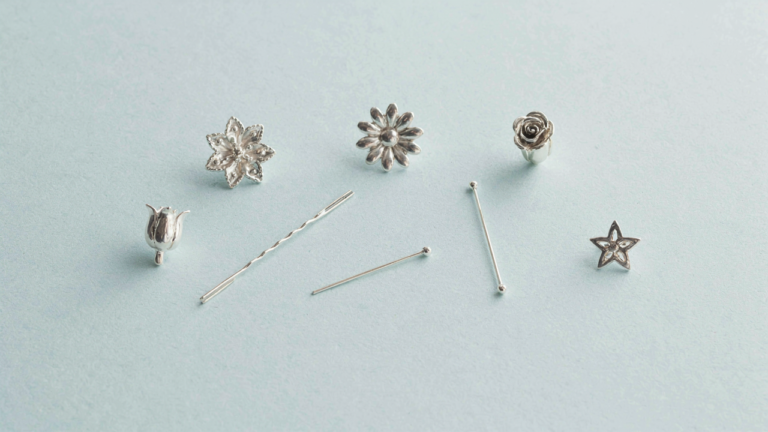
Floral patterns work on your dress because they mimic how plants distribute visual weight across a surface. The stems create vertical lines that elongate. The blooms create focal points that interrupt monotony. You can buy pre-printed floral sashes for under thirty dollars now because manufacturers scaled pattern production. The alternative is commissioning custom florals, which costs two to three times more. Buy the printed version. The eye doesn’t distinguish between printed and hand-painted florals beyond arm’s length anyway.
Forms That Register As Intentional
Common advice says floral sashes work because they’re timeless. That’s incomplete. They work because human brains process certain forms faster than others, and flowers hit a specific neural target. Evolutionary psychology calls this pattern recognition efficiency. Your brain categorizes a floral form in milliseconds because flowers signal resource abundance and health in nature. That speed of recognition translates to perceived quality on a sash. Your guests don’t consciously analyze this. They just register the sash as deliberately chosen rather than purchased because it was on sale.
Specific forms matter more than flower type. Roses and peonies dominate wedding sashes because their silhouettes are dense and symmetrical. That density fills visual space efficiently on a budget fabric. A sparse floral print on cheap polyester looks unfinished. A dense pattern hides the substrate entirely. Order your floral sash by checking the print density in the product images. If you see the base fabric between flowers, skip it. Dense florals on thin sashes run fifteen to twenty-five dollars. That’s your actual budget ceiling for this detail.
The “Anti Trend” Wedding Sash: Timelessness Over Fad

Classic Design Principles Beat Fast Fashion
You’re worried you’ll look dated in photos. That fear drives most wedding belt purchases toward whatever bridal magazines are pushing this season. But here’s the mechanism: trends collapse because they signal a specific moment in time. Classic design survives because it strips away the decorative noise and keeps only the structural elements that actually work on the human body.

A sash with clean lines, neutral materials, and proportional width outlasts a beaded, trend-heavy piece by a decade in photos. Quality matters here because durability compounds the cost benefit. A silk charmeuse sash in ivory or champagne costs the same as a polyester knockoff but photographs better and survives being worn again. The real play is choosing restraint over embellishment. One strong design principle beats ten trendy details fighting for attention.
Recognizing The Cycle Before You’re Trapped In It
Most bridal advice tells you to follow trends cautiously. That’s incomplete. You need to recognize which trends are structural and which are decorative. A draped sash is structural to how fabric moves on a body. A rhinestone-encrusted geometric pattern is purely decorative and loses relevance fast.
Fashion cycles move in roughly seven-to-ten-year waves, and bridal fashion lags two to three years behind general fashion because wedding dresses take longer to plan. When a sash style appears heavily in bridal magazines, it’s already three years into its cycle. Buy something that worked in 2005, 2010, and 2015, not something that appeared only in 2023 collections. The mechanism is simple: ignore the loudest voices in bridal media and choose what solved the same problem ten years ago.
Reinventing The Wedding Belt: Strategic Repurposing

What Happens After The Photos
You’re afraid the belt becomes a closet ghost. Here’s the mechanism: a wedding belt fails after the wedding because it was designed for one day instead of one wardrobe. Apply inventory thinking from retail: treat your belt as a stock item with multiple SKUs, not a single-use costume piece. The difference between a dead purchase and a living asset is whether the item solves problems outside its original context.

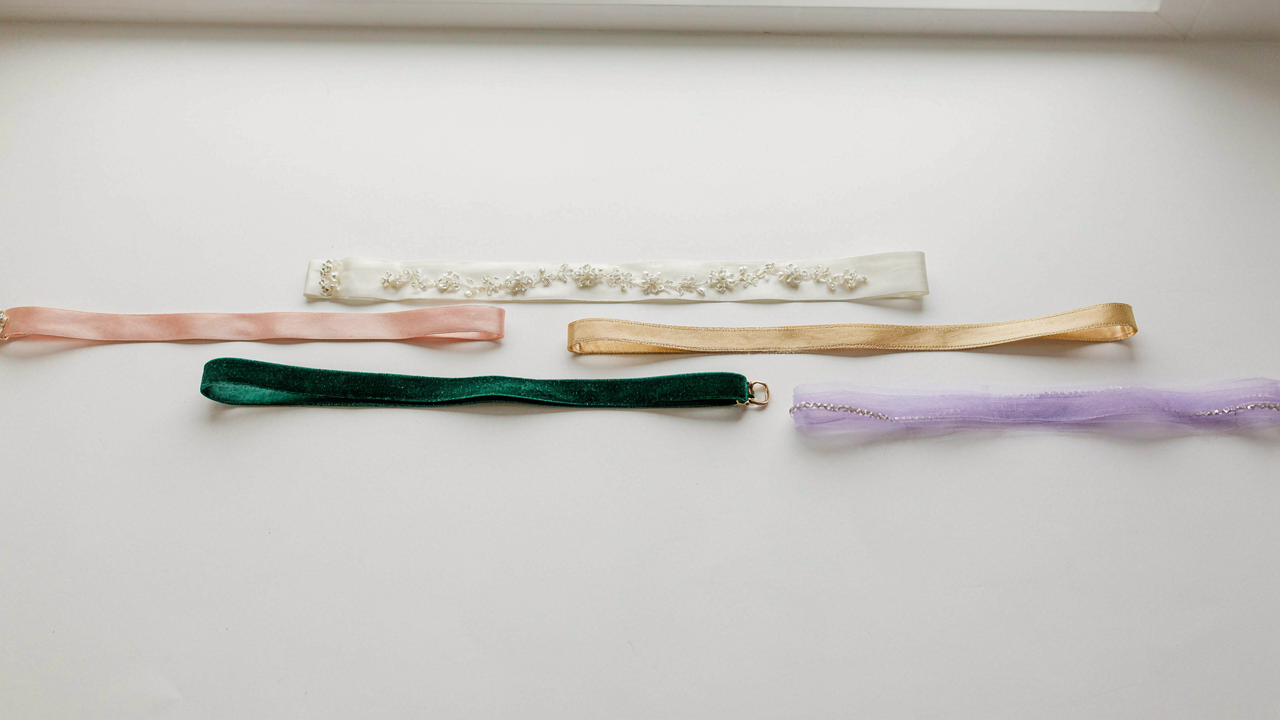
Select belts in neutral colorways and classic proportions from the start. Wide sashes in cream, gold, or blush adapt across seasons and dress codes. Avoid novelty embellishments that anchor the piece to “wedding” instead of “wardrobe.” The material matters here. Silk, grosgrain, and linen age into other contexts naturally. Polyester and glued embellishments lock the belt into ceremony mode permanently.
Actual Wardrobe Integration Post Wedding
The real mistake people make is treating the belt transformation as an afterthought. You need a working inventory system before the wedding ends. Map three concrete outfits where the belt functions now, not theoretically later. A simple sash with a structured clasp becomes a dress cincher for casual wear, formal evening events, and layered weekend outfits if you commit to using it that way immediately.
The transition happens in the first two weeks after the wedding, not six months later when momentum dies. Wear the belt to at least two non-wedding events before September ends. This establishes the neural pathway between “that’s my wedding belt” and “that’s my belt.” Store it with regular accessories, not wedding memorabilia, so you see it when getting dressed. This single storage decision determines whether the belt becomes a tool or a tax.
The Real Obstacle Isn’t The Price Tag; It’s Your Unexamined Belief That More Money Buys Better Taste

You already own the aesthetic eye to spot a stunning belt. The problem is you’ve outsourced your judgment to price tags. Stop waiting for permission from your budget to trust yourself. Pull three belts from your closet today. Style each one with your dress. Pick the one that makes you feel like the version of yourself you actually want to become. Taste isn’t expensive. Conviction is.