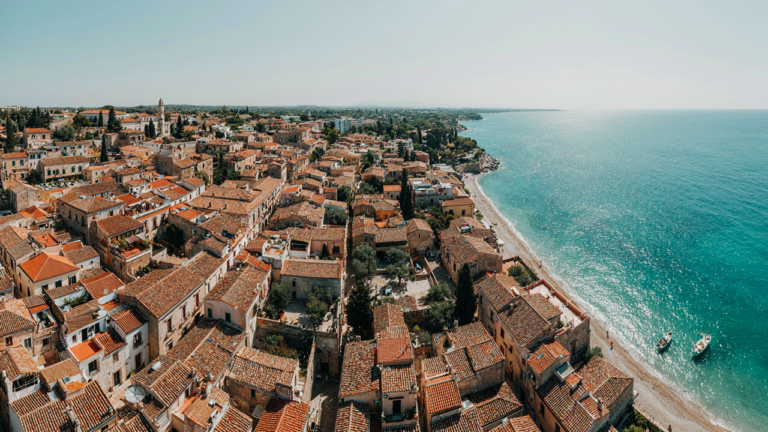
The Frugal Luxury Framework For Your Sri Lanka Wedding

What Actually Costs Money Here
You want to know where to cut without looking cheap. That’s the real question. Here’s the mechanism: Sri Lanka weddings operate on visibility. Guests notice venue and food. They don’t notice vendor margins or planning overhead. A Colombo beachfront venue runs 800,000 to 1.5 million rupees. A suburban garden venue runs 250,000 to 400,000. Same quality catering, different price tag. The difference is venue markup, not actual cost.
Most couples burn money on elements guests forget by Tuesday. Elaborate decorations, premium alcohol brands, coordinated transportation. Meanwhile, the catering quality and venue choice determine whether guests call it memorable or forgettable. Start by listing what people actually see and experience: the space, the food, the bar, the ceremony backdrop. Everything else is negotiable friction.
Where Your Money Actually Works
Think in terms of economic leverage from systems thinking. In systems, you amplify impact by targeting the constraint, not the variables. Your constraint in Sri Lanka isn’t vendor availability, it’s venue scarcity and catering capacity during peak months. Allocate your budget where scarcity creates real tradeoffs.
Venue takes 30 to 40 percent of most budgets. Catering takes another 40 to 50 percent. Everything else combined takes 10 to 20 percent. If you secure a quality venue with included or partner catering, you’ve solved the two hardest variables. A 500-person wedding at a Negombo hotel with integrated catering costs far less per person than 150 guests spread across separate vendors. Scale amplifies your negotiating power and reduces per-head cost. Lock venue and catering first, then build everything else around what remains in your budget.
Beyond The Brochure: Unearthing Authentic Sri Lanka Wedding Value

Where Local Vendors Meet Real Costs
You want to feel like you’re getting an insider deal, like you found what the tourists miss. That fear of overpaying drives most couples to local vendors, but the mechanism is backwards: local doesn’t mean cheaper or better designed. It means direct access to the actual supply chain without the resort markup. Colombo-based florists, catering teams, and decoration crews operate on thin margins because they compete on volume, not brand. The moment you approach them directly, you eliminate the 40 to 60 percent middleman premium that hotels and wedding planners stack on top.

Sri Lankan wedding aesthetics pull from Hindu temple traditions, Portuguese colonial architecture, and Dutch period influences depending on region and family background. A Colombo florist knows how to source jasmine, orchids, and local foliage at market rates. A Kandy-based catering operation understands how to execute lamprais, kottu roti, and deviled preparations at scale without turning them into fusion compromises. The vendors who build their reputation in local circles have structural cost advantages because they don’t need to hire translators, maintain liability insurance for foreign clients, or price in currency risk. Find who the other Sri Lankan families hire for their own celebrations, not the ones with Instagram portfolios targeting expats.
What Negotiation Actually Moves
Everyone says negotiate, which is useless advice. The real lever in South Asian vendor dynamics is contract specificity and payment staging, borrowed from construction project management where scope creep destroys margins. When a decorator quotes 150,000 LKR for floral arrangements, you’re not negotiating price down. You’re negotiating what “arrangements” means: table centerpieces only, or does it include entrance arch, stage backdrop, and guest table runner replacements mid-reception? Most couples discover hidden costs after signing because they never clarified scope.
- Deposits and Staged Payments: Negotiate 25 to 30 percent upfront, 40 percent two weeks before, final 30 to 35 percent on delivery day. This protects you and gives vendors cash flow certainty.
- Overtime and Extension Fees: Explicitly define setup hours, event duration, and breakdown time in writing. After-hours work costs 50 to 100 percent premium in Sri Lanka’s labor market.
- Guest Count Buffers: Caterers charge per plate plus buffer coverage (typically 10 percent overage). Lock the final number seven days before, not the day of the event.
- Liquor and Beverage Markups: Separate alcohol pricing from food pricing. Many vendors inflate alcohol costs by 200 to 300 percent because couples don’t track it line by line.
- Contingency Line Item: Add 10,000 to 15,000 LKR as a documented contingency fund for last-minute material changes vendors will propose during event execution.
Hidden costs emerge because vendors in Sri Lanka price conservatively upfront, then extract margin through change requests on-site. Request itemized invoices broken into labor, materials, and overhead before signing anything. A decorator quoting one lump sum has zero incentive to control scope. A decorator with line items for flowers, labor hours, and structural materials has nowhere to hide unexpected expenses.
The Opportunity Cost Protocol: Destination Wedding Sri Lanka Decisions

What You’re Actually Losing
You want to feel smart about spending money on a wedding, so you’re hunting for validation that Sri Lanka is cheaper. That’s the real driver here. The economics framework calls this “opportunity cost”—what you sacrifice by choosing one path over another. In wedding math, it’s not about Sri Lanka’s price tag alone. It’s about what you forfeit by committing capital, time, and logistics to this geography instead of alternatives.

A destination wedding in Sri Lanka locks in specific costs: flights for guests, accommodation clusters, ground logistics, currency conversion inefficiencies. Domestic weddings absorb different friction—vendor markup, local real estate prices, guest transportation across your home country. Neither is objectively cheaper until you measure what you actually give up by choosing one. Most couples never do this calculation. They compare a Sri Lanka quote to a venue price and stop thinking.
The Twenty Percent That Matters
Strip away the noise about flowers, favors, and photo booths. The Pareto principle applies here: eighty percent of your wedding cost concentration lives in four categories—venue rental, catering, accommodation for guests, and logistics coordination. Everything else is noise. Sri Lanka’s real advantage emerges only when these four items shift dramatically downward compared to your home market.
Venue rental in Sri Lanka runs fifteen thousand to forty thousand dollars for a full day with premium beachfront or resort access. Catering costs two to four dollars per person for quality service. Guest accommodation clusters near wedding venues average thirty to sixty dollars nightly. North American equivalents compress these savings immediately: venue alone often doubles, per-person catering hits eight to fifteen dollars, hotels near major cities run eighty to one hundred fifty dollars. Calculate your guest count and run the math on these four categories only. Everything else is decoration on top of the real decision.
Sri Lanka Wedding Decor: Strategic Simplicity, Not Scarcity

Coconut Palms And Monsoon Flowers
You’re worried that budget decor reads as cheap, so you’re looking for permission to skip the floral installations. Here’s the mechanism: Sri Lanka’s environment already solves your problem. You’re borrowing from landscape architecture’s principle of site specificity—using what exists on location rather than importing contrast. Coconut palms, banana leaves, and monsoon flowers cost nothing to source locally because they grow in abundance. The vendor markup disappears when you’re not fighting against the climate.

Most couples ignore what’s already there. They hire decorators to import European roses and construct fake structures. That’s backwards. A monsoon wedding in July uses purple morning glory and bright bougainvillea that bloom naturally. A beach venue uses palm fronds as overhead structure without additional material cost. The mechanism is simple: let the landscape do the work instead of covering it up.
Cutting And Arranging Your Own Centerpieces
The common advice says hire a decorator for everything. That’s not actually true for centerpieces. You can cut flowers fresh the morning of your event and arrange them in borrowed vases or borrowed containers your family already owns. The skill required is minimal—flowers arrange themselves if you just strip stems and vary heights. What you’re actually paying decorators for is time management, not expertise. If you have three free afternoons, you eliminate this cost entirely.
The real constraint is labor, not talent. Recruit two family members or friends to work alongside you. You’ll spend roughly ten hours total cutting and arranging if you target fifty centerpieces. Split that across three people and each person invests three hours. The material cost stays under fifty dollars if you source from a local flower market the day before your event rather than ordering through a wedding florist.
Outdoor Wedding Sri Lanka & Beach Wedding Sri Lanka: Venue Vetting Secrets

Where You Actually Control The Cost
You want a beach wedding because you think it’ll look good in photos and cost less than a hotel ballroom. That’s backwards reasoning. The real mechanism at play is supply constraint: resorts control their pricing because they own the land. Once you step off resort property, you shift from a seller’s market to a negotiation. Public beaches and private villas force you to build the event infrastructure yourself, which either saves you thousands or bleeds money into logistics nobody warned you about.

Most couples skip this entirely and book a resort package because it feels easier. It’s not easier, it’s just pre-bundled opacity. A public beach like Mirissa, Unawatuna, or Negombo costs you nothing to use, but you then rent tables, catering, power generation, and waste management separately. A private villa (Galle, Colombo suburbs, or Kandy outskirts) gives you controlled space without the resort markup, but you’re now the project manager. The cost difference isn’t in the venue itself. It’s in whether you’re paying one entity a fixed markup or negotiating five vendor relationships independently.
Permits, Logistics, And The Contingency Nobody Budgets
Beach weddings in Sri Lanka require approval from the local Divisional Secretariat or Pradeshiya Sabha office, depending on the district. Most couples discover this two weeks before the event. The permit costs between 500 and 2,500 LKR and takes 5 to 10 business days if you’re organized. Noise restrictions apply after 10 PM in most coastal areas, which means your wedding either ends early or you pay fines or security bribes to local authorities. Nobody mentions this because it’s not romantic to discuss.
Your real cost exposure lives in backup infrastructure. You need a generator rated for 5 to 8 kilowatts minimum (power cuts happen). You need a water truck if you’re not on municipal lines. You need a tent that survives monsoon winds because Sri Lanka’s weather doesn’t negotiate. When you add these to a public beach or villa wedding, you’re often spending more than a mid-range resort package would cost, minus the experience of actually managing vendors during your wedding weekend. Get a written contingency plan from your coordinator specifying who moves the event indoors and who absorbs the cost.
The Guest List Algorithm: Curating Your Sri Lanka Experience

Fewer People, Lower Total Cost
You want permission to have a small wedding without looking cheap. That’s the real reason you’re reading this. The mechanism is simple: every additional guest costs you money in direct expenses and coordination overhead, and Sri Lanka weddings scale those costs linearly in ways Western weddings don’t.

A 50-person wedding in Sri Lanka costs roughly half what a 100-person wedding costs when you control for venue and catering. The math is arithmetic, not negotiable. Venue rental stays fixed, but per-head catering runs 1,500 to 3,500 LKR per person depending on menu complexity. Transportation for guests, seating logistics, and staffing scale with headcount. An intimate gathering of 40 to 60 people keeps total spend between 400,000 to 800,000 LKR without cutting quality.
Most couples fight this math instead of accepting it. You either invite fewer people or you raise your budget. There is no third option. The guests you actually want in the room matter more than a number on an invitation list. Document who those people are and build around that specific group.
Managing Arrival Friction Before It Costs You
Your guests coming from abroad have material concerns that become your financial problem if unaddressed. Think of this like supply chain management: you control the inputs (information, timing, logistics), and poor inputs create downstream costs and friction.
International guests need flight costs, visa information, and accommodation options stated upfront. A typical flight from Europe or North America to Colombo runs 800 to 1,500 USD. Visas cost 35 to 50 USD for most nationalities. Guesthouses near your venue range from 30 to 80 USD per night. When you provide this data clearly at invitation time, guests make informed decisions and you avoid last-minute cancellations or complaints about hidden costs.
The cost is yours if guests arrive unprepared. Give them a one-page logistics sheet with flight comparison sites, visa requirements by nationality, accommodation links sorted by price, and ground transport options. Include taxi and tuk-tuk pricing from the airport to your venue. Guests who see transparency don’t resent the wedding or make expensive backup arrangements. Ask guests to confirm two months out, not two weeks, so you can adjust catering and seating without scrambling.

Food & Drink: Culinary Leverage For Your Wedding In Sri Lanka

What Local Cuisine Actually Costs You
You care about this section because you think Sri Lankan food is cheap, so your catering bill will be too. That assumption kills your budget before negotiation starts. The real mechanism works like supply chain economics: the closer your menu stays to what local suppliers already produce at scale, the lower your per-plate cost drops. Deviate into imported proteins or out-of-season demands, and you’ve just added a 40 to 60 percent markup nobody warned you about.
Sri Lankan weddings run on rice, curry, seafood, and coconut-based dishes because these ingredients move through local markets constantly. Chicken curry, fish preparations, and vegetable curries cost half what imported beef or salmon commands. The weddings that stay cheap aren’t the ones serving rice and curry because it’s “authentic”—they’re cheap because the kitchen already knows how to execute these dishes at volume without waste. Seasonal ingredients like mangoes, coconut, and drumstick greens cost less in their peak months. Off-season ordering forces suppliers to source from storage or import, which kills your margin immediately.
How To Negotiate Catering Without Leaving Money On The Table
Most couples treat catering quotes like final offers. They’re not. The quote you receive from a caterer assumes you’ll accept full retail pricing on everything, including labor markups built for couples with no leverage. Start negotiation by separating menu cost from service cost—ask your caterer to break down per-plate food cost, staff wages, equipment rental, and profit margin as separate line items. This forces transparency and shows you where the real negotiation points sit.
- Per-Plate Menu Cost: Request itemized breakdown of each dish’s ingredient cost. This reveals which items carry inflated margins and which are genuinely expensive. Caterers often pad simpler dishes the most.
- Seasonal Substitution: Lock in prices for dishes that use peak-season ingredients instead of out-of-season alternatives. Propose specific months and ask for a discount tier tied to ingredient availability windows.
- Guest Count Flexibility: Negotiate a tiered pricing structure based on final headcount. Many caterers build in 15 to 20 percent overage charges. Push back by committing to a hard number one week prior instead.
- Alcohol and Beverages: Request separate pricing for alcohol, soft drinks, and water. Many caterers bundle these at markup rates. Source locally produced arrack or beer independently and ask the caterer’s per-bottle service fee instead.
- Labor Hour Minimums: Ask which service tasks actually require paid staff time versus which are setup and cleanup. Push back on overstaffing by defining exact roles and duration before signing the contract.
Your leverage point is simplicity and commitment. Caterers discount more for couples who pick straightforward menus, confirm headcounts early, and choose off-peak wedding dates. If your caterer won’t itemize costs or refuses to negotiate margins, they’ve signaled they don’t need your business—walk and get three more quotes.

Wedding Sri Lanka Photography & Videography: Capturing Value

Local Talent Versus International Rates
You want the photographer to validate your wedding’s importance, which is why you’re tempted to import someone from abroad. Here’s the mechanism: Sri Lankan photographers charge 150,000 to 400,000 LKR for full-day coverage. International photographers charge 2,000 to 5,000 USD for the same work. The price gap exists because Sri Lanka has lower operating costs, not because the skill differs. Local talent delivers objectively comparable results at a fraction of the cost.
The real constraint is vetting. You can’t rely on word-of-mouth alone from 6,000 miles away. Visit their portfolios directly. Check their Instagram. Ask to see unedited samples. Sri Lankan photographers who work high-end weddings have portfolio depth that matches international operators. You pay for proximity and availability, not superiority, when you hire from abroad.
Defining The Package You Actually Need
Most couples negotiate photography as if they’re buying a car, which wastes leverage. You should negotiate like you’re allocating a budget against specific outcomes. The essential shots are: ceremony footage, couple portraits, family groups, reception moments, and detail coverage. Every other shot is optional. A photographer charging 300,000 LKR should deliver these five categories in full. Anything beyond that is negotiable.
Ask photographers to itemize their package before discussing price. This forces clarity. Do they provide a backup shooter? How many hours? Digital files or printed album? Do they edit every image or a curated selection? Once you have specifics, you can cut what you don’t need and negotiate the actual rate. Never pay for a preset package when you can define outcomes and let the photographer build their cost around that.
The Post Wedding Profit: Leveraging Your Sri Lanka Trip

Honeymoon And Extended Stay Economics
You’re reading this section because you want to feel like your wedding paid for itself. It won’t, but here’s what actually works: treat your wedding trip as a loss leader for the real arbitrage opportunity. In economics, arbitrage means profiting from price differences across markets. Your Sri Lanka wedding creates the travel infrastructure already. Extending your stay capitalizes on sunk costs you’ve already paid. Your flights are booked. Your accommodations near the venue exist. Your visa is active. Add five days to your trip at near-zero marginal cost compared to flying back and rebooking later.
The mechanics are straightforward. Most couples fly in three to four days before the wedding and leave the next day. That’s a waste. You’ve already absorbed the flight cost, jet lag, and visa fees. Staying an additional week drops your cost per day dramatically. A honeymoon in Galle or Mirissa costs 8,000 to 15,000 LKR daily for mid-range accommodation. A second trip costs the same because you’re paying flights twice. Stay extended once. You pocket the flight savings and experience the country without the wedding stress overhead.
Travel Stacking And Experience Rationing
The conventional advice here is garbage: “Just book a romantic honeymoon package.” You’ll overpay by 30 to 40 percent for the word honeymoon attached to it. Instead, book accommodation and activities separately, and use time optimization like logistics does. The real lever is sequencing. Spend your first week in the central highlands or tea country around Nuwara Eliya. Then move to the coast. This reduces backtracking and cuts transportation costs by half compared to jumping between Colombo, the south coast, and the hill country randomly.
Minimize dead time by clustering experiences geographically. A day trip from Colombo to Galle runs 4,000 to 6,000 LKR in transportation. Stay in Galle for three days instead, and daily excursions cost 1,500 to 2,500 LKR. Your experience density increases while costs drop. Book trains between regions instead of taxis or hired drivers. The scenic train from Kandy to Ella costs 1,500 to 2,500 LKR and functions as both transport and activity. The protocol is simple: map destinations by geography, book accommodation in clusters, use public transit where available, then layer activities around your base locations.
The Only Barrier To Your Sri Lanka Wedding Vision Is Your Imagination, Not Your Wallet

Most couples fixate on the price tag instead of the design. They see a number and surrender. Stop. Your constraint isn’t money—it’s clarity. You need to know exactly what matters to you, then build backwards from there. Open a document today and list three non-negotiables for your wedding. Everything else becomes negotiable. You don’t plan a budget. You architect a choice.