The Spanish Honeymoon Mirage: Why Mainstream Advice Fails Your Budget

What Everyone Gets Wrong About Spain Costs
You’re reading this because you’re afraid you’ll blow through money on a trip that’s supposed to feel special, and you want proof that won’t happen. The real mechanism at work is anchoring: travel blogs quote the cheapest possible daily spend (€50 per person in rural areas), and that number lodges in your brain as baseline reality. It isn’t. Spain’s cost structure splits violently between tourist zones and everywhere else, and mainstream advice treats the country like one uniform market when it’s actually three completely different economies operating simultaneously.
The €50-a-day myth comes from backpacker blogs written by people maximizing time, not experience. On a honeymoon, you’re not staying in dorms, taking 6 AM buses, or eating bocadillos for every meal. The cost gap between that lifestyle and a functional honeymoon isn’t gradual—it’s exponential. Mainstream budgeting advice fails because it conflates “possible” with “realistic.” You need a budget built on actual honeymoon spending patterns, not edge-case survival economics.
The Silent Drains Nobody Mentions
Accommodation prices advertise at €60 per night, but that’s always for March in a converted farmhouse two hours from anywhere. Peak season (June through September) runs €120-180 for the same room in places you actually want to be. Reservation sites don’t surface this until you filter by dates. Then there’s the transport tax nobody calculates upfront: renting a car costs €40-60 daily, or you’re paying €15-25 per train journey between cities. Most couples plan five to seven location changes on a two-week trip, which turns into €200-350 in pure movement costs before you arrive anywhere.
Restaurant pricing in tourist districts operates on a hidden tier system. The menu you see posted outside quotes prices for tourists. Locals eat elsewhere. A dinner in Barcelona’s Gothic Quarter runs €50-80 per person; the same meal three blocks away costs €20-30. Couples don’t budget for this variance because they don’t know to look. Add wines at €8-15 per glass in central areas versus €3-4 at neighborhood spots, and a week of dinners absorbs €400-600 of phantom spending you never anticipated. The mechanism is simple: you navigate by guidebooks and instinct, which both lead to overpriced zones.
Beyond Barcelona: Unconventional Spain Honeymoon Destinations That Deliver Value

Where The Real Spain Still Exists
You want to feel like you discovered something nobody else knows about. That’s not a character flaw, it’s just how status works in the social currency of travel. The mechanism is simple: tourist density determines price. Barcelona is saturated, so vendors price accordingly. The moment you step outside the circuit, you’re not getting a discount on an inferior experience—you’re accessing the actual market rate because demand hasn’t inflated it yet.

Córdoba, Seville’s smaller sibling, operates on a completely different cost structure. You’ll find three-course dinners for under twenty euros in the Jewish Quarter. Granada sits at the edge of the Sierra Nevada mountains and charges half what Barcelona does for comparable accommodations. Toledo, perched on a hill outside Madrid, has maintained its medieval layout—which means no chain hotels, only family-run riads and converted convents. The pattern holds across Andalusia: move south and east from the capital, and your budget stretches without sacrificing authenticity or comfort.
Finding Rooms Before The Algorithms Find Them
The common advice tells you to check Airbnb and Booking like everyone else. That’s incomplete. Those platforms work backward from demand, which means they’ve already marked up inventory. The real mechanism is asymmetric information: the owners who list directly know their true occupancy rate and will negotiate on price if you contact them first.
Search the region’s official tourism websites, then cross-reference with local property management companies. In Córdoba, contact the local chamber of commerce for a referral list. In Granada, proprietors still maintain basic websites with contact forms—no middleman, no commission markup. Send a message two months before your dates stating your exact timeline and budget. You’ll receive direct quotes fifteen to thirty percent below platform rates because the owner captures the full payment without losing thirty percent to transaction fees. Book through email with a wire transfer or bank transfer, not through payment platforms.
The Anti Tourist Protocol: Experiencing Spain Like A Local, For Less

Markets Over Michelin Stars
You want to feel like you discovered something real on your honeymoon—not just consumed what the tourism board packaged for you. The mechanism is simple: markets operate on volume and speed, not margins. Restaurants mark up 300 percent. Markets mark up 40 percent. You’re buying the same ingredients restaurants buy, hours fresher, at a fraction of the cost.

Skip the plated experiences in the Gothic quarter. Hit La Boqueria in Barcelona or Mercado de San Miguel in Madrid at 9 AM, not during tourist hours. Buy jamón ibérico directly from the vendor. Buy cheese. Buy wine. Eat on a bench overlooking the city. The meal costs one-fifth of a Michelin spot and tastes better because you’re not paying for the waiter’s script or the leather chairs.
Ground Transportation Beats Flying Between Cities
Every travel guide tells you to fly Madrid to Barcelona to save time. They’re wrong. The math breaks down the moment you factor in airport transfers, security lines, and baggage fees. Spain’s rail system is faster city-center to city-center and costs half what budget airlines charge.
Book Renfe trains in advance through their website, not through third-party booking sites that add 15 percent markups. A Madrid-to-Barcelona ticket purchased 30 days out runs around 40-50 euros if you take the slower regional train, or 80-120 euros for the AVE express. Rent a car only if you’re hitting small towns in Andalusia or Catalonia where trains don’t reach. Otherwise, trains eliminate the haggling over parking, fuel costs, and the mental load of navigating Spanish highways during your honeymoon. Book regional trains the moment you lock your dates.
Canary Islands Honeymoon: Your Island Escape Without The Maldivian Price Tag

Match Your Island To Your Actual Honeymoon Style
You want the island experience without admitting you’re chasing the Instagram aesthetic everyone else already photographed. The mechanism is simple: the Canaries aren’t one destination—they’re seven distinct islands with completely different economics and visitor types. Tenerife and Gran Canaria absorb package tourists and inflate prices accordingly. Lanzarote offers design-forward volcanic landscapes at moderate cost. Fuerteventura stays cheaper because it lacks the natural drama that drives premiums. La Palma and El Hierro remain genuinely undiscovered, which means lower prices but also fewer flights and fewer dining options.

Pick your island based on what you’ll actually spend money on, not what sounds romantic. If you want consistent sunshine, beach time, and minimal planning, Gran Canaria’s south coast delivers at reasonable rates. If you want landscape drama and wine bars, Lanzarote justifies its mid-range pricing. If you want to hike volcanic terrain and eat well cheaply, La Palma rewards the effort. The price difference between islands isn’t small—a meal on Tenerife’s tourist strips runs 40 percent higher than the same meal on La Palma. Book your island first, then build your dates around it, not the reverse.
Excursion Value Through Selective Participation
The standard advice says book everything through your hotel. That’s how hotels make their margin—they mark up third-party tours by 30 to 50 percent and call it convenience. The real mechanism comes from economics: you’re paying for intermediation you don’t need. Most Canary excursions operate on thin margins, which means the operator makes almost nothing when a hotel takes its cut. You can access those same operators directly through local booking sites or by showing up to their offices in town.
Prioritize excursions with genuine scarcity or expertise requirements: catamaran whale watching trips, guided volcano hikes with technical terrain, or boat access to otherwise inaccessible coves. Skip the premiumized walking tours—you can navigate those alone for nothing. Book water activities directly through local operators, not hotels. Rent a car for one or two days instead of booking island tours. Drive to the spots tourists pay to be driven to, set your own pace, and eat where locals eat. Most couples waste money on excursions they’d skip if they weren’t paying a hotel to arrange them. Identify three specific activities you actually want before arrival, call the operators directly, and book those alone.
Leveraging Off Season Advantage: When To Plan Your Spain Honeymoon For Maximum Impact

How Prices Actually Move Through The Year
You want to feel like you’re getting a deal, but you don’t want to miss the “good” months. That tension is what keeps you paying peak rates. Here’s the mechanism: Spain’s tourism operates on supply and demand like any market, but the pricing isn’t random. Hotels and airlines front load their inventory in summer and Easter, then discount aggressively when occupancy drops. You’re not choosing between seasons. You’re choosing whether to buy when supply is scarce or abundant.

May and September sit in the pricing sweet spot most people ignore. Flights cost 30 to 40 percent less than June through August. Hotel rates in Barcelona, Madrid, and Seville drop noticeably. The reason: families can’t travel because of school calendars in northern Europe and North America, but the infrastructure still runs at near capacity. Winter (November through February, excluding Christmas week) goes cheaper still, with reductions hitting 50 percent or more on accommodations. The tradeoff isn’t mysterious. Fewer tourists means fewer restaurants open, fewer tours running, and fewer activities staffed.
Weather And Crowds As Separate Variables
Most advice treats season as one input: good weather equals crowds equals high prices. Wrong. They’re three independent variables, and you need to separate them. Seville in April is warm (around 70-75°F), has mild crowds, and costs half of July rates. You’re not compromising. You’re stacking wins.
July and August in southern Spain hit 95°F regularly with afternoon humidity that makes walking difficult. The beaches and historic sites become human parking lots. Meanwhile, Basque Country (San Sebastián area) and Asturias run cooler year-round, making spring and fall genuinely comfortable in places tourists rarely check. If you prioritize comfort and movement over heat, you eliminate 60 percent of your competition and undercut their spending. Book your honeymoon for May or late September, and you access Spain at 70 percent of summer pricing while moving through cities like a person, not a passenger in a tour group.
The Fixed Cost Elimination System: Drastically Cutting Down Your Spain Honeymoon Budget

Where Hotels Drain Your Account And Rentals Don’t
You’re worried you’ll look cheap if you don’t stay somewhere prestigious. That fear is the real enemy here, not the budget itself. Short-term rentals operate on supply economics: landlords compete on price within neighborhoods, not on brand perception. Hotels capture you inside a fixed markup model where every service costs extra. A rental in Barcelona’s Born district costs 40-60 euros per night. A comparable hotel runs 150-200 euros minimum, then charges for wifi, breakfast, and parking separately. You control the rental’s thermostat, cook one meal daily, and cut ancillary costs to zero.

The mechanism is simple: hotels bundle services you don’t want into non-negotiable rates. Rentals let you purchase only what you use. Book through Airbnb or Vrbo for stays over five nights to access discounts. Verify the property shows actual guest reviews dated within the last three months. Check the cancellation policy before committing, and confirm utility costs are included in the nightly rate to avoid surprise fees.
The Booking Window That Actually Works
Everyone says book flights three months early. That’s incomplete advice that leaves money on the table. Flight pricing follows yield management, the same framework airlines use to maximize per-seat revenue. Your goal is to catch the valley between initial demand and peak demand, not hunt some magical fixed moment. Tuesday and Wednesday departures from US hubs to Spain cost 15-25 percent less than Friday-Sunday flights year-round because business travelers avoid those days.
- Set up Google Flights price alerts: Track your specific route for four weeks before booking. Alerts notify you of drops within your threshold, giving you a 48-hour window to purchase without price increases.
- Book Thursday for Tuesday departure: Airlines price Thursday bookings lower because travelers make weekend plans then. Fly mid-week to Spain for steeper discounts than peak-day fares.
- Use incognito browsing mode: Airlines track repeat searches and raise prices on returning browsers. Incognito prevents cookie-based price discrimination when comparing fares across multiple sessions.
- Depart from secondary hubs: Flying from Philadelphia, Chicago, or Atlanta to Madrid or Barcelona costs 20-30 percent less than New York or Los Angeles routes with identical connections.
- Avoid Easter and summer school breaks: Mid-September through early November and January through February offer the lowest fares. Holiday periods and July-August pricing increases 60-100 percent above base rates.
Purchase flights when the price hits your target, not on the calendar date you guessed. Set that target before you start searching, then execute without second-guessing. This prevents the psychological trap of waiting for a better deal that never comes.
Barcelona Honeymoon & Mallorca Spain Honeymoon: Decoding Urban Vs. Island Value
Where Your Money Actually Goes
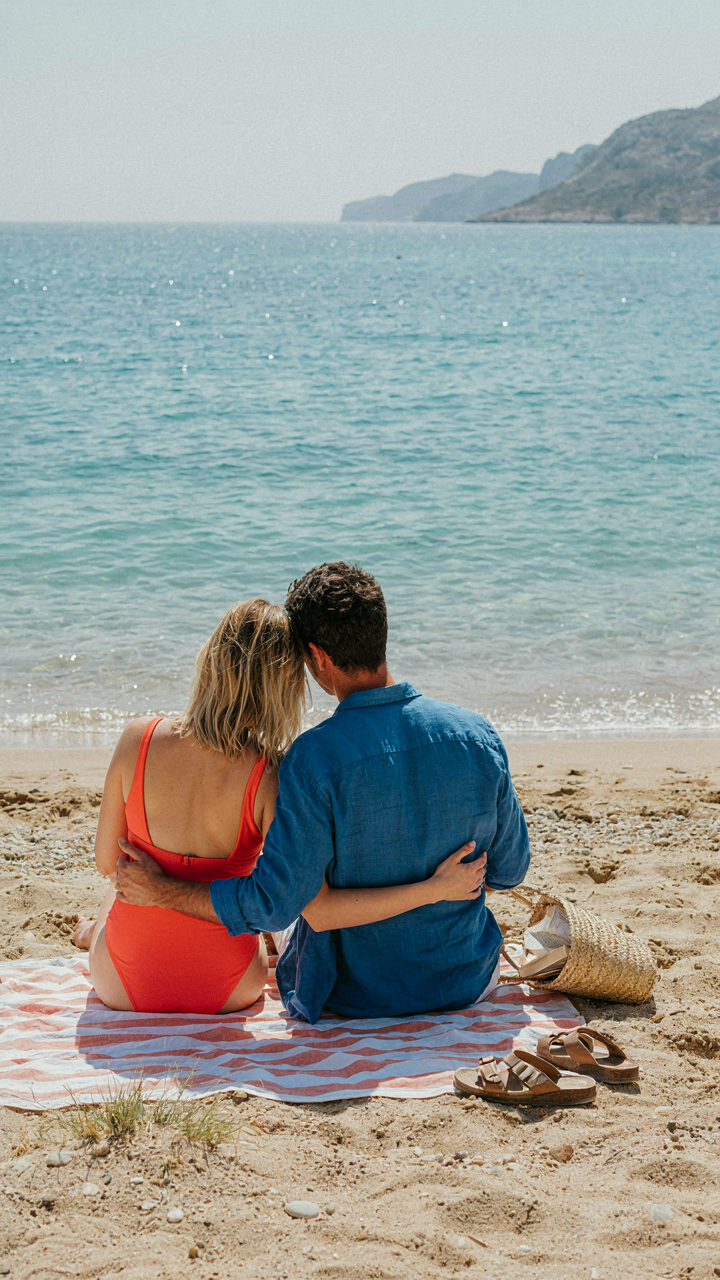
You want to feel like you made the smart choice, not the cheap one. The real mechanism here is density. Barcelona concentrates tourism infrastructure into walkable zones, which lowers your transaction costs per experience. Mallorca spreads demand across the island, which means you either pay for transportation or you stay put. The difference isn’t romantic ambiance. It’s logistics.

Barcelona forces you into paid activities because free movement requires metro passes, and attractions cluster in districts designed for extraction. You pay to enter the Gothic Quarter, pay for restaurants that know tourists will come anyway, pay for museums. Mallorca’s advantage flips this: your hotel often sits near the beach with no entry fee. Your food costs drop outside resort corridors because locals still eat there. The trade-off is real transportation friction that city dwellers don’t face.
Matching Rhythm To Your Actual Spending Pattern
Most advice says “choose based on what you like,” which is useless for budgeting. The real question is how you spend time when you’re not forced to move. Barcelona rewards people who walk neighborhoods, sit in plazas, and eat at unmarked bars. You amortize your cost across hours. Mallorca rewards people who stay in one spot for half a day and let boredom compress into one expensive dinner.
If you move hotels every two days, Barcelona costs less per night because you’re already paying transit anyway. If you stay five nights in one place, Mallorca extracts less money because you’re not constantly re-orientating yourself. The mechanism is friction multiplication: each new location multiplies your decision fatigue, which inflates spending. Pick the city model if you want constant novelty. Pick the island model if you want to settle and recover.
The Scarcity Principle In Travel: Applying Economics To Your Spain Honeymoon

Where Tourist Traps Actually Cost You
You’re afraid you’ll miss something. That’s why you end up in overpriced restaurants in Gothic quarters paying four times the local rate for paella you could eat better elsewhere. Economics calls this opportunity cost, and it’s the real mechanism destroying honeymoon budgets. Every euro spent on a mediocre experience is a euro you can’t spend on an actual one.

Tourist traps exploit a specific vulnerability: they cluster where foot traffic is highest, making them visible and easy. You don’t have to search. But that convenience cost you directly. The Sagrada Familia gift shop markup is forty percent above street prices three blocks away. A meal in Plaza Reial runs double what you pay in Poble Sec. You’re not paying for better food or better views. You’re paying for not having to think. The mechanism is simple: visibility creates demand, demand creates scarcity pricing, scarcity pricing creates waste.
What Price Signals Actually Tell You
Demand elasticity is economics jargon for how much people care about price before they stop buying. Map this onto Spain, and it explains why luxury experiences collapse the moment you step outside the postcard zones. A private wine tasting in Rioja runs fifteen euros per person from a local vineyard but ninety euros from the hotel concierge. Neither experience is materially different. The price difference isn’t about quality. It’s about who’s selling it and who they think you are.
Luxury experiences in Spain aren’t scarce. Tourist access to them is. The actual constraint is information and direct relationships, not supply. When you book through a middleman, you pay for their markup and their assumption that you don’t know better. When you book direct, you often negotiate down. Hotels, tour operators, and concierges stack commissions on top of real costs. Cut out the middleman by booking direct with vineyards, chefs, and guides through their websites or local referrals, then compare their quoted price against what you find searching in Spanish on local business directories.
Beyond The Booking: Real Time Savings While On Your Honeymoon In Spain

The Ground Truth On Daily Spending
You want to feel like you’re not nickel and diming your way through romance, so you ignore the daily mechanics that actually matter. The real lever here is transaction friction. Borrowing from economics, you experience what’s called “pain of payment” differently depending on how you spend. Card swipes feel frictionless. Cash transactions create resistance. In Spain, this friction is your only honest feedback loop telling you whether you’re bleeding money or moving it intentionally.

Spanish cities price-segment ruthlessly by location and language. A café in Plaza Mayor charges triple what the same coffee costs two blocks away. The mechanism isn’t quality. It’s extraction. Walk past the first tourist-facing restaurant you see. Find where locals actually eat. You’ll spend 8 to 12 euros on lunch instead of 25. This isn’t virtue. It’s arithmetic. The savings compound daily and never feel like deprivation because you’re eating better food.
Spending Triggers And How To Disarm Them
The standard advice says “set a daily budget and stick to it.” That’s incomplete and ignores how impulse actually works in unfamiliar territory. You spend recklessly in Spain not because you lack willpower but because you’ve suspended your normal decision-making framework. Everything feels temporary. Everything feels like an exception. The real defensive move is to externalize your spending decisions before you arrive, not during.
Book activities and meals before departure. When the cost is already sunk into your planning phase, in-the-moment you face no choice. No vendor can upsell you. No “once in a lifetime” moment can hijack your wallet. Set up a spending tracker on your phone and log every transaction the same day. Watching the numbers accumulate in real time creates the friction your brain needs to say no to the third tourist trap of the day. This is not about deprivation. It’s about keeping your decision-making engine online while you’re vulnerable to novelty and romance.
The Post Honeymoon Audit: Learning For Future Spain Travel

What Actually Worked Against Your Assumptions
You’re doing this audit because you want proof you didn’t waste money, and you’re terrified the answer is yes. The mechanism is simple: most couples never separate what they enjoyed from what they overpaid for. You felt good, so you assume the spending was justified. That’s backwards. Map your expenses against actual value received. Drinks cost triple in Plaza Mayor but tasted identical to drinks in neighborhood bars. That’s a data point, not a judgment.
Write down three categories: meals, accommodation, and activities. For each, note the cost and rate it one to ten for satisfaction. Now look for the gap. A thirty-euro dinner that scored an eight beats a fifty-euro dinner that scored a seven. This isn’t about cheapness. It’s about recognizing where money moved the needle and where it moved nothing. Most couples discover they overpaid for location premium, not for quality or experience. That matters for the next trip.
Calibrating The System For Round Two
The common advice here is vague: “Do better next time.” That’s useless. You need a feedback loop from economics, specifically the concept of diminishing returns. Your first Spain trip had a cost curve that climbed steeply at the beginning and flattened after day four. You paid full price for discovery. The second trip doesn’t.
Take your audit data and build a simple rule: if a vendor or location appeared three times in your “satisfied” column, it becomes your default next time. Skip the research phase on that category. If something appeared once and cost more than the average, cut it from future plans. You’re not being rigid. You’re automating low-value decisions so you have mental bandwidth for the ones that matter. Document this as a checklist before booking trip two. Hand it to your partner. Execute it without debate.
The Real Obstacle To Your Spain Honeymoon Isn’t Money; It’s Your Fear Of Looking Unconventional

Most couples blow their spain honeymoon budget because they’re copying someone else’s trip. They book the hotels Instagram told them to book. They eat at the restaurants everyone eats at. They spend money on experiences that don’t matter to them. Stop copying. Open a spreadsheet today. Write down what you actually want to do in Spain. Not what looks good. Not what impresses people. What makes you both come alive. Your honeymoon doesn’t need to look like anyone else’s. It just needs to look like yours.