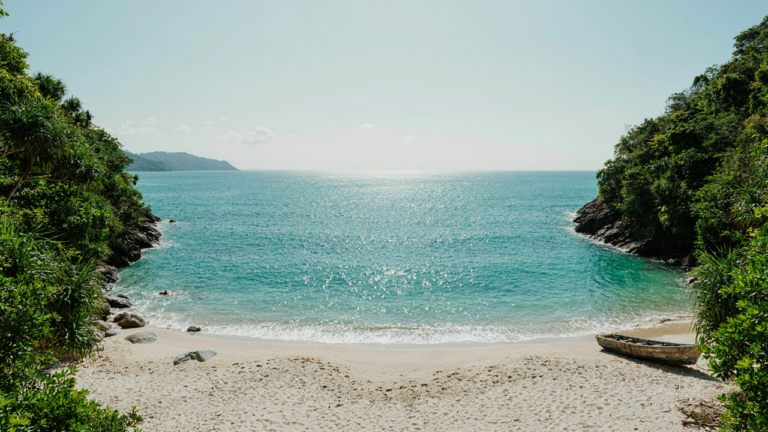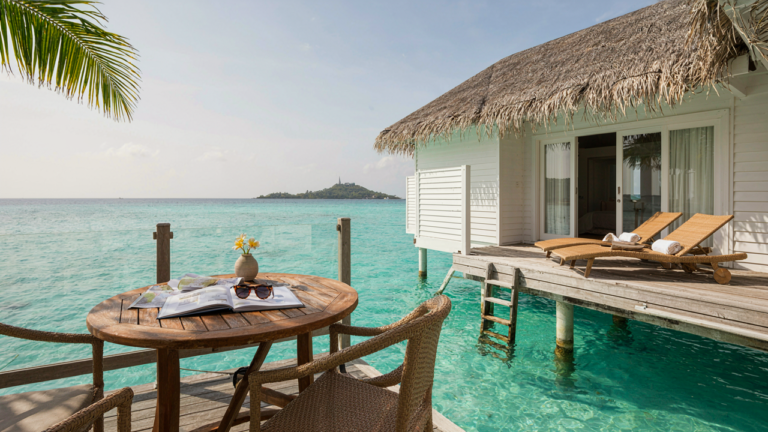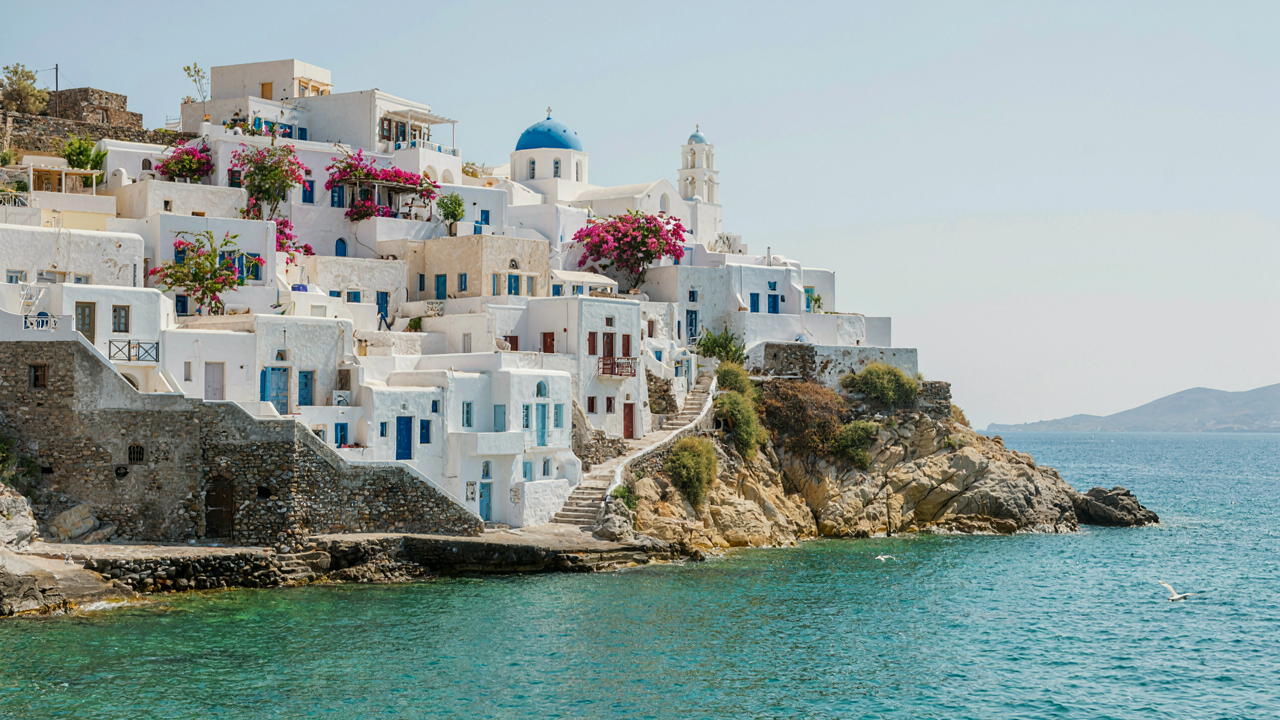
The Frugal Luxury Algorithm: Unlocking A High End Greece Honeymoon

Luxury Without The Price Tag
You want to feel wealthy on someone else’s budget. The mechanism is simple: luxury isn’t a price point, it’s the elimination of friction between you and an experience. In Greece, this means abandoning the resort model entirely. Resorts charge you for the privilege of being managed. Instead, rent a private home in a village where tourists don’t cluster, eat where locals eat, and move without a schedule. The cost drops sixty percent while the actual experience scales up dramatically because you’re not paying for someone else’s infrastructure.
The real luxury operation in Greece runs on specificity, not spending. A private terrace overlooking the Aegean at sunset costs nothing extra if you book the right rental. A meal at a taverna where the owner’s family cooks costs eight euros and tastes better than anything in Mykonos Town at fifty euros. The difference isn’t the food or the view. It’s that you’re not paying the middleman tax that comes with being in a branded location. Luxury compounds when you remove layers of unnecessary people between you and what you actually want.
Strategic Splurges For Maximum Impact
Economics calls this concept “comparative advantage” but for honeymoons it means spending money only where it creates outsized memory value. Don’t spread your budget evenly across accommodation, food, and activities. Concentrate it. Choose one element that matters most to your actual relationship, then starve everything else. If you want the private boat experience, rent a modest studio in a less famous island and book the boat. If you want Michelin-level meals, stay in a cheaper village and travel to one restaurant worth the trip.
Splurging strategically means tracking the actual return on emotion per euro spent. A forty-euro dinner in Athens delivers a specific memory. A four-hundred-euro private sunset boat tour delivers something your brain files differently. Book the boat. Skip the expensive hotel breakfast and buy coffee from a local bakery instead. The mechanism is surgical: identify which three experiences will define this trip six months from now, allocate seventy percent of your budget there, and let everything else compress into basic comfort. This is how you get a ten-thousand-euro honeymoon on a five-thousand-euro budget.
Beyond Santorini: Uncharted Greek Honeymoon Destinations

Where Locals Actually Live
You want the Instagram version of Greece without the Instagram prices. That’s the real reason you’re reading this. The mechanism is simple: tourist density determines cost. Where crowds concentrate, vendors raise prices. Where they don’t, you pay local rates. The difference isn’t subtle. A meal in Santorini costs triple what it costs forty kilometers away. Same food. Same quality. Different crowd size.
Naxos, Paros, and Antiparos sit in the Cyclades but operate on a different economic layer than their famous neighbors. Locals outnumber tourists outside peak season. You’ll eat at tavernas where the owner’s family cooks. Rooms rent for half what you’d pay on Santorini. The infrastructure exists because people actually live there, not because tourism built it. You get the architecture, the light, the sea access without the markup.
Real Prices Live In The Margins
The consensus advice says “go off-season.” That’s incomplete. Timing matters, but location matters more. A crowded month in an uncrowded place still costs less than a quiet month in a famous place. Economics, not romance, drives honeymoon budgets. The pressure point isn’t when you go—it’s where you go.
Lesbos, Samos, and Rhodes operate outside the Cyclades hype cycle. Each has distinct character. Lesbos has olive oil villages and mountain towns where tourism barely registers. Samos offers dramatic coastlines and archaeological sites without the resort infrastructure that inflates prices. Rhodes has history dating to the Knights Hospitaller, beaches, and a divided attention span between north coast resorts and everything else. Book accommodations directly with owners instead of platforms. You’ll cut costs twenty to forty percent and get actual intel about where to eat.
The Local Leverage System: Mastering Greek Honeymoon Itinerary Logistics
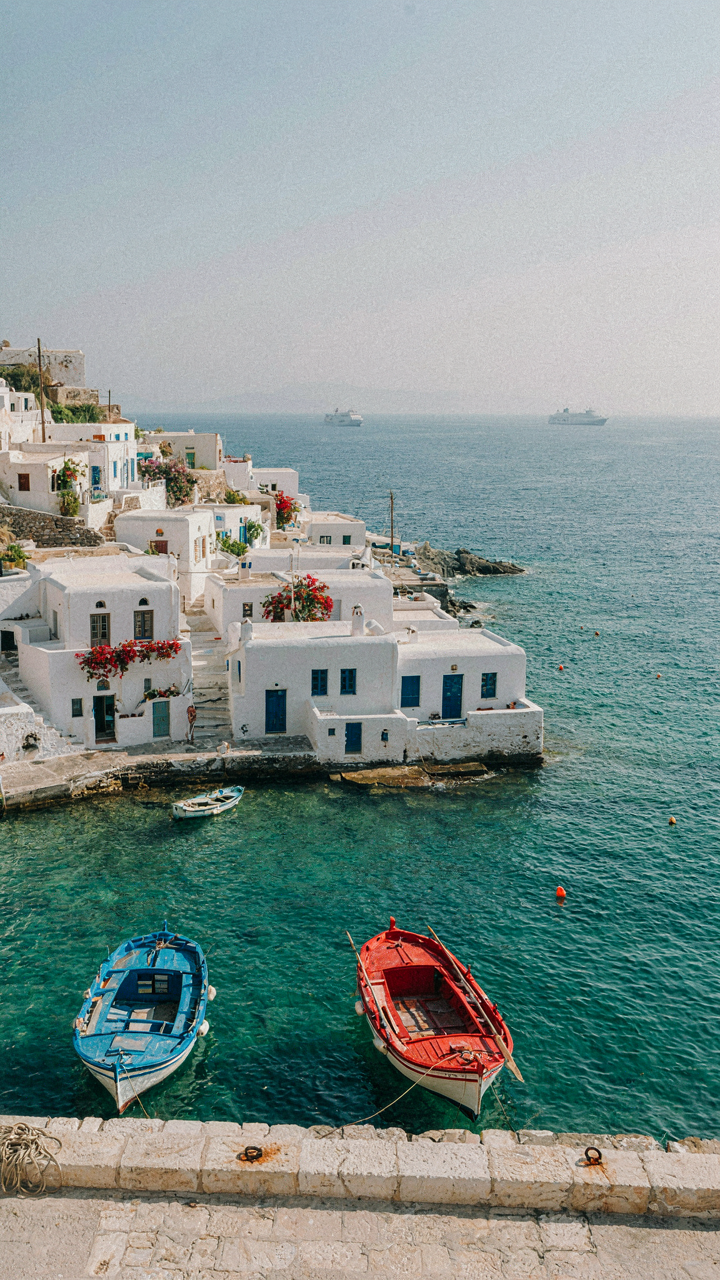
Getting Around Without Bleeding Money
You want to feel like you’re traveling smart, not like a tourist getting fleeced at every checkpoint. The real mechanism here is modal switching: in economics, it’s the principle of matching your transportation method to the actual density and distance you’re covering. Greece forces this choice constantly, and most couples pick wrong because they don’t map it.

Public buses (KTEL) connect islands and mainland at 40-60% less cost than private transfers. Ferries between islands run on fixed schedules year-round, with regional operators (Blue Star Ferries, Hellenic Seaways) offering deck passage cheaper than cabins. Local taxis exist but meter manipulation happens; use Beat app instead. On islands under 15 kilometers, your legs and rented scooters beat all motorized options. Book ferry tickets 3-7 days ahead—prices spike when availability drops, not because demand fluctuates randomly but because operators enforce yield management.
Timing Your Moves Like Supply Actually Works
The consensus says “travel in shoulder season.” That’s incomplete. What actually matters is understanding Greek tourism operates on three distinct demand curves, and you need to exploit the gaps between them.
- Late August to early September: Peak summer tourists leave; ferry schedules remain frequent but prices drop 15-25%. Hotels still staffed fully. Greek families travel then, not foreigners.
- November to early December: Winter pricing activates but ferries run reduced schedules on minor routes. Major islands (Crete, Rhodes, Mykonos) maintain service. Hotels discount 30-40%.
- Mid-January to late February: Deepest discounts (40-50% below peak), but 20-30% of restaurants and accommodations close entirely. Ferry schedules thin significantly on minor routes.
- Early May to mid-June: Sweet spot most people miss. Weather stabilized, water swimmable, prices 20-30% below July-August. Greek schools still in session, so fewer family groups competing.
- Early October: Summer prices collapse overnight as school starts. Ferries maintain summer frequency for two more weeks. Hotels 25-35% cheaper than September.
The mechanism is simple: book travel components separately by demand zone, not as bundled packages. Ferry prices move first (3-4 weeks out), accommodation second (2 weeks out), restaurant availability last (1 week out). Hit each market at its actual inflection point instead of guessing a single “best time.”
Accommodation Alchemy: Transforming Stays Into Savings

Where Resorts Fail Your Budget
You want to feel like you made the smart choice, not the cheap one. That’s the real tension here. Resorts price themselves on perceived value, not actual value. Economics calls this “price discrimination”—charging different segments different amounts for nearly identical service. A resort charges you a premium because you’re on your honeymoon. A guesthouse charges you its rate because that’s what it costs to operate.

Guesthouses and family-run boutique stays in Greece operate on direct margins. No corporate overhead. No brand tax. You pay for beds, breakfast, and the owner’s labor. The owner lives on-site. They care about repeat bookings and word-of-mouth more than upselling you spa packages. You get the same Aegean view, same stone walls, often better food, and thirty to fifty percent lower nightly rates. That’s not a compromise—that’s the mechanism working in your favor.
Timing Beats Negotiating
Everyone tells you to book early or use discount codes. Both miss the real lever: occupancy patterns. Hotels discount aggressively during low-demand windows because an empty room generates zero revenue. This isn’t theory—it’s how hospitality math works.
Book during shoulder season, not peak summer or winter holidays. May, early June, September, and October see lower occupancy in most Greek destinations. Rates drop visibly. You avoid crowds simultaneously. If you’re flexible on dates within these windows, book Thursday to Sunday departures instead of Friday to Monday. Mid-week stays cost less. Call guesthouses directly rather than booking through platforms. They avoid commission fees and often quote lower prices to direct bookers. Lock your rate in writing via email. This creates accountability and prevents unexpected charges.
Culinary Economics: Eating Well Without Overspending
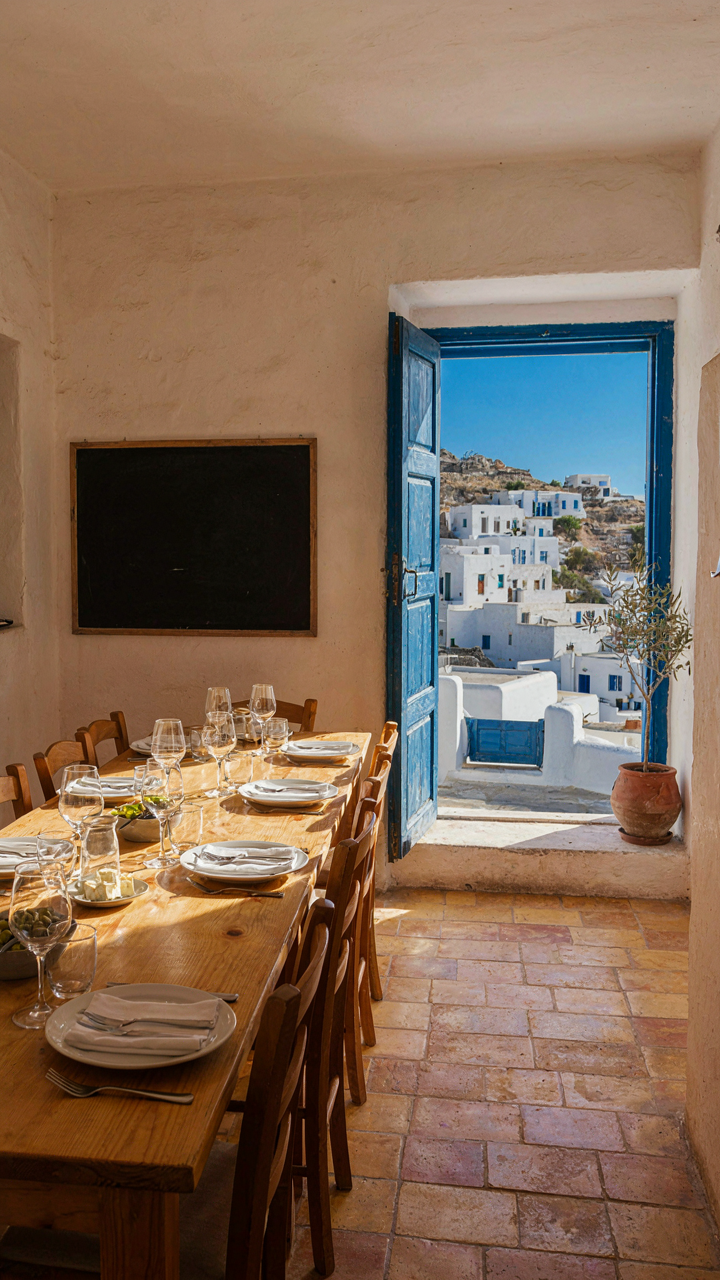
Where Locals Actually Eat
You want to feel like you discovered something real, not like you paid triple for it. That’s the actual mechanism at play. Greek tavernas operate on razor-thin margins because locals won’t pay resort prices. When you eat where Greeks eat, you’re not getting a discount—you’re paying the actual cost of food plus labor.

The difference between a beachfront restaurant and a neighborhood taverna in Athens or a village square in Crete isn’t quality. It’s foot traffic and real estate. A taverna in Plaka charges what it does because tourists walk by every thirty seconds. A taverna three blocks inland charges half that because it needs repeat customers from the neighborhood. The food comes from the same suppliers. The cook has the same training. Economics, not cuisine, sets the price.
Restaurants Designed To Trap You
Tourist-trap restaurants don’t advertise. They position themselves on the path from your hotel to the beach. They have laminated menus with photos and five languages. They stand outside calling people in. The moment you see all of this, you’ve already lost the price negotiation because location did the selling.
The real filter is simple: if a restaurant has a view of something tourists came to see, you’re paying the tourism premium, not the food premium. Skip the seafront taverna with the sunset view. Walk inland. Find the place with plastic chairs, a chalkboard menu in Greek, and a line of construction workers at lunch. Order what they’re eating. You’ll spend two-thirds less and eat better food because the chef isn’t plating for cameras.
Activity Arbitrage: Maximizing Experience Per Euro

Free Cultural Sites And Natural Wonders
You want the Instagram moments without the Instagram price tag. Here’s what actually works: Greece charges entrance fees to maybe 15 percent of its archaeological sites. The rest sit open, unguarded, and free. This isn’t a loophole or insider secret—it’s how Greek cultural policy works. The mechanism is simple: major sites fund themselves through tourism revenue while smaller sites rely on government maintenance budgets that barely exist. You benefit from that underfunding.

The Acropolis costs money. The walk up Filopappos Hill across from it costs nothing and gives you better views of the Acropolis. Delphi charges entrance. The sanctuary at Asklepieion near Epidaurus in the Peloponnese is equally significant archaeologically and completely free. Natural wonders follow the same pattern: Meteora’s rock formations are free to walk between. Samaria Gorge charges a small entrance fee but thousands of unmarked gorges and mountain trails across the islands charge zero. The arbitrage isn’t finding hidden gems—it’s noticing that the Greek tourism industry only monetizes 20 percent of what’s actually worth experiencing.
Self Guided Adventures Versus Organized Tours
The common advice says organized tours are expensive and self-guided is cheap. That’s incomplete. What actually matters is transaction cost, not price per hour. An organized tour removes friction: someone else handles logistics, timing, language barriers, route decisions. You pay for that removal. Self-guided adventures redistribute that cost to your time and attention instead of your wallet. But time compounds—a bad self-guided hike in August heat or a wrong ferry booking costs you an entire day plus frustration. The real mechanism is that you’re trading money for certainty.
Self-guided works when the payoff justifies the friction: hiking between villages in Crete, island-hopping with your own ferry schedule, exploring neighborhoods in Athens without a script. Self-guided fails when the friction exceeds the experience gain: trying to navigate a private boat rental without experience, attempting rock climbing without instruction, or timing a Santos sunset without knowing the logistics. Run the math backward. If an organized tour costs 60 euros and saves you four hours of uncertainty across two days, calculate whether your time is worth less than 15 euros per hour. If it is, book the tour. If it isn’t, navigate it yourself.
The “Scarcity Mindset” Fallacy: How Abundance Mentality Transforms Your Trip

What You’re Actually Afraid Of Losing
You’re scared you’ll waste money. That’s the real thing driving this section. Here’s what economics calls opportunity cost: every euro you spend on one thing is a euro you can’t spend on another. In Greece honeymoon planning, most couples frame this as a problem to solve through deprivation. They cut experiences instead of cutting waste. Economics shows the mechanism differently. You don’t have a money problem on a Greece honeymoon. You have an allocation problem. The constraint isn’t your budget. It’s your decision-making framework.

Most couples traveling Greece operate from scarcity. They track every meal, every taxi ride, every entrance fee like they’re running a deficit. This produces a specific outcome: they miss the trades that actually maximize value. A couple spending forty euros on a bad taverna in Mykonos town instead of fifteen euros on the same meal five blocks away has lost thirty euros to poor information, not poor budgeting. Scarcity thinking makes you reactive. Abundance thinking makes you strategic. One responds to prices. The other responds to value.
Strategic Trades That Actually Work
Game theory teaches us that utility maximization isn’t about spending less. It’s about winning the exchange. In Greece honeymoon decisions, this means identifying which categories drive disproportionate satisfaction and which are commodity purchases. Your hotel room in Naxos Town produces more utility per euro than your hotel room in Mykonos Town because the actual sleep and shower output is identical, but the cost ratio is one to three. That’s not deprivation. That’s information.
The real move: spend aggressively on the three categories that create differentiation in memory and experience. Those are meals in local villages off the tourist grid, private boat rentals for specific days, and midweek timing in high-demand islands. Cut ruthlessly on everything else. Transportation between islands uses ferries, not private speedboats. Accommodation uses studios in working towns, not resort hotels. This isn’t sacrifice. It’s the protocol that gives you better experiences at lower cost. Map where your euros generate actual returns. Then move all your capital there.
Navigating A Mediterranean Honeymoon Itinerary With Finesse

When To Add Italy To Your Greece Trip
You want to seem cultured without admitting you’re scared Greece alone won’t feel “complete.” Here’s the mechanism: Italy and Greece operate on different cost structures and seasonal rhythms. Adding Italy works only if you understand the math. Greece stays cheap year-round. Italy inflates dramatically June through September. A combined trip only makes budget sense if you spend more time in Greece and treat Italy as a brief accent, not a co-equal destination. Most couples reverse this and hemorrhage money.
The real constraint is transportation friction, not distance. Flying Athens to Rome costs thirty to sixty euros one-way on budget carriers like Ryanair or Wizz Air. The problem isn’t the flight price. It’s the hidden cost: airport transfers, timing around flights, and the psychological load of repacking. You lose a half-day minimum on each transition. If your honeymoon is under ten days, skip Italy entirely. If you have twelve days or more, a three-day Italy add-on works only if you fly into Rome and out of Athens, never reversing the route.
The Real Bottleneck Between Destinations
People think ferry routes are the binding constraint between Greek islands and mainland options. They’re wrong. Schedules are. Ferries from Athens to Mykonos, Santorini, and Crete run daily, but departure windows cluster in early morning or late afternoon. You cannot control this. Book your inter-island movement around ferry schedules first, then build accommodation dates backward. Most budget travelers do it opposite and waste money on last-minute bookings or miss ferries entirely. The winning protocol: lock ferry tickets sixty days before travel, then book hotels to match ferry times, not the other way around.
Flying between islands costs more than ferries but saves days on a tight budget. Aegean Airlines and Olympic Air charge eighty to one hundred twenty euros per person for thirty-minute flights. The math only works if that saved day lets you skip a paid hotel night elsewhere. One fewer night in Mykonos (expensive) versus one hour on a ferry (cheap) often favors the flight. Calculate the per-hour cost of your time against accommodation savings before dismissing air travel as wasteful.
Avoiding Budget Traps: What Not To Do In Your Greek Honeymoon

The Mistakes That Drain Your Account
You want to feel smart about money without actually changing your behavior. That’s the real reason you’re reading this. The mechanism is simple: most honeymoon couples spend 40-60% more than planned because they make the same preventable errors tourists have made for decades. They don’t track daily spending, they eat where they see crowds, and they book activities without comparing prices across platforms.
- Eating at waterfront restaurants in tourist zones: Prices run 3-4x higher than streets one block inland. A moussaka costs €18-22 on the harbor versus €6-8 in a local spot. The view is not worth the markup.
- Booking tours through your hotel: Hotels take 40-50% commission on excursions. Book directly with tour operators or through GetYourGuide and save money instantly.
- Renting a car for your entire stay: Daily rates plus fuel, tolls, and parking add up fast. Rent only for specific day trips, use taxis or buses for daily movement.
- Paying ATM fees repeatedly: Withdraw cash once at a bank ATM, not tourist ATMs. Tourist ATMs charge €4-6 per withdrawal. One withdrawal saves you €20-40 on a two-week trip.
- Buying water and drinks at hotels: A bottle costs €5-7 inside. Buy from a periptero (kiosk) for €1-2, or refill from your hotel tap.

The pattern is visibility bias. You see the luxury option first and convince yourself it’s a one-time exception. It never is. You’ll make this call twelve times during your honeymoon, and the exceptions add up to your entire food and activity budget disappearing.
The Costs Nobody Warns You About
Hidden costs operate like compound interest in reverse: small unnoticed expenses erode your buffer faster than obvious ones. The Greek economy runs on transaction fees, seasonal markups, and forced minimums that travelers encounter only when the charge appears on their card.
Port taxes and resort fees don’t appear in the base price. If you island-hop, ferries add port taxes of €3-5 per journey. Some islands charge beach facility fees. Credit card companies charge currency conversion fees of 2-3% on every transaction. These aren’t scams, they’re structural costs built into how tourism operates. You preempt them by paying in cash at ATMs, booking ferries directly (not through aggregators), and verifying total price before confirming any reservation. The last step matters most: every booking platform in Greece reserves the right to add fees at checkout. Screenshot the price breakdown, confirm the final number matches your expectation, then pay.
The Real Obstacle Isn’t Money; It’s Your Inability To Distinguish Status From True Value

Most people spend money to prove something happened instead of experiencing what actually happened. You’ll blow your budget on Instagram-worthy restaurants while missing the taverna where locals eat for five euros and tell stories that matter. The Greece honeymoon budget guide works because it forces you to choose experiences over flex. Today, scroll through your planned itinerary and delete one expensive activity. Replace it with something free that locals do. You’ll return home richer than the couple who maxed their credit card proving they were there.