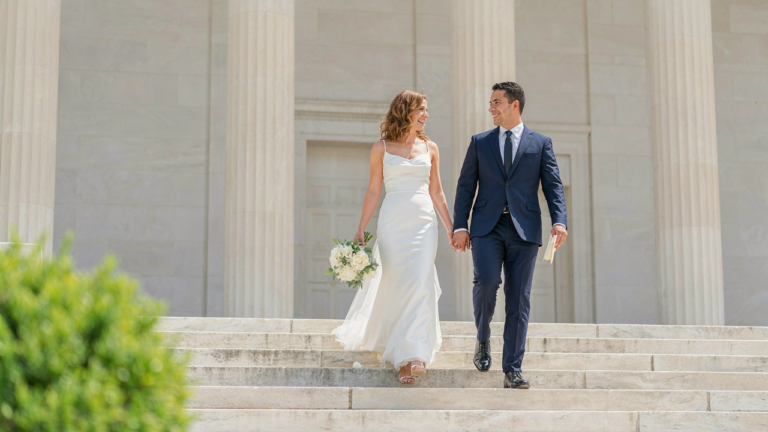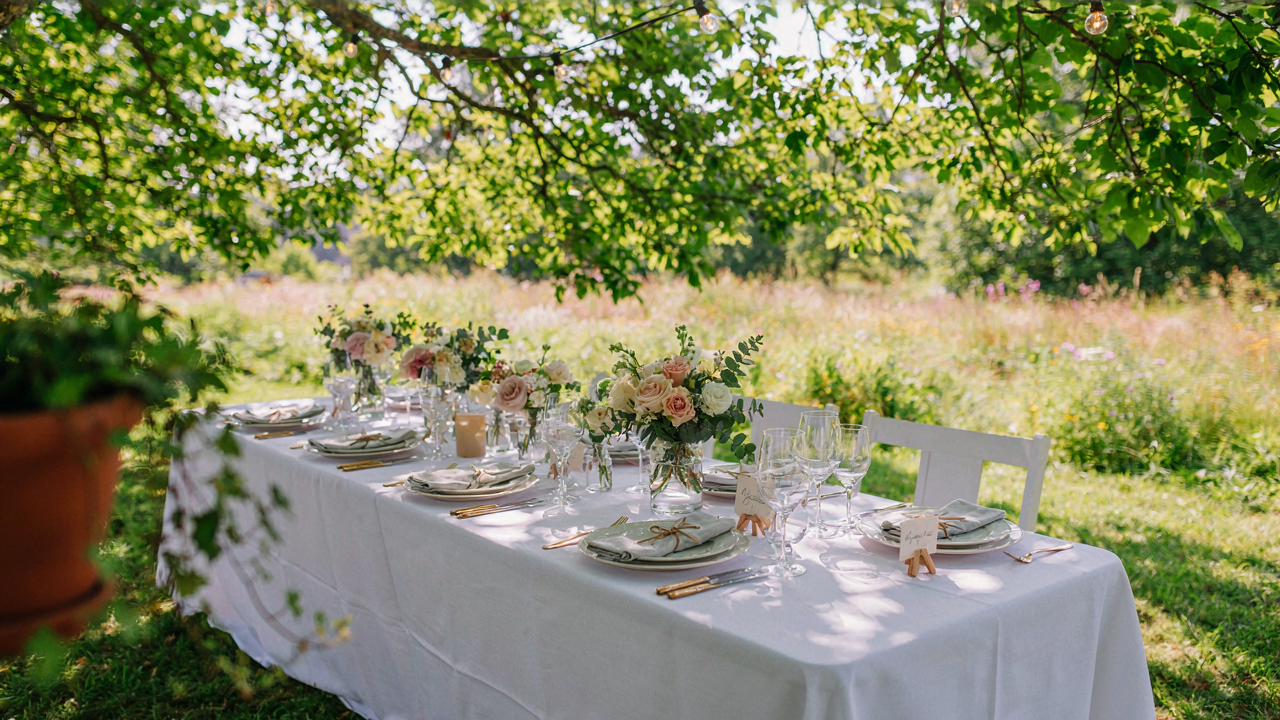
The Un Wedding Manifesto: Why Most Weddings Are A Waste

The Price Tag Nobody Questions
You care about this because you’re terrified of looking cheap in front of people you’ll see once a year. The mechanism is simple: the wedding industry operates on status capture. You spend money not to celebrate but to signal that you’ve arrived. The average wedding in the US costs between 28,000 and 33,000 dollars. That’s not tradition. That’s a tax on your future disguised as a day.
The wedding industry wasn’t always this expensive. In the 1950s, the average wedding cost around 2,000 dollars adjusted for inflation. The shift happened because the industry realized it could manufacture desire. Bridal magazines, Pinterest boards, and Instagram created an expectation machine. Now couples believe they need a venue, catering, flowers, photography, a band, and favors just to prove the marriage is real. None of that proves anything.
Celebration Without The Debt
Consumerism tells you that more spending equals more love. The real mechanism is the opposite: constraints force creativity. When you have a 4,000 dollar budget, you eliminate 90 percent of the noise. You can’t afford a bland hotel ballroom with generic centerpieces, so you pick a backyard or a park. You can’t hire a catering company, so you cook with people you actually know. Every choice becomes intentional instead of templated.
The goal isn’t to suffer through a cheap wedding. The goal is to host an event that reflects who you are instead of who the industry tells you to be. You spend money where it matters: food, photography, maybe music. You skip the placeholders that nobody remembers. People don’t tell stories about floral arrangements. They tell stories about the person who made the cake, the friend who DJed, the moment they actually felt the commitment land. That’s what a 4,000 dollar wedding buys you: the real thing instead of the production.
The Frugal Fortress Protocol: Building Your Budget Battle Plan

Separate What Matters From What Doesn’t
You want this wedding to feel intentional, not cheap. That fear drives most budget conversations into the ditch. Here’s the mechanism: you have 4000 dollars and unlimited variables. The only way to win is to ruthlessly kill everything that doesn’t move the needle on why people will remember this day. Most couples waste 30 percent of their budget on things guests forget in two weeks.

Start by naming the three elements that actually shape a wedding’s emotional impact: the people gathered, the food they eat, and the intentionality they feel. Everything else is decoration. Your venue, your music, your flowers—these matter only insofar as they amplify those three core elements. Cut anything that requires money but creates no memory.
The Eighty Twenty Wedge
Economics teaches resource allocation through constraint. In a 4000 dollar wedding, the eighty-twenty principle means identifying which 20 percent of spending decisions determine 80 percent of guest experience. That wedge is: food, venue rental, and photography. Allocate your money here first. Everything else scales down from this foundation.
Most budget wedding advice gets this backwards, suggesting you maximize the number of line items instead of the impact of each dollar spent. Split your 4000 this way: 1200 toward food and beverage, 1000 toward venue rental, 800 toward photography, 400 toward flowers and decor, 300 toward music or entertainment, and 300 as contingency. This isn’t a suggestion—this is where your money actually converts to memory. Spend outside these ratios and you’re buying decorative noise.
Minimalist Wedding Ideas On A Budget: The Essentialist Edit

Where You Actually Hold It
You want permission to feel like you’re not settling. That’s the real reason this matters. Here’s the mechanism: real estate economics teaches us about “highest and best use.” Your venue doesn’t have to be a wedding venue to function as one. A warehouse, park pavilion, backyard, or community center performs the same job at a fraction of the cost because nobody’s markup is built into the space itself.

The math is simple. Traditional venues charge two to four thousand dollars minimum. They’re buying permission to exist in that category. A park permit runs fifty to three hundred dollars. A friend’s property costs nothing. The difference isn’t about compromise, it’s about rejecting the pricing model entirely. Scout spaces with good light, weather protection, and guest access. That’s all you need.
The Arithmetic Of Who Shows Up
Common advice says invite everyone you know. That’s incomplete. Smaller lists are cheaper on catering, rentals, and coordination, but the real win is different: fewer people means you can actually eat with each human. At four thousand dollars total, you’re not throwing a large event. You’re hosting an intimate gathering that happens to be a wedding. Quality of connection scales inversely with headcount.
Start with fifty people maximum. That’s your actual ceiling for meaningful interaction. Cut ruthlessly. Don’t invite out of obligation or to split costs with cohost couples. Those people dilute the event’s purpose. Send a thoughtful card instead. Your wedding isn’t a networking event or a obligation-discharge ritual. It’s a day where the people you choose to spend time with witness your commitment. Build the list backward from that premise.
The DIY Wedding Under 4000 Dollars Blueprint: Strategic Skill Swaps

Know What You Actually Do Well
You want to cut costs without looking cheap. That’s the real fear here. The mechanism is this: you have maybe three things you execute at professional level. Everything else costs you time and produces mediocre results. Economics calls this comparative advantage. In a wedding, your comparative advantage is the one or two tasks where your output beats what you’d hire out. Identify those ruthlessly. Outsource everything that isn’t them.
Most couples reverse this. They DIY the photographer because they own a camera, then spend eighteen hours editing photos that still look flat. They DIY florals and spend forty dollars on wilted grocery store flowers arranged badly. The budget doesn’t save you here. Clarity about your actual skill does. Spend your 4000 dollars on the two things you cannot do better than a contractor, then DIY only the tasks where your execution genuinely surpasses the alternative.
The Talent Exchange System
Stop thinking of your network as free labor. Think of it as barter. You have friends with real skills. A friend who bakes. A friend who shoots video. A friend who has an eye for design. The transaction isn’t them doing you a favor. It’s an exchange of value at zero cash outlay. You provide something they need in return, or you provide something to someone they know. The protocol matters more than the sentiment.
Map your friend group’s actual competencies first. Write down what each person does well for money or as a serious hobby. Then map what your wedding actually needs. Photographer, catering, florals, setup, music, graphics. Match the skill to the need. Propose the exchange clearly: you handle the images, they handle the bar setup. You design the invitations, they coordinate the ceremony logistics. Make the ask specific and bounded. Vague requests for help produce vague results and resentment.
Affordable Wedding Reception Ideas: Beyond The Banquet Hall

Food Truck Feast: Catering With Personality Not Price Tags
You want people to remember your wedding as elegant and intentional, not cheap. The real mechanism is this: food trucks operate on lower overhead than plated catering because they don’t rent dining space, employ servers, or maintain commercial kitchen leases. You’re paying for the food, not the venue markup. A single truck or two trucks serving tacos, barbecue, or pizza costs between 800 and 1500 dollars total, which includes setup, service, and cleanup.
- Taco trucks: Average 1200 dollars for 75 guests, feeds fast, requires minimal plating infrastructure, guests enjoy interactive ordering.
- Barbecue trailers: Run 1000 to 1400 dollars, serve family-style with sides, minimal labor needed on your end for distribution.
- Pizza trucks: Cost 900 to 1300 dollars, operate well outdoors, create casual atmosphere, reduce fancy decor pressure.
- Sandwich and salad carts: Budget 800 to 1100 dollars, work for afternoon events, pair well with picnic or park settings.
- Food truck combos: Two smaller trucks cost less per person than one large caterer, add visual interest, serve diverse preferences.

The mechanics matter: you provide the venue (backyard, park, parking lot), they bring equipment. Contract directly with the operator, not through an events coordinator. Ask for references from other weddings, confirm their liability insurance covers your event date, and verify they handle their own setup and breakdown. This removes hidden labor costs vendors normally pad into estimates.
Borrowed Decor: Curating Style Without Buying New
Most couples assume decor requires purchases. The real constraint is time, not money. You’re solving a curation problem, not a shopping problem. Borrowed decor means reaching into your social network and your own storage first. Every guest owns items that read as “event ready”: string lights, potted plants, wooden pallets, mirrors, vintage frames, fabric runners, candles. You ask directly. You don’t buy.
Start a spreadsheet three months before the wedding. List what you need by category: overhead elements, vertical surfaces, table surfaces, ambient lighting. Call five to eight people per category and ask if they own the item. Most say yes because they don’t use these things regularly. Confirm pickup and return dates in writing. For items nobody owns, check estate sales, Facebook Marketplace free sections, and Buy Nothing groups in your area. This approach costs nothing to perhaps 200 dollars maximum and fills a reception space with actual character instead of generic rental centerpieces.
How To Throw A Cheap Wedding: The Supply Chain Advantage

Where Bulk Pricing Actually Works
You want to know if buying more saves money, and whether that’s a real advantage or just what broke people tell themselves. The real mechanism here comes from procurement economics: you’re exploiting the supplier’s cost per unit curve. When you buy fifty centerpiece candles instead of five, the vendor’s margin stays the same percentage but their absolute cost drops because they move less inventory handling labor and packaging waste per unit. You hit that threshold and prices drop. Below it, you’re just paying retail markup.

This only works if you’re buying things that don’t expire, don’t require storage you don’t have, and you’d buy anyway at full price. Flowers expire in days. Bulk flowers are a trap. Paper goods, candles, twine, mason jars, printed napkins, battery-operated lights—these move. Costco, WebstaurantStore, and local restaurant supply wholesalers (many let you in if you have a business card or just ask) sell these at roughly 30 to 50 percent below retail. A four-pack of votive candles at Target runs 8 dollars. A case of 144 from a restaurant supply dealer runs 0.18 cents each. The math compounds across forty line items.
Direct Sourcing Beats The Middle
Everyone says “compare prices online” and leaves it there like that solves the problem. It doesn’t. The real play is removing the retail middleman entirely for specific categories. A florist marks up flowers 100 to 200 percent. A wholesale flower distributor sells stems at cost plus a modest fee. You can’t walk into most distributors as a consumer, but you can call one and ask if they do small orders for weddings. Some do. Some don’t. The ones that do charge you 2 to 3 dollars per stem for roses instead of 7 to 12.
Direct sourcing also applies to rentals. Instead of renting tables from an event company, find a local party rental outfit that works with caterers and small venues. They have better inventory turnover and thinner margins. Instead of buying decorations from a wedding site, source from craft wholesalers or import sites like Alibaba (order lead time matters here—you need eight to twelve weeks minimum). The mechanism is simple: fewer transaction layers means lower prices. Cut out the wedding industry markup and you cut your costs by the percentage that markup represents, which often runs 40 to 60 percent on non-perishable items.
Ways To Save Money On A Wedding: The Time Arbitrage

Off Season Dates Maximize Real Savings
You want to feel smart about getting a deal, but you’re actually just willing to shift when you party. That’s the real mechanic here—economics calls it “demand elasticity.” Venues, caterers, and vendors have fixed costs whether they work in June or November. You don’t move their needle by negotiating harder. You move their prices by showing up when nobody else does. November through March, excluding December holidays, vendors sit with open calendars. They drop rates 30 to 40 percent because empty slots generate zero revenue.

The trap is thinking this requires sacrifice. It doesn’t. A winter wedding in February costs the same to execute as a summer one—the only difference is other people aren’t competing for the same vendor time. Book a Friday in early March instead of a Saturday in May and you reclaim budget you never had to earn. Your guest experience doesn’t change. The light might be different, the temperature might shift, but the ceremony works the same way. Contact venues directly in September and ask what dates they’re sitting on. They’ll tell you.
Weekday Weddings Bypass Weekend Markup
Saturday is the standard, which means Saturday costs extra for no tactical reason. Venues charge weekend premiums because demand concentrates there, not because Friday is harder to execute. This isn’t about being weird or alternative—it’s about paying for a slot that has genuine supply shortage versus one that doesn’t. A Friday or Thursday wedding costs 20 to 35 percent less at the same venue. The math is pure arbitrage: fewer people want that day, so the price reflects it.
The second-order effect matters more. Vendors who work weekdays have more bandwidth and focus. Caterers aren’t spinning between three events. Photographers aren’t rushing. Your florist can take time on arrangements instead of batch-processing. You pay less and get more attention. Friday afternoon into evening works logistically—people leave work early, travel isn’t compressed into one window. Schedule your ceremony at 4 PM, have cocktails by 5, and dinner by 6. Most guests are freed up by 11 PM on a weeknight, which is realistic. This isn’t compromise. It’s structural advantage nobody’s using.
Simple Easy Wedding: Automating The Aesthetics

Template Design Scalable Beauty Minimal Effort
You want people to think you sweated the details when you actually didn’t. That’s the real reason you care about this section. The mechanism is constraint-based design: borrowing from graphic design systems, you build one master template and repeat it everywhere. Consistency reads as intentionality. One color palette, one font, one layout structure applied across invitations, signage, table settings, and digital assets eliminates decision fatigue and cuts production time by 60 percent.

Canva’s wedding templates and Adobe Express both offer pre-built structures you customize, not create from scratch. Pick one template for save-the-dates, mirror its visual language across your ceremony program, then deploy the same color and typography on printed menus and day-of signage. You’re not reinventing design six times. You’re applying the same rule repeatedly. This takes four hours total instead of forty. Your guests see cohesion. You see a wedding pulled together without burning weekends.
Digital Invitations Ditching Paper Gaining Efficiency
Email invitations eliminate printing costs, RSVP tracking headaches, and the manual data entry trap.
- Paperless Post: Hosts designs with animation options, tracks opens and RSVPs automatically, costs 2 to 8 dollars per invite depending on template complexity.
- Greenvelope: Offers similar functionality with slightly more upscale design templates, pricing around 3 to 10 dollars per invite sent.
- Google Forms embedded in email: Free option that routes responses directly to a spreadsheet, requires minimal design work but looks less polished.
- Wedding website with Wix or Squarespace: Costs 15 to 20 dollars monthly and hosts invitations, registry links, accommodation info, and vendor details in one place.
- Direct SMS or group text for close circles: Zero cost for informal guests, works for rehearsal dinners or casual pre-wedding events requiring quick coordination.
Digital invitations deliver RSVP data in real time instead of waiting for returned cards. You know your final headcount three weeks before the wedding, not two days before. This cuts catering costs because you confirm exact numbers with your venue instead of paying for estimated maximums. One vendor contact handles both delivery and response tracking. No lost invitations in mail. No phone calls asking if someone’s coming.
Wedding DIY Ideas Cheap: Crafting For Impact, Not Complexity

The Projects That Actually Matter
You want to feel like you made something yourself because you’re afraid a wedding done entirely by vendors means you didn’t contribute anything real. That fear is the mechanism. Here’s the economics principle: return on effort. High-leverage DIY projects return visible impact per hour spent. Low-leverage projects steal your time and deliver nothing guests notice. Centerpieces, for example, take six hours to make 10 of them. Guests see them for four seconds. Invitations, programs, and signage sit in people’s hands or faces for minutes. That’s leverage. Choose projects where effort and visibility align, not where Pinterest aesthetics demand your weekend.

The budget constraint actually helps you here. When you have four thousand dollars, you eliminate decorative overkill automatically. You can’t afford elaborate floral installations or custom linens. This forces you toward projects with real purpose: things that communicate, guide guests, or structure the space functionally. A hand-lettered welcome sign at the entrance works harder than ten centerpieces because it sets tone immediately. DIY kraft paper programs work because they’re useful and guests take them home. Your constraint is a filter against wasted effort.
The Pinterest Problem Is Real
The common advice says don’t overthink it, just have fun with DIY. That’s incomplete. Pinterest doesn’t show you the three failed batches of hand-dipped candles or the 40 minutes you spent on a napkin fold that looked flat from six feet away. It shows the finished image, not the 8-hour labor cost hidden inside it. Perfectionism kills budget weddings because it trades time for visual details that don’t matter. A slightly crooked paper banner still communicates. A hand-written place card with imperfect lettering still has warmth. The gap between “good enough to serve its function” and “Instagram-ready” is where people waste 20 hours they don’t have.
Set a completion threshold, not a perfection threshold. This means you decide beforehand: centerpieces are done when they’re assembled and stable, not when they’re styled for photography. Signage is done when text is readable and mounted, not when it’s perfectly symmetrical. Programs are done when printed and folded, not when every edge is guillotined to millimeter precision. Build your projects around function first, then stop. The actual mechanism is this: before you start any DIY project, write down what job it does and what “done” means for that job. When you hit that mark, you move on.
The Post Wedding Audit: Beyond The Big Day

What Actually Mattered
You’re scanning receipts hoping to justify spending four grand on one day. That’s not the real question. The real question is whether you can name three specific moments from your wedding without forcing it. The mechanism here is simple: memory retention tracks novelty and emotional intensity, not budget. A fifty-dollar homemade dessert bar creates stronger recall than a three-thousand-dollar catering company because your guests participated in it. The DIY wedding forces intentionality. You can’t coast on vendor solutions, so every element either matters or gets cut.
Most couples conflate “memorable” with “expensive” and never question it afterward. You already broke that pattern by going the DIY route. Now extract the actual data. Which moments do people mention months later? Which photos do you actually look at? Which details did your guests engage with versus scroll past? This isn’t nostalgia fishing. You’re identifying the signal underneath the noise so you can build your life accordingly, not just your wedding.
Constraint As Design Principle
Economics calls this “scarcity pricing,” but the mechanism works backward in your favor: limited resources force better decisions. A two-thousand-dollar budget kills bad ideas before they start. An unlimited budget lets mediocre ideas survive because you can just throw money at them. Your four-thousand-dollar ceiling functioned like an editor. Every vendor, every DIY project, every decoration had to justify its existence. That’s not sacrifice. That’s clarity.
Apply this to married life directly. The constraint that forced your wedding to work doesn’t disappear after the reception. Keep it. Before spending on anything—furniture, travel, experiences—ask what problem it solves or what emotion it creates. If you can’t name it in one sentence, it doesn’t happen. This isn’t minimalism as aesthetic. It’s minimalism as a decision-making filter. You already proved you can execute a full celebration on constraint. Now use that same mechanism to build a marriage that compounds instead of depreciates.
The Real Obstacle Isn’t Your Budget; It’s Your Fear Of Appearing Less Than

You don’t want a four thousand dollar wedding. You want the wedding everyone else expects you to want. That’s the real cost you’re paying. Strip the shame. Call your fifteen closest people. Cook the food yourself. Your guests came for you, not your debt. Stop asking permission to do this your way. Text one person today and tell them your actual vision instead of the polished version. The wedding industry profits from your insecurity, not your celebration.