The Marrakech Wedding Mirage: Beyond The Instagram Filter

What You’re Actually Buying When You Book The Riad
You want proof that you matter. That’s why the riad matters to you. The mechanism here is simple: Instagram has trained your brain to conflate location with status, and Morocco delivers that visual currency harder than anywhere else. But what you’re actually purchasing when you book a centuries-old riad isn’t the aesthetic. It’s the operational chaos hiding behind the filtered tile work.
Riads operate on a different system than Western venues. They have no standardized infrastructure. One riad’s “capacity” means something completely different at another. Water pressure varies. Electrical capacity is inconsistent. Many don’t have commercial kitchens, which means your caterer needs to work around cramped traditional spaces. The romantic authenticity you paid for becomes a logistical liability the moment you need to serve 80 people a three-course meal.
The Cost Trap Built Into Popular Venue Markups
The venues everyone knows about charge premium rates because they’ve already absorbed the foreigners willing to overpay. Palais Namaskar, La Mamounia, Dar Anika—these places have pricing power because their Instagram presence does the selling work for them. You don’t negotiate with a location that has ten years of wedding photos proving its value.
But here’s what gets buried: the local riads without English websites or social media charge 40 to 60 percent less for identical spaces because they rely on word-of-mouth and local recommendation. The bride tax doesn’t exist there yet. You find these venues through local wedding planners on the ground in Marrakech or Fes, not through destination wedding websites. The moment you book through an international platform, you’ve already paid the markup. Switch your search method entirely, or accept that you’re paying for the convenience of finding it in English.
The Morocco Elopement Protocol: Surgical Strike Planning

Cut The Guest List Ruthlessly
You want people there to validate the event happened. That’s the real cost driver nobody admits. Military strategy calls this force reduction: removing non-essential assets to maximize operational effectiveness. A Morocco destination wedding budget scales linearly with headcount—venue, meals, logistics, accommodations all multiply with each added person. The median guest adds $500 to $1,200 in total spend depending on what you’re covering.

Stop inviting out of obligation. Invite the people who change the experience or the ones whose absence creates visible awkwardness. Most guests blur together in memory anyway. A 30-person wedding in Morocco costs radically less than a 100-person wedding, even at identical per-person spending. The math is unforgiving and non-negotiable.
Compress The Timeline And Location
The common advice is to spread events across multiple cities to show guests Morocco. This is expensive nonsense. Pick one location—Marrakech, Essaouira, or the Draa Valley—and lock in for 3 to 4 days maximum. Logistics compression cuts transportation costs, reduces accommodation nights, simplifies vendor coordination, and eliminates the hidden expense of moving people between riads and hotels.
A single-location protocol means one venue handles ceremony and reception. You negotiate one rental package instead of hunting multiple properties. You use the same catering team. Guests stay in one place. The ceremony happens Friday or Saturday morning, celebration follows the same day or the next. Anything longer bleeds money into logistics overhead that adds nothing to the actual event quality.
Beyond The Riad: Unconventional Morocco Wedding Venues

Desert Camps And Kasbahs: Built For Scale
You want the venue nobody else has booked yet because you think exclusivity signals taste. The real mechanism is scarcity economics: fewer accessible options means lower per-head costs and higher perceived value. Desert camps and kasbahs operate on occupancy models, not premium positioning. Book the shoulder season (April-May or September-October) and you negotiate room rates 30-40% below peak pricing while keeping the dramatic backdrop.

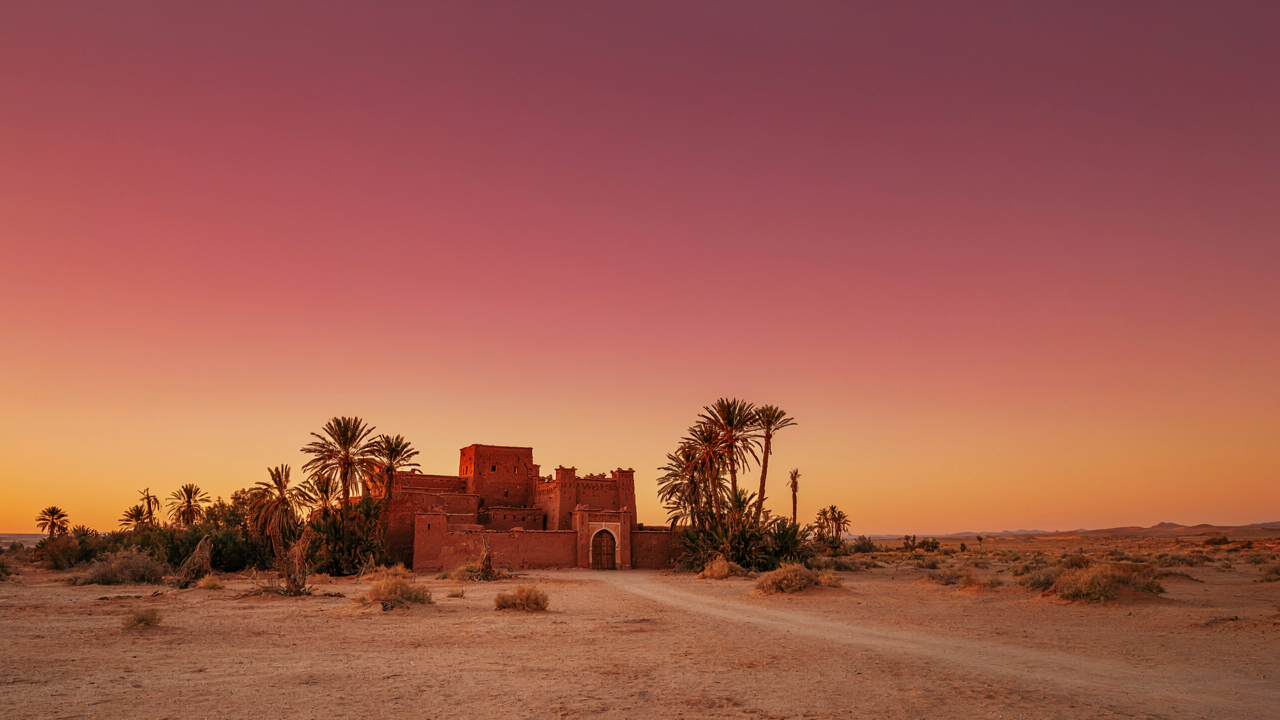
Kasbahs are fortified structures built centuries ago with mud brick and clay. Desert camps range from Bedouin-style canvas setups to semi-permanent structures with running water and electricity. The operational cost difference between a full-service riad and a desert venue is visibility and staffing. A riad needs constant ground staff for foot traffic. A desert camp consolidates service into event weekends only. Confirm generator capacity, water sourcing, and whether the venue handles logistics or expects you to hire external coordinators before signing contracts.
Coastal Towns: Atlantic Breeze Advantage
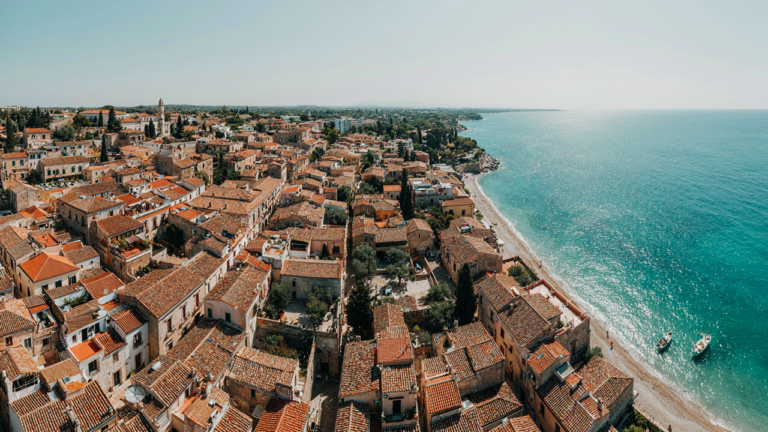
Stop believing coastal weddings cost more. The real constraint in Morocco’s Atlantic towns like Essaouira and Taghazout is infrastructure, not demand. You’re competing against fewer couples because most planners assume beach equals resort markup. Rent a private property with ocean views through Airbnb or local agents and handle catering through independent teams. Your total spend drops 40-50% versus booking a hotel venue.
Wind is the tactical advantage nobody plans for on Morocco’s coast. Atlantic breezes cool outdoor ceremonies and keep guests comfortable during long receptions. Logistics matter more than ambiance here: confirm parking for 100+ guests, backup shelter for sudden weather shifts, and whether the property owner permits amplified sound. Coastal towns enforce noise ordinances more strictly than inland areas. Schedule site visits during your intended ceremony time to observe wind patterns and shadow angles. Contact the local municipality beforehand to file noise permits and avoid last-minute shutdowns.
Local Leverage: Mastering Moroccan Wedding Vendor Dynamics

Cut Out The Middle Man
You want to feel confident you’re not overpaying, which means you’re terrified of looking naive. The real mechanism is this: wedding packages in Morocco work like markup arbitrage. A coordinator buys vendor services at local rates, then sells them to you at Western rates, pocketing 40-60% margin. Your job is to access the same vendors directly and remove that layer entirely.

Direct sourcing requires speaking to florists, catering operations, and riads without a coordinator filtering the conversation. Contact venues first, then ask for their preferred vendor list. Most riads work with the same photographers and caterers repeatedly. These vendors already know the property’s logistics and pricing structure. You negotiate once, not through an intermediary who has no incentive to lower your total cost.
- Riad owners and wedding coordinators: They maintain vendor relationships and can introduce you directly. Ask specifically for vendors they work with outside formal packages, not their commission-based referrals.
- Local Instagram accounts of florists and photographers: Moroccan vendors post portfolio work publicly. DM them with your dates and budget. They respond faster to direct inquiries than booking platform inquiries.
- Wedding forums and expat groups in Marrakech or Fez: Facebook groups dedicated to Morocco expats contain vendor recommendations with recent pricing. Members share negotiated rates openly.
- Hotel concierges at mid-range properties: They know vendor costs because they book weddings regularly but have lower margins than luxury resorts. They’ll share realistic pricing if you ask directly.
- WhatsApp as your primary communication channel: Moroccan vendors prefer WhatsApp over email. Pricing discussions move faster here. Send photos of your vision and ask for quotes same-day.
The vendors you find this way quote you 30-50% lower than package prices because they skip the coordinator’s cut. You still pay them fairly. They benefit from direct business. The only person who loses margin is the middleman, which is exactly who should lose it.
The Real Negotiation Is About Timing
Negotiation isn’t about talking someone down from a price they quoted you. That’s amateur hour. Economics teaches you that price reflects scarcity. In Morocco’s wedding market, scarcity isn’t about the vendor being booked—it’s about your wedding date falling during high season or a local holiday.
Book your wedding during low season (August, September, January, February) and your negotiating position shifts dramatically. Vendors have open dates and prefer guaranteed income over empty calendars. A caterer with three weddings booked in March will negotiate. The same caterer with twelve bookings won’t budge. This is leverage economics. Your role is to understand when vendors need you more than you need them, then schedule accordingly. That single decision cuts costs 20-35% before you say a word.
Currency Conversion Chaos: Your Financial GPS For Weddings In Morocco

When The Exchange Rate Moves Against You
You care about this because you’ve already committed money in your home currency and Morocco’s dirham doesn’t move in your favor. Economics treats currency like any volatile asset: exposure without a hedge is just gambling dressed up as planning. The Moroccan dirham trades against major currencies daily. When you lock in USD to MAD six months out, you’re betting on stability you don’t control. That bet compounds across vendor payments, deposits, and final settlements.

The dirham typically fluctuates 2-4% against the dollar within a quarter, which on a 100,000 MAD wedding budget swings 2,000-4,000 MAD either direction. Most couples ignore this until the final payment arrives higher than their spreadsheet promised. You need a conversion protocol, not hope. Lock rates on your largest expenses first: venue, catering, photography. These three items usually represent 60-70% of your total spend, so fixing them eliminates most volatility exposure.
Hidden Fees That Compound Across Every Transaction
Transaction fees are the mechanism that erodes your budget in increments small enough to ignore individually. Banks and money transfer services layer 2-4% on top of the exchange rate on every single payment, whether you’re wiring deposits to your Moroccan wedding planner or paying vendors directly. That’s not the exchange rate slippage. That’s profit extraction on top of currency movement.
Most couples move money 4-6 times during planning: initial planner deposit, vendor advance payments, mid-planning adjustments, final settlement, and last-minute additions. Each transaction bleeds 2-4% to the institution processing it. On a 100,000 MAD budget moved across five transactions, you lose 4,000-20,000 MAD just to fees. Use a single transfer method for all vendor payments, not a different service for each vendor. Wire everything through one Moroccan business account your planner controls to collapse transactions and eliminate redundant fee layers.
The Moroccan Wedding Dress Code: Pragmatism Over Pomp

Fabric And Comfort In Desert Heat
You’re worried the bride will look uncomfortable in photos and that you’ll waste money on a dress that destroys itself in sweat. The mechanism is simple: Morocco’s climate operates like thermal physics—the wrong fabric absorbs and traps heat instead of releasing it, turning your investment into a liability. Linen, cotton blends, and silk naturally shed moisture and temperature. Polyester and heavy satin do the opposite. A dress that costs half as much but breathes will photograph better and last longer than an expensive synthetic that clings by hour three.

The Saharan regions and coastal cities hit different temperatures, but humidity is the real problem. Tangier and Marrakech both spike humidity in summer months. You need fabric that moves air across skin. Wool is off the table entirely. Seek natural fibers with a tight weave, not loose gauze that falls apart. If the dress has a liner, it must be breathable. Test any rental or purchased dress in a warm room for at least two hours before committing. The fit should feel loose enough to move, not tight enough to restrict airflow.
Respect Without Sacrificing Your Vision
Everyone says “dress modestly” and leaves you guessing what that means. The real rule is biochemical and social: exposed skin in certain contexts reads as disrespect to specific groups within Moroccan culture, not as liberation. The distinction matters because you’re not adjusting for strangers—you’re adjusting for family, vendors, and the imam or officiant who may attend. Shoulders, knees, and cleavage are the zones. Cover them and you remove friction. Don’t, and you create an unnecessary obstacle that costs you nothing to prevent.
Your wedding dress doesn’t need to be floor-length or shapeless. It needs to have sleeves or a shawl. Knee coverage or a full skirt. A neckline that doesn’t dip past the collarbone. These constraints actually force better design choices because they eliminate the crutch of revealing skin. Pair a high-neckline dress with a statement belt, intricate embroidery, or structured tailoring instead. The vendor relationships you build and the cultural goodwill you earn by this small adjustment directly lower costs elsewhere—better food pricing, smoother logistics, fewer complications. Start your dress search with these boundaries locked in before you price anything.
DIY Or Die: Strategic Delegation For Your Morocco Wedding Destination

Know What You’re Actually Capable Of
You want to feel in control because handing off tasks feels like losing control. That’s the real fear. The mechanism is simple: you have maybe 40 hours per month to manage this wedding. Morocco adds distance, time zones, and vendor relationships you don’t have. Pretending you can handle everything yourself burns those 40 hours on low-leverage work like email chains with photographers instead of decisions only you can make.

Audit your actual skills against the critical path. Can you negotiate in French or Arabic? Have you managed remote vendors before? Do you know Moroccan wedding logistics, permit requirements, or seasonal weather patterns? Be honest. Most people can’t. The couples who waste money in Morocco are the ones who try to DIY tasks that require local knowledge or language skills, then hire expensive fixers later to clean up the mess.
The Constraint That Wins
Military strategy calls this the “decisive point”: identify the one bottleneck that kills everything else if it fails. For a Morocco destination wedding, that bottleneck is almost always venue logistics and vendor coordination on the ground. You cannot manage that from your home country through emails and Zoom calls. You need someone there who speaks the language, knows local vendors, and can solve problems in real time.
Delegate this first. Everything else branches from it. Once venue and core vendors are locked, you can handle invitations, timeline communication, and guest logistics yourself. The ROI on hiring a local wedding planner or day-of coordinator in Morocco is not emotional. It’s mathematical: they prevent the vendor meltdowns and timeline collapses that cost thousands in last-minute fixes. Define the scope you’ll keep and the scope that requires local hands on the ground.
Travel Hacks For Your Marrakesh Wedding Crew

Group Booking Leverage
You want to feel like you negotiated something, like you saved money through intelligence rather than luck. The real mechanism is simple: airlines and hotels price dynamically based on booking patterns. When they see ten rooms reserved together, they trigger group rates because filling volume matters more than per-unit margin.

Most wedding planners quote you group rates passively, as if they’re doing you a favor. Push back. Hotels in Marrakesh negotiate aggressively on room blocks of eight or more, especially during shoulder seasons. Get your planner to lock rates in writing at least ninety days before arrival, with a guaranteed price floor. The difference between standard and group rates on accommodations runs fifteen to twenty-five percent—that’s real money applied across fifteen to twenty guests.
Off Peak Timing Wins The Math
Timing is leverage in economics: you control scarcity by choosing when demand drops. Marrakesh sees peak tourism March through April and October through November. Book your wedding in January, February, August, or September and flight costs fall thirty to forty percent while hotel rates drop twenty to thirty percent. That’s not compromise—that’s the mechanism itself.
The pushback you’ll hear: those months are “hotter” or “less ideal.” August heat is real, but it’s manageable with indoor venues and afternoon breaks. More importantly, your budget absorbs the savings into better catering, a stronger musician lineup, or photography upgrades that actually matter. Coordinate guest travel through one booking window and inform them of the date early. The crew books flights together at the lower rate, and no one negotiates alone at the last minute.
The Real Obstacle Isn’t Your Budget; It’s Your Fear Of Doing Things Differently

Most people don’t plan a Morocco wedding because they imagine it requires more money than a traditional venue. They’re wrong. They’re scared of the unfamiliar. They want the safety of what everyone else does. But Morocco forces you to make decisions instead of defaulting to templates. That friction? That’s where the magic lives. Stop researching Morocco weddings today and instead book one call with a local planner. Your budget doesn’t determine your wedding, your willingness to think differently does.