The “Luxury Lite” Croatia Wedding Protocol: Less Is More, Smarter

What You Actually Need Vs. What You’re Told To Buy
You’re afraid you’ll look cheap. That’s the real reason you’re reading this section. Here’s the mechanism: wedding culture profits from your status anxiety, so it invents categories of spending that feel mandatory but aren’t. Economics calls this artificial demand creation. In Croatia, this means distinguishing between what moves the needle on your day and what moves money into vendor pockets. The couple marrying on a Dalmatian island doesn’t need a choreographed first dance, a welcome cocktail, monogrammed napkins, or a videographer capturing every angle. They need food, drink, a place to gather, and their people present.
Non-negotiables are the skeleton: venue, catering, legal documentation, photography. Everything else is scaffolding you can strip. Flexible elements—florals, décor, entertainment, favors—create atmosphere but cost exponentially more than their impact justifies. Croatia’s strength is already built in: the Adriatic backdrop costs nothing. Your job is identifying what actually enhances the experience versus what just fills silence. Ask yourself before every expense: does this change how my guests feel, or does it just look expensive in photos? The answer determines whether you book it.
Experience Over The Instagram Moment
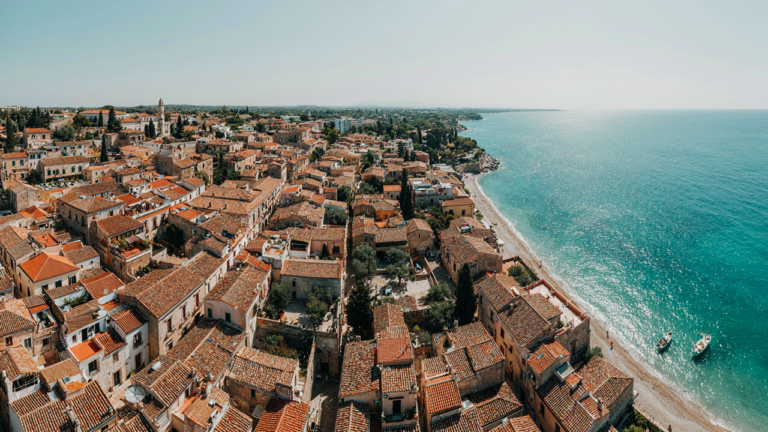
Experiences stick. Aesthetics fade in memory within weeks. A three-course dinner on a terrace overlooking the Dalmatian coast stays with guests for years. A table linen upgrade they won’t remember by dessert does not. This is not motivational advice—it’s how human memory works. Croatia wedding budgets fail when couples front-load spending on visual elements (flower arrangements, uplighting, chair covers) instead of investing in what people actually consume and remember: the meal quality, the wine selection, the view, the access to the host.
Prioritize the reception dinner as your primary spend category. Quality food and wine in Croatia cost less than equivalent offerings in Western Europe, which means your budget stretches further when directed here. Book a venue with inherent beauty rather than renting one that requires heavy decoration. Skip the florals budget entirely and use seasonal produce as table settings—lemons, olives, bread, herbs. Hire a single photographer who shoots candidly instead of posing people. Build a guest experience that relies on what Croatia already provides: natural light, coastline, local ingredients, and the ability to eat and drink for hours without the setting feeling thin.
Beyond Tourist Traps: Unearthing Authentic Croatia Wedding Venues

Village Halls And Hidden Konobas
You want to feel like you discovered something real, not like you bought a packaged experience. That desire matters because it’s where the actual savings live. Most couples don’t realize that village halls and family-run konobas operate on a completely different economic model than branded venues. A village hall in Dalmatia or Istria costs a fraction of a “destination wedding” property because the owner isn’t marketing to international clients or carrying a renovation debt.

The mechanism is simple: local venues have zero brand premium. A konoba in a small town near Rovinj or in the Dalmatian hinterland rents for 500 to 1500 euros instead of 3000 to 8000 because locals handle logistics differently. You contact the owner directly, often through a local connection or Airbnb host. The space is raw, sometimes unfinished by tourism standards, which means you control the aesthetic completely. No forced décor packages. No mandatory catering markups built into the rental agreement.
Private Villas As Dual Function Spaces
Renting a villa consolidates two separate line items into one transaction, which fundamentally shifts your cost structure. Economics calls this vertical integration. You pay one owner for both venue and lodging instead of splitting that budget across a hotel and a wedding site, each with their own profit margins stacked on top.
A private villa rental in Croatia costs 2000 to 6000 euros per week depending on location and season. You invite 40 to 60 guests, they stay on-site, and the space functions as ceremony area, reception hall, and accommodation simultaneously. No transportation logistics. No separate venue deposit. No hotel rate negotiations for your guests. Contact villa owners directly through platforms focused on Croatian properties, then negotiate the wedding terms once they understand your group size and timeline.
The Supply Chain Disruption Method For Croatia Destination Wedding Costs

Cut Out The Wedding Planner Markup
You’re hoping a wedding planner will save you money by “knowing people.” They won’t. Wedding planners operate on commission and markup, which means every vendor interaction runs through a filter designed to extract margin. In supply chain economics, this is called the bullwhip effect: each intermediary adds cost without adding value, and the final buyer absorbs all of it. When you book a Croatian caterer directly instead of through a planner, you remove one entire markup layer. Most planners charge 10-20 percent of your total budget or flat fees starting at 2,000 euros. That’s money leaving your event before a single vendor gets paid.

The mechanism is simple: find vendors directly through Google Maps, Instagram, and local Croatian wedding Facebook groups specific to your region. Split your budget into categories: catering, photography, venue, florals, rentals. Call each vendor in your category and ask their direct rate. Compare three quotes minimum per category. Document everything in a spreadsheet. You now own the negotiation, not a planner who benefits from your ignorance about what things actually cost.
Consolidate Orders To Actual Negotiating Power
Bulk purchasing isn’t just for corporations. When you order flowers, linens, and rentals from separate vendors, you pay retail. When one vendor supplies multiple categories, they compete for your total spend, not your flowers order alone. This is how leverage works in procurement: concentrate your volume to create scarcity of your business for that vendor. A catering company in Dalmatia that handles your food, drinks, and rentals together has more incentive to discount than one fighting for just the catering contract alongside five competitors.
Identify vendors willing to bundle services. Ask your venue if they offer in-house catering and can recommend their rental partner. Ask your photographer if they work with a florist and decorator regularly. Build a relationship with one “anchor vendor” per region of your event, then funnel related purchases through them. Request itemized quotes that show per-unit costs so you see exactly where bundling discounts appear. The protocol: choose your venue first, then ask them for their preferred vendor list in other categories. Those vendors already have standing relationships and will price accordingly.
Rejecting The “Wedding Industrial Complex”: Real Value In Croatia Wedding Hvar

Season Timing Beats Decoration Budget
You’re worried that choosing an off-peak date means your wedding looks cheap compared to what you see on Instagram. That’s the real fear. Here’s the mechanism: venue pricing operates like airline revenue management. Peak season (June through September) inflates prices 40 to 60 percent above shoulder season rates. A venue charging 3,000 euros in July costs 1,800 euros in May. The same physical space. Same staff. Same view of the Adriatic. The only variable is perceived scarcity.

Off-season dates hit differently because fewer couples compete for inventory, so vendors drop prices without signaling lower quality. May and September in Hvar deliver identical weather to June with zero degradation in the actual event experience. You’re not sacrificing anything real. You’re just refusing to pay a premium for a date that other people decided was fashionable. Book your wedding in late May or early September and redirect that 1,200 euro savings into catering or photography where guests actually notice the difference.
Inherent Beauty Requires Zero Staging
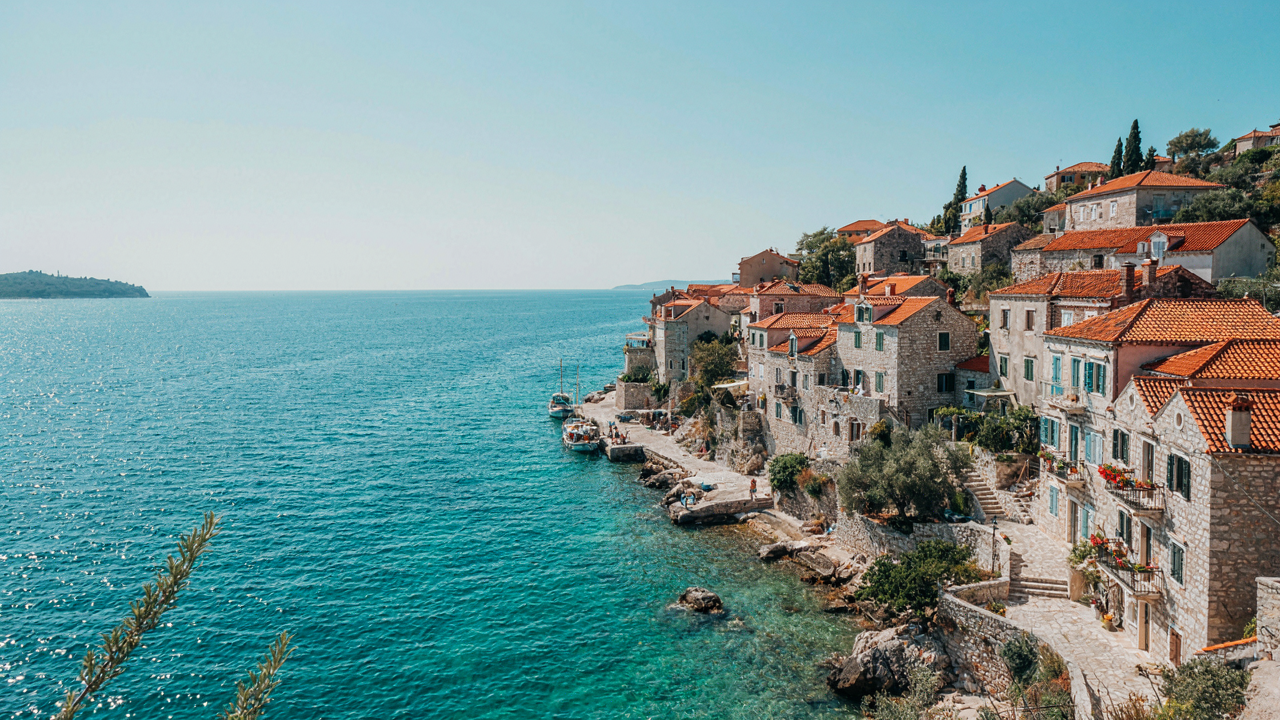
The consensus says you need a decorator to “elevate” a space. That’s backwards. Hvar’s architecture and coastline already solve the visual problem without intervention. Stone buildings from the Renaissance period, narrow streets designed by centuries of function rather than trend, water that reflects light in ways no lighting rig can replicate. These elements cost you nothing extra because they’re part of the venue rental.
Artificial decor competes with inherent beauty instead of complementing it. Excessive florals, string lights, and fabric draping distract from what made you choose Hvar in the first place. Skip the decorator markup entirely. Order simple linens in white or cream. Let stone and sea do the heavy lifting. The mechanism is subtraction creating clarity instead of addition creating noise. Guests remember the setting, not the centerpieces you spent 2,000 euros to assemble and dismantle in six hours.
Strategic Venue Selection: Wedding Venues In Zadar Croatia & Beyond

Zadar’s Trade Off: Proximity Versus Price
You want Zadar because it’s on the map, because other couples picked it, because the photos look clean. That’s status anxiety dressed up as logistics. The mechanism here is supply and demand economics: Zadar’s accessibility to international flights and its Instagram reputation created scarcity in the venue market. Venues charge premium rates because demand outpaces supply, and couples compete on willingness to pay rather than on finding actual value.

The real cost of Zadar isn’t just the venue fee. It’s the compounding effect of vendor density. Hotels near Zadar’s old town charge 30 to 40 percent more than properties ten kilometers out. Catering companies mark up pricing because they know couples have already committed to the location. The math works against you before you sign a contract.
The Underpriced Regions Strategy
The common advice is to avoid “tourist trap” areas, which is vague nonsense that helps no one. The real play is understanding where tourism infrastructure exists but wedding tourism hasn’t saturated the market. Istria, particularly smaller towns like Motovun or Groznjan, have professional venues and catering. The Dalmatian coast south of Split has working wineries and restaurants with event capacity. The difference: vendors in these areas still compete on quality because they haven’t captured market dominance yet.
Visit venues in secondary regions during their low season. This forces them to negotiate. A venue losing three potential bookings in February needs revenue more than one in Zadar does. Ask directly what they’d charge for a Saturday in October versus July. The gap reveals actual margin. Then cross-reference their pricing against similar-capacity venues in Zadar. That number tells you exactly what you’re buying with the location premium.
The Pareto Principle Of Croatia Wedding Villa Expenses

Where Your Money Actually Goes
You want to feel like you’re making smart decisions, but you’re probably tracking the wrong costs. Economics calls this principle “leverage”—identifying which inputs produce disproportionate outputs. In Croatia villa weddings, 20 percent of expenses generate 80 percent of the guest experience. Most couples obsess over napkin colors while hemorrhaging money on invisible line items. The mechanism is simple: venue rental and catering dominate the total bill, yet couples spend emotional energy optimizing details that barely register financially or experientially.

Villa rental in Croatia ranges from 2,000 to 15,000 EUR depending on location and season. Catering runs 40 to 80 EUR per person for quality regional food. These two categories consume 60 to 75 percent of total budget for most 80 to 120 person weddings. Everything else—florals, music, photography, rentals—splits the remainder. The mistake is treating all expenses as equally important. They aren’t. Identify your villa cost and per-head catering rate first. Everything else cascades from those anchors. Most couples reverse this and pick centerpieces before locking venue logistics.
Cut Everything That Doesn’t Move The Needle
Eliminate non-impactful costs ruthlessly. This doesn’t mean cheap. It means identifying what guests actually remember versus what sits in your Pinterest board untouched after month one.
- Welcome cocktails with branded napkins: Guests drink, not read paper. Skip custom printing. Plain napkins cost pennies. Branded ones add 500+ EUR with zero ROI.
- Printed programs and place cards: Digital alternatives exist. Most programs end up in trash. One-page laminated card per table solves seating. 100 EUR max versus 800 EUR for printed individual cards.
- Elaborate floral installations nobody photographs: Guests don’t frame centerpieces. One statement piece at the entrance creates Instagram value. Distribute remaining budget toward food quality instead.
- Premium chair covers and linens for one event: Croatian villas provide functional tables and chairs. Rentals add 1,500 to 3,000 EUR for aesthetic only. Lighting transforms spaces cheaper than textiles.
- Late-night snack stations with custom signage: Midnight pizza from a local Dalmatian spot costs 300 EUR. Catered “gourmet late-night bites” run 1,500 EUR. Guests want food, not presentation hierarchy.
The real leverage move: reallocate these cuts into two areas. First, upgrade your wine and spirits selection—guests taste this directly. Second, extend catering hours or add a second dessert course. These changes cost less than abandoned decoration categories but generate measurable satisfaction. Protocol: list every planned expense under 500 EUR, delete half, reinvest savings into food and drink quality.
Micro Event Design: Wedding Venues In Split For Intimacy

Fewer Guests, Sharper Experience
You want to feel special without spending like oligarchs. That’s the real tension here. The mechanism is simple: economics of attention. In retail, this is called yield per square foot. In weddings, it’s yield per guest. Thirty people in a room matter more to each other than three hundred. Each person gets noticed. Conversations stick. Split’s smaller venues exploit this directly.

Small venues in Split force intentionality. You can’t hide mediocre planning with headcount. Every detail gets scrutiny because people actually talk to each other. The Dalmatian coast’s architectural texture works here: stone courtyards, narrow streets, intimate terraces naturally cap crowds. A forty-person wedding in a restored townhouse creates density that matters. Fifty people in a cavernous hall creates noise.
Food Strategy Over Volume
Common advice says serve fewer courses to save money. That’s incomplete. The real lever is ingredient selection and preparation method. Buy what Split’s markets already have in abundance: locally caught fish, Dalmatian wine, seasonal produce. Preparation costs less when you’re not flying in imported stock or employing elaborate plating.
Work with local caterers who operate at volume for tourists but can scale down for weddings. They know what works. A grilled fish course, local cheese board, and wine costs a fraction of multi-course molecular gastronomy. One strong dish prepared well beats three mediocre ones. Your guests remember the meal experience, not the menu’s length.
The “Lean Production” Model For Wedding Split Croatia Logistics

Cut The Planning Bloat First
You want to feel in control, so you build a planning system that makes you feel productive. That’s the real reason couples spend weeks on spreadsheets nobody reads. Apply lean manufacturing’s core principle here: eliminate waste before optimizing anything. In wedding logistics, waste isn’t materials. It’s communication loops, redundant decisions, and vendor coordination steps that add zero value to the actual event.

Split’s geography works for you on this front. The city is compact. Most venues, caterers, florists, and rental companies operate within a five-kilometer radius. This proximity kills the standard logistical nightmare that plagues big-city weddings. One contact person at your venue handles setup coordination with other vendors already. Stop creating extra communication channels. Direct all vendor timelines through your venue coordinator, not through yourself to each vendor separately. This single shift cuts planning overhead by half.
Do It Yourself Only When You’re Actually Competent
Skip the generic advice about DIY everything to save money. That’s how you spend three hundred euros on materials, forty hours on execution, and deliver something that undermines the visual coherence of your event. DIY makes sense when your actual skill exceeds what you’d pay someone else to do badly. Split has affordable, competent labor for most tasks. Florals, decoration, and design execution are not where most couples have real expertise.
Your time is better spent on decisions only you can make: venue selection, guest list, photography style. Outsource tasks where the hourly rate of a local Croatian specialist is lower than your cognitive load of learning a new skill. A florist in Split charges fifty to seventy euros per hour for labor. Your education in floral design takes longer than the event. Hire it. A DIY project you actually own: playlist curation, ceremony script writing, or guest welcome details. These demand your judgment, not your hands.
Leveraging Local Expertise: Croatia Wedding Vendors You Can Trust

Cut Out The Middleman And Negotiate Directly
You want assurance that you’re not getting fleeced—that’s the real fear here. The mechanism is simple: every layer between you and the person doing the work adds cost and removes accountability. Negotiation in Croatia works like supply chain economics. When you remove intermediaries, you collapse transaction costs and gain direct access to price discovery. A caterer working directly with couples charges 30-40% less than the same caterer booking through an aggregator platform.

Most couples treat vendor pricing like it’s fixed, which it isn’t. Croatian vendors expect negotiation on package deals, especially for off-season bookings or smaller guest counts. Here’s what moves: call the venue directly, ask for the owner, speak in English, and request their base rate without the platform markup. Season timing matters here—booking a venue in October costs substantially less than June, and the vendor keeps the full payment.
- Caterers and chefs: Contact restaurants directly. Many run private catering divisions not listed online. Request references from recent events and ask about ingredient sourcing in local markets to reduce costs.
- Photographers: Call independent photographers in Dalmatia or Istria directly. Platform fees inflate their rates by 25-35%. Negotiate package length and editing scope separately rather than accepting bundled offerings.
- Florists: Local flower growers in Split, Zadar, and Dubrovnik work cheaper than imported florists. Ask for seasonal flowers only and request direct arrangement pricing without retail markup.
- Venues: Manor houses and smaller estates often lack online booking systems. Call the owner, negotiate venue rental plus service staff rates separately to avoid inflated all-in packages.
- Transportation: Private bus and car rental operators negotiate on group rates. Get three quotes directly from companies, not tourism platforms, for point-to-point logistics.
Expect vendors to counter-offer. The first price you hear is rarely their floor. They price high for platform listings because those sites take 20-30% commission. When you show up as direct contact, you’ve already removed that friction. Your leverage is immediate booking and cash payment.
Referral Networks Beat Online Platforms Every Time
The online aggregator model creates a false sense of safety through reviews, but you’re actually paying for that illusion. Reviews on platforms like WeddingWire or The Knot filter through algorithmic incentive structures—vendors with higher prices get better visibility because they pay more for placement. This inverts quality signals. Your actual protection comes from human referrals, not star ratings.
Ask other couples who’ve married in your target region directly. Join Croatia-focused expat Facebook groups, Reddit communities for destination weddings, or contact past couples through venue websites. When someone recommends a vendor by name with specifics—”Our florist Maria did incredible seasonal arrangements and came in 20% under quote”—that’s unfiltered data. Document referrals with contact names and ask permission to use them when you reach out to the vendor. This creates immediate trust and often triggers discount behavior because the vendor knows reputation matters to someone in their circle.
Post Wedding Alchemy: Transforming Leftovers Into Lasting Memories

Flowers And Décor Get A Second Life
You want to feel like the wedding wasn’t wasteful, but the real mechanism is avoiding the sunk cost fallacy that makes you throw money away twice. Decorations and flowers in Croatia weddings represent material with actual reuse value, not sentiment. Fresh flowers wilt in days, but their containers, stands, and structures don’t. Dried flowers last months and cost nothing to preserve. The greenery from ceremony arches works in home arrangements or garden beds. Rental items return to vendors. Non-perishable décor elements—candles, linens, string lights—sell through local Facebook groups or donation networks at 40 to 60 percent recovery.
Most couples treat post-wedding décor as garbage removal, not inventory management. Document what you own versus rented before the event ends. Photograph each setup with item details. Contact local venues, event planners, or hotels immediately after your wedding and ask if they purchase used décor stock for upcoming events. Croatian communities have active wedding resale channels. Dried flower arrangements ship affordably and sell at craft markets. Store usable items in climate-controlled space for three weeks before listing them—rushed sales undervalue inventory.
Community Food Distribution Builds Real Capital
The economics here mirrors food waste reduction systems used by restaurants and caterers—you’re applying their capture mechanism to your surplus. Croatian weddings often produce 20 to 40 percent excess food because head counts shift and portions overshoot. Donating this to local organizations isn’t charity theater. It’s operational efficiency with a social return. Coordinate with your caterer before the event to identify which dishes stay shelf-stable and which require immediate distribution.
Contact local charities, retirement homes, or community centers in your wedding region 48 hours before the event. Provide exact menu details and quantities. Ensure your caterer uses food-safe containers for transport and includes preparation dates. Leftover wine and unopened bottles transfer easily to local establishments. Church organizations in coastal towns often coordinate meals for seasonal workers or residents between peak tourism. Most Croatian caterers already know these networks. Ask them directly which organizations they’ve worked with. This turns surplus into goodwill and eliminates disposal costs in one transaction.
The Real Obstacle Isn’t Your Budget, But Your Willingness To Reject Manufactured Expectations

You already know Croatia crushes expensive destinations on value. The real problem sits between your ears. Wedding culture trained you to spend money as a proxy for love. It didn’t. Stop scrolling luxury Pinterest boards today and ask yourself one question: what do you actually want? Not what Instagram expects. Not what your mom suggests. You. Write it down. That clarity costs nothing and changes everything. The couples who win on budget aren’t cheaper—they’re just honest about what matters.