The Anti Wedding: Why Courthouse Is The Ultimate Power Move

Stop Performing For An Audience You Don’t Respect
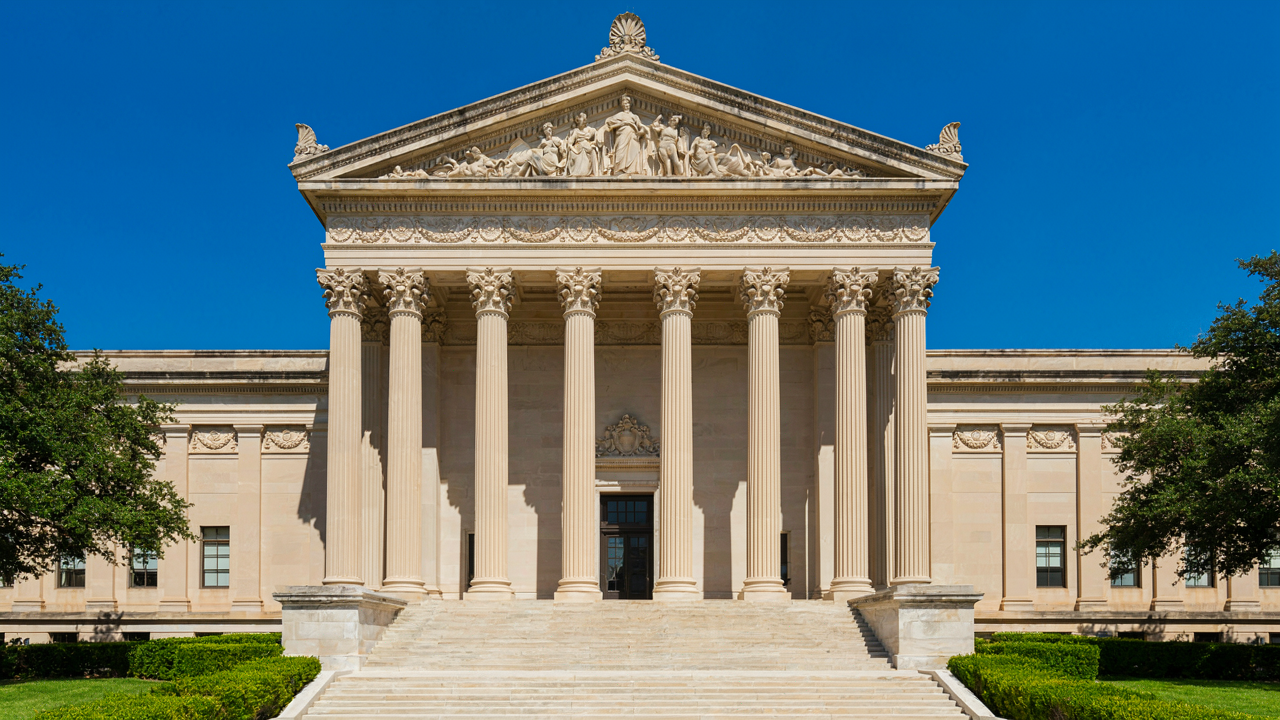
You care about this because you’re exhausted by the invisible pressure to prove something to people whose opinions shouldn’t matter. The mechanism is simple: traditional weddings operate on social proof. You invite an audience, perform compliance with their expectations, and the size of that audience signals your value. Courthouse weddings invert this entirely. You remove the audience. The ceremony becomes transaction, not theater. What remains is binding commitment without the tax of spectacle.
Most people frame courthouse weddings as budget solutions. That’s incomplete. The real win is reclaiming narrative control. You decide who witnesses the moment, how it happens, and what it means. No vendor timelines dictating your day. No social obligation to feed or entertain people who will forget the details within months. The courthouse wedding is the mechanism for declaring that your marriage matters to you, not to the crowd watching it.
Time And Sanity Return When The Production Stops
Wedding planning engages the same attention economy that advertising exploits. Pinterest boards, vendor negotiations, guest list mathematics, timeline coordination. You lose six to eighteen months to a single day. This isn’t about cost savings, though those exist. It’s about what economists call opportunity cost: what else could you build, learn, or create with that time and mental bandwidth.
A courthouse ceremony takes hours, not months. You file paperwork, schedule a date, show up with two witnesses. The decision-making is finite. No aesthetic debates about napkin colors or ceremony music. The cognitive load drops to near zero because the complexity has been engineered out. This simplicity isn’t deprivation. It’s liberation. You redirect that recovered time and energy toward the actual marriage, not its announcement. The celebration after can happen at your pace, on your terms, without the production overhead.
Ceremony Hacking: Maximizing Impact, Minimal Fuss

The Legal Framework Nobody Questions
You want this to feel official without the theater because you’re afraid a small ceremony won’t “count” in the eyes of people who don’t matter. Here’s the mechanism: courthouse weddings are legally identical to elaborate ceremonies. The law cares about three things only: valid marriage license, authorized officiant, and witness signatures. Everything else is voluntary performance.

Most couples waste mental energy on ceremony aesthetics when they should be running a pre-ceremony checklist against actual legal requirements. Get your marriage license ten to fifteen days before the court date. Bring valid ID and your partner’s ID. Confirm the courthouse has available appointment slots or walk-in hours. The officiant at the courthouse is already authorized. You need one or two witnesses depending on your state’s law. That’s the full scope of what matters legally.
Your Words, Not Borrowed Ones
Generic vows fail because they’re written for audiences, not for the person standing across from you. Write what you’d say if cameras weren’t allowed and nobody was watching. This means naming one specific commitment or behavior you’re making instead of restating emotional abstractions everyone already knows.
The difference is stark: “I promise to support you” is noise. “I’ll listen without planning my response when you’re upset” is a mechanism you both can track. Write two to three sentences maximum. Read them aloud alone first. If you stumble or feel self-conscious, cut it down further. Brevity forces clarity. Your officiant can read the state-required language. Your words fill the gap where meaning actually lives. Speak slowly enough that your partner remembers the words after you say them.
The Micro Celebration Blueprint: Strategic After Party Planning

Who Actually Needs To Be There
You’re worried the celebration will look sparse, which means you’re still measuring the day by attendance numbers instead of by what actually happens. Here’s the mechanism: invitation lists operate like a filter, not a megaphone. Economics calls this the concept of scarcity, and it applies here directly. Restrict the guest list to people who materially contributed to the relationship or the decision to marry. Not obligation invites. Not social debt. Not people you feel guilty declining.

The math is brutal. Every person beyond your core group dilutes the actual moment and inflates logistics. You end up managing people instead of experiencing the day. Courthouse weddings strip away the performance entirely. The after celebration should amplify that clarity, not reintroduce the noise you just escaped. Invite the people who show up for you when nothing requires them to.
The Right Room Beats The Wrong Statement
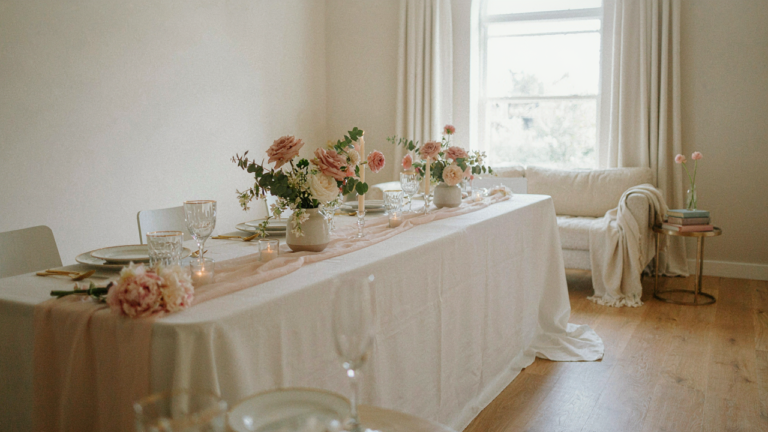
Most advice here pushes you toward restaurants or event spaces, which is lazy. The space should match the scale, not perform it. A corner table at a place you already frequent works better than renting something designed for ceremonies. Comfort operates differently than impression. You want furniture that doesn’t demand you sit upright for three hours. You want staff who know your name or at least don’t reset expectations every ten minutes. You want music you can talk over, not through.
Pick a venue where the environment recedes. The celebration shouldn’t compete with the space for attention. A private dining room in a neighborhood spot beats a curated loft. A backyard with catering beats a hotel ballroom. The constraint here is real cost efficiency, which means choosing based on intimacy and access, not on what photographs well. Book the space in writing at least two weeks prior and confirm headcount forty-eight hours before.
Post Nuptial Logistics: Avoiding Common Pitfalls

Sequencing What Actually Matters
You’re worried about looking disorganized in front of people you invited. That’s the real fear underneath this section. The actual problem is different: you don’t know which decisions block other decisions, so you waste energy on details that don’t matter while missing the ones that do. Project management calls this the critical path, and courthouse weddings have one too. Identify which tasks must happen before anything else can proceed.

Your critical path starts with venue booking for the celebration. Nothing moves forward without a locked location and time. Once you have that, you reverse-engineer every other task: catering timing, guest logistics, photography availability, backup weather plans if outdoors. Every other decision flows from this anchor point. The tasks that don’t sit on the critical path get flexibility. Decorations, playlist order, seating arrangements, these can shift without destroying the day. Most people obsess over these peripheral items instead of nailing down the sequence that actually matters.
Mapping Failure Points Before They Happen
Contingency planning isn’t about being pessimistic. It’s about not getting ambushed by situations you could see coming. Common failure points in courthouse celebration logistics: transportation gaps between the courthouse and venue, catering delays or no-shows, weather exposure for outdoor celebrations, guest arrival confusion about location or time, photography timing conflicts if you’re using a single photographer for both ceremony and reception.
For each failure point, name what you’ll do if it happens. Courthouse to venue gap gets solved by a group text sent two hours before with exact address, parking details, and a designated point person if anyone gets lost. Catering delays get solved by having a backup food option your venue can provide or a secondary caterer on standby. Photograph conflicts get solved by either hiring two photographers or establishing non-negotiable time blocks for each location. Write these contingencies down and assign one person to own each one. That person gets a phone call the day before to confirm they’re activated.
The Un Photo Shoot: Capturing Authentic Joy

Forget The Posed Lineup
You want proof you got married without looking like you’re auditioning for a wedding magazine. That’s the real fear hiding behind “authentic photos.” The mechanism is simple: staged shots require a photographer directing movement, and that breaks the actual moment you paid to have happen. Your celebration exists in the gaps between poses, not during them.

Most wedding advice treats photos like they’re separate from the event. They’re not. Every time someone stops talking to arrange themselves for a camera, the energy dies. Courthouse celebrations are small enough that you can’t afford dead time. The photographer should document what’s already happening, not interrupt it to create what they think should happen.
Smartphone Mastery Over Equipment
A decent smartphone camera captures light better than you think, and it removes the formal weight a professional camera introduces into a small gathering. In photography, there’s a concept called “depth of field” that controls what stays sharp and what blurs. With a phone, you’re trading some technical control for presence, and in a fifteen-person celebration, presence matters more than technical perfection.
Give someone in your group a phone and a simple instruction: shoot from weird angles and keep moving. Low angles make ordinary moments feel significant. Wide shots show the room energy. Close-ups on hands, reactions, food catch the texture nobody stages. Tell them to shoot first, compose later. A video clip of genuine laughter beats a perfect still every time.
Wardrobe Warfare: Dressing For Impact, Not Impression

Clothes That Actually Work
You’re worried people will judge you for not looking “bridal enough.” Here’s the mechanism: a courthouse wedding strips away the costume framework, which means your clothes become a direct signal of intent rather than tradition. Wear something that functions for the actual day—you’ll be standing, moving through hallways, sitting in a chair for maybe ten minutes. A tailored blazer and quality trousers work. A simple dress in a neutral tone works. What doesn’t work is anything that restricts movement or demands constant adjustment.

The common advice says “wear what makes you feel confident.” Wrong framing. Confidence comes from knowing your clothes won’t betray you. Pick fabrics that don’t wrinkle easily. Choose cuts that fit your actual body, not aspirational body. Bring a backup if you’re prone to spills. After the courthouse, you’re walking into a restaurant or someone’s backyard—your outfit needs to survive that transition without looking like you’re changing characters.
The Style Debt You Don’t Need
Trends in formal wear operate on fashion cycle economics: create scarcity through novelty, extract maximum spending before the trend collapses. Ignore it. Your courthouse celebration happens once. The photos from that day won’t age better because you wore what was current in 2024 or 2025. They’ll age better because the cut was clean and the fit was honest.
Define your personal uniform first: what do you actually wear when nobody’s watching? Build from there. If you never wear statement jewelry, don’t start now. If you hate being cold, don’t pick a sleeveless option. The real power move is showing up as yourself, not as a version of yourself you researched on Pinterest. Buy or borrow clothes you’d wear again.
Budget Arbitrage: Maximizing Value, Minimizing Waste

Where Your Money Actually Goes
You’re worried about looking cheap. That’s the real fear underneath all the budget talk. The mechanism is simple: most couples spend money on visibility rather than experience. They optimize for what guests photograph and discuss, not for what actually happens. A courthouse wedding reverses this. You have no audience to perform for during the legal part, so the after-celebration becomes the only moment that matters. Spend there.

The economics here follow a basic principle: scarcity creates value. Courthouse weddings are rare enough that your small celebration reads as intentional, not budget-constrained. Guests detect the difference. When you spend two hundred dollars on a thoughtful dinner instead of five hundred on generic catering, they taste intention. That’s the arbitrage. You’ve redirected capital from wasteful visibility into actual experience.
- Venue rental vs. owned space: A restaurant private room or friend’s backyard costs nothing to a fraction of what a dedicated wedding venue charges for the same square footage and basic tables.
- Catering markup elimination: Direct ordering from local restaurants or hiring a small caterer cuts the standard 40-60% venue catering markup without sacrificing quality.
- Photography focus: One photographer for two hours post-ceremony captures real moments instead of six hours of staged coverage nobody reviews.
- Alcohol strategy: Bring your own where legal, or pre-negotiate a venue’s corkage fee instead of accepting their 300% markup on wine and beer.
- Flowers and decor: Seasonal blooms from a farmer’s market arranged by a capable friend beat florist markup by 50-70% with better freshness.
Most couples waste money on things that don’t exist after the wedding ends. They pay premium prices for vendor status, coordination complexity, and the assumption that more details equal more value. None of that applies here. Your money goes to food people eat, drinks people finish, and time people actually spend together. That’s the only allocation that compounds into memory.
The Hidden Costs Nobody Names
Everyone tells you to watch the “hidden fees” on catering or venue add-ons. That’s incomplete. The real hidden cost is your time spent managing vendors and decisions. A courthouse celebration has fewer moving parts, so the time cost is lower. But people still waste hours on choices that don’t matter. The mechanism: decision fatigue makes you spend more to feel like you’re controlling something.
You don’t need a day-of coordinator if your celebration is small enough to fit in one space with one meal service. You don’t need florals beyond a simple table arrangement. You don’t need a DJ when a good playlist costs nothing and a speaker costs fifty dollars. Eliminate every element that exists only because “it’s what you do at weddings.” Replace it with nothing, not with a cheaper version of the same thing. Nothing costs less and feels more authentic.
The final filter: if you can’t explain why a line item exists in one sentence, delete it. This isn’t frugality theater. It’s ruthless alignment between what you claim matters and what you actually pay for. When you hand over a check, you’re voting for a world where that thing mattered enough. Make sure you mean it.

The Rebellious Registry: Gifts That Actually Matter

Experiences Over Consumption
You want the registry because you’re afraid of looking ungrateful or appearing broke. Here’s what nobody says: a registry signals you’ve already thought through what you need, which means most gifts become clutter within six months. Apply scarcity economics here. Limited supply creates actual value. When you ask for fewer things, each one gets used. When you ask for experiences, you get memories that compound in worth over time instead of depreciating the moment someone buys it.
The mechanism is straightforward: replace the traditional registry with a shared document listing actual experiences you want as a couple. Weekend trips, cooking classes, concert tickets, restaurant reservations at places you’ve been wanting to try. Guests spend similar money but you get something that strengthens the marriage instead of filling a cabinet. Update the registry weekly to show what you’ve already booked. This prevents duplicate bookings and proves you’re actually using the gifts.
Legacy Gifts, Not Stuff
Everyone throws money at ceremonies because it’s easy. Conventional advice says “just give cash or a gift card.” That’s lazy. The real move is directing funds toward something meaningful that exists after the wedding fades. Donors get tax benefits, you get alignment with actual values, and the couple builds something together immediately instead of arguing about kitchen appliances later.
Set up a charitable fund in both names at a donor-advised fund platform or directly through organizations you care about. Guests contribute during a specific window. Send updates showing what the contributions funded. This creates a ritual around giving that matters. The couple makes decisions together about where the money goes, cementing partnership on values before the marriage even starts. That’s the mechanism: gifts that force alignment instead of accumulate dust.

The Only Thing Holding You Back From Real Celebration Is Your Attachment To Manufactured Expectations

You don’t need permission to celebrate differently. You don’t need a venue that costs what a car does. You don’t need approval from people who weren’t invited. The courthouse wedding with a small celebration after works because you stripped away the noise and kept what actually matters: the decision, the people you chose, and the moment itself. Most people spend their whole lives performing for an audience that doesn’t care. Stop waiting for your wedding to feel legitimate. It already is.