The Illusion Of Cheap Engagement Party Decorations And Your Hidden Motive

Social Media Facade Costs More Than It Looks
You care about this because you’re afraid cheap looks cheap, and that reflects on you. The real mechanism: Instagram normalized the expectation that every event needs “aesthetic consistency,” but nobody talks about the labor hidden inside those photos. A styled engagement party takes 8 to 12 hours of setup, sourcing, and arrangement. Most people quote only the material cost, not the actual value exchange happening. The delta between looking curated and looking thrown together comes down to intentional placement and constraint, not budget.
The common advice says “just use what you have.” That’s incomplete. What you have doesn’t follow a visual logic unless you arrange it one. A bare wall with string lights looks deliberate. The same wall with random candles looks accidental. Instagram teaches people to confuse material expense with execution quality. A $40 decoration budget arranged with intention beats a $200 budget arranged with indifference.
True Value Separates From Cost
Economics distinguishes between price and value, but engagement party planning doesn’t. Price is what you spend on materials. Value is the psychological state your guests experience walking into the room. You can hit high value at low price by understanding that constraint forces clarity. Every element must earn its place or it dilutes the space instead of amplifying it.
The mistake most people make is treating cheap decorations as a liability to hide. They’re actually an advantage. Constraint removes decision paralysis and forces aesthetic coherence. Expensive decorations fail when they’re assembled without principle. Cheap decorations succeed when every piece reinforces a single visual direction. Pick one color palette. Pick one texture family. Pick one focal point. Then source materials that serve that logic, regardless of cost. The mechanism that separates good cheap from bad cheap is whether you’re following a system or just grabbing things.
The Un Engagement Party Aesthetic: Rejecting Generic Themes

Stop Copying What Instagram Sold You
You want permission to ignore trending themes because admitting your taste matters feels like bragging. Here’s the mechanism: Pinterest and Instagram don’t show you cheap decoration wins because bland, overstuffed spaces don’t drive engagement. They show you expensive setups because algorithmic curation rewards visual noise. Your real constraint isn’t money. It’s that you’re copying someone else’s aesthetic instead of naming what you actually respond to.

Start by listing three spaces you genuinely want to spend time in. A coffee shop. Someone’s home. A bookstore. Write down what’s actually there, not what you imagine. The common thread in those spaces is your style, not some theme you buy. That thread costs nothing to execute at an engagement party because you’re using what you already own and what the venue already provides.
Turning The Room You Have Into The Backdrop
In architecture and interior design, negative space is the portion of a room that remains empty and purposeful. Cheap engagement decorations work the same way: you stop filling every corner and start using what’s already there. Most venues have walls, windows, or existing fixtures. These are free. You’re not decorating around them; you’re decorating with them.
Assess your venue by photographing it empty from four angles. Note the wall colors, natural light direction, and built-in features. A brick wall needs zero decoration. Large windows need zero decoration. A plain white wall needs one focal point, not twenty. Position your seating or a single meaningful piece to leverage the room’s architecture. This cuts your decoration costs by half because you’re working with the space instead of against it.
The Scarcity Principle: How Limitations Spark Ingenuity (Small Engagement Party Focus)

When Constraint Forces Real Decisions
You want permission to spend less without looking cheap. The scarcity principle from economics states that limited resources force prioritization. Apply this to cheap engagement party decorations and you stop buying filler. You stop treating decoration as quantity and start treating it as placement. A $20 budget with 50 guests demands you choose focal points instead of covering every surface. Most people skip this step and end up with scattered, unfocused clutter that reads as unfinished. The mechanism works because human attention has limits. When you place three strong elements strategically, the brain fills gaps with expectation. When you scatter ten weak elements, the brain sees neglect.

The real constraint isn’t your budget. It’s your willingness to make tradeoffs. Small engagement parties win here because you can’t hide thin decoration behind scale. A 30-person gathering in someone’s home forces you to design for intimacy, not volume. This changes everything about what cheap engagement party decorations actually need to accomplish. You’re not filling space. You’re creating a frame for the people already in the room.
Depth Over Spread
The common advice says to decorate multiple zones. Wrong. You need one hero element and supporting pieces that reinforce it, not compete. A concentrated floral arrangement at the entry beats scattered flowers on every table. This focuses guest attention immediately and creates psychological anchoring. Your brain now interprets the space as intentional rather than underfunded.
Work backward from what’s visible when guests arrive. Assign your budget to that moment first. Entrance setup, the food table, and one seating area should consume 70 percent of resources. The remaining 30 percent fills gaps only where eyes naturally land. This isn’t decoration as fill. This is decoration as narrative structure.
DIY Engagement Party Decor: Beyond The Craft Store Clutter

What Nature Already Provides
You want to feel resourceful without actually doing the work. Here’s the mechanism: nature gives you decor that signals intentionality because it costs nothing and looks considered. Florists charge $3 to $8 per stem. A walk through a park or your own yard yields branches, leaves, and flowers at zero cost. This isn’t about being broke. It’s about understanding that restraint reads as sophistication.

Branches from trees create height and structure without construction. Foliage fills gaps that stores would charge you to fill. Seasonal flowers you grow or find locally have texture craft stores cannot replicate. The constraint forces specificity, and specificity always beats generic decoration. Source these elements the day before your event. Arrange them loosely in vessels you already own. The visual impact comes from quantity and placement, not from boutique florals.
Household Items As Strategic Props
The common advice says to “upcycle” things. That’s lazy. What actually works is recognizing that everyday objects communicate differently when grouped with intent. Glass jars, mason jars, wine bottles, picture frames, fabric scraps, and old candles become decor because you’re using economics from set design. Repetition and scale create visual weight. A single mason jar means nothing. Twelve mason jars with candles create an installation.
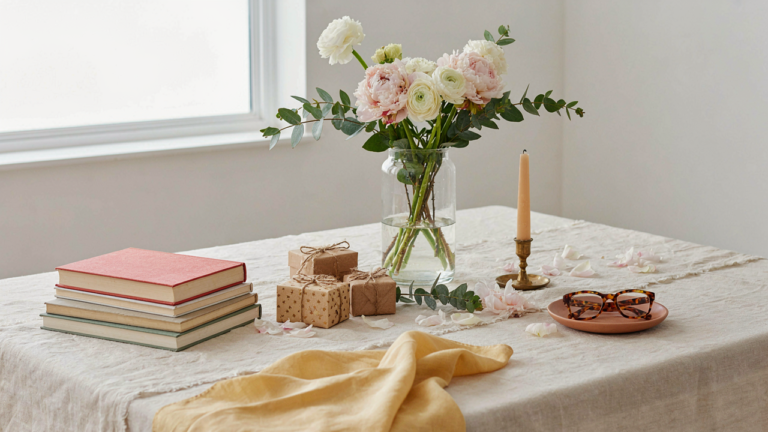
Mirrors multiply light and make spaces feel larger. Books stacked by color add height variation. Fabric draped over tables absorbs light and changes texture. Your existing glassware becomes holders for centerpieces. Wooden spoons, serving utensils, and cutting boards work as display surfaces. Pull items from your kitchen, bedroom, and storage areas two weeks before the event. Test arrangements in your venue. Photograph what works. Buy nothing until you’ve exhausted what you control.
The Atmosphere Amplifier Protocol: Low Cost Impact, High Emotional Return

Lighting As Mood Architect
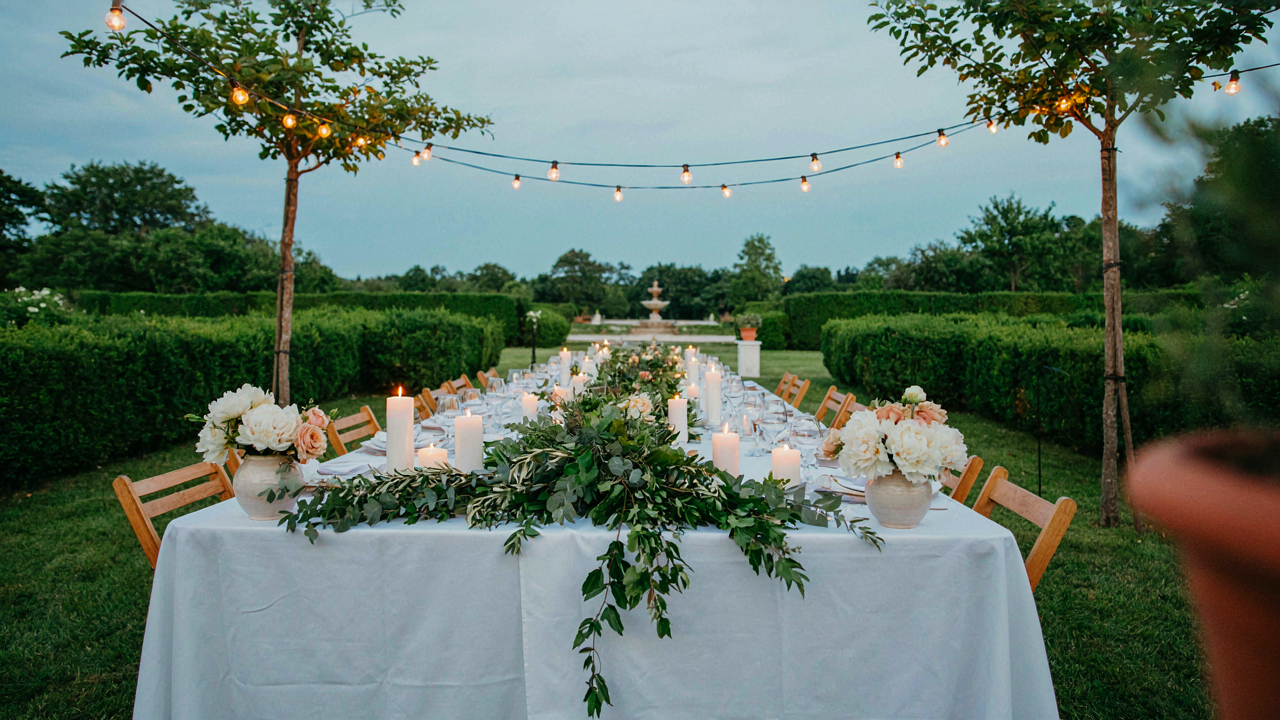
You want people to feel like they’re at something special without dropping money on it. That’s the real motive here. Lighting borrows from theater design, where a single instrument—called a “key light” in film—controls how the viewer perceives everything else in the space. String lights, which cost fifteen to thirty dollars, function as your key light. They shift perception instantly. Warm white bulbs specifically matter: they trigger the brain’s association with intimacy and safety. Cool white reads as institutional. Position strings overhead in a grid or swooping pattern. This costs almost nothing but replaces the flat, forgettable overhead lighting that kills engagement parties.

The second layer is shadow play. Skip expensive uplighting rigs. Use cheap candles in paper bags weighted with sand—called luminarias—to create depth and visual separation between zones. Candles cost pennies per unit. They force the eye to move rather than rest flat on one plane. This subtle depth makes small spaces feel larger and intentional. Arrange these at floor level around the perimeter. The mechanism is simple: varied light sources create visual interest. Uniform lighting creates flatness. Flatness erodes perceived value.
Acoustics And Scent The Overlooked Sensory Layer
Most guides ignore this because it’s invisible. Common advice is: play music and move on. Wrong. Acoustics determines whether guests feel cramped or comfortable. Hard surfaces like tile or concrete bounce sound and create fatigue. Soft materials absorb it. A ten dollar roll of acoustic foam panels mounted on walls costs nothing compared to renting sound equipment and delivers measurable impact. Scent operates on a faster neural pathway than sight: it bypasses conscious processing and anchors memory directly. A five dollar candle or diffuser with vanilla or citrus creates association with care and intention. The pairing matters. Warm lighting plus ambient sound plus subtle scent creates a sensory lock that makes people feel valued, not like they’re at a budget event.
Deploy these in sequence. Start with lighting ninety minutes before guests arrive. Add acoustic panels to walls two hours before. Place scent sources one hour before. This timing prevents olfactory adaptation where guests stop noticing the smell. The mechanism is layered sensory reinforcement. Each sense alone is weak. Combined, they’re the difference between people saying “nice” and people posting about it later.
Engagement Party Planning: The Time Leverage Tactic

Focus Your Effort Where It Matters
You’re worried about looking cheap. That’s not the real problem. The real problem is you’ll waste thirty hours on details nobody remembers while ignoring the two decisions that actually shape how people perceive the space. This is the Pareto principle from economics applied to decoration: 80 percent of the visual impact comes from 20 percent of the effort. Identify that 20 percent first, execute it flawlessly, then stop.

The 20 percent is always the same three elements: lighting, table arrangement, and one focal point. Cheap string lights or paper lanterns shift perception from sparse to intentional. Clustering tables tightly instead of spreading them thin creates energy. A single statement element like a DIY backdrop, borrowed arch, or string of garland behind the seating area anchors the entire room. Everything else fills space but doesn’t move the needle. Spend your time and money there, not on napkin rings or chair covers.
Build Backwards From The Moment People Arrive
The panic approach—decorating the morning of or the night before—forces you to buy expensive last-minute solutions and make rushed, poor decisions. Work backwards from your event date instead. This isn’t about staying calm. It’s about reducing the number of variables that can break your plan and forcing you to buy materials when prices are lowest. Start setup planning eight weeks out, material sourcing six weeks out, and actual construction four to five weeks before the event.
Map out exactly what gets done each week. Week six: secure any borrowed items like tables or stands. Week five: buy non-perishable decor in bulk from discount suppliers where selection is best. Week three: build anything that needs assembly or prep work. Week two: create contingency for any items that don’t arrive. One week prior: final walkthrough with a photo on your phone of where everything goes. The night before: only physical placement and minor touch-ups happen. This schedule removes the scramble and lets you catch problems before they cost money.
The Economic Multiplier Effect Of Smart Choices

Borrowed Items: Wealth Without Ownership
You want the space to look expensive without admitting you can’t afford it. Here’s the mechanism from economics: leverage. Borrowing decor multiplies your spending power by letting you access high-value items for zero capital outlay. Your friends, family, and local community already own what you need. A borrowed vintage ladder, string lights from a neighbor’s garage, or potted plants from someone’s patio cost nothing but deliver visual weight that rented or purchased items would charge you thousands for.

The play is systematic. Build a borrowing list before the party. Contact people three weeks out with specifics: “Do you have tall vases?” “Can I use your string lights?” People say yes when asked directly. You return items within days, clean. This works because ownership anxiety disappears. The borrowed item carries no decision weight. You use it fully, without the sunk-cost hesitation that kills creativity when you’ve paid for something.
Post Party Utility: Decor With A Second Life
Most engagement party advice treats decor as disposable. That’s backward and expensive. Smart cheap decorations transition to the wedding itself or into home use afterward. String lights hang in bedrooms. Tablecloths become throw blankets. Potted plants move to gardens or offices. Lanterns store flat and deploy for years at other events. This isn’t recycling sentiment. It’s basic unit economics: every hour of use per dollar spent drops your cost basis.
Plan this from the start. Choose decor in neutral colors. Avoid theme-specific pieces that trap you into single use. Glass vases, wooden crates, and fabric draping work at engagement parties, weddings, and home décor afterward. When you buy or borrow, ask: “Where does this live in six months?” If the answer is a landfill or a closet forever, skip it. Your selection discipline determines whether this party costs you fifty dollars or five hundred.
Fiesta De Compromiso: Cultural Wisdom For Authentic Celebrations

The Math Of Restraint
You want this section to legitimize spending nothing by wrapping it in cultural tradition, so you feel tasteful instead of cheap. That’s the real move. Economics calls this “constraint as competitive advantage”—when your resource limit forces innovation that commercial budgets can’t replicate. Traditional fiestas prove this. They didn’t use minimal decoration because they lacked money alone, but because restraint forced guests to focus on what actually mattered: presence, food, conversation. The constraint shaped the entire experience.

Mexican, Spanish, and Latin American engagement celebrations have used paper, fabric, and found materials for generations not from poverty but from deliberate aesthetic choice. A single color scheme—white and one accent—repeated across handmade elements created coherence that multicolored commercial decorations destroy. The mechanism is simple: fewer objects demand better placement. Your eye knows where to look. This is why sparse, intentional spaces feel designed while cluttered spaces feel panicked.
Community Labor Replaces Purchased Goods
The common advice says “ask friends to help.” That’s incomplete. What you’re actually doing is converting money into social capital and shared memory. In traditional fiestas, decoration wasn’t a transaction—it was a participation event. Families gathered days before to fold papel picado, arrange flowers, and string lights together. The decoration wasn’t the output. The output was the collective investment that made guests feel the celebration belonged to them before it started.
This flips the cost structure entirely. You pay for materials only, not labor. Paper, twine, scissors, and simple tools cost dollars. But you gain something commercial vendors can’t sell: attendees arrive knowing they built this space. They defend it, photograph it, and tell the story of its making. The protocol is direct: identify two to four people who care about the outcome, assign specific materials to each person, set a single work session date three weeks before, and provide refreshment during work. The decoration assembles itself when people have skin in the game.
Engagement Dinner: Food As The Ultimate Centerpiece

Let Food Do The Visual Work
You want people to think you spent money you didn’t spend. That’s the real play here. The mechanism is simple: abundant, well-arranged food reads as effort and investment without requiring expensive decor. Restaurants have known this for decades. They don’t fill empty tables with centerpieces. They fill them with plated dishes, bread baskets, and wine. Your engagement dinner works the same way. Food occupies visual real estate that would otherwise demand decoration budget.

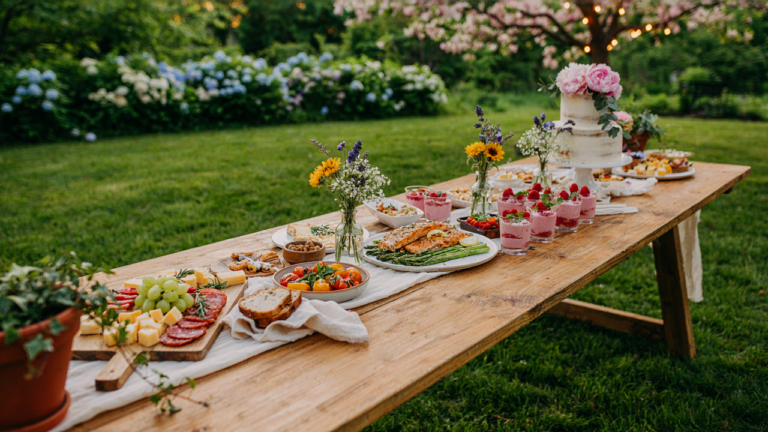
Color, texture, and height variation in food naturally create visual interest. A charcuterie board with cured meats, cheeses, nuts, and fruit costs less than a floral arrangement but commands more attention because it’s functional and abundant. Tiered serving displays, family-style platters, and open-faced appetizers on wooden boards register as sophistication, not cheapness. The psychology is clear: people associate quantity and variety with generosity. You’re not hiding your budget with food. You’re being smart about where the eye goes.
Menu Strategy Determines The Entire Look
The food you choose determines what serving vessels you need, which determines your actual decoration costs. This is economics applied to party design: constraint breeds clarity. If your menu is roasted vegetables and grilled proteins, you need simple white platters and minimal garnish. Budget drops immediately. If you choose vibrant foods like beets, citrus, fresh herbs, and colorful salads, the food itself provides the visual palette. You don’t need colored linens, napkins, or table runners. The menu becomes the decor.
Seasonal ingredients offer another advantage: they’re cheaper, they look fresher, and they require minimal styling. Summer strawberries need no arrangement technique. Winter root vegetables on a wooden board read intentional and warm without extra props. Plan your menu around what’s abundant and visually distinct in your season. Then let the food’s natural appearance carry the table design. Everything else is optional clutter that eats your budget for no return.
The Antifragile Aesthetics Method: Thriving On Imperfection

Wear And Tear As Design Feature
You want permission to stop pretending everything has to look new. That’s the real fear under the surface—that visible imperfection signals you didn’t care enough. Thermodynamics teaches us that entropy is the natural state of all systems, and cheap engagement party decorations obey the same law. A scratched mason jar, wilted greenery, or mismatched linens don’t signal failure. They signal authenticity because they prove the event was real, not staged in a studio.
The common advice says hide the flaws. That’s wrong. Embrace them as evidence. Vintage or secondhand items already carry the texture of time. Fabric with fading, wood with nicks, glass with cloudiness—these become the aesthetic. You spend nothing covering them because the wear is the point. Guests notice craftsmanship in imperfection faster than in perfection because imperfection requires intention to defend.
Build Systems That Improve Under Stress
Systems thinking reveals that fragile designs break under pressure while robust designs hold. Cheap engagement party decorations designed for one-time use fail the moment something shifts. Design instead for reusability and adaptation. If a centerpiece can work as a lantern, a vase, or a candle holder without modification, it survives the inevitable last-minute changes. If your backdrop doubles as photo props afterward, the cost per use drops again.
The mechanism is constraint-driven design. You’re not decorating a space once. You’re building a system that recovers when someone knocks over a setup or weather changes or the timeline compresses. Use modular pieces. String lights work with almost any structure. Potted plants survive transport and water. Fabric draped loosely adapts to any surface. When each element serves multiple functions, nothing you buy exists for a single moment. Build redundancy into the design itself, and the party absorbs friction without visible damage.
The Only Real Obstacle To A Memorable Engagement Is Your Addiction To External Validation

You don’t need expensive decorations. You need people who actually want to celebrate with you. The couples who throw forgettable parties spend thousands to impress strangers. The ones people remember? They spent thirty bucks on string lights and showed up as themselves. Stop performing for Instagram. Pick up some dollar store supplies today and invite only the humans who matter. Your engagement party succeeds because you’re getting married, not because you bought the most expensive centerpieces in the room.