The Illusion Of “Cheap”: Why Your Budget Wedding Clutch Isn’t About Price

Separating Price From Quality
You’re afraid you’ll look poor on your wedding day. Here’s the actual mechanism: price and quality operate on different axes, not the same line. A budget wedding clutch handbag fails not because it costs less, but because manufacturers compress the wrong variables. They cut material thickness, reduce stitching density, use adhesive instead of structural seaming, and source hardware that oxidizes. A fifty-dollar clutch from a maker who understands construction outlasts a two-hundred-dollar one from a brand that treats bags as inventory to clear.
The confusion exists because most people conflate affordability with compromise. They don’t. A budget clutch becomes cheap when the maker decides to sacrifice durability for margin instead of sacrificing aesthetic trends or production scale. Your job isn’t to spend more. Your job is to identify which corners a maker actually cut, and whether those corners matter for a bag you’ll carry once. That distinction determines whether you’re buying smart or buying blind.
The Real Cost Of Bargain Bridal Clutches
Everyone says “buy quality to save money later,” which is incomplete advice. The actual cost of a bargain bridal clutch includes failed photo sessions, stress three weeks before the wedding, and replacement purchases at markup. A metal frame that warps under handle tension doesn’t fail gracefully. It fails during the reception. A zipper that sticks doesn’t announce itself at the store. It announces itself when you’re rushing to fix your lipstick in a bathroom stall.
The mechanism here is inventory turnover. Mass retailers price bags to move volume, not last years. They accept a failure rate because the margin covers returns and replacements. Your wedding clutch needs to survive one day of actual use. Bargain versions fail not because they’re inexpensive but because they’re engineered for a different success metric than yours. Before purchasing, test the frame under pressure, run the zipper twenty times, and inspect how handles attach to the body. If the maker won’t let you do this, they’re hiding what you need to know.
The “Utility First” Wedding Clutch Protocol

Function Over Trend In Your Evening Bag
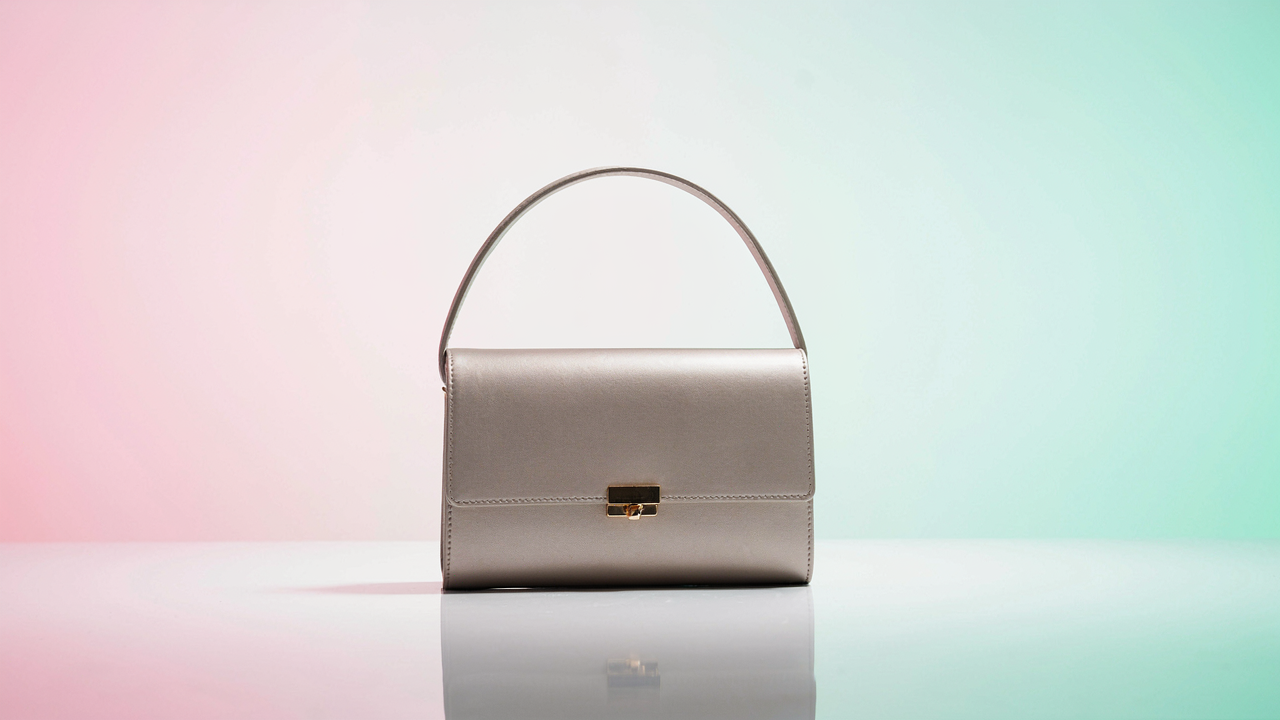
You want permission to buy something cheap that won’t make you look cheap. That’s the real question. Here’s the mechanism: trends in evening bags move faster than your budget allows, so chasing them guarantees obsolescence. Utility-first thinking borrows from industrial design’s concept of “form follows function.” Your clutch is a vessel first, a statement second. Choose one that solves a specific problem: holding your phone, keys, lipstick, ID without bulging or shifting. A structured frame bag in neutral leather or satin handles this across multiple years and occasions. Fleeting aesthetics die the moment the wedding ends.

The everyday test separates budget bags that work from ones that fail. Can you use this clutch at a dinner six months from now without it screaming “wedding bag”? If it’s covered in rhinestones, embroidery, or branded to a specific season, it’s a single-use prop. A simple frame, quality closure mechanism, and neutral color operate across contexts. Black, navy, or champagne silk with an internal card slot and zippered pocket gives you a tool, not a costume piece. This is where budget decisions pay dividends: the less decorative your clutch, the longer it serves without looking dated.
Assessing Real Life After The Ceremony
Most wedding advice ignores what actually happens after the photos end. Your budget clutch lives or dies based on whether you reach for it again. Economics teaches us marginal utility: each time you use something, its cost per use drops. A forty-dollar clutch worn eight times over two years costs five dollars per use. That same clutch worn once costs forty dollars per use. Build for reusability by choosing materials that age well, not fast fashion synthetics that crack or peel. Genuine leather develops patina. Silk holds its sheen. Plastic degrades.
Durability mechanics matter here. Check the interior seams, not the exterior stitching. Seams fail from the inside first, especially in clutches that compress. Hardware should be brass or stainless steel, not plated metal that tarnishes. Test the clasp or magnetic closure with real force. A cheap mechanism breaks faster than cheap fabric. Before you buy, open and close it fifty times. If it feels loose by closing thirty, it will fail by closing three hundred. The protocol: examine seams, verify hardware material, stress-test the closure, then commit. Skip this and you’re buying a one-time prop.
The Investment Grade Bridal Clutch Bag: Where To Allocate

What Actually Holds Up Over Time
You want permission to spend less and still look intentional. The real mechanism is this: durability isn’t about price. It’s about construction. A budget wedding clutch survives repeated use because of how its frame, closure, and lining are assembled, not because of the fabric cost. Most buyers fixate on material name and ignore the joints where failure actually happens. The frame should sit flush against the bag body with no gaps. The closure mechanism should operate the same way after fifty opens as it does on day one. Stitching around stress points needs density, not just presence.

The frame attachment point determines everything else. If the frame is glued only, it will separate within months under tension from repeated opening. Quality budget clutches use a combination of adhesive and mechanical anchoring, usually small metal rivets or reinforced stitching. Check this by running your thumb along the interior seam where the frame meets the fabric. If you feel flex or movement, the bag will fail. The lining fabric itself matters less than how it’s secured to the shell. Loose lining creates internal friction that tears both layers over time.
Material Choice Determines Maintenance, Not Value
Think of material selection through an engineering lens: each material trades durability for care requirements. Faux leather requires consistent cleaning but resists staining from occasional contact. Canvas or linen holds shape better under weight but stains easily and demands preventative treatment. Real leather develops patina and hides minor flaws, but budget wedding clutches rarely use quality leather at the price point. Polyester microfiber blends compress over time, losing structure. Satin and silk are ceremonial fabrics, not functional ones, and they show creasing permanently after one event.
The correct move is matching material to usage frequency, not aesthetic preference. If the clutch sits in a closet after the wedding, material choice barely matters. If you’ll rewear it for events in the next two years, choose microfiber or faux leather with a matte finish that conceals handling marks. Interior fabric affects long-term condition more than exterior. A clutch with acetate lining will develop stickiness and deterioration after five years in fluctuating humidity. Polyester lining ages neutrally and resists moisture. Before purchasing, inspect the interior fabric tag. If it lists acetate without polyester blend, the bag’s usable lifespan is shorter than you assume.
Beyond Bridal: Repurposing Your Clutch Bag Wedding For Maximum ROI

From Wedding Day To Everyday Rotation
You want permission to spend money on something you’ll actually use again, not justify a purchase that sits in your closet. The mechanism is simple: a budget wedding clutch succeeds long-term only when its design avoids bridal specificity. Skip the obvious tells. Avoid excessive beading, rhinestones, or white-only colorways. Choose structured frames, neutral metallics, and fabric blends that read formal without screaming wedding. A clutch in blush, champagne, or soft gray transitions faster than one that broadcasts its original purpose. The difference between a one-time expense and a recurring tool is restraint in design.

Material choice determines whether your clutch becomes everyday wear or relic. Satin and silk wrinkle and stain easily; polyester blends hold up through regular handling and don’t require special storage. Real leather or faux leather in jewel tones absorbs life better than delicate fabrics. Even budget options in these materials outlast boutique bridal pieces made from fragile synthetics. Your wedding clutch ROI starts the moment you prioritize durability over appearance.
Mix And Match: One Bag, Multiple Contexts
Wedding clutches fail as versatile pieces because people treat them as locked accessories. In economics, this is called poor asset allocation: you hold an underutilized resource. A structured clutch works across formal dinners, evening events, professional occasions, and night outings when you pair it with different straps, chains, or handles. Most budget clutches come with detachable or convertible hardware. Gold or silver chain straps swap between styles. Some designs feature removable wrist straps for transformation into shoulder-carry bags. These aren’t luxury features anymore; they’re standard on competitive budget options.
- Professional evening events: Pair your clutch with tailored blazers and dress pants. The formal structure reads boardroom, not ceremony. Neutral colors blend seamlessly into business casual elevated.
- Date nights: Switch to metallic chains or beaded straps. The same frame takes on sophistication when styled with fitted dresses or separates. Hardware swaps alter perception instantly.
- Cocktail parties: Carry your clutch as an underarm piece with statement jewelry. The compact size works against trendy oversized bags, making it stand out for the right reason.
- Travel: Use your clutch as a carryall for phones, cards, and documents during flights or transit. Its structured design protects contents better than soft pouches. Fits easily into larger luggage.
- Formal work functions: Repurpose with your professional wardrobe for company dinners or client events. No one tracks handbag origins at corporate gatherings. Function and polish matter only.
The real play happens when you stop thinking of this as a wedding purchase and start thinking of it as infrastructure. Track where you actually carry bags over twelve months. Your clutch appears in three to five genuine use cases minimum. That’s your evidence the investment paid dividends. If you can’t identify five separate occasions where it fits, you’ve bought wrong.
The “Less But Better” Principle For Wedding Handbags For Bride

Own One Thing Instead Of Chasing Options
You want permission to spend less and still look right. That’s the real thing here. The mechanism is scarcity mindset dressed up as sophistication. Minimalism in fashion borrowed economics’ concept of opportunity cost: every dollar spent on a mediocre clutch is a dollar not spent on one that actually works. Most brides buy three budget bags thinking one will fail them. They don’t fail. You just never decided which one to use, so you cycle through all three and feel incomplete in each.

Pick one clutch that handles your specific wedding day needs. Metal frame or secure closure if you’re moving constantly. Flat bottom if you’re setting it down on tables. A size that fits your phone, lipstick, and keys without bulging. One bag, chosen deliberately, eliminates the mental tax of deciding between options on the day itself. You show up with confidence because you already solved the problem.
The Weight Of Having One Good Thing
Owning one curated piece rewires how you think about accessories. You stop evaluating bags by price point and start evaluating them by actual utility. That shift changes your entire purchasing pattern going forward. When you’re not splitting attention between three options, you notice what actually bothers you: the strap length, the material texture, whether the clasp catches fabric.
A single, well-chosen wedding clutch becomes the reference point for every future purchase. You’re not comparing new bags to a vague ideal in your head anymore. You’re comparing them to something concrete that worked. Your next handbag decision takes one tenth the time because you have a working model. Fewer decisions made with more information always produce better outcomes than endless options made with incomplete data.
The Game Theory Of Accessorizing: Optimizing Your Wedding Guest Bag Choices

The Resale Value Trap
You’re worried a budget clutch won’t photograph well or signal enough taste to people you’ll never see again. That fear is the mechanism driving wasteful spending on wedding bags. Economics teaches us about sunk costs and opportunity costs. Your clutch is pure sunk cost: you wear it once, it sits dormant, its value deteriorates. The real question isn’t whether it’s nice—it’s whether you’ll use it again after the wedding ends.
Most people rationalize keeping wedding bags by imagining future events where they’ll wear them. This doesn’t happen. The clutch becomes a closet artifact. Instead, treat your budget wedding clutch like a rental with ownership. Choose a neutral color, minimal branding, and a simple silhouette. These features transfer to everyday use or future events easily. If you can’t imagine wearing it to a dinner in six months, it’s the wrong bag at any price point.
Flexibility Over Fixed Outcomes
Fashion operates like a feedback system: you act, environments respond, you adjust. A rigid clutch that only works “for weddings” loses utility fast because your contexts shift constantly. Cybernetics is about systems maintaining function despite changing inputs. Your budget wedding clutch must accept multiple contexts: garden parties, brunches, evening events, office carry-overs. A structured frame bag with a removable strap works across more scenarios than a hard-shell minaudière designed only for formal wear.
Maximize utility by choosing materials and dimensions that adapt. Soft leather or faux leather accepts shape changes. A 9-by-5-inch clutch fits evening wear but also daytime carry. Hard-frame bags lock you into one aesthetic position. The mechanism is simple: buy bags that work in more configurations, not fewer. Test this before purchase by imagining three distinct real events you’ll attend in the next two years where you’d carry it. If you can’t name three, the bag is too narrow for its price.
Unconventional Sources: Finding Your Chic White Clutch For Wedding Guests

The Second Hand Market Reality
You’re drawn to this section because you want designer credibility without the price tag. The actual mechanism here isn’t luck. The resale market for wedding clutches operates on depreciation economics: a bag loses 40-60% of retail value after first use, which means your entry point is where someone else’s exit happened. Platforms like Vestiaire Collective, Rebag, and Tradesy aggregate inventory from liquidations, closet cleanouts, and returns that never hit regular retail.

The friction most people miss is authentication. Counterfeit luxury clutches saturate budget secondhand markets specifically because margins work. Stick to sellers with professional photography (multiple angles, serial number close-ups), verified purchase histories of 50+ transactions, and return policies. The brands that hold up best in used condition are Italian leather construction and structured frames like those from Coach, Cuyana, and mid-tier European makers, not trend-driven fast fashion pieces that degrade after one event.
Rental Economics For One Night
The rental model inverts traditional fashion economics: you pay for access instead of ownership. Services like Rent the Runway, Le Tote, and niche designer rental platforms price evening bags at 25-40% of retail for single-use access. The math works because the bag generates revenue across multiple customers in a season instead of sitting in one closet.
What rental platforms won’t tell you directly is their inventory rotates by season and occasion. Wedding guest bags in classic neutrals (ivory, champagne, black) rent more efficiently than bold colors, which means availability peaks 4-6 weeks before major wedding seasons (May through October). Reserve early, confirm exact dimensions match your phone and essentials, and photograph the bag’s condition before it arrives so damage claims don’t get disputed.
Deconstructing “Trendy”: Why Most Bridal Clutch Ideas Are Designed To Fail

The Cost Of Chasing What’s Hot Right Now
You’re worried you’ll look dated in photos. That fear drives the entire bridal accessory industry. Here’s the mechanism: fast fashion retailers manufacture urgency by flooding the market with seasonal styles, then discontinue them within months. A budget wedding clutch treated as a trend piece becomes visual evidence of a specific year within 18 months. Trend-based design choices have built-in obsolescence. Manufacturers engineer this on purpose because repeat purchases drive revenue.

The real problem isn’t the clutch itself. It’s the framework you’re using to evaluate it. You’re treating a wedding accessory like clothing meant to cycle through a closet. Wedding photos don’t cycle. They sit in albums and digital folders for decades, and your eye sees them again. A clutch designed to satisfy this season’s Instagram aesthetic will feel jarring when you revisit the images in five years.
Permanent Over Popular
Timeless design isn’t about ignoring aesthetics. It’s about recognizing which design elements have survived 50 years of style shifts without looking forced or dated. A structured frame clutch in metallicized leather has appeared consistently since the 1950s. A minimalist rectangular silhouette in neutral tones shows up across every decade. These aren’t boring choices. They’re choices that prove their staying power through time.
The mechanism is simple: elements that solve a genuine problem or align with proportion principles don’t require reinvention. A clutch sized to hold lipstick, cards, and a phone solves that problem in 2024 and will solve it in 2034. The color palette that complements your wedding dress doesn’t shift because fashion arbiters decide it should. Build your clutch selection on this foundation first, then add personality through material quality or subtle hardware detail rather than silhouette risk.
The Real Cost Of Indecision: Why Procrastination Destroys Your Budget

Panic Pricing And Rush Fees
You’re afraid you’ll make the wrong choice, so you wait. That fear is the real problem here, not the handbag. Waiting until two weeks before the wedding triggers scarcity pricing across the entire market. Retailers know you have no time. They mark up inventory accordingly. Rush shipping alone costs fifteen to thirty dollars on budget clutches. Expedited processing adds fees. Last-minute inventory means you pick from whatever survived, not what actually fits your dress or budget.

The mechanism is basic supply and demand, borrowed from economics. Your clutch becomes a scarce resource the moment your deadline compresses. Demand spikes, options vanish, prices climb. You pay a penalty simply for deciding late. By contrast, a four-week decision window lets you comparison shop across ten retailers instead of three, catching sales cycles and clearance events most people miss entirely.
Opportunity Cost Of Half Examined Purchases
Most people think they save money by rushing. The opposite happens. You buy a budget clutch that seems fine, skip the real evaluation, then realize it clashes with your shoes or holds nothing. You buy a second one. You’ve now spent twice as much while convincing yourself you stayed disciplined. Opportunity cost means the value of the best alternative you abandon. Every rushed purchase abandons better options you never examined.
When you actually compare five budget clutches across materials, closure types, and capacity, you find one that serves multiple functions. A structured frame clutch in neutral leather works at the wedding and three events after. You get utility beyond the single day. A panic purchase stays in a drawer. The action here is deliberate: set a decision deadline at week five before the wedding, not week one, so you can audit at least five options with shipping time included.
The Real Obstacle Isn’t Your Budget; It’s Your Inability To Distinguish Investment From Expense

Most people buy a clutch and forget about it in six months. You’re not most people. Before you click buy, ask yourself one question: will you actually use this thing? A thirty dollar bag you carry to five weddings beats a hundred dollar bag collecting dust. The difference between broke and wealthy isn’t what you spend. It’s what you keep using.