The Brunch Paradox: Less Cost, More Impact For Your Brunch Wedding Reception

Where Dinner Expenses Collapse
You’re calculating this because you want to look rich without spending like it. Here’s the mechanism: dinner receptions anchor their pricing on alcohol consumption and premium proteins served during peak demand hours. A brunch reception uses economics borrowed from hospitality—your venue operates at lower marginal cost during off-peak morning hours, and your guests consume less alcohol before noon. Venues price brunch at 30-40% below dinner because their operating expenses drop. Your labor costs shrink. Your rental needs simplify. The entire cost structure inverts.
Dinner weddings demand premium open bars, aged spirits, and beers on tap flowing for six hours. Brunches work with a limited beverage window: coffee service, mimosas, and still water. You’re not paying for the infrastructure of heavy drinking. Food costs drop too because brunch proteins—smoked salmon, ham, eggs, pastries—run cheaper per plate than beef tenderloin or seafood stations. The vendor knows they’ll turn the room in three hours instead of five, so they build the price accordingly. You’re not paying for their evening’s foregone revenue.
Morning Light Works Harder Than You Think
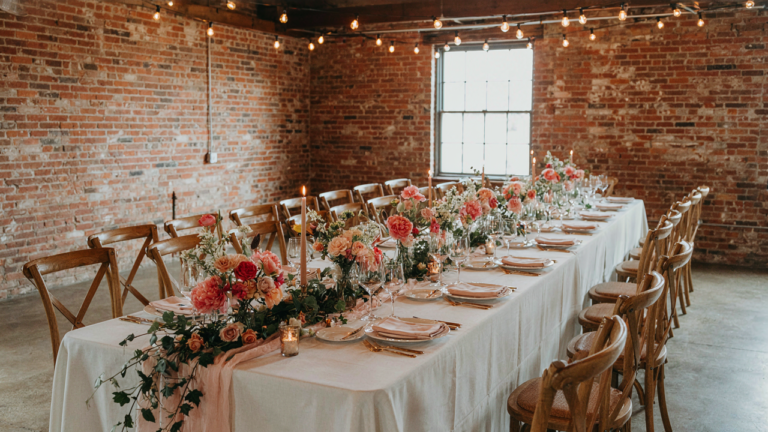
Natural daylight is your production designer, and you pay nothing for it. A brunch reception starting at ten or eleven in the morning floods your venue with sun. You eliminate the need for professional uplighting, ambient pin-spots, and complex electrical work. Photographers shoot for free in natural light. Your florist doesn’t need to accent arrangements with custom lighting. The venue doesn’t need to hire an electrician to install dimmer systems. Decor reads sharper and faster when light comes from above and through windows instead of hidden fixtures.
The psychological effect matters more than aesthetics. Morning energy is inherently lighter and faster than evening heaviness. Your guests arrive from a normal day rhythm, not primed for late-night celebration. This shapes their consumption patterns and their behavior. They eat less because they haven’t skipped lunch. They drink less because cultural norms say morning drinking is restraint. They leave earlier, which means your venue staff cleans faster and you pay less for extended service. Time itself becomes your cost advantage.
The “Scarcity Mindset” Fallacy: Why You Underestimate Brunch Wedding Ideas

Dinner’s Hidden Cost Structure
You’re afraid brunch looks cheap. That’s the real problem here, and it clouds every decision you make about this event. But examine the actual expense timeline of a dinner reception and the mechanism reveals itself: dinner extends the vendor labor window. Cocktail hour, plated service, dessert, dancing. Each phase demands staffing continuity. Brunch compresses this into four hours maximum. You’re paying for duration, not sophistication, and nobody admits it.

A dinner reception locks you into premium evening pricing across every category. Venues charge more after sunset. Bartenders and servers command higher rates for night shifts. Even food costs rise because dinner proteins demand premium cuts and longer preparation. The compression isn’t deprivation. It’s economics. A four-hour brunch window eliminates the artificial scarcity that makes dinner expensive, yet the market hasn’t priced this advantage into public awareness yet.
Strategy Over Shortage Mentality
Stop thinking about what brunch lacks compared to dinner. Start thinking about constraint as design advantage. In systems thinking, constraint forces efficiency. A limited service window eliminates waste, reduces labor overlap, and scales costs predictably. You’re not making do with less. You’re architecting specificity.
The tactical shift: build your brunch around what actually moves perception, not what you think should be there. Elevated coffee service costs less than a full bar but reads as intentional. Quality pastries from a real bakery beat generic breadbaskets. One strong focal element (a live musician, a meaningful menu detail, premium signage) concentrates impact in a four-hour window more effectively than spreading mediocre elements across seven hours. Design your constraints first, then fill them strategically. That’s how budget brunch receptions stop feeling like compromises and start feeling like decisions.
The Morning Equilibrium Protocol: Optimizing Guest Experience With Brunch Wedding Ideas

Why Brunch Guests Perform Better Than Dinner Guests
You’re hoping brunch feels easier to pull off because it costs less. That’s true, but the real advantage lives elsewhere. Guests arrive at brunch with higher baseline energy and lower social fatigue. They haven’t been depleted by work stress or decision fatigue. Dinner crowds are already tired by 6 PM. They’re running on fumes and alcohol tolerance, not actual engagement. Brunch operates on fresh cortisol and genuine appetite. The mechanism is simple: circadian rhythm dictates cognition. People think clearer and interact longer in morning hours. Your guest list will talk longer, move between tables more, and remember the reception better because their brains are actually functioning.

The energy differential extends to staff and logistics too. Morning crews work faster. Guests don’t linger in bathroom lines for 20 minutes like they do at night. Alcohol hits harder on empty stomachs, so fewer drinks deliver the same social lubrication. You’re not fighting against the body’s natural wind-down cycle. You’re working with it. A budget brunch reception capitalizes on this metabolic advantage that dinner cannot match, regardless of how much you spend.
Designing Flow That Keeps People Moving
Common advice says to seat people early and keep them seated. That’s incomplete. Stagnant seating kills brunch energy faster than anything else. Instead, design a space where standing, eating, and conversing happen simultaneously without formal table assignments during the first 60 minutes. Station food and drinks at different points in the room. Make people walk. Walking resets attention and prevents the mental shutdown that locked-down dining creates. Movement generates conversation naturally because guests encounter different people as they circulate.
The second hour is when you anchor people. After 60 to 90 minutes of active standing and eating, guests want to sit. That’s when you introduce toasts, remarks, or group activities. They’ve already burned the restless energy. Now they’re ready for stillness. Close the brunch with a single focal point at the 120-minute mark. By then, guests have eaten, moved, connected, and are satisfied to leave. Ending at 11:30 AM or noon means people leave energized instead of drained, which changes how they talk about your reception later. Make guests walk before you make them sit.
Breakfast Wedding Reception: Menu Alchemy – Beyond Scrambled Eggs

The Constraint That Actually Saves Money
You want to serve something memorable without looking cheap. That’s the real fear. Here’s the mechanism: brunch operates on portion economics, not ingredient economics. A dinner plate demands visual abundance. A brunch plate works because it layers textures and temperatures across smaller portions. Borrowing from restaurant economics, think of your menu as a contribution margin problem—you’re maximizing perceived value per dollar spent by stacking components, not expanding them.

Most wedding advice tells you to avoid brunch because “it’s breakfast.” That’s incomplete thinking. Brunch menus cost less because eggs, fruit, and grain-based dishes carry lower food costs than proteins served at dinner. But the real win isn’t just cheaper ingredients. It’s that guests expect smaller portions at brunch and feel satisfied faster. You’re not fighting biology here—you’re working with it.
Build The Menu Around What Scales
Don’t start with “what sounds fancy.” Start with what your venue can produce in volume without losing quality. Baked goods, grain bowls, and egg-based dishes scale predictably. A frittata cut into portions costs half what individual plated proteins demand, and it tastes better when made ahead.
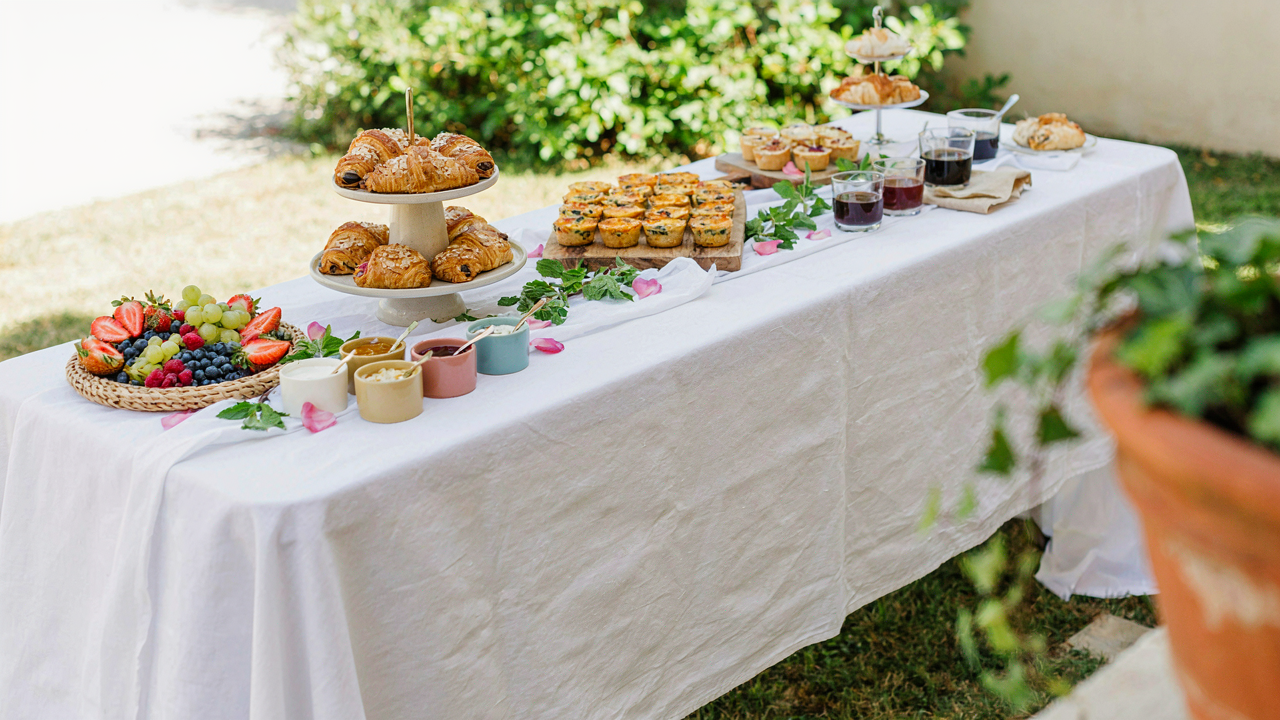
The common mistake: treating brunch like dinner but cheaper. Wrong frame. A budget brunch reception works because you’re designing around what actually tastes good in volume and what your timeline allows. Build your menu backward from your prep capacity, not from Pinterest boards. Eggs, cheese, seasonal fruit, quality bread, and one substantial protein—usually smoked salmon or ham—form the actual architecture that works at every price point.
The “Signal To Noise” Ratio: Decorations For Brunch Wedding Reception

Constraint Forces Better Design Decisions
You’re worried people will think your brunch is cheap. That fear is exactly why most budget brunches fail visually, not financially. They overcompensate with clutter. In cybernetics, signal-to-noise ratio measures useful information against useless interference. A budget brunch reception lives or dies on this principle: one strong visual element beats ten weak ones. Constraint is the mechanism that forces you to choose what actually matters.

Most decor advice tells you to “layer” and “build atmosphere.” Wrong. You cannot afford visual noise, so don’t create it. Pick one dominant design choice per area. White linens with fresh-cut flowers in simple vases. Or metallic geometric shapes with controlled lighting. Not both. Not three. The constraint of budget forces the discipline that actually reads as intentional, not desperate.
Visual Weight Over Visual Noise
High-leverage decor means every piece does tactical work. Centerpieces aren’t decoration, they’re focal points that anchor table conversations and frame photo backgrounds. Lighting is infrastructure, not accent. Signage guides flow and shapes perception of value. This is different from filling space to avoid emptiness. One clear visual hierarchy beats ambient clutter every time.
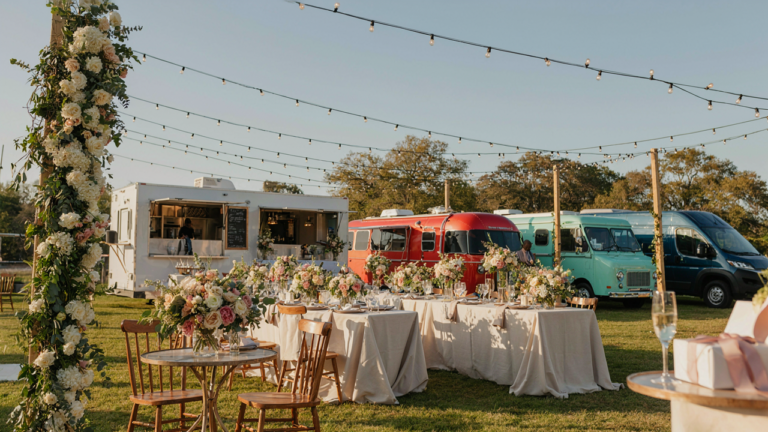
Eliminate anything that demands attention without earning it. Balloons, excessive floral arrangements, and novelty items consume budget while diluting impact. Instead, control the guest’s eye movement through the space. Brunch happens in daylight, which is your competitive advantage. Use natural light strategically. Position strong visual elements near windows. Frame clear sight lines through the room. A budget brunch with deliberate visual design outpaces an expensive one with scattered decorating.
The Logistics Leverage System: Streamlining Your Wedding Brunch

Why Morning Events Demand Different Timing
You’re worried about looking cheap, so you’re overthinking the schedule. Here’s the mechanism: morning events compress your setup window because guests arrive hungrier and less patient than dinner crowds. Brunch runs 10am to 1pm maximum. Dinner gives you 6pm to 10pm. That’s half the duration with zero margin for delays. Your caterer needs three hours minimum to stage food before the first guest arrives, not one.

The real pitfall isn’t complexity. It’s assuming brunch logistics work like dinner scaled down. They don’t. Temperature control matters more because eggs, hollandaise, and pastries die in heat faster than a plated entrée. Your venue’s kitchen access and timing become your constraint, not your choice. Start your vendor briefing by walking the actual space at the exact time guests arrive, not the day before on a walkthrough.
Vendor Timelines Built For Speed
Traditional vendor schedules assume sequential work: florist finishes, then catering arrives, then setup completes. That’s wasteful for brunch. Brunch demands parallel workflows borrowed from manufacturing’s just-in-time principle. Your florist and catering team overlap. Your photographer arrives during final plating, not two hours before guests. Your bar staff begins service within 15 minutes of doors opening.
- Catering prep window: Arrive 3.5 hours before first guest. Non-negotiable. Eggs and pastries can’t be rushed. This is your anchoring constraint.
- Florist and decor setup: Coordinate arrival 2.5 hours prior, running parallel to kitchen staging. They don’t need kitchen space. Use it.
- Bartender arrival: 90 minutes before service start. Brunch cocktails (mimosas, bellinis) need zero complicated prep. Ice, glassware, juice, spirits only.
- Photographer: Arrive 30 minutes before first guest. Capture setup chaos or skip it. Brunch photos work best candid during eating, not posed beforehand.
- Venue staff briefing: 48 hours before, not day-of. Walk through setup zones, guest flow, bathroom capacity, kitchen access points, and emergency exits specific to morning timing.
Build your timeline backward from the first guest arrival time, not forward from when vendors want to start. This forces you to identify which tasks actually matter and which exist out of habit. Create a one-page document: vendor name, exact arrival time, exact departure time, three core tasks only. Text it to everyone 72 hours prior. No surprises, no confusion.
Wedding Brunch Menu Ideas: The “Value Engineering” Approach To Catering

Negotiate Catering Based On Brunch Economics
You want to feel like you’re getting a deal without admitting you can’t afford what everyone else is doing. Here’s the mechanism: brunch catering operates on different unit economics than dinner. Caterers price dinner per person because alcohol, plating complexity, and service length drive costs up. Brunch flips this. You’re buying fewer drinks, shorter service windows, and simpler execution. Most caterers haven’t adjusted their mental pricing model. They quote you dinner rates on a brunch menu out of habit.

Walk in with this knowledge. Tell your caterer you’re locking in a three-hour window instead of four. Specify no cocktail hour, no passed appetizers. Ask for a set menu with two protein options instead of four. Suddenly their labor math changes. They’re not serving the same number of people at the same cost anymore. You’ve restructured their constraints, which restructures their price. The negotiation isn’t about asking for a discount. It’s about showing them why their brunch operation costs less than their dinner operation, then pricing accordingly.
Cut The Add Ons That Destroy Your Budget
The common advice here is wrong: don’t “trim the extras to save money.” That frames it backwards. The real problem is that add-ons aren’t extras at all. They’re profit multipliers disguised as refinements. Caterers present them as upgrades, but what they actually do is obscure the true cost structure.
Most couples approve four or five add-ons without calculating their combined weight. Premium linens add two dollars per person. Upgraded glassware adds one-fifty. Cake cutting service adds seventy-five cents per slice. Individual coffee stations add another dollar. The itemized list makes each one feel negligible. Together they add twenty to thirty percent to your base catering cost. Your protocol: calculate the total per-person cost of every proposed add-on before saying yes to any of them. If the sum exceeds ten percent of your base catering price, eliminate it entirely. Don’t negotiate it down. Replace it with something you control the cost of directly.
Breaking The Evening Monopoly: Why A Wedding Brunch Reception Dominates

What Everyone Assumes You Want
You care about this because you think evening weddings are the default, and deviating from the default feels risky to your status. Here’s the mechanism: evening receptions exist not because they’re objectively better, but because they solved a specific 20th-century problem—factory work schedules. Guests needed daylight jobs to end before attending. That constraint no longer exists, yet the expectation persists. A brunch reception isn’t a budget compromise; it’s the original choice, recycled by people who didn’t question why.

Cultural momentum and actual guest preference operate on completely different tracks. Most couples believe their guests expect evening celebrations because that’s what they’ve attended most recently. In reality, guests attend what they’re invited to. The tension you feel isn’t real resistance—it’s internalized convention. Your aunt will show up to brunch. Your college friends will prefer it. The logistics work better. You’re fighting a ghost, not a rule.
The Intentional Move That Costs Less
Brunch operates under the same economic principle as a manufacturing run: lower input costs per unit when you concentrate demand into fewer hours with predictable labor needs. You hire staff for a shorter, denser window instead of stretched-out evening service. Linens cost the same. Flowers cost the same. But your per-head expense drops because you’re not paying for premium evening pricing, extended bar service, or midnight dancing energy.
Positioning brunch as intentional reframes it from “what we could afford” to “what we chose.” This distinction matters because your guests will interpret your choice as deliberate sophistication or budget necessity based entirely on how you present it. The presentation vehicle is simple: explain brunch as the rhythm you wanted, not the compromise you made. One sentence in your invitation sets the frame. Guests follow that frame without question. Your budget advantage becomes invisible—they experience only your clarity of vision.
The Time Arbitrage Method: Maximizing Your Day With Breakfast Wedding Reception Ideas

End Your Event Before The Day Ends
You want the guests to remember this as effortless and elegant, not a logistical nightmare that ate your weekend. Here’s the mechanism: a brunch reception that wraps by 2 or 3 PM returns your venue coordinator, caterer, and guests to their actual lives, which makes the event feel intentional instead of extractive. Economics calls this “opportunity cost” – the real value of what someone gives up to attend. A brunch cuts that cost sharply.

Most couples treat brunch as a budget hack, missing the structural advantage entirely. You’re not just saving on bar tabs. You’re eliminating the 6-hour commitment that kills Saturday for your guests. End early enough, and people hit the road by mid-afternoon or stay local for dinner plans they already have. Your event stops being an obligation and starts being a real choice they made. That shift changes how guests experience the day and talk about it after.
Frame The Constraint As Strategy
The compressed timeline isn’t a limitation you’re hiding from your guests – it’s the entire design. Tell people upfront: “Celebration starts at 10 AM, wraps by 2 PM.” This is cleaner than vague timing and it signals you respect their time. Guests show up present and focused instead of resigned. Energy stays high because there’s no dead drift between ceremony and food and drinking and dancing and cake and more drinking.
Work backward from your hard stop time. If you finish at 2 PM, you have roughly 90 minutes for food, toasts, and movement. That constraint forces you to cut the ceremonial bloat that nobody asked for. No 45-minute cocktail hour where half your guests stand around holding plates. No three-course plated meal that turns into a chore. You move people through the day with intention. The day feels complete because it actually was – not because you padded it into exhaustion.
The “Brunch Blueprint”: A Step By Step For Your Wedding Brunch

Start With Venue And Date Selection
You want this section because you’re terrified of making a bad choice that locks you into higher costs. The mechanism is simple: brunch venue availability determines your actual budget ceiling, not your imagination. Book a Saturday or Sunday morning venue first. Availability directly controls price. Weekend brunches fill faster than evening slots, which means you negotiate from weakness if you wait. Friday brunches cost less because fewer guests attend, but Saturday mornings command premium rates. Lock your date and venue before making any other decision.
Your venue choice determines labor costs more than food does. A restaurant with existing brunch service charges less than a blank-slate venue requiring full staffing. They already have systems, equipment, and trained staff running that daypart. A banquet hall or outdoor space demands you source catering separately, which adds 30 to 40 percent in overhead. Calculate the all-in hourly labor cost before signing anything. This single decision determines whether your budget survives execution.
Map Your Actual Spending Priorities
Everyone says “spend on what matters most,” which is useless advice because it doesn’t tell you where the money actually goes. In event economics, labor is your constraint, not food. You can cut the menu by half. You cannot cut staff hours. Decide now whether you want a full open bar, limited beverage service, or cash bar. Open bars during brunch typically run four hours and consume 25 to 35 percent of your total budget. A cash bar or limited wine and mimosa service cuts this dramatically.
Next, choose between plated service or buffet. Plated requires one server per eight to ten guests. Buffet requires one per twenty to thirty guests. Your guest count and venue layout determine which works. A sixty-person brunch with plated service needs six to eight servers. The same count with buffet needs two to three. Calculate your actual payroll before selecting service style. This choice alone can swing your total by 15 to 20 percent.
Execute The Three Month Countdown
Building a wedding brunch requires different timing than dinner. Three months out, you finalize venue and catering contract. Two months out, you lock menu selections and confirm headcount requirements. Six weeks out, you meet with your caterer or restaurant for final logistics: table setup, service flow, bar positioning, and kitchen capacity. Four weeks out, confirm guest RSVP count and communicate final numbers to your vendor. Two weeks before, do a walkthrough with your catering captain to verify table placement, entrance flow, and kitchen access. One week before, confirm all final details in writing.
The compounding cost of changes increases with time. Changing your menu four weeks out costs nothing. Changing it one week out costs 15 to 25 percent more because your vendor absorbs waste and labor adjustments. Set your menu four weeks early and hold it. Communicate your final guest count two weeks early, not three days before. Vendors price for predictability. Your job is giving them that predictability so they price competitively instead of building in a chaos premium.
The Real Obstacle Isn’t Your Budget; It’s Your Addiction To Traditional Wedding Theater

You’re not stuck because brunch costs too much. You’re stuck because you believe a “real” wedding happens at night with a four-course dinner. That story costs you thousands and delivers nothing but debt and exhaustion. A budget brunch reception works because it reframes the entire event. Stop asking “how do I make dinner cheaper” and start asking “why do I need dinner at all.” Call three venues today and ask their brunch rates. You’ll realize the obstacle was never money, it was permission.