The Folly Of Overspending: Why Generic Boxes Fail

The True Cost Of Cheap Components
You’re drawn to budget boxes because you want to look thoughtful without the financial sting. Here’s the mechanism: retailers exploit bulk pricing by flooding the market with identical fillers—candles, lip balms, bath bombs—made in the same factories across dozens of brands. You pay less per unit, but you pay for anonymity. A bridesmaid knows when her proposal gift matches three others she’ll see on Instagram that month. The “savings” disappear the moment she feels interchangeable.
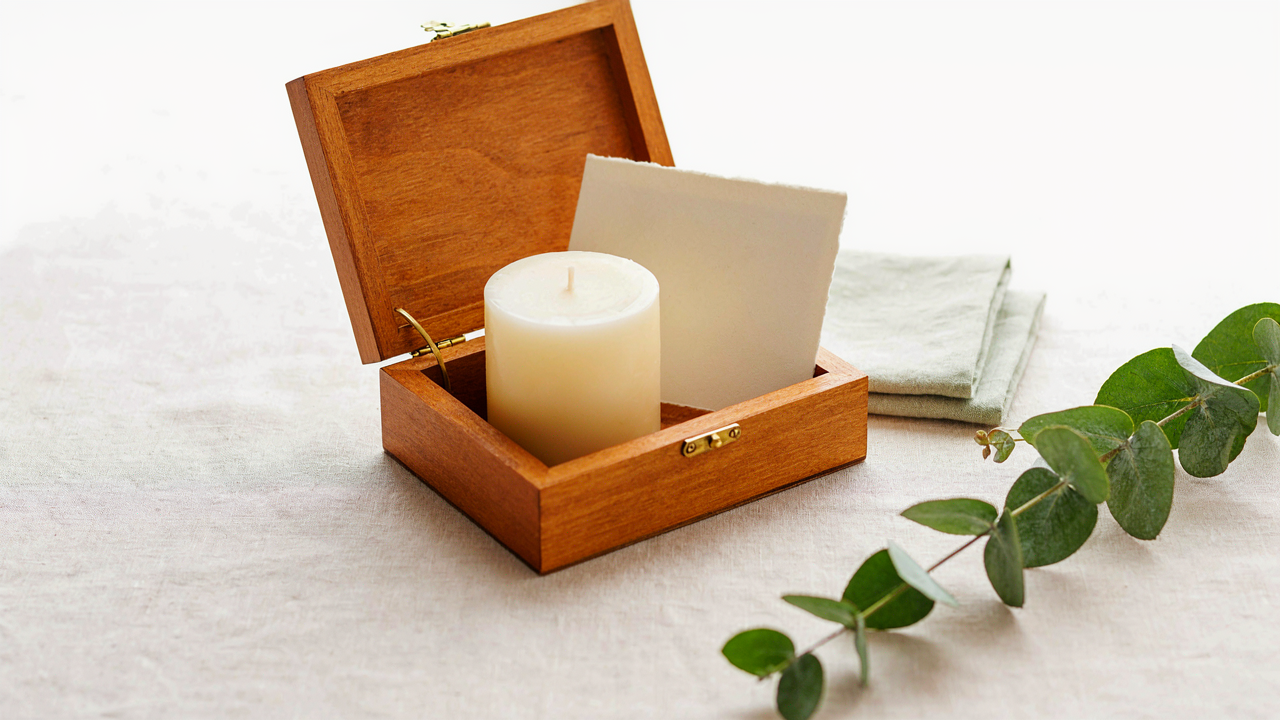
The real hidden cost isn’t the price tag. It’s replacement. Cheap items break, dry out, or get tossed within weeks. You’ve bought yourself a box that performs for the unboxing moment only. Quality components—a solid wooden keepsake box, a decent candle, a piece she’ll actually use—cost more upfront but anchor the memory. Calculate the cost per month of use, not just the checkout total. That math reverses which option is actually affordable.
When Mass Production Becomes Liability
Economics teaches us about commodities: identical goods with no differentiation trigger only one buyer behavior—price hunting. Your bridesmaid proposal box enters that same trap when it contains mass-produced items identical to those in fifteen other proposal boxes circulating that season. Differentiation dies. Impact follows.
Mass-produced gifts signal efficiency, not effort. The bride didn’t hunt for these items. She ordered a pre-assembled box or grabbed filler from the same big-box retailer everyone else uses. A bridesmaid feels this instantly. Genuine impact requires at least one element that reflects her specifically—something chosen because it matches her taste, not because it fit the budget template. One personalized item beats five generic ones every time. That’s your protocol: identify one thing she actually wants, and build the box around it.
The “Scarcity Principle” Proposal: Maximizing Perceived Value (Economics)

Psychological Triggers That Drive Perceived Worth
You want people to feel like they got something rare, not something mass-produced. Economics calls this the scarcity principle: demand rises when supply shrinks, and perception of value follows. A budget bridesmaid proposal box works the same way. You’re not competing on price. You’re competing on the signal that this gift was made specifically for this person, in limited quantity, by deliberate constraint.

The mechanism is simple: restrict the number of items in the box instead of filling it to the brim. Five carefully selected pieces communicate intention. Fifteen random filler items communicate laziness. Your bridesmaids notice the difference immediately because their brains are wired to interpret scarcity as signal of care. Strip out the noise. Let each item breathe. The empty space becomes the message.
Limited Items, Maximum Intentionality
Don’t fill the box. Curate it. The common advice says “include lots of goodies so it feels full”—that’s backwards. A box with seven purposeful items beats a box with twenty throwaway ones. Each piece should connect to either the person or the role. Personalization doesn’t require spending more; it requires thinking more.
Start with a hard cap: no more than six to eight items per box. Then work backward. One item must reference something specific about the bridesmaid. One must serve the wedding function. One should be consumable and quality. One should be keepsake-worthy. The rest fill genuine needs, not shelf space. This constraint forces you to eliminate items that don’t earn their place, which paradoxically makes the whole box feel expensive.
Budget Bridesmaid Proposal: The DIY Deception

Beyond The Pinterest Illusion
You want to look thoughtful without spending money, which is fine, but pretending a DIY box takes two hours instead of eight destroys your actual budget. The hidden cost of DIY isn’t materials—it’s labor disguised as passion. You’ll spend time sourcing components, assembling, troubleshooting failed attempts, and redoing sections. Most people underestimate this by 300 percent. A handmade box demands skill you may not have, and the gap between intention and execution costs money in do-overs.

The honest assessment: list every task separately, estimate each time cost, then multiply by 1.5. Include shopping, assembly, mistakes, and touch-ups. If the total labor value exceeds what a pre-made box costs, you’re not saving money—you’re trading cash for your unpaid time. That trade only makes sense if you actually enjoy the work. If you’re doing it to appear frugal or sentimental, you’re lying to yourself about your motive and your budget.
The Cheap That Looks Cheap Problem
The “cheap but looks expensive” trap is economics language applied directly: you’re trying to signal value through aesthetics when your input costs prevent it. Low-budget materials—thin cardboard, craft paper, basic stickers—read as low-budget to anyone paying attention. The attempt to mask this with trends (minimalism, “rustic,” kraft paper) doesn’t fool anyone because trends expire and cheap materials age visibly within weeks. You’ll spend more on decoration trying to hide the base than you would on a decent box to start.
The real move is vertical integration: buy one quality component and build around it, rather than buying six cheap components hoping they compound into elegance. A single decent wooden box or premium cardstock base anchors the whole proposal. Fill it with fewer items of higher quality instead of stuffing it with filler. The specifics depend on your actual budget, but the principle stays fixed: one strong element beats five weak ones every time.
Ways To Ask Bridesmaids: The Direct Approach

The Verbal Ask Over Everything Else
You want the box to do the work for you because you’re nervous about rejection. Stop. The mechanism is simple: a person commits to something they’ve already agreed to verbally. The box is confirmation, not persuasion. Your voice, delivered in person or on a call, moves someone from neutral to yes. Without that first conversation, a box arrives as obligation, not honor.
The box becomes meaningful only after the ask lands. Call or visit each person individually. Explain why you want her specifically in this role. Name something true about her that matters to you. This takes fifteen minutes per person. It costs nothing. The verbal commitment is where the real yes happens, and it’s the only foundation that makes the box feel like a gift instead of a transaction.
Speaking The Actual Reason She Matters
Generic affirmations feel like filler. People detect insincerity at scale. Specificity is the only currency that works here. Reference a moment, a choice she made, a way she shows up for you that other people don’t. Make it small and true instead of grand and vague. This is the only part that actually persuades.
After you name the specific reason, give her space to respond. Don’t rush into the box reveal or the logistics. Let her acknowledge what you said. Then tell her the box is on the way as a thank you for saying yes, not as the mechanism that asks the question. The sequence matters: ask first with your voice, receive her answer, then send the box as a record of the moment, not the thing that creates it.
Unique Bridesmaid Gift Ideas: The Experience Protocol

Shared Activity Over Material Objects
You want to feel like you’re giving something substantial without spending money you don’t have. The mechanism is borrowed from economics: diminishing marginal utility. Each additional physical item adds less perceived value than the last. An experience, by contrast, compounds in value through shared memory and repeated retelling.

A shared activity costs less upfront because you’re splitting logistics, venue, or materials. You’re also solving a real problem: bridesmaids need bonding time with each other and the bride before the wedding. A two-hour activity—cooking together, a hike, a pottery session—delivers more ROI than a candle or tumbler nobody asked for. The box becomes a container for access to that experience, not the experience itself.
Memories As The Ultimate Budget Bridesmaid Proposal
The real asset isn’t what sits in the box. It’s the story that comes out of doing something together. Neuroscience confirms this: experiences create stronger neural pathways than objects because they engage multiple senses and social bonding simultaneously. A budget bridesmaid proposal box functions as the announcement vehicle, not the gift.
- Dinner and drinks night: Cook a specific meal together at someone’s home, document it with photos, include the recipe card in the box as the proposal reveal.
- Local adventure day: Plan a guided tour, kayaking trip, or farmers market tour in your area. Include a map and itinerary in the box weeks ahead.
- Craft or skill workshop: Host a candle-making, jewelry-making, or cocktail-mixing session. Put the first sample creation inside the proposal box.
- Wellness day: Organize a group yoga, hiking, or spa afternoon. Include a schedule and carpool details in the box announcement.
- Game or competition night: Host trivia, board games, or a friendly competition with prizes. Send the invite and rules inside the proposal box.
The proposal box signals commitment. It shows you planned this. What actually binds bridesmaids to the role and the bride is the time together before the wedding stress begins. Put the experience date and basic details in the box. Confirm attendance within three days.
Bridesmaid Baskets Reimagined: Curated Utility

What Actually Gets Used
You want the box to feel thoughtful, not like you half-assed it. That’s the real fear driving this section. The mechanism is simple: consumable items disappear, so they prove value through use rather than clutter. A candle burns down. A skincare product empties. Coffee gets drunk. These items solve an immediate problem, which means your bridesmaids reach for them and remember you chose well. Non-consumables sit on shelves gathering dust, then get donated or tossed. Your effort becomes invisible.

Focus on items with a shelf life measured in weeks or months, not years. High-quality hand cream, specialty tea, gourmet snacks, face masks, lip balms, bath bombs. These are things people actually replenish. The cost per item stays low, but the perceived investment stays high because the recipient uses it immediately. Consumables bypass the guilt of storage and display. They integrate into daily life instead of becoming obligation décor.
The Things To Cut Immediately
Most budget bridesmaid boxes include at least one item nobody asked for and nobody needs. Decorative items, novelty mugs, cheap jewelry, miniature bottles of alcohol sitting for years. These feel like filler. They exist because convention says a box needs “variety,” which is lazy thinking. Cut anything that requires a decision about where to put it. Cut anything with a brand logo unless it’s a brand your bridesmaids already use. Cut anything that looks like it came from a dollar store bin.
- Ceramic trinket dishes or small decorative boxes: They duplicate what people already own and require shelf space or drawer real estate they don’t have allocated.
- Unbranded or generic jewelry: Cheap rings, bracelets, or necklaces that don’t match personal style become drawer clutter within weeks.
- Single-use novelty items: Drink stirrers shaped like animals, photo booth props, or gag gifts feel cheap even at higher price points.
- Seasonal décor or themed trinkets: Holiday ornaments or themed figurines force storage decisions and have a narrow window of relevance.
- Multi-packs of generic items: Cheap candles in scents nobody specified, assorted tea varieties with one or two undrinkable flavors, bath products in fragrance nobody chose.
When you build a box around consumables and cut the clutter, you create reciprocal value: your bridesmaids get something they use, and you get something better than gratitude—you get evidence they made the right choice saying yes. Document what items actually disappear first to inform future gifts or follow-ups.
Bridesmaid Proposal Affordable: The Value Proposition

The Real Reason You Care About Price
You’re worried a cheap box signals you don’t value your friends enough. That’s the real fear underneath this whole thing. Here’s what actually matters: Economics calls this signaling theory, and it applies directly to bridesmaid proposal boxes. The signal isn’t the price tag. It’s the intentionality behind what you chose.

A fifty-dollar box built around genuine thought beats a three-hundred-dollar box ordered from a template. Your bridesmaids notice effort, not expense. They notice whether you picked items because they meant something specific about your friendship or because you grabbed what looked expensive. The mechanism is simple: thoughtfulness scales down, laziness scales up. Price has nothing to do with either.
What Actually Builds Loyalty
The conventional advice says to spend big on bridesmaid gifts to cement loyalty. That’s incomplete. Loyalty forms through repeated, specific acknowledgment of who someone is. A budget box that reflects actual knowledge of each bridesmaid’s preferences creates reciprocal obligation far stronger than a generic luxury item.
Relationships compound over time through accumulated moments of recognition. A twenty-dollar candle chosen because she mentioned loving lavender two conversations ago means more than a hundred-dollar item you selected from a bestseller list. The protocol is straightforward: document one real detail about each person, pick one item that reflects that detail, include a handwritten note referencing it. That’s your entire system. Repeat it, and the box becomes proof you actually know them.
Creative Bridesmaid Proposal Ideas: Beyond The Box

Gestures That Break Through Noise
You want this moment to feel special because you’re afraid it won’t matter if it doesn’t. The mechanism is simple: attention is scarce, so memorable gestures work like signal amplification in communication theory. A handwritten note on cardstock beats a printed card. A video message from someone she respects beats a photo. A surprise delivery to her workplace beats leaving it on her doorstep. The pattern is contrast against her normal environment.

Most people approach this backwards by trying to make the box itself impressive. That’s theater. The real work happens in the gesture’s timing and delivery method. A proposal box arriving during a mundane Tuesday afternoon, delivered in person by you without warning, lands harder than a box she discovers alone. The surprise isn’t about the object. It’s about breaking her expected timeline and forcing presence into the moment.
Messages That Stick Beyond The Day
Generic bridesmaid proposal language exists in abundance online, which means your message competes against nothing if you write something specific to her. Don’t reference “our friendship journey” or “memories we’ve made.” Instead, reference one concrete thing: a specific conversation, a decision she made that changed how you see her, a moment nobody else witnessed. This creates exclusivity and proves you paid attention.
The delivery format matters as much as content. A handwritten letter requires more friction than typing, which is why it registers deeper in memory. Keep the message to under two hundred words. Longer messages signal you’re filling space rather than saying something true. End with a specific request, not an emotional appeal: “I need you in this role because you handle chaos better than anyone I know, and the rehearsal dinner will have it.”
The Real Obstacle Isn’t Your Budget; It’s Your Fear Of Authentic Connection

You’re overthinking this because you’re afraid the box won’t feel “enough.” Stop. Your bridesmaids don’t want expensive. They want to see you chose them deliberately. Pick one item today that actually means something to your friendship, not what Instagram suggests. Spend the next hour writing a handwritten note explaining why each person matters. That costs nothing and changes everything. People don’t remember what was in the box; they remember how it made them feel seen.