The Frugal Host Fallacy: Why “Budget” Isn’t About Cheapness

Strategic Allocation Over Cost Cutting
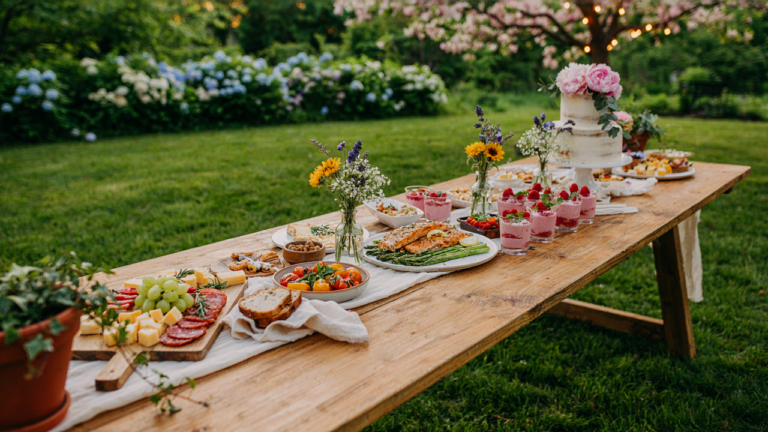
You’re afraid people will judge you for not spending enough. That’s not a budget problem—that’s a positioning problem. Budget in economics means resource allocation, not deprivation. A budget bridal shower tea party isn’t about serving cheap things. It’s about deciding what matters to the guest of honor and spending there instead of everywhere.
Most hosts treat budget like a punishment. They cut everything equally, creating a watered-down event that feels thin across the board. The real move is choosing three elements that create the experience, then eliminating the rest entirely. This isn’t frugal hostessing. It’s strategic design. If tea matters more than food, you source excellent tea and skip the elaborate pastry tower. The guest notices what’s there, not what’s absent.
What Actually Creates Impact
Volume kills memory. One outstanding detail beats five forgettable ones every time. A budget bridal shower tea party with a single focal point—whether that’s handwritten place cards, a specific tea ceremony element, or exceptional flowers in a small arrangement—registers as intentional and thoughtful. Guests remember one thing done well. They forget three things done halfway.
The mechanism is attention. You have finite attention to distribute across your event. Spread it thin and nothing lands. Concentrate it and you build an experience people reference afterward. Choose the element that aligns with the bride’s actual personality, not what bridal shower tradition demands. That’s where your budget goes. Everything else gets either simplified or cut. This isn’t about being cheap. It’s about being precise.
The “Scarcity Advantage” Protocol For Bridal Shower Tea

Curated Impact Over Decoration Noise
You want people to think you spent money you didn’t spend. That’s the real motive here, and there’s nothing wrong with naming it. The mechanism is constraint-based design. In economics, scarcity drives perceived value. Remove options, add intention, and the remaining elements signal quality instead of effort. One statement piece—a fresh floral centerpiece, a vintage tiered cake stand, pressed linens—beats twelve Pinterest ideas fighting for attention in a room.

Most people load their space with decorations hoping something lands. It doesn’t. The eye finds noise, not beauty. Choose three visual anchors: table setting, one focal point, one atmospheric detail. A pressed linen tablecloth costs less than balloons and lasts. A single vase with seasonal branches costs five dollars and reads as intentional. Buy nothing else. The empty space around your choices becomes part of the design, not a problem to solve.
Intimacy As Force Multiplier
Smaller groups aren’t a budget compromise—they’re a force multiplier borrowed from event design strategy. In architecture and hospitality, intimate spaces amplify perceived quality through acoustic presence and conversation density. Eight to twelve guests in a living room creates natural energy. Twenty-five guests in the same space creates chaos you’ll spend money trying to manage. The math is brutal: fewer people means less food, less setup, less breakage, more actual interaction between humans.
Most advice says “invite everyone to keep costs low through bulk.” That’s backwards. Bulk reduces quality and increases stress. A curated guest list of people who actually know the bride creates momentum. Those people talk to each other, the bride feels celebrated instead of processed, and you spend half the budget for double the impact. Cap your list at twelve. Serve one high-quality tea, one simple pastry, and watch conversation replace the need for production value.
Beyond The Bake Sale: Culinary Leverage In A Tea Party Bridal Shower

The 80/20 Rule For Menu Planning
You want people to remember your event without spending money you don’t have, so you’re looking for permission to cut corners. Here’s the mechanism: 80 percent of your guests will consume 20 percent of your menu. Stop planning for variety and plan for volume on what actually moves. Most hosts waste budget on breadth—five sandwich types, three desserts, four tea options. Nobody tracks it. They grab what’s closest and eat one thing.

Start with three anchor items that require minimal prep: tea sandwiches, one substantial sweet, one savory pastry. These three items fill 80 percent of actual consumption. Buy quality ingredients for these three only. Cut everything else. Your guests evaluate the event on execution quality, not menu exhaustiveness. A well-made cucumber sandwich beats five mediocre options every time. Build your shopping list backward from these three anchors, then stop adding.
DIY Versus Outsourced: Cost Benefit Analysis
The common advice says bake everything yourself to save money. That’s incomplete. Economics teaches us about opportunity cost—what you sacrifice by choosing one thing over another. When you spend eight hours baking, you’re not spending time on setup, ambiance, or guest management. The real calculation isn’t ingredient cost versus bakery price. It’s total time and stress against the actual financial difference.
Calculate this way: your hourly value times total prep hours, then compare that to outsourcing specific items. If a bakery charges thirty dollars for scones and you’d spend six hours making them, the math often favors buying. Keep DIY limited to one signature item you can make well ahead with minimal stress. Outsource everything else. Your presence at the event matters more than proving you made the food.
Vintage Tea Party Bridal Shower Ideas: The “Borrowed Capital” Model

Ask Your Network Before Buying Anything
You’re drawn to this section because you want permission to not spend money and still look like you did. Here’s the mechanism: leverage is economics applied to social coordination. You already know people with china, linens, furniture, and decorative pieces sitting unused in storage. The gap between what people own and what they actually use is where your budget lives.

Start by asking directly. Text the bride’s mother, your friends, coworkers. Tell them what you need, the date, and when you’ll return it. Most people will say yes because you’re solving their storage problem temporarily. Document what you borrow with photos and a simple spreadsheet. Return items clean and on time. This builds trust for future favors and costs you nothing but organization.
Call Local Thrift Stores And Florists Before Events
Most advice says “search online” or “browse Pinterest.” That’s incomplete. Real savings come from calling businesses directly during off-season and after events. Thrift stores often have bulk inventory of vintage teacups, saucers, and serving pieces priced under a dollar each. Florists with excess stems after weddings or events will sell arrangements at 50-70% off because they’re perishable.
Build a relationship with one thrift store manager and one local florist. Visit weekly or biweekly and ask what they’re clearing out. Ask florists specifically about “Monday pickups” after weekend events when they need to move stock. Negotiate a standing discount if you commit to buying regularly. A single call to a florist three days before your event can land you twenty stems of garden roses for twelve dollars instead of sixty.
The “Experience Economy” For A High Tea Themed Bridal Shower

What People Actually Remember
You want guests to talk about this shower for years, not because you spent money, but because something happened that mattered to them. The mechanism is simple: experiences trigger memory consolidation differently than objects do. Your brain encodes shared moments with stronger neural pathways than it does receipt of a gift box. A budget tea party works because the constraint forces you to design for participation, not presentation.

The common advice says “make it personal.” That’s vague nonsense. What works is designing moments where guests contribute something, witness something unexpected, or feel included in a specific ritual. A £3 teacup matters only if the guest pours tea for someone else during it. A homemade scone matters only if she made it herself or knows who baked it. The cost of the item becomes irrelevant the moment social interaction becomes the primary product.
Engagement Is The Operating System
Most people plan a tea party by stacking activities next to each other—tea service, then games, then cake—like adding items to a shopping cart. Wrong. Think of engagement as a feedback loop from systems design: each activity primes the next one, each guest interaction compounds on the previous one, and the whole event creates momentum rather than downtime. This is how you extract maximum value from zero budget.
Set up stations where guests have a job, not a choice. One pours tea for two others. One arranges pastries on a tiered stand. One writes a marriage tip on a card that gets read aloud immediately. Assign these roles before the event starts, not as afterthoughts. The guest with the quietest personality suddenly matters because she’s holding the teapot. This flips the entire energy from passive consumption to active contribution. The tea party becomes a living system where everyone’s motion keeps it moving.
Invitation Inc. And Communication Arbitrage

Digital Invites Beat Paper Every Time
You want people to think you’re organized without actually spending money to prove it. Here’s the mechanism: digital invitations are a supply chain problem solved by economics. You’re using a free or near-free channel that reaches everyone instantly, tracks responses, and costs nothing to update if plans change. Paper invites create labor friction—printing, addressing, mailing, waiting for responses. Digital removes all of it.

Email or text-based platforms like Paperless Post, Evite, or even a simple group email do the work that would cost you fifteen to thirty dollars in printing and postage alone. Send the invite two to three weeks before the event. Include the date, time, location, dress code, and RSVP deadline clearly. The platform handles reminders automatically. People respond faster to digital invites because the friction to respond is zero. You get your headcount without chasing people down by phone.
Strategic Wording Kills Surprise Costs
Most advice says “be clear about what you’re providing.” That’s incomplete. The real move is managing what guests expect to pay or contribute before they arrive. State plainly if this is a potluck, if tea and desserts are provided, or if guests should budget for a group gift. Say it in the invite itself, not later.
Wording like “A tea party celebrating [bride name] with light refreshments provided” signals you’re handling food. “Please bring a savory appetizer to share” signals a potluck structure. Avoid vague language that leaves room for interpretation. Guests who show up expecting a full meal and find only finger sandwiches create tension. Be explicit about budget tier, guest contributions, and what the afternoon includes. Include a line like “This is an intimate gathering focused on celebrating together, not gift-giving” if that’s your model. This prevents awkward moments and protects the actual event from collapsing under unmet expectations.
The “Asymmetric Bet” In Bridal Tea Shower Ideas

Where Your Money Actually Moves The Needle
You want permission to skip things without feeling cheap. That’s the real question here. Most hosts spread their budget evenly across every element, then wonder why the shower feels hollow. The mechanism is simple: tea showers live or die on sensory anchors. One or two elements dominate what guests remember and discuss afterward. Spend there. Cut everywhere else.

Think of this like portfolio concentration in investing. You don’t win by diversifying equally across weak positions. You win by identifying which assets generate disproportionate returns and loading into them. A budget tea shower operates the same way. The tea itself, the table presentation, or the seating arrangement—one of these will be the anchor everyone references. Identify it first. Bet heavily on it. Everything else becomes supporting infrastructure, not equally weighted budget line items.
The Elements That Actually Matter Vs Noise
Skip the advice about creating elaborate centerpieces on every table or custom printed napkins at every place setting. These tactics scatter your budget across visibility that lasts ninety seconds. The real leverage sits in the visible core: the tea service itself, the quality and presentation of the food, and the actual seating arrangement that determines the social dynamic for three hours.
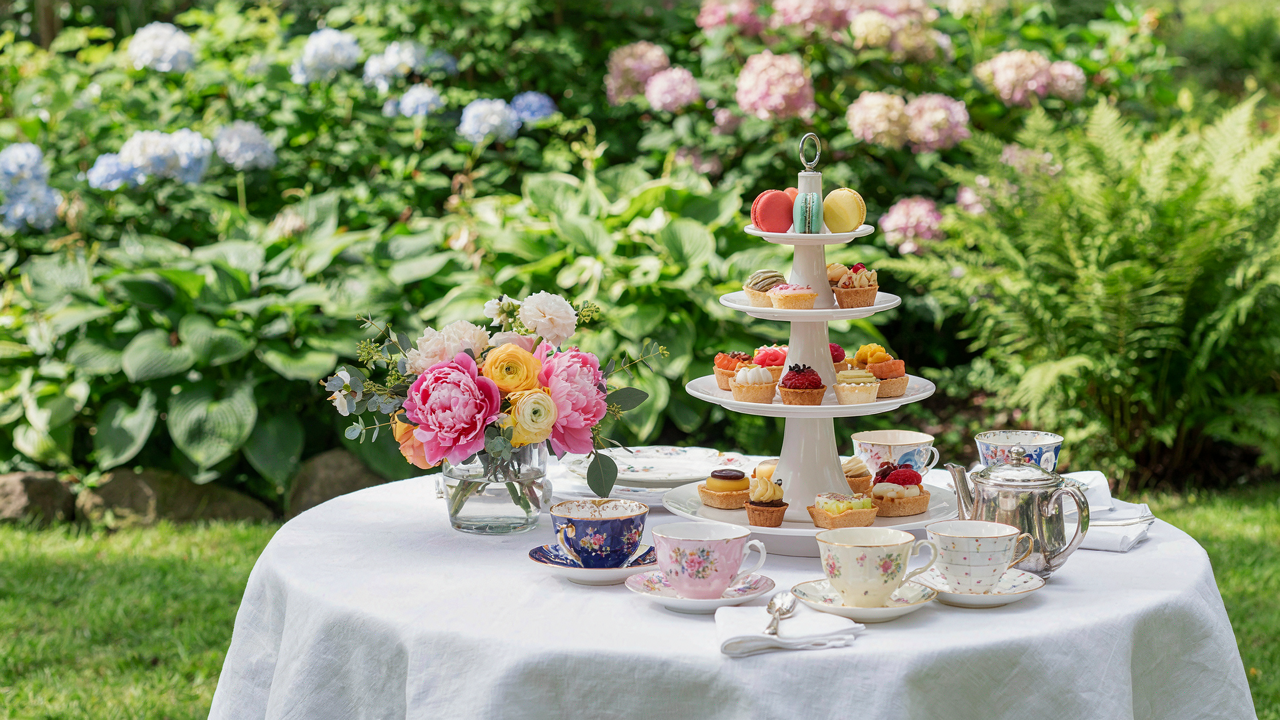
A single, cohesive tea service setup becomes the focal point. Guests notice whether the tea arrives hot in actual teapots, whether cups match, whether the ritual feels intentional. They notice a properly styled tiered stand with scones and finger sandwiches more than they notice if your tablecloth came from a discount retailer. They notice whether they’re crammed at a card table or seated with actual space and sight lines. Spend your budget on these three mechanisms: service quality, food presentation on appropriate serving vessels, and seating comfort. Everything else is negotiable.
High Tea Bridal Shower Tea Party Ideas: The “Logistics Of Flow” From Military Strategy

Deploy Fewer Items With Higher Leverage
You want to look organized and intentional without spending money or time you don’t have. Military logistics calls this “force multiplication”—achieving maximum effect with minimum resources. In a budget tea party, this means identifying which five items do 80 percent of the work, then cutting everything else.

A tiered cake stand holds more than a flat table. Mismatched teacups from thrift stores cost less individually but read as “curated” when grouped by color. Reusable fabric napkins replace paper ones and get used again. One focal point arrangement beats scattered decorations everywhere. You’re not adding more stuff—you’re choosing items that compound visually and functionally.
Anticipate Disruption Before It Happens
Most hosts react to problems mid-event. This creates friction, stress, and wasted bandwidth. Real contingency planning means mapping failure points before guests arrive, then building a buffer into your setup.
If tea gets cold, you brew a second pot early and keep it in a thermos offstage. If someone has dietary restrictions you didn’t catch, you have a simple backup food option ready. If the venue room runs cold, you have extra shawls or blankets folded nearby. If a guest cancels last minute, your food portions don’t change because you already planned for flexibility in your quantities. The mechanism is simple: identify three to four realistic breakdowns, assign a one-minute solution to each, and execute that solution before it’s needed.
Post Party Audit: The Real ROI Of Your Budget Bridal Shower

What People Actually Remembered
You want proof that your budget didn’t wreck the event. That’s the real fear underneath this question. But here’s what matters: memory formation works like economics. Guests retain moments, not price tags. The bride remembers whether she felt celebrated, not whether the napkins cost two dollars or five. Track what people mention unprompted in the week after the party. Those mentions are your signal.
Document three things immediately after guests leave: what made people linger in conversation, which food or drink got finished first, and which moments generated actual photos or video. These reveal what created social proof and genuine connection. Everything else is noise you’re paying attention to because you’re anxious about the budget, not because it matters.
When Feedback Contradicts Your Instinct
Most hosts ask if things looked nice. That’s the wrong question and you’ll get polite lies. Instead, ask what surprised them or what they’d tell a friend about the party. These open questions expose whether the experience actually worked. If guests say nothing specific, your event was forgettable regardless of budget. If they describe moments, you nailed the mechanism.
The real ROI lives in repeat behavior. Did guests want to help with the next event? Did they tag the bride in their photos? Did they text her within forty eight hours? Those actions prove the party delivered value beyond aesthetics. Money spent creates zero obligation. Moments create momentum. Build your measurement around which one actually happened, then adjust your approach for next time based on mechanism, not feelings.
The Real Cost Isn’t Cash; It’s Your Creative Cowardice

Most people kill their budget bridal shower tea party before it starts. They copy Pinterest templates instead of stealing ideas and making them weird. They buy expensive things to feel safe. Here’s what actually works: stop waiting for permission to do something unconventional. Text three friends today. Ask them what they’d actually enjoy. Then do that instead of what you think you should do. The best tea parties cost nothing because they weren’t built on fear.