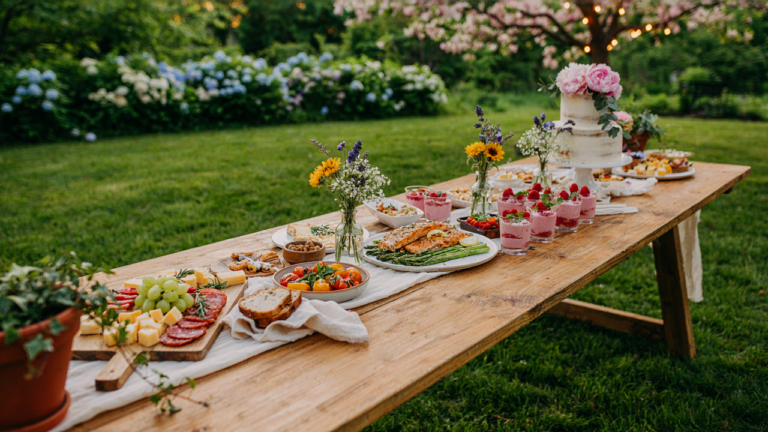
The “Anti Basic” Bachelorette Blueprint: Ditching Generic Themes

Separate The Bride From The Algorithm
You want a theme that feels original because you’re afraid the bride will judge you for throwing something forgettable. Here’s the mechanism: most bachelorette themes fail because they’re designed for Instagram, not for the actual person getting married. Pinterest and wedding blogs amplify whatever gets clicked most, which means you’re seeing the same five themes recycled across thousands of events. The bride’s actual preferences get buried under what looks good in photos.
Ask the bride three specific questions nobody asks: What does she do when nobody’s watching? What makes her feel powerful, not just happy? What would she never admit she wants? Her answers won’t match any trending theme. They’ll reveal the gap between her public persona and what actually moves her. That gap is where the real theme lives.
What Actually Bonds A Group Together
Forget the false equation that “fun” equals noise, costumes, and activities designed to humiliate someone. Behavioral economics calls this signal vs. substance. In a bachelorette context, a weak theme creates artificial bonding through shared embarrassment. A strong theme creates bonding through shared meaning. The group remembers what they felt, not what they wore.
The bride’s closest people show up because they want to celebrate her transition. They don’t care about a theme’s execution unless the theme actually reflects something true about her or the group’s relationship. Build the theme around a real story, inside joke, or value the group shares. Then let activities and aesthetics serve that core. The theme becomes a vehicle for genuine connection, not a costume covering up an empty night.
Scarcity & Abundance: Bachelorette Party Themes For Limited Resources

The Math Of Constraint
You’re worried people will think you’re cheap. That’s not the real problem. The real problem is you don’t know the mechanism that turns scarcity into perceived value. Economics teaches us leverage: doing more with less by identifying which inputs actually move the outcome. Most bachelorette themes waste money on decoration volume when they should isolate the single sensory anchor that makes the event feel intentional. Constraint forces this clarity.

A themed dinner at someone’s house costs a tenth of a venue rental. The bride remembers the conversations, not the square footage. When you remove budget noise, theme precision matters more. The guests notice because you’re not drowning them in generic decoration. Start by naming what the bride actually loves, then build one coherent visual or experiential thread around it. That thread becomes the entire event.
Work With What Exists
Most advice tells you to shop. That’s lazy. Before spending anything, audit what you already own: someone’s backyard, a friend’s restaurant connection, a local park with existing aesthetics, or a community space. These aren’t backups. They’re your actual constraints that force better creative decisions than unlimited budget allows.
A rooftop at sunset needs zero decoration. A beach requires nothing but the bride and intentional people. A local brewery has atmosphere built in. A hiking trail creates a natural narrative arc. Map the physical reality first, then layer theme elements that complement rather than compete with existing character. Your theme becomes the bride’s interests matched to the space’s inherent strengths, not fabricated ambiance fighting against a blank room.
The “Experience Multiplier” Method: Beyond Decorations

Activity Creates Memory, Decoration Creates Photos
You want the party to look good on Instagram because you think that proves it was good. The mechanism is different. A shared activity bonds the group through participation and mild friction. Decorations sit in the background. Activities create stories people retell. The physics term is “energy transfer”—you’re moving potential energy into kinetic energy. A bachelorette party that spends its budget on decor stays static. One that spends it on an experience creates momentum that lasts months after the event ends.

The math is simple: ten people in a rented space with balloons and streamers generates polite engagement. Ten people learning something together, competing, or creating something generates actual conversation and real laughter. Budget constraints force you to choose. Pick activity over aesthetics every time. A tasting experience, a class, a guided game, or a collaborative project moves the needle. Generic decorations don’t. The ROI on shared activity is measurable by how many people message about it after the weekend.
Games, Workshops, And Personalized Mechanics
Most bachelorette parties treat activities as filler between meals. They’re not. Build the event architecture around one or two substantive activities, then layer everything else around them.
- Guided workshops (mixology, cooking, pottery): A two-hour structured class gives the group something to focus on beyond small talk. Everyone leaves with a tangible output and a shared reference point for jokes later.
- Competitive games with stakes: Not casino-level gambling, but real scorekeeping and a meaningful prize. People engage harder when there’s a scoreboard. Trivia about the bride, team challenges, or scavenger hunts work because they demand focus and create winners and losers.
- Personalized activity playlists: Pre-plan which activities happen when, based on the bride’s actual interests, not generic “bachelorette things.” A bride who loves design shouldn’t do pole dancing. One who loves outdoors shouldn’t be trapped in a spa.
- Group creation projects: Collaborative vision boards, playlist building, or choreography rehearsal. When people create something together, they become invested in its outcome and feel ownership of the event.
- Structured downtime rituals: Designate specific times for reflection or storytelling rather than letting people scroll phones. A formal roast, a prepared speech round, or a question game keeps engagement intentional.
The common trap is treating activities as optional entertainment. They should be the skeleton of the event. Everything else—food, location, decor—should serve the activity. Build a 48-hour schedule where activities block out the time, then fill gaps with logistics. This forces quality over quantity and ensures everyone stays engaged instead of fractured into phone-checking subgroups. Schedule the strongest activity during the time when energy typically dips, usually the late afternoon on day one.
Psychology Of Celebration: Crafting Unforgettable Bachelorette Party Themed Nights

Novelty And The Dopamine Mechanism
You want this night to matter because you’re afraid it won’t. The real mechanism at work here is neurobiology, not sentiment. Dopamine fires when the brain encounters something unpredictable, not when it encounters something generic. A themed bachelorette party works because the theme creates a controlled break from routine—your guests enter a different context with different rules and different stimuli. Without novelty, their brains treat the event like background noise.

The theme functions as a dopamine delivery system. Costumes change how people move and speak. Unfamiliar venues trigger attention differently than familiar ones. A murder mystery theme forces active participation instead of passive attendance. A Las Vegas theme separates the night from regular life through aesthetic and behavioral cues. The mechanism is friction: the more friction between “normal Tuesday” and “tonight,” the more your brain releases dopamine and encodes the memory as significant.
Group Cohesion Through Shared Identity
Common advice says bonding happens through conversation and activities. That’s incomplete. Bonding happens when a group adopts a temporary shared identity. This comes from social psychology research on in-group behavior: people bind stronger to groups that have distinct markers, languages, or rituals that separate them from outsiders.
A bachelorette party theme creates this marker instantly. Everyone wears costumes from the same narrative. Everyone speaks using inside references from the theme. Everyone performs the same rituals throughout the night. This transforms a collection of individuals into a tribe with a single purpose. The theme gives permission for behavior that wouldn’t happen in normal social contexts. A decade later, people don’t remember the specific moments—they remember they were “part of something.” Build the theme deep enough that guests feel like members of a secret society for eight hours, not attendees at an event.
Classy Bachelorette Party: The “Effort To Elegance” Ratio

Quality Over Quantity Wins Every Time
You’re worried that a classy party requires a massive budget or you’ll look cheap. That’s the real fear here. The mechanism is this: classy parties work because they remove noise, not because they add more. Three excellent cocktails beat twelve mediocre ones. One stunning venue beats five forgettable locations. The bride remembers the depth of experience, not the volume of activities.

Most advice tells you to stuff the itinerary. That’s backward. Elegance lives in constraint. Pick one focal point per day. Build everything around it with intention. A wine tasting with curated selections from three regions beats a bar crawl hitting ten spots. A single high-end dinner beats appetizers scattered across multiple restaurants. The constraint forces you to execute each element better because you have no room for filler.
Form Follows Function Exactly
Design thinking names this principle clearly: form follows function. In a bachelorette party context, your theme’s structure must serve the actual experience you want, not the Instagram aesthetic you think you need. Too many themes pile decoration onto activities that don’t connect. That’s decoration, not design.
Start by asking what the bride actually does and enjoys. Does she read? A literary salon works. Does she travel? A single destination trip beats a costume party. Does she cook? A chef-led dinner class beats renting a house for random games. The form emerges from the function. Once you know the core activity, the theme builds itself naturally around it. Decorations then enhance the experience instead of masking a hollow one.
Casual Bachelorette Theme: The “Authenticity Advantage” Protocol

Real Moments Trump Curated Poses
You want this party to look good on Instagram, which is why you’re considering a theme so polished it’ll feel stiff the moment people arrive. Here’s what actually moves: biology rewards groups that feel safe enough to be themselves. When you remove the pressure to perform a theme, people relax. Relaxed people create memories. Memories create the photos worth posting, not the other way around.

The mechanism is friction reduction. A casual theme removes decision fatigue from guests. Instead of worrying whether their outfit fits a specific aesthetic, they show up as themselves. This sounds like settling, but it’s the opposite. Casual themes create permission structures. Permission to laugh without calculating how it looks. Permission to sit on a floor, spill a drink, or have a real conversation without breaking character. The bride gets candid moments that actually reflect who her friends are, not who they’re pretending to be.
Comfort Creates The Environment
Environments generate behavior. This comes from environmental psychology, and the principle translates directly: temperature, noise level, and physical space dictate how people interact. A casual theme paired with intentional comfort design gets people talking and connecting instead of standing around performing.
Concrete steps: set the venue to 68-70 degrees, reduce background music to conversation volume, use seating that faces inward rather than spreading people apart, and pick activities that don’t require costumes or accessories. A backyard hangout beats a themed cocktail bar because people can sit on real furniture, move freely, and opt in or out of activities. The casual theme isn’t lazy. It’s the highest-friction removal you can execute.
Bachelorette Theme Ideas 2025: Predicting And Preempting Trends

What Actually Moves Cultural Taste
You care about this section because you’re afraid your theme choice will look dated in six months. The mechanism is velocity. Trends don’t move slower anymore—they compress. What took five years to go mainstream in 2015 now takes eighteen months. Cultural currents shift through three visible channels right now: the micro-luxury aesthetic moving into mainstream budget consciousness, the rejection of hyper-feminized “girl math” branding in favor of genuine experience over decoration, and the rise of intentional smallness—fewer people, less production, more actual memory.

The real signal isn’t what TikTok shows you. It’s what gets quietly abandoned. Color-saturated, neon-heavy themes peaked in 2022 and 2023. The current micro-trend is matte surfaces, neutral palettes with one accent color, and activities that don’t require documentation. Nostalgia themes work because they’re directional—they point backward to a specific era rather than trying to predict forward. Decades-specific parties (90s, early 2000s, 70s) stay relevant because the decade itself doesn’t move. Look at what luxury brands are doing. Quiet opulence replaced loud branding two years ago. That filters down to bachelorette planning through subtle material choices: linen instead of polyester, wooden vessels instead of plastic, natural light instead of projected lighting.
Adaptability As Your Real Advantage
Future-proof doesn’t mean generic—it means built on permanent human desires rather than temporary aesthetics. Think in systems biology terms: a theme survives when it has multiple expression pathways, not when it locks into one specific visual. A “destination experience” theme works across budgets because it flexes. Low budget means day trip with casual dining and lawn games. Medium budget means nearby city with a hotel and restaurant reservation. High budget means actual travel. The core theme—shared experience, change of location, novelty—stays intact while the execution scales.
The mistake most planners make is treating themes as visual templates instead of structural frameworks. You don’t pick a theme because of how the napkins look. You pick a theme because it creates natural decision-making constraints that eliminate waste and confusion. A “skill-building” theme works at any budget—pottery class, mixology workshop, photography walk, cooking session. The activity anchors the day. Everything else (food, location, guest count) becomes secondary detail instead of the main decision burden. Lock your selection to what your group actually wants to do together, not what photographs well. Then build the visual layer around that core action.
Bachelorette Themes: The “Operational Excellence” Framework

Map The Friction Points First
You’re worried this will fall apart logistically and make you look unprepared. That’s the real fear underneath theme selection. Operational excellence borrows from manufacturing: anticipate bottlenecks before they form. A bachelorette theme isn’t decoration—it’s a constraint that either creates friction or eliminates it. Themes requiring custom rentals, obscure venues, or coordination across multiple locations introduce failure points. Identify these before committing.

Walk through the guest list, budget, location, and timeline like a project manager. Where will people struggle to get costumes? Which activities require transportation? Does the theme demand a specific season or venue type? Write down every step from invitation to final event. If a step requires perfect timing or multiple vendors, that’s your friction point. Eliminate it now or accept the chaos that follows.
Assign Tasks By Skill, Not Availability
Everyone defaults to splitting tasks equally. That’s how bachelorette parties become chaotic. Instead, match tasks to individual strengths like a sports roster assignment. Someone detail-oriented handles timeline and deadlines. Someone with vendor relationships books accommodations. Someone creative manages decor logistics. Someone with event experience troubleshoots day-of problems.
- Timeline Owner: Tracks deadlines, sends reminders, prevents last-minute scrambling. Choose someone methodical who follows through without needing follow-up.
- Vendor Coordinator: Manages bookings for catering, transportation, or entertainment. Pick someone comfortable with negotiation and contract details.
- Budget Keeper: Tracks spending, collects payments, manages group finances. Assign to someone detail-oriented who won’t let costs spiral.
- Day-Of Commander: Handles real-time problem solving and contingencies. Select someone decisive and calm under pressure.
- Content Manager: Coordinates photos, videos, and communications before and after. Give this to someone organized with social or communication skills.
This removes ambiguity. Everyone knows their lane and owns the outcome. Accountability replaces hope. When day-of problems hit, your designated commander makes the call instead of five people debating via text.
Bachelorette Themes: Beyond The Horizon Of Basic

Stop Copying What Works And Start Building What Lasts
You want a theme that makes people talk about your event years later because you’re tired of being forgettable. The real mechanism here is constraint-driven originality. Every viral theme you’ve seen started as someone solving a specific problem about the bride, not copying a template. The bride’s actual interests, her friend group’s dynamic, and the location’s unique assets are your raw materials. Most planners ignore these and chase aesthetic trends instead.

Originality doesn’t require reinventing everything. It requires mapping existing activities or aesthetics onto what makes your bride distinct. If she’s a ceramicist, a pottery-focused weekend beats another wine tour. If her crew bonds over true crime podcasts, build an escape room experience around that. The constraint is the starting point. Remove the constraint and you get generic.
Design Moments That Compound In Memory
Memory formation works like compound interest in investing. A single strong moment compounds through repetition in conversation. People retell specific details, not vague feelings. This is why a poorly executed luxury weekend gets forgotten but a mid-budget event with one standout moment gets referenced for years. Build your theme around creating three to five moments worthy of retelling, not around the overall aesthetic.
The moments that stick have specificity and contrast. A formal dinner where everyone wears matching custom t-shirts under their dresses works because it violates expectation. A sunrise hike where the bride sees a custom flag planted at the summit works because it combines effort with surprise. Plan backwards from these moments. Ask what would the bride reference first when telling this story six months from now. Construct the entire theme around protecting and amplifying those moments.
The Only Budget Constraint Is Your Imagination, Not Your Bank Account

Stop waiting for permission to throw the party you actually want. The theme doesn’t cost more money, it costs more creativity. Your guests don’t remember what you spent. They remember what you made them feel. Pick one theme today, commit to it, and build everything else backwards from that decision. A bachelorette party isn’t expensive because of the theme, it’s expensive because you’re indecisive.