
The Temptation Of Homemade Purees
The Idealistic Pinterest Parent
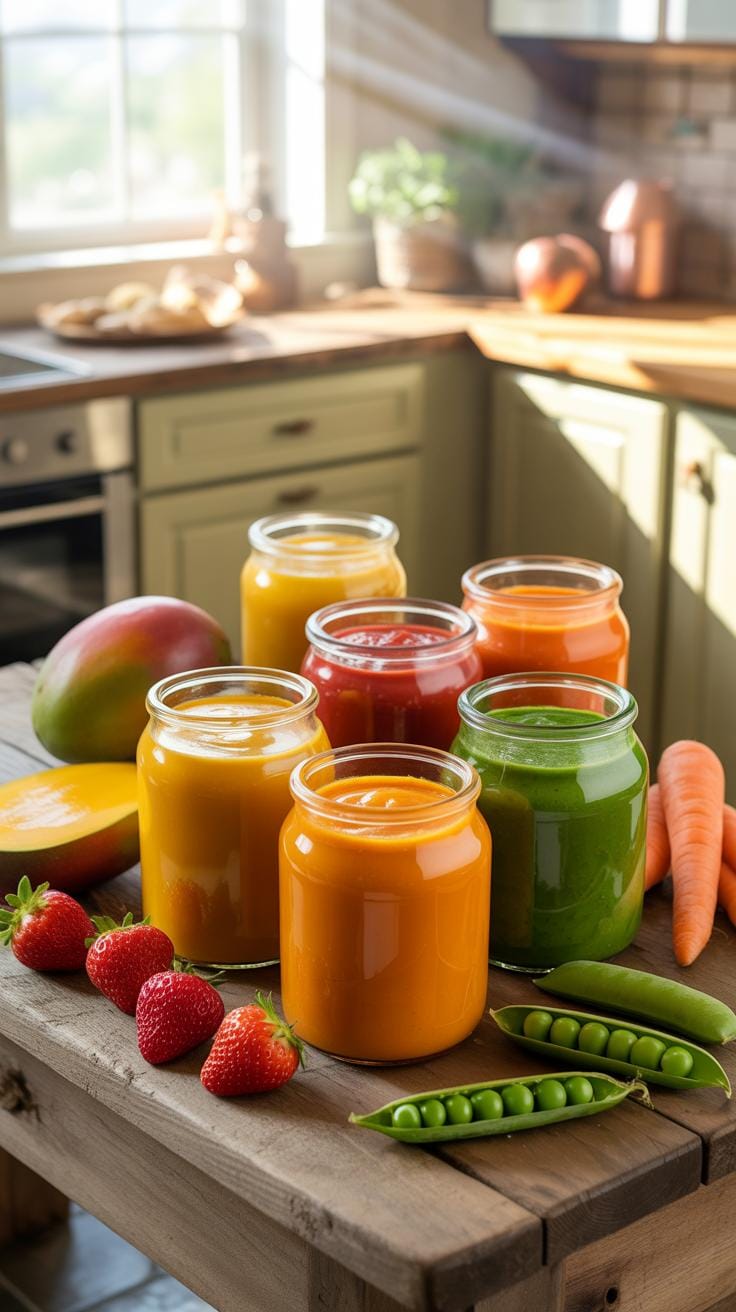
The journey toward homemade baby food often begins with noble intentions. Parents scroll through carefully curated images of vibrant, organic purees arranged in glass jars, each one representing a commitment to natural nutrition and culinary excellence. The allure of controlling ingredients, avoiding preservatives, and creating gourmet flavors for their little ones feels like the ultimate parenting achievement. What could possibly go wrong when crafting meals with love and intention from scratch?
This idealism masks the reality that baby food fails happen frequently in home kitchens. First-time baby food makers envision Instagram-worthy results while overlooking the practical challenges ahead. The romanticized vision of parenthood involves smiling babies eagerly consuming homemade creations, not the frustrated moments when meals end up rejected, wasted, or simply inedible. Yet these aspirations drive countless parents to abandon convenient store-bought options in pursuit of culinary perfection for their infants.
Kitchen Gadgets And High Hopes
The commitment to homemade baby food often begins with a shopping spree that rivals major kitchen renovations. Parents invest in high-powered blenders marketed specifically for baby food preparation, commercial-grade steamers, specialized ice cube trays, and storage containers promised to preserve nutrients. The kitchen suddenly fills with equipment designed to transform fresh produce into silky purees, creating an atmosphere of culinary possibility and professional preparation.

These purchases represent more than just tools; they symbolize a parent’s dedication to providing the best nutrition possible. Yet many kitchen gadgets remain underutilized after the first wave of baby food fails. The expensive blender that promised restaurant-quality results may gather dust once reality sets in. What seemed like essential equipment transforms into a reminder of optimistic planning meeting practical obstacles, teaching parents that expensive tools cannot guarantee success in the unpredictable world of introducing solid foods to infants.
The Great Green Bean Disaster
Fiber Gone Wrong
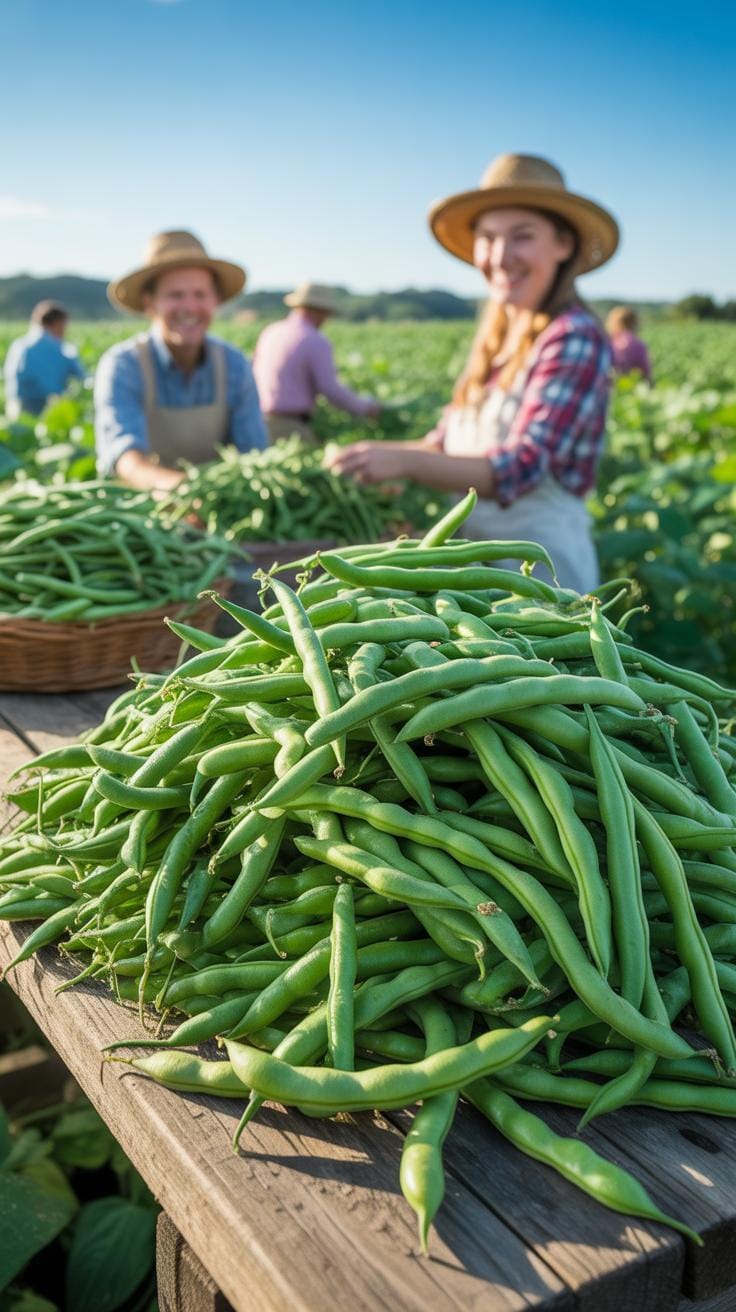
Many well-intentioned parents discover that green beans, while nutritious, present unexpected challenges during the blending process. When fresh or frozen green beans are pureed without careful attention to texture, they develop long, stringy fibers that resist smooth consistency. These fibrous strands can become tangled in blender blades, creating clumpy, unmanageable paste rather than the silky puree infants require. Such baby food fails often result in frustration for caregivers attempting to create wholesome homemade meals.
The solution lies in understanding proper preparation and cooking methods. Overcooking green beans before blending can actually worsen the fiber problem, creating mushy pieces that don’t puree evenly. Straining the blended mixture through fine mesh can help remove stubborn fibers, though this adds extra steps to an already tedious process. Many parents learn through experience that commercial baby food manufacturers use specialized equipment to achieve textures home cooks simply cannot replicate, making store-bought options occasionally preferable to navigating these common baby food fails.
The Color Of Regret
Green vegetables transform dramatically when subjected to prolonged heat, especially during steaming. What begins as vibrant emerald green inevitably shifts toward murky olive, khaki, or worst of all, an unappetizing swamp-like brown-green shade. This color deterioration occurs due to chlorophyll breakdown and oxidation, natural processes that intensify with extended cooking times. Parents preparing homemade baby food often find themselves staring at bowls of questionable-looking puree, wondering whether their creation is actually edible despite its dubious appearance.
The psychological impact of these baby food fails cannot be understated, even though the nutritional content remains intact. Infants, while typically less discerning than older children, can sense parental hesitation about serving discolored food. Shorter cooking times and proper storage techniques help preserve color and appeal. Using blanching methods instead of prolonged steaming, and serving purees promptly rather than refrigerating for extended periods, maintains better visual presentation. Understanding that appearance doesn’t necessarily reflect nutritional value helps parents embrace these inevitable mishaps with humor.
Sweet Potato Explosions And Other Messes
The Starch Struggle
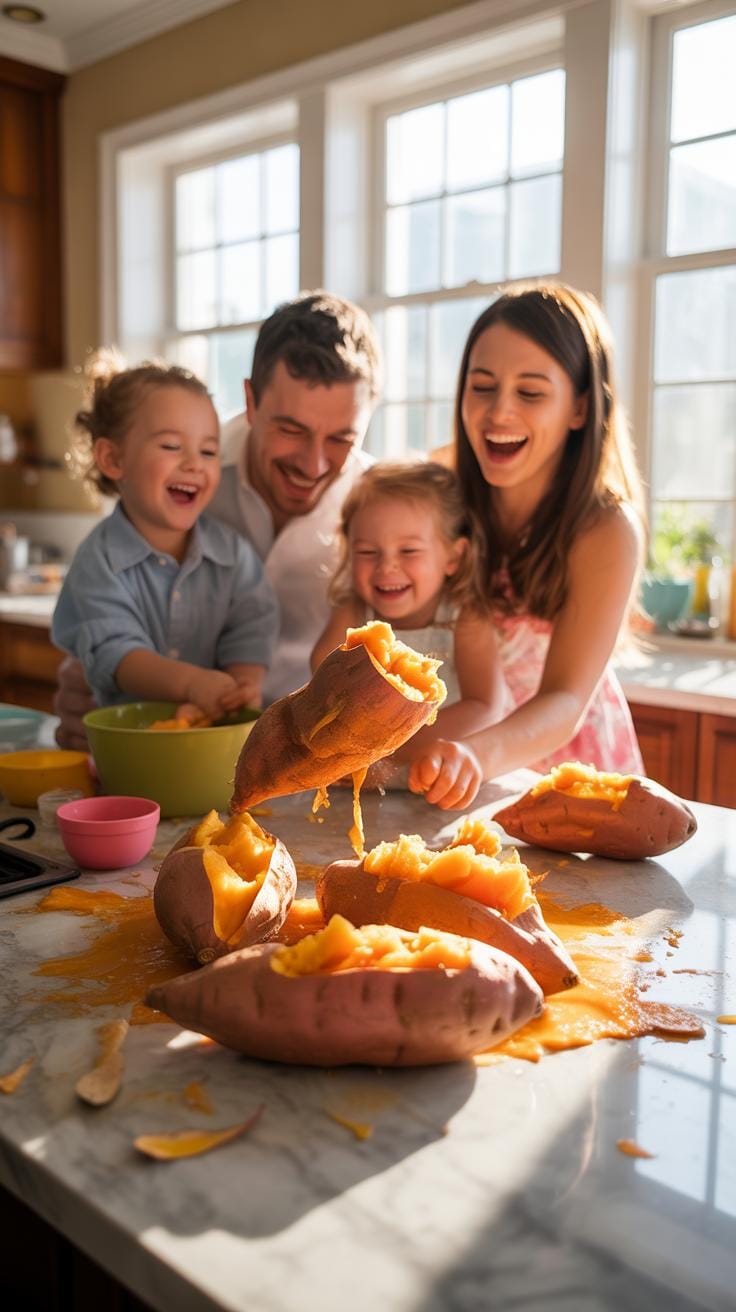
Sweet potatoes and other starchy vegetables present unique challenges in baby food preparation that many parents discover too late. When blended or processed, the natural starches in these foods release their binding properties, creating a thick, adhesive paste remarkably similar to wallpaper compound. This transformation occurs because starch granules absorb water during cooking, then rupture under mechanical blending, releasing amylose and amylopectin that thicken the mixture exponentially.
The consistency problem intensifies when enthusiastic parents add insufficient liquid or overprocess the vegetables. What begins as a reasonable puree quickly becomes a gluey, difficult-to-serve sludge that clings stubbornly to spoons, bowls, and bibs. These Baby Food Fails teach valuable lessons about proper liquid ratios, typically requiring more water or breast milk than expected. Many experienced caregivers recommend starting conservatively with vegetable preparation and gradually adjusting consistency rather than remedying an overly thick batch.
Clean Up On Aisle Kitchen
The blender presents perhaps the most entertaining source of Baby Food Fails during the puree process, transforming a quiet kitchen into an orange-splattered disaster zone within seconds. When high-starch sweet potatoes meet high-speed blending, the pressurized mixture can suddenly escape through the lid or overflow the container’s rim, launching bright orange puree across countertops, appliances, and surprisingly, ceilings. The warm moisture sets quickly, leaving stubborn stains that require aggressive scrubbing to remove.
Parents soon learn that proper blender technique prevents these explosive incidents through careful lid placement and graduated speed settings. Starting at low speed allows the mixture to incorporate gradually before increasing power, reducing pressure buildup that causes catastrophic spillage. Kitchen towels become essential equipment during baby food preparation sessions. These common Baby Food Fails transform mundane cooking tasks into memorable household adventures:
- Always place a towel under and around the blender before starting
- Never fill the blender more than halfway with hot puree
- Allow hot mixtures to cool slightly before blending to reduce steam pressure
- Use an immersion blender for better portion control and easier cleanup
- Cover the blender lid with an additional cloth when processing hot foods

Beyond preventing incidents, having appropriate cleanup supplies nearby streamlines the inevitable mess-management phase. Paper towels, damp cloths, and perhaps a sense of humor become kitchen staples during DIY baby food preparation adventures. The humorous memories of orange-stained clothing and decorated ceilings often outlast the actual frustration of cleanup itself.
When Flavor Combinations Go Rogue
The Avocado Banana Experiment
The avocado-banana pairing seems like a culinary match made in heaven on paper. Both fruits are creamy, mild, and packed with nutrients that developing babies need. However, this beloved baby food fails combination teaches parents an important lesson about food chemistry. When avocado’s flesh oxidizes after blending, it rapidly turns an unappetizing brown or gray color, transforming what looked like wholesome green puree into something resembling pond water within minutes.
Beyond the aesthetic disaster, the oxidation process affects texture and freshness. Parents who enthusiastically blend these two together discover they must serve the mixture immediately or watch it deteriorate before their baby’s highchair. The browning doesn’t necessarily indicate spoilage, but it certainly discourages both parent and child. Many experienced caregivers now recommend preparing avocado puree separately and combining it fresh with banana only at feeding time, avoiding this common baby food fails scenario entirely.
Meat Puree Mishaps Mommy Bloggers Warn About
Blending meat into puree represents one of the most frequently cited baby food fails among parents attempting homemade preparations. Chicken and beef, when pureed alone, create a grayish, grainy texture that bears little resemblance to appetizing food. The muscle fibers break down unevenly, creating an inconsistent, stringy paste that many babies reject instinctively. Novice cooks often underestimate how unpalatable unseasoned meat puree becomes when separated from its cooking broth and accompanying vegetables.
- Ensure meat is fully cooked and tender before blending
- Add cooking broth or bone broth to improve texture and flavor
- Combine meat with vegetables like carrots or sweet potatoes
- Use a food processor rather than immersion blender for better consistency
- Freeze in ice cube trays for portion control and freshness
The solution to these baby food fails lies in combining meat with complementary ingredients and adequate liquid. Chicken with sweet potato, beef with carrots, or pork with peas create naturally balanced flavors that babies find more accepting. Mommy bloggers consistently recommend incorporating the cooking broth into your blending process, which adds moisture and retains essential nutrients lost during preparation. This approach transforms meat puree from a frustrating kitchen disaster into genuinely nourishing baby food.
Texture Troubles From Soup To Cement
The Gummy Cereal Crisis
Over-mixing infant grains transforms what should be a smooth, nutritious breakfast into an unpleasant rubbery texture that frustrates both baby and parent. When rice cereal or oatmeal gets blended excessively with liquid, the starches break down and release additional moisture, creating a gluey consistency reminiscent of chewing gum. This common baby food fails scenario occurs when well-meaning caregivers attempt to achieve the “perfect” consistency by processing far too long or vigorously stirring beyond what’s necessary.
The resulting gummy texture poses challenges for developing gums and makes swallowing difficult for infants still learning to manage solid foods. Babies naturally reject this unappetizing consistency, often spitting it out or refusing subsequent spoonfuls. The lesson here teaches patience: proper texture comes from precise mixing times and the right liquid-to-grain ratios, not aggressive blending. Understanding that restraint produces better results helps prevent this particular brand of baby food fails that leaves everyone disappointed at mealtime.
In those hilariously wrong DIY baby food moments, we remember the tender chaos of nurturing little ones with love.
— Julia Child
Watery Woes With High Moisture Fruits
Fresh fruits like watermelon, cantaloupe, and cucumber create delightful baby food fails when their natural water content isn’t properly managed during preparation. These high-moisture produce options release liquid during blending, resulting in an undesirable “baby soup” that lacks substance and slides directly off the spoon. Parents often underestimate how much moisture these fruits contain, expecting a puree consistency similar to apple or pear but receiving instead a thin, watery concoction that offers minimal nutrition per spoonful.
Addressing watery fruit baby food fails requires strategic preparation methods and ingredient combinations that stabilize the consistency. The solution lies in straining excess liquid through fine mesh, adding thickening agents like infant rice cereal, or blending high-moisture fruits with creamier options such as avocado or yogurt. These adjustments transform disappointing watery mixtures into palatable textures babies actually enjoy consuming, while maintaining nutritional integrity and preventing frustration during feeding times for caregivers.
The Tiny Critic Reactions To DIY Blends
The Infamous Gag Reflex
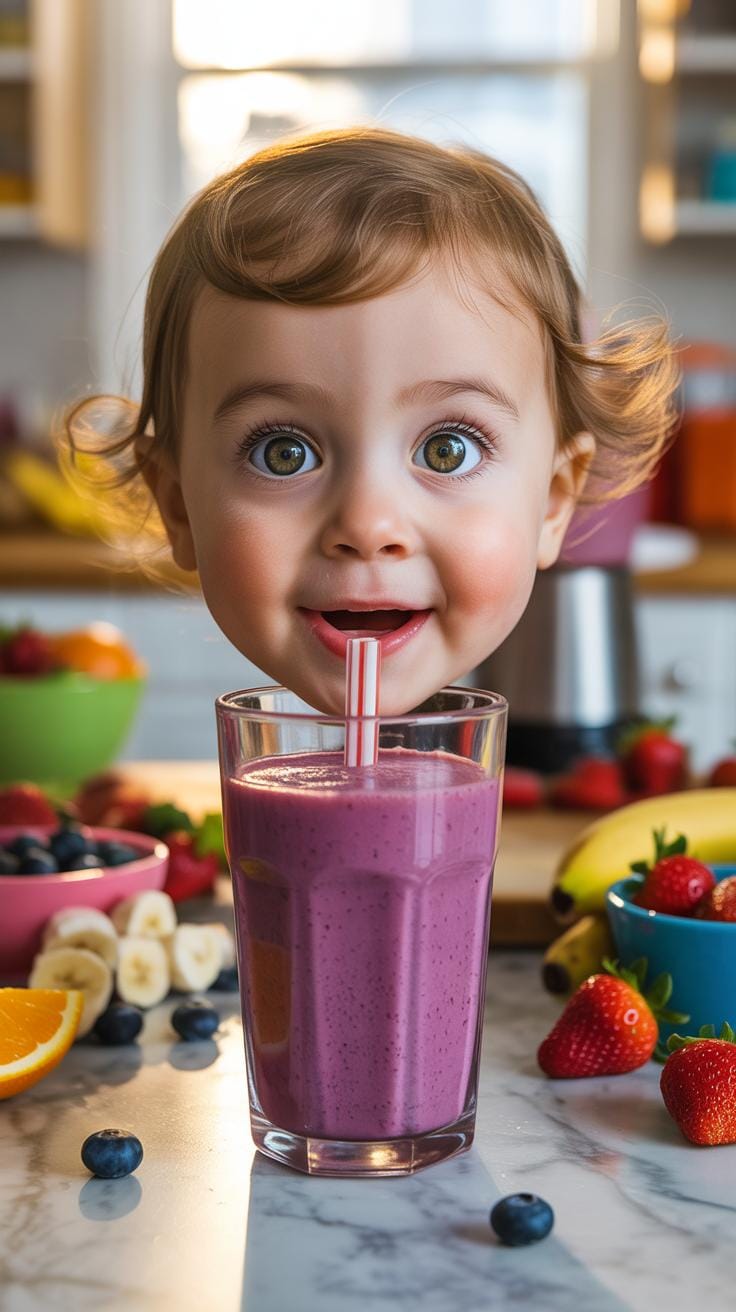
Every parent who has experimented with homemade baby food has witnessed that unmistakable moment of rejection. The gag reflex emerges as nature’s honest critique, a physiological response that no amount of culinary creativity can overcome. Babies possess an innate ability to communicate disapproval through this involuntary reaction, their tiny faces contorting in ways that seem physically impossible. It’s the ultimate baby food fails moment—when your carefully blended creation meets immediate biological resistance, and you realize your little one is the ultimate food critic.
The expressions that accompany these gagging episodes rival any theatrical performance. Wide eyes, tongue thrust forward, and sometimes a dramatic full-body shudder create a spectacle of pure honesty. Parents often find themselves torn between genuine concern and barely suppressed laughter at these theatrical rejections. This authentic response, while sometimes heartbreaking for the well-intentioned chef, serves as valuable feedback about flavor combinations and textures that simply don’t work for developing palates.
Food Painting And Wall Decor
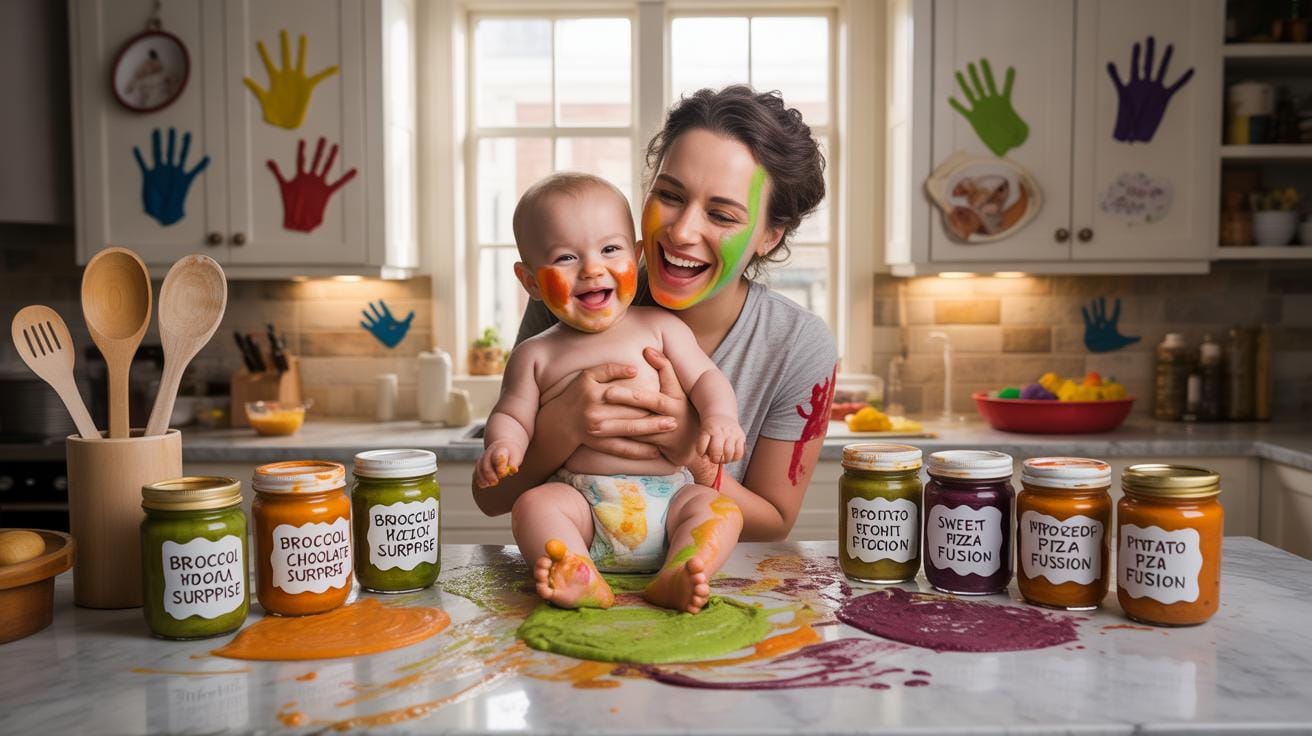
What begins as a rejected spoonful often transforms into an unexpected art installation across the kitchen. Baby food fails frequently result in Jackson Pollock-inspired murals on high chair trays, walls, and occasionally the ceiling. The rejected blend becomes medium rather than meal, with babies wielding their newfound artistic freedom with remarkable enthusiasm. These spontaneous creations cover various surfaces, creating colorful abstract expressions that document the intersection of culinary ambition and infant autonomy.
The cleanup that follows these artistic episodes becomes its own adventure in household management. Dried baby food, once smeared across surfaces, presents unique challenges in removal and stain prevention. What seemed like harmless vegetable or fruit purees can leave surprisingly stubborn marks on painted walls and wood surfaces. These baby food fails serve as humbling reminders that not all experiments conclude with happy tummies, and sometimes the true masterpiece is simply surviving the aftermath with patience and humor intact.
Safety First Avoiding Real Kitchen Risks
Bacteria And Proper Storage Rules
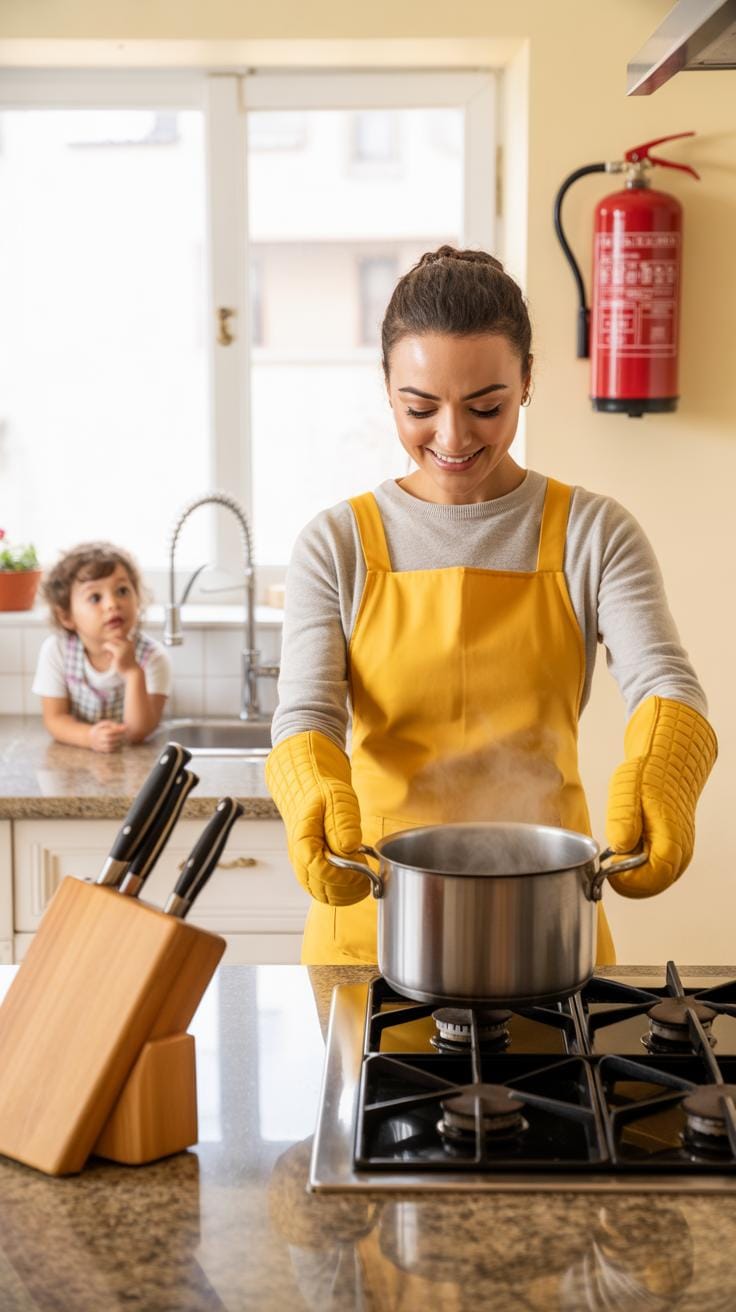
While many baby food fails stem from creative flavor experiments gone awry, the most serious concerns involve bacterial contamination and improper storage practices. When preparing homemade baby food, cleanliness becomes paramount. Wash all fruits, vegetables, and utensils thoroughly under running water before preparation. Steam or cook produce properly to eliminate harmful bacteria like listeria and E. coli that can cause serious illness in infants whose immune systems are still developing.
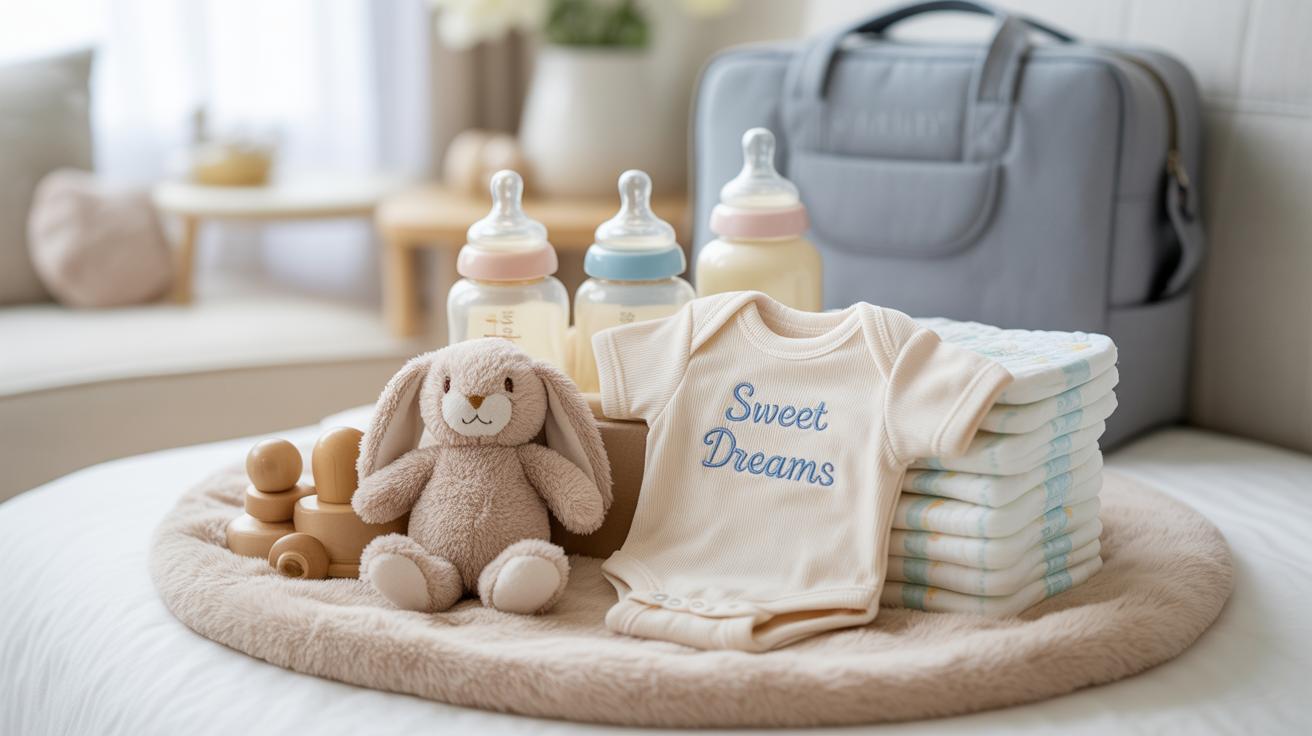
Proper storage prevents many common baby food fails related to spoilage and foodborne illness. Refrigerate prepared baby food immediately in clean, airtight containers and use within forty-eight hours. For longer storage, freeze portions in ice cube trays or small containers for up to three months. Never leave prepared food at room temperature for extended periods, and always thaw frozen portions in the refrigerator rather than on countertops. When reheating, ensure food reaches appropriate temperatures throughout before serving to your little one.
The Danger Of Large Chunks
Texture represents a critical factor often overlooked in amateur baby food experiments that lead to choking hazards. Babies under one year require smooth, age-appropriate textures that their developing swallowing reflexes can manage safely. Puree foods thoroughly until completely smooth for younger infants, gradually introducing slightly thicker textures as they approach six months and develop better coordination. Many baby food fails occur when well-meaning parents attempt to serve inadequately processed foods.
Following established texture guidelines prevents dangerous situations that transform kitchen experiments into genuine safety concerns. Always serve foods that dissolve easily on the roof of the mouth or between gums. Avoid round, hard, or sticky items like whole grapes, nuts, seeds, popcorn, and chunks of cheese or meat. Offer age-appropriate finger foods only when your pediatrician confirms readiness, typically around eight to ten months, maintaining constant supervision during mealtimes to ensure safe consumption.
The Science Of Taste Buds And Tiny Humans Hilarity

Natural Sweetness Vs Bitter Bursts
Babies are born with an innate preference for sweetness, a biological advantage that helped our ancestors identify safe, calorie-rich foods in the wild. This natural inclination explains why homemade fruit purees often succeed where ambitious vegetable blends falter spectacularly. Parents frequently discover through trial and error—sometimes hilariously documented baby food fails—that introducing bitter or savory flavors requires patience and strategic repetition rather than forced acceptance.
The transition from breast milk’s subtle sweetness to complex savory profiles represents a significant developmental leap. Many DIY baby food fails occur when well-intentioned parents introduce pureed spinach, kale, or Brussels sprouts without gradual acclimation. Babies’ taste receptors are exquisitely sensitive, making intense bitter compounds genuinely overwhelming to their developing palates. Understanding this biological reality helps parents approach flavor introduction with realistic expectations rather than disappointment.
The Role Of Smell In Food Acceptance
Aroma plays a surprisingly dominant role in food acceptance, accounting for approximately eighty to ninety percent of what we perceive as taste. The pungent smell of boiled broccoli or steamed cauliflower can trigger immediate rejection before the spoon even approaches a baby’s mouth. Many baby food fails stem from underestimating how powerfully odor influences a tiny human’s willingness to even sample new foods, creating memorable moments of bewilderment for enthusiastic parents.
The olfactory system develops early and remains highly influential throughout infancy and beyond. When introducing new flavors, consider these aromatic strategies:
- Start with naturally fragrant fruits like bananas and peaches
- Combine strong-smelling vegetables with mild, familiar bases
- Offer foods at appropriate temperatures to minimize overpowering aromas
- Introduce one new flavor every three to five days for adaptation
- Mix previously rejected foods with naturally sweet options
Steaming vegetables instead of boiling them preserves more delicate aromatics while reducing harsh, sulfurous odors that contribute to many baby food fails. Allowing purees to cool slightly before serving also diminishes volatile aromatic compounds, making flavors more approachable for sensitive developing taste systems.
Embracing The Store Bought Safety Net
No Shame In The Jar Game
After a series of baby food fails in your kitchen, reaching for those familiar glass jars becomes less of a defeat and more of a wise parental decision. Commercial baby food manufacturers employ rigorous testing, quality control, and nutritional expertise that home cooks simply cannot replicate. These products are formulated to meet strict safety standards and developmental nutrition requirements. Parents who transition to store-bought options aren’t taking shortcuts; they’re making informed choices that prioritize their infant’s health and their own sanity after experimental cooking disasters.

The stigma surrounding commercial baby food has largely faded among modern parents who understand that fed is best. Many nutritionists and pediatricians actually recommend jarred or pouched baby food as equally valid options compared to homemade varieties. The convenience factor allows parents to focus energy on other essential caregiving tasks rather than spending hours sterilizing equipment and troubleshooting recipe mishaps. There’s genuine peace of mind knowing your little one receives consistent nutrition, and honestly, that’s worth celebrating rather than apologizing for after your baby food fails.
Finding A Middle Ground With Baby Led Weaning
Baby-led weaning offers an elegant solution for parents exhausted by the puree process, allowing babies to self-feed soft finger foods rather than relying on blended preparations. This approach respects your baby’s developmental readiness and natural instincts while dramatically reducing kitchen complexity. The transition typically begins around six months when babies demonstrate signs of readiness: sitting upright independently, losing the tongue-thrust reflex, and showing genuine interest in food. Soft vegetables, fruits, and proteins cut into manageable pieces replace blended purees, transforming mealtime from a parent-directed production into an interactive family experience.
This gentler approach sidesteps many common baby food fails by eliminating equipment-heavy preparation entirely. Your blender gets a well-deserved retirement, storage containers become unnecessary, and meal planning simplifies considerably. Babies develop oral motor skills and self-regulation naturally through exploring textures and flavors at their own pace. Parents often find this stage refreshingly straightforward compared to earlier weaning adventures, creating opportunities for genuine family bonding around shared meals rather than stressed puree-making sessions.
Frequently Asked Questions

What are some common DIY baby food fails for beginners?
Baby food fails often happen when beginners overlook simple basics like overcooking veggies into mush or mixing incompatible flavors that babies spit out hilariously. Start with single-ingredient purees using fresh produce, steam gently, and blend smooth. Test small batches first to avoid waste—your little one’s funny reactions will teach you fast! Embrace the mess; it’s all part of the joy.
How can I troubleshoot my baby food fails during DIY experiments?
When baby food fails strike mid-experiment, check texture first—too lumpy? Blend longer with breast milk or formula. Weird taste? Balance with apples or pears, nature’s fixers. Store properly in ice cube trays to prevent spoilage. Document your hilarious flops in a journal to refine recipes next time for success. Patience turns fails into favorites!
Are DIY baby food flavors budget-friendly despite the fails?
Absolutely, DIY baby food flavors are super accessible on a budget, even with baby food fails along the way. Buy seasonal produce in bulk for pennies compared to jars—freeze extras to stretch dollars. No fancy gear needed; a basic blender does it. Laugh off the flops, and you’ll save hundreds yearly while customizing for your babe.


